Pennhurst: The Smell of Memory
Smell is underrated. We often think of history as visual or textual — photos, records, plaques, and tours — but scent is a powerful memory magnet. It cuts straight through time, pulling the past into the present without asking permission. At Pennhurst–aka the Eastern Pennsylvania State Institution for the Feeble-Minded and Epileptic–scent is a language.
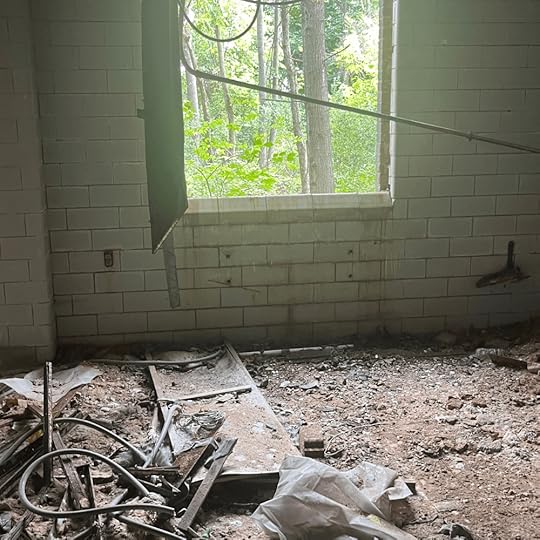
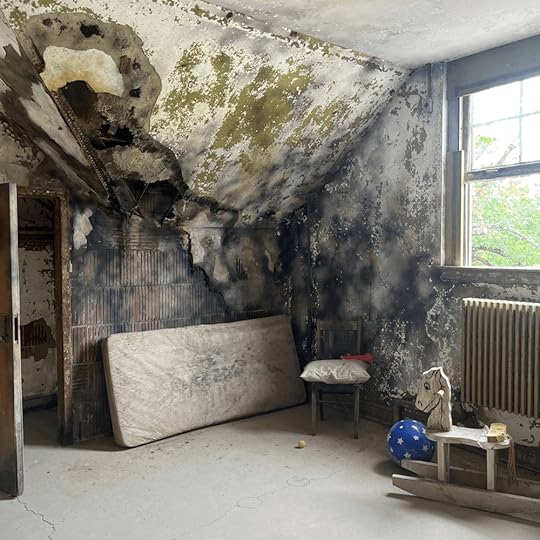
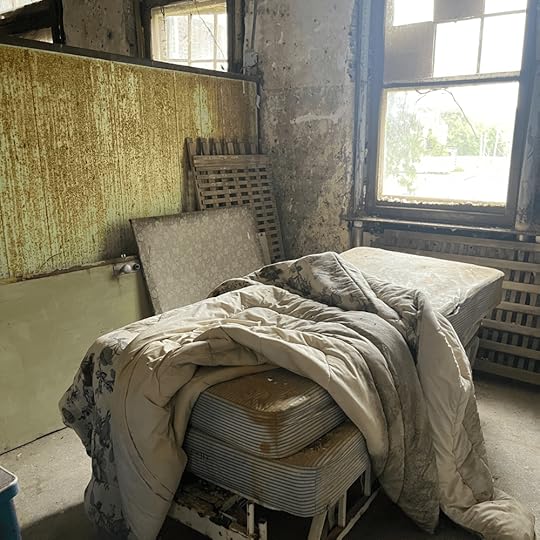
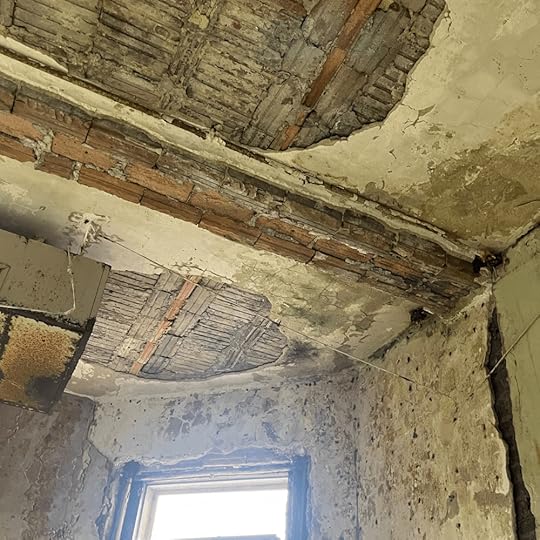
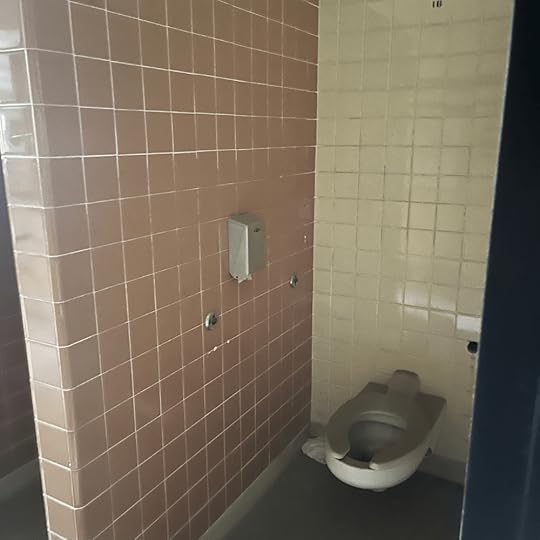
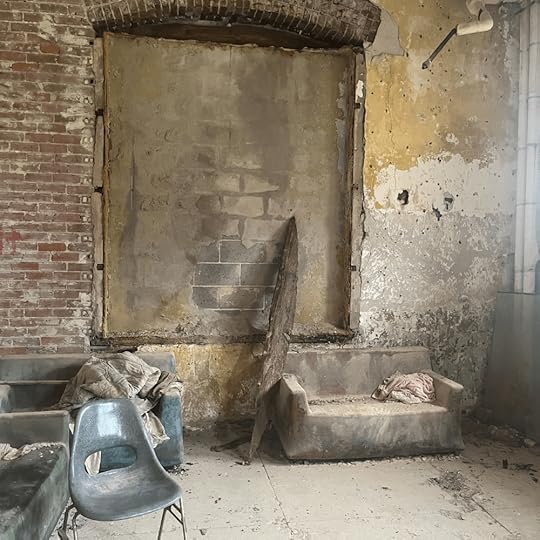
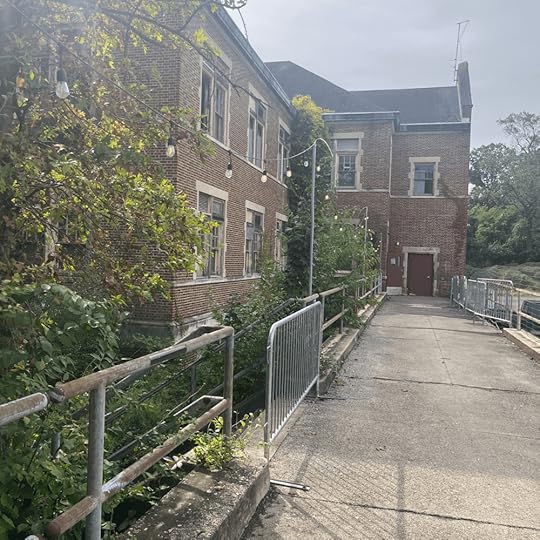
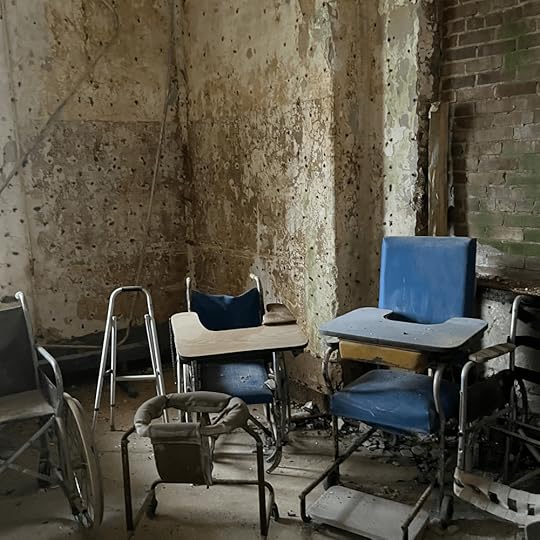
When I walked between rooms and corridors, over floors stained and cracked, the odor shifted around me like a living thing. Damp plaster. Mold. Old wood. Rusting metal. Stale air. A faint chemical tang that might once have been disinfectant of the off-gases of old paint. Each room held its own dialect of decay. I breathed it in, trying to understand it, and it clung to me, to my hair and my clothes, to my camera bag, and even to my car.
It’s been weeks, and sometimes I still catch it in the car’s upholstery–that faint, metallic echo of a place that refuses to leave. I’m not sure whether the smell has truly lingered, or whether memory has tricked me into believing it has. Either way, the result is the same: I’m haunted by scent.
The Contradiction of SeasonsWhat makes this even stranger is that my visit fell in autumn, the season of cinnamon, bonfires, and woodsmoke. When I stepped out of Pennhurst’s tunnels, the contrast almost knocked the breath out of me. The crisp September air was filled with the scents of life: wet leaves, nutmeg, roasted coffee from a nearby thermos, the sweetness of woodsmoke curling into the sky. These are the smells we associate with warmth and memory, with nostalgia and belonging.
Inside Pennhurst, the smells were the opposite. They were sharp, stale, and heavy. They clung instead of invited. They felt like evidence of time arrested rather than time celebrated. Outside, fall was burning gold and copper. Inside, it was all gray and still. That contrast unsettled me deeply.
Maybe that’s what made the experience so powerful. It was the collision of beauty and sorrow. Autumn always feels like memory itself: sweet and fleeting, touched by decay. Pennhurst smelled of decay without the sweetness. And yet, standing between those two worlds, I realized both are part of the same human story. A story we keep retelling because it’s how we make sense of loss.
When Scent Becomes StoryAs a writer, I’ve come to believe that scent is one of the most underused tools in storytelling. Readers remember what they can smell. The scent of damp stone in a crypt. The bite of cold air before a storm. The sweetness of apple pie cooling in a house that’s no longer a home. These are the kinds of details that connect the reader’s world to the fictional one.
When writing gothic fiction, especially, scent grounds emotion in the physical world. It’s not enough for a reader to see the crumbling wall. They should be able to smell the mold growing behind it, the iron in the rain, the wax from an extinguished candle. In a place like Pennhurst, scent tells the truth long after language fails.
That day, as I wandered through the empty wards, I thought about how every building carries its own perfume. Not just of what happened there, but of who was allowed to leave and who was not. The scent of Pennhurst is the scent of history that cannot be scrubbed away.
The Smell That RemainsEven now, when I open the folder of photos from that day, I can almost smell it again. That strange blend of age, neglect, and something human beneath it all. It’s an aroma of endurance and sadness, the ghost of what remains when time forgets to clean up after itself. And maybe that’s why I keep returning to my photos and my notes. Because scent, like memory, is fragile. It fades if we don’t pay attention. So I write. I photograph. I breathe in what lingers. And I remember.