Ideas for Pre-Public Testing
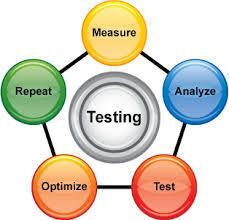
Test Strategies
“Shadow Launch” with Internal Stakeholders:Concept: Deploy the new strategy or product to a small, diverse group of internal employees or trusted partners who can provide real-world feedback without the pressure of public scrutiny.Why it works: Identifies usability issues, unexpected bottlenecks, and communication gaps before they impact actual customers. Think of it as a highly controlled beta test.“Red Team” Adversarial Simulation:Concept: Assemble a dedicated team (the “Red Team”) whose sole purpose is to find flaws, exploit weaknesses, and challenge assumptions within the proposed strategy. This team should think like an adversary or a highly critical customer.Why it works: Proactively uncovers vulnerabilities, biases, and unintended consequences that might be missed by those too close to the project.“A/B/n” Internal Pilot Programs:Concept: Instead of just one internal test, run multiple variations (A, B, C, etc.) of the strategy or messaging with different internal departments or small groups. Track key metrics for each variation.Why it works: Allows for data-driven comparison of different approaches, revealing which performs best under controlled conditions before a wider rollout.“Reverse Engineering” Success Workshop:Concept: Facilitate a workshop where participants imagine the strategy has already failed spectacularly in the public domain. Then, they reverse-engineer the reasons for failure, identifying the critical missteps that led to that outcome.Why it works: Shifts perspective from “how to succeed” to “how to avoid failure,” often uncovering risks and blind spots not considered in typical planning.“Stakeholder Scenario Planning”:Concept: Identify all key external stakeholders (customers, investors, regulators, media, competitors). For each, develop plausible “what if” scenarios related to the strategy’s launch and brainstorm their likely reactions and the optimal response.Why it works: Prepares the team for various eventualities, building resilience and contingency plans for different public receptions.Messaging
“Blind Read” & “Tone Check” Panels:Concept: Present the proposed messaging (press releases, ad copy, internal comms) to individuals who have no prior knowledge of the initiative. Ask them to summarize their understanding, identify key takeaways, and describe the tone/feeling conveyed.Why it works: Reveals if the message is clear, concise, and resonates as intended, or if it’s confusing, misleading, or carries an unintended tone.“Negative Spin” Challenge:Concept: Task a team with taking the carefully crafted public message and deliberately trying to find negative interpretations, misrepresentations, or potential for backlash.Why it works: Identifies potential PR crises, areas where the message could be twisted, or where additional context/clarification is needed to prevent misunderstandings.“Elevator Pitch” Internal Competition:Concept: Challenge various internal teams to distill the core message into a compelling 30-second “elevator pitch”. Award creativity and clarity.Why it works: Ensures the message is simple, memorable, and can be articulated consistently by anyone within the organization, leading to a unified voice.“Social Media Mockup & Response”:Concept: Create mock-ups of how the message would appear on various social media platforms (Twitter, LinkedIn, Instagram). Then, simulate public comments and challenging questions, and practice crafting appropriate responses.Why it works: Prepares the communications team for the fast-paced, often unfiltered nature of social media, allowing them to refine responses and anticipate viral trends.“Analyst/Influencer Simulation Interviews”:Concept: Have senior leaders or spokespeople conduct mock interviews with internal colleagues playing the role of tough industry analysts, skeptical journalists, or influential bloggers.Why it works: Polishes communication skills, ensures consistent messaging under pressure, and identifies areas where more data or clearer explanations are needed.Decisions
“Devil’s Advocate” Decision Review:Concept: Designate a specific individual or team to argue against the proposed decision, even if they personally agree with it. Their role is to highlight risks, alternative perspectives, and potential downsides.Why it works: Prevents groupthink, forces a deeper analysis of the decision’s implications, and ensures all angles have been considered.“Pre-Mortem” Analysis:Concept: Gather the decision-making team and ask them to imagine it’s one year in the future and the decision has been a catastrophic failure. Then, work backward to identify all the reasons that led to that failure.Why it works: Proactively identifies potential pitfalls, allows for mitigation strategies to be developed, and surfaces hidden assumptions or biases.“Decision Matrix with Weighted Criteria”:Concept: For complex decisions, create a matrix listing all viable options. For each option, evaluate it against a set of pre-defined, weighted criteria (e.g., cost, risk, impact on customers, alignment with values). Assign scores and calculate a total.Why it works: Provides a structured, objective, and transparent way to compare options, reducing emotional or subjective biases in the decision-making process.“Ethical Implications Brainstorm”:Concept: Dedicate a session to explicitly discuss the ethical ramifications of the decision. Consider its impact on all stakeholders, including vulnerable groups, and potential long-term societal effects.Why it works: Ensures decisions align with organizational values and societal expectations, preventing future reputational damage or legal issues.“Decision Rehearsal” with Key Implementers:Concept: Before finalizing a major decision, “walk through” its implementation step-by-step with the teams who will be responsible for executing it. Identify practical challenges, resource needs, and potential roadblocks.Why it works: Uncovers unforeseen operational complexities, ensures feasibility, and builds buy-in from those who will be directly affected by and responsible for the decision.The post Ideas for Pre-Public Testing appeared first on Peak Development Strategies.


No comments have been added yet.