Why You Should Read Ghostwriters' Previous Books Before Hiring Them

Selecting a ghostwriter is a big decision. No, it's not irrevocable, but the wrong choice can set you back oodles of cash and time. If your book is timely (and it should be), then you won't be able to recoup the opportunity costs. For these reasons, if you're thinking of using any ghost—including and especially me—you should read one of the author's previous books.
Over the years, I've talked to ghostwriters who claim they can always find their clients' voices. Doesn't matter who. Let's just say that I have my doubts.
My Writing StyleIn my books, I write in an active style. I despise jargon and the passive voice. I keep my sentences relatively short, and in the rare event of a long one, I will immediately truncate the next one. Long paragraphs annoy me as a reader, so why use them as a writer? Finally, I'm a big fan of case studies. Show, don't tell—to quote the great Rush song.
The client-ghostwriter relationship is very much an intimate one.
Ideally, all would-be authors would adopt the same principles. Some clients, however, insist upon a dramatically different tone. Sure, I can dial down the snark, but I can't and won't write like a pompous academic. Grammarly and other AI writing tools can easily transform text today, but the results are often synthetic. Why buy a condo when you really want a ranch?
Lessons From Previous Ghostwriting GigsMy last two ghostwriting gigs have gone well for a variety of reasons. For starters, each client has agreed to use RacketHub and other contemporary tech. (Hello, Calendly.) They have respected the process and trusted that I knew what I was doing. More importantly, though, both of my clients knew in advance the style and content of each chapter—and, ultimately, the final product. No one has ever been surprised when I turned in a near-final draft of a 5,000-word chapter. As a result, project momentum continues. We keep moving forward.
I can't stress enough why these tenets matter so much.
The client-ghostwriter is very much an intimate relationship. Over the course of months or even years, the two parties will work together closely. From the get-go, respect each other's time and input. Disagree respectfully. Adapting to different cadences and exhibiting flexibility sure doesn't hurt. The early riser and the night owl may struggle to regularly find common meeting times. Make no mistake: this matters. All work can't be asynchronous.
Sign up for Simon SaysAward-winning, 14-time author Phil Simon chimes in with his musings on AI, the future of work, collaboration, workplace tech, and more.
SUBSCRIBE .nc-loop-dots-4-24-icon-o{--animation-duration:0.8s} .nc-loop-dots-4-24-icon-o *{opacity:.4;transform:scale(.75);animation:nc-loop-dots-4-anim var(--animation-duration) infinite} .nc-loop-dots-4-24-icon-o :nth-child(1){transform-origin:4px 12px;animation-delay:-.3s;animation-delay:calc(var(--animation-duration)/-2.666)} .nc-loop-dots-4-24-icon-o :nth-child(2){transform-origin:12px 12px;animation-delay:-.15s;animation-delay:calc(var(--animation-duration)/-5.333)} .nc-loop-dots-4-24-icon-o :nth-child(3){transform-origin:20px 12px} @keyframes nc-loop-dots-4-anim{0%,100%{opacity:.4;transform:scale(.75)}50%{opacity:1;transform:scale(1)}} Email sent! Check your inbox to complete your signup.No spam. Unsubscribe anytime.
Simon SaysBefore you even sign papers with your writing partner, though, start with something more foundational. See if you dig the ghostwriter's previous efforts. Good questions to ask include:
Does the ghost's tone generally jibe with your own?Do I write and speak in an appreciably different manner? (If so, then you'll appear off in interviews discussing the book?)If the differences are minor, then can the ghost modify his/her style? A recalcitrant writer who uses 50-cent words—like recalcitrant—may be signaling that he isn't a peach to work with. (I prefer the Oxford comma, but I won't die on that hill.)If not, then maybe you're trying to put a square peg in a round hole.
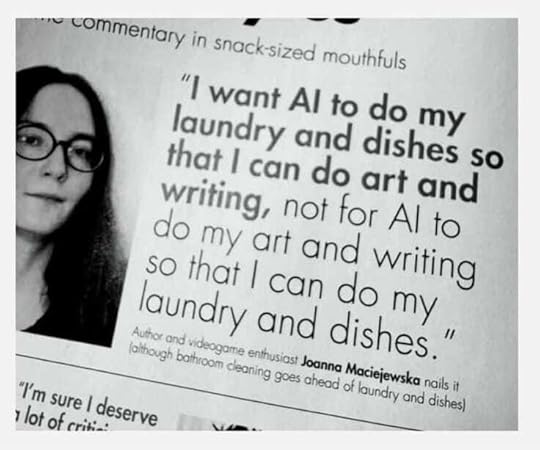
What I Really Want From AIIn the name of all that is holy, can someone please invent a better computer diagnostic tool? Phil SimonPhil Simon
 Feedback
What say you?
❓Finding any problems with my new website? There's no way that we caught all of the bugs. Let me know if you find any issues or would like to provide any feedback.