In Case of Power Outages
A few months ago we discussed building a Family Emergency Binder and a Family Emergency Plan. These were posts about how to protect your family from disasters and how to rebuild your life in case of an emergency. But now that the summer heat has hit hard, and I’ve actually lost power here in Virginia a few times in the last two weeks, today I want to talk about the dreaded Power Outage. How to prepare for them and how to survive them.
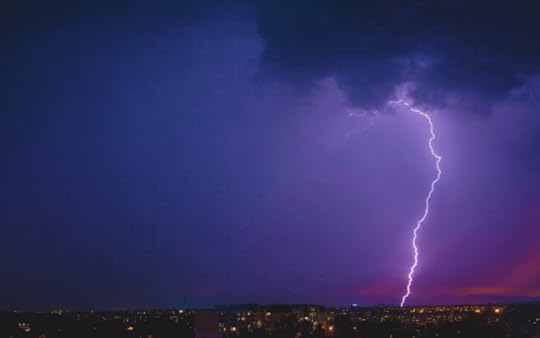
Summer storms. Heatwaves. Overloaded grids. All of these can result in sudden, and often prolonged, power outages… often when we least expect them. Whether you’re dealing with an aging electrical grid, wildfire threats, or rolling blackouts, it’s smart to have a plan in place before the lights go out. Today, let’s prepare our homes and family for summer blackouts so we can stay safe and cool when they happen.
 Why Summer Outages Are So Dangerous
Unlike winter outages where hypothermia is a risk, summer outages pose heat-related dangers. According to the CDC, extreme heat causes more weather-related deaths in the U.S. than any other hazard—especially when the power goes out and air conditioning is unavailable. (CDC Extreme Heat Guide)
 Prepping for Summer Power Outages: A Seasonal Checklist
 1. Make an Emergency Supply Kit
Build a kit with at least a 3-day supply of essentials:
Flashlights with extra batteries (no candles—they’re a fire risk)
Portable battery-operated or hand-crank radio (NOAA Weather Radio preferred)
First aid kit
Shelf-stable food and water (1 gallon per person per day)
Manual can opener
Wet wipes, hygiene products, and garbage bags
 FEMA’s full list of emergency supplies: https://www.ready.gov/kit 2. Prepare for Medical Needs
Ensure prescriptions are filled and refrigerated meds are stored properly
Consider a backup power supply (like a battery-powered cooler or generator) for medical devices
Notify your utility provider if someone in your home relies on life-sustaining medical equipment
 More on medically dependent emergency plans from Ready.gov: https://www.ready.gov/power-outages 3. Keep Your Cool (Literally) During an Outage
Close blinds to keep sunlight out
Open windows during cooler evening hours
Dress in light, loose-fitting clothes
Stay hydrated (drink more water than usual)
Avoid using the oven or stove
Consider investing in battery-powered fans or cooling towels
 CDC guide on how to stay safe during extreme heat: https://www.cdc.gov/heat-health/about/index.html 4. Protect Food and Water
Keep fridge/freezer doors closed: food stays cold for ~4 hours in the fridge and up to 48 hours in a full freezer
Store a cooler with ice packs in case of long outages
Stock up on bottled water (tap may become unsafe during outages)
 USDA Food Safety in Power Outages: https://www.foodsafety.gov/food-safety-charts/food-safety-during-power-outage 5. Invest in Backup Power (If You Can)
Portable power banks for phones and devices
Solar chargers and solar lanterns
Gas or propane generators (ONLY use outdoors and away from windows)
 Never use generators inside homes or garages due to carbon monoxide poisoning risk.
Red Cross generator safety: https://www.redcross.org/get-help/how-to-prepare-for-emergencies/types-of-emergencies/power-outage/safe-generator-use.html
6. Know Your Community PlanFollow local emergency alerts via NOAA weather radio or the FEMA app
Locate community cooling centers ahead of time
Make sure your home address is up to date with your local utility for outage alerts
 Download the FEMA app: https://www.fema.gov/about/news-multimedia/mobile-app
A few final notes:
Power outages are never fun, but with planning they don’t have to be dangerous. Think of this plist as your summer blackout survival guide. It’s simple, proactive, and designed to help keep your family safe (and cool) no matter what the season brings.
The post In Case of Power Outages first appeared on Sharon Wray.