PUFFINS & LAVA AT HEIMAEY
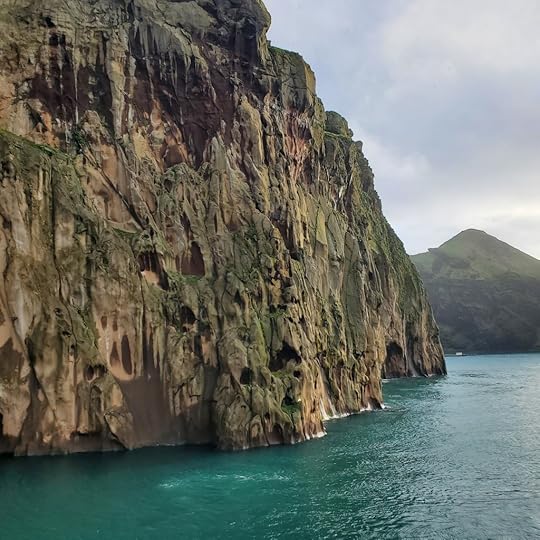
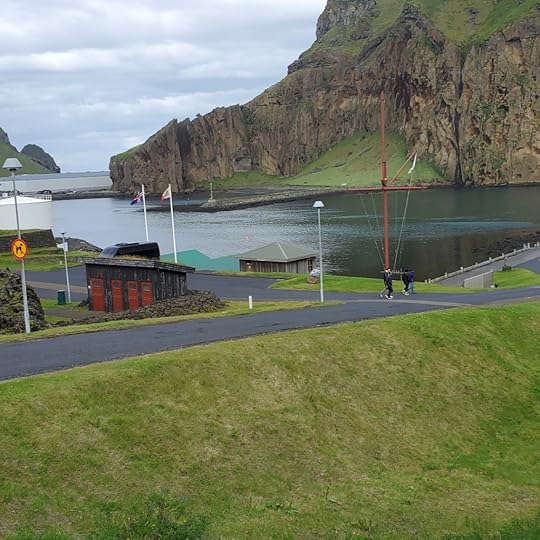
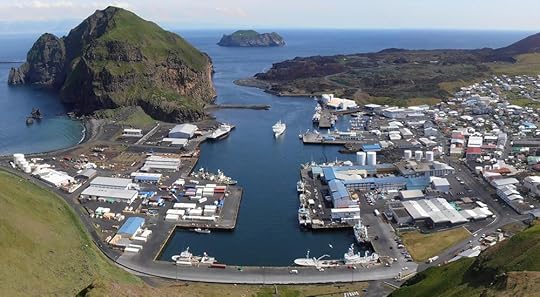
On August 6, 2024, we visited Heimaey in the Westman Islands of Iceland. We arrived at our expedition ship in Reykjavik on the 5th and sailed south to this small town that is a little challenging to get to. After circumnavigating Iceland, we arrived at Heimaey a second time from the east. Heimaey’s harbor may be entered and exited by one way only. Our captain guided our small ship through a narrow channel, bordered by high cliffs on either side, like in the photo above. To make it more interesting, the Captain backed the ship in since there was no room to turn around in the small harbor. Larry and I stood on our little balcony and twisted our heads back and forth as the ship inched its way into the harbor. It was quite narrow about halfway through, but the channel finally widened into the harbor where we docked for a beautiful, sunny day of exploring.
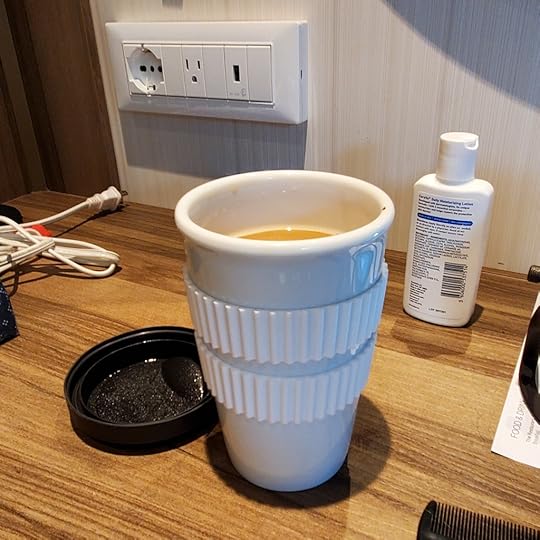
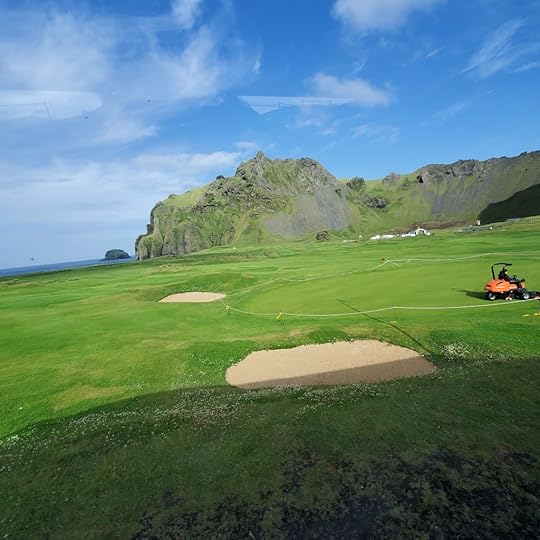
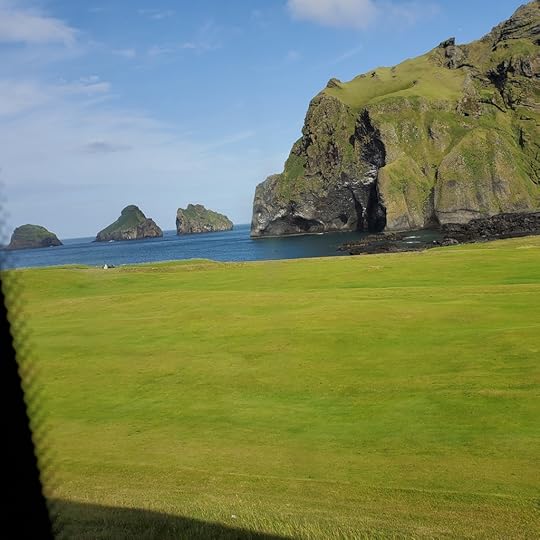
The morning of the 6th, Larry brought me a coffee. I was so impressed with the size of the ceramic cup, I took a picture of it. I have traveled all over the place, and this is the first time my husband brought me a coffee that wasn’t in a paper cup. Not only that, but the coffee was to my exact order. I was soon spoiled. Later, we boarded a bus to view this small place of beauty and remarkable history. We drove by a golf course and viewed volcanic islands that host teams of geologists every year. Remote with barely room to pitch a tent, they come regularly, finding all kinds of geological wonders that reveal the history of these islands.
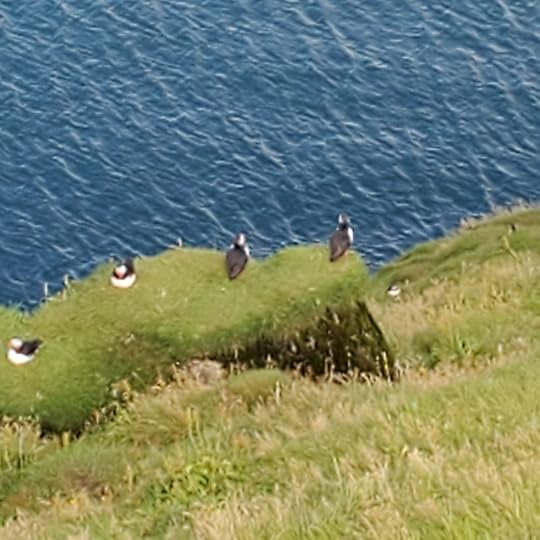
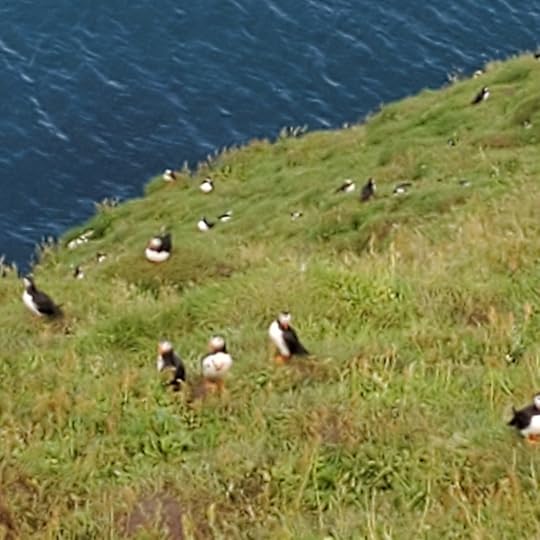
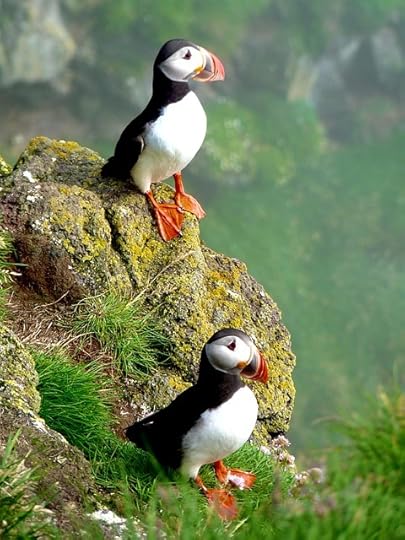
We continued our drive to the spot where we could see the puffins. The guide told us the area was a traditional nesting area, and we should be able to see a lot of puffins. These are seabirds that feed by diving into the ocean. They are short, stocky birds known for their unusual and colorful beaks. They love to swim but also fly. They flap their wings rapidly, about 400 times a minute, as they fly low over the ocean’s surface. There was a walkway from the parking lot, up a steep incline to a little viewing shed/platform where we could view the puffins and take pictures. We were warned to keep our distance, but the more adventurous decided to ask for forgiveness and jumped barriers to crawl down the side of the grassy slope, full of rocks and crags, to get a better photo of the puffins. If one got too close, the puffins flapped their short wings and ran away. But no one fell into the ocean, broke a leg or scared too many puffins. We got our pictures and hiked back to the bus. Like penguins, it’s fun to see these animals in their natural surroundings.
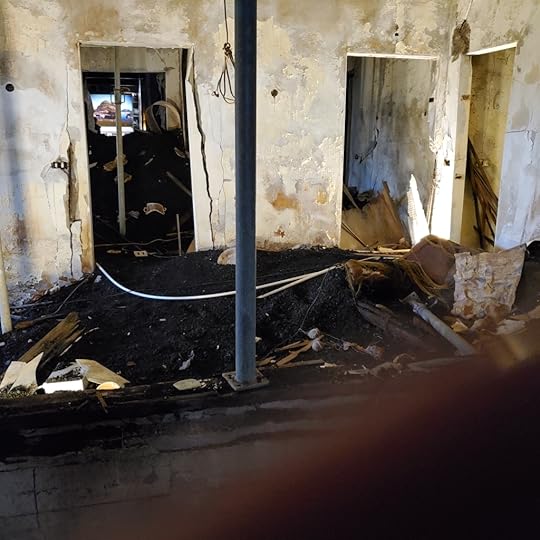
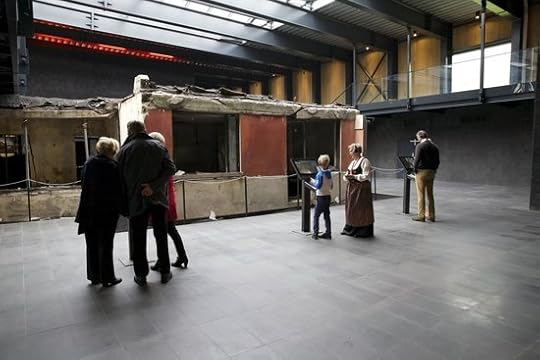
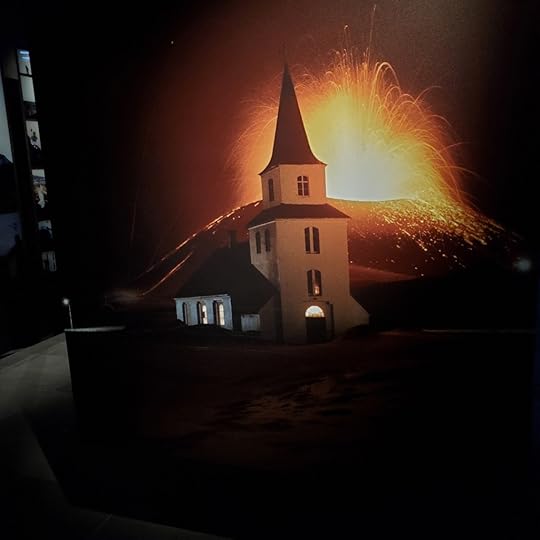
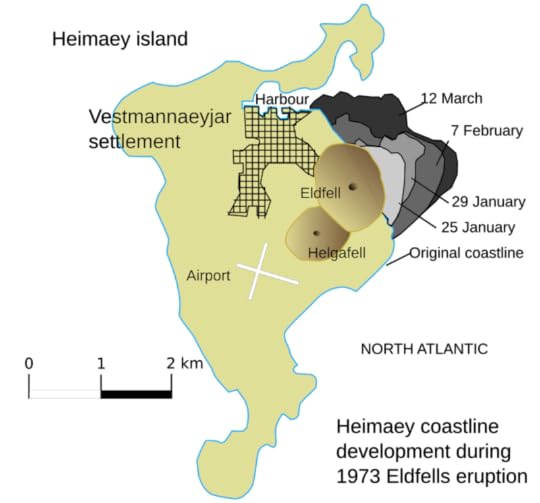
Next, we visited a very unusual museum, nestled at the base of a huge cliff that marked the stopping place of a destructive lava flow. Edfell Volcano, or in Icelandic, Hill of Fire, erupted on January 23, 1973. The Eldhiemar Museum, opened in 2014, is unique in that it was built over the ruins of a house that was physically dug out from the lava. Another house, still partially buried, stands near the entrance. It was strange to view the shell of this house, with odds and ends of furniture and kitchen implements amid burned walls, heaps of ash, and leftover lava deposits. It was unlike anything I’ve ever seen. In addition to this relic, the museum displayed photos and video reenactments of the eruption. It was a desperate situation for the 5000 residents since the massive lava flow threatened to block the harbor. Reliant on the fishing industry for their income, it would be disastrous for the people of Heimaey.
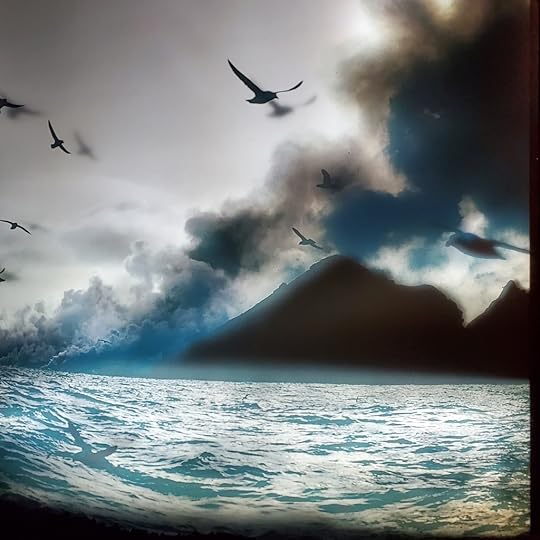
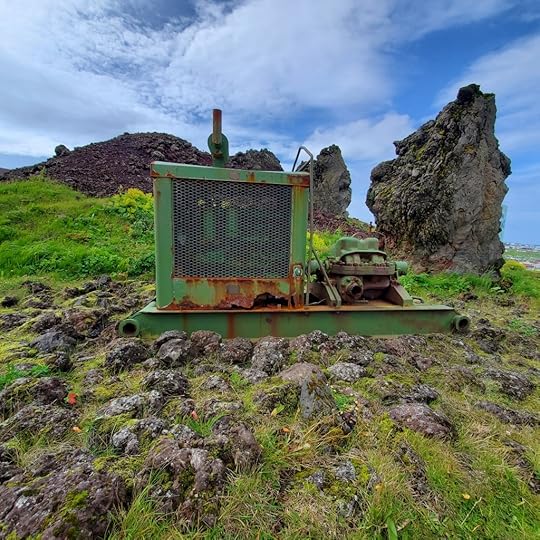
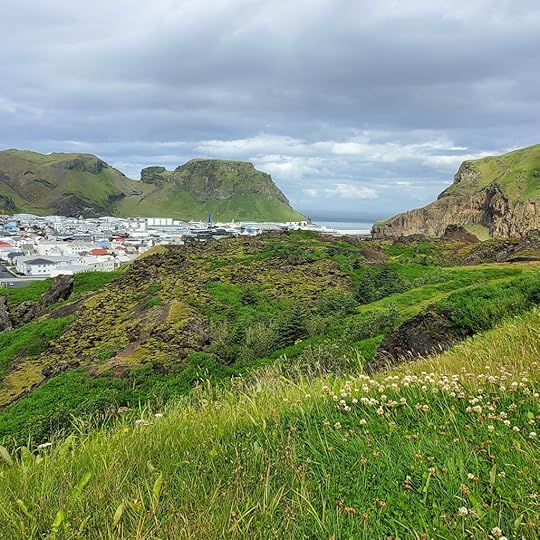
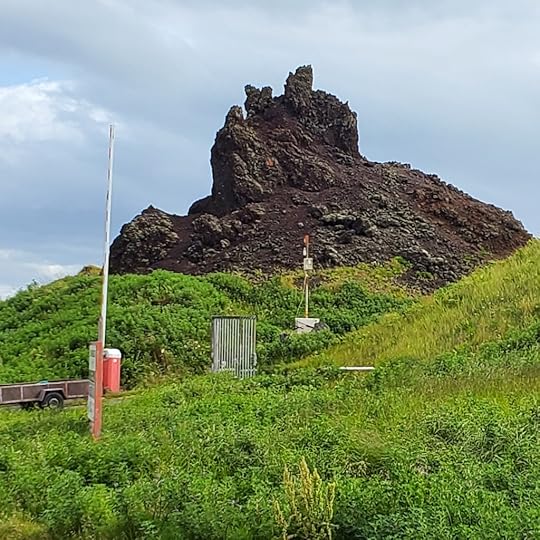
After leaving the museum, we drove through the vast lava fields and saw how close the town was to total destruction. After temporarily evacuating the population in Winter in the middle of the night, a feat in itself, pumps were brought in to pump seawater directly into the advancing lava flow to protect most of the town and the harbor. One of these life-saving pumps is on display, as shown above. The photo to the right shows how close the lava got to wiping out the town. Even with about 400 homes destroyed, the residents were not defeated. They used heat from the cooling lava flows to provide hot water and electricity. They used the extensive ash or tephra to extend the town’s small airport runway. There was so much of the stuff, it was also used for landfill, on which 200 homes were built. Now that’s turning lemons into lemonade.
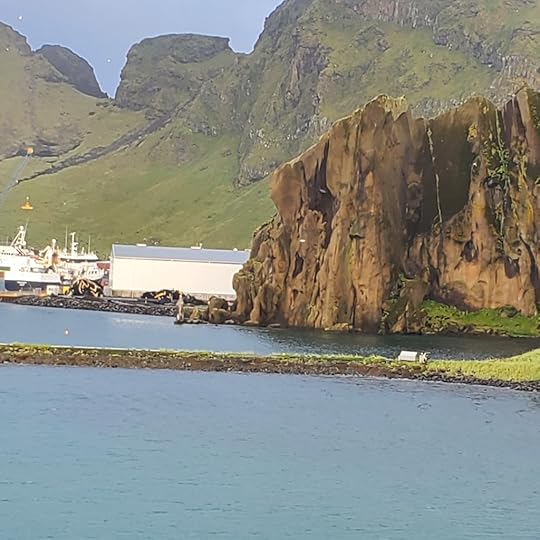
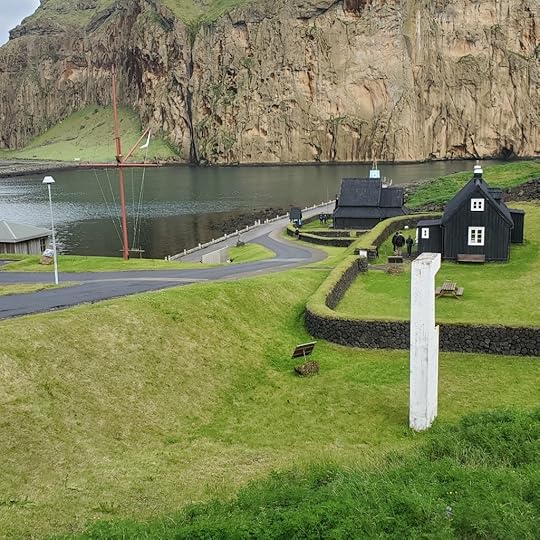
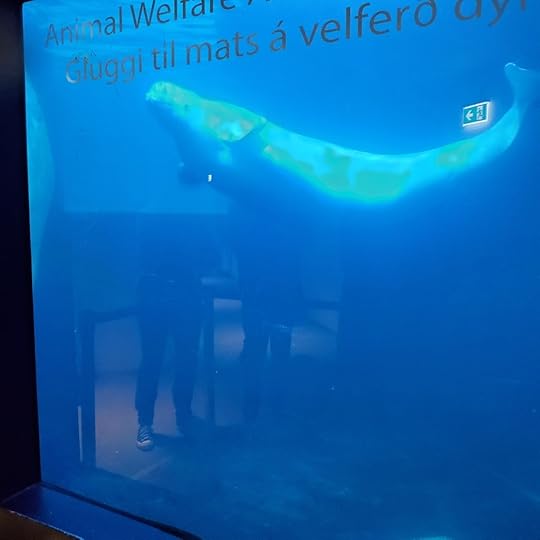
On our return visit almost a month later, we walked around the town and visited a SeaLife Beluga Whale Sanctuary. The sanctuary received two 12-year-old female belugas from Shanghai Chengfeng Ocean World Zoo. The 34,455 sq ft, 30 ft deep open-air holding pool near the harbor is perfect for the whales to swim, dive, and explore. There is also a museum where we viewed the whales, plus plenty of sea birds. The sanctuary also conducts a puffin rescue every year when the young puffins, trying their wings, fly into buildings and windows, knocking themselves to the ground. Citizens are prepared and gather up the stunned baby puffins to deliver to the sanctuary to be examined before they are safely released.
We enjoyed our visit to Heimaey, and I highly recommend it to any of you with a hankering to see Iceland. The people are friendly, and the Island is filled with beauty everywhere you go. I just wish there was a better way to get there other than taking Icelandic Air. (Another story) Too bad there isn’t an affordable ferry! I hope you enjoyed my post. See you next time. Visit my website at https://vcwilliamsauthor.com/ to sign up for future blogs and other writing updates.