The Sensitive Empath Archetype: Understanding Your Emotional Sensitivity & How to Transform Overwhelm
“I can literally feel what everyone else is feeling—it’s both a gift and exhausting.”
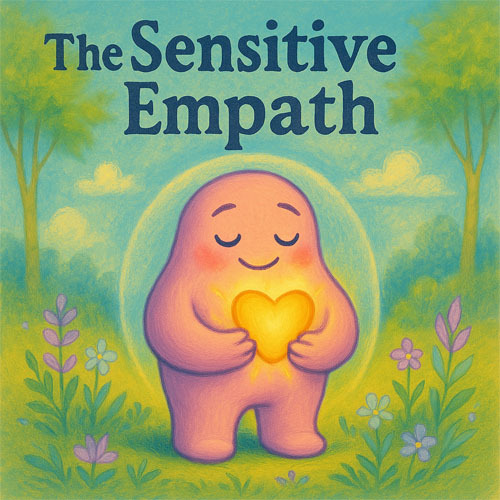
Ever walked into a room and immediately sensed the emotional atmosphere? Or perhaps you’ve found yourself absorbing a friend’s anxiety or sadness after spending time with them, carrying their emotions as if they were your own?
Welcome to the world of The Sensitive Empath — where your extraordinary sensitivity can be both your greatest gift and your most depleting challenge.
If you find yourself absorbing others’ emotions, feeling drained after social interactions, experiencing emotional “hangovers” from being in certain environments, or struggling to distinguish your feelings from those you’ve picked up from others, you’re in good company. The good news? Understanding that your empathic nature isn’t a weakness—but rather your nervous system’s heightened receptivity—is the first step toward transformation.
Note: The Sensitive Empath is one of our 8 Tapping Archetypes. While this guide focuses on empathic patterns, you might recognize yourself in multiple archetypes – we all contain multitudes! Take our quiz here to find your primary type, and explore all the archetypes below to discover which combination best reflects your unique emotional landscape:
The AvoiderThe Pressure CookerThe Heavy HeartThe Self-DoubterThe High AchieverThe PerfectionistThe OverthinkerHow Empathic Sensitivity Patterns WorkLet’s take a moment to see if any of these feel familiar (and maybe even bring a sigh of recognition):
Walking into a room and immediately sensing the emotional “vibe”Feeling physically affected by others’ emotions or stressBeing told you’re “too sensitive” or that you “take things too personally”Needing extra time to recover after social events or crowded placesExperiencing sudden mood shifts after interacting with certain peopleFinding yourself taking on caretaking roles in most of your relationshipsFeeling overwhelmed by news, violent media, or others’ storiesBeing drawn to helping professions despite the emotional toll they takeHaving people naturally share their problems with you, even strangersExperiencing physical symptoms that mirror what others around you are feelingWhat’s happening in these moments is that your nervous system is operating with heightened receptivity—like an emotional antenna that picks up signals most people’s systems filter out. Think of it as having extraordinary emotional hearing that detects whispers others don’t notice, making you exceptionally perceptive but also vulnerable to becoming overwhelmed by the constant input.
The Neuroscience Behind Empathic SensitivitySo what’s actually happening in your brain and body when you’re absorbing others’ emotions? It’s fascinating (and perhaps validating) to know there’s real neuroscience behind these patterns.
Picture this: your remarkable brain has specialized cells called “mirror neurons” that help you understand others by internally mirroring what they might be experiencing. Everyone has these neurons, but research suggests that empathic people may have mirror neuron systems that are extraordinarily active and responsive.
Meanwhile, your body’s boundaries for emotional and energetic information may be more permeable than most. Your nervous system hasn’t developed the same filtering mechanisms that allow others to remain unaffected by the emotional states around them. The result? You experience others’ emotions with remarkable accuracy and intensity—like having a highly sensitive emotional receiver that picks up signals from everyone without an effective volume control.
The challenging part is that there’s rarely a clear distinction between emotions that originate within you and those you’ve absorbed from others. This can create confusion about what you’re actually feeling and why, leading to emotional and energetic depletion as you process not only your own emotional experiences but everyone else’s too.
The Origins of Empathic Sensitivity PatternsEver wondered where your empathic tendencies came from? These patterns didn’t just appear overnight—they’re more like innate sensitivities that were then shaped by your life experiences.
Childhood and Early ExperiencesThink back for a moment. Perhaps you grew up in an environment where:
You needed to be highly attuned to others’ moods for emotional safetyYou were the emotional translator or mediator in your familyYour natural sensitivity was either especially valued or problematically dismissedYou learned that caring for others’ emotions was your role or responsibilityYou observed suffering that awakened your deep compassionYou developed heightened awareness as a response to unpredictabilityYour emotions were invalidated, causing you to focus more on others’ feelings than your ownYou received more positive feedback for empathy and caretaking than for self-careFor many Sensitive Empaths, these patterns began with innate sensitivity that was then reinforced by life experiences. Your wonderful nervous system was already finely attuned, and then it adapted further based on what helped you navigate your early environment.
Your Nervous System’s Protection PlanHere’s a perspective shift that might bring some relief: your empathic absorption isn’t a character flaw—it’s actually your brain’s way of trying to keep you safe and connected in the social environment. All that emotional sensitivity is attempting to help you:
Navigate relationships successfully by understanding others deeplyAnticipate others’ needs before conflict or rejection can occurMaintain harmony in your environment, which feels saferConnect meaningfully with people through emotional understandingProtect yourself by sensing emotional undercurrents earlyThink of it like an early warning system that evolved to keep you emotionally secure. Your empathic nature isn’t a broken system—it’s a highly specialized perception system that’s working overtime without sufficient boundaries. Recognizing this intention can be the first step toward showing yourself some well-deserved compassion.
How Empathic Sensitivity Affects Your Daily LifeWhile your brain believes it’s helping you navigate the social world through this heightened sensitivity, empathic absorption can sometimes feel like wearing everyone else’s emotional clothing on top of your own. Let’s look at how it might be showing up in and impacting your daily life:
Mental and Emotional ImpactConfusion about which emotions are actually yours versus absorbed from othersEmotional exhaustion from processing not just your feelings, but everyone else’s tooDecision-making challenges when you’re overly influenced by others’ feelingsDifficulty prioritizing your needs when you’re constantly tuned into others’Mental overwhelm from trying to make sense of complex emotional inputCompassion fatigue from caring deeply about everyone’s strugglesDifficulty maintaining your own perspective when strongly influenced by othersAnxiety from constantly scanning environments for emotional informationPhysical ImpactFeeling physically drained after being in crowded or emotionally charged environmentsExperiencing others’ physical symptoms (headaches, tension, etc.) as your ownNeeding more sleep and recovery time than othersDeveloping a heightened stress response from constant emotional stimulationDigestive sensitivity Tension in your body Immune system challenges Difficulty maintaining energy throughout the day, especially after interactionsRelationship ImpactTaking on caretaking roles by default, often at your own expenseAttracting people who need emotional support but may not reciprocateStruggling to maintain boundaries with those whose emotions you absorbHaving others depend on your emotional insight and supportFeeling resentful when your own emotional needs aren’t recognizedAvoiding certain people or situations because of their emotional impact on youBeing vulnerable to those who might exploit your empathic natureFinding it challenging to prioritize self-care without feeling selfishIf you’re nodding along to several of these, take a deep breath—you’re in good company. These experiences are shared by many people with naturally empathic nervous systems.
How Tapping Transforms Empathic SensitivityNow for the really good news: your nervous system is incredibly adaptable and can absolutely learn to maintain your empathic gifts without the overwhelming absorption. You’re not destined to emotional exhaustion forever! This is where Tapping (also known as Emotional Freedom Techniques or EFT) comes in as your new secret weapon.
Why Tapping Works Like Magic for Sensitive EmpathsTapping is uniquely suited to help transform empathic overwhelm for several fascinating reasons:
It strengthens your energetic boundaries – When you tap on specific acupressure points while addressing empathic absorption, you’re actually helping recalibrate your body’s energetic boundaries. Many empaths report an immediate sense of having a “force field” that allows them to sense others’ emotions without absorbing them.It resets your nervous system’s filtering capacity – Research shows Tapping helps regulate the autonomic nervous system, which governs your body’s stress response. This regulation helps your system develop more effective filters for emotional input, so you can remain perceptive without becoming overwhelmed.
It helps differentiate your emotions from others’ – One of the most powerful benefits of Tapping for empaths is increased clarity about which emotions actually belong to you versus those you’ve absorbed. This discernment is lifechanging for many highly sensitive people.
It addresses the unconscious beliefs that drive over-absorption – Many empaths have underlying beliefs that they’re responsible for others’ emotional well-being or that they aren’t allowed to prioritize themselves. Tapping helps transform these core beliefs that fuel empathic depletion.
It provides immediate emotional clearing – When you’ve absorbed others’ emotions, Tapping helps you release this energy quickly rather than carrying it for hours or days. Think of it like emotional hygiene that prevents accumulation of others’ emotional states in your system.
Tapping Applications for Sensitive Empaths
When you’re living with empathic sensitivity, Tapping can help in multiple areas of your life. Here are some of the most effective ways to apply tapping for an empathic nervous system:
1. For Empathic Boundary SettingOne of the biggest challenges for Sensitive Empaths is maintaining healthy boundaries while still remaining compassionate. Tapping can help by:
Strengthening your energetic boundaries before entering potentially overwhelming environmentsHelping you recognize when you’re absorbing rather than simply perceiving others’ emotionsSupporting you in saying “no” without guilt when your emotional resources are depletedClarifying which emotional responsibilities are yours and which belong to othersBuilding comfort with prioritizing your own well-being alongside others’Many empaths find that regular Tapping before social events or challenging interactions helps them remain connected and perceptive without becoming drained or overwhelmed.
2. For Emotional Clearing and ResetSensitive Empaths often need effective ways to clear absorbed emotions rather than carrying them indefinitely. Tapping can support this by:
Providing a quick “emotional shower” after absorbing others’ feelingsHelping identify and release emotions that don’t belong to youCreating a reset for your nervous system after intense empathic experiencesProcessing and releasing emotional residue from past interactionsSupporting faster recovery after empathically charged events or environmentsMany highly sensitive people find that regular Tapping after social interactions, work days, or exposure to highly emotional content helps them maintain their well-being without building up emotional residue over time.
3. For Workplace and Career ManagementWhether you work in a helping profession or a conventional office, empathic sensitivity can create unique workplace challenges. Tapping can help by:
Supporting you in maintaining emotional balance in helping professionsReducing compassion fatigue when working with people in difficult circumstancesHelping you navigate emotionally charged workplace dynamicsBuilding resilience for empaths in leadership positionsSupporting clear decision-making that isn’t overly influenced by others’ emotionsMany professionals find that Tapping before and after emotionally demanding work helps them bring their gifts of perception and compassion without becoming depleted.
4. For Relationship DynamicsSensitive Empaths often face specific relationship challenges related to their sensitivity. Tapping can support healthier connections by:
Helping you discern between genuine intuition about relationships and fear-based projectionSupporting you in expressing your needs alongside supporting othersBuilding comfort with receiving rather than always givingHelping transform patterns of attracting energy-depleting relationshipsCreating emotional safety for authentic connection without absorptionMany empaths find that as they tap regularly, their relationships naturally become more balanced and nourishing—often without any direct effort to change the relationships themselves.
5. For Self-Care and Energy MaintenanceThe physical toll of empathic absorption can be significant, but Tapping can help by:
Replenishing your energy after empathically demanding experiencesReducing the physical manifestations of absorbed emotionsSupporting your system in maintaining its own emotional baselineHelping you prioritize self-care without guiltCreating sustainable patterns of energy management for sensitive systemsMany Sensitive Empaths report that Tapping helps them maintain physical well-being even while engaging with emotionally complex environments and relationships.
With consistent practice, Tapping becomes a versatile tool that you can apply to virtually any situation where empathic overwhelm emerges. The beauty of this approach is that it adapts to your specific needs and can be used both preventatively and responsively when emotional absorption occurs.
Your Brilliant Path ForwardLet’s take a moment to acknowledge something important: your empathic sensitivity is not a weakness—it’s actually one of your greatest strengths. In a world that often values stoicism over sensitivity and independence over interconnection, your capacity to feel deeply and understand others is a precious gift.
As you continue this journey, try approaching your sensitive heart with the same compassion you so readily offer others. This kindness creates the perfect environment for genuine transformation to unfold.
With consistent Tapping (even just a few minutes daily), you can gradually transform your relationship with your empathic gifts to:
Sense others’ emotions without absorbing and carrying themMaintain clear energetic boundaries while still remaining compassionateDistinguish your own emotions from those you’ve picked up from othersUse your empathic insights selectively rather than absorbing everythingPrioritize your well-being alongside supporting othersExperience the gifts of empathic perception without the exhaustionYour empathic nature is a genuine superpower when it’s working for you rather than depleting you. The goal isn’t to become less sensitive—it’s to develop the capacity to channel your sensitivity purposefully, and to discover the profound gifts your empathic nature makes possible when it’s in balance.
Just imagine for a moment: walking into a room and sensing the emotional atmosphere without absorbing it, connecting deeply with others without feeling drained afterward, maintaining your center even in emotionally intense situations, and using your remarkable perceptiveness as a gift rather than experiencing it as a burden.
These experiences aren’t just possible—with consistent Tapping, they can become your new normal.
Your Next Steps to Empathic BalanceReady to give your sensitive system some much-deserved support? These Tapping sessions in The Tapping Solution App are specifically designed for Sensitive Empath and can be your perfect next step:
Clearing Negative Energy Picked Up From Others – Your go-to for when you’ve absorbed others’ emotional statesI Give Myself Permission to Set Healthy Boundaries – Perfect for strengthening your energetic boundaries
Let Go and Allow – Especially helpful to let go of extra burdens you’ve been carrying and feel lighterExplore Other Archetypes
While empathic sensitivity might be your primary pattern, you may also identify with aspects of other archetypes! Each Archetype offers unique insights and Tapping approaches that could support your journey:
The AvoiderThe Pressure CookerThe Heavy HeartThe Self-DoubterThe High AchieverThe PerfectionistThe Over ThinkerBrowse through these other guides to discover additional perspectives and techniques that might complement your Tapping practice and deepen your self-understanding.
And if you haven’t taken our Tapping Archetypes Quiz yet, you can do so here!
Until next time… Keep Tapping!
Nick Ortner
The post The Sensitive Empath Archetype: Understanding Your Emotional Sensitivity & How to Transform Overwhelm appeared first on The Tapping Solution.
Related posts: Research Feature: Tapping May Actually Affect the Way Your Brain Processes Emotion
 Tapping World Summit 2023
 10 Affirmations to Help You Forgive Yourself