
25 Questions to Help You Understand How AI will Affect Your Job in the Future
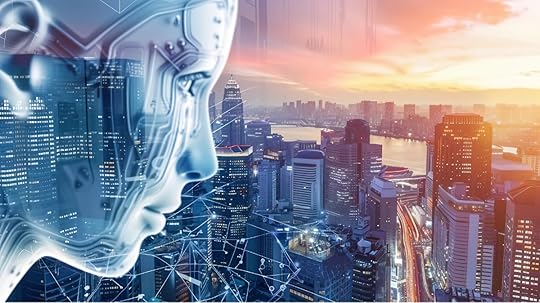
How can AI become your friend, your buddy, and coworker in the future?
As artificial intelligence continues to advance at a rapid pace, its impact on the job market is becoming an increasingly important topic of discussion. To gain a clearer understanding of how AI might shape the future of work, it’s crucial to engage in self-reflection and critical thinking. The following set of 25 questions is designed to encourage individuals to explore various aspects of AI’s potential influence on their careers, industries, and the broader job market.
These questions cover a wide range of topics, from the automation of specific job tasks to the emergence of new roles and the ethical considerations surrounding AI integration in the workplace. By contemplating both positive and negative potential outcomes for each question, individuals can develop a more nuanced and comprehensive view of the challenges and opportunities that lie ahead.
As you consider these questions, remember that the future impact of AI on the job market is not predetermined. By actively engaging with these ideas, you can better prepare yourself for the changes to come and potentially influence the direction of AI integration in your field.
25 Questions1. Which aspects of my current job could potentially be automated by AI?Positive: AI automation could free me from repetitive tasks, allowing me to focus on more creative and strategic aspects of my job.
Negative: A significant portion of my job could be automated, potentially making my role redundant and threatening my job security.
Positive: My emotional intelligence, creativity, and ability to handle complex social situations are uniquely human traits that AI can’t easily replicate.
Negative: As AI continues to advance, even skills I consider uniquely human might eventually be replicated, leaving me with fewer competitive advantages.
Positive: AI could handle data analysis and routine tasks, allowing me to make more informed decisions and focus on high-level strategy and innovation.
Negative: While AI might enhance some aspects of my role, it could also reduce the need for human involvement, potentially diminishing my importance in the workplace.
Positive: Exciting new roles could emerge, such as AI trainers, ethics officers, or human-AI collaboration specialists, offering fresh career paths.
Negative: New jobs might require extensive retraining or education, and competition for these roles could be fierce as traditional jobs disappear.
Positive: This challenge presents an opportunity for continuous learning and personal growth, helping me develop a more diverse and valuable skill set.
Negative: Constantly adapting to keep up with AI advancements could be stressful and time-consuming, with no guarantee of long-term job security.
Positive: Understanding this could help me make informed decisions about my career path, potentially leading to more stable and rewarding opportunities.
Negative: My industry might be among those most disrupted, forcing me to consider a potentially difficult career change.
Positive: As AI handles more analytical tasks, my emotional intelligence and interpersonal skills could become increasingly valuable, enhancing my career prospects.
Negative: If AI develops sophisticated emotional intelligence capabilities, even these traditionally human skills might become less in demand.
Positive: This could lead to meaningful discussions and the development of important new roles focused on ensuring ethical AI use in my industry.
Negative: Ethical dilemmas could create conflicts in the workplace and potentially limit the benefits of AI integration.
Positive: AI could lead to increased productivity and profitability, potentially resulting in higher wages for skilled workers who can effectively work with AI.
Negative: AI might exacerbate income inequality, with benefits concentrated among a small group of highly skilled workers or company owners.
Positive: Exciting new forms of human-AI collaboration could emerge, leading to more efficient and innovative work processes.
Negative: The need to constantly adapt to new AI collaborations could be stressful and might blur the lines between human and AI contributions.
Positive: AI could create new opportunities for freelancers, such as AI training or specialized data analysis, and make it easier to find and manage gig work.
Negative: AI might automate many tasks currently performed by gig workers, reducing available opportunities and increasing competition for remaining jobs.
Positive: Awareness of AI biases could lead to improved systems and create opportunities for specialists in AI fairness and bias mitigation.
Negative: Persistent AI biases could perpetuate or exacerbate existing inequalities in my industry, potentially harming certain groups or individuals.
Positive: AI could enable more remote work opportunities, allowing me to work from anywhere and access a global job market.
Negative: AI might concentrate high-level jobs in tech hubs, forcing me to relocate or face limited local opportunities.

What new forms of human-AI teams will be formed in the future?
14. What new regulations or policies might be necessary as AI becomes more prevalent in the job market?Positive: New regulations could protect workers’ rights and ensure responsible AI use, creating a more stable and fair work environment.
Negative: Excessive or poorly designed regulations might stifle innovation and limit the potential benefits of AI in the workplace.
Positive: AI could automate tedious tasks, allowing for more flexible working hours and increased focus on fulfilling aspects of my job.
Negative: The integration of AI might lead to higher productivity expectations, resulting in increased pressure and potential burnout.
Positive: Increased awareness of AI-related safety issues could lead to improved workplace safety measures and new roles in AI safety management.
Negative: New AI-related safety risks could emerge, potentially making my workplace more dangerous or increasing job-related stress.
Positive: AI could provide more objective performance metrics, potentially leading to fairer evaluations and promotions.
Negative: Employers might use AI to more closely monitor employees, leading to decreased autonomy and increased pressure.
Positive: New, cutting-edge training programs could offer exciting opportunities for skill development and career advancement.
Negative: The need for constant retraining could be time-consuming and expensive, potentially creating barriers for some workers.
Positive: By handling routine tasks, AI could allow companies to focus on employee development, potentially increasing job satisfaction and reducing turnover.
Negative: AI could make it easier for companies to replace workers, leading to decreased job security and higher turnover rates.
Positive: AI could enable more comprehensive and fair performance evaluations, considering a wider range of factors beyond traditional metrics.
Negative: New AI-driven metrics might not accurately capture the full value of human contributions, potentially undervaluing certain skills or traits.
Positive: AI could streamline workflows, reducing stress and allowing for a more balanced work pace while maintaining high productivity.
Negative: AI might lead to unrealistic productivity expectations, increasing pressure and potentially leading to burnout.
Positive: Novel human-AI collaborations could lead to unprecedented levels of creativity and problem-solving, making work more engaging and rewarding.
Negative: Adapting to AI teamwork might be challenging and could reduce human-to-human interactions, potentially affecting workplace relationships.
Positive: AI could make hiring processes more efficient and objective, potentially reducing bias and helping me find better-fitting job opportunities.
Negative: AI-driven hiring might overlook unique human qualities or unconventional career paths, making it harder for some candidates to get noticed.
Positive: Exciting new roles could offer fresh career paths and opportunities to work at the cutting edge of AI integration in my field.
Negative: Traditional roles might disappear, forcing me to compete for limited new positions that may require significantly different skills.
Positive: AI assistance could make it easier to work longer if desired, potentially leading to extended careers and greater financial security in retirement.
Negative: Rapid AI advancements might make it difficult for older workers to keep up, potentially forcing earlier retirement or career changes.

How will we learn to compete in our AI-driven future?
Final ThoughtsThe questions and responses presented here illustrate the complex and multifaceted nature of AI’s potential impact on the job market. While AI presents numerous opportunities for innovation, efficiency, and new career paths, it also poses challenges related to job displacement, skill adaptation, and ethical considerations.It’s important to recognize that the future is not set in stone. The way AI will shape the job market depends on various factors, including technological advancements, policy decisions, and how individuals and organizations choose to implement and interact with AI systems.By regularly reflecting on these types of questions and staying informed about AI developments in your field, you can better position yourself to adapt to changes and seize new opportunities as they arise. This proactive approach can help you navigate the evolving job market with greater confidence and resilience.Remember that while AI may automate certain tasks, uniquely human skills such as creativity, emotional intelligence, and complex problem-solving are likely to remain valuable. Focus on developing and honing these skills while also staying open to learning about and working alongside AI technologies.Ultimately, the key to thriving in an AI-influenced job market lies in maintaining a growth mindset, embracing lifelong learning, and being adaptable to change. By doing so, you can help shape a future where humans and AI work together to create more value and opportunities than either could alone. Translate This PageSelect LanguageAfrikaansAlbanianAmharicArabicArmenianAzerbaijaniBasqueBelarusianBengaliBosnianBulgarianCatalanCebuanoChichewaChinese (Simplified)Chinese (Traditional)CorsicanCroatianCzechDanishDutchEnglishEsperantoEstonianFilipinoFinnishFrenchFrisianGalicianGeorgianGermanGreekGujaratiHaitian CreoleHausaHawaiianHebrewHindiHmongHungarianIcelandicIgboIndonesianIrishItalianJapaneseJavaneseKannadaKazakhKhmerKoreanKurdish (Kurmanji)KyrgyzLaoLatinLatvianLithuanianLuxembourgishMacedonianMalagasyMalayMalayalamMalteseMaoriMarathiMongolianMyanmar (Burmese)NepaliNorwegianPashtoPersianPolishPortuguesePunjabiRomanianRussianSamoanScottish GaelicSerbianSesothoShonaSindhiSinhalaSlovakSlovenianSomaliSpanishSudaneseSwahiliSwedishTajikTamilTeluguThaiTurkishUkrainianUrduUzbekVietnameseWelshXhosaYiddishYorubaZulu
#goog-gt-tt {display:none !important;}
.goog-te-banner-frame {display:none !important;}
.goog-te-menu-value:hover {text-decoration:none !important;}
.goog-text-highlight {background-color:transparent !important;box-shadow:none !important;}
body {top:0 !important;}
#google_translate_element2 {display:none!important;}
function googleTranslateElementInit2() {new google.translate.TranslateElement({pageLanguage: 'en',autoDisplay: false}, 'google_translate_element2');}
function GTranslateGetCurrentLang() {var keyValue = document['cookie'].match('(^|;) ?googtrans=([^;]*)(;|$)');return keyValue ? keyValue[2].split('/')[2] : null;}
function GTranslateFireEvent(element,event){try{if(document.createEventObject){var evt=document.createEventObject();element.fireEvent('on'+event,evt)}else{var evt=document.createEvent('HTMLEvents');evt.initEvent(event,true,true);element.dispatchEvent(evt)}}catch(e){}}
function doGTranslate(lang_pair){if(lang_pair.value)lang_pair=lang_pair.value;if(lang_pair=='')return;var lang=lang_pair.split('|')[1];if(GTranslateGetCurrentLang() == null && lang == lang_pair.split('|')[0])return;var teCombo;var sel=document.getElementsByTagName('select');for(var i=0;i<sel.length;i++)if(/goog-te-combo/.test(sel[i].className)){teCombo=sel[i];break;}if(document.getElementById('google_translate_element2')==null||document.getElementById('google_translate_element2').innerHTML.length==0||teCombo.length==0||teCombo.innerHTML.length==0){setTimeout(function(){doGTranslate(lang_pair)},500)}else{teCombo.value=lang;GTranslateFireEvent(teCombo,'change');GTranslateFireEvent(teCombo,'change')}}
Search for: Recent Posts 25 Questions to Help You Understand How AI will Affect Your Job in the Future AI and the Future of Human DNA Revolutionizing Food: How Beef-Infused Rice and Protein-Infused Vegetables Are Changing the Game Categories Artificial Intelligence Business Trends Future of Agriculture Future of Banking Future of Education Future of Healthcare Future of Transportation Future of Work Future Scenarios Future Trends Futurist Thomas Frey Insights Global Trends Predictions Social Trends Technology Trends Speaking TopicsFuture of Healthcare – “Is Death our only Option?Future of AIFuture of Industries ← Previous Post
The post 25 Questions to Help You Understand How AI will Affect Your Job in the Future appeared first on Futurist Speaker.


Thomas Frey's Blog

- Thomas Frey's profile
- 2 followers

