Kent Greenes: Profiles in Knowledge
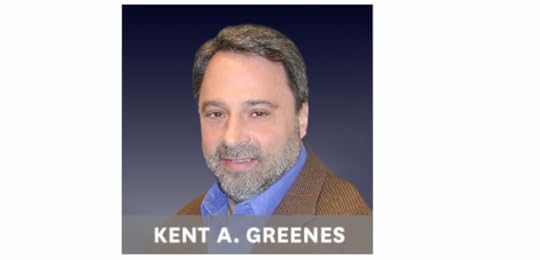
This is the 105th article in the Profiles in Knowledge series featuring thought leaders in knowledge management. Kent Greenes helps teams, organizations and communities unleash the power of their collective learning and knowledge. He is recognized as one of the pioneers in the field of KM. His specialties are fast learning and performing, knowledge management, culture change, and transformation.
Kent worked in BP for 17 years where he initiated and directed the Virtual Teamwork Program. He joined SAIC as their CKO in 1999 and built a highly regarded KM consulting practice in the public and private sectors. He led their business transformation and introduced Six Sigma.
Kent started his own consulting practice in 2006. He leads The Conference Board’s Knowledge & Collaboration and Change & Transformation Councils of cross-industry leaders and is a Senior Fellow in their Human Capital Practice. Kent helped create the first MS Graduate program in KM at CSU Northridge and is currently on the KM Advisory board for the graduate program at Kent State University. He has been a part-time visiting instructor at the US Army War College in Carlisle and is on the editorial board of the Journal of Knowledge Management.
Kent’s experience and insights in KM have been documented in magazines and over twenty books, including: Surviving the Boomer Exodus, Beyond the Deal, Company Command: Unleashing the Power of the Army Profession; The Wealth of Knowledge: Intellectual Capital and the Twenty-first Century Organization, Performance Through Learning, Lost Knowledge, Simplicity, Learning to Fly, The Knowledge Engine and Knowledge Capital. He co-led the research working group on Knowledge Transfer in a Digital World: Using New Media Across Multiple Generations.
Kent and I have known each other for many years. We co-presented at KMWorld in 2012, he has presented three times on the SIKM Leaders Community monthly call, and we are both on the Kent State University KM Advisory Board.
Background EducationNorthwestern University — Certificate, Kellog Executive Program, 1992University of Arizona — M.S., Geophysics, 1978–1980Kent State University — B.S., Geoscience, 1973–1977ExperienceGreenes Consulting — Consultant, 2006 — PresentThe Conference BoardProgram Director Knowledge & Collaboration Council, 2006 — PresentProgram Director, Change & Transformation Council, 2012 — PresentResearch Program Director, 2011–2023CSU at Northridge — KM Master’s Degree Program Adjunct Faculty, 2007–2023SAIC — CKO, 1999–2006British Petroleum — Head of Knowledge Management, 1982–1999ProfilesGreenes ConsultingConference BoardKM Advisory Board — Kent State UniversityLinkedInTwitterFacebookContentLinkedIn PostsBriefsAI for Knowledge ManagementBoth Collective and Collaborative Learning Lead to New Levels of PerformanceReportsConnect, Converse, Create: How Companies Can Generate Value through Internal Social CollaborationIt’s Not Just Your Children’s Facebook AnymoreBridging the Gaps: How to Transfer Knowledge in Today’s Multigenerational WorkplaceGreenes ConsultingKnowledge Capture & RetentionHarvesting your most valuable resourceHow to GuidesKM Roadmap — a comprehensive map to guide an organization through their KM journey from assessment to strategy to implementationGuide to Peer Assists — a technique for learning and transferring knowledge before implementing a project or activityGuide to Mini-Peer Assists — a technique for quickly sharing relevant knowledge, good practices and lessons learned in a meeting or group eventGuide to Action Reviews — a fast technique for teams to learn in the moment, ‘while doing’Guide to Retrospects — a technique for team learning after an event, project or activity, in a useful format for sharing with othersGuide to Knowledge Communities and Communities of Practice — step-by-step approach to establishing and renewing collaborative networks10-Step Guide to Knowledge Capture — step-by -step approach & process for capturing knowledge from an individualKnowledge Capture 1-Pager — a simple template to document some knowledge, a good practice or lesson you’ve learned in one page!Guide to Knowledge Elicitation Interviews — a simple guide for gathering experience, lessons and good practices from individualsTrends in KM BlogSocial Learning — Is there really any other way?Personal Learning and PerformingKnowledge Leadership… Transform your organization’s performance with 2 simple questionsSuccess StoriesOverviewAerospaceConsumer ProductsEnergy & UtilitiesGenerational Knowledge TransferHealth CareHuman CapitalMilitary & IntelligenceProfessional ServicesTraining & CoachingArticlesAcademia.eduPeer Assist: Learning Before DoingThe Future of the Future: Learning fast to stay relevant in a flat worldThe undiscovered country with Art MurrayThe Future of the Future: Building the enterprise of the future: a framework for transformation with Art MurrayThe enterprise of the future with Art MurrayThe Future of the Future: Future competencies to weather the storm with Greg BakerPractical Steps for Transferring KnowledgeAgile Knowledge Management (KMAgile) with Bill KaplanFull DocumentKMWorld ArticleArticles by OthersPerformance through learning: interview with Kent A. Greenes by Michael StankoskyLearning fast to stay relevant by Jack VinsonTelling Tales at BP Amoco by Tom StewartKaye Vivian: Profiles in Knowledge
Data becomes information when it’s organized; information becomes knowledge when it is placed in actionable context. Without context, there is little value. — Kent GreenesKnowledge Management Visions
One learns and everyone knows. Individuals, groups, and organizations share, transfer and apply their collective knowledge and experience to do what’s right AND deliver extraordinary performance.
What good KM looks like:
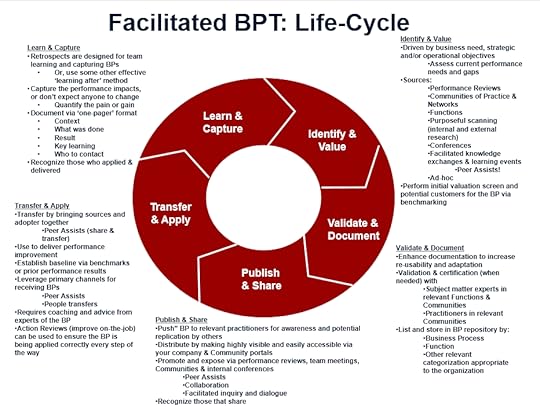
Reflective practitioners and leaders: self-guided learners, seekers and sharers of knowledge are sought after and highly rewarded. Everyone is highly participative in knowledge networks and communities.Work is learning and learning is work: knowledge is embedded in processes and practices, and it’s all transparent.People are highly aware of their digital presence: it’s easy and fast to find and collaborate with relevant people and content.Stakeholders are aligned with common intent: People, Process, and IT.CommunitySIKM Leaders Community PostsPresentationsKnowledge Leadership- keynote speech for the 6th annual U.S. Army Knowledge Management Conference, October 20, 2010 — Kansas City, KansasBridging the Gaps in Generational Knowledge Transfer — seminar for the Alberta Government Leadership in Learning Series, Edmonton, June 4, 2010KM Challenges & Emerging Solutions for Complex Business — keynote presentation, KM Brasil, 2009SIKM Leaders Community2006–05 Making learning & performing routine — Slides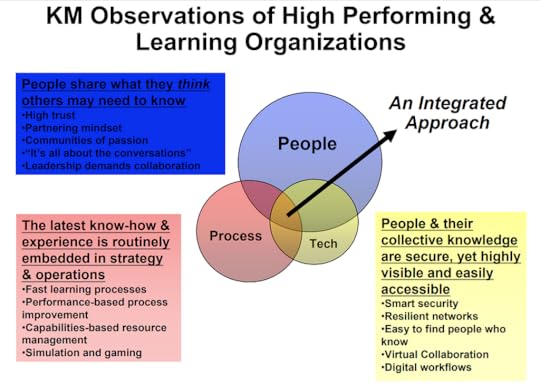 2008–01 Facilitated Better Practice Transfer — Slides
 2011–09 Knowledge Transfer in a Digital World — The shift is on! — Slides
Social Learning@Speed_Greenes_KMWorld 2012
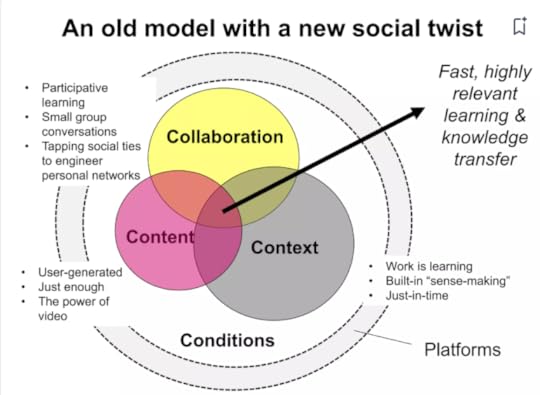 KMWorld2015 W3: Applying ‘Agile’ in Developing KM Strategies & Implementing Frameworks2012C101: What’s Your KM Vision? — SlidesC202: Social Learning @ Speed of Need — Slides2011 B101: Knowledge Leadership — Slides2006 W11: Learning Fast to Stay RelevantVideosGlobal Intelligence and Performance Competence: The New Tools for Growth (Part 1)https://medium.com/media/6d6a7fa1511e40868f100d6973e6b86b/hrefGlobal Intelligence and Performance Competence: The New Tools for Growth (Part 2)https://medium.com/media/b450f364ae7275ed56498f97328d17a2/hrefGlobal Intelligence and Performance Competence: The New Tools for Growth (Part 4)https://medium.com/media/6f19af14917ca555f714dd1799e2fe64/hrefBook Chapter
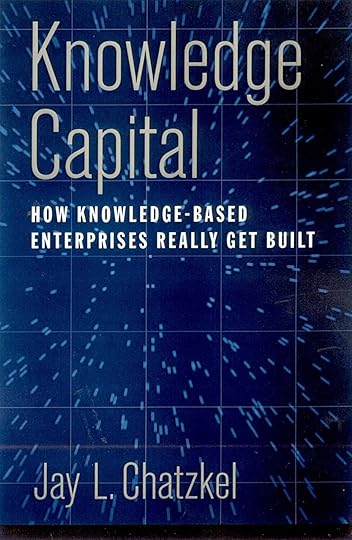
Knowledge Capital: How Knowledge-Based Enterprises Really Get Built by Jay Chatzkel — Chapter 15: Knowledge Management Is about Change
 [image error]