Highlights from three weeks in Cyprus
History
Cyprus has one of the oldest recorded histories in the world including many episodes of invasion and settlement. It was claimed by Alexander the Great in the fourth century and then came under Roman possession. In 1191, Richard the Lionheart took control while on crusade. He later sold the island to Lusignans who ruled for 300 years. It then fell under the Ottomans until the British arrived in 1878. Shown below (from top left clockwise) are some of the historical places I enjoyed most. The Cyprus Museum in South Nicosia (Lefkosia) boasts this semicircle of terracotta figures from the seventh century BC showing tall warrriors at the back reducing in size down to tiny demon-servants and snakes. We enjoyed a few hours at the ancient city of Salamis which had all the trappings of a Roman settlement including a colonnaded Palaestra (middle). The ruins of the medieval abbey at Bellapais were very evocative (much more so than the now dilapidated house where Lawrence Durrell wrote about life on the island in Bitter Lemons of Cyprus). Poor Hippolytos looks embarrassed while reading the love letter from his stepmother Phaedra in this wonderful mosaic at Pafos.


Food and drink
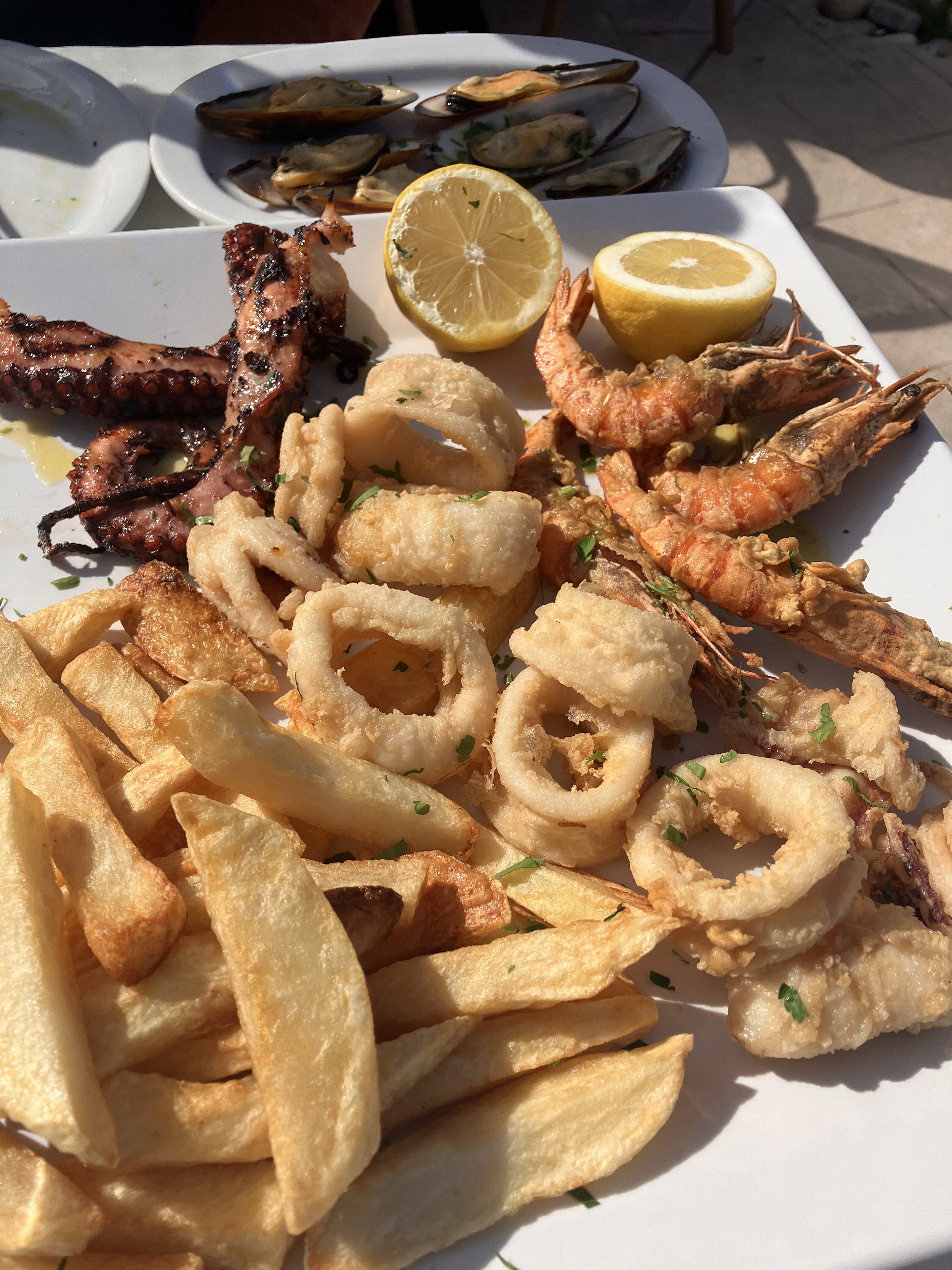
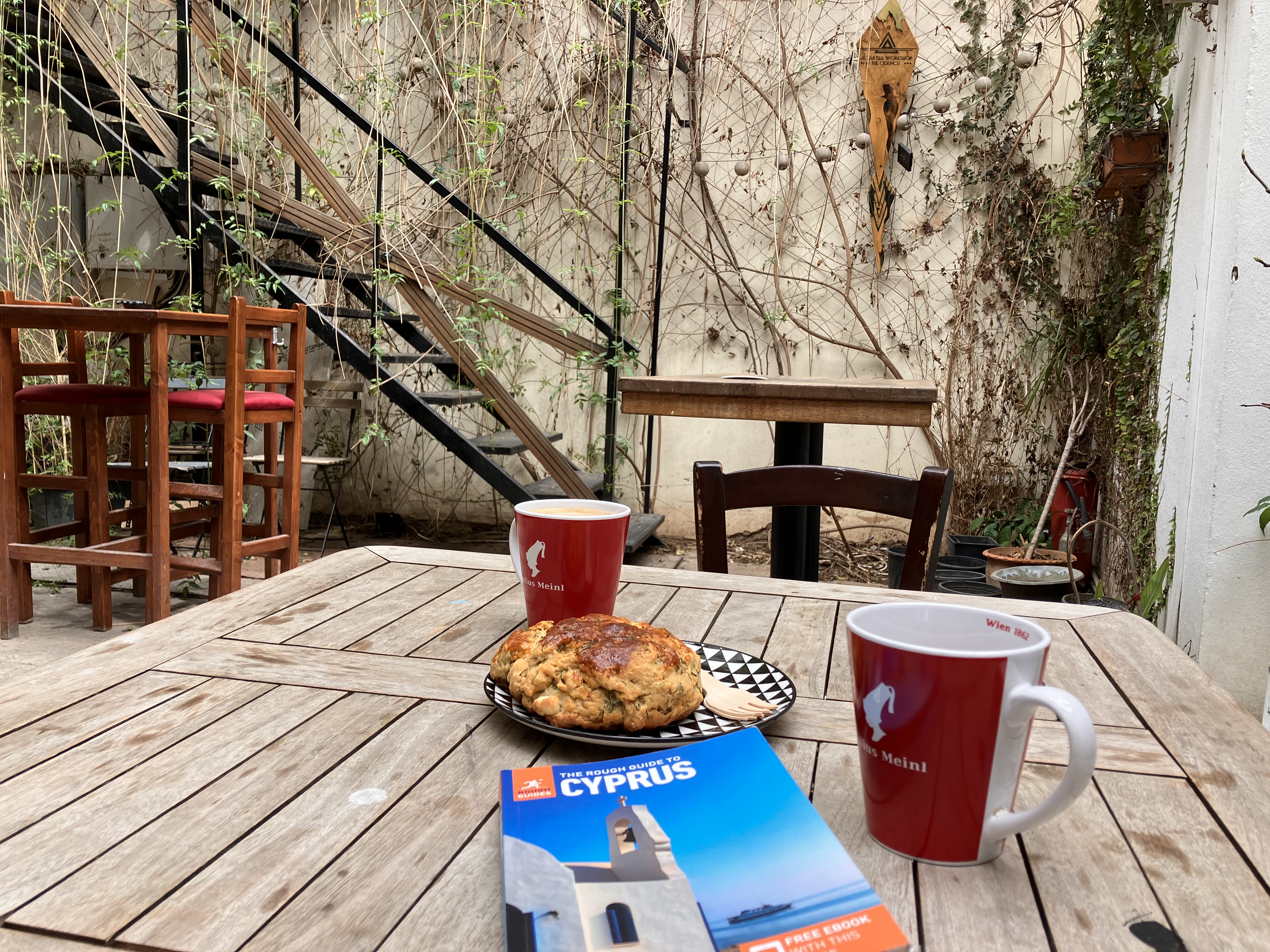
The Cypriot diet is somewhat determined by whether you’re in the north or the south of the island. In the north it’s possible to get slightly bitter black Turkish tea, whereas in the south you can easily order a pot of Earl Grey. The photos show a seafood platter served in Polis, a feta and dill scone taken in the garden of a north Nicosia bookshop, a cake from a patisserie in Famagusta, a market stall supporting the Mediterranean diet, an Turkish coffee served with a glass of water, Ottoman sherbet (and under the middle pot were two cubes of Turkish delight).


Walking trails
Around the major tourist towns are long promenades which make for good walking. We enjoyed several amazing sunsets during walks to the furthest points along the coast around Pafos. After an underwhelming visit to The Baths of Aphrodite outside Polis, we joined a trail which took us onto the Akamas Peninsula from where we had the fabulous (middle) view. We diverted from our itinerary to reach the Troodos mountains on the only sunny day forecast all holiday. Fortunately the weather stayed with us for a trek around Mount Olympus following the Artemis Trail.


The Green Line
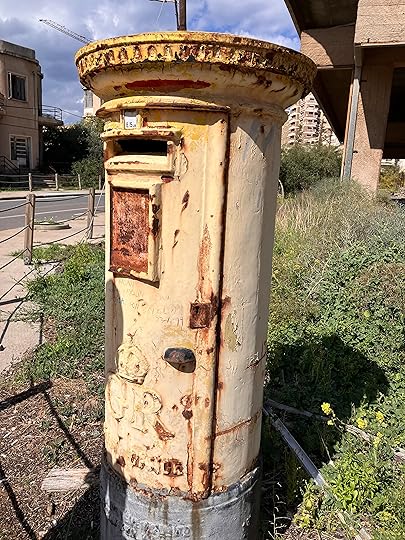
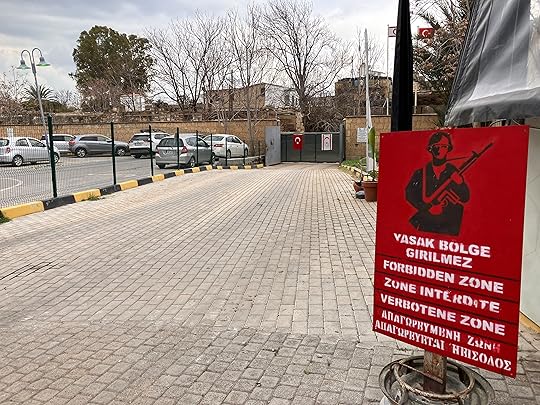
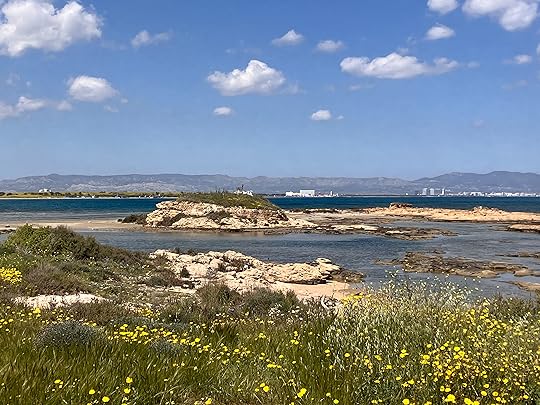
Turkey invaded Cyprus in 1974 under the pretext of protecting Turkish Cypriots who make up 18% of the island’s population. With 40,000 troops on the ground, the north of the island was seized and settlements like Varosha were abandoned for forty years. The ghost town near Famagusta has now been opened and is monitored by the UN. The neglected postbox is just one of the landmarks. Border control in Lefkosia means passing through the Green Line which is the buffer zone between north and south of the island. In North Cyprus there are many areas that are fenced off as forbidden zones. Even around a headland near Famagusta, it was impossible to walk along the coast.
We travelled around Cyprus using local buses and so enjoyed the experience we may well dig out our backpacks again to take a journey along the coast of Turkey. What’s the best bus trip you’ve ever been on?