
Optimizing Space and Workflow – The Ultimate Pallet Flow Rack Solution
In today’s fast-paced and highly competitive business landscape, optimizing space and workflow within a warehouse or distribution center is paramount. Efficient storage and material handling systems can significantly impact productivity, reduce operational costs, and enhance overall customer satisfaction. One solution that has gained prominence in recent years is the Pallet Flow Rack System. Pallet flow rack systems are designed to maximize storage density while improving the efficiency of inventory management and order fulfillment. These systems are particularly beneficial for industries dealing with a high volume of palletized goods, such as manufacturing, distribution, and retail. Here’s why the Pallet Flow Rack System is considered the ultimate solution for optimizing space and workflow:
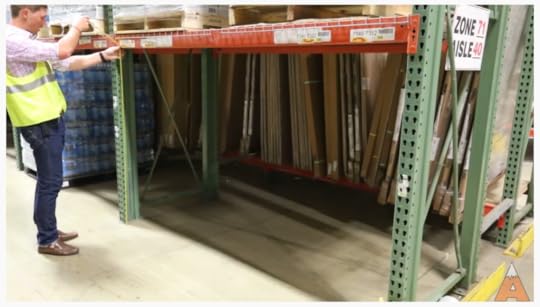
Space Optimization – Pallet flow rack systems utilize a first-in, first-out FIFO design, where pallets are loaded from one end and retrieved from the other. This ensures that older inventory is constantly cycled out first, reducing the risk of products becoming obsolete. The vertical design of these systems allows for better utilization of both floor space and vertical space within a warehouse, making them ideal for high-density storage.
Enhanced Accessibility – The Pallet Flow Rack System provides accessibility to every pallet position, eliminating the need for forklifts to enter the racking structure. This results in fewer accidents, reduced wear and tear on equipment, and a safer work environment. Workers can efficiently pick and replenish pallets from the same aisle, reducing the time and labor required for material handling and go now.
Streamlined Workflow – The FIFO nature of pallet flow racks ensures that products are always at the picking face, reducing travel time for order fulfillment. This feature is especially valuable in industries with a high volume of order picking, such as e-commerce and retail distribution. As a result, the Pallet Flow Rack System helps in increasing the throughput of the warehouse while reducing errors and improving accuracy.
Inventory Rotation – Pallet flow racks naturally promote inventory rotation by ensuring that older stock is used first. This rotation minimizes product obsolescence and helps maintain the quality of perishable goods. This is crucial for industries with products that have a limited shelf life, like the food and beverage industry.
Customizable Design – Pallet flow rack systems can be customized to meet the specific needs of a business. Different lane configurations, roller types, and load capacities can be tailored to accommodate various pallet sizes and weights. This adaptability ensures that the system can evolve with changing storage requirements.
Reduced Labor Costs – With the Pallet Flow Rack System, fewer employees are needed for pallet retrieval and put-away tasks. This leads to significant labor cost savings over time, making it a cost-effective solution for businesses looking to optimize their warehouse operations.
Durability and Longevity – Pallet flow rack systems are built to withstand the rigors of industrial use. They are constructed using robust materials, such as heavy-duty steel, and are designed for long-term durability. This longevity translates to a higher return on investment for businesses.
Improved Safety – Safety is a top priority in any warehouse environment. Pallet flow rack systems offer built-in safety features like speed controllers and integrated brakes, which prevent pallets from moving too quickly within the lanes, reducing the risk of accidents and product damage.


Traci Depree's Blog

- Traci Depree's profile
- 35 followers

