What You Need to Know about this Powerful Japanese Diet
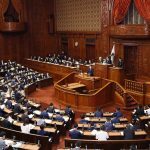 Under Japan’s original 1889 constitution, all sovereign power rested in the person of the Emperor. He was the head of the Japanese Empire, “combining in Himself the rights of sovereignty,” an authority inherited through a “line of Emperors unbroken for ages eternal,” granting him a position that was both “sacred and inviolable.” The Meiji Constitution confirmed the Emperor’s ability to “exercise the legislative power,” and he selected those nobles who made up the Imperial Diet’s more powerful House of Peers. He also had authority over Ministers of State in the executive branch, and was the supreme commander of the Army and Navy. If these left any doubt, the opening words of that era’s constitution use the Royal We, the document itself resting on the authority of the Emperor.(12 more paragraphs)


No comments have been added yet.