“You can’t be careful on a skateboard”
Skateboarding is notoriously difficult to write about. Iain Borden flags this in the introduction to Richard Gilligan’s work on DIY skateparks, underlining how the visual medium works so much more effectively than the scribed word. Similarly Kyle Beachy crafts a magnetic novel on skateboarding in patiently describing the art while also painstakingly pushing away the cringe that so often creeps in to so many attempts to render the board in literature. Skateboarders are all too familiar with the quick spike of pleasure when a board appears in a film, TV show, or music video. This sudden excitement cools rapidly as we observe the way our precious toy is depicted. It is almost always wrong.
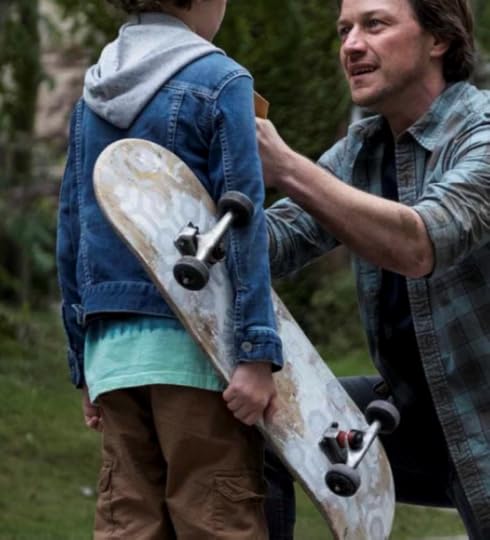
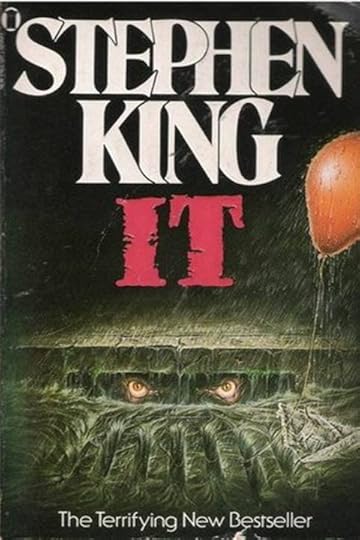
I was therefore taken by surprise at the treatment afforded a skateboard by Stephen King is his now iconic novel IT. Originally published in 1986 the year that Animal Chin was released, the book sits before the modern rise in skateboarding. The boom of vert and well in advance of the heady days of street skateboarding. Yet King taps into both the peculiar and the authentic. Over a few short pages that come just over midway through the hefty text, the central character Bill Denbrough encounters a young boy with a fibreglass board. Stood over the very drain where Bill lost his younger brother to the murderous clown from the id some 30 years prior.
During their brief exchange Bill asks if he can have a go on the young boy’s board.
“The kid looked at him gape-mouthed at first, then laughing. “That’d be funny” he said. “I never saw a grownup on a skateboard.”
This is the first reckoning with time. Back in 1986 adults on skateboards were an amusing rarity. Indeed that prejudice may well linger now. A skateboarding adult may be a source of amusement, but rare they are not. It would be difficult to imagine a 10 year old kid being so bemused by an adult skateboarder in 2022.
The next description is material, sensual, and emotional. Bill handles the board and inspects it before he attempts to ride it.
“He turned one of the skateboard’s scuffed wheels with his finger, liking the speedy ease with which it turned - it sounded like there was about a million ball-bearings in there. It was a good sound. It called up something very old in Bill’s chest. Some desire as warm as want, as lovely as love. he smiled.”
This description resonates. The pleasure in the sound and the way it conjures a feeling of warmth and love, strikes as authentic. Bill appears to be connecting not so much with the joy of skateboarding, but of the skateboard itself. He recognises it as some kind portal to freedom. Or as Lefebvre comments, children’s toys appear to be ‘cosmic’ objects demoted in status some way status.(Critique of Everyday Life Vol1.1991, p 118).
As Bill proceeds to stand on the skateboard he becomes fearful of the practicalities of falling. He imagines a doctor chiding him for attempting to use a skateboard at the age of forty. He imagines that the kid rides the board with no such fear, as an attempt to “beat the devil” like no tomorrow.
He surrenders the skateboard to the kid and gives up on his attempt to ride it. He tells the kid to be careful on the skateboard and gets a more powerful rebuke than the one in the imagined exchange with the doctor.
“Be careful on that,” Bill said.
“You can’t be careful on a skateboard,” the kid replied looking at Bill as if he might be the one with toys in the attic.”
“Right,” Bill said.
He then watches him push away down the hill. This is another evocative passage that I will only repeat in part. It does once again chime with the emotional experience of riding a skateboard and the longing for the freedom of youth.
“But he rode as Bill had suspected he would: with lazy hipshot grace. Bill felt love for the boy, and exhilaration, and a desire to be the boy, along with an almost suffocating fear. The boy rode as if there were no such things as death or getting older. The boy seemed somehow eternal and ineluctable in his khaki Boy Scout shorts and scuffed sneakers, his ankles sockless and quite dirty, his hair flying back behind him.”
The exchange with the skateboarder resolves when Bill stumbles across his old childhood bike ‘Silver’ in a second hand store. Something of the freedom and love expressed toward the skateboard translates to his childhood memories of recklessly speeding through town on this mammoth bike. The two elements of the chapter complement each other sweetly.
In the 2019 film adaptation of the book. IT Chapter 2 the scene is included and is stripped of all emotional content. The young skateboarder no longer has the old fibreglass board but a modern popsicle replete with subtle Overlook Hotel wallpaper graphics. In the film Bill has already found Silver before he encounters the boy and has his moment of rekindled youth riding the bike. Remarkably the film from 2019 gets it all wrong and the book from 1986 get it right. To underline this fact, the skateboard kid in the film become a victim of Pennywise, the boy in the book survives.