
How Much Protein Do You Really Need? Advice From An RD.
Hi, hello!!
WOW thank you for all of your comments and questions on my first post! Your input is so helpful and it helps me get to know you. Keep your questions and thoughts coming! If you haven’t read it yet, be sure to check it out!
I had a ton of questions involving our friend protein – things like how to calculate macros, how to add a little “oomph” to your breakfast, energizing snacks, post-workout snacks, etc.
So I was thinking we’d think of this post as a little ‘Protein 101.” We’ll talk about what protein actually does and I’ll guide you to figuring out how much you really need. Then we’ll talk about the best sources of protein and how to decide if protein powder is for you! Whew. Sounds like a lot, but we’ll keep it simple 
You need protein for more than just muscle gains
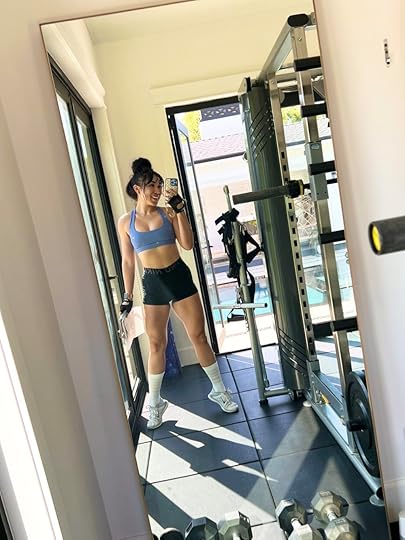
Protein has been a huge focus for Cassey on her journey to build muscle and strength, but we also love (need) it for a lot of other things. In fact, protein is so important that it’s found in every single cell in the body. There are thousands of types of proteins doing a variety of jobs in your hair, skin, muscle, bone, blood and other tissues we’re probably not thinking about as we bite into our steak or aggressively shake our shaker bottles.
Makes sense that experts refer to protein as the building blocks of life, right? Here are some cool things proteins do:
– Tissue growth and repair
– Work as enzymes to fuel thousands of chemical reactions in the body
– Remember learning about cell structure in 5th grade? Some cells are more rigid than others to accommodate different functions, thanks to protein
– Most of your hormones are made of protein
– pH regulation and fluid balance
– Antibodies in the immune system are made up of proteins
Is this a good time to mention that RDs take a lot of science classes?! Writing this really took me back to memorizing chemical structures and reactions – YIKES.
But the truth is, most people aren’t flocking to high protein diets to regulate their pH or improve cell structure.
Protein is the popular kid of macronutrients for other reasons like:
Appetite control – Protein keeps you full and some research shows it suppresses ghrelin, a hormone that makes you feel hungry.
Bone health – Move over, calcium. We need protein to protect our bones too.
Boosting metabolism – When you eat protein, your body experiences a short-term metabolism boost. The scientific term is the thermic effect of food (TEF) and I honestly think it’s a little more hyped up than it should be.
Muscle and strength gains

How much protein do you need?
This is without question one of the most common nutrition questions I get as an RD. And I totally understand why! It’s one of those things that you can Google all day long, but it’s very easy to wind up more confused. There is just so much information out there. So many equations and calculators. So many fitness sites telling you to eat insanely high amounts of protein.
The good news is, it doesn’t have to be so complicated! Let’s go back to the basics to give you a realistic idea of how much protein you really need.
Ready to do some math?Nothing too crazy, promise.
All you need to know for now is your weight in kilograms. To figure this out, just take your weight in pounds and divide by 2.2. Here’s an example!
150 lb / 2.2 = 68.2 kilograms (kg)
Step 2! The recommended daily allowance (RDA) for protein is 0.8 grams per kg body weight. So if we go back to our example:
0.8 x 68.2 kg = 54.5 grams of protein per day.
You’re probably thinking that this sounds super low. Remember that this is the RDA, which is baseline for a sedentary person with no health conditions that require additional protein. 0.8 grams per kg will give your body what it needs to preserve muscle mass and maintain all of those cool functions we talked about earlier.
Activity increases your protein needsThe more active you are, the more protein you need.
If you’re active – The American College of Sports Medicine recommends 1.2 – 2 grams of protein per kilogram bodyweight.
If you’re building muscle – The recommendation increases to 1.6 – 2.2 grams of protein per kilogram bodyweight. Yes you have probably seen recommendations higher than this and you can safely eat more than this. However, it’s not likely necessary for most people.
If you prefer to look at the percent of calories from protein (this makes it easier to figure out other macros sometimes), the range from protein should be somewhere between 10-35% of the calories you eat every day. If you’re highly active and/or trying to build muscle, aim for the higher end of this range.
For weight loss – Yes, you should eat more protein if you’re trying to lose weight. Not only does protein fill you up and keep you satisfied between meals, but it also preserves muscle mass so you can focus on losing fat.
Consider working with an RD to figure out how much protein you needSmall but necessary disclaimer: the best way to figure out YOUR needs is by working with an RD or your health provider. If you do the math and you’re still not sure, it’s 100% worth your time to work with someone 1:1.
What are the “best” sources of protein?
“What should I be eating for protein? Am I cutting myself short by eating plant-based protein?”
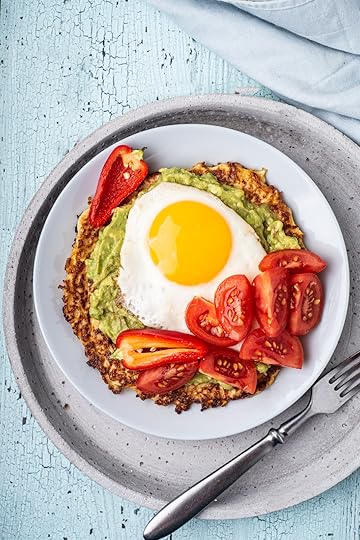
Technically the “best” quality protein sources are going to be from meat, poultry, eggs, fish, and dairy. This is just based on the amount and types of amino acids these foods offer. BUT you can get plenty of high-quality protein on a plant-based diet too!
There’s more to this that I’ll save for another post, but for now, focus on variety. This is key to getting all of the amino acids your body needs on a plant-based diet.
If you struggle with variety, here are some great sources of plant-based protein to try:
Beans/legumesNuts/nut buttersSeeds/seed buttersSoy (tofu, edamame, tempeh, soy milk)Nutritional yeastQuinoaOther ancient grains (spelt, teft)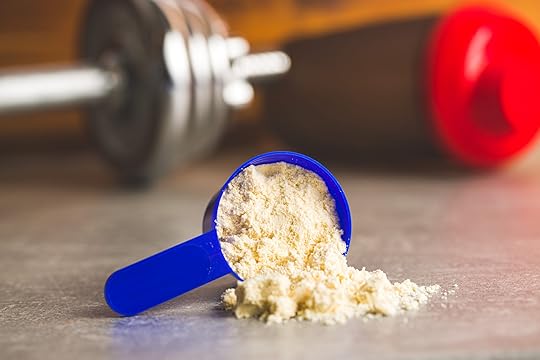
Do you need to take protein powder?
Think of protein powder as a tool. Like other supplements, there is a time and place for it, but not everyone “needs” it. Let’s talk about some reasons you may benefit from a protein powder.
1. Your protein needs just increasedSee a few paragraphs above. Are you increasing your activity, trying to lose weight, gain muscle, or increase protein for a health condition? You MIGHT benefit from a protein powder.
Here’s why I say *might.*
It’s pretty easy to meet protein needs with food, even if you decide to increase your intake. For example, 3 ounces of chicken provides 26 grams of protein. Not a lot of chicken for a pretty good protein boost, right?!
However, sometimes you need easy protein servings to fall back on when you can’t just grill up some chicken. That’s where protein powder comes in for me. I love using it to level up my snacking game. You can bake with it, make protein bites with it, or even add it to your oatmeal for breakfast. I can support using protein powder to fill in the gaps, but I’ll never recommend protein powder as a meal replacement.
2. Post-workout recoveryPost-workout nutrition is important, and protein is a key player. It gives your muscles the amino acids they need to repair and rebuild the muscle you just broke down during your workout. Super important if you’re looking for gains. Protein powder is not only convenient, but your body digests it quickly.
Let’s not forget about friends carbs here though! They’re important for post-workout recovery too.
3. ConvenienceThis is the biggest selling point for protein powder, IMO. We love a product that promises convenience, right?!
Protein powder is easy to take on-the-go. All you need to make a shake is some water. When you leave the gym, you have it right there with you for post-workout recovery.
4. You eat a plant-based diet and protein is kind of a struggleYour protein options are naturally more limited when you eat a plant-based diet. Do all vegetarians/vegans need a protein powder? No. But again, using protein powder can make life a lot easier if you find yourself struggling to meet your needs.
5. Critical illness or injuryThis probably isn’t why you’re here, but it’s a very valid reason to take protein powder.
What should we talk about next?!
And that’s it for ‘Protein 101’!
I have more protein posts coming, but what else would you like to know? Now that you have a better idea of how much protein you need, are you surprised? Did you previously think you needed more or less?
Let’s discuss in the comments!


Cassey Ho's Blog

- Cassey Ho's profile
- 49 followers

