
Undeep morphology
Just saw a book online, which shall remain nameless. It had a big argument about the Vedic word for sky, dyāvā, which is dual, and how this fact (the dual number) implied a very special type of integration or union.
Nope.
It is dual because it is normally part of a standard compound, dyāvā-pṛthivī(“heaven and earth”), which has two members (thus dual), and the dual number is kept when only one of the two is used (on this, see here: ). So, the dual number means…. Nothing at all. Except for heaven and earth being, you know, two. It can elliptically mean "heaven and earth" (subtextually implying the second part of the compound), but there is no union, integration of other "special" meaning here.
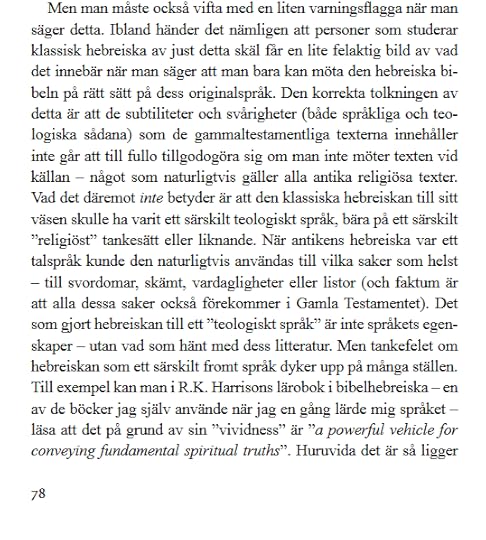
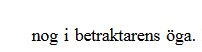
Please stop believing normal features of ancient languages are somehow more mystical! I did a little rant on this in my latest book Ett hav i mäktig rörelse: om de semitiska språken (2019), on the subject of Hebrew. For those who can read Swedish, here it is:


Ola Wikander's Blog

- Ola Wikander's profile
- 21 followers

