Walking Shoji
(Thinking about masks these days…)
Originally published in Newsweek Japan, 2007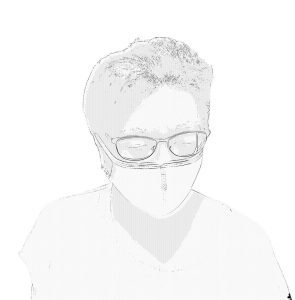
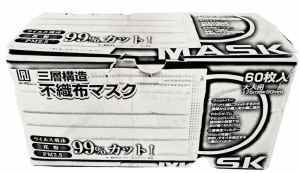
At certain times of the year in Tokyo, people lose face. Actually, they don’t lose face in embarrassment; they lose face by covering them up with white gauze masks. Tokyo must rank first in mask sales in the world. During the rush hour, many trains look like a convention of surgeons.
For many allergy sufferers, spring is one long sneeze. And given that the cold season lingers long past winter, wearing a mask seems like a pretty sensible idea. In one of the most densely populated cities on the planet, microcosmic irritants like viruses, pollution, and pollen are even more densely populated. Masks help keep those small enemies at bay.
But, other cities in the world are also germ- and pollen-ridden, yet, there, you hardly ever see a mask outside of Halloween or the operating room. On those days when I feel like I’ve stepped into some minimalist Mardi Gras costume party, I start to suspect that in Tokyo masks serve other purposes, and rather confusing ones, as well.
The standard white color seems oddly out of place. Tokyoites dress in the most stylish black of any city in the world, yet still seem unafraid to pull on a silly-looking piece of cheap white cloth. They lift up their designer glass frames to pull the little strings around their ears then carefully position what looks like a wad of tissue over their mouth. As unfashionable as it looks, it had better serve some practical function.
These masks also politely keep one’s cold viruses to oneself while publicly signaling sickness. Whenever I see one,I tend to stand on the other side of the train. If a colleague has one on, you do not even need to ask how they are. The mask says it all: “Do not disturb.” Their heroic appearance at work, sick as they are, finds them flying a white flag of surrender. Anyone with a mask on is best left alone.
Truly sick or not, masks, like a protective shield on cellphone screens, hide the communicative activity going on underneath. In this sense, masks offer some peace of mind hidden behind another layer. They are a helpful defense against Tokyo’s constant human contact, where on an average day, you might have thousands of face-to-face encounters. Tokyo “face-fulness” can be exhausting.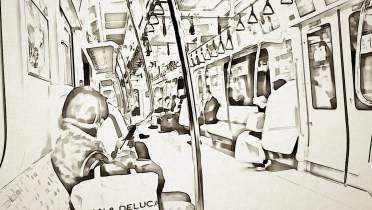
When traveling outside Japan, I am always first struck by how expressive other culture’s faces are. The closeness and numbers of faces in Tokyo, though, demand a sort of public blankness just to get through busy days of constant “interface.” These white masks are an extension of this “Tokyo Noh mask,” where the real character stays hidden deep inside.
This sense of gentle concealment runs through Japanese culture. To me, masks are a kind of walking shoji, letting in a little air, but offering privacy as well. This way of discreetly half-covering runs the gamut from fans to bamboo blinds to women covering up their laugh in formal situations. Though some other cultures cover bodies or sacred places in veils or cloths of different sorts, in Japan this partial covering up remains a complex gesture of communication, alluring as much as excluding.
For some women, the mask conceals their lack of time to put on cosmetics. They want either perfection or a curtain. I find these masks kind of erotic. They draw attention to the eyes, focusing one’s gaze on the highly expressive are above the nose. Eyes, of course, are tremendously powerful communicators. Masks make people seem as if they will pull aside the cloth only to state their honest feelings or offer a passionate kiss. Obviously, no one wants more cold germs than they already get, but masks are never just masks; they really are about faces, eyes, and feelings.
In Tokyo’s dense and often fatiguing daily life, face-to-face contact can start to wear anyone down. Everyone’s face needs a day off now and again. Masks give a little hidden distance that serves as remedy not only for colds and allergies but also for the stress of a crowded city. Looking out from behind a mask offers a unique vantage point, and a very rare one in Tokyo, to see, but not really be seen.
白いマスクの下は濃密な東京のオアシス」”Walking Shoji”, Newsweek Japan March 14, 2007。
Read more in Tokyo’s Mystery Deepens viewBook.at/TokyosMystery