Around the World with Virginia Campbell!
Exotic tastes from the Amazon Rainforest!
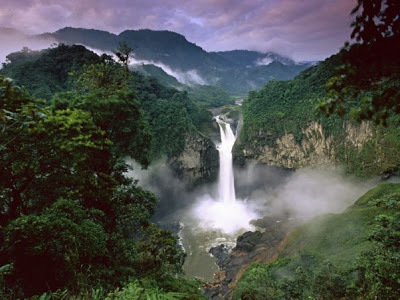
The amazing Amazon rainforest geography covers 9 nations: Brazil, Bolivia, Colombia, Ecuador, French Guiana, Guyana, Peru, Suriname and Venezuela. The dense Amazonian jungle is home to more than thirty-five hundred species of birds, tens of thousands of different kinds of insects, eighty percent of all species of life can be found in this jungle, and it is speculated that tens of thousands of life forms in the jungle may still be unidentified. Over two thousand species of fresh-water fish are believed to live in Amazonian waters. Francisco de Orellana was a Spanish conquistador and the first European to travel the length of the Amazon river, in 1541-42; he named the Amazon River. It is the second longest river of the world. Starting from Peru it pours into the Atlantic Ocean after traversing a distance of more than 3000 miles. Only the Nile River is longer than the Amazon River. When you think of the rainforest, you probably think of monkeys, jungle plants, big snakes, and lots of rain. You may not think about oil, copper, and gold, but these are found in the rainforest, too! Companies from many different countries are interested in removing things like oil, copper, and gold from the rainforest and selling them in other parts of the world. The wood from certain types of trees in the rainforest, like mahogany, is also very valuable. When these natural resources are removed from the rainforest, companies often destroy or damage the water, soil, plants, and animals there. Another reason the rainforest is disappearing is because of cattle farming. Although cows aren't normally found in the rainforest, some individuals and companies are clearing rainforest land and raising cows on it because the land is relatively cheap. However, the rainforest soil isn't very good for growing the grasses cattle eat; usually after a few years the cattle farmers have to move on to new areas of the rainforest, cut down more trees, and start over again. The Rainforest Site ( http://www.therainforestsite.com/ ) offers many useful and interesting ideas on how to preserve the rainforest and help other worthy causes.
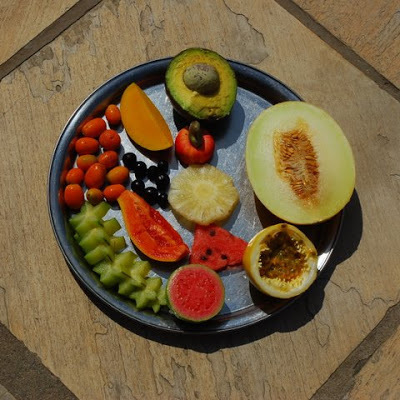
Although rainforests have been around for millions of years--they're the Earth's oldest living ecosystems--they may not be around for much longer. At the present rate of destruction, all the earth's rainforests will be gone in 30 years. And once the rainforest is destroyed, it doesn't come back. 137 species of plants and animals become extinct every day in rainforests around the world. Some uses of the rainforest land are very damaging to the rainforests' survival. However, other products can be "sustainably harvested" from the rainforest and greatly benefit both the native people living in the rainforest and the rest of us in other communities. For instance, did you know that: One out of every four medicines in pharmacies today comes from the rainforest. These include treatments for serious diseases like cancer, heart disease, arthritis, and childhood leukemia. But there's much more testing to be done: scientists estimate that over 99% of the plants in the rainforest haven't even been studied yet for their possible medical uses. Destruction of forests is the second largest cause of global warming. Scientists believe that if global warming continues, it could cause serious problems like floods and droughts in different parts of the world. Rainforests supply yummy foods. Look to the rainforests for Brazil nuts, cocoa, coffee, bananas, yams, and many other foods and spices we enjoy every day. About one million people call the Amazon home. These people's ancestors have lived in the Amazon for hundreds of thousands of years, and the survival of their culture depends on the rainforest's survival.
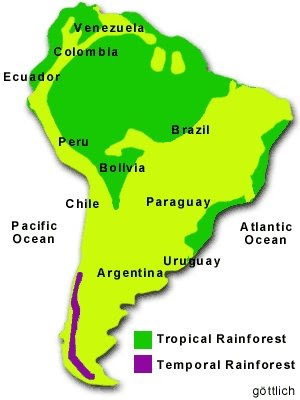
The Amazon rainforest covers over 1.2 billion acres, or two-fifths of the South American continent. Many pharmaceutical specialists believe that this vast forest could hold the cure to many otherwise incurable diseases such as AIDS, cancer, leukemia and herpes. It is estimated that the U.S. National Cancer Institute has identified over 3000 plants that indicate some sort of promising agents against cancer cells, of which 70 percent of them are found in the rainforest. Furthermore, "twenty-five percent of the active ingredients in today's cancer-fighting drugs come from organisms found only in the rainforest."
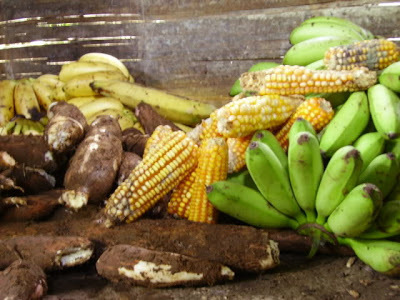
More than two thirds of the world's plant species are found in the tropical rainforests: plants that provide shelter and food for rainforest animals as well as taking part in the gas exchanges which provide much of the world's oxygen supply. Rainforest plants live in a warm humid environment that allows an enormous variation rare in more temperate climates: some like the orchids have beautiful flowers adapted to attract the profusion of forest insects. Competition at ground level for light and food has lead to evolution of plants which live on the branches of other plants, or even strangle large trees to fight for survival. The aerial plants often gather nourishment from the air itself using so-called "air roots". The humidity of the rainforest encourages such adaptations which would be impossible in most temperate forests with their much drier conditions.
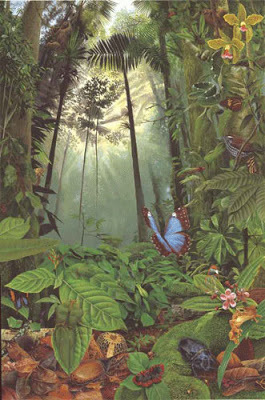
The Amazon rain forest offers an unending variety of plants that are known to have medicinal properties, and more are being discovered each year. Herbal knowledge from the Amazon jungle is gradually making its way to the Western world. Each Amazon tribe has one or more shamans who is quite familiar with the healing power of the local herbs in the Amazon forest. Amazon Indians have known about herbal medicine for thousands of years. Superfoods from various exotic places like the Amazon, and anti-ageing elixirs are becoming more popular. Exotic drinks and beauty products based on indigenous resources from the Amazon and personal grooming items for older men are fast growth areas. Beauty products containing botanicals from the Amazon believed to have strong health benefits have become extremely popular all around the world, and follow the fashion for food and cosmetics using natural ingredients.
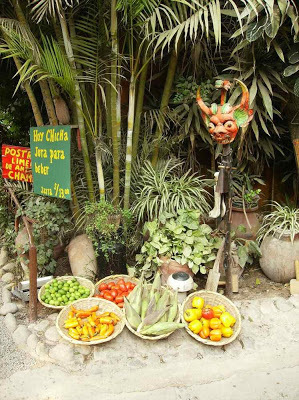
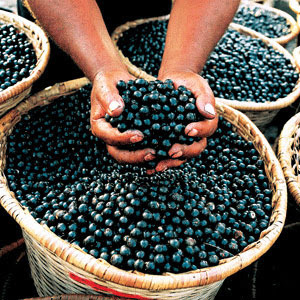
There are many different products from the Amazon rainforest. Natural rubber (or latex): used to make many rubber products from electronic components to condoms. Rubber was responsible for the first economic cycle of development in the Amazon rainforest. Natural rubber is extracted from tall trees called "Seringueiras" and still today is a major activity for many families. Brazil-nut: the nut is actually a seed. The Brazil-nut is one of the biggest nuts of the world and is exported all over the planet. Local populations use this nutritious seed to make all sort of food and condiments. Guarana: is a small berry-like fruit that is very sweet and juicy. You can taste it in natural refreshments anywhere in Brazil , they are also used to make sodas. Brazilians are very fond of their guarana sodas and it's something they usually miss when living outside Brazil. Because of that you can find it in any city that has a Brazilian community like Miami , New York or Paris. People use Guarana to stay awake and active in parties and raves, since guarana has an effect similar to caffeine without the problems related to it. Nowadays some companies sell Guarana as a weigh loss substance, although its value for weight loss has not been proven. Acai: another fruit that has a strong taste and purple color is very nutritious and brings energy after consumption. It is used by athletes of all kinds. It hit the Brazilian market outside the Amazon region only in the nineties when professional fighters and gym-addicts start to eat Acai whenever they could. Nowadays you can find juices and ice creams of Acai anywhere in Brazil and is steadily going out to the world market.
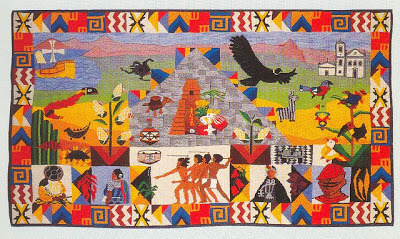
Many minerals like iron, manganese, uranium, bauxite, copper, gypsum, lignite, nickel and gold can be found in the Amazon rainforest region. Most of the bauxite used in the world comes from here and bauxite is the primary component of aluminum. Chances are that your aluminum soda can came from the Amazon rainforest. Diamonds and other less valuable gems are mined in the Amazon rainforest. These gems are obtained by river mining, most of it still using manual techniques. The gems are responsible for the great migration of people in the sixties to the Amazon rainforest searching for diamonds and gold. Craftwork: if you imagine hundreds of indigenous tribes you can also imagine how much craftwork like baskets, tapestry, sculptures, musical instruments, body ornaments, primitive weaponry, furniture and rituals related objects you can find in the Amazon rainforest. The variety is so great due to the number of different indigenous cultures. Some professional interior designers use a lot of primitive art for decoration because it's original and there are very beautiful works.
What is the most exotic place that you have ever visited or dreamed of visiting? Do you like to try different and unusual foods from around the world? What is the most unique food that you have ever eaten? Do like to visit museums and cultural centers which feature exhibits from peoples and lifestyles from around the globe? What is one thing that you hope to achieve in 2012? Have a fabulous new year!
Rainforest Trail Mix
1 cup macadamia nuts
1 cup cashews
1 cup chocolate chips
1 cup peanuts
1 cup dried banana slices
¾ cup shredded coconut
1 cup dried pineapple
Pour items together in a large bowl. Stir until evenly mixed. Serve in small paper cups or plastic
bags. Makes about 10-12 servings
Brazil Nut Brittle
¼ Cup butter (melted)
2/3 Cup packed brown sugar
¾ Cup dark corn syrup
2/3 Cup chopped Brazil nuts
Mix butter, sugar, and corn syrup. Beat until smooth. Place in shallow baking dish and bake in
preheated oven at 375 F for 30 minutes. Allow to cool, then break into small, bite-size pieces.
Amazon Quinoa Soup
2 carrots
2 stalks of celery
1 small onion
1 large tomato–no seeds
1 piece of squash or pumpkin
½ cup of peas
2 garlic cloves – minced
½ cup Quinoa
1 tablespoon olive oil
½ fresh chicken
7 cups of water to cover the chicken
Cut carrots, celery, squash, tomato, onion and garlic cloves into small pieces. Heat the olive oil in a large skillet on medium heat and stir in the vegetables and quinoa. Cook a few minutes until lightly browned, stirring frequently, then turn off heat. Cover the chicken with water, add salt and pepper and cook for about 30 minutes. Skim the foam off and remove the chicken. Pull the meat off the chicken and discard all the bones. Return the chicken to the broth and add the vegetable and quinoa mixture and ½ cup peas. Cook on high heat for about 10 minutes and garnish with fresh chopped cilantro if you like.
Spicy Shrimp in Coconut Sauce
1 pound large shrimp, peeled & deveined
1/2 cup chopped onions
2 tablespoons palm oil or other cooking oil such as annato or peanut
1/4 cup chopped garlic
1/2 cup chopped fresh cilantro
1/2 cup walnuts
1/2 cup chopped tomatoes
1 cup chopped broccoli
1/4 coconut milk
2 teaspoon paprika
1 teaspoon coriander
1/4 cup chopped fresh parsley
1 teaspoon thyme
1/2 teaspoon lemon juice
3 dried red chilies (chopped finely)
1/2 cup rice
Warm oil on medium heat. Add paprika and the onions. Saute over low heat until onions are transparent. Add garlic, coriander, thyme, parsley, cilantro, chilies, and walnuts. Continue to cook for 3 to 5 minutes, stirring now and then. Add the tomatoes. Cook for another 5 minutes, stirring now and then. Finally add the broccoli, coconut milk, and shrimp. Cook for about 5 minutes (until shrimp are cooked). Serve over rice.
Potato Bread Rolls
1 large potato
1 1/2 teaspoons dry instant yeast
3/4 cup warm water
2 tablespoons sugar
1 cup of milk
4 tablespoons butter
1 1/2 teaspoons salt
1 large egg
2 cups all purpose flour
2 cups bread flour
Peel potato and cut into 4 pieces. Boil until tender, then mash thoroughly or pass cooked potato through a food mill. Let cool. Bring milk to a boil and remove from heat. Add butter and salt to hot milk. Let cool until just a little warmer than room temperature. In the bowl of a standing mixer, dissolve yeast and sugar in 3/4 cup warm water. Let stand for 5 minutes. Add egg, potato, all purpose flour, and half of the cooled milk mixture to mixer bowl, and knead with dough hook on low speed. Gradually add remaining flour and milk and continue to knead for 5 to 10 minutes. The dough should remain fairly soft, and if it seems to be getting stiff, don't add all of the flour. The dough should be smooth, elastic, and slightly sticky after kneading. If dough seems too wet, add a little more flour. Turn dough out into oiled bowl and let rise in a warm place until double in size. Punch down dough and cut into pieces the size of a small tangerine. Roll pieces into a ball shape on a floured surface and place on a greased cookie sheet, about an inch apart. Make a one inch slash in the tops of the rolls with a sharp knife. Preheat oven to 425. Let rolls rise until almost double in bulk. Bake for 5 minutes, then lower temperature to 350 and bake for 10 to 15 minutes more. Rolls should have light golden brown color when ready. Tip: To make loaves: Bread can also be divided in half and shaped into two loaves, and baked in two standard-size rectangular bread pans, or in one large bread pan.
Acai Berry Smoothie
1 1/4 cup plain or vanilla soy milk, or almond milk
3/4 cup Orange juice
3/4 cup Acai juice
1 large Mango, peeled, seeded and cut into chunks
1 cup fresh or frozen blueberries
Add all ingredients to blender or food processor and blend until deliciously smooth. Enjoy!
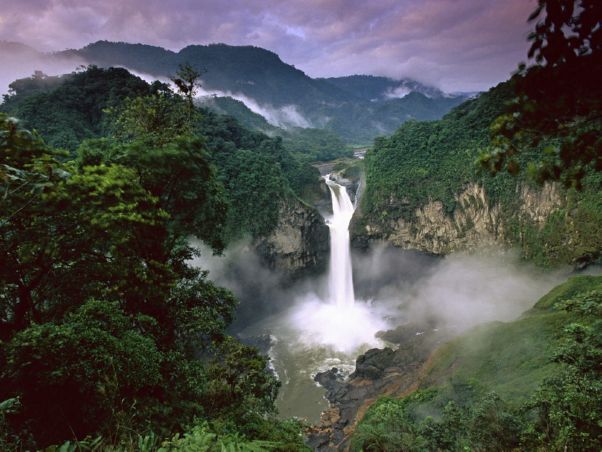
The amazing Amazon rainforest geography covers 9 nations: Brazil, Bolivia, Colombia, Ecuador, French Guiana, Guyana, Peru, Suriname and Venezuela. The dense Amazonian jungle is home to more than thirty-five hundred species of birds, tens of thousands of different kinds of insects, eighty percent of all species of life can be found in this jungle, and it is speculated that tens of thousands of life forms in the jungle may still be unidentified. Over two thousand species of fresh-water fish are believed to live in Amazonian waters. Francisco de Orellana was a Spanish conquistador and the first European to travel the length of the Amazon river, in 1541-42; he named the Amazon River. It is the second longest river of the world. Starting from Peru it pours into the Atlantic Ocean after traversing a distance of more than 3000 miles. Only the Nile River is longer than the Amazon River. When you think of the rainforest, you probably think of monkeys, jungle plants, big snakes, and lots of rain. You may not think about oil, copper, and gold, but these are found in the rainforest, too! Companies from many different countries are interested in removing things like oil, copper, and gold from the rainforest and selling them in other parts of the world. The wood from certain types of trees in the rainforest, like mahogany, is also very valuable. When these natural resources are removed from the rainforest, companies often destroy or damage the water, soil, plants, and animals there. Another reason the rainforest is disappearing is because of cattle farming. Although cows aren't normally found in the rainforest, some individuals and companies are clearing rainforest land and raising cows on it because the land is relatively cheap. However, the rainforest soil isn't very good for growing the grasses cattle eat; usually after a few years the cattle farmers have to move on to new areas of the rainforest, cut down more trees, and start over again. The Rainforest Site ( http://www.therainforestsite.com/ ) offers many useful and interesting ideas on how to preserve the rainforest and help other worthy causes.
Although rainforests have been around for millions of years--they're the Earth's oldest living ecosystems--they may not be around for much longer. At the present rate of destruction, all the earth's rainforests will be gone in 30 years. And once the rainforest is destroyed, it doesn't come back. 137 species of plants and animals become extinct every day in rainforests around the world. Some uses of the rainforest land are very damaging to the rainforests' survival. However, other products can be "sustainably harvested" from the rainforest and greatly benefit both the native people living in the rainforest and the rest of us in other communities. For instance, did you know that: One out of every four medicines in pharmacies today comes from the rainforest. These include treatments for serious diseases like cancer, heart disease, arthritis, and childhood leukemia. But there's much more testing to be done: scientists estimate that over 99% of the plants in the rainforest haven't even been studied yet for their possible medical uses. Destruction of forests is the second largest cause of global warming. Scientists believe that if global warming continues, it could cause serious problems like floods and droughts in different parts of the world. Rainforests supply yummy foods. Look to the rainforests for Brazil nuts, cocoa, coffee, bananas, yams, and many other foods and spices we enjoy every day. About one million people call the Amazon home. These people's ancestors have lived in the Amazon for hundreds of thousands of years, and the survival of their culture depends on the rainforest's survival.
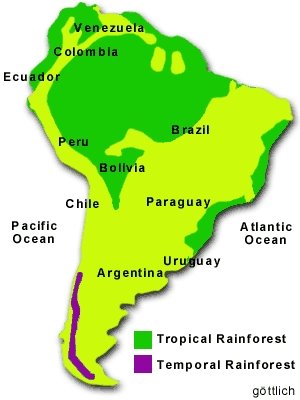
The Amazon rainforest covers over 1.2 billion acres, or two-fifths of the South American continent. Many pharmaceutical specialists believe that this vast forest could hold the cure to many otherwise incurable diseases such as AIDS, cancer, leukemia and herpes. It is estimated that the U.S. National Cancer Institute has identified over 3000 plants that indicate some sort of promising agents against cancer cells, of which 70 percent of them are found in the rainforest. Furthermore, "twenty-five percent of the active ingredients in today's cancer-fighting drugs come from organisms found only in the rainforest."

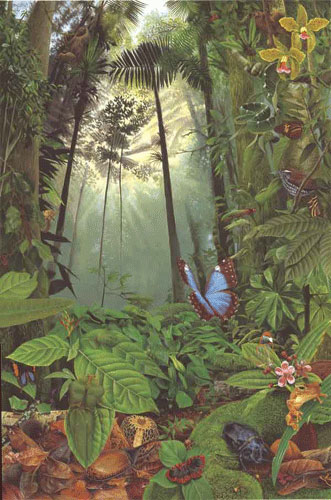
More than two thirds of the world's plant species are found in the tropical rainforests: plants that provide shelter and food for rainforest animals as well as taking part in the gas exchanges which provide much of the world's oxygen supply. Rainforest plants live in a warm humid environment that allows an enormous variation rare in more temperate climates: some like the orchids have beautiful flowers adapted to attract the profusion of forest insects. Competition at ground level for light and food has lead to evolution of plants which live on the branches of other plants, or even strangle large trees to fight for survival. The aerial plants often gather nourishment from the air itself using so-called "air roots". The humidity of the rainforest encourages such adaptations which would be impossible in most temperate forests with their much drier conditions.
The Amazon rain forest offers an unending variety of plants that are known to have medicinal properties, and more are being discovered each year. Herbal knowledge from the Amazon jungle is gradually making its way to the Western world. Each Amazon tribe has one or more shamans who is quite familiar with the healing power of the local herbs in the Amazon forest. Amazon Indians have known about herbal medicine for thousands of years. Superfoods from various exotic places like the Amazon, and anti-ageing elixirs are becoming more popular. Exotic drinks and beauty products based on indigenous resources from the Amazon and personal grooming items for older men are fast growth areas. Beauty products containing botanicals from the Amazon believed to have strong health benefits have become extremely popular all around the world, and follow the fashion for food and cosmetics using natural ingredients.
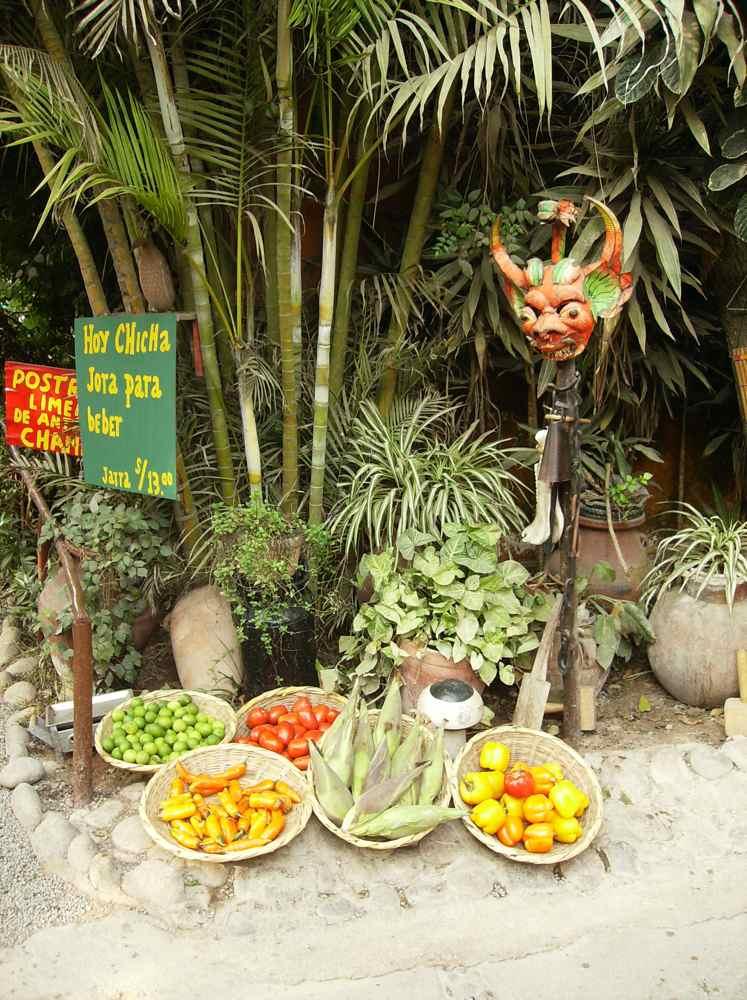
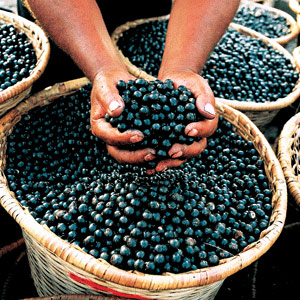
There are many different products from the Amazon rainforest. Natural rubber (or latex): used to make many rubber products from electronic components to condoms. Rubber was responsible for the first economic cycle of development in the Amazon rainforest. Natural rubber is extracted from tall trees called "Seringueiras" and still today is a major activity for many families. Brazil-nut: the nut is actually a seed. The Brazil-nut is one of the biggest nuts of the world and is exported all over the planet. Local populations use this nutritious seed to make all sort of food and condiments. Guarana: is a small berry-like fruit that is very sweet and juicy. You can taste it in natural refreshments anywhere in Brazil , they are also used to make sodas. Brazilians are very fond of their guarana sodas and it's something they usually miss when living outside Brazil. Because of that you can find it in any city that has a Brazilian community like Miami , New York or Paris. People use Guarana to stay awake and active in parties and raves, since guarana has an effect similar to caffeine without the problems related to it. Nowadays some companies sell Guarana as a weigh loss substance, although its value for weight loss has not been proven. Acai: another fruit that has a strong taste and purple color is very nutritious and brings energy after consumption. It is used by athletes of all kinds. It hit the Brazilian market outside the Amazon region only in the nineties when professional fighters and gym-addicts start to eat Acai whenever they could. Nowadays you can find juices and ice creams of Acai anywhere in Brazil and is steadily going out to the world market.
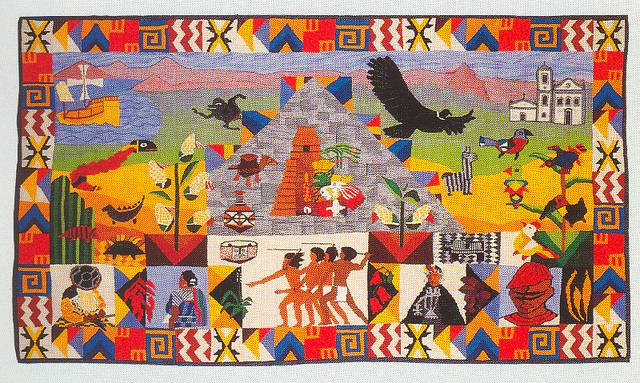
Many minerals like iron, manganese, uranium, bauxite, copper, gypsum, lignite, nickel and gold can be found in the Amazon rainforest region. Most of the bauxite used in the world comes from here and bauxite is the primary component of aluminum. Chances are that your aluminum soda can came from the Amazon rainforest. Diamonds and other less valuable gems are mined in the Amazon rainforest. These gems are obtained by river mining, most of it still using manual techniques. The gems are responsible for the great migration of people in the sixties to the Amazon rainforest searching for diamonds and gold. Craftwork: if you imagine hundreds of indigenous tribes you can also imagine how much craftwork like baskets, tapestry, sculptures, musical instruments, body ornaments, primitive weaponry, furniture and rituals related objects you can find in the Amazon rainforest. The variety is so great due to the number of different indigenous cultures. Some professional interior designers use a lot of primitive art for decoration because it's original and there are very beautiful works.
What is the most exotic place that you have ever visited or dreamed of visiting? Do you like to try different and unusual foods from around the world? What is the most unique food that you have ever eaten? Do like to visit museums and cultural centers which feature exhibits from peoples and lifestyles from around the globe? What is one thing that you hope to achieve in 2012? Have a fabulous new year!
Rainforest Trail Mix
1 cup macadamia nuts
1 cup cashews
1 cup chocolate chips
1 cup peanuts
1 cup dried banana slices
¾ cup shredded coconut
1 cup dried pineapple
Pour items together in a large bowl. Stir until evenly mixed. Serve in small paper cups or plastic
bags. Makes about 10-12 servings
Brazil Nut Brittle
¼ Cup butter (melted)
2/3 Cup packed brown sugar
¾ Cup dark corn syrup
2/3 Cup chopped Brazil nuts
Mix butter, sugar, and corn syrup. Beat until smooth. Place in shallow baking dish and bake in
preheated oven at 375 F for 30 minutes. Allow to cool, then break into small, bite-size pieces.
Amazon Quinoa Soup
2 carrots
2 stalks of celery
1 small onion
1 large tomato–no seeds
1 piece of squash or pumpkin
½ cup of peas
2 garlic cloves – minced
½ cup Quinoa
1 tablespoon olive oil
½ fresh chicken
7 cups of water to cover the chicken
Cut carrots, celery, squash, tomato, onion and garlic cloves into small pieces. Heat the olive oil in a large skillet on medium heat and stir in the vegetables and quinoa. Cook a few minutes until lightly browned, stirring frequently, then turn off heat. Cover the chicken with water, add salt and pepper and cook for about 30 minutes. Skim the foam off and remove the chicken. Pull the meat off the chicken and discard all the bones. Return the chicken to the broth and add the vegetable and quinoa mixture and ½ cup peas. Cook on high heat for about 10 minutes and garnish with fresh chopped cilantro if you like.
Spicy Shrimp in Coconut Sauce
1 pound large shrimp, peeled & deveined
1/2 cup chopped onions
2 tablespoons palm oil or other cooking oil such as annato or peanut
1/4 cup chopped garlic
1/2 cup chopped fresh cilantro
1/2 cup walnuts
1/2 cup chopped tomatoes
1 cup chopped broccoli
1/4 coconut milk
2 teaspoon paprika
1 teaspoon coriander
1/4 cup chopped fresh parsley
1 teaspoon thyme
1/2 teaspoon lemon juice
3 dried red chilies (chopped finely)
1/2 cup rice
Warm oil on medium heat. Add paprika and the onions. Saute over low heat until onions are transparent. Add garlic, coriander, thyme, parsley, cilantro, chilies, and walnuts. Continue to cook for 3 to 5 minutes, stirring now and then. Add the tomatoes. Cook for another 5 minutes, stirring now and then. Finally add the broccoli, coconut milk, and shrimp. Cook for about 5 minutes (until shrimp are cooked). Serve over rice.
Potato Bread Rolls
1 large potato
1 1/2 teaspoons dry instant yeast
3/4 cup warm water
2 tablespoons sugar
1 cup of milk
4 tablespoons butter
1 1/2 teaspoons salt
1 large egg
2 cups all purpose flour
2 cups bread flour
Peel potato and cut into 4 pieces. Boil until tender, then mash thoroughly or pass cooked potato through a food mill. Let cool. Bring milk to a boil and remove from heat. Add butter and salt to hot milk. Let cool until just a little warmer than room temperature. In the bowl of a standing mixer, dissolve yeast and sugar in 3/4 cup warm water. Let stand for 5 minutes. Add egg, potato, all purpose flour, and half of the cooled milk mixture to mixer bowl, and knead with dough hook on low speed. Gradually add remaining flour and milk and continue to knead for 5 to 10 minutes. The dough should remain fairly soft, and if it seems to be getting stiff, don't add all of the flour. The dough should be smooth, elastic, and slightly sticky after kneading. If dough seems too wet, add a little more flour. Turn dough out into oiled bowl and let rise in a warm place until double in size. Punch down dough and cut into pieces the size of a small tangerine. Roll pieces into a ball shape on a floured surface and place on a greased cookie sheet, about an inch apart. Make a one inch slash in the tops of the rolls with a sharp knife. Preheat oven to 425. Let rolls rise until almost double in bulk. Bake for 5 minutes, then lower temperature to 350 and bake for 10 to 15 minutes more. Rolls should have light golden brown color when ready. Tip: To make loaves: Bread can also be divided in half and shaped into two loaves, and baked in two standard-size rectangular bread pans, or in one large bread pan.
Acai Berry Smoothie
1 1/4 cup plain or vanilla soy milk, or almond milk
3/4 cup Orange juice
3/4 cup Acai juice
1 large Mango, peeled, seeded and cut into chunks
1 cup fresh or frozen blueberries
Add all ingredients to blender or food processor and blend until deliciously smooth. Enjoy!


No comments have been added yet.