The Red Sea Miracle and the Wondrous Glory of Yahweh
Next to the saving work of Jesus, the greatest redemptive event in history was when Yahweh delivered Israel from Egyptian bondage––an entire nation set free from slavery to the greatest known power on earth. Just before the seventh plague, the Lord declared to Pharaoh,
This time I will send all my plagues on you yourself, and on your servants and your people, so that you may know that there is none like me in all the earth. For by now I could have put out my hand and struck you and your people with pestilence, and you would have been cut off from the earth. But for this purpose I have raised you up, to show you my power, so that my name may be proclaimed in all the earth! (Exodus 9:14–16)
When Israel experienced Yahweh saving power, they declared, “Who is like you, O LORD, among the gods? Who is like you, majestic in holiness, awesome in glorious deeds, doing wonders?” (Exodus 15:11). And as God purposed, so his name spread … immediately to Jethro in Midian (Exodus 18:11), then to Rahab in Jericho (Joshua 2:9–11) and to the Gibeonites within the Promised Land (Joshua 8:9). Centuries later the testimony was still ringing among the Philistines (1 Samuel 4:8), and a millennium later Nehemiah was still drawing attention to the amazing power of the living God displayed in this one saving event: “Thus you made a name for yourself, as it is to this day” (Nehemiah 9:9–10).
With allusions to the song at the Sea (esp. Exodus 15:1–2), Isaiah notes that those Yahweh redeems through his Spirit-empowered servant-King will once again sing a song of deliverance (Isaiah 12:1–6), which John tags “the song of Moses, the servant of God, and the song of the Lamb” (Revelation 15:3–4). The Red Sea Miracle is worth proclaiming, and the conclusions we draw about it must work to magnify the greatness and fame of the redeeming God. Indeed, with Jude we must remember “that Jesus, who saved a people out of the land of Egypt, afterward destroyed those who did not believe” (Jude 5). The Red Sea Miracle is a serious matter to God, and it should matter to us.
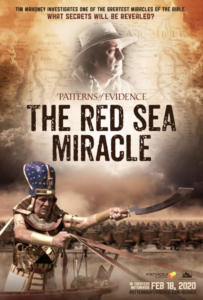
Today is the release of “The Red Sea Miracle, Part 1,” the third installment in the Patterns of Evidence series. The first in the series, “The Exodus,” was the best Bible-related documentary that I had ever seen, and you can read my take at these two links:
An Exceptional Documentary on the Exodus
A Relook at the Patterns of Evidence
I was surprised that Tim Mahoney from Thinking Man Films asked to interview me for this new movie. He asked me testify to the greatness of the God who displays himself in the exodus and to clarify the nature of the miracle as the Bible portrays it. This I did, but the six hour interview covered a lot more than I even expected.
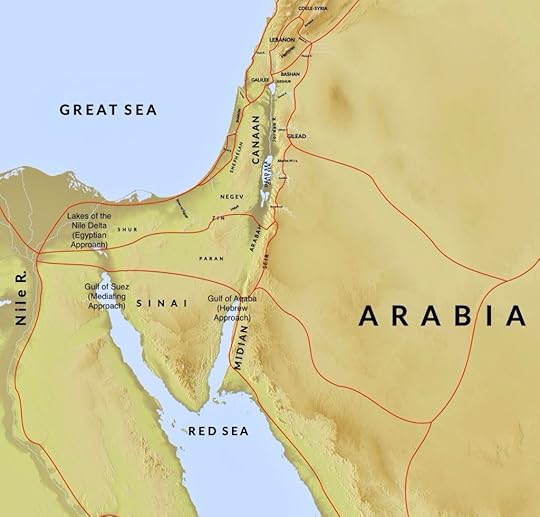
The movie considers two major perspectives to the location of the sea crossing, which the film tags (1) the Egyptian approach and (2) the Hebrew approach.
Option 1: The Egyptian Approach. The majority of contemporary Egyptologists who affirm the historicity of the exodus argue that the sea crossing event was itself quite small in size and happened at one of the small lakes in the northeastern Nile Delta between the northern tip of the Gulf of Suez and the Mediterranean Sea. Scholars like Drs. James Hoffmeier and Barry Beitzel at Trinity Evangelical Divinity School hold this view and stress that the Hebrew Yam Suph means not “Red Sea” but “Reed Sea.”
Option 2: The Hebrew Approach. This view stresses that the Bible itself points both to a sea crossing further away from Egypt at a location demanding a great miracle. Scholars like Dr. Duane Garrett at The Southern Baptist Theological Seminary hold this view and place the Sea Crossing on the eastern side of the Sinai Peninsula at the Gulf of Aqaba.
Option 3: A Mediating Approach. Others like Dr. John Currid at Reformed Theological Seminary hold a mediating view, placing the crossing at the northern tip of the Gulf of Suez, but this proposal receives little engagement in the film.
Options 1 and 3 usually place Mount Sinai in the southern Sinai Peninsula, whereas option 2 posits its location in Midian in the northeastern part of the Arabian Peninsula.
In my view, options 2 and 3 alone magnify the greatness of this miracle of salvation, and in a later post I will lay out a biblical case for why the Hebrew approach (option 2) best aligns with the biblical data. In the meantime, go see “Patterns of Evidence: The Red Sea Miracle, Part 1.” You will not be disappointed.