The Changeling Tree: Proof-reading
Proof-reading isn't fun and you don't feel good about it even when you've finished. There is simply no
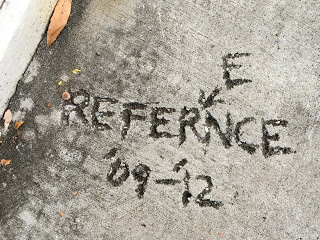 Image from Pxherereward for it while you're doing it, nor do you benefit from a pleasing sense of achievement when you've finished because you know that there's still likely to be a typo or a misplaced comma somewhere. No matter how much time you put into proof-reading, your precious book will still be disfigured by some hideous error that will jump out at you the first time you pick up a copy of the published work.
Despite knowing how difficult it is to achieve perfection, I'm always seriously unimpressed when I come across typos in books I'm reading. Surely, I think, the author should have cared enough about their work to read it carefully before publication. The trouble is, of course, that like me they're probably looking forward to getting this one off their desk and getting back to the much more interesting business of writing the next one.
When you publish with a traditional publishing house, you get a proof copy of your book with strict instructions to make only essential changes. This should stop you introducing new errors at this stage. With any luck, you've also got an editor and proof-reader looking for typos, though there are horror stories about the mangled results produced by working with people who can't necessarily read your mind or your handwriting.
Most sites for self-published and indie authors will emphasize the importance of paying a professional proof-reader to make sure your book is as good as it can be. But if you have the experience and skills to do it yourself, there's no reason why you shouldn't. In my case, I find that it focuses the mind to know that there is no-one but me to blame.
The challenge for the indie author or self-publisher who does their own proof-reading is that it isn't a clearly distinct phase. It's very hard to force yourself to make only minimal changes, and any extra little bit of editing or re-writing you do at this stage will be another opportunity to introduce typos and garbled text. I've found that it's useful to separate the files for e-books and paperbacks when I need to focus on correction rather than rewriting. Knowing that I'll have to edit both separately discourages me from making too many changes at this stage.
For what it's worth, here are some tips for proof-reading:
1. Proof-reading isn't the same as reading. You aren't reading the story, you're reading the grammar, spelling and punctuation. All the same, you need a break from what you've written before you start proofing, otherwise you'll be filling in the text from memory.
2. There are different ways of doing it, and I try to do more than one:
On paper: I find it easier to see mistakes in a printed version than on the screen. I'll move a ruler underneath the line I'm reading, to force myself to go slowly.
On screen: if paper isn't available, I'll increase the font size to stop myself skipping ahead.
On screen: if it's formatted as a book, the typos are more obvious than in a normal word document.
Out loud: reading out loud is another useful way to make yourself slow down, and you'll pick up clunky and confusing language at the same time.
3. There are some things you're not going to pick up by reading, such as formatting and consistency in spelling where some variation is possible (e.g. -ise/ize). For these things, there's no substitute for going through checking feature by feature.
4. Some checks can be done across multiple pages at a time, like whether the headers and footers look how you want them to.
5. When you're convinced that your book is completely error free, you can guarantee that there will still be one or two mistakes. The more of your friends and family who are willing to read it for you before publication, the better.
6. After your friends have read it and spotted any remaining stray typos for you, you need to read it just one more time.
7. It's easy to pay so much attention to the content of your book that you forget to proof-read the cover to the same level of detail. Proof-read the cover!!
8. Finally, the advantage of indie publishing is that you can upload a corrected version of your book if you have to. Obviously you don't want to and you have so many better things to do with your time, but if it comes to it, you can.
This post feels like a hostage to fortune. Go on then, tell me what I missed.

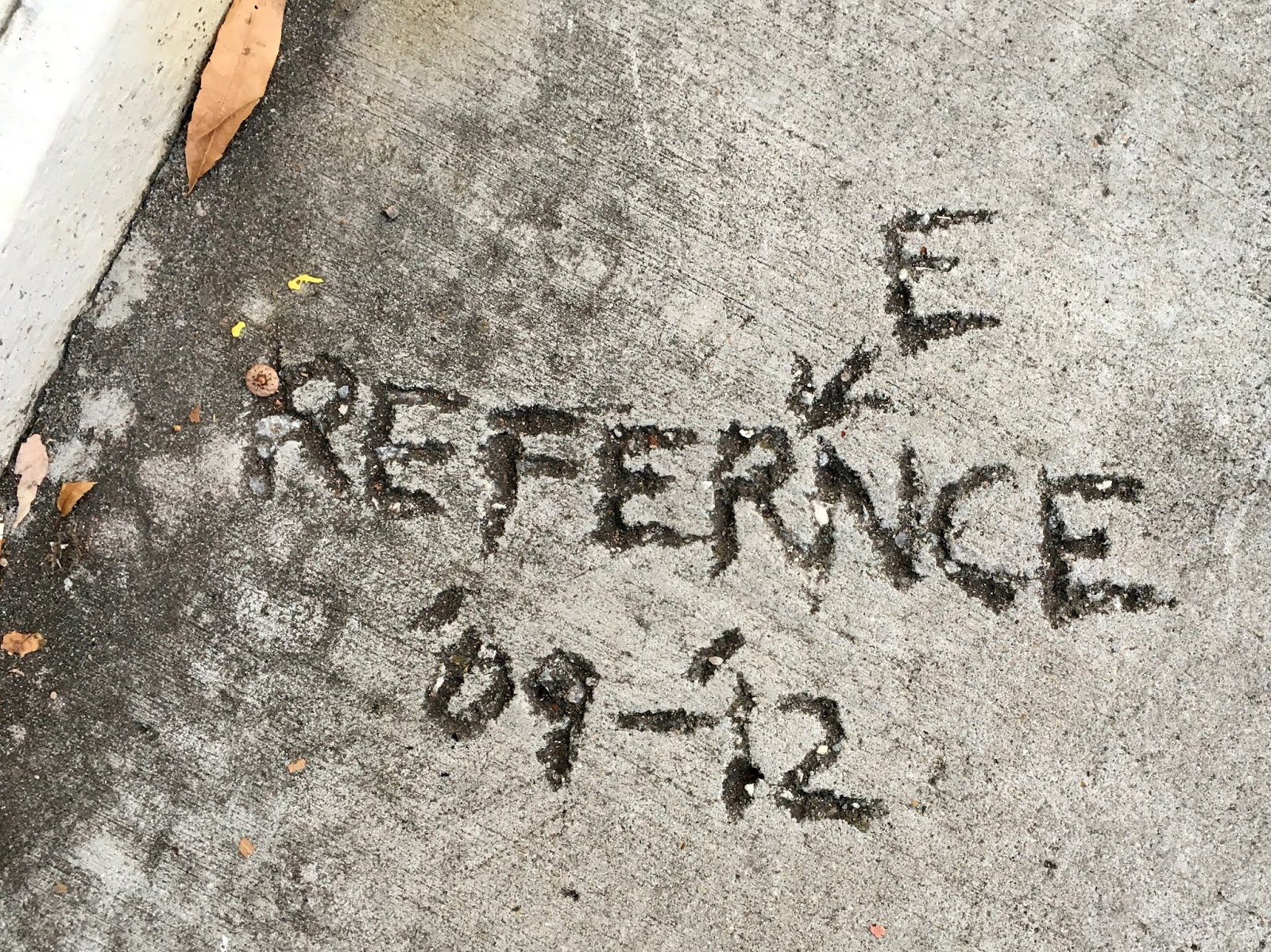 Image from Pxherereward for it while you're doing it, nor do you benefit from a pleasing sense of achievement when you've finished because you know that there's still likely to be a typo or a misplaced comma somewhere. No matter how much time you put into proof-reading, your precious book will still be disfigured by some hideous error that will jump out at you the first time you pick up a copy of the published work.
Despite knowing how difficult it is to achieve perfection, I'm always seriously unimpressed when I come across typos in books I'm reading. Surely, I think, the author should have cared enough about their work to read it carefully before publication. The trouble is, of course, that like me they're probably looking forward to getting this one off their desk and getting back to the much more interesting business of writing the next one.
When you publish with a traditional publishing house, you get a proof copy of your book with strict instructions to make only essential changes. This should stop you introducing new errors at this stage. With any luck, you've also got an editor and proof-reader looking for typos, though there are horror stories about the mangled results produced by working with people who can't necessarily read your mind or your handwriting.
Most sites for self-published and indie authors will emphasize the importance of paying a professional proof-reader to make sure your book is as good as it can be. But if you have the experience and skills to do it yourself, there's no reason why you shouldn't. In my case, I find that it focuses the mind to know that there is no-one but me to blame.
The challenge for the indie author or self-publisher who does their own proof-reading is that it isn't a clearly distinct phase. It's very hard to force yourself to make only minimal changes, and any extra little bit of editing or re-writing you do at this stage will be another opportunity to introduce typos and garbled text. I've found that it's useful to separate the files for e-books and paperbacks when I need to focus on correction rather than rewriting. Knowing that I'll have to edit both separately discourages me from making too many changes at this stage.
For what it's worth, here are some tips for proof-reading:
1. Proof-reading isn't the same as reading. You aren't reading the story, you're reading the grammar, spelling and punctuation. All the same, you need a break from what you've written before you start proofing, otherwise you'll be filling in the text from memory.
2. There are different ways of doing it, and I try to do more than one:
On paper: I find it easier to see mistakes in a printed version than on the screen. I'll move a ruler underneath the line I'm reading, to force myself to go slowly.
On screen: if paper isn't available, I'll increase the font size to stop myself skipping ahead.
On screen: if it's formatted as a book, the typos are more obvious than in a normal word document.
Out loud: reading out loud is another useful way to make yourself slow down, and you'll pick up clunky and confusing language at the same time.
3. There are some things you're not going to pick up by reading, such as formatting and consistency in spelling where some variation is possible (e.g. -ise/ize). For these things, there's no substitute for going through checking feature by feature.
4. Some checks can be done across multiple pages at a time, like whether the headers and footers look how you want them to.
5. When you're convinced that your book is completely error free, you can guarantee that there will still be one or two mistakes. The more of your friends and family who are willing to read it for you before publication, the better.
6. After your friends have read it and spotted any remaining stray typos for you, you need to read it just one more time.
7. It's easy to pay so much attention to the content of your book that you forget to proof-read the cover to the same level of detail. Proof-read the cover!!
8. Finally, the advantage of indie publishing is that you can upload a corrected version of your book if you have to. Obviously you don't want to and you have so many better things to do with your time, but if it comes to it, you can.
This post feels like a hostage to fortune. Go on then, tell me what I missed.


No comments have been added yet.