
30 Days of Vampires: Versatile Vampires #Prize
 Mercy Loomis grew up in a haunted house, and has had quite enough of ghosts for one lifetime, thank you. Though she now lives in a 150-year-old house, it is remarkably ghost-free. (That, or they're staying on the down-low. She doesn't care which.) She finished writing her first vampire novel when she was in middle school, and hasn't stopped writing about them since. She loves stories about the paranormal because monsters are scary, but less scary than real people. Or at least less depressing.
**********
"I would never have read a vampire book, but I really liked this one."
I heard this from many of my beta readers after they read my novel Scent and Shadow, and it left me with two impressions. One, I had apparently succeeded in my goal of writing a vampire book with broad appeal, and two, there are a lot of people out there who apparently think vampire books are all the same.
Vampires show up in all kinds of books, from the ruthless symbiotes of Brian Lumley to the Scribe-Virgin-blessed holy warriors of J. R. Ward. From horror
 to science fiction
 to fantasy
 to romance to historical noir, vampires have been there, done that.
One of the things I love about vampires is that they are so very, very versatile.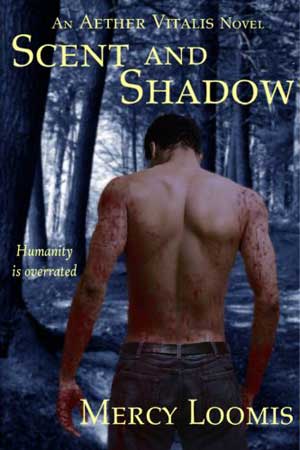
Their versatility is two-fold: the legends themselves are very malleable and offer an author a huge range of abilities and restrictions to play with, and the theme of vampirism is equally broad.
Vampires of one type or another show up in countless legends in lots of different cultures, going back thousands of years. Some are probably a way to explain wasting diseases, or physiological changes in corpses, or even just certain types of personalities. Some are repelled or injured by sunlight, some by garlic or other special plants, some by silver, some just by making a lot of noise. Some don't have reflections, or can't cross running water, or they can't bleed or cry or cast a shadow. Some can be foiled by simply spilling sand or rice on your doorstep, because then the vampire has to stop and count all the grains and will probably still be there counting when the sun comes up.
And that's not even touching all the spiffy powers they're supposed to have. (Or psychic vampires!) How can an author resist such a customizable character?
But the thing I feel is really responsible for the vampire's longevity in story is their absolute adaptiveness in regard to theme.
Vampires are monsters, but they're monsters that look like us. Heck, most of the time, they were us. The Devil has a pleasing face, and it could happen to you! Perfect scary antagonist, especially because they aren't real, so it's a safe thrill. Then you have the whole intellect versus instinct thing, with the vampire maybe wanting to control his bloodlust, and the seductive, demanding bloodlust trying to turn him into a baser creature. (You get this with werewolves, too.) And the "love conquers all" theme, always popular and closely related to the "redemption of the bad boy", which is a trope hard-wired into most women's brains as far as I can tell. Plus there are all the metaphoric vampire themes: psychic vampirism, corporate vampirism, political vampirism. One source even credits the first use of the word vampire in English print as metaphorically referring to greedy merchants.
I could go on and on about this topic, because you can do that much with vampires. I don't think they'll ever stop being popular, because we are constantly reinventing them to serve our own purposes and portray the themes of the day.
What are your favorite attributes of vampires, and which are your favorite vampire story themes? Leave a comment below with your email address to win a free signed trade paperback of my novel Scent and Shadow  . (Foreign entries are welcome, but you'll have to help me figure out how to ship it!) Winner will be chosen at random, but all comments with emails will receive the novel as an ebook!
Web Site: Mercy Loomis
Buy the books!


