Use a Routine to Recover from Bipolar

In my previous post, I explain how my type-A personality contributed to the development of my bipolar disorder, and – ironically – to my recovery from mental illness as well. It was thanks to my ambitious, highly-organized, perfectionist personality that I was able to analyze my symptoms and triggers, and establish a routine that would cultivate mental stability relatively early on.
Our mental
stability truly does need to be cared for; be nurtured. It is so fragile. Those
of us who have experienced mental breakdown, or who love someone who has, know
this well.
The best way
to nurture your mental health – whether you are currently living with a
brain illness or you’re wanting to save yourself the agony of ever dealing with
one – is to create a healthy daily routine.
The science of routine
Studies have shown that following a daily routine is one of the two most effective ways to achieve and maintain mental stability when you have bipolar disorder (the other is consistently taking the right meds). This is largely due to the fact that having a daily routine typically results in having a regular sleep schedule. And our circadian system (the body’s internal clock that regulates our sleep-wake cycle) is fundamentally linked to mood regulation.
In this study from the American Psychological Association, it was found that bipolar patients who maintained a daily routine averted new manic or depressive episodes longer than patients who didn’t.
Another study, in the Lancet Psychiatry, found that people who have a daytime routine have better mental health. This is attributed to two factors:
First, people who have daytime routine have a sense of agency and know what to expect from their day – meaning less chaos and unpredictability that would have resulted in stress. This frees up much-needed headspace, so they have more energy to combat other (more serious) stressors throughout the day, rather than being bulldozed by them, and this means that they can think and behave less impulsively.Second, people with daily routines have better sleep cycles and thus are better equipped to deal with emotional difficulties during the day.

Take care of your circadian system
While sleep
is undeniably critical for maintaining mental health and mood stability
– including for reasons beyond just stabilizing your circadian system – it
isn’t the only thing that affects your internal clock! Maintaining regular meal
times and even exercise times will help to regulate your circadian system too.
This means that you still need to pay close attention to the rest of your
waking hours, and you can do this by creating a daily routine.
Let’s dig a
little deeper into how a daily routine can help us maintain our mental health.
Routine, self-care, and boundaries
Maintaining a
daily routine may sound simple enough, but believe me, it’s no easy feat.
“Routine” is
a single word that – for most of us – encompasses an entire lifestyle
overhaul, including incorporating wellness activities (such as meditation, deep
breathing, regular exercise, self-expression [poetry, writing, art, sewing,
woodwork, etc.] and so on) and boundaries into each day if we want the best
chance of reclaiming or maintaining mental stability.
I use the
word “boundaries” because certain aspects of a routine may feel limiting
– for instance: sticking to a strict bedtime (even when you feel like you
have a good reason to extend it), restricting your caffeine and alcohol/drugs
intake, limiting exposure to emotional stimuli (e.g. horror films or toxic friends),
etc. But if these self-imposed boundaries mean that you will protect yourself
from mental illness, then surely that is actually more liberating than limiting?
It will be challenging to adjust to a new routine in the beginning, but I promise it will become your new normal soon enough if you stick with it, and it will be so worth it.
As I wrote on page 237 in my memoir:
“In the early days, it was a constant effort to
regain and reclaim my mental health. It started as a daily struggle to follow
my self-care routine. Gradually, that struggle became more manageable. Now,
it’s just the way I live. It’s a small price to pay to keep myself stable. If I
don’t manage my own bipolar, who will?”
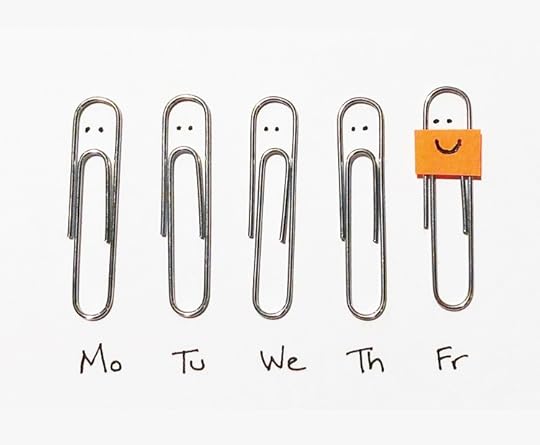
And
so I wake up and go to bed at the same time every day, eat my meals at the same
time, exercise at the same time, meditate at the same time, and take my meds at
the same time. I don’t go to events that require me to stay up past my bedtime.
I don’t schedule work meetings or social events at times that would interfere
with my meal times.
This routine keeps my internal clock completely in check. It keeps my brain from getting over-stimulated by the change of activities each day; it provides structure so that my brain knows what to expect, and that helps keep my stress level low. The routine also frees up headspace and time (that would otherwise have been spent arranging my schedule and re-checking my to-do list), which I can instead put towards recovery activities, creative projects, or resting.
While some may view my routine as rigid, or boring, or lacking in spontaneity, I view it as my lifeline, because I don’t ever want to go mad again. I’ve been there, done that, and I refuse to let anything jeopardize my stability that I’ve worked so hard to earn back.

In
2011, I reflected in my journal:
In a fundamental way
My life is divided into two parts:
before bipolar, and after.
I spent years hankering for my “old life,”
But now I realize that was not ideal in any way.
Now I appreciate my “new life” –
all the things I do to stay healthy.
And all the things I never would’ve done
without bipolar.
I commit to continuing my healing.
I will love and take care of myself.
I hope that you,
too, will commit to your own health.
Stay tuned
for my next post about how you can do just that: by creating and implementing
your own routine!
Cheers,

The post Use a Routine to Recover from Bipolar appeared first on Merryl Hammond.