Hybrid Elm Tree Tips
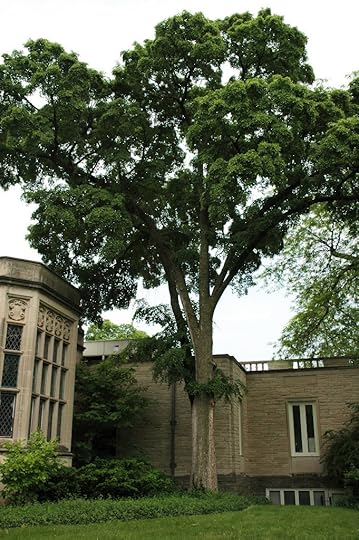
Want some inspiration for planting your landscape up this season? Hybrid elm tree planting is making a comeback and the elm can be a beautiful choice for your landscaping needs. Below is an excerpt from the Indiana Getting Started Gardening Guide which can help you get started with this hybrid tree which has great potential to make a strong statement in your landscape.
Elm trees were used as street trees and truly represented Main Street USA in the beginning of the 20th century until Dutch elm disease, a wilt fungus, decimated the trees. It is reported that by 1970 over 77 million trees were dead, and a new understanding of the importance of planting diverse tree varieties within our communities became mainstream. Hybridized varieties of the elm tree have made a strong comeback because of their resistance to Dutch elm disease. Native varieties have been known to grow over 100 feet tall, but most hybrids get about 60 feet tall. Elms have winged seeds called samaras that are well loved by squirrels, chipmunks, songbirds, and game birds. Baltimore orioles love to weave their pendulous nests in elms.
Botanical name — Ulmus hybrids
Bloom Period and Seasonal Color — Spring; inconspicuous flowers
Mature Height × Spread — 40 to 100 feet × 40 to 80 feet
Added Benefits – Attracts birds of all kinds
Sun Requirements – Sun
When, Where, and How to Plant – Plant an elm in a sunnier location; morning sun is best as it will help prevent fungal problems, although the tree can survive shade well. Elms will tolerate most soils as long as they are well drained. Remove all burlap, rope, and wire from the rootball, and then water the rootball well before planting. Dig a hole the same depth of the rootball but at least twice as wide before planting.
Growing Tips – Water consistently until the tree is established. Also water the trees in drought conditions because plants in distress are more likely to contract fungal disease. Annually mulching the tree with several inches of compost will help an elm hold moisture but also allow nutrients to trickle down through the soil. Do not fertilize otherwise unless the tree is showing signs of malnutrition.
Advice and Care – Prune trees in early spring before foliage develops. Cut back deadwood, water sprouts, and suckers at any time. Wildlife enjoys the spring seed litter, but tidy seeds by blowing or raking them up. Fungus is the enemy of the elm. While new varieties are resistant to Dutch elm disease and other fungi, they can still be attacked by fungal problems. Some of these conditions can be controlled by planting the elm in full, direct sunlight with good air circulation. Do not plant an elm in shady or crowded conditions; it will perform poorly.
Companion Planting and Design – Elms handle pollution, winter salt, and high traffic areas well. Additionally, they are very adaptable to most soils, making them a stupendous selection for the urban landscape, particularly inner city areas. Its glossy leaves make the elm ideal as a shade tree near patios and pathways.
Try These – Commendation has glossy green leaves, grows rapidly, and has yellow fall leaves. It grows between 40 and 60 feet. Triumph will reach 60 feet high and 40 feet wide, has good branching, and significantly improved disease and pest resistance. ‘Dynasty’ is a very hardy, vase-shaped, Chinese elm with leaves that turn bright orange in fall. If you would like more ideas on how to grow many different trees and plants for your landscape, particularly in the Midwest, please pick up my book, the Indiana Getting Started Garden Guide.