
Useful Tips and Tricks to Write Around Writer’s Block
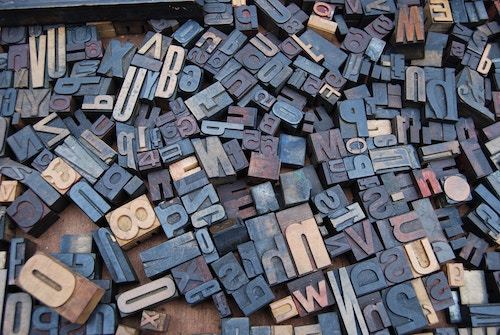
Camp NaNoWriMo is in full swing! Now that we’re in the second week, you may find yourself struggling to figure out what to write next. Today, NaNoWriMo YWP participant Rylee Kazort shares some writing advice and tips for breaking through writer’s block:
As a writer myself, I will be the last to tell you writing is as simple as picking up a pen and just going for it. Everyone has their own style and vision. A lot goes into writing a good story, and not all the rules are clear cut.
But what if I get stuck? Writer’s block is something we have or will experience at one time or another. Here are a few things to help get over or avoid that situation.
Whenever you’re between action sequences in the story and nothing is really happening that will hold interest, give the reader important information about the story. Add information when you can’t show action.
2. Show emotion, tell feeling.We’ve all heard of “show, don’t tell”—and yes, it is helpful, but sometimes telling things is good, too. I prefer to show emotion, tell feeling. It makes it a lot easier when things need to be short and sweet rather than bogging down writing with big descriptions.
Sometimes the best step to avoiding writer’s block is to stop when you know where you’re going. Now most of you may think that is insane. If you know where you’re going and how the story is going to unfold, you should write it, right? I thought that too, before I started using this device. And the result was amazing. I wouldn’t sit down and have to look over everything and decide what was going to happen next, because it was already planned out in my head. Sure, you write for a bit, then you get stuck, but you’re already deep into your story. It’s easier to work yourself out of that little rut.
4. Walk away.And if all else fails and you’re still stuck, walk away for a bit. You can’t keep pushing. If you don’t know what you want, the story will be choppy and rough. The best thing to do is walk away and think. Some of the best ideas come to you when you’re not at a keyboard.
Now that we have some useful tips and tricks to writing, it should be easy and fun to move through this next story. Maybe we hit a few bumps, but they can be worked through just the same. Just remember when you get discouraged, no one can write your story, so you have a duty to write it out.
Rylee Kazort is a teen writer with dyslexia who started writing in freshman year of high school. In the four years since then, Rylee has written 14 stories, 11 of them being novel length, one of these being longer that 100,000 words. She has some of her short stories published for enjoyment out on WattPad at @19RyleeAnn.
Photo by Amador Loureiro on Unsplash


Chris Baty's Blog

- Chris Baty's profile
- 63 followers

