The Long Goodbye Part One: The Land
On November 16, 2017, one month shy of my sixth anniversary serving as pastor of Herreid Baptist church, our family will head south on Highway 83 as a caravan of a moving truck and family vehicles. The sun will set as we leave behind Herreid, South Dakota, never to call it home again.
Years ago when I was adjusting to living in Herreid my heart would sometimes sink as I returned from a trip and saw the highway sign that read, “Herreid 4 miles.” After passing that last sign I’d scope the skyline, made up of a water tower and two grain elevators and wonder how this became home. It’s too hot here in the summer, much too cold in the winter, and often too windy to be sensible in all seasons. There are no proper restaurants to speak of. Sometimes my wife and I, especially in the months of January and February, would jokingly fantasize about this million-dollar idea where people would prepare good food and you could go to them and pick it up for a price or even have it delivered to you. But not in Herreid.
One honest relative dismissed Herreid as a stupid little town, vowing never to visit. And they never have in six years’ time. But it’s their loss. They can keep their higher skylines, take-outs, and deliveries. I’ll keep Herreid. That same heart that used to sink as I would return to the geographical center of the Dakotas, and not too far from that of North America, has now been dropped firmly to the bottom of my feet as I contemplate moving away from this town of 438 people on the northern plains of the Dakotas.
Herreid, like the cat we acquired shortly after moving here, somehow transformed from being strange and uneasy to a beloved part of our family that we could never live without. Herreid, the only place my daughters remember living. Herreid, the city forged by the railroad that endures long after the railroad left it behind. Herreid, named for a governor of South Dakota who was never enticed to retire in the place of his namesake and remained 25 miles east of it till he died. Herreid, which even has a song written about it that’s posted up on YouTube.
I’ll spare the audience any singing, but I can’t leave Herreid without saying a proper goodbye. Or, as they might say in the north, a long goodbye. The kind of goodbye where you say it before putting on your shoes. And again as you put on your coat, hat, and gloves. And once more in the entryway. Then again on the porch. And just one more time in the driveway. And so allow me to put on my shoes, hat, and gloves and say goodbye to the land and its people.
The Land
When you only flyover the Midwest its beauty is often unnoticed. There are farms of varying colors and sizes and tiny towns here and there as roads and highways connect them. But on the ground there’s much more to see. Trees are okay in towns, but they obscure much. In the Dakotas most every tree you come across was put there on purpose by someone. A few might be native to the prairie, hugging onto some little creek that lost its way to the mighty Missouri River. But most trees were planted in towns or to shield farmhouses from the northwest winds.
Without all those trees in the way you see sky and land as far as your eye will let you take them in. The hills will roll. The farm fields will grow, shrivel, and grow again. For five weeks in late summer the sunflowers rise and bloom before bowing in solemnity to the autumn chill. Closer to the river the bluffs will break forth from the ground and undulate across the plain, but never high enough to block the ever-present horizon.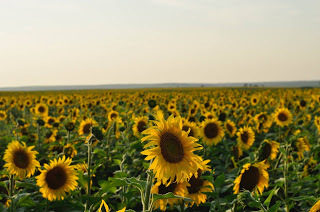 by Marci Jones
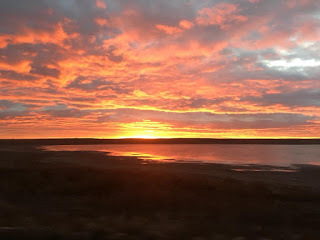
The horizon is a constant companion on the prairie. It’s always there, reminding me this world is bigger than I imagine and never quite within my grasp. I see the rain falling down the western sky dozens of miles before driving into it. On a clear day the sky mimics a painting with a hue too bright for reality. When it’s partly cloudy the shadows will dance over the bluffs, drawing my attention to every single one—each with their own greeting as I pass them by. And if there are clouds out around sunset the sky becomes a backdrop to a symphony of pastel colors, changing by the minute. The sun takes its time to set up here. Maybe it feels a little more appreciated.
 by Marci Jones
Most drives I encounter more wildlife than people. Sure, the cows might be stuck in the fields and there’s even one buffalo ranch close by. But the plains are the domain of the birds, while the deer and coyotes share it with them at night. Hawks perch on hay bales, fence posts, and even electric wires. Geese come from the south, sometimes much too early in the spring, and then return there again when they’ve figured winter’s returning. Pelicans and herons hang out in the summer for the prime fishing. An eagle or two might also stick around. The owls are more shy, but have been known to make an appearance around dusk just to let me know they’re still here.
I laughed when I moved to Herreid and saw the old state flag hanging in the school’s gymnasium, advertising that South Dakota, and not Florida or California, was the true “Sunshine State,” but just one winter here made me a believer. That sun shines brightly on even the coldest winter’s day.
I can’t speak for my whole family, but I’ll miss Herreid’s winters. Snow absorbs sound and our sleepy town is quietest when I’m out shoveling snow or taking a walk alone. The snow blankets over everything as each flake is like a sentinel from above reminding us that we are not forgotten once the temperature drops below freezing. The snow comes and stays for weeks, a silent companion during the longest months of winter. Out of town it transforms the fields, bluffs, and hills to an icy sea of tranquility.
At night the contrast of the ice with the pitch-black sky that shows up early in the evening makes for fine viewing of Orion, the Big Dipper, and many other constellations I’ve never bothered looking up. When 1,200 people live in the county there’s little artificial light to interfere with the stars that declare God’s handiwork. The northern lights, though, were tricksters who eluded me for six years. Always promising me their presence, but never actually showing up.
Spring is muddy, and my wife’s number-one goal is to convince our children to change their footwear in the entryway to our house. Her message often goes unheeded. After the snow run-off and the budding of new life, summer is soon to follow. Despite being farther away from an ocean than anyone else on this continent, we still enjoy the water. Ponds and lakes are nice, especially for our early-summer baptisms, but the dammed-up Missouri River also called Lake Oahe is the best place to go. Around Pollock, about 15 miles away from Herreid, the River is easily a mile wide. On windy days, which is just about every day, the waves crash on the shore. Hours fly by on the lake and many a Sunday afternoon is spent in the water, the sand, and the sun.
Summer departs suddenly. A frost comes one night, and then it’s fall. With few trees, fall is not a big deal in these parts. But we still carry on with cold football games and Halloween. I note the sunrises this time of year, because I’m awake for them, but they still don’t beat the sunsets.
There’s an unstated working relationship between a land and its people. That’s easy to miss when you live in a suburb that by-design resembles every other suburb in the country. As much as I’ve been drawn to this land for six years, its people fascinate me more. I’ll say goodbye to them in part two next week.
Years ago when I was adjusting to living in Herreid my heart would sometimes sink as I returned from a trip and saw the highway sign that read, “Herreid 4 miles.” After passing that last sign I’d scope the skyline, made up of a water tower and two grain elevators and wonder how this became home. It’s too hot here in the summer, much too cold in the winter, and often too windy to be sensible in all seasons. There are no proper restaurants to speak of. Sometimes my wife and I, especially in the months of January and February, would jokingly fantasize about this million-dollar idea where people would prepare good food and you could go to them and pick it up for a price or even have it delivered to you. But not in Herreid.
One honest relative dismissed Herreid as a stupid little town, vowing never to visit. And they never have in six years’ time. But it’s their loss. They can keep their higher skylines, take-outs, and deliveries. I’ll keep Herreid. That same heart that used to sink as I would return to the geographical center of the Dakotas, and not too far from that of North America, has now been dropped firmly to the bottom of my feet as I contemplate moving away from this town of 438 people on the northern plains of the Dakotas.
Herreid, like the cat we acquired shortly after moving here, somehow transformed from being strange and uneasy to a beloved part of our family that we could never live without. Herreid, the only place my daughters remember living. Herreid, the city forged by the railroad that endures long after the railroad left it behind. Herreid, named for a governor of South Dakota who was never enticed to retire in the place of his namesake and remained 25 miles east of it till he died. Herreid, which even has a song written about it that’s posted up on YouTube.
I’ll spare the audience any singing, but I can’t leave Herreid without saying a proper goodbye. Or, as they might say in the north, a long goodbye. The kind of goodbye where you say it before putting on your shoes. And again as you put on your coat, hat, and gloves. And once more in the entryway. Then again on the porch. And just one more time in the driveway. And so allow me to put on my shoes, hat, and gloves and say goodbye to the land and its people.
The Land
When you only flyover the Midwest its beauty is often unnoticed. There are farms of varying colors and sizes and tiny towns here and there as roads and highways connect them. But on the ground there’s much more to see. Trees are okay in towns, but they obscure much. In the Dakotas most every tree you come across was put there on purpose by someone. A few might be native to the prairie, hugging onto some little creek that lost its way to the mighty Missouri River. But most trees were planted in towns or to shield farmhouses from the northwest winds.
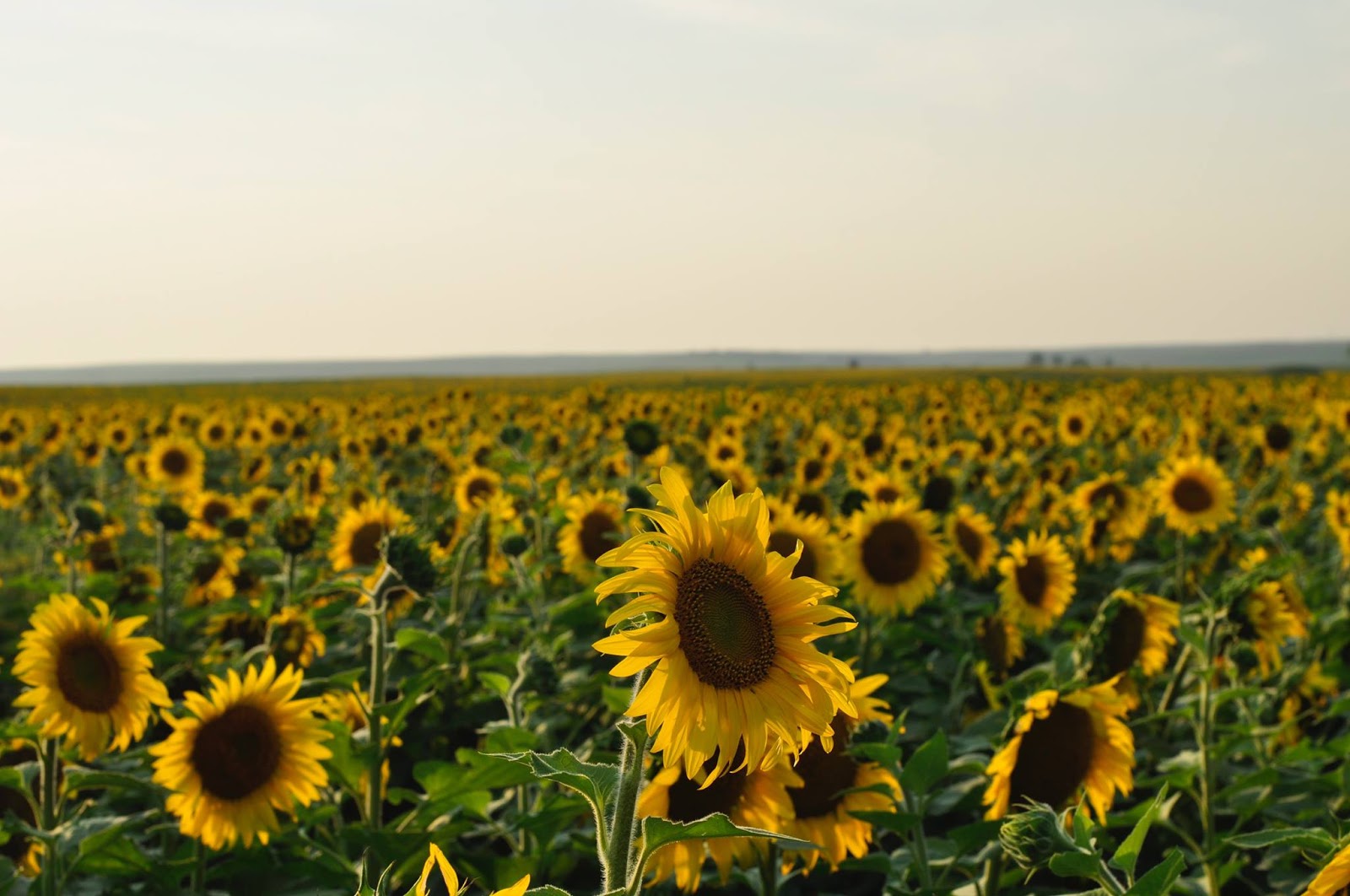
Without all those trees in the way you see sky and land as far as your eye will let you take them in. The hills will roll. The farm fields will grow, shrivel, and grow again. For five weeks in late summer the sunflowers rise and bloom before bowing in solemnity to the autumn chill. Closer to the river the bluffs will break forth from the ground and undulate across the plain, but never high enough to block the ever-present horizon.
 by Marci Jones
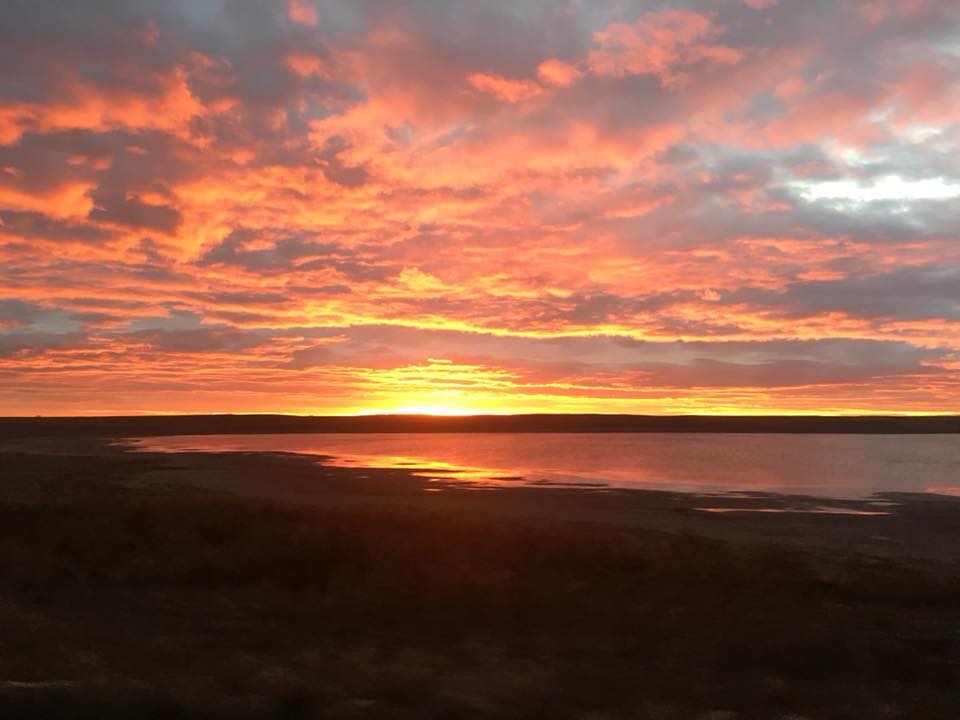
The horizon is a constant companion on the prairie. It’s always there, reminding me this world is bigger than I imagine and never quite within my grasp. I see the rain falling down the western sky dozens of miles before driving into it. On a clear day the sky mimics a painting with a hue too bright for reality. When it’s partly cloudy the shadows will dance over the bluffs, drawing my attention to every single one—each with their own greeting as I pass them by. And if there are clouds out around sunset the sky becomes a backdrop to a symphony of pastel colors, changing by the minute. The sun takes its time to set up here. Maybe it feels a little more appreciated.
 by Marci Jones
Most drives I encounter more wildlife than people. Sure, the cows might be stuck in the fields and there’s even one buffalo ranch close by. But the plains are the domain of the birds, while the deer and coyotes share it with them at night. Hawks perch on hay bales, fence posts, and even electric wires. Geese come from the south, sometimes much too early in the spring, and then return there again when they’ve figured winter’s returning. Pelicans and herons hang out in the summer for the prime fishing. An eagle or two might also stick around. The owls are more shy, but have been known to make an appearance around dusk just to let me know they’re still here.
I laughed when I moved to Herreid and saw the old state flag hanging in the school’s gymnasium, advertising that South Dakota, and not Florida or California, was the true “Sunshine State,” but just one winter here made me a believer. That sun shines brightly on even the coldest winter’s day.
I can’t speak for my whole family, but I’ll miss Herreid’s winters. Snow absorbs sound and our sleepy town is quietest when I’m out shoveling snow or taking a walk alone. The snow blankets over everything as each flake is like a sentinel from above reminding us that we are not forgotten once the temperature drops below freezing. The snow comes and stays for weeks, a silent companion during the longest months of winter. Out of town it transforms the fields, bluffs, and hills to an icy sea of tranquility.
At night the contrast of the ice with the pitch-black sky that shows up early in the evening makes for fine viewing of Orion, the Big Dipper, and many other constellations I’ve never bothered looking up. When 1,200 people live in the county there’s little artificial light to interfere with the stars that declare God’s handiwork. The northern lights, though, were tricksters who eluded me for six years. Always promising me their presence, but never actually showing up.
Spring is muddy, and my wife’s number-one goal is to convince our children to change their footwear in the entryway to our house. Her message often goes unheeded. After the snow run-off and the budding of new life, summer is soon to follow. Despite being farther away from an ocean than anyone else on this continent, we still enjoy the water. Ponds and lakes are nice, especially for our early-summer baptisms, but the dammed-up Missouri River also called Lake Oahe is the best place to go. Around Pollock, about 15 miles away from Herreid, the River is easily a mile wide. On windy days, which is just about every day, the waves crash on the shore. Hours fly by on the lake and many a Sunday afternoon is spent in the water, the sand, and the sun.
Summer departs suddenly. A frost comes one night, and then it’s fall. With few trees, fall is not a big deal in these parts. But we still carry on with cold football games and Halloween. I note the sunrises this time of year, because I’m awake for them, but they still don’t beat the sunsets.
There’s an unstated working relationship between a land and its people. That’s easy to miss when you live in a suburb that by-design resembles every other suburb in the country. As much as I’ve been drawn to this land for six years, its people fascinate me more. I’ll say goodbye to them in part two next week.


No comments have been added yet.