5 WAYS TO GET INTO CHARACTER
by Sonja StoneCOMMUNING WITH YOUR IMAGINARY FRIENDS CAREFULLY COMPOSED CHARACTERS
My Rogue Sisters have been discussing our personal relationships with the characters we create. How do we find them/name them/know them? This article describes how I connect with my characters. Originally published by Writer’s Digest, it appeared last fall on Chuck Sambuchino’s GUIDE TO LITERARY AGENTS blog.
It’s been said that great authors act as stenographers, jotting down thoughts and actions as their characters dictate. Whether you’re focused on a single protagonist or penning a novel with multiple points-of-view, you must know your characters, so that when they talk to you, you’ll recognize their voices. But how do you develop this level of intimacy? Pretend you’re your character. Use all your senses to get into character.
1. Sight
What does your character notice? All the exits in a room? A great pair of shoes? Is he a coffee addict? Spend the afternoon at your local coffee house. Does the barista run out back for smoke breaks, spend his time hitting on customers, or cram for his economics exam between orders? Is your character a criminal? Go into stealth mode—take a stroll after dark, see if you can stay hidden in the shadows. Try to move through a department store without anyone noticing you. Where are the security cameras? Put on a baseball hat and keep your head down, out of the line-of-sight. How does it feel? Is your protagonist a foodie? Ask for a kitchen tour of your favorite restaurant. Notice the stainless steel work surfaces, the marble bench for rolling pastry, the heat lamps hovering over the plated entrees as they wait for food runners.
 My favorite place in the world: the kitchen at the Inn at Little Washington
2. SoundYou’ve already filled your scenes with visceral details—the popping of the olive oil as a thick piece of salmon slides into the pan; the hushed conversations and gentle clinking of glassware as your characters rendezvous in the smoky lounge. But don’t forget about sound as you’re getting into character. What piece of music does your protagonist love? I’ve created a playlist for each of my characters on Spotify. The same character probably doesn’t listen to Leonard Cohen and Panic! At the Disco, but if she does, that tells me something about her. Think about her age now, and play the songs that were popular when she was in high school. Music won’t necessarily work itself into your novel—this exercise is about eliciting the emotional response of your character. Does he cry while listening to Yo-Yo Ma? Put on your headphones, crank up the volume and feel it.
3. SmellScent triggers our deepest memories and emotions by engaging the limbic system, the most primitive part of our brain. Take the smell of vinegar—does it remind your character of dyeing Easter eggs? Or eating fries at the boardwalk along the Atlantic Ocean twenty summers ago when he first fell in love? Or does she think of her mother, the hippie clean freak who couldn’t stand germs but never used bleach? Roses and gardenias conjure thoughts of hot, humid summer days, gardens humming with cicadas, lacy patterns playing across the lawn as the sun filters through the leaves of the oak trees. Which smells speak to your character, and what do they say?
 Summer gardens, designed by Aardweg Landscaping
4. TasteWhen she’s had a rough day, does your hero seek soul food or sushi? Is she vegan? Indulgent? A culinary snob? Go out for her favorite meal and think about how she might react—does it comfort her? Induce feelings of guilt? Love? Self-loathing? Does your star drink big red wines in Riedel stemware or draft beer out of red plastic Solo cups? Can he determine the difference between Burgundy and Bordeaux? Does she prefer tequila shooters or icy martinis? Posh lounge or dive bar? Go there. See who shows up.
5. TouchHands-on research is my favorite part of the job. Does your character handle firearms? Take a class at your local gun range. Get the feel for different calibers, the weight of the weapon as you extend your arms. Is he a gardener? Put your hands in dirt, feel the warm heaviness of the soil—go deeper until your fingers reach the cool dampness underneath. Is she a carpenter? Whittle a small branch and sand it smooth, just for the feel of the wood, the powdery dryness of sawdust on your hands.
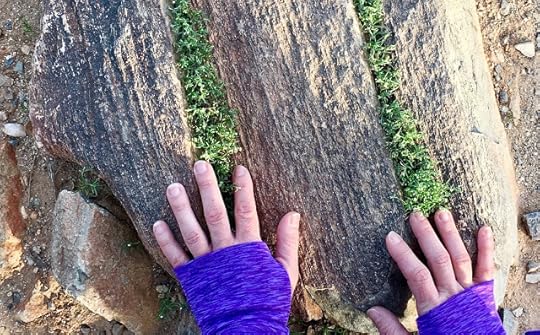 These were the first signs of spring in the Sonoran Desert.
6. When all else fails, listen to your gut (aka, the 6th sense).
Occasionally, I hit a wall.
The best way to get out of my head is to get into my body. Preferably with an activity I can’t perform on autopilot. Martial arts requires constant focus and attention. Yoga helps link my breath and my body. Zumba, Wii’s Just Dance game, dance-aerobics…anything with a fast-paced routine that I have to think about works for me. I love hiking through the desert, but I can think while I hike. Sometimes that’s great, and it often helps me get a feel for my characters (who also hike in the Sonoran Desert). But if I’m stuck in my writing, physical exercise that demands my full attention usually distracts me long enough to dislodge my writer’s block.
For those of you who write, do you have other tricks for getting in touch with your inner protagonist (or antagonist)?
photo credits: kitchen: http://theinnatlittlewashington.comsu... gardens: http://blog.aardweglandscaping.com/20...
My Rogue Sisters have been discussing our personal relationships with the characters we create. How do we find them/name them/know them? This article describes how I connect with my characters. Originally published by Writer’s Digest, it appeared last fall on Chuck Sambuchino’s GUIDE TO LITERARY AGENTS blog.
It’s been said that great authors act as stenographers, jotting down thoughts and actions as their characters dictate. Whether you’re focused on a single protagonist or penning a novel with multiple points-of-view, you must know your characters, so that when they talk to you, you’ll recognize their voices. But how do you develop this level of intimacy? Pretend you’re your character. Use all your senses to get into character.
1. Sight
What does your character notice? All the exits in a room? A great pair of shoes? Is he a coffee addict? Spend the afternoon at your local coffee house. Does the barista run out back for smoke breaks, spend his time hitting on customers, or cram for his economics exam between orders? Is your character a criminal? Go into stealth mode—take a stroll after dark, see if you can stay hidden in the shadows. Try to move through a department store without anyone noticing you. Where are the security cameras? Put on a baseball hat and keep your head down, out of the line-of-sight. How does it feel? Is your protagonist a foodie? Ask for a kitchen tour of your favorite restaurant. Notice the stainless steel work surfaces, the marble bench for rolling pastry, the heat lamps hovering over the plated entrees as they wait for food runners.
 My favorite place in the world: the kitchen at the Inn at Little Washington
2. SoundYou’ve already filled your scenes with visceral details—the popping of the olive oil as a thick piece of salmon slides into the pan; the hushed conversations and gentle clinking of glassware as your characters rendezvous in the smoky lounge. But don’t forget about sound as you’re getting into character. What piece of music does your protagonist love? I’ve created a playlist for each of my characters on Spotify. The same character probably doesn’t listen to Leonard Cohen and Panic! At the Disco, but if she does, that tells me something about her. Think about her age now, and play the songs that were popular when she was in high school. Music won’t necessarily work itself into your novel—this exercise is about eliciting the emotional response of your character. Does he cry while listening to Yo-Yo Ma? Put on your headphones, crank up the volume and feel it.
3. SmellScent triggers our deepest memories and emotions by engaging the limbic system, the most primitive part of our brain. Take the smell of vinegar—does it remind your character of dyeing Easter eggs? Or eating fries at the boardwalk along the Atlantic Ocean twenty summers ago when he first fell in love? Or does she think of her mother, the hippie clean freak who couldn’t stand germs but never used bleach? Roses and gardenias conjure thoughts of hot, humid summer days, gardens humming with cicadas, lacy patterns playing across the lawn as the sun filters through the leaves of the oak trees. Which smells speak to your character, and what do they say?
 Summer gardens, designed by Aardweg Landscaping
4. TasteWhen she’s had a rough day, does your hero seek soul food or sushi? Is she vegan? Indulgent? A culinary snob? Go out for her favorite meal and think about how she might react—does it comfort her? Induce feelings of guilt? Love? Self-loathing? Does your star drink big red wines in Riedel stemware or draft beer out of red plastic Solo cups? Can he determine the difference between Burgundy and Bordeaux? Does she prefer tequila shooters or icy martinis? Posh lounge or dive bar? Go there. See who shows up.
5. TouchHands-on research is my favorite part of the job. Does your character handle firearms? Take a class at your local gun range. Get the feel for different calibers, the weight of the weapon as you extend your arms. Is he a gardener? Put your hands in dirt, feel the warm heaviness of the soil—go deeper until your fingers reach the cool dampness underneath. Is she a carpenter? Whittle a small branch and sand it smooth, just for the feel of the wood, the powdery dryness of sawdust on your hands.
 These were the first signs of spring in the Sonoran Desert.
6. When all else fails, listen to your gut (aka, the 6th sense).
Occasionally, I hit a wall.
The best way to get out of my head is to get into my body. Preferably with an activity I can’t perform on autopilot. Martial arts requires constant focus and attention. Yoga helps link my breath and my body. Zumba, Wii’s Just Dance game, dance-aerobics…anything with a fast-paced routine that I have to think about works for me. I love hiking through the desert, but I can think while I hike. Sometimes that’s great, and it often helps me get a feel for my characters (who also hike in the Sonoran Desert). But if I’m stuck in my writing, physical exercise that demands my full attention usually distracts me long enough to dislodge my writer’s block.
For those of you who write, do you have other tricks for getting in touch with your inner protagonist (or antagonist)?
photo credits: kitchen: http://theinnatlittlewashington.comsu... gardens: http://blog.aardweglandscaping.com/20...


No comments have been added yet.