How to Create an Anthology: Step 8: Cover
How to Create an Anthology: Step 8: Cover
This is the eighth of a series of blog posts that I intend to do in order to show how I create the anthologies for Zombies Need Brains, the small press that I founded in order to produce anthologies. It's basically a behind-the-scenes look at the process, which will be covered in multiple parts. Obviously, this is only how I produce an anthology and there may be other roads to follow in order to produce one. Keep that in mind. Find all of the entries in this blog series here: http://jpsorrow.livejournal.com/486215.html.
While the copy editor, editors, and authors are looking through the file for errors and any changes they may want to make to make at this point, the main editor/publisher should be working on the cover. There are a few different things the editor needs to finalize.
First, of course, is the cover art itself. For a professional book, you should hire an artist to do the cover art. Readers in bookstores can spot a Photoshopped cover from across the store, and most don’t have a high opinion of any book with a Photoshopped cover. No one is supposed to judge a book by its cover, but the harsh reality is that EVERYONE judges a book by its cover. The cover is what first prompts the person to pick up a book and take a look. If the cover isn’t interesting, then no one will ever buy the book because no one will ever pick it up to check it out. So the cover must be good and look professional and the first step is great cover art.
But great cover art isn’t enough. The cover art needs to reflect the contents of the book in a meaningful way. In other words, the art on the cover should represent the book inside—the atmosphere, the feel of the story, the genre. If the reader pick up the book with the sci-fi-ish looking cover and then discovers that the book is a romance, that person’s going to be ticked. Because the person who picked up the book was expecting a sci-fi book. Giving them a romance instead isn’t going to make them happy. They WANTED sci-fi. They picked up the book thinking it was sci-fi. And now they’re reading about Lady Marcy, the squire, and his goat. In all likelihood, this read has now decided that the author and/or publisher is incompetent and won’t buy another book by this person/publisher again. So don’t just put any cover art on the book just because it looks cool; make certain it looks cool AND represents the book.
Let’s say we’ve got great cover art. You now need to come up with some back cover copy, telling the reader what the book is all about. This is probably the most important aspect of the cover aside from the art itself. This is what the reader will turn to if the cover prompts them to pick up the book in the first place. So you’ve got to make the book sound good, as in, you can’t put this down, you must own this, why are you even still reading, go to the counter and buy this now! I have to admit that I suck at this. Oh, sure, I can tell you what the book’s about, but I’m not that great at making it sound un-put-down-able. I usually write something up, then ship it off to Patricia so she can snazz it up. I’m getting better at it (I like to say to myself), but it’s much harder than it sounds. Keep in mind you’ve only got a limited amount of space to do this in, maybe 100 words, maybe 200, so it’s got to get to the point and leave an impression fast. Spend some time on this. Write something up, then let it sit for a few days and go over it again. Really ask yourself what’s special about the anthology, what makes it stand out on the shelf, what makes it different. That’s what you should focus on. And of course you should mention the authors who’ve contributed to the anthology.
There are a few other things you can add to the cover (front or back) of a book: If you’ve got some blurbs from famous people talking about the book, maybe put a few of those on there. Maybe you’ve got a really cool tagline for the cover of the book, to go along with the title and author/editors. Anything else, like awards won, bestseller taglines, etc., should also be considered.
Once you have everything you want on the cover, plus the art, you should send it to a graphic artist for design. The graphic artist should produce what’s called a cover flat—basically the back cover, spine, and front cover, all in one file. This is the “art” that will be wrapped around the book, as if the book had been unfolded and laid flat on a desk. So the back cover appears on the left, the spine in the middle, and the front over on the right. The cover design should pop, which means you need a good readable title font (again, a font pertaining to the contents of the book; you don’t want a frilly script font for a horror book) and a good readable basic font for the back cover. Remember, you want this cover to stand out on the shelves, when it’s surrounded by a hundred other books that ALSO want to stand out on the shelves. This cover design is important, so spend some time and money on it.
And now we’re nearing the end of the production cycle for creating an anthology. Only two more steps to go: Design and Distribution. Stick around! You’re almost there!
And now a word from our sponsor:
*****************
Zombies Need Brains is currently running a Kickstarter (at https://www.kickstarter.com/projects/543968884/robots-water-and-death-anthologies?token=017aef99) to fund THREE new SF&F anthologies and we need your help! We can't produce anthologies unless we can get the funding to pay the authors, the cover artists, the print and ebook designers, and the printers. That's where the Kickstarter comes in, and you, THE FANS! We've got a ton of stunning anchor authors on board, including NY Times bestselling authors and award winners. And we've got a ton of great reward levels, such as tuckerizations, signed copies of books by your favorite authors, and more! Our themes for this current Kickstarter are:
ALL HAIL OUR ROBOT CONQUERORS!: “Danger, Will Robinson! Danger!” 50s and 60s television shows and movies were replete with clunky robots with bulbous arms and heads, blinking lights, and a staggered, ponderous walk, like Robby the Robot, GORT, and the Daleks. With a touch of nostalgia and a little tongue-in-cheek humor, this anthology will present invasions of robot conquerors—or well-meaning robot companions—rooted in those 50s and 60s ideals of the robotic vision of the future. Edited by Patricia Bray & Joshua Palmatier.
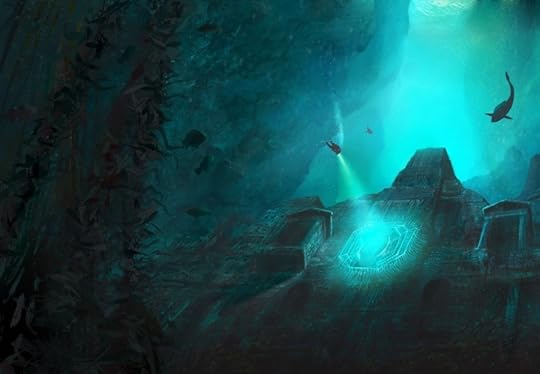
SUBMERGED: From the very earliest days of SFF, when Jules Verne wrote 20,000 Leagues Under the Sea, the depths of the oceans have always intrigued us. Three quarters of our planet teems with creatures beyond our imagining, and terrors we cannot see. Kraken, Leviathan, Cthulu – what other mysteries and monsters lurk in the currents of the wet and dark? SUBMERGED will explore the depths beneath the surface, whether it be on brand new planets yet to be explored, apocalyptic Earths, or fantasy settings from our wildest dreams. So come join us and explore unfathomable trenches, underwater volcanoes, and abyssal plains. Take the plunge . . . into the Deep End! Edited by S.C. Butler & Joshua Palmatier.
THE DEATH OF ALL THINGS: Death and taxes: the universal themes. Or, nearly. Not all cultures pay taxes, but all pay the reaper. Acknowledging that nobody will ever beat Sir Terry Pratchett for his depiction of Death, we believe there are more stories to tell, exploring the realm and character of death: tragic, humorous, and all the shades in-between. Edited by Laura Anne Gilman & Kat Richardson.
If you'd like to help fund these anthologies, swing on by the Kickstarter at https://www.kickstarter.com/projects/543968884/robots-water-and-death-anthologies?token=017aef99! And share the Kickstarter with your friends, family, and total strangers! We need more SF&F anthologies!
This is the eighth of a series of blog posts that I intend to do in order to show how I create the anthologies for Zombies Need Brains, the small press that I founded in order to produce anthologies. It's basically a behind-the-scenes look at the process, which will be covered in multiple parts. Obviously, this is only how I produce an anthology and there may be other roads to follow in order to produce one. Keep that in mind. Find all of the entries in this blog series here: http://jpsorrow.livejournal.com/486215.html.
While the copy editor, editors, and authors are looking through the file for errors and any changes they may want to make to make at this point, the main editor/publisher should be working on the cover. There are a few different things the editor needs to finalize.
First, of course, is the cover art itself. For a professional book, you should hire an artist to do the cover art. Readers in bookstores can spot a Photoshopped cover from across the store, and most don’t have a high opinion of any book with a Photoshopped cover. No one is supposed to judge a book by its cover, but the harsh reality is that EVERYONE judges a book by its cover. The cover is what first prompts the person to pick up a book and take a look. If the cover isn’t interesting, then no one will ever buy the book because no one will ever pick it up to check it out. So the cover must be good and look professional and the first step is great cover art.
But great cover art isn’t enough. The cover art needs to reflect the contents of the book in a meaningful way. In other words, the art on the cover should represent the book inside—the atmosphere, the feel of the story, the genre. If the reader pick up the book with the sci-fi-ish looking cover and then discovers that the book is a romance, that person’s going to be ticked. Because the person who picked up the book was expecting a sci-fi book. Giving them a romance instead isn’t going to make them happy. They WANTED sci-fi. They picked up the book thinking it was sci-fi. And now they’re reading about Lady Marcy, the squire, and his goat. In all likelihood, this read has now decided that the author and/or publisher is incompetent and won’t buy another book by this person/publisher again. So don’t just put any cover art on the book just because it looks cool; make certain it looks cool AND represents the book.
Let’s say we’ve got great cover art. You now need to come up with some back cover copy, telling the reader what the book is all about. This is probably the most important aspect of the cover aside from the art itself. This is what the reader will turn to if the cover prompts them to pick up the book in the first place. So you’ve got to make the book sound good, as in, you can’t put this down, you must own this, why are you even still reading, go to the counter and buy this now! I have to admit that I suck at this. Oh, sure, I can tell you what the book’s about, but I’m not that great at making it sound un-put-down-able. I usually write something up, then ship it off to Patricia so she can snazz it up. I’m getting better at it (I like to say to myself), but it’s much harder than it sounds. Keep in mind you’ve only got a limited amount of space to do this in, maybe 100 words, maybe 200, so it’s got to get to the point and leave an impression fast. Spend some time on this. Write something up, then let it sit for a few days and go over it again. Really ask yourself what’s special about the anthology, what makes it stand out on the shelf, what makes it different. That’s what you should focus on. And of course you should mention the authors who’ve contributed to the anthology.
There are a few other things you can add to the cover (front or back) of a book: If you’ve got some blurbs from famous people talking about the book, maybe put a few of those on there. Maybe you’ve got a really cool tagline for the cover of the book, to go along with the title and author/editors. Anything else, like awards won, bestseller taglines, etc., should also be considered.
Once you have everything you want on the cover, plus the art, you should send it to a graphic artist for design. The graphic artist should produce what’s called a cover flat—basically the back cover, spine, and front cover, all in one file. This is the “art” that will be wrapped around the book, as if the book had been unfolded and laid flat on a desk. So the back cover appears on the left, the spine in the middle, and the front over on the right. The cover design should pop, which means you need a good readable title font (again, a font pertaining to the contents of the book; you don’t want a frilly script font for a horror book) and a good readable basic font for the back cover. Remember, you want this cover to stand out on the shelves, when it’s surrounded by a hundred other books that ALSO want to stand out on the shelves. This cover design is important, so spend some time and money on it.
And now we’re nearing the end of the production cycle for creating an anthology. Only two more steps to go: Design and Distribution. Stick around! You’re almost there!
And now a word from our sponsor:
*****************
Zombies Need Brains is currently running a Kickstarter (at https://www.kickstarter.com/projects/543968884/robots-water-and-death-anthologies?token=017aef99) to fund THREE new SF&F anthologies and we need your help! We can't produce anthologies unless we can get the funding to pay the authors, the cover artists, the print and ebook designers, and the printers. That's where the Kickstarter comes in, and you, THE FANS! We've got a ton of stunning anchor authors on board, including NY Times bestselling authors and award winners. And we've got a ton of great reward levels, such as tuckerizations, signed copies of books by your favorite authors, and more! Our themes for this current Kickstarter are:
ALL HAIL OUR ROBOT CONQUERORS!: “Danger, Will Robinson! Danger!” 50s and 60s television shows and movies were replete with clunky robots with bulbous arms and heads, blinking lights, and a staggered, ponderous walk, like Robby the Robot, GORT, and the Daleks. With a touch of nostalgia and a little tongue-in-cheek humor, this anthology will present invasions of robot conquerors—or well-meaning robot companions—rooted in those 50s and 60s ideals of the robotic vision of the future. Edited by Patricia Bray & Joshua Palmatier.
SUBMERGED: From the very earliest days of SFF, when Jules Verne wrote 20,000 Leagues Under the Sea, the depths of the oceans have always intrigued us. Three quarters of our planet teems with creatures beyond our imagining, and terrors we cannot see. Kraken, Leviathan, Cthulu – what other mysteries and monsters lurk in the currents of the wet and dark? SUBMERGED will explore the depths beneath the surface, whether it be on brand new planets yet to be explored, apocalyptic Earths, or fantasy settings from our wildest dreams. So come join us and explore unfathomable trenches, underwater volcanoes, and abyssal plains. Take the plunge . . . into the Deep End! Edited by S.C. Butler & Joshua Palmatier.
THE DEATH OF ALL THINGS: Death and taxes: the universal themes. Or, nearly. Not all cultures pay taxes, but all pay the reaper. Acknowledging that nobody will ever beat Sir Terry Pratchett for his depiction of Death, we believe there are more stories to tell, exploring the realm and character of death: tragic, humorous, and all the shades in-between. Edited by Laura Anne Gilman & Kat Richardson.
If you'd like to help fund these anthologies, swing on by the Kickstarter at https://www.kickstarter.com/projects/543968884/robots-water-and-death-anthologies?token=017aef99! And share the Kickstarter with your friends, family, and total strangers! We need more SF&F anthologies!


No comments have been added yet.