3 Tips to Prevent Blossom End Rot
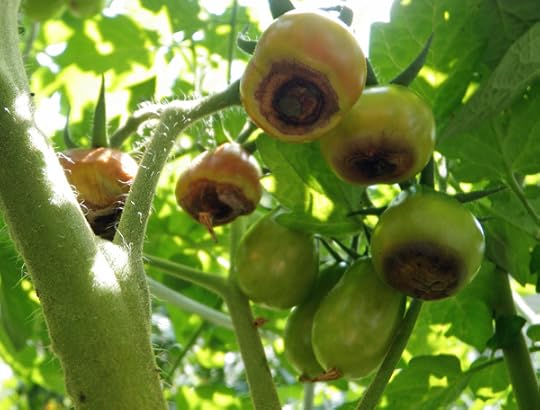
As soon as I recovered from the evil Japanese beetles, I look out and see my tomatoes with Blossom End Rot, which is created when the tomato plant does not absorb the level of calcium it needs. Unfortunately, there’s not much of a consistent cure for the blossom end rot once it establishes in a plant, although there are a few suggestions to help. Symptoms may occur at any stage in the development of the fruit, but mostly, are seen when the fruit is one-third to one-half full size. You will see a small, water-soaked spot which appears and enlarges, darkening rapidly as the fruits grow. These large, horrid-looking lesions soon dry out and become flattened, black, and leathery in appearance and texture.
1. Test Your Soil
Test your soil to see if it is deficient in calcium or other nutrients, then amend your soil at planting time with the appropriate organic nutrients so you can assist your tomatoes in absorption of the nutrients they need. Add organic fertilizer at planting time as well.
2. Plant in Warmth
Tomatoes planted early in cold soil are likely to develop blossom end rot on the first fruits, with the strength of the disease often subsiding on fruits later in the season. Chicagoland had a particularly cold spring and early summer, which produced chilly nights down in the 40’s all the way to June. My thoughts are my particular blossom end rot has been caused by early cold weather conditions. Planting tomatoes in warmer soil helps to prevent the problem.
3. Water Regularly
However, another concern is regular watering – it must be sufficient to maintain a steady growth rate for the plants. Poor watering techniques – with drought then drowning then drought then drowning will also prevent the tomato from absorbing calcium. Add bone meal to the soil so that calcium is available to the plant, then water regularly and at the base of the plant. Mulching the soil is helpful in maintaining a regular supply of water in times of moisture stress and drought. Use an organic fertilizer with added calcium. Do not spray the plants with chemicals – pull them out if the blossom end rot problem persists.
As you can see by the above tips, prevention of blossom end rot is more important than waiting until you have the problem and trying to fix it. Be sure to plan your garden well for next season incorporating prevention ideas for a healthier tomato.
The post 3 Tips to Prevent Blossom End Rot appeared first on Shawna Coronado.