RESEARCH INTO THE DARK WORLD OF KIDNAPPING
by KJ Howe
My character Thea Paris is a response consultant, which is the industry term for kidnap negotiator. One of only 25 elite consultants, she traverses the globe to the deadliest hotspots in the world to bring hostages home safely by any means necessary. She leaves her base of London, England for weeks or even months at a time to help the captive's family at the height of the crisis. Taking control of the response, she chooses the best family representative to interact with the kidnappers, direct life or death negotiations, and when all else fails, she plans and leads rescue operations.
Kidnapping is a complicated business. To make sure I have the facts right, I've completed extensive research into this dark world. First I headed to Miami, one of the hubs of this industry where I attended an in-depth conference about K&R. You may ask, why Miami? Over 60% of kidnaps take place in Latin America, especially Colombia and Venezuela. In fact, speaking fluent Spanish is a key skill when working in this zone. And language skills from schooling aren't enough. Negotiators need to understand every nuance of slang or dialect because a hostage's life could depend upon it.
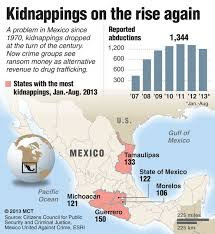 Mexico has become a booming industry for kidnapping. The drug wars have a lot to do with the rising incidents. So do corrupt police officers who are sometimes the brains behind these kidnaps. In the past, the crime tended to target the rich. Now it has become more egalitarian. Victims these days are often shopkeepers, taxi drivers, service employees, parking attendants and taco vendors who work in cash or in Mexico's informal economy. Targets also tend to be young--students with parents willing to pay for the return of their loved ones. Ransoms can be as low as $500, quick transactions for kidnappers to make a buck.
And there are cross-border kidnaps where criminal gangs travel to the U.S. and bring back hostages to Mexico, demanding a ransom. The land of sunshine and salsa has become a high risk location for both locals and tourists. And this trouble has been brewing for many years. Back in 2008, response consultant Felix Batista was taken hostage. No ransom demand came in. Felix Batista never came home.
 Mexico has one of the wealthiest football leagues in the hemisphere, and its high salaries tend to keep players at home. Ciudad Victoria has been ranked the second most dangerous city in the country for kidnappings because two factions of Los Zetas are squabbling over the territory. They need money to keep fighting and kidnapping is an easy way to get it. Recently, football (soccer) star Alan Pulido was kidnapped in Mexico. His story had a happier ending than Batista's, as Pulido is now back safe.
My research continues, as there are many hotspots around the globe. Criminal and political kidnaps abound, and the work of a response consultant becoming increasingly important. I look forward to sharing more information in other blogs. In the meantime, I do have a question for you. When you're planning business trips or holidays, do you consider the security risks of your destination?
Thanks for stopping by today.
My character Thea Paris is a response consultant, which is the industry term for kidnap negotiator. One of only 25 elite consultants, she traverses the globe to the deadliest hotspots in the world to bring hostages home safely by any means necessary. She leaves her base of London, England for weeks or even months at a time to help the captive's family at the height of the crisis. Taking control of the response, she chooses the best family representative to interact with the kidnappers, direct life or death negotiations, and when all else fails, she plans and leads rescue operations.
Kidnapping is a complicated business. To make sure I have the facts right, I've completed extensive research into this dark world. First I headed to Miami, one of the hubs of this industry where I attended an in-depth conference about K&R. You may ask, why Miami? Over 60% of kidnaps take place in Latin America, especially Colombia and Venezuela. In fact, speaking fluent Spanish is a key skill when working in this zone. And language skills from schooling aren't enough. Negotiators need to understand every nuance of slang or dialect because a hostage's life could depend upon it.
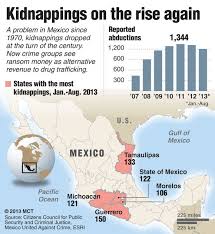 Mexico has become a booming industry for kidnapping. The drug wars have a lot to do with the rising incidents. So do corrupt police officers who are sometimes the brains behind these kidnaps. In the past, the crime tended to target the rich. Now it has become more egalitarian. Victims these days are often shopkeepers, taxi drivers, service employees, parking attendants and taco vendors who work in cash or in Mexico's informal economy. Targets also tend to be young--students with parents willing to pay for the return of their loved ones. Ransoms can be as low as $500, quick transactions for kidnappers to make a buck.
 And there are cross-border kidnaps where criminal gangs travel to the U.S. and bring back hostages to Mexico, demanding a ransom. The land of sunshine and salsa has become a high risk location for both locals and tourists. And this trouble has been brewing for many years. Back in 2008, response consultant Felix Batista was taken hostage. No ransom demand came in. Felix Batista never came home.
 Mexico has one of the wealthiest football leagues in the hemisphere, and its high salaries tend to keep players at home. Ciudad Victoria has been ranked the second most dangerous city in the country for kidnappings because two factions of Los Zetas are squabbling over the territory. They need money to keep fighting and kidnapping is an easy way to get it. Recently, football (soccer) star Alan Pulido was kidnapped in Mexico. His story had a happier ending than Batista's, as Pulido is now back safe.
My research continues, as there are many hotspots around the globe. Criminal and political kidnaps abound, and the work of a response consultant becoming increasingly important. I look forward to sharing more information in other blogs. In the meantime, I do have a question for you. When you're planning business trips or holidays, do you consider the security risks of your destination?
Thanks for stopping by today.


No comments have been added yet.