THE GOOD, THE BAD, AND THE BAD ASS
S.Lee Manning
Mossad.
You know the name, from television and novels. It’s where the bad ass villains or heroes used to work before going to work at the FBI or retiring to restore paintings or befriending an American detective and backing him up in dangerous situations or becoming the head of an international criminal organization.
Mossad also is the favorite agency for conspiracy nuts, blamed for everything from the 9-11 attacks on America or most recently and absurdly, for a series of gruesome murders of Hindus in Bangladesh.
On a whim, I googled Mossad and John F. Kennedy, and yup, there’s people who blame Mossad for that, too.
But, apart from the stories, and apart from the conspiracy theories, what is Mossad?
Mossad or Ha Mossad Le modi’in UleTafkidim Meyuhadim, which translates as the Central Institute for Intelligence and Special Duties, is the Israeli intelligence organization, formed in 1951. The original vision was to create an intelligence agency modeled after the brand new CIA to gather information to protect the then fledgling State of Israel.
Mossad’s bad ass reputation is well deserved. It has pulled off spectacular operations that brought criminals to justice and saved lives – and it has also acted brutally to counter threats to Israel in ways that may be morally questionable.
It’s a balancing act.
War criminals brought to justice – the good.
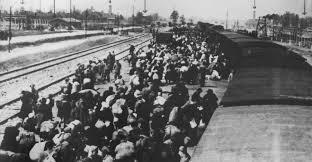 During World War II, six million men, women, and children were gassed, shot, hanged, burned, and starved to death for the crime of being Jews. At the end of the war, Adolph Eichmann, the Nazi in charge of implementing the Final Solution, escaped US custody and fled. In 1960, he was spotted living under an assumed name in Argentina by a Holocaust survivor who then alerted Israeli intelligence.
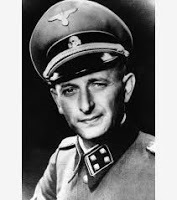 Mossad went into action. Agents covertly photographed the man living under the name of Ricardo Klement and compared those photographs to those in the SS file of Eichmann. Convinced that Klement was indeed Eichmann, Mossad agents snatched him on his way home from work. The agents checked his body and found scars that confirmed their suspicions. In a safe house in Argentina, he first denied then admitted his true identity. He was drugged, smuggled onto a commercial flight in first class, and flown back to Israel for a public trial that exposed the horrors he had orchestrated. He was hung for his crimes in 1962.
The raid on Entebbe – also the good.
One of the most spectacular Mossad operations involved the rescue of 104 hostages held by terrorists in Uganda.
On June 27, 1976, four terrorists forced an Air France jet to land in Entebbe, Uganda, where then President Idi Amin positioned soldiers to protect the terrorists. They released more than half of the passengers, but the flight crew and passengers either with Jewish names or with Israeli passports were threatened with death unless Israel released imprisoned terrorists. The hijackers set a 48-hour deadline for their demands to be met before they would begin killing the hostages. Israel entered into negotiations, and a new deadline was set. On July 4, the hostages would die.
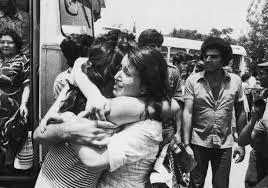 The alternatives were to release known terrorists or to launch a rescue operation. Israel began to plan a rescue – but the elite forces assigned to carry it out needed vital information if the mission were to have any chance of success.
Mossad agents began collecting intelligence. They interviewed released passengers for details on the number of terrorists, their weapons, their location, and their descriptions. They reviewed blueprints and diagrams of the airport, but the information was old. They had no way to know what exactly was on the landing strip or around the terminal where the passengers were being held.
A Mossad pilot rented a plane in Kenya and flew to Uganda where he pretended to have engine trouble. He circled the airport, taking critical photographs of the landing strip and the terminal. The photographs were sent back to the commander of the special forces planning the rescue operation.
The team decided that approaching the terminal in a black Mercedes that resembled Idi Amin’s car could allow them to fool the terrorists, at least initially. Mossad found a Mercedes, that would be flown in with the commandos, but it wasn’t black. So Mossad spray painted it.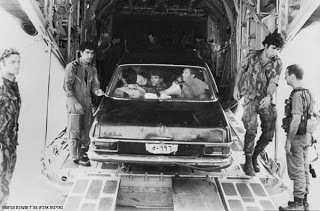
On July 3, an elite commando unit, using the intelligence gathered by Mossad, launched the raid. Three Israeli aircraft flew into the Entebbe airport. Commandos drove up to the terminal in the disguised Mercedes, accompanied by Land Rovers, copying Idi Amin’s usual entourage, and then stormed the terminal. All seven of the terrorists were killed. The Israelis lost the commander of the elite unit, Yoni Netanyahu, brother to the current prime minister, and three hostages were killed by friendly fire. Dora Bloch, a 74-year-old British woman, who had been taken to a Ugandan hospital before the raid, was murdered the next day on the orders of Idi Amin.
The Israeli team destroyed Ugandan aircraft on the runway to prevent an air pursuit and flew the remaining passengers to Israel.
Assassinations – the bad – or not? In any event, the bad ass.
Yeah, okay, Mossad has been involved in assassinating people. Heads of terrorist organizations. Iranian nuclear scientists. (Not John F. Kennedy.)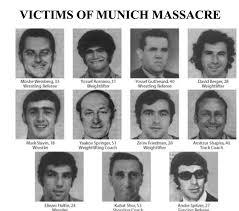 The most well-known series of assassinations occurred in the 1970s and has been the subject of films. It also forms the backstory to the popular novels of Daniel Silva. In 1972, members of the Palestinian splinter organization, Black September, kidnapped 11 Israeli athletes at the Munich Olympics. During a subsequent rescue attempt by Germany, terrorists shot and incinerated the bound Israeli hostages. Three terrorists were captured by German police but were later released in exchange for a hijacked German airplane.
Mossad responded with Operation Wrath of God, tracking down Palestinians suspected of involvement in the massacre and assassinating them. Unfortunately, in the course of exacting revenge, Mossad also killed a Norwegian waiter, mistaking him for one of the leaders of Black September.
Were these assassinations good or bad, or did they fall somewhere in between? Certainly, no one can defend killing an innocent waiter. But the others? The killing of terrorists? Or of scientists working to create a weapon that could destroy Israel for a country that denies the Holocaust occurred? I see it in shades of gray and tan instead of black and white. How do you see it?
Mossad.

You know the name, from television and novels. It’s where the bad ass villains or heroes used to work before going to work at the FBI or retiring to restore paintings or befriending an American detective and backing him up in dangerous situations or becoming the head of an international criminal organization.
Mossad also is the favorite agency for conspiracy nuts, blamed for everything from the 9-11 attacks on America or most recently and absurdly, for a series of gruesome murders of Hindus in Bangladesh.
On a whim, I googled Mossad and John F. Kennedy, and yup, there’s people who blame Mossad for that, too.
But, apart from the stories, and apart from the conspiracy theories, what is Mossad?
Mossad or Ha Mossad Le modi’in UleTafkidim Meyuhadim, which translates as the Central Institute for Intelligence and Special Duties, is the Israeli intelligence organization, formed in 1951. The original vision was to create an intelligence agency modeled after the brand new CIA to gather information to protect the then fledgling State of Israel.
Mossad’s bad ass reputation is well deserved. It has pulled off spectacular operations that brought criminals to justice and saved lives – and it has also acted brutally to counter threats to Israel in ways that may be morally questionable.
It’s a balancing act.
War criminals brought to justice – the good.
 During World War II, six million men, women, and children were gassed, shot, hanged, burned, and starved to death for the crime of being Jews. At the end of the war, Adolph Eichmann, the Nazi in charge of implementing the Final Solution, escaped US custody and fled. In 1960, he was spotted living under an assumed name in Argentina by a Holocaust survivor who then alerted Israeli intelligence.
 Mossad went into action. Agents covertly photographed the man living under the name of Ricardo Klement and compared those photographs to those in the SS file of Eichmann. Convinced that Klement was indeed Eichmann, Mossad agents snatched him on his way home from work. The agents checked his body and found scars that confirmed their suspicions. In a safe house in Argentina, he first denied then admitted his true identity. He was drugged, smuggled onto a commercial flight in first class, and flown back to Israel for a public trial that exposed the horrors he had orchestrated. He was hung for his crimes in 1962.
The raid on Entebbe – also the good.
One of the most spectacular Mossad operations involved the rescue of 104 hostages held by terrorists in Uganda.
On June 27, 1976, four terrorists forced an Air France jet to land in Entebbe, Uganda, where then President Idi Amin positioned soldiers to protect the terrorists. They released more than half of the passengers, but the flight crew and passengers either with Jewish names or with Israeli passports were threatened with death unless Israel released imprisoned terrorists. The hijackers set a 48-hour deadline for their demands to be met before they would begin killing the hostages. Israel entered into negotiations, and a new deadline was set. On July 4, the hostages would die.
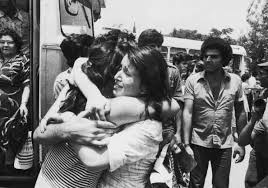 The alternatives were to release known terrorists or to launch a rescue operation. Israel began to plan a rescue – but the elite forces assigned to carry it out needed vital information if the mission were to have any chance of success.
 Mossad agents began collecting intelligence. They interviewed released passengers for details on the number of terrorists, their weapons, their location, and their descriptions. They reviewed blueprints and diagrams of the airport, but the information was old. They had no way to know what exactly was on the landing strip or around the terminal where the passengers were being held.
A Mossad pilot rented a plane in Kenya and flew to Uganda where he pretended to have engine trouble. He circled the airport, taking critical photographs of the landing strip and the terminal. The photographs were sent back to the commander of the special forces planning the rescue operation.
The team decided that approaching the terminal in a black Mercedes that resembled Idi Amin’s car could allow them to fool the terrorists, at least initially. Mossad found a Mercedes, that would be flown in with the commandos, but it wasn’t black. So Mossad spray painted it.

On July 3, an elite commando unit, using the intelligence gathered by Mossad, launched the raid. Three Israeli aircraft flew into the Entebbe airport. Commandos drove up to the terminal in the disguised Mercedes, accompanied by Land Rovers, copying Idi Amin’s usual entourage, and then stormed the terminal. All seven of the terrorists were killed. The Israelis lost the commander of the elite unit, Yoni Netanyahu, brother to the current prime minister, and three hostages were killed by friendly fire. Dora Bloch, a 74-year-old British woman, who had been taken to a Ugandan hospital before the raid, was murdered the next day on the orders of Idi Amin.
The Israeli team destroyed Ugandan aircraft on the runway to prevent an air pursuit and flew the remaining passengers to Israel.
Assassinations – the bad – or not? In any event, the bad ass.
Yeah, okay, Mossad has been involved in assassinating people. Heads of terrorist organizations. Iranian nuclear scientists. (Not John F. Kennedy.)
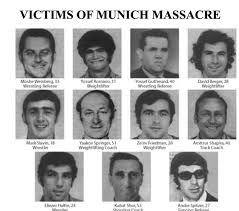 The most well-known series of assassinations occurred in the 1970s and has been the subject of films. It also forms the backstory to the popular novels of Daniel Silva. In 1972, members of the Palestinian splinter organization, Black September, kidnapped 11 Israeli athletes at the Munich Olympics. During a subsequent rescue attempt by Germany, terrorists shot and incinerated the bound Israeli hostages. Three terrorists were captured by German police but were later released in exchange for a hijacked German airplane.
 Mossad responded with Operation Wrath of God, tracking down Palestinians suspected of involvement in the massacre and assassinating them. Unfortunately, in the course of exacting revenge, Mossad also killed a Norwegian waiter, mistaking him for one of the leaders of Black September.
Were these assassinations good or bad, or did they fall somewhere in between? Certainly, no one can defend killing an innocent waiter. But the others? The killing of terrorists? Or of scientists working to create a weapon that could destroy Israel for a country that denies the Holocaust occurred? I see it in shades of gray and tan instead of black and white. How do you see it?


No comments have been added yet.