Brett Weiss's Blog, page 12
March 20, 2021
Best Word-Based Video Games
Best Word-Based Video Games
Whether you are a real logophile or if you just want to expand your vocabulary, playing word-based video games can be a great way to pass the time. Not only do many word-based video games enable you to enjoy some competitive gameplay, but they also help you to expand your language skills in the process. The list below outlines some of the most entertaining word-based video games currently on the market.
1. Torn City
Torn City is an online role-playing game that currently has over 1.5 million players. It is a text-based game that is set in the endless murky underworld of Torn. One of the reasons that the game is so popular is due to its text-based design. The design allows players to have completely free reign and to do anything they want in the game. With a guarantee of meeting thousands of other players, Torn players are always able to interact with each other. The endless possibilities and the potential to create and develop any type of character mean that Torn quite literally can provide players with years of entertainment.
2. Words With Friends
Words with Friends is a fun multiplayer word game that you can play with friends or family on your mobile phone or computer. Players take turns building words in the cross-word inspired game. In a similar style to the board game Scrabble, the players have to make words from a limited selection of letters. However, unlike Scrabble, both players receive the same letters. Players can connect with their friends by looking up their user name or connecting through Facebook. Alternatively, the ‘smart match’ feature will pair you with an opponent of the same skill level. Just like Scrabble or a crossword, players that become obsessed with this game find it useful to have a WordfinderX unscrambling tool on hand.
3. Crosswords
Crosswords have been around for centuries and are still one of the most popular games played around the world. Crosswords are another example of a fun word-based game that you can quickly play on your phone. There are so many different crossword games to choose from. For example, mini crosswords are designed to be played quickly in about 20 minutes. Whereas themed crosswords usually take longer to complete and have a different focus for every puzzle, so they are a great way to learn more topic-specific language.
4. Spider and Web
Released in 1998 to rave reviews, Spider and Web is still considered one of the best text-based video games of all time. The old-school style game is completely text-based; the atmospheric and mysterious style make it hugely addictive. The game will draw you in from the very first seek, while the linear narrative progression promises to keep you gripped.
5. Wordscapes
This is another word-based game to play on your phone when you have a moment to spare. The rounds start off easy and quickly progress to a challenging level. Each round only takes a couple of minutes to play, making it an easy and convenient little game. It has a mixture of crossword-style, word search games to choose from.


March 14, 2021
Superstar Programmer David Warhol Discusses Working on Maniac Mansion for the NES!
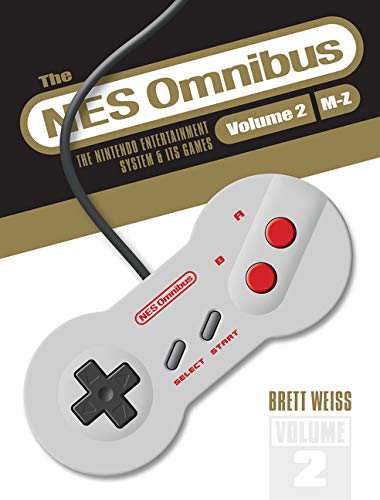
With The NES Omnibus: The Nintendo Entertainment System and Its Games, Volume 2 (M-Z) now available for pre-order, I thought it would be fun to post some essays from Volume 1. It was a huge honor for me when legendary programmer David Warhol agreed to write nostalgic stories for my Omnibus books. In addition to designing games for the Intellivision, he programmed several NES games, including Maniac Mansion. Here’s his recollection of working on the game, reprinted from The Nintendo Entertainment System and Its Games, Volume 1 (A–L):

It was as big a technical challenge as it was an honor to port Maniac Mansion from the Commodore 64 to the NES. Early on in development, we decided to use as much of the original engine and scripts as possible as opposed to re-coding it from scratch. It required fitting the entire game from 360k floppy into 128k ROM, splitting the screen between scrolling and static sections which I’m pretty sure the NES can’t do (we covered it up as well we could but there is still a visible tear), and porting the entire SCUMM tool chain to NES.
The original game doesn’t have wall-to-wall music, but NES games almost always did. As we approached the end of the project the publisher asked, “Where’s the music?”, to which we scrambled and added nearly a dozen custom songs (my favorite of the NES music I’ve produced). During approval, Nintendo flagged some content as inappropriate, including the infamous “put hamster in microwave,” which was removed. Also, at the last minute at their request, we removed a “nude” statue, not realizing a game scripter placed the “blow up mansion” button invisibly behind the statue to remove it from the game. The invisible button is still there, and it works!
Embarrassingly, some code to initialize the ROM bank switching chip was left out and undiscovered until after the first manufacturing run of a few hundred thousand units (it worked in test cartridges fine but not in the manufactured version). Fortunately, by clearing the RAM during manufacturing, the mechanism worked.

~ David Warhol, former programmer for Mattel Electronics (on the Intellivision), founder of Realtime Associates, Inc.
US residents can order signed copies of my books HERE.
March 12, 2021
Recent Video Game and Comic Book Pickups! Batman! Mario! Archie! Doctor Who! Buffy the Vampire Slayer!
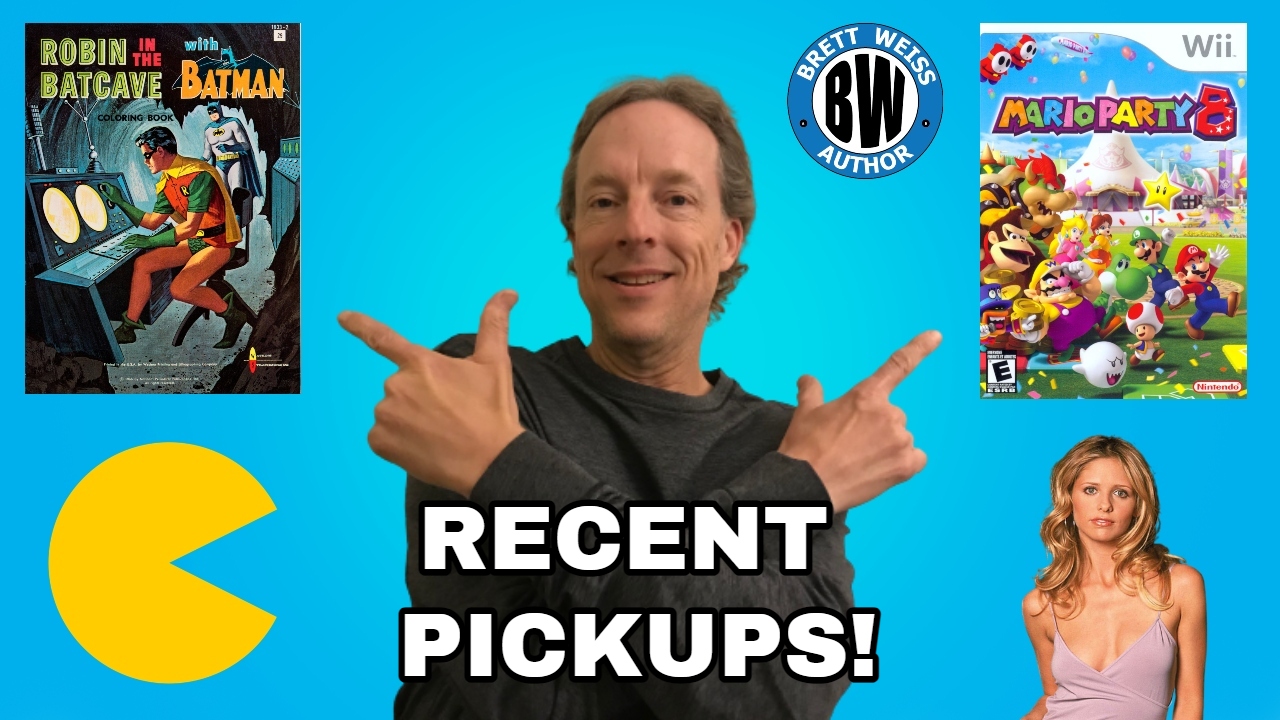
Over the past month or so, I’ve picked up a bunch of really cool pop culture items, including various Batman, Doctor Who, Archie, and Buffy the Vampire Slayer comic books. I scored these at a couple of different Half-Price Books stores, and I got a bunch of random items as well, such as a vintage Looney Tunes puzzle.
Last Saturday, I set up as a vendor at the DFW Toy Expo, and I had a good time selling a wide variety of odds and ends, including movie and TV tie-in paperbacks, retro video games (duh), Barbie catalogs, pop culture figurines, and some random collectables.
Trades are always fun, and I swapped a Star Wars vinyl art print I didn’t want for $50 worth of video games (including Batman Returns, an excellent Super Nintendo game) to another vendor who was very happy to add the print to his collection. It had been sitting in my antique booth unsold for more than two years, so I’m glad it went to a good home. The vendor next to me had a Pac-Man plug-and-play new in the box for just $10. I would have gladly paid that, but I asked if he saw anything on my table he’d like to trade for, and he grabbed a couple of common PlayStation Portable UMD movies he needed for his collection. Win-win!
I did a pickups video for all these items and more, which you can watch HERE.
If you like my videos, articles, and/or books and want additional content exclusive to Patrons, click HERE to check out my Patreon page. Patrons get all kinds of cool stuff, including digital books and magazines, advance articles and book chapter, advance videos, exclusive articles, and videos, and more.
Thanks to every single one of you who has supported me and my writing career over the years. Thanks also to everyone who has subbed to my YouTube channel. I couldn’t do it without you guys and gals!
March 8, 2021
Grading And Reviewing All 4 Donkey Kong Games for the Nintendo NES!
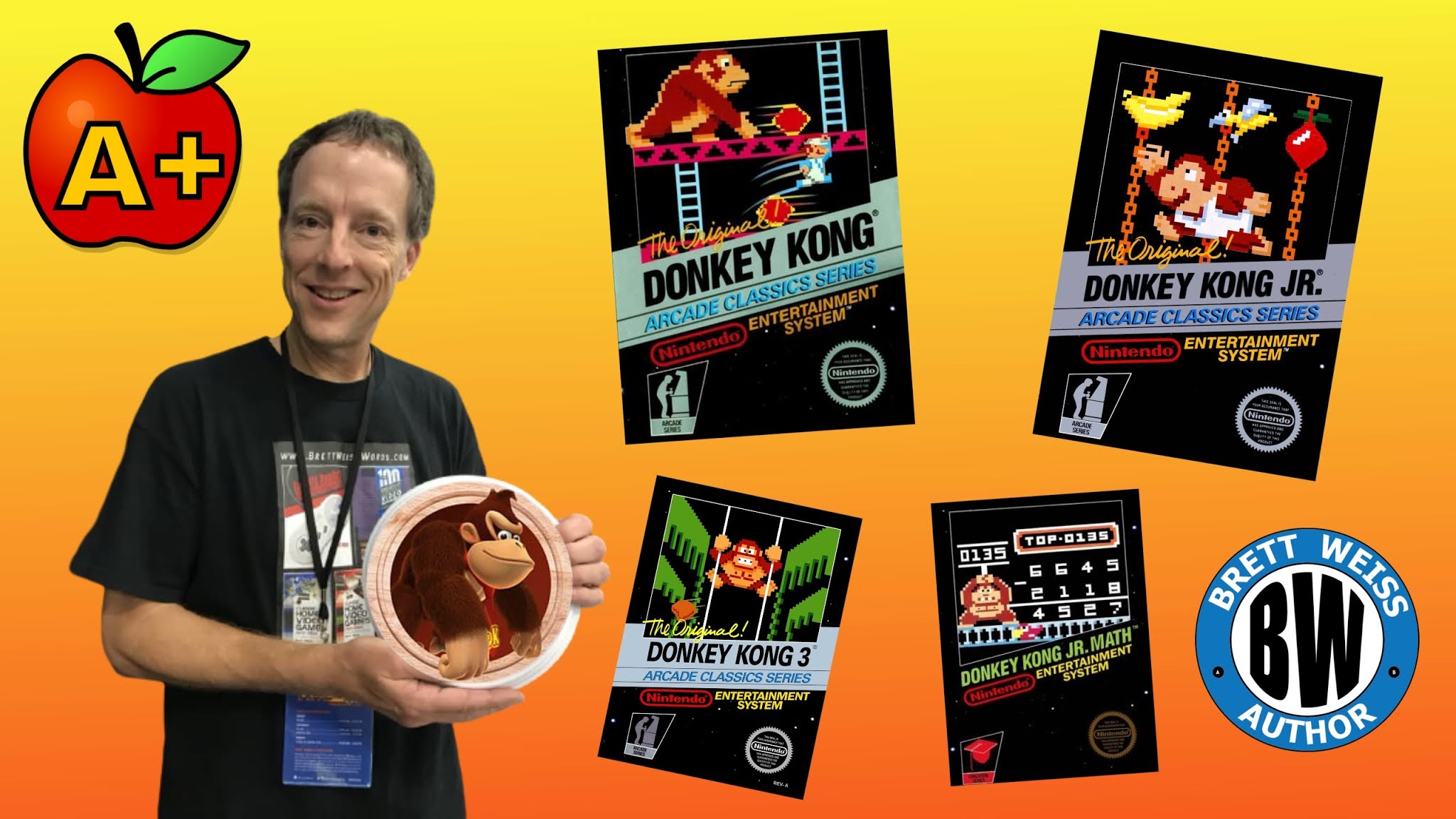
There were four Donkey Kong games for the Nintendo Entertainment System, aka the NES: Donkey Kong, Donkey Kong Jr., Donkey Kong 3, and Donkey Kong Jr. Math. In the years since, there have been homebrews and repros, but these were the four titles available when the console was new in stores. In a new video, I grade and review each game. You can watch it HERE.
On a related note, back in the late 1990s, I began writing for the late, lamented All Game Guide, a website whose mission was to write synopses and reviews for EVERY game ever published for every system. (Wow!) I was going through my archives and found this synopsis I wrote for the original arcade version of Donkey Kong:
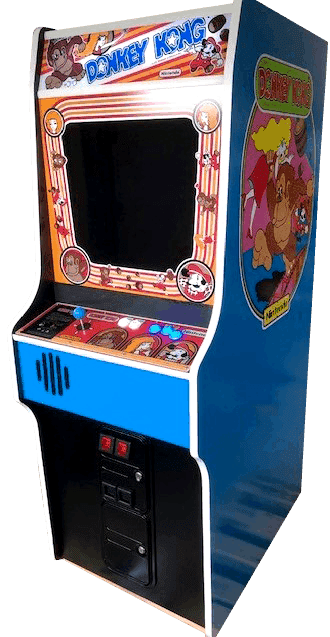 Mario, the Italian carpenter who would go on to become a plumber and Nintendo's mascot, makes his debut in Donkey Kong, a game of daring chivalry. Clad in red overalls and a matching cap, you as Mario (actually, he was Jumpman here, but he became Mario in subsequent games) must scale a building and rescue a blond damsel in distress.
As the game begins, a mean gorilla named Donkey Kong, also making his videogame debut, grabs the unnamed girl and takes her to the top of a structure consisting of six horizontal girders connected by ladders. He then jumps six times, damaging the girders until none are parallel to ground. Your job is to walk along the girders, climb the ladders, and make it to the top of the screen unscathed.
Donkey Kong will roll barrels down at you as you walk and climb. Some of the barrels will roll into an oil barrel that is positioned at the bottom of the playfield. This causes a fireball to appear. To avoid the fireballs and barrels, you can jump over them or hit them with one of the two hammers that are located within the structure.
After you reach your goal in what is oftentimes called the "Girders" screen, Donkey Kong will thwart your rescue attempt by simply taking the girl to a higher level, which is informally known as "Rivets."
The Rivets stage is comprised of six horizontal girders that are connected by ladders, but instead of striving to reach the top, you must pluck eight rivets out of the girders. There are two rivets located in each of the middle four girders. The barrels are absent, but fireballs appear from nowhere; once again there are two hammers you can use to ward off the enemies. To score extra points, you can pick up the girl's umbrella, hat and purse. After you have removed all the rivets, Kong will beat his chest and plummet to his seeming demise.
After you complete the Rivets screen, you must once again try your hand at the Girders stage. Then comes what some call "Elevators," a Girders-like stage that incorporates elevators and I-beams into the action. While barrels and fireballs are absent from this stage, the bouncing I-beams are invulnerable and just as deadly. Also, you can pick up the girl's scattered accessories for bonus points. After you reach the top, where the girl stands helpless, you must repeat the Girders screen and the Rivets Screen.
The seventh level introduces the fourth and final type of playfield, the Conveyor Belts (or Pie Factory, or Cement Factory). This five-platform screen once again has you running and climbing, trying to make it to the top of the playfield to rescue the object of your affection. The bottom platform is a girder, above which is a conveyor belt with pans of concrete which you must smash with a hammer or jump over.
The third platform from the bottom is a girder divided into three sections while the fourth is two pan-carrying conveyor belts separated by a barrel of burning oil. Once you reach the top girder, you still cannot claim the girl as your own; the various stages simply repeat themselves again and again until you lose all your lives (the myth of Sisyphus comes to mind).
Each screen in Donkey Kong has a bonus timer that counts down as you play. You must achieve your goal within the set amount of time or you will die. Other ways to die include making contact with a barrel, pan of concrete, or other lethal object (including the big gorilla himself), jumping off beams into a gap or open space, and hitting your head on the girder at the top of the elevator. You begin the game with three Marios and can gain one extra by achieving a certain number of points.
March 5, 2021
COVER REVEAL AND PRE-ORDER - The NES Omnibus: The Nintendo Entertainment System and Its Games, Volume 2 (M-Z)
BOOM - For all you Nintendo fans!
The NES Omnibus: The Nintendo Entertainment System and Its Games, Volume 2 (M-Z)
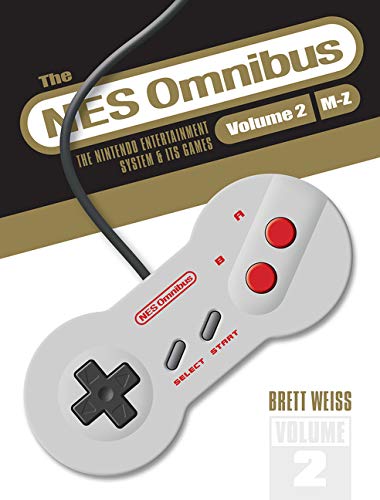
Cover reveal and release date: October 28.
And I'm taking pre-orders NOW.
There will be a Kickstarter at some point, but if you'd rather do a standard pre-order (U.S. residents) for a SIGNED book, simply PayPal $65 ($50 plus shipping/handling) to brettw105@sbcglobal.net
This will reserve a spot for your name printed as an early backer in the book, and I'll include extras in your book shipment, such as signed bookmarks and trading cards. Direct book orders and pre-orders are a HUGE help in facilitating what I do. THANK YOU!
This book, like all my gaming books, has been a true labor of love. Video games have been a HUGE part of my life since I discovered them in 1975.
Volume 2 of the NES Omnibus is a fun and informative look at ALL the original Nintendo Entertainment System games released in the US starting with the letters M-Z. More than 360 games are featured, including such iconic titles as Metroid, Super Mario Bros., and Tetris, as well as such hidden gems and cult classics as Mighty Final Fight, Trog!, and River City Ransom. In addition to thorough gameplay descriptions, the book includes box art, screenshots, reviews, fun facts, historical data, memories from the author, vintage magazine ads and quotes, and, best of all, nostalgic stories about many of the games from programmers, authors, YouTube celebs, filmmakers, and other industry insiders. Contributing authors include "8-Bit" Eric, Chris "The Irate Gamer" Bores, and John "Gamester81" Lester, among many other noteworthy gamers. Includes a foreword by filmmaker Rob McCallum. Each game gets at least one full page of coverage in this gorgeous, massive, hardcover coffee table book.
U.S. residents click HERE to purchase The NES Omnibus Vol. 1 direct from me, and I'll send it right away. Thanks!
February 28, 2021
12 Hidden Gems for the Nintendo 64 (N64)
Critics of the Nintendo 64 often say that the console has nothing really good to offer outside of a few triple-A first-part titles like Mario Kart 64, Super Mario 64, Goldeneye 007, and Pilotwings 64. While the system does indeed have its share of stinkers (Superman: The New Adventures, anyone?), there are a number of lesser known games well-worth playing, whether you’re an N64 noob or a longtime fan.
Two such quality titles—Blast Corps and Jet Force Gemini—are mentioned as hidden gems so often that they basically aren’t hidden anymore, so I’ve selected a dozen others, including several that are truly old-school, even for the late ’90s. If you haven’t before, do yourself a favor and check out these entertaining games.


Beetle Adventure Racing (1999)
Publisher: Electronic Arts
Developer: Electronic Arts/Electronic Arts Canada, Paradigm Entertainment
If you like the arcade stylings of San Francisco Rush, check out Beetle Adventure Racing, where you, perched behind the wheel of one of several 1999-model Beetles, cruise at breakneck speeds on six cinematic, beautifully designed courses: Coventry Cove, Mount Mayhem, Inferno Isle (think Jurassic Park), Sunset Sands, Metro Madness, and Wicked Woods. You can stay on course (so to speak) or venture off the track to discover secrets and peril-filled shortcuts. One Player mode offers Single Race, Championship Circuit, and Time Attack action while Two Player features head-to-head racing against a friend. Up to four players can battle it out in Beetle Battle, a competition to find six ladybug icons in several arenas featuring such weapons as mines, rockets, and even magic. This is one of the better (not to mention better looking) racers of the era.

 Body Harvest (1998)
 Publisher: Midway
Developer: DMA Design
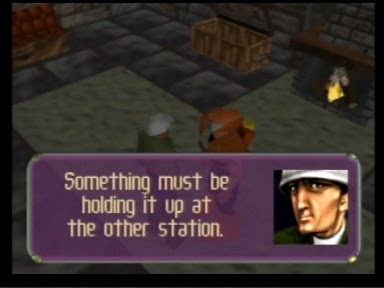
You are genetically enhanced marine Adam Drake, outfitted in Bio-Mechanical Armor and toting a 12mm semi-automatic pistol. Your helmet doubles as a communications device while your backpack stores what you need to survive the alien apocalypse, which has decimated Earth. In this expansive time-traveling adventure, which you view from a third-person perspective behind your character, you solve puzzles, enter buildings, converse with locals, gather items and weapons, commandeer more than 60 different vehicles (driving and flying), and battle more than 70 different types of aliens. The action takes place in five areas covering 1,000 virtual square miles. Body Harvest was originally planned to be an N64 launch title, but it was delayed. Luckily, it was well worth the wait as a prototype of sorts of the type of mission-based, non-linear gameplay found in Grand Theft Auto.

Gauntlet Legends (1999)
Publisher: Midway
Developer: Atari
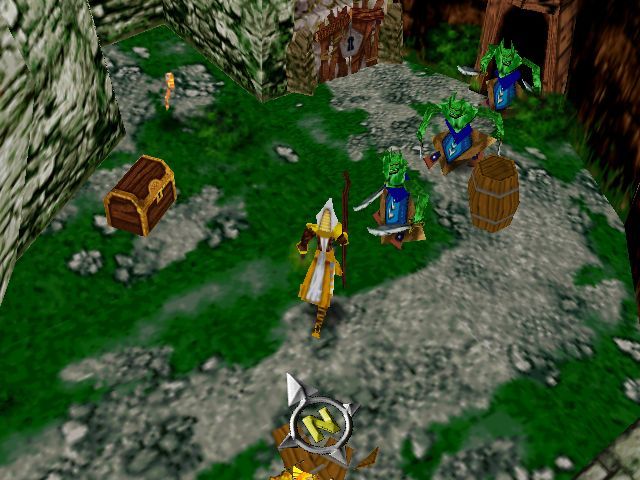
I’ll never forget walking into the Land of Oz arcade at the mall near my house in 1985 and seeing Atari’s Gauntlet, with four players gathered around the cabinet, battling baddies in tandem within a series of scrolling mazes. Gauntlet Legends captures the spirit of that classic multi-player action, but with 3D visuals and the ability for the playable characters—warrior, wizard, Valkyrie, and archer—to level-up and earn experience points for improving ratings in armor, health, speed, and strength. You and your friends will explore more than 30 labyrinthine levels spread over 7 kingdoms as you battle monsters (with standard weapons as well as three-way shots, super shots, and fire breath) and acquire such items as food, keys, magic, runes, and switches to open doors. The game was adapted from the 1998 coin-op semi-classic of the same name, but levels, puzzles, and item locations were changed.
Mischief Makers (1997)
Publisher: Nintendo
Developer: Treasure
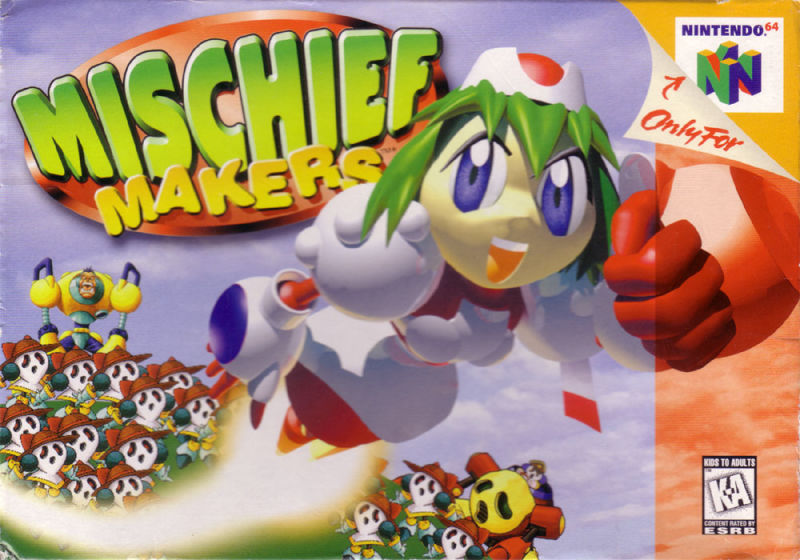
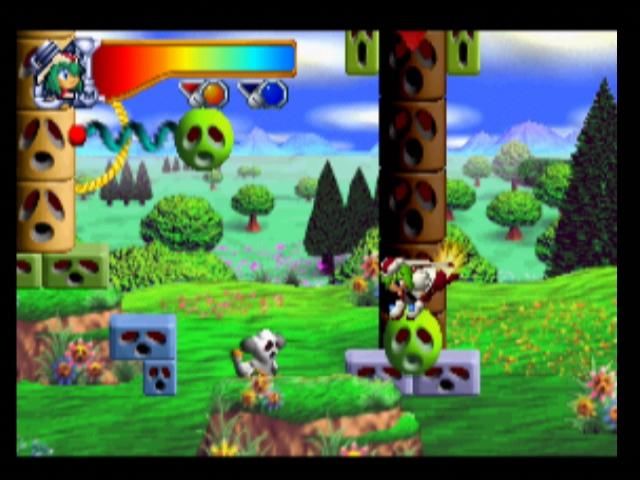
A versatile platformer, Mischief Makers has you guiding robotic maid Marina Liteyears through 50-plus stages spread over 5 worlds while on a mission to rescue her boss, Professor Theo. She doesn’t simply run, jump, and duck; she can also slide, dash, climb, hover, roll, pick up and throw things, ride various vehicles (including a bike and a missile), and use such weapons as a machine gun, a boomerang, bombs, and missiles. Here most distinctive and unusual attribute is the ability to shake things for different reactions. For example, shaking the machine gun lets her fire low, middle, and high shots while shaking certain items and enemies releases gems for restoring health. Marina races, battles Gunstar Heroes-type bosses (it’s developed by Rare, after all), hitches a ride on an enemy-smashing block man, and on and on. There’s a lot going on here. Once you get used to the controls, you’ll have a blast.

 Ready 2 Rumble Boxing (1999)
 Developer: Midway Home Entertainment
Publisher: Midway Home Entertainment
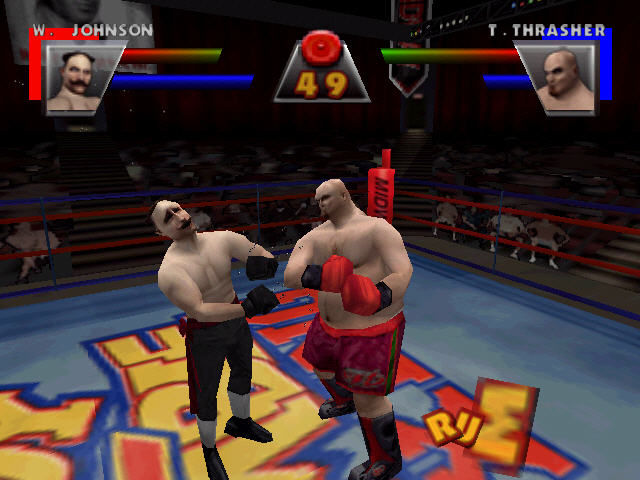
Get ready to rumble with this punchy pugilist punchout on the Nintendo 64. If you want to jump right to the cartoonish action, select Arcade mode, which lets you fight as one of 17 boxers, ranging from a petite 21-year-old girl to a 358-pound sumo wrestler to a 500-year-old demon from another dimension. In Championship mode, you train using such equipment as a speed bag and weights and work your way up through the bronze, silver, and gold classes. To purchase gym equipment and compete in Title Fights, you must earn money by entering Prize Fights. Easily one of my two or three favorite boxing games, Ready 2 Rumble, which also released for the Dreamcast, PlayStation, and Game Boy Color, was popular when it came out and even spawned a couple of sequels. However, it’s unfairly faded into relative obscurity, which is why I’ve spotlighted it here.
Robotron 64 (1998)
Publisher: Crave Entertainment
Developer: Player 1
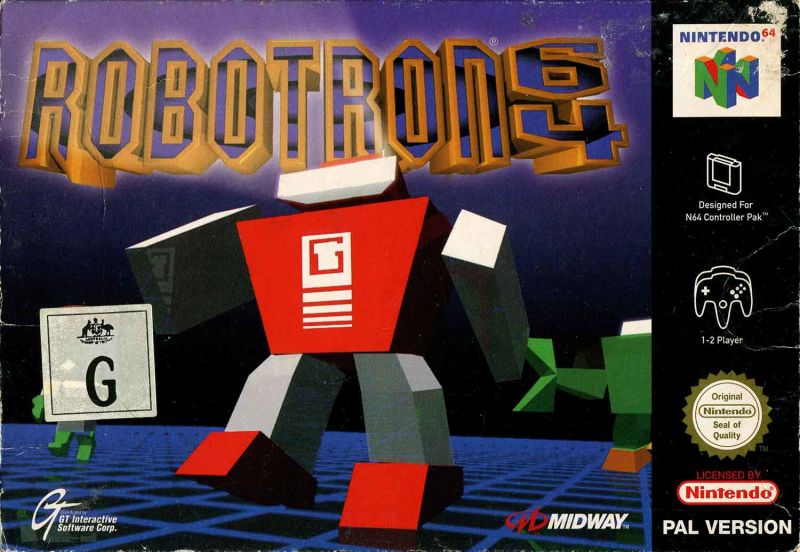
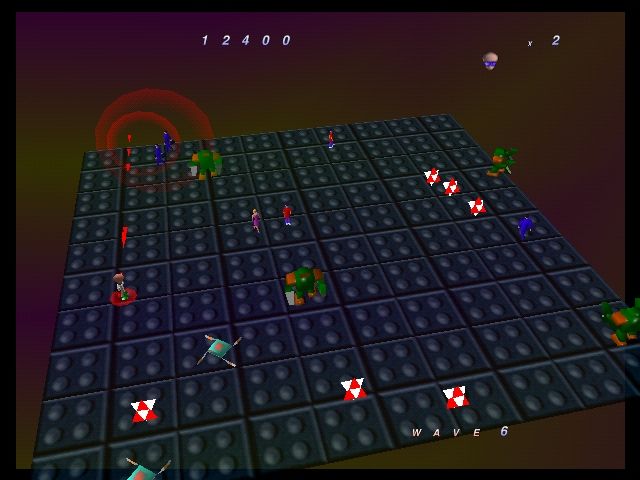
Based on the brilliant Robotron: 2084, which Williams released to the arcades in 1982, Robotron 64 features the same type of basic gameplay, but with a ¾ perspective instead of the traditional top-down. You guide a freely moving polygonal character (a “genetically enhanced scientist”) through a whopping 200 grid-levels, firing in all directions at dozens of evil robots while rescuing humans that run around aimlessly on the grid. Saving innocents isn’t required, but you get extra points (translating to extra lives) for doing so. Unlike the coin-op classic, there are power-ups, such as a flamethrower and simultaneous multi-directional fire. Also unlike the original, this game is easy, even on the “insane” difficulty (you’ll breeze through the first 50 levels in normal mode). The action gets repetitious, but it’s still a lot of fun. And it’s certainly an improvement over Robotron X, which was the PlayStation version.
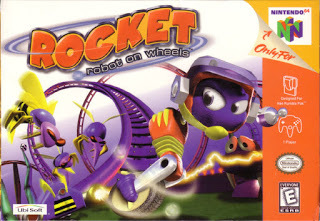
Publisher: Ubi Soft
Developer: Sucker Punch Productions
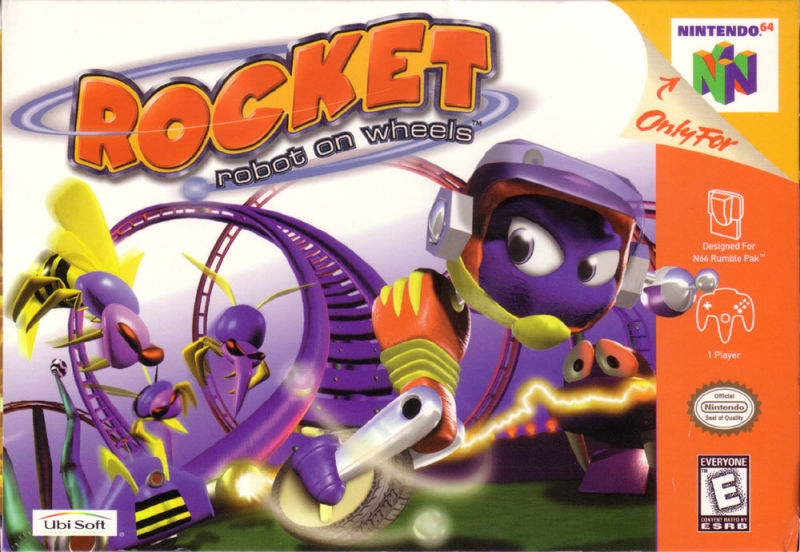
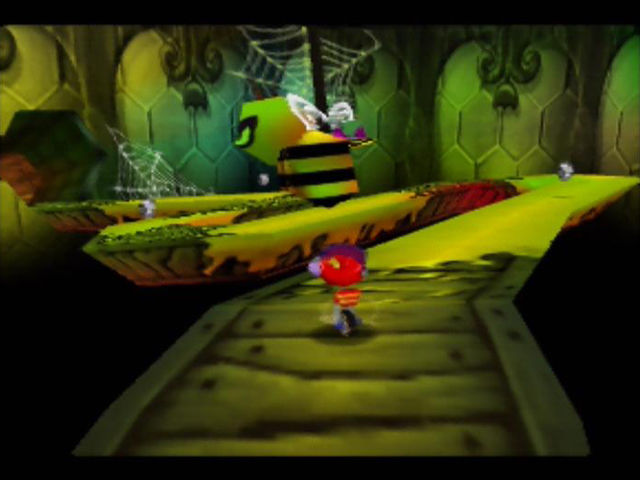
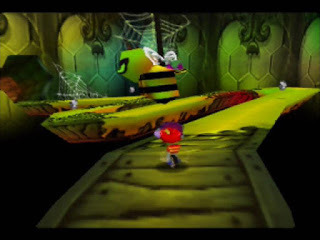
If you’re tired of running around on two legs in 3D platformers, take the helm of the one-wheel title character—a maintenance robot at a high-tech theme park—in Rocket: Robot on Wheels. You will roll around, jump high in the air, swing from ledges and trees, solve puzzles, collect tickets and tokens (the latter of which lets you perform advance moves, such as freeze ray, slam, and double and triple jump), commandeer seven different vehicles (including a SpiderRider, a DuneDog, and a HoverSplat), repair broken machines, and brandish an upgradeable tractor beam used for throwing and smashing objects. You can even build your own roller coaster. The game’s physics engine, which gives the action a relatively realist feel as different objects have a different feel and weight, helps it stand out from the pack. Rocket is fun and creatively designed, but note that it does emphasize exploration over action
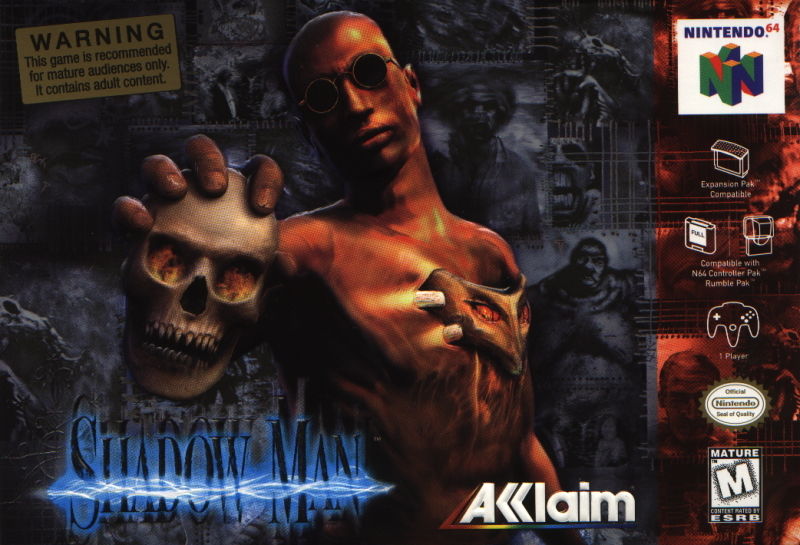

Shadow Man (1999)
Publisher: Acclaim
Developer: Acclaim
Want a break from all the kid-friendly fodder on the N64? Check out Shadow Man, a third-person action/adventure game that casts you in the title role of a mysterious figure who can travel between the land of the dead and the land of the living. As the mortal Michael LeRoi, you’ll battle enemies with traditional weapons. As the Shadow Man, you’ll command voodoo powers and fire zombie-killing ghosts out of your gun. You can also survive long falls with impunity and swim underwater indefinitely. The game, which boasts tons of cutscenes and in-game speech, takes place in such locales as the Louisiana Swampland, a Texas Prison, and a New York Tenement. To advance, you must gain new abilities and gather an assortment of voodoo artifacts for use in solving various puzzles. Dark Souls, some of which are difficult to find, act as gateways to new areas. If you like horror combined with Legend of Zelda: Ocarina of Time-style adventuring, Shadow Man just might be your guy.
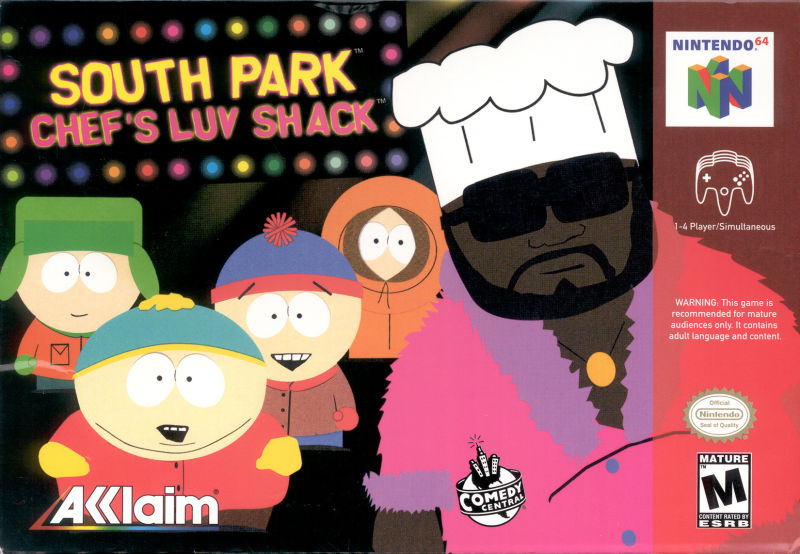
 South Park: Chef's Luv Shack (1999)
 Publisher: Acclaim
Developer: Acclaim
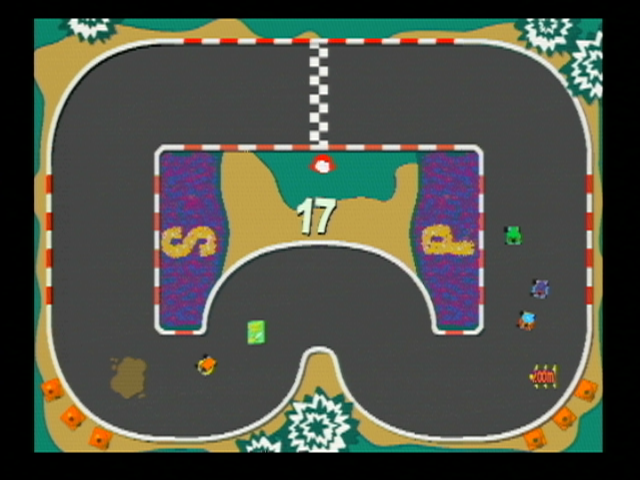
Make no mistake, South Park: Chef's Luv Shack is not a great game. In fact, I’m not even sure it’s a good game. All I know is that I always have a lot of fun and a lot of laughs playing it. Based on the irreverent, often satirical South Park cartoon series, the game lets you and up to four players answer pop culture and general trivia questions from such whacky categories as “Hippie Crap,” “Mighty Hermathphrodite,” “My Fart Will Go On,” and “A Form of Herpes.” Humor is lowbrow to be sure, but if you’re in the right mood with a party atmosphere and good friends, it can be downright hilarious. There are mini-games as well, including clunky, lazily programmed (but somehow still entertaining) rip-offs of Asteroids, Super Sprint, Warlords, and Donkey Kong. Is this game truly a gem? I’m not sure—I just know I truly enjoy it.
 Space Invaders (1999)
 Publisher: Activision
Developer: Z-Axis
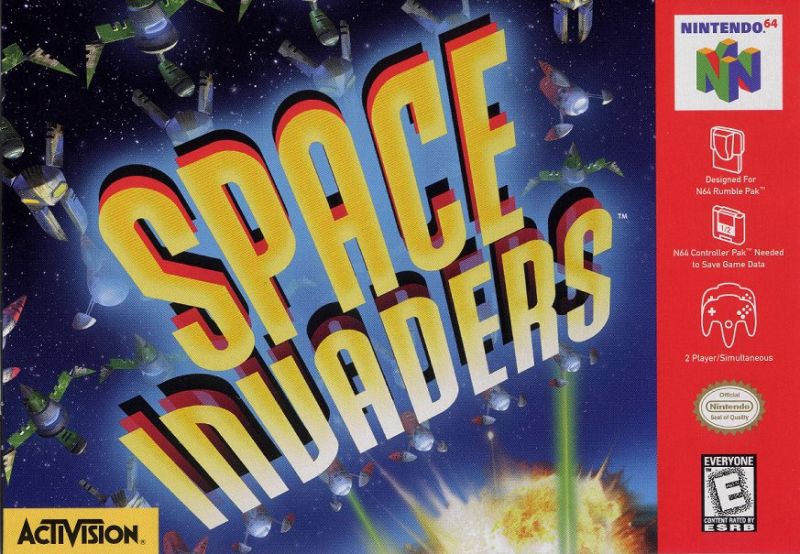
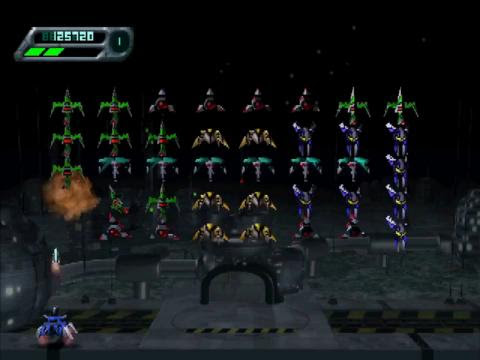
Space Invaders is one of the most famous and most influential video games in the history of the industry. So, how can it be a hidden gem? Because virtual no one thinks of Space Invaders, a simple, fixed 2D screen shooter, in conjunction with the Nintendo 64, a console known for its 3D games and first-party titles that are much larger in scope than the old coin-op classics. “Space Invaders 64”, as you might want to call it, adds to the simple “move right and left and fire upward” formula by incorporating such elements as bosses, motherships, cooperative play, planetary progression, and power-ups (diagonal blasts, swarm missiles, laser beams, and the like) into the action. The game is more about brute force shooting than the careful timing and aiming of the coin-op classic, but it’s still a lot of fun. If you want to play the original game, you can unlock it somewhere within this reimagined/upgraded version.
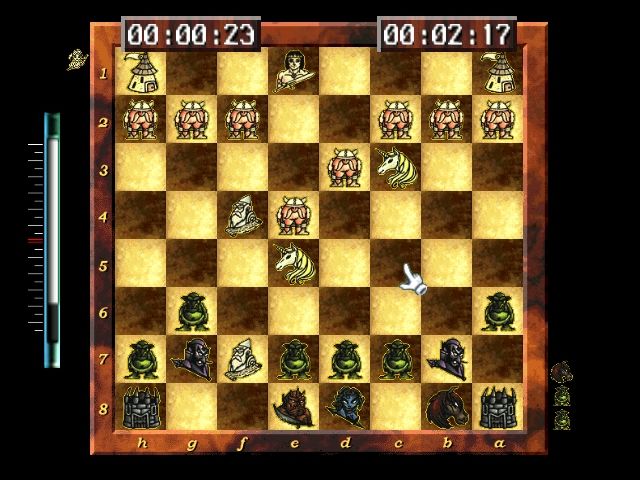 Virtual Chess 64 (1998)
 Publisher: Titus
Developer: Titus
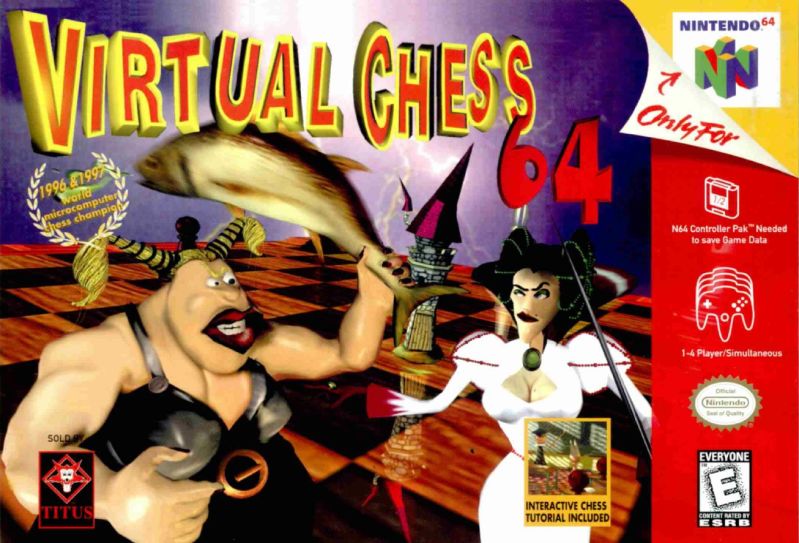
Whether you’ve always wanted to learn chess or you consider yourself a master of the cerebral game, Virtual Chess 64 delivers a convincing representation for your home console. An interactive tutorial system helps noobs with the basics (as well as advanced tactics) while experts will receive ample challenge (12 difficulty levels are available) and can study the replays of three Grand Master chess matches. A 3D mode is offered, including a comical take on battle chess, but most gamers will likely prefer 2D mode, which lets you select from a variety of game piece and board designs. An edit mode lets you position pieces anywhere you like on the board for practicing various scenarios. You don’t typically see board games on a list of hidden gems, but who says Old School Gamer Magazine is typical? And besides, this is a quality game you rarely hear people talking about.

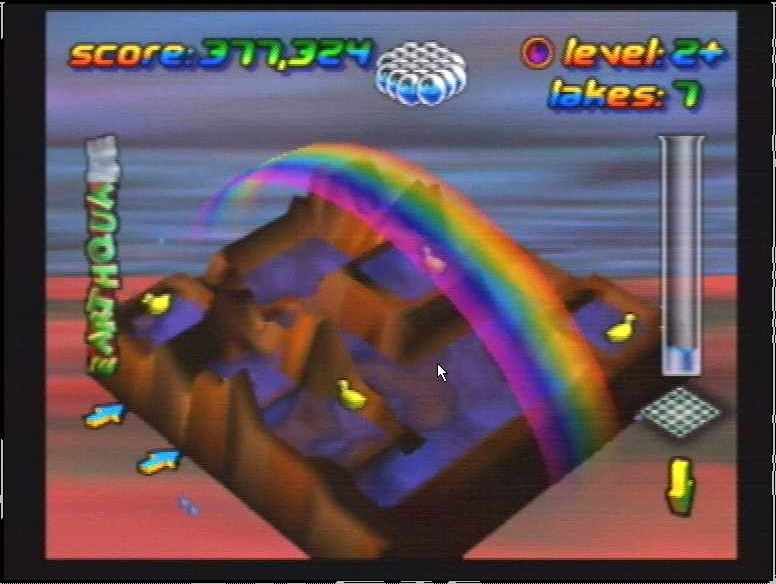 Wetrix (1998)
 Publisher: Ocean Software
Developer: Zed Two Game Design Studio
In this offbeat and creatively designed puzzler, you rotate and drop randomly shaped objects that appear at top of the playfield and guide them into position on a piece of land that is suspended in the middle of the screen. The objective is to construct barriers/raised edges to prevent water from leaking out and into a drain meter. As the action progresses, rain begins falling, making your task more difficult. Earthquakes, ice blocks (which freeze the water), bombs (which create dangerous holes in the walls), fireballs (which vaporize the water), and other variables add to the fun. Once the meter is full, it’s game over. Wetrix began as a water flow tech demo for a game called Vampire Circus, but the developers enjoyed it so much that they turned it into a complete game. I think you’ll enjoy it, too.
February 24, 2021
I'm in a Movie! EXCLUSIVE SUPER MARIO 64 SCENE from Playing With Power: The Nintendo Story

Want to check out an EXCLUSIVE scene from the forthcoming Playing With Power: The Nintendo Story documentary? It is on the importance of Super Mario 64 to the gaming industry and features clips from me, Brett Weiss, longtime gaming journalist and author. Watch the scene by clicking HERE.
Here’s what you need to know about the documentary:
Written and directed by Jeremy Snead, executive produced by Sean Astin and featuring interviews from Wil Wheaton and Alison Haislip to Ron Judy (Co-Founder Nintendo of America), Nolan Bushnell (Co-Founder Atari), and Tom Kalinske (Former CEO Sega Of America), the docuseries covers the origins and journey of Nintendo from the 1800s until today. Playing With Power: The Nintendo Story joins the growing list of exciting new Crackle Original Series and will be available to watch for free when it makes its World Premiere on March 1, 2021 exclusively on Crackle. Playing With Power: The Nintendo Storypeels back the curtain on the famously-secretive Japanese company that would eventually take the global videogame industry by storm. Discover the humble beginnings of a gaming business that began many decades before the invention of television, and ride along the bumpy road of hits, misses, and wild ideas that turned Nintendo from a local playing card maker into a worldwide household name. Narrated by Sean Astin, the electrifying story is presented by an ensemble of Nintendo personnel, celebrity icons, and industry veterans including Wil Wheaton, Alison Haislip, former Nintendo CEO Reggie Fils-Aimé, and head of Xbox Phil Spencer. This five-part series will have its world premiere on March 1, 2021 as a Crackle Original Series.
And some info on me:
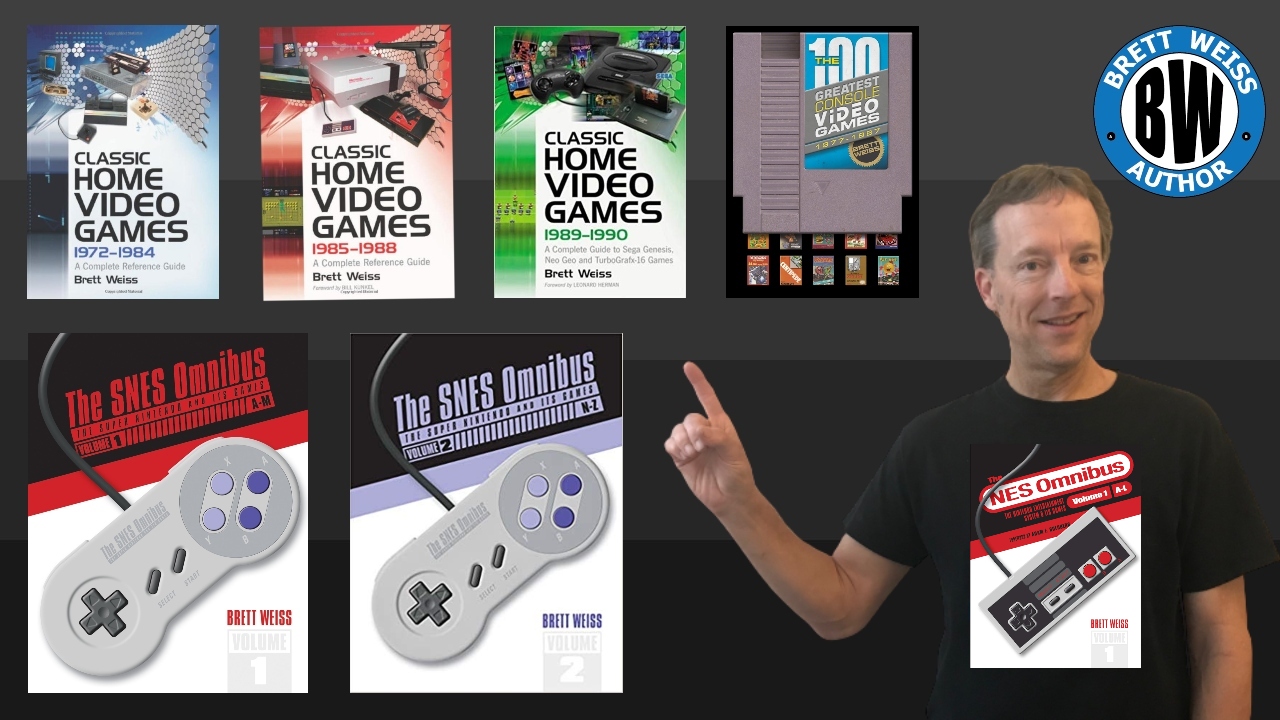
Video game historian, journalist, and national columnist Brett Weiss is the author of a dozen books, including the Classic Home Video Games series, The 100 Greatest Console Video Games: 1977-1987, Encyclopedia of KISS, The SNES Omnibus volumes 1 and 2, and the newly released The NES Omnibus Vol. 1 (A-L). Weiss has been published in countless newspapers and magazines, including Game Informer, GameRoom Magazine, Fangoria, Filmfax, AntiqueWeek, the Comics Buyer’s Guide, and the Fort Worth Star-Telegram. He’s also a frequent guest panelist at gaming conventions. Check out Weiss’s YouTube show, Tales from a Retro Gamer.
February 20, 2021
New YouTube Show - Favorite Video Game of All Time with John Riggs, Adam Koralik, and Other Content Creators!

Hello!
I'm super stoked to introduce a new series on YouTube where awesome content creators appear on my channel and discuss their favorite video game of all time. The first episode features some really cool YouTubers like John Riggs, Adam Koralik, and Victor Lucas (who you may know from Electric Playground). You can watch this new video HERE.
It’s been a lot of fun and super gratifying working with these folks as they are good people with interesting commentary on their respective favorite game. I’ve got another video in the series scheduled for pretty soon. It will feature YouTubers as well, including Kinsey Burke and “The Immortal” John Hancock. Moving forward, I’m going to feature other types of content creators as well, such as developers, programmers, and authors. And hey, who, knows? Maybe even some celebrities! Gonna reach out to some people and see what I can do in this regard.
Anyway, I hope you enjoy hearing from these content creators—I’m having a blast!
~Brett
February 8, 2021
Classic Arcade Ports for the Nintendo Game Boy
Game Boy: Classic Arcade Ports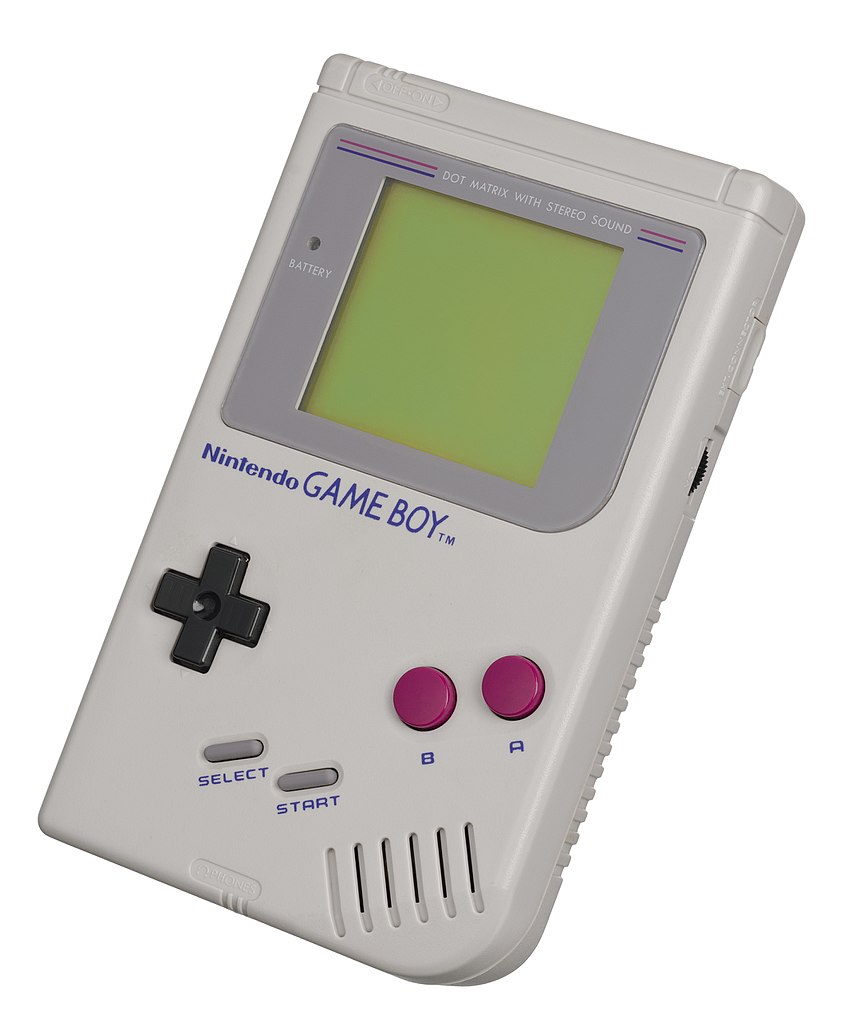
Despite being outgunned by the Atari Lynx and Sega Game Gear in terms of color palette, lighting, screen size, and sheer processing power, the original Game Boy trounced the competition in the category that mattered most to Nintendo: unit sales. The success was driven by good marketing, a relatively long battery life, and the console’s killer app, Tetris, as well as such ubiquitous titles as Super Mario Land, Dr. Mario, Kirby’s Dream Land, and the various Pokémon games.
The Game Boy also benefitted from an assortment of classic arcade ports. Since I grew up in the arcades of the late ’70s and early ’80s, I thought it would be fun to check out some Game Boy versions of early coin-op classics. One game I left off the list is BurgerTime Deluxe, since it adds a word to the title (it’s a great game, by the way). Some of these games were also ported to the Game Boy Color and Game Boy Advance in varying forms, but I’m focusing strictly on the original Game Boy.
Arcade Classic No. 1: Asteroids/Missile Command

This combo cart includes two solid ports that fans of the respective games will find little fault with. Asteroids offers three levels of difficulty and the ability to play using classic or updated graphics, the latter of which feature spinning, textured rocks similar to those found in Blasteroids. Missile Command has two missile silos instead of three, but it offers something new: a variety of recognizable cities to protect, including New York and Cairo, Egypt. In terms of audio, the games do a relatively good job of evoking the original titles, especially the warning signal that begins each level in Missile Command and the deep explosions found in Asteroids. Music, which was absent in the original games, and coin-op-style borders, which appear when the games are played on the Super Game Boy, have been added to enhance the overall experience. Missile Commandwas also released separately, but without Super Game Boy enhancements.
Arcade Classic No. 2: Centipede/Millipede

You know the drill: maneuver your firing implement along the bottom ¼ or so of the screen, firing upward at insects, including a centipede or millipede that twists and turns its way down a mushroom field. Of course, the Game Boy lacks a trackball for precise, arcade-style action, but controls work pretty well using the d-pad. Unfortunately, the games are much slower than their coin-op counterparts. The cartridge is compatible with the Super Game Boy, which lets you add framed backgrounds designed to resemble the original arcade cabinets. There was also a version of Centipede sold by itself that was compatible with the Link Cable for two-player simultaneous action.
Arcade Classic No. 3: Galaga/Galaxian
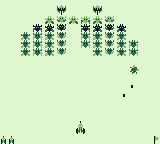
More shooting action on your Game Boy, this time of the “slide-and-shoot” (an old term used by Electronic Games magazine) variety. With both of these fixed screen shooters, you guide your ship along the bottom of the playfield, firing away at formations of enemies up above. Unlike Space Invaders, the enemies tend to break apart from the pack and dive-bomb your ship. As with Centipede/Millipede, these two games are similar to one another. Galaga is one of the most popular arcade games of all time, and it’s ported very well here (yes, you can double up your ships for added firepower). Galaxian is more of a forgotten classic, but it’s also fun, if less versatile than Galaga. Play on the Super Game Boyfor added color and a more arcade-like experience.
Arcade Classic No. 4: Defender/Joust
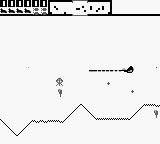
Once again, two classic arcade games are featured on a single cartridge. Both are decent ports that offer several Game Boy-specific features, including rapid fire in Defender and the thumb-saving (though less-than-graceful) rapid flap in Joust. Also, both games have music (which can be turned off, thankfully), but the noisy, grating firing sounds in Defender mask the tunes much of the time. Only Joust offers an updated mode, which is augmented by scrolling screens and detailed (relatively speaking) backgrounds. When played using the Super Game Boy, the games are semi-colorful and are framed by arcade-like borders.
Dig Dug

While I don’t like it quite as much as Mr. Do!, Dig Dug is one of my favorite games of all time. The version ported to the Game Boy has a slightly scrolling playfield due to the small screen, but it’s serviceable for the platform and certainly playable. What’s interesting about the cartridge is that it includes a second game called New Dig Dug. Once again, you tunnel underground, blowing up enemies with a pump while creating your own maze pathways, but this “adventure” mode, which features an unlimited number of enemies, has you collecting keys in order to exit the level. It also has bombs, which is always a good thing.
Donkey Kong

The first four screens in Donkey Kong are similar to those of the original arcade game, and the game even features animated musical intermissions. However, beginning with screen five, puzzle elements come into play as gamers must gather disappearing keys to unlock doors of hidden rooms and pick up and move sections of road and ladder for use in accessing vital sections of the playfield. At the end of each of the game's ten stages of play (each stage containing ten puzzles), players must throw barrels and trash cans at and other enemies, while finding clever ways to beat the bosses. Adding to the greatness of the game is that Mario acquires new skills as he progresses, including high jumps, handstands, and rope spins. The first cartridge to be specially designed for the Super Game Boy, Donkey Kong is a graphically sound, brilliantly challenging game that requires careful planning and strategy as well as dexterity for the player to succeed. Kudos to Nintendo for not taking the easy route by simply cranking out a remake of the original.
Lock 'N Chase
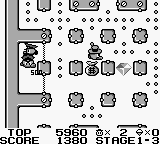
As with Donkey Kong, Lock 'N Chase for the Game Boy is even better than its coin-op counterpart. It has more textured graphics, cuter characters, an assortment of level designs, and deeper gameplay elements, including doors that warp you to other areas of the maze. The game is similar to Pac-Man, but instead of ghosts following you through the corridors and alleyways, cops are on your tail, and instead of eating dots, you gather up coins. Your ultimate goal is to steal the African Star Diamond, which you won't reach until the end of the sixth and final level. Another difference between this game and Pac-Man is your ability to place temporary locks in the mazes to block enemies. Instead of power pills, there are diamonds and magic bags which turn you invincible and freeze the cops (respectively). The screen scrolls, but I don’t mind in this case. At the end of each stage, you can play a bonus round slot machine. If you’ve only played the arcade game and/or the popular Intellivisionport, check this out—it’s excellent.
Mr. Do!

As many of my readers and YouTube subscribers know, Mr. Do! is my favorite game of all time. I love the simple, yet strategy-filled and surprisingly deep gameplay of the tunnel digging, monster avoiding action. The playfield in the Game Boy version scrolls to account for the small screen, making the game more frustrating and less enjoyable than the original. Pausing the action lets players view the entire play area, but this disrupts the flow of the game. Other variances in the handheld rendition include moving diamonds, uglier monsters, different playfield layouts, and an original, less memorable musical score. Thankfully, you can still spell out EXTRA for bonus lives. Gameplay retains the basic cherry harvesting, monster bashing (with a ball you throw) charm that made the coin-op classic so endearing, so it is playable.
Ms. Pac-Man
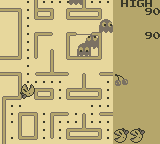
Ms. Pac-Man is one of the most popular video games of all time. In fact, you can still find it in bars, restaurants, and of course retro arcades. The Game Boy port features arcade mode and hard mode, the latter of which has faster moving ghosts. The screen scrolls to show the entire maze, but you can switch to full screen mode to show the entire playfield at once. This makes it really small, so using the Super Game Boy or Game Boy Player is recommended for this mode. The ghosts all look the same since the graphics lack color, but they of course do behave differently. Intermissions are included, and you can compete simultaneously with a friend or alternate turns through the magic of the link cable, a cool peripheral that was underappreciated by many Game Boy owners. The game is slower than its coin-op counterpart, but certainly playable.
Pac-Man
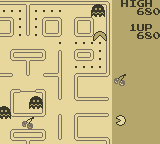
I discovered Pac-Man in the fall of 1980, shortly after it came out, at a convenience store near my junior high school. I would play before and after school and sometimes during (don’t tell my mom or my former teachers). The Game Boy port recreates the legendary coin-op game well enough to give me nostalgic feels, right down to the memorable music during the animated intermissions. As with Ms. Pac-Man, the ghosts look the same since the GB lacks color, but they move in different patterns. Also the same is the wide gray vertical bar on the side showing fruit level indicator and your score, taking up valuable screen space. Another similarity is that you can play with a scrolling screen or a tiny non-scrolling maze. When I play Pac-Man on a Nintendo console, I opt for the NES version using the NES Advantage joystick, but if you want to play Pac-Man on the go, this makes it doable.
Paperboy
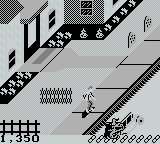
As the title implies, this game puts you in the role of a paperboy, peddling your bike down the street, delivering newspapers. While on your route, you must dodge traffic, tornadoes, break dancers, overhanging trees, vicious dogs, and other obstacles. As you steer your bike along the road, your primary goal is to throw the newspapers in the paperboxes of the subscribers. Also, you can earn extra points by throwing the papers at enemies such as workmen and the Grim Reaper and by breaking out the windows of nonsubscribers. At the end of each delivery session, you enter a special bonus round called the Paperboy Training Course wherein you toss your papers at targets while avoiding obstacles. As with Atari’s original coin-op classic, the playfield is isometric (like Zaxxon). The game is similar to the NES port, but the playfield has simply been cropped (as opposed to redesigned) to fit the small Game Boy screen, making it difficult and unenjoyable to play.
Q*bert

I enjoyed Q*bert in the arcades, but I especially liked Q*bert on the PlayStation and Q*bert 3 for the Super Nintendo. I loved how they took the basic formula, where you guide the title character as he hops on blocks to change them to the target color, and added new cube formations instead of just a repeating pyramid. Imagine my surprise when I discovered the Game Boy port also deviates from the formula by providing Q*bert new playfields to conquer. Since the Game Boy screen lacks color, the developers compensated by giving the cubes such designs as checkboard, ice, cement, lidded box, and wood. There are even discs to jump on. Voice effects, music, and new enemies add to the fun.
Qix
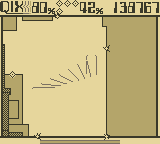
With its small screen and limited audio/visual capabilities, the Game Boy is a good home for Qix, the ingeniously simplistic arcade game where you draw straight lines to form shapes in order to fill in screen space. In addition to a solid port of the original, this version of the game offers link-up capabilities in which players take turns within the same field, trying to claim the greatest percentage of area. One player is Mario while the other is Luigi, though your drawing implement remains a simple diamond shape. Turn-based Qix with Nintendocharacters? Yeah, it’s a thing. Who knew? Now that you know, go play it!
Space Invaders

With the possible exceptions of Tetris and Qix, Space Invaders is the ideal title to adapt to the Game Boy. The simplicity of the gameplay and the short time it takes to play a full round are perfectly suited for on-the-go gaming and the limitations of the venerable handheld system. This port solidly reconstructs the 1978 coin-op classic on the tiny Game Boy screen and even lets players go at it head-to-head via cable linkup. However, the game doesn't truly shine until played via the Super Game Boy, which provides an incredibly faithful arcade experience in terms of graphics, coloring, gameplay, sound effects and borders.
February 4, 2021
DFW Toy Expo - Arlington, Texas - March 6, 2021
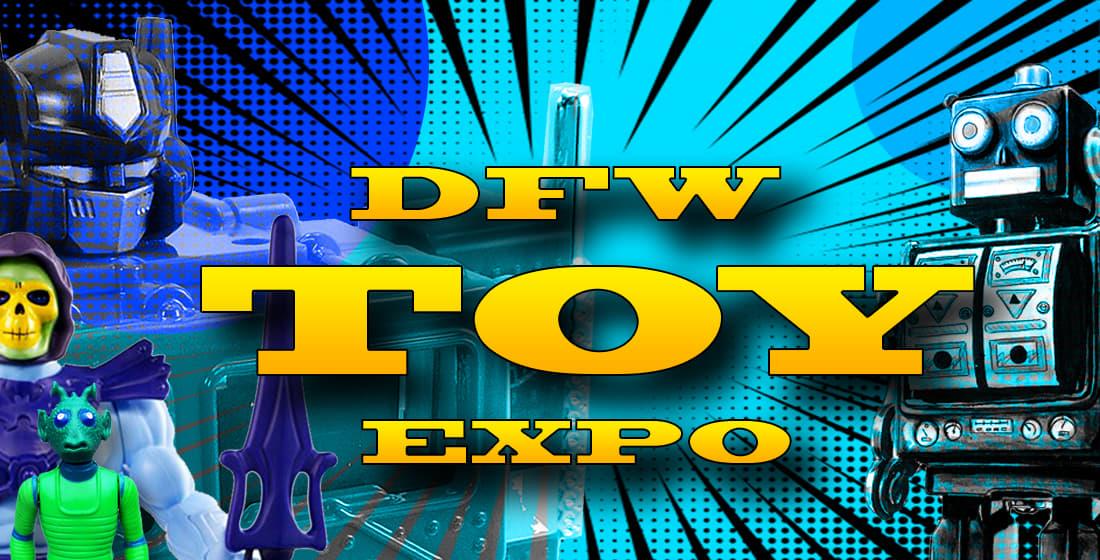
DFW Toy Expo
Do you like collecting toys? I sure do!
Hosted by popular YouTubers Billy and Jay, a.k.a. The Game Chasers, the DFW Toy Expo is returning to Arlington, Texas, home of the Dallas Cowboys and Texas Rangers. The show, where I will be selling my books along with various other items, will feature a variety of vintage and modern toys for sale from a variety of vendors. Everything from action figures to video games to Hot Wheels to comic books to Funko Pop figures and Pokemon will be on sale, and many dealers will be happy to look at stuff you bring in for possible trade or purchase.

Are you a Teenage Mutant Ninja Turtles fan? Did you grow up watching such cartoons as He-Man, The Transformers, and Tiny Toon Adventures? Do you have fond memories of endless summers when you had plenty of time to play Nintendo, swap trading cards, obsess over Star Trek and Star Wars, and in general have fun? Then you’ll definitely want to check out the DFW Toy Expo, where an adult can be a kid. Speaking of kids, this is a family-friendly event where all ages are welcome. There will be something for every budget, so you can dig through bargain bins as well as check out old, rare, and highly sought after “Holy Grail” items. Plus, admission is just $5!
The show promoters had a nice turnout back in January for the Retropalooza Swap Meet, and everyone I spoke with after the event said they had a great time. Billy and Jay are working their hardest to make the DFW Toy Expo even more enjoyable, so come on out and fills some holes in your comic book collection, look for that elusive Happy Meal toy you had as a kid, buy that LEGO set or model kit you’ve always wanted, or simply hang out with other collectors and pop culture fans and gaze in awe at the awesome collectables on display. Just remember one thing: set phasers on fun!
The organizers of the DFW Toy Expo value their customers and collector friends, so your health and safety are extremely important to them. Masks covering the face and nose are required for vendors and attendees, and they will have hand sanitizer available and observe other Covid-19 safety protocols.
DFW Toy Expo
Arlington, TX 76014
10 AM to 5 PM; March 6, 2021
$5 admission; Kids 12 and under are free with adult ticket purchase