
Rod Miller's Blog, page 31
February 21, 2016
Find yourself Write Here in Ephraim.

April 22 and 23 will find the eyes of the literary world on Utah’s Sanpete Valley for the Write Here in Ephraim writing conference on the campus of Snow College in the town of Ephraim. This is the sixth annual conference, but it’s my first and I appreciate the invitation. I will be hosting a “Writer’s Camp” group on Friday to read and discuss the writing of selected conference participants. Then, on Saturday, I will present a pair of workshops—“Where Cowboys and Poetry Meet” in the morning and “More than L’Amour: Writing the West in the 21st Century” in the afternoon.The morning workshop will talk about poetry and poetic techniques in general, with emphasis on the folk and literary art of cowboy poetry in particular. In the afternoon, we’ll talk about misconceptions about the limitations of Western writing and explore the many possibilities for writing and publishing, from fiction to nonfiction, historical to contemporary. And there are several other workshops by other experienced writers on a variety of topics. Write Here in Ephraim is shaping up to be an outstanding opportunity for writers of all levels to improve their art and craft. Come on down and join the fun.


February 12, 2016
Doris Daley is up in the night.
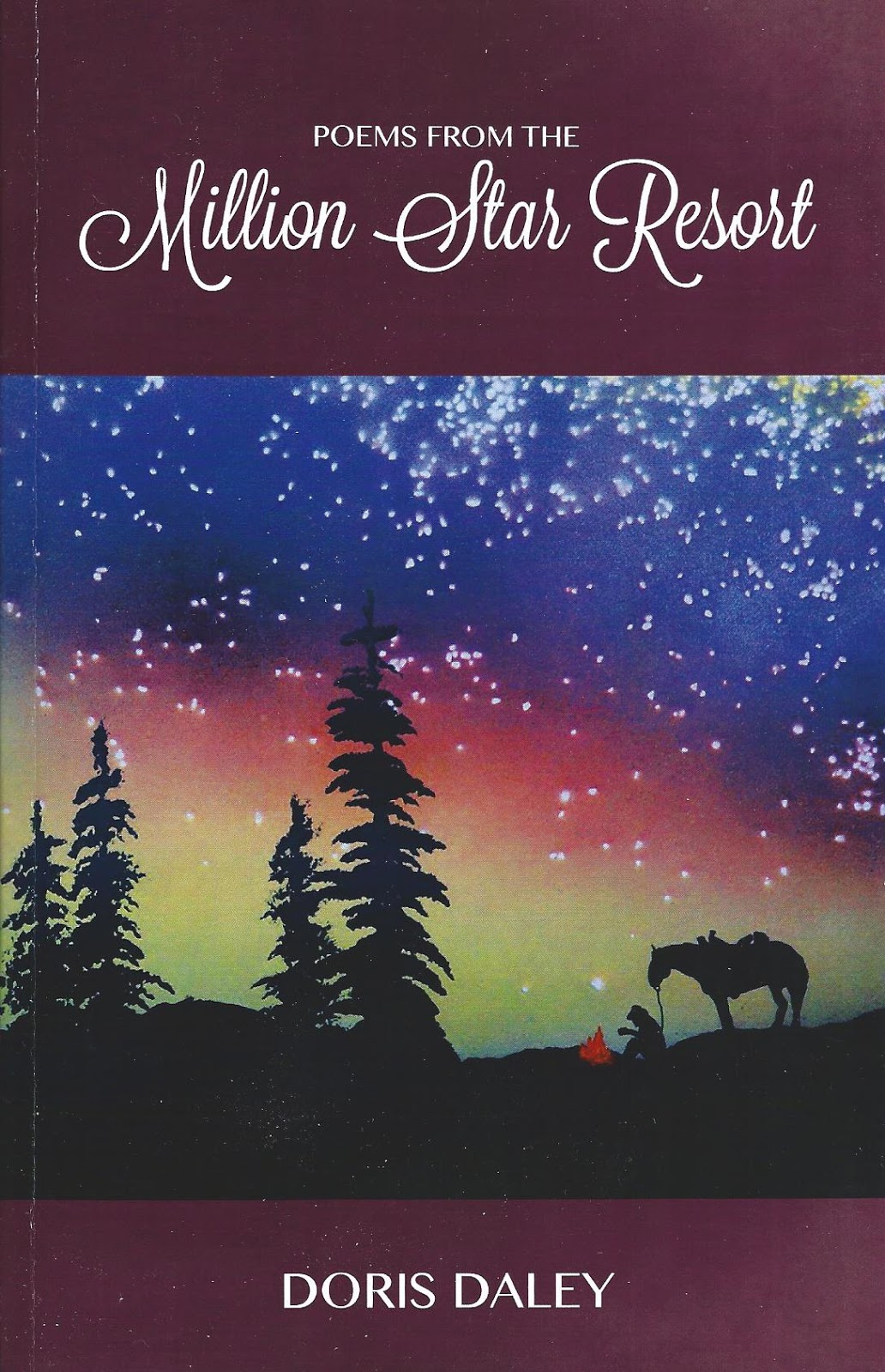
After reading Canadian poet extraordinaire Doris Daley’s new book, Poems from the Million Star Resort, I sent her this brief “review”:
Poems from the Million Star ResortIs a treasure, I'm pleased to report.Every poem, every page is a treatProviding much pleasure en-suite.
The poem from which the book draws its title is based on the author’s love of wide-open Western night skies, and the other poems in the collection cover the ground from prairies to peaks and ranch life to rodeo. Doris is a fine writer with a clever grasp of language and a remarkable ability to turn a phrase while telling an engaging story. And she is equally adept with humorous and serious verse, looking beyond the easy laugh or cheap sentiment to achieve true humor and deep emotion. The book also includes thoughts about poetry from several poets of Doris’s acquaintance. Visit Doris’s web site to obtain a copy. It’s a book that deserves a slot on your bookshelf—or kept where it’s conveniently at hand en-suite. (Unless you’re Canadian, you may have to look that up.)
February 5, 2016
Lies They Tell Writers, Part 24: Awards Matter.

Winning awards is nice. Getting a certificate in the mail can be satisfying. Hanging a plaque on the wall is gratifying. Standing up in a crowded banquet hall to give an acceptance speech can be downright uplifting.But does it matter?Most everyone in the book business thinks so. We fill out entry forms and enter awards competitions and hope the judges recognize the brilliance of our work. We herald our accomplishments in press releases and author bios and on book covers. Trouble is, there are too many awards.You’re hard pressed nowadays to find a writer who’s not billed as an “award-winning author.” As a result, awards are good for the ego, but you have to wonder if they’re good for much else. I have been honored by winning the Western Writers of America Spur Award. Everyone who’s anyone in the world of Western literature will tell you Spur Awards—along with the Wrangler Award from the National Cowboy and Western Heritage Museum—are as good as it gets; the most prestigious recognition there is. But beyond those in the know, it would be difficult to find a reader who knows the difference between a hard-to-get award like a Spur or a Wrangler and the kind they pass out by the pallet load for doing little more than getting your name on a book cover—including books you publish yourself.Given this state of affairs, is there any value to winning an award?
I don’t know. I’ll think about it. But for now, you’ll have to excuse me—I’ve got to fill out the entry forms for another award competition.
January 27, 2016
Reviewing Rawhide Robinson.
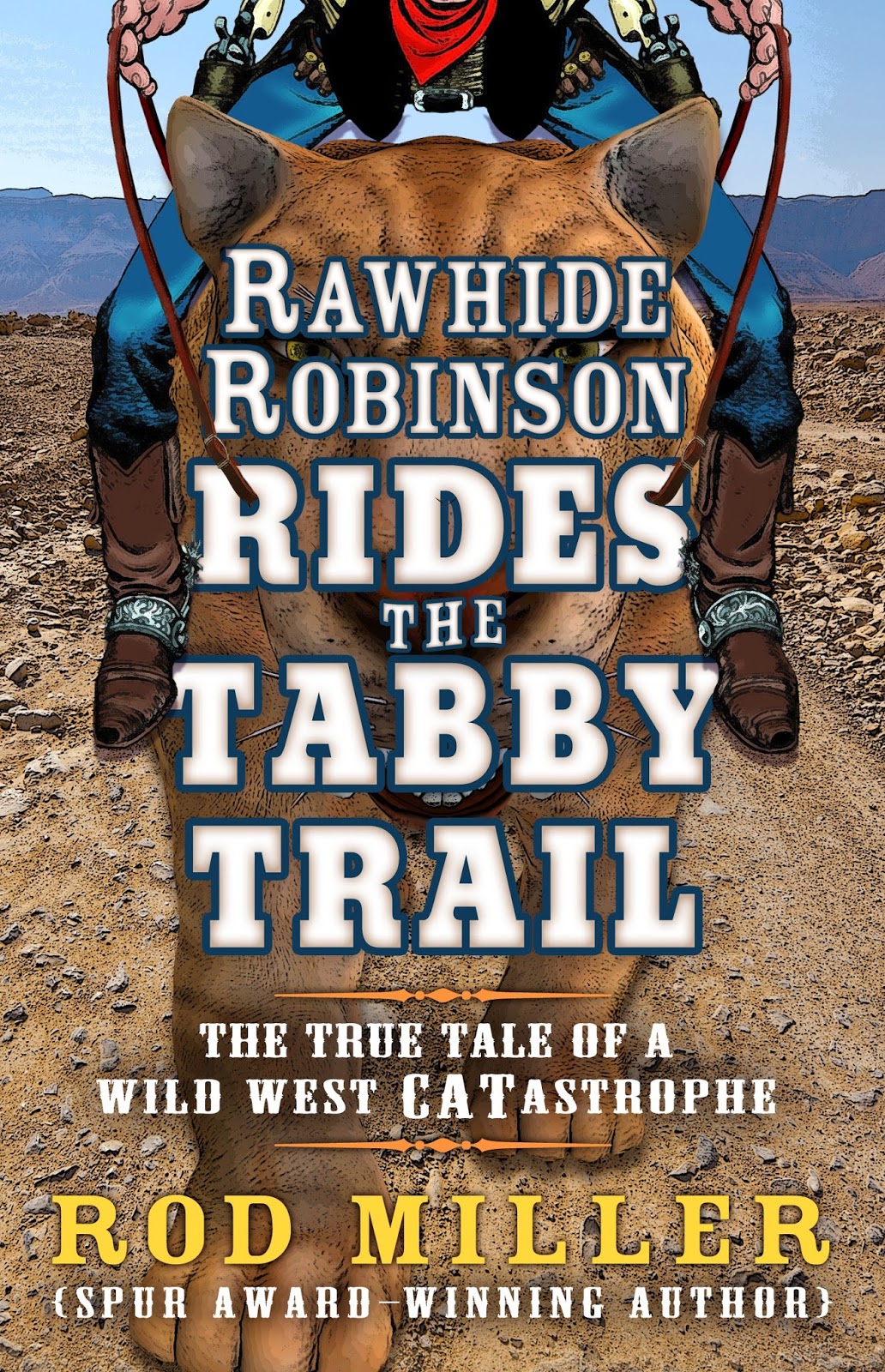
Rawhide Robinson is riding high in my new novel, Rawhide Robinson Rides the Tabby Trail. “Best of the West” reviewer Rick Huff says, in part, “Hope yer hankerin’ fer another of award-winning poet/author Rod Miller’s tall tales…or should that be ‘tails’? If anyone could be up to actually herdin’ cats, who better than Miller’s redoubtable creation Rawhide Robinson…. Along the way we get more of the kind of campfire wild ragging from Rawhide we discovered in his previous volume…. The plot gets deeper (well, somethin’ sure does) as we pussyfoot down the trail.”Rick Huff’s reviews appear in Western Way magazine, on CowboyPoetry.com, and in various other places around the globe and throughout the universe. Give Rawhide Robinson Rides the Tabby Trail a read—it’s good for a grin. Check your local library. Or, you can order the book from any bookstore or online. Watch the 38-second video for some burning questions about the book and our cowboy hero on YouTube or my Amazon Author Page.
January 14, 2016
Hall of Famers I have known.
While I have read the work of many members of the Western Writers Hall of Fame, most lived and many died before my time, so I never knew, or even met them. Until now.Last year, Western Writers of America inducted recipients of the Owen Wister Award—and its predecessor, the Saddleman Award—honors recognizing lifetime achievement—into the Western Writers Hall of Fame. Many so honored have passed on. But some are still among us, and still writing.
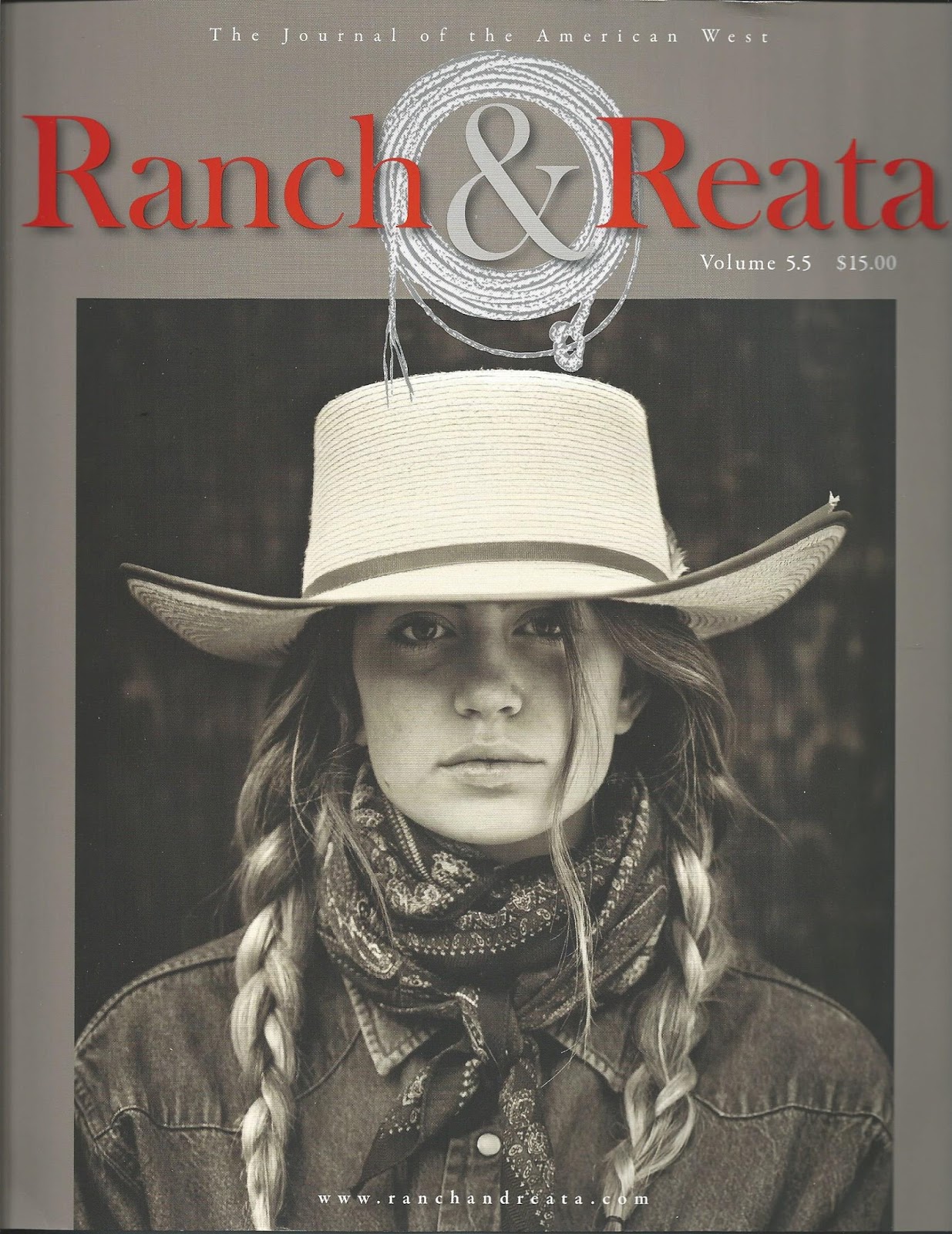
So, I have now met several Hall of Famers. I know (or knew) some fairly well. And I have had the pleasure of working with a couple of them, as editors. In no particular order other the Hall of Famers I have known to some extent are Judy Alter, Win Blevins, Don Coldsmith, Robert Conley, Jim Crutchfield, David Dary, Loren Estleman, Max Evans, Bill Gulick, Elmer Kelton, Leon Metz, Jory Sherman, Robert Utley, and Dale Walker. A fine group of writers, and every one worthy of the recognition they have received and then some. I admire their work and I admire (or admired) them personally. Knowing them is as close to greatness as I will come as a writer. Stuart Rosebrook and I wrote an article profiling these and other Hall of Fame inductees for the current issue of Ranch & Reata magazine. You’ll want a copy. (http://www.ranchandreata.com/)
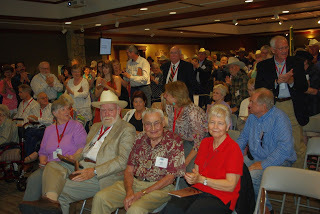
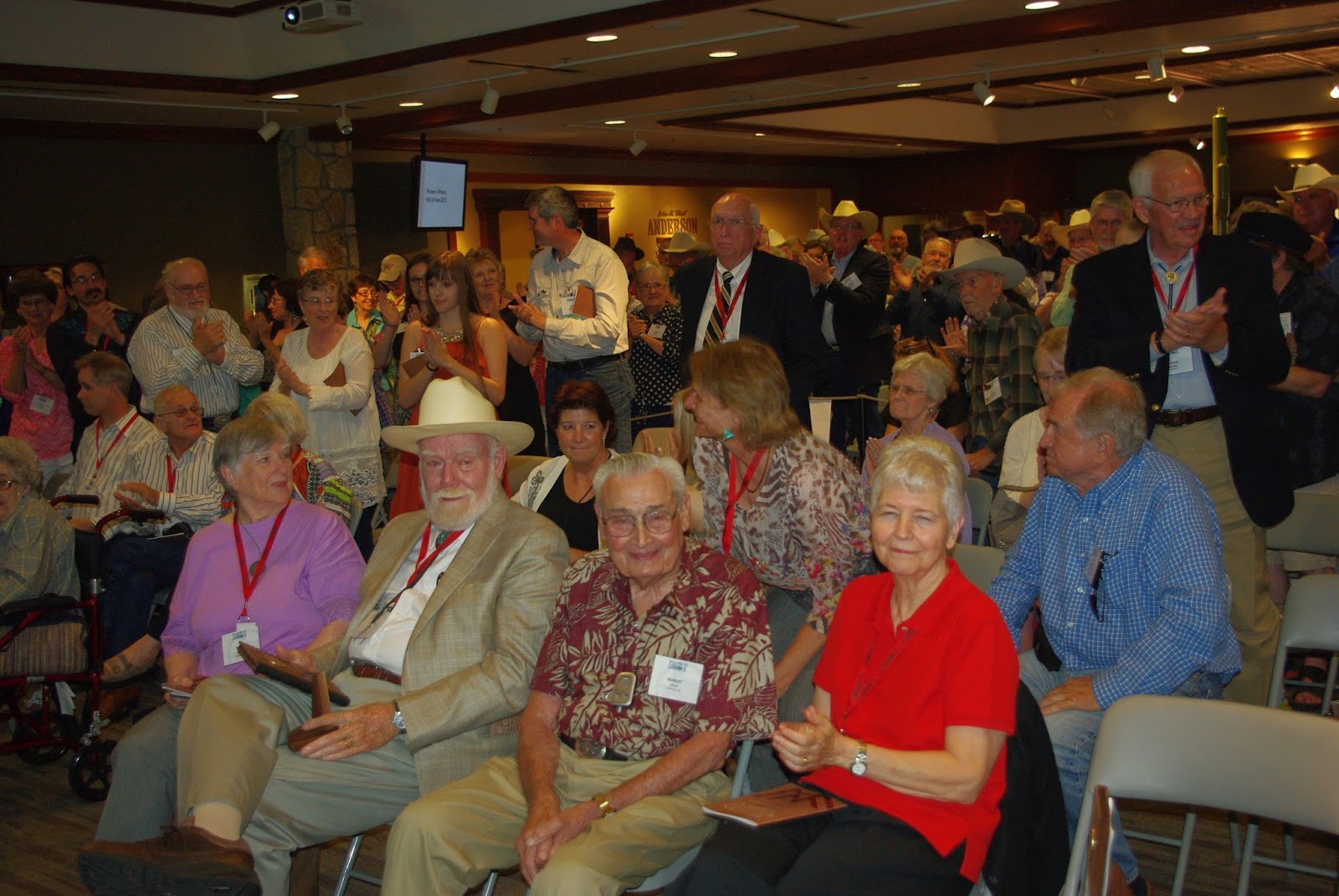
(The Hall of Fame induction ceremony photo belongs to future Hall-of-Famer Johnny Boggs.)
So, I have now met several Hall of Famers. I know (or knew) some fairly well. And I have had the pleasure of working with a couple of them, as editors. In no particular order other the Hall of Famers I have known to some extent are Judy Alter, Win Blevins, Don Coldsmith, Robert Conley, Jim Crutchfield, David Dary, Loren Estleman, Max Evans, Bill Gulick, Elmer Kelton, Leon Metz, Jory Sherman, Robert Utley, and Dale Walker. A fine group of writers, and every one worthy of the recognition they have received and then some. I admire their work and I admire (or admired) them personally. Knowing them is as close to greatness as I will come as a writer. Stuart Rosebrook and I wrote an article profiling these and other Hall of Fame inductees for the current issue of Ranch & Reata magazine. You’ll want a copy. (http://www.ranchandreata.com/)
(The Hall of Fame induction ceremony photo belongs to future Hall-of-Famer Johnny Boggs.)
January 8, 2016
Checking the books for 2015.
It’s the beginning of a new year, which is a good time for an accounting. All things considered, 2015 was a pretty good year for books with my name on the cover.
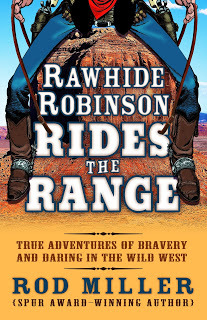
Rawhide Robinson Rides the Range won the Spur Award from Western Writers of America, which was quite an honor.
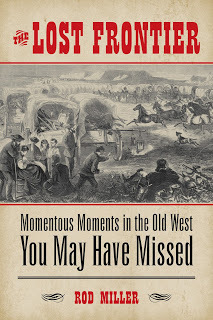
In May, TwoDot/Globe Pequot/Rowman & Littlefield released The Lost Frontier: Momentous Moments in the Old West You May Have Missed. It’s a nonfiction book, a collection of events and people in Western history that are not well known.
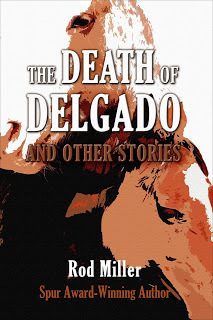
In November, Pen-L Publishing released The Death of Delgado and Other Stories. This one is fiction, a collection of short stories. Some are seeing print for the first time in the collection, most have appeared over the years in Western anthologies.
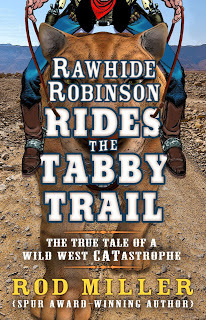
My publishing year ended December 16 with the release by Five Star of Rawhide Robinson Rides the Tabby Trail: The True Tale of a Wild West CATastrophe. This hardcover novel is the account of a trail drive—of a herd of cats—to Tombstone, Arizona, with a bunch of campfire tall tales woven into the story. Adults and young adults alike should get a grin out of it.These books—and others I have written—can be ordered at your local bookstore or are available through online booksellers. ( Try amazon.com/author/rodmiller ) You’ll get the best deal on The Death of Delgado by ordering directly from Pen-L Publishing. Happy New Year, and may you spend it reading.
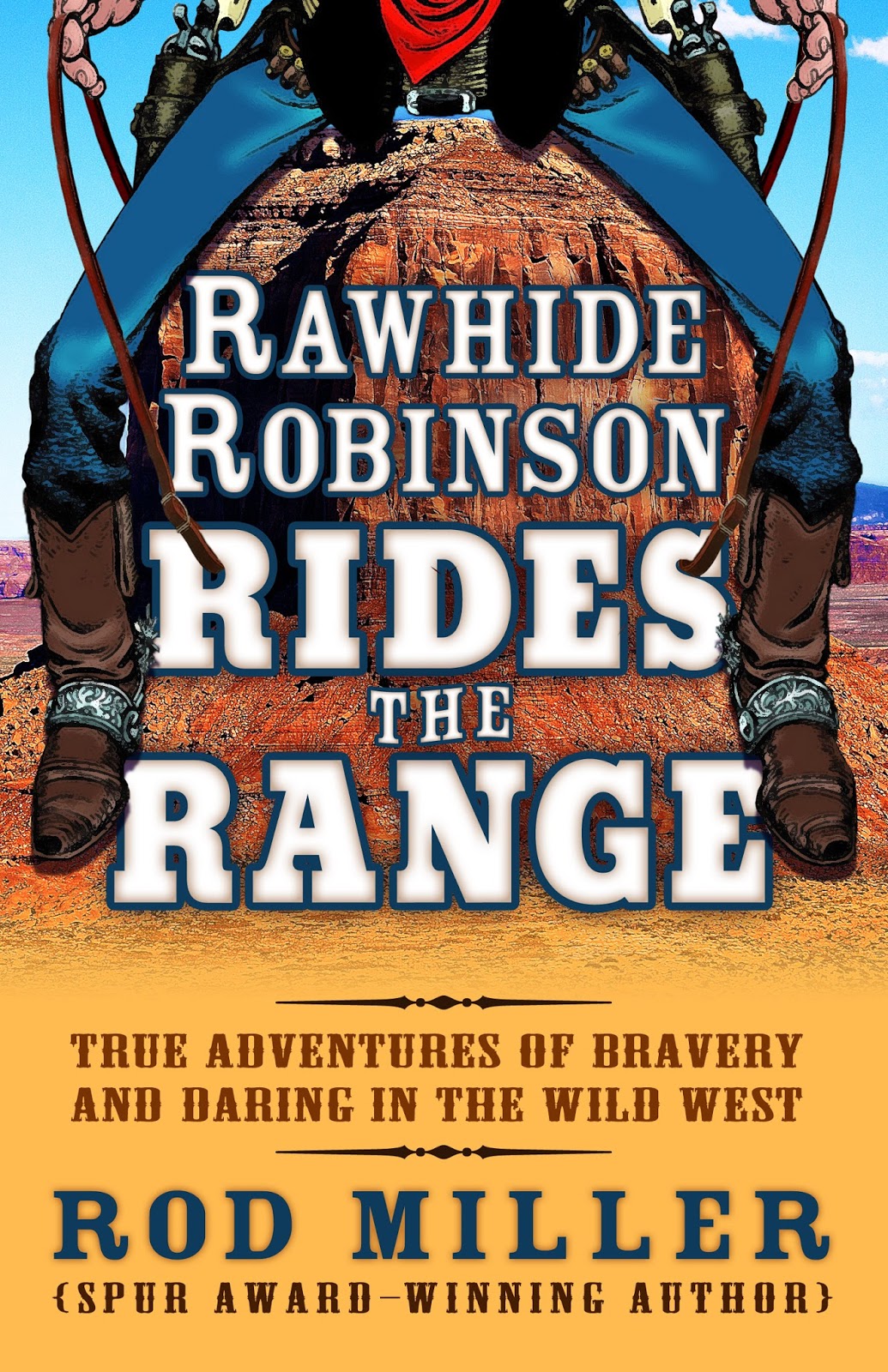
Rawhide Robinson Rides the Range won the Spur Award from Western Writers of America, which was quite an honor.
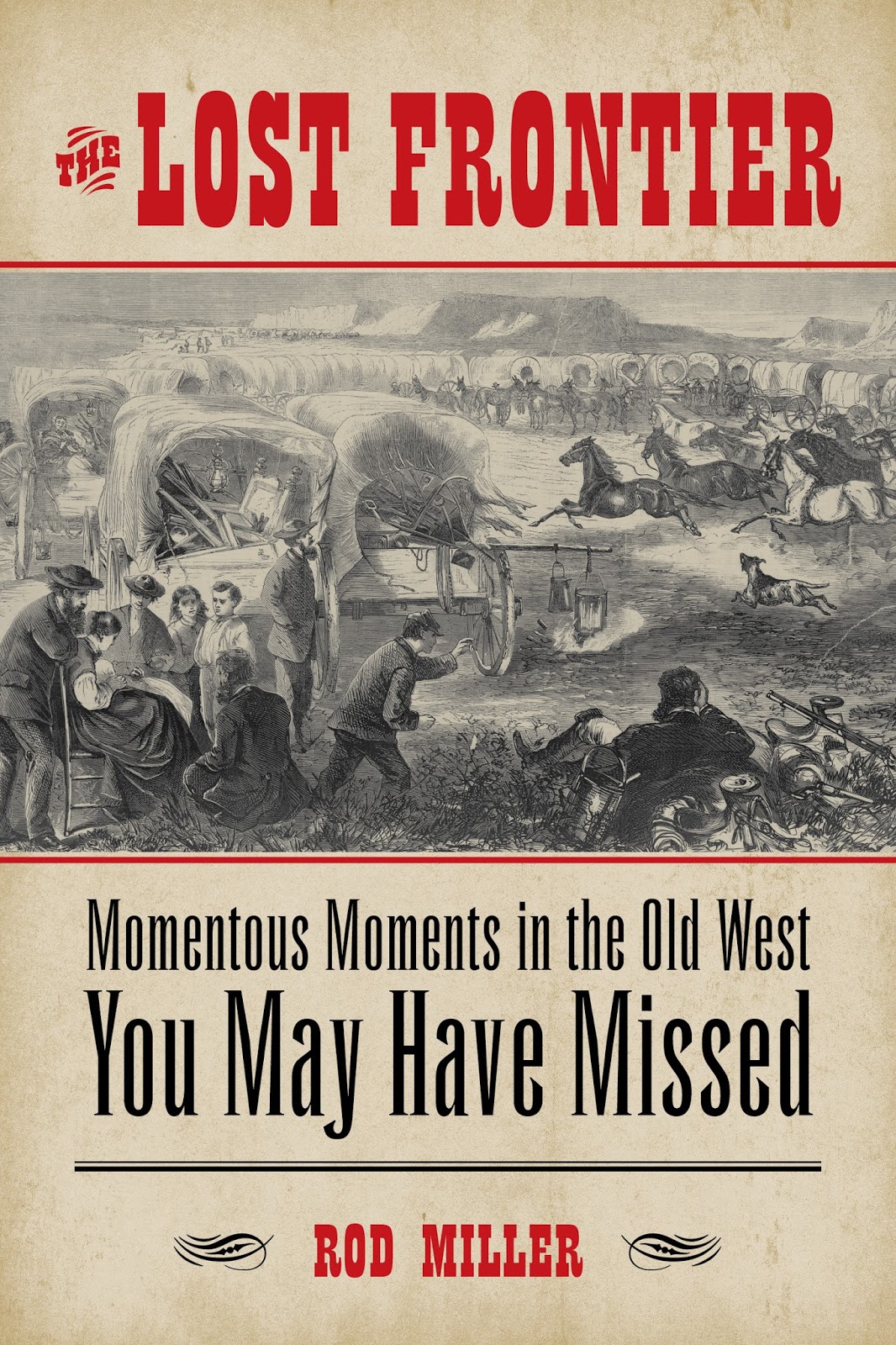
In May, TwoDot/Globe Pequot/Rowman & Littlefield released The Lost Frontier: Momentous Moments in the Old West You May Have Missed. It’s a nonfiction book, a collection of events and people in Western history that are not well known.
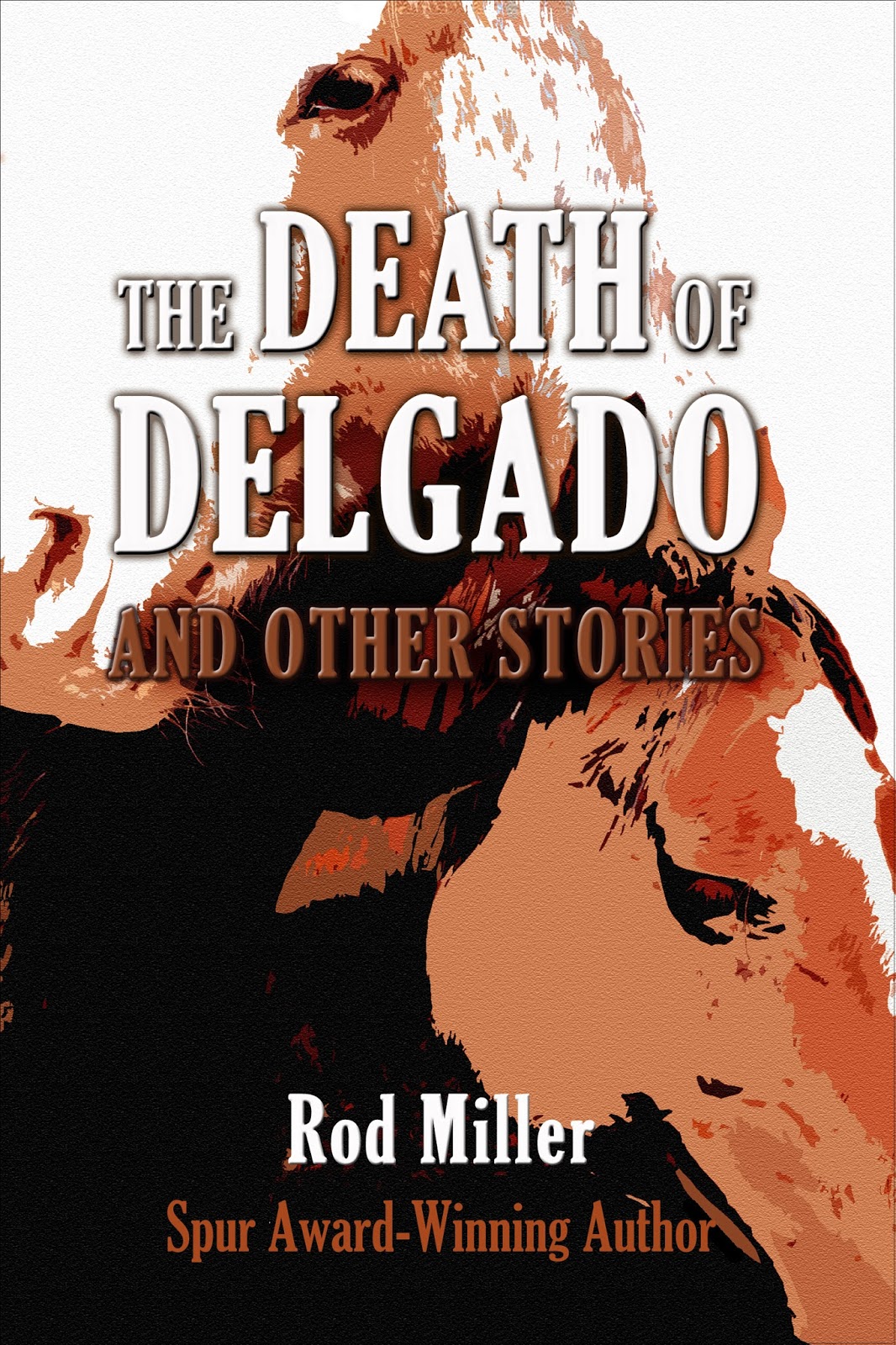
In November, Pen-L Publishing released The Death of Delgado and Other Stories. This one is fiction, a collection of short stories. Some are seeing print for the first time in the collection, most have appeared over the years in Western anthologies.
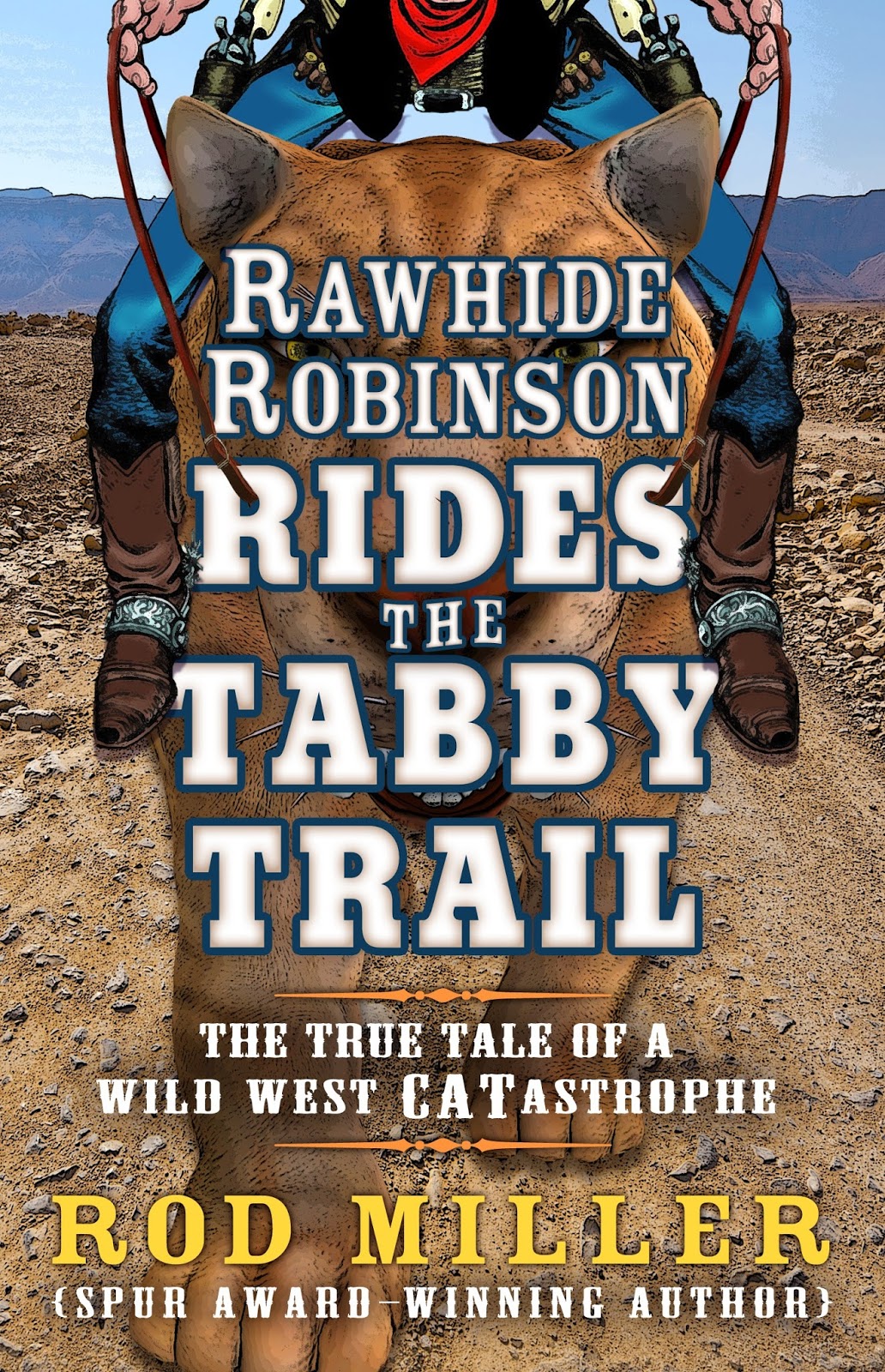
My publishing year ended December 16 with the release by Five Star of Rawhide Robinson Rides the Tabby Trail: The True Tale of a Wild West CATastrophe. This hardcover novel is the account of a trail drive—of a herd of cats—to Tombstone, Arizona, with a bunch of campfire tall tales woven into the story. Adults and young adults alike should get a grin out of it.These books—and others I have written—can be ordered at your local bookstore or are available through online booksellers. ( Try amazon.com/author/rodmiller ) You’ll get the best deal on The Death of Delgado by ordering directly from Pen-L Publishing. Happy New Year, and may you spend it reading.
December 31, 2015
Lies They Tell Writers, Part 23: Word count counts.
Lots of writers will tell you that you should write every day if you want to be a writer. Some go so far as to assign a daily number—500 words seems to be a popular sum, but certainly not the only one. You hear 1,000 words. Or 750. Or some other figure.Some writers get downright obsessive about it. They say they’ll sit at the keyboard until they get their 500 words no matter what. If word number 500 happens to arrive in the middle of the night, fine. If word number 500 happens to arrive in the middle of a sentence, they will stop right there and shut it down.Other writers, if they’re “blocked” (which is a delusion, to my way of thinking) or fresh out of ideas, will tap out 500 completely useless words just so they can say they made their number. It doesn’t much matter what those words are—they can be a detailed description of the desk lamp, some stream-of-consciousness nonsense, a reminiscence of a trip to the grocery store, or a make-believe letter to Elizabeth Barrett Browning.If such writers find this sort of thing helpful, invigorating, inspiring, or whatever that’s fine. It makes no difference to me.But do you really have to write some magic number of words every day to be a writer?No.Some days, I don’t write much. Other days—rare ones—not at all. Some days, I’ll hammer out a few thousand words. I might spend the better part of a day (or several days) sorting out 200-or-so words to make a poem. If there’s a deadline looming, I will write however many words it takes to make the deadline.The thing is, if you’re a writer you have to figure out what it takes for you to write. The way anyone else does it is irrelevant. Their rules don’t count.Nor does their daily word count.At the end of the day—any day—I would much rather have written 173 words that say something, and say it well, than 500 worthless words I wrote just to keep my hand in.
December 23, 2015
Under my tree.
 With Christmas in the offing, I thought I’d give myself a couple of gifts for the season. My web site, www.writerRodMiller.com, was originally built by my friend and finer author Michael Zimmer. But the technology is now outdated, and updating the site was time consuming and difficult. So, I bit the bullet and brazened myself for some frustration and built a new one. Same address, www.writerRodMiller.com. It’s not as spiffy looking as the earlier one, but I think it should serve. It has links from all my books to either the publisher or my Amazon Author page, so should you want to buy a book (or subscribe to a magazine) you can “click through” as they say in the trade.Also new is a little promotional video for my new novel, Rawhide Robinson Rides the Tabby Trail. You can view it below, on YouTube, or on my Amazon Author Page. It will only occupy 38 seconds of your time and you will, I hope, find it—the book it’s about, rather—intriguing. All thanks to banjo magician extraordinaire Mike Iverson for permission to use “Oh! Susannah.”Enough self-serving crass commercialism. But it is, after all, the Christmas season. May you all have a merry one.
 December 13, 2015
Good Luck, Dale Walker.
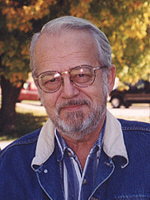
There are many factors that play into achieving any sort of success as a writer. One of them is luck.One of the luckiest things that ever happened to me when it comes to writing was meeting Dale Walker. Dale was one of those larger-than-life characters I first encountered at a Western Writers of America convention when the author paint on me wasn’t dry. He was a past president, past Roundup editor, past several other things in the group, and revered, it seemed, among the entire membership. He also edited the novels of many admirable writers and was a respected author of nonfiction himself. Being the socially awkward type I am, I admired him from a distance.Then, still not long after I became a WWA member, the organization announced the creation of a fiftieth anniversary anthology with Dale as the editor. Not knowing any better, I submitted a story. I saw Dale at the next WWA convention and screwed up the courage to introduce myself. He hinted that my story would be in the anthology. It would be, outside of some success with poetry, my first publication of any note. It must have been at the next year’s convention or one soon after that I again screwed up my courage and handed Dale a proposal for a novel. He tracked me down the next day and said it was one of the best proposals he had ever seen—but, unfortunately, the publisher he represented wasn’t inviting any new authors into their Western line. But he asked if I knew anything about a guy named John Muir. As it happened, I knew a bit more about the man than Dale did and related one of my favorite Muir stories about his riding out a Sierra windstorm perched in the top of a tree just for the fun of it. Dale said he was working on a project and may get back to me. Later that day, or perhaps the next, he took me aside again and asked if I would like to write a book about John Muir for a new nonfiction series—“American Heroes”—he was editing for Forge Books. Just like that, I became a writer of books. All because I had the good luck to meet a man named Dale Walker. My admiration for Dale only grew through working with him and getting to know him better and becoming friends over the years. I only wish I had gotten lucky earlier. Not because it may have helped me become something of a writer sooner, but because it would have been my good luck to know Dale longer and better, just because he was Dale. Dale died December 8, 2015.
December 10, 2015
Lies They Tell Writers, Part 22: Vomit on the Page.

Our last effusion, outpouring, gush, upchuck of “Lies” talked about the physical process of writing.Here we go again. I cannot count the number of times I have heard writers and writing instructors advise other writers that when writing it is important, imperative even, to write write write write write write write. Do it quickly. Don’t slow down (hence, the absence of commas above). Don’t stop. Don’t worry about spelling, grammar, punctuation, word choice, or anything else. Just get it on the page (or screen) as fast as you can. You can always fix it another time. A popular way of putting it is, “vomit on the page and come back later to clean it up.”That doesn’t work for me. It could be because I have written advertising copy for so many years. When you are confined to a fraction of a page or a half-minute of air time, you don’t have a lot of words to work with. Every one has to work hard on its own and play well with others. So, you carefully consider and contemplate every word, often before you write it. Writing poetry is much the same, which is where I went next. Then short stories and magazine articles. By the time I got to novels and history books it was too late. I was already trained to examine each word, mull over every phrase, and think about every sentence. If something isn’t right, I am not capable of moving on. (Which is not to say everything I write is right; anyone who’s read my stuff knows better.) I can try, but it nags and niggles at me like a burr under a saddle blanket and I have to make it as right as I can before I can move on. It’s more like playing with your food than vomiting on the page, I suppose. The point is, writing is something you do by yourself. You have to do it your way. If that means barfing verbs and nouns and adjectives, fine. But if ruminating over every jot and tittle works for you, that’s fine too.


