
Rod Miller's Blog, page 15
March 13, 2020
Postponed.

In an abundance of caution, this post has been postponed.Please make sure your anti-virus software is up to date. And if our inept administration ever gets its act together, scan for any infected files.Be careful out there.


March 6, 2020
Listening to horses.

In days gone by, you heard a lot about “horse whisperers.” These trainers had developed a knack of communicating with the animals that revolutionized handling horses. It’s a good thing.But some trainers go beyond merely speaking a horse’s language. Some, like Joe Wolter, are just as adept at listening to horses as talking to them. Joe Wolter learned from the best, including Ray Hunt and the Dorrance brothers. But, mostly, he learned from horses. And he passes that knowledge along at horsemanship clinics across the country. A friend of mine, Cameron Wilkinson, has put together Joe Wolter clinicsat the Utah County Fairgrounds in Spanish Fork, Utah. If you’re within trailer-pulling distance of the place, you’d do well to load up your horses and hit the road. The clinics are June 12 through 14. But the registration deadline is coming right up, so reserve your place by April 15. (It’ll be a much more pleasant experience than filing your taxes.) Space is limited, so don’t wait—contact Cameron by e-mail today (bronc.cw@gmail.com). Listen to your horses. They want to be there.
February 24, 2020
The week that was, Part Two.
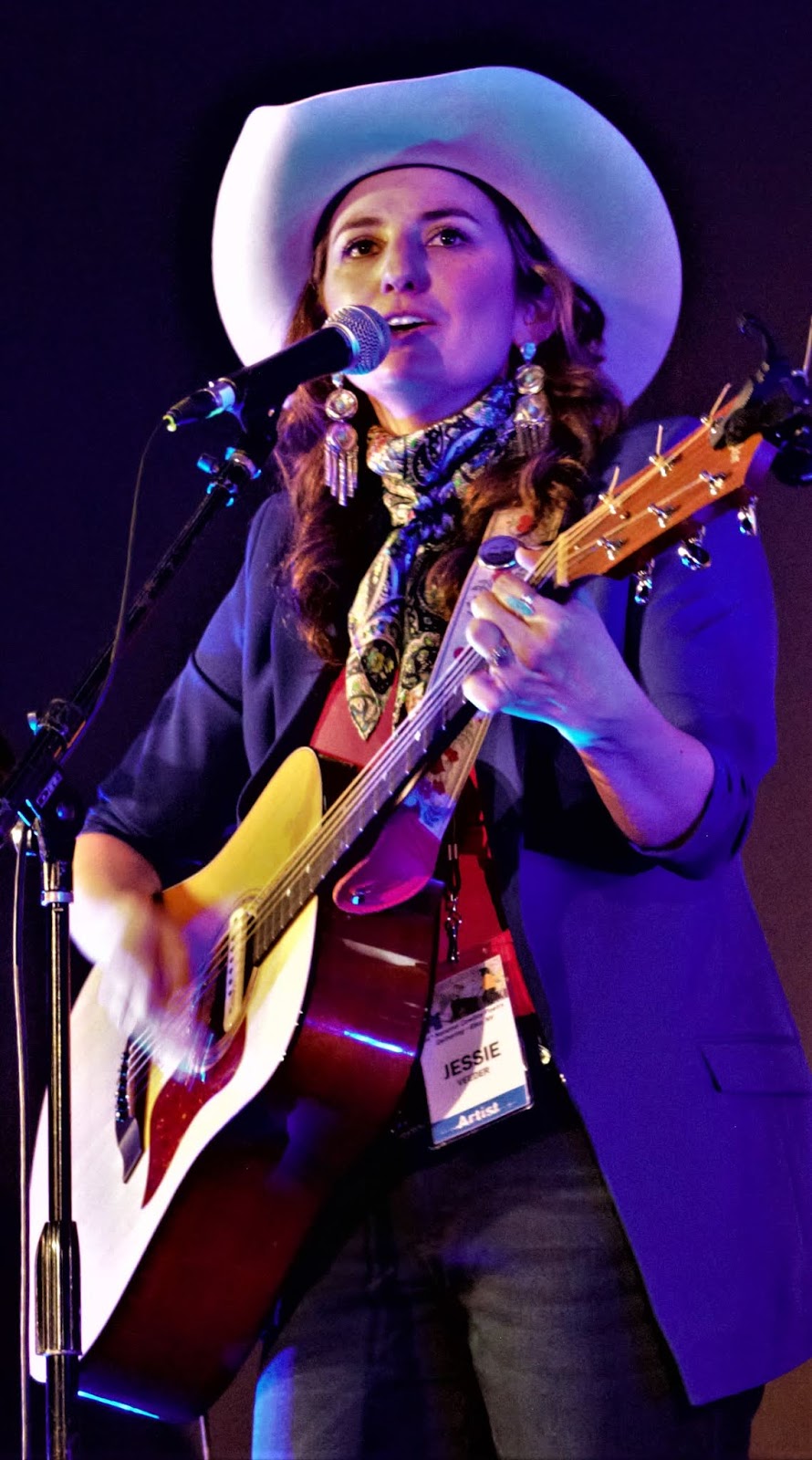 As noted in the previous post, the week that turned January into February was a busy one. The morning after attending anniversary ceremonies at the site of the Massacre at Bear River, we packed up and headed to Elko, Nevada, for the National Cowboy Poetry Gathering. Besides enjoying the poets and musicians from the audience, I was also gathering material for an upcoming feature story for
Saddlebag Dispatches
magazine. The story focuses on the wide variety of cowboy music on offer at the Gathering, “cowboy music” being defined as any damn song a cowboy likes. I had the opportunity to interview (or “sit down with,” in banal journalistic babble) several artists who write, compose, and/or perform music. That included Jessie Veeder (pictured), a North Dakota rancher who sings about the life with a contemporary twist; Andy Hedges, a songster who collects and sings old-time, traditional cowboy tunes; Dave Stamey, widely recognized as one of the best Western songwriters and performers on stage today; Geno Delafose and his French Rockin’ Boogie zydeco band from the Louisiana prairies; Denise Withnell of Canada’s Cowboy Celtic band that pays homage to the even-more-ancient roots of many old cowboy songs; Wylie Gustafson of Wylie and the Wild West—“wild” being the operative word; Montana poet, songwriter, and singer DW Groethe; and honey-voiced horsewoman Trinity Seely.And that’s not even counting the many other artists I had neither time nor space to feature. As you can imagine, the variety in the musical offerings at Elko, and everywhere else Western enthusiasts gather, is rich and varied—something and someone for every cowboy (whether cowboy in fact or in spirit) to enjoy.
As noted in the previous post, the week that turned January into February was a busy one. The morning after attending anniversary ceremonies at the site of the Massacre at Bear River, we packed up and headed to Elko, Nevada, for the National Cowboy Poetry Gathering. Besides enjoying the poets and musicians from the audience, I was also gathering material for an upcoming feature story for
Saddlebag Dispatches
magazine. The story focuses on the wide variety of cowboy music on offer at the Gathering, “cowboy music” being defined as any damn song a cowboy likes. I had the opportunity to interview (or “sit down with,” in banal journalistic babble) several artists who write, compose, and/or perform music. That included Jessie Veeder (pictured), a North Dakota rancher who sings about the life with a contemporary twist; Andy Hedges, a songster who collects and sings old-time, traditional cowboy tunes; Dave Stamey, widely recognized as one of the best Western songwriters and performers on stage today; Geno Delafose and his French Rockin’ Boogie zydeco band from the Louisiana prairies; Denise Withnell of Canada’s Cowboy Celtic band that pays homage to the even-more-ancient roots of many old cowboy songs; Wylie Gustafson of Wylie and the Wild West—“wild” being the operative word; Montana poet, songwriter, and singer DW Groethe; and honey-voiced horsewoman Trinity Seely.And that’s not even counting the many other artists I had neither time nor space to feature. As you can imagine, the variety in the musical offerings at Elko, and everywhere else Western enthusiasts gather, is rich and varied—something and someone for every cowboy (whether cowboy in fact or in spirit) to enjoy. February 15, 2020
The week that was, Part One.
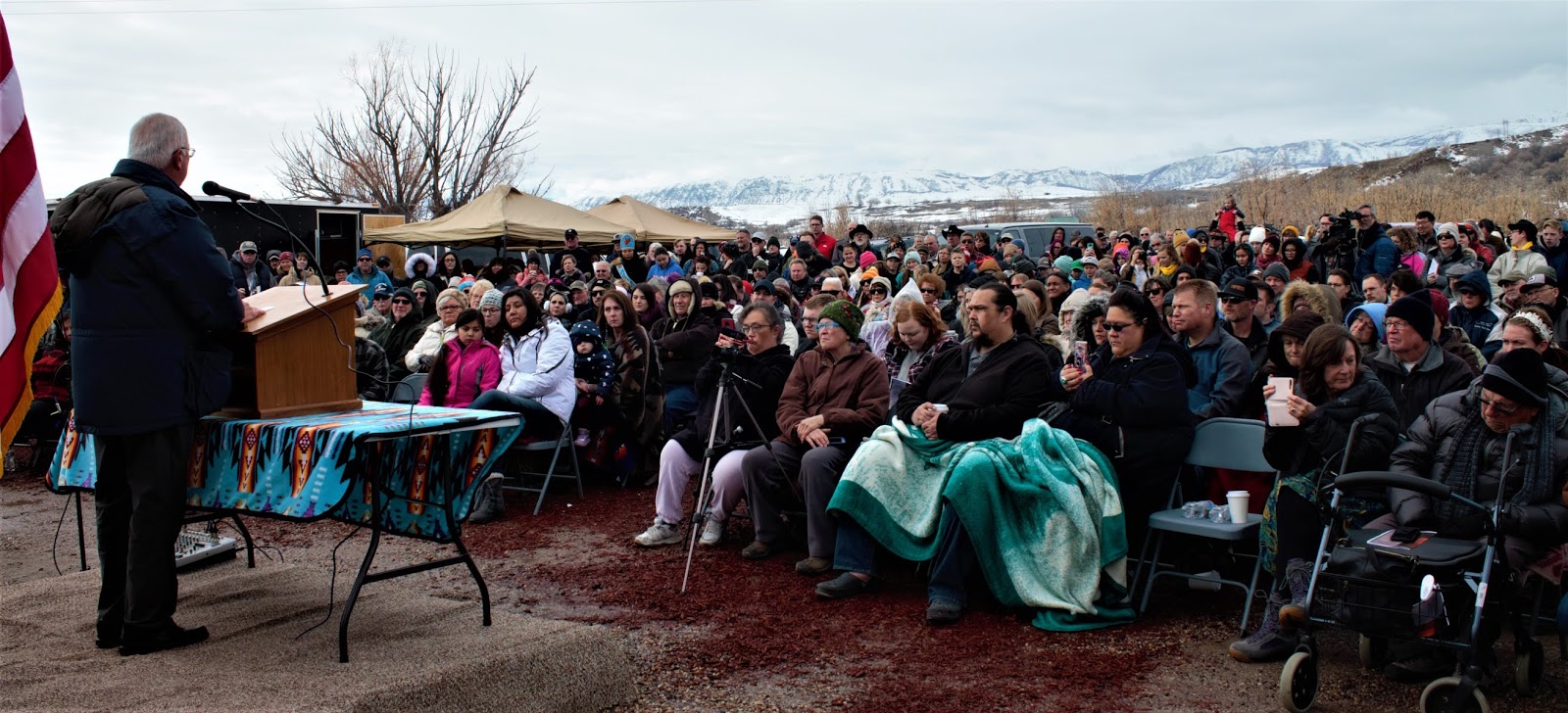
The week that turned January to February was a busy one around here. Or, not around here, as the case may be.On January 29, we boarded a bus with a group from Utah Westerners and traveled north on the more-or-less same trail Colonel Patrick Edward Connor took with his cavalry troops in 1863 on a mission to seek out and destroy a Shoshoni winter camp—and the people there.Every year, the Northwestern Band of the Shoshone Nation, descendants of the few survivors of the massacre, meet on the killing field to remember the fateful day. And they gracefully host all interested parties who care to join them. One newspaper report estimated this year’s crowd at 500. Larry Echohawk (pictured), former United States Assistant Secretary of the Interior for Indian Affairs, offered the keynote address.I have written widely about the Massacre at Bear River, the latest effort being a novel based on the horrors of the day. When released in 2021, It will carry the same title as a song I wrote the lyrics for, “And the River Ran Red,” by the great Western singer Brenn Hill. Brenn was at the ceremony and, as he did last year, sang “And the River Ran Red.” The Northwestern Band of the Shoshone Nation, under the direction of tribal chairman Darren Parry, is in the process of creating the Boa Ogoi Cultural Interpretive Center at the site. Your financial support will help. Donations of any size are welcome. Thank you.
February 4, 2020
Dispatches from the West.
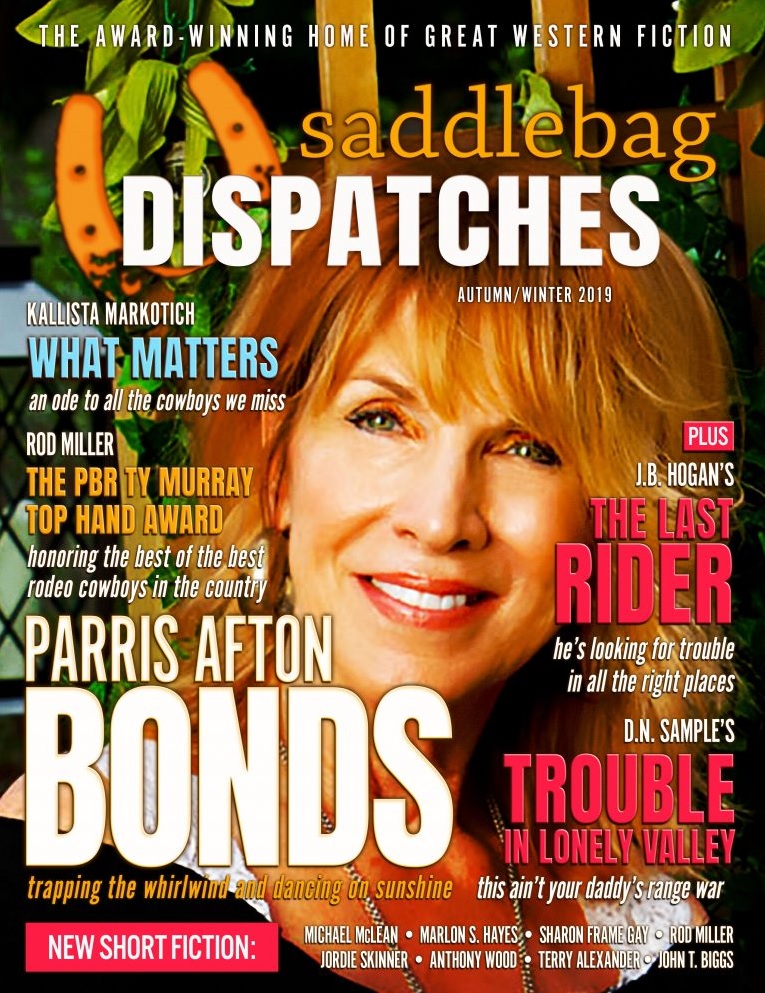
Saddlebag Dispatches has a new issue available. As always, it’s big and colorful and filled with all things Western. A few of the items in the magazine have my name at the top. A new short story, “Black Joe,” is about a wild mustang stud and his clashes with a rancher. There’s a feature article about the PBR Ty Murray Top Hand Award, and the collaboration between Ty Murray and the designer and sculptor behind the award, Jeff Wolf. My rodeo poem about how the Star Spangled Banner affects bareback riders, “Long May It Wave,” is given a beautiful presentation. And, finally, my regular “Best of the West” column features what must be the oldest of the Old West’s best towns, Taos Pueblo.If you don’t read Saddlebag Dispatches , you’re missing out on a fine publication, offering a lot of variety in its presentation of the American West, old and new. Follow the link and take a look.
January 26, 2020
The whistle has sounded.
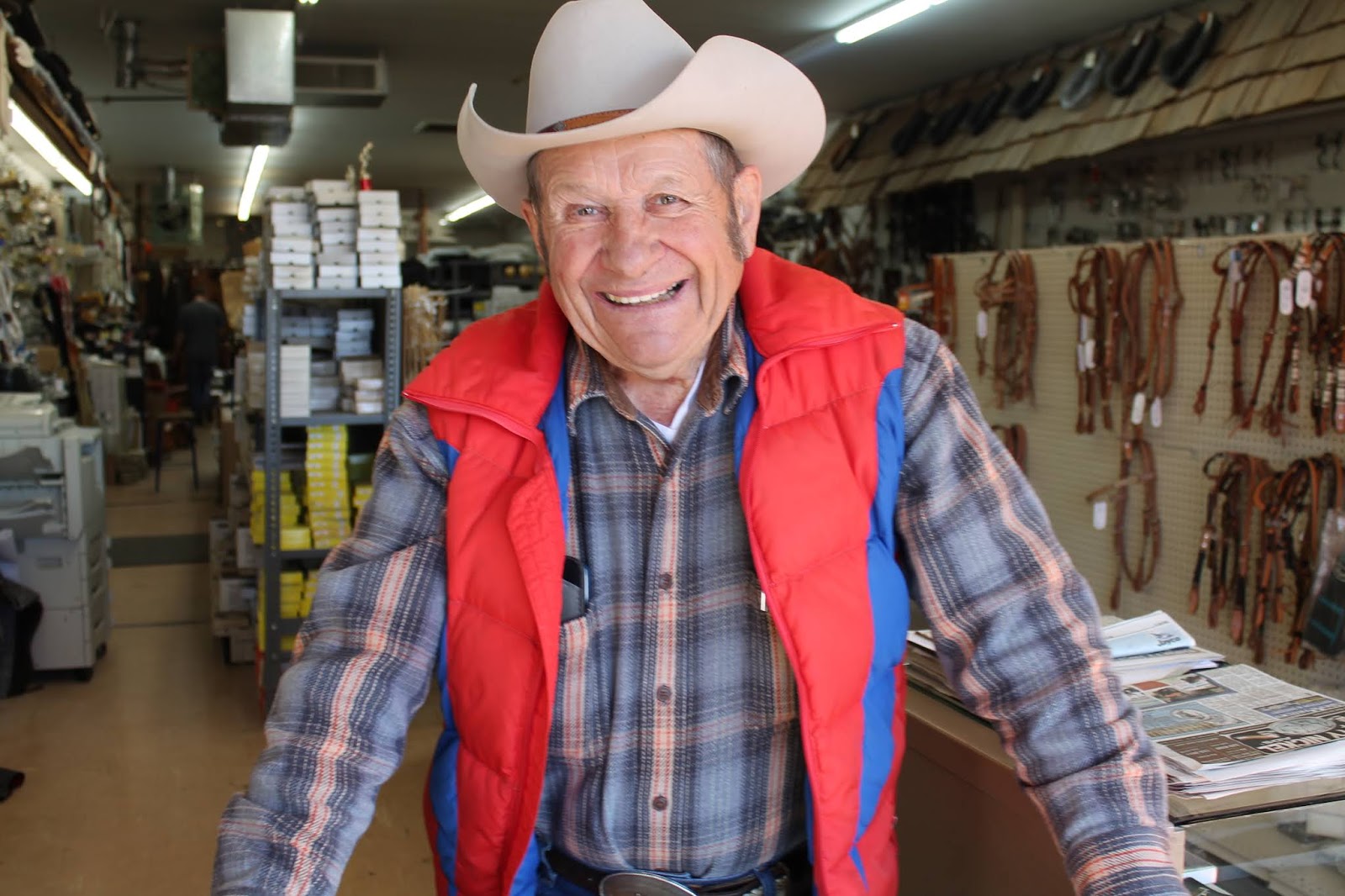
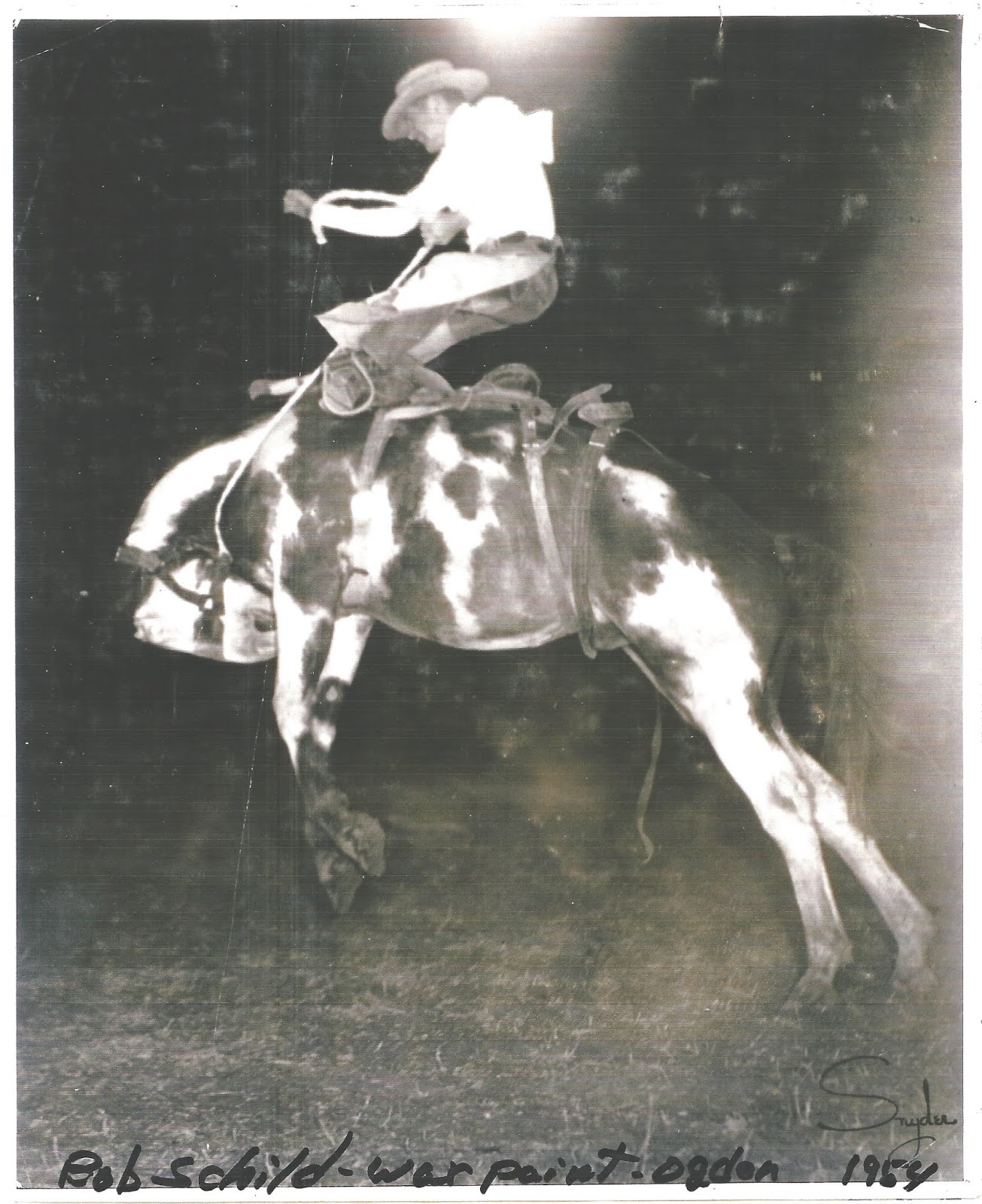
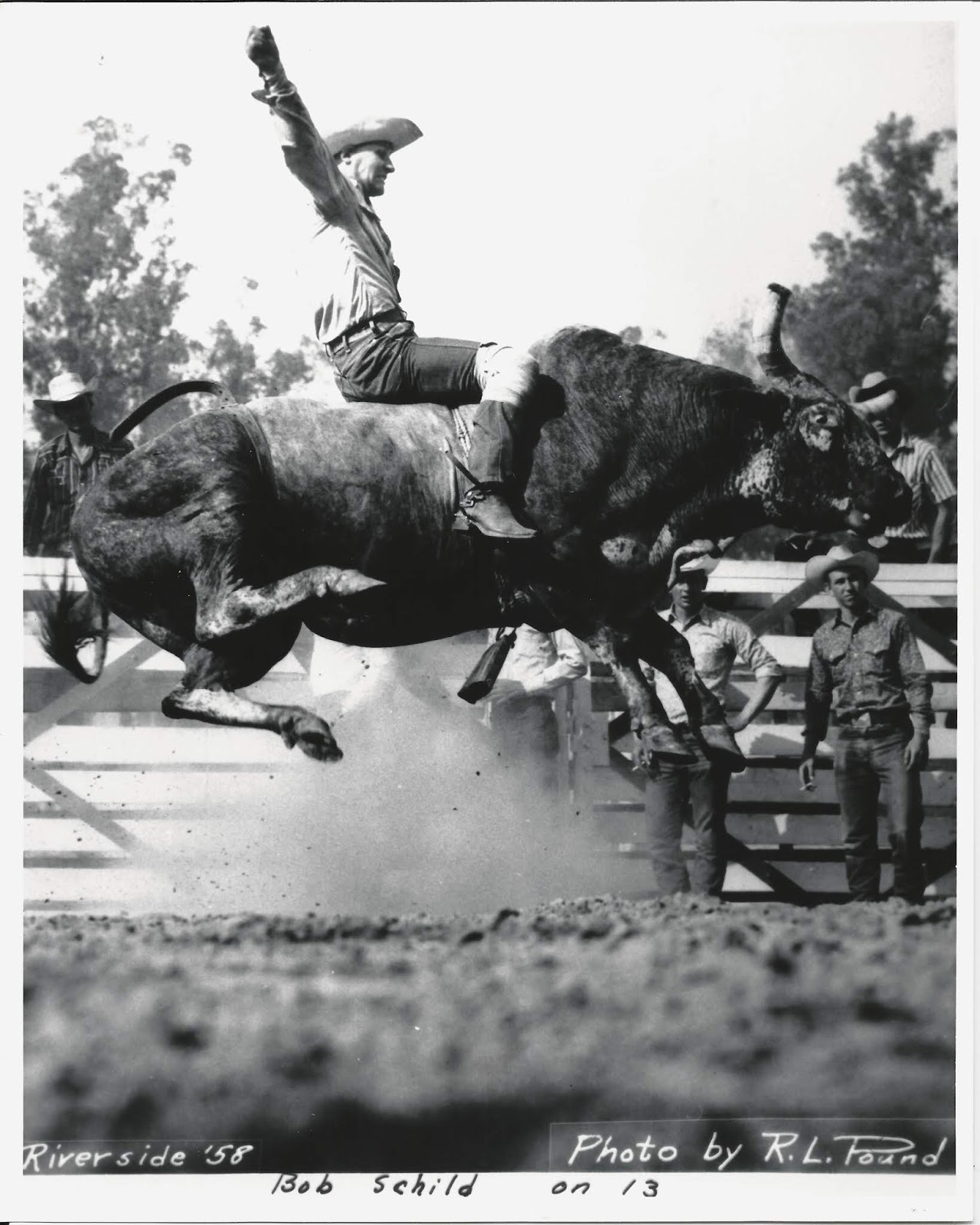
Bob Schild’s ride is over. He left us January 20. And, no matter what criteria you use for judging, Bob made the whistle on a winning ride. The years found Bob in a variety of arenas. He was a rodeo cowboy of the first order, successful in all the rough stock events with numerous championships to his credit. He was a businessman, establishing and operating B-Bar-B Leather for decades, building and selling saddles, rodeo gear, and providing all manner of horse equipment; a business passed down to his sons. He was a poet, long before cowboy poetry became the thing to do. When I first thought to pen poetry, I looked to Bob’s work for inspiration and an education. Beyond mere rhyming stories, Bob’s verse showed literary technique, deep thinking, and attention to craft. I wanted to meet him. I tracked Bob down at the National Circuit Finals Rodeo one year, where I found him sweeping up under the grandstands. That’s the way Bob was—always willing to lend a hand and do any job that needed doing. He was happy to make my acquaintance and willing to talk poetry and rodeo anytime, any place. We became friends, and for years engaged in a one-sided admiration society. I had little to contribute to the relationship. Bob gave it his all. I wish time and distance hadn’t gotten in the way of my spending more time with him. A few magazine articles focusing on Bob found their way into print, and it was difficult for me as a writer to maintain any semblance of objectivity when writing about him. I will never forget Bob Schild. Even though the whistle has sounded, his winning score is permanently inked in the record books.
January 20, 2020
One sitting each.
A “short story” has been defined as one that can be read in one sitting. That being the case,
January 9, 2020
Really stupid words, Chapter 10.

As you know, American English is a rich language with enough words and phrases to tell about anything and everything. And yet, rather than just use words as they are meant to be used, we abuse them and misuse them. Usually, in feeble attempts to sound more important. But those efforts fool few of us, and are just plain stupid.Then there are simple, ordinary, everyday words that get thrown into sentences where they serve no purpose whatsoever. “Different” comes to mind. It has a distinct, clear meaning to describe things that are not alike, or dissimilar, or, sometimes, unusual.For example: “I talked to three people and got three different answers.” It is clear that each person’s account was unlike the others.But I hear people say things like, “I talked to three different people,” or, “We visited six different states.” What purpose does “different” serve in those examples? Surely you couldn’t talk to three “same” people, or visit six “same” states.On the other hand, considering the first example, you could talk to three people and get the same answer.As far as I know, economy of language requires not wasting words by using them needlessly. Like “different.” You may have a different opinion.
December 30, 2019
Ding Dong.

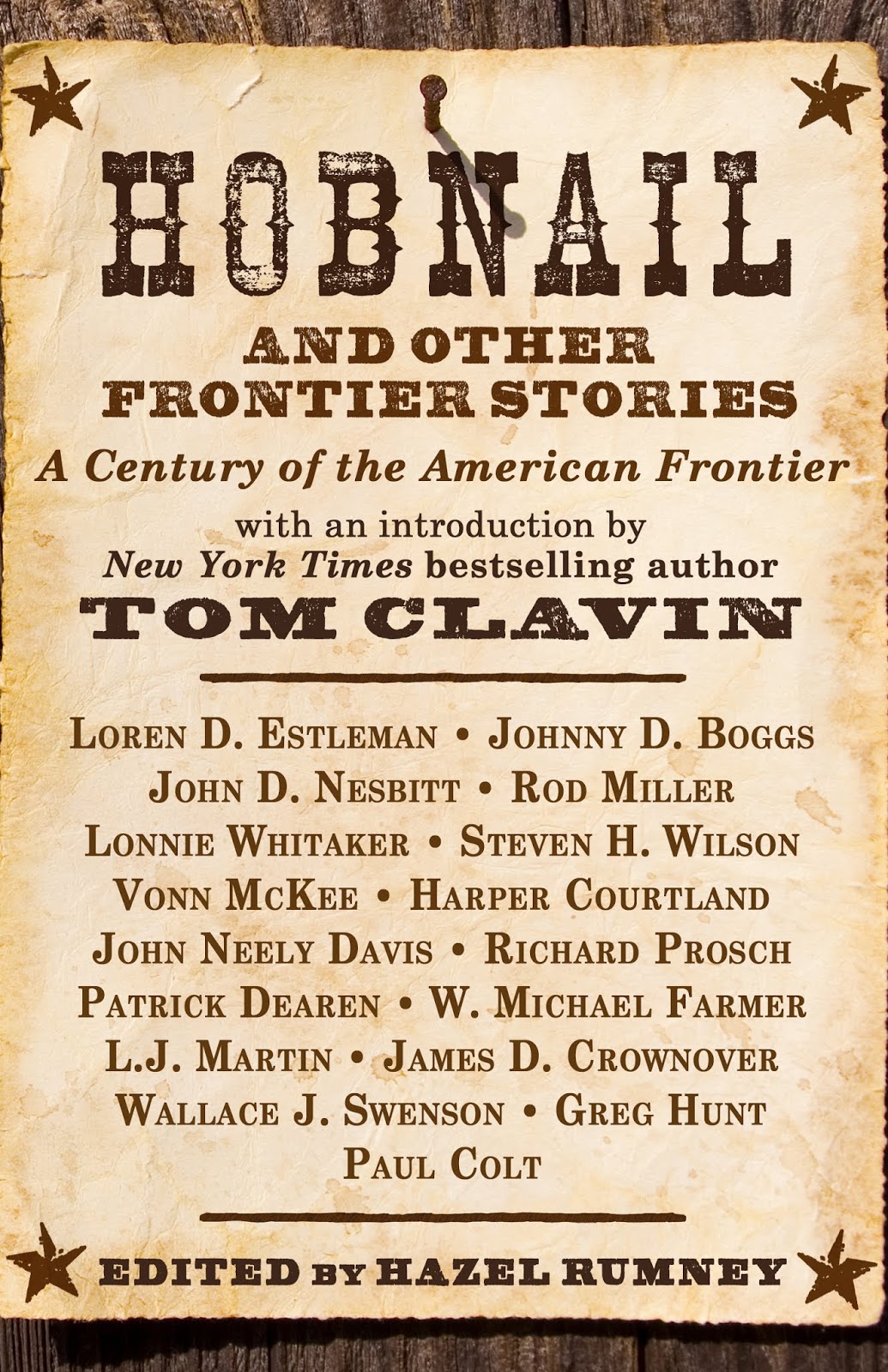
It’s the end of the year. Time to ring out 2019 and ring in 2020. Time to look back and time to look ahead. Time to take stock of our lives—or, in my case here, the writing life. No new books with my name on the spine were released in 2019, save the large-print edition of my November 2018 novel Father unto Many Sons . I am tempted to defend myself by saying I haven’t spent the year just sitting on my butt. Then it occurred to me that sitting on their butts is exactly what writers do. A lot. During all that sitting on my butt in 2019, I worked with Five Star Publishing to get Pinebox Collins ready for April 2020 release, and working on getting a second novel, A Thousand Dead Horses, ready for November release. A third novel, And the River Ran Red, is awaiting publication, most likely in 2021. A fourth novel, All My Sins Remembered, is also in Five Star’s hands.Late in 2019, Five Star released an anthology, Hobnail and Other Frontier Stories , which includes my short story, “The Times of a Sign.” And I worked with editors Nancy Plain and Rachelle “Rocky” Gibbons on a chapter for Go West: Seldom-Told Stories from History, a nonfiction anthology for young readers that Two Dot will publish in 2021. My piece is titled “Earl Bascom and His Bronc-Bustin’ Brothers: Fathers of Modern Rodeo.”I also managed to write a magazine article for Cowboys & Indians; another for Range magazine; a feature article, a column, and a poem for Saddlebag Dispatches; and a book review for True Westmagazine. And, Grits McMorrow reprinted several of my essays on writing poetry in his Minnekahta eMessenger. If I weren’t so lazy, I would get more done. Maybe in 2020….But for now, back to sitting on my butt.
December 16, 2019
Lies they tell writers, Part 52: No more lies.
Ever since I started posting things here, I have, with some regularity, posted “lies” writers tell other writers—and themselves—about writing. The point being that writers have to find their own way. Advice, counsel, instruction, guidelines, decrees—all those things can be helpful. But, in the end, there are no commandments from on high, no hard-and-fast, dyed-in-the-wool rules about how to become a writer.Had I posted these thoughts weekly, this entry would finish out a year’s worth. That ought to be enough. I suspect I have covered the subject as well as I know how, and then some.So, while I will continue to write about any and all aspects of the West, literature, poetry, art, and anything else that strikes my fancy, there will be no more “Lies they tell writers.”Enough is enough. And that’s the truth.


