Dan Wos's Blog, page 2
March 18, 2015
Are you living with Passion?
PASSION
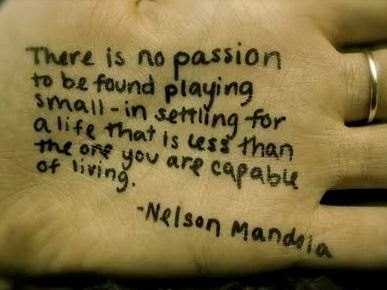
What is passion and where does it come from? People say things like, “I have a passion to do something”, or “She was very passionate in her speech.” Some might think passion is synonymous with drive. It’s like a will to do something, or an intense want. It’s almost as if to say, “I’m not fulfilled unless I do this thing”, or “I’m not fully satisfied yet.” Passion seems to have an element of being unsatisfied with the current situation. It’s about being unsatisfied enough, where you must take action and continue to take action until you are satisfied. It’s more painful to not take action. I like to think of passion as a fuel–a human fuel, with the highest level of achievement octane available. Kinda’ like a dragster that burns alcohol. The mini cooper burns regular fuel and it will get you from point A to point B, but the alcohol burning dragster gets you to point B in the blink of an eye and lights your pants on fire in the process. Success is driven by a fuel called passion. If you can’t find your passion, it’s important to take the time and do some soul searching until you find the things in your life that are most important to you. You know–the things you are here for.
Why are you here?
What is your mission in life?
These are the important questions. To live without passion in America is almost a crime because there is so much to do and so many possibilities at our fingertips. With all the freedoms and opportunities we have, it seems wasteful to me that people can suffer, complain and victimize themselves. The human spirit and the ability to be passionate about life is strong. To not embrace it, is no way to live. We must live with passion. Those who do are unstoppable.
For more go to: To your Success!Dan Wos
What is passion and where does it come from? People say things like, “I have a passion to do something”, or “She was very passionate in her speech.” Some might think passion is synonymous with drive. It’s like a will to do something, or an intense want. It’s almost as if to say, “I’m not fulfilled unless I do this thing”, or “I’m not fully satisfied yet.” Passion seems to have an element of being unsatisfied with the current situation. It’s about being unsatisfied enough, where you must take action and continue to take action until you are satisfied. It’s more painful to not take action. I like to think of passion as a fuel–a human fuel, with the highest level of achievement octane available. Kinda’ like a dragster that burns alcohol. The mini cooper burns regular fuel and it will get you from point A to point B, but the alcohol burning dragster gets you to point B in the blink of an eye and lights your pants on fire in the process. Success is driven by a fuel called passion. If you can’t find your passion, it’s important to take the time and do some soul searching until you find the things in your life that are most important to you. You know–the things you are here for.
Why are you here?
What is your mission in life?
These are the important questions. To live without passion in America is almost a crime because there is so much to do and so many possibilities at our fingertips. With all the freedoms and opportunities we have, it seems wasteful to me that people can suffer, complain and victimize themselves. The human spirit and the ability to be passionate about life is strong. To not embrace it, is no way to live. We must live with passion. Those who do are unstoppable.
For more go to: To your Success!Dan Wos


February 21, 2015
Have you been brainwashed? Chapter 4 from Defining Success in America
4. REPROGRAMMING THE SUBCONSCIOUS MIND
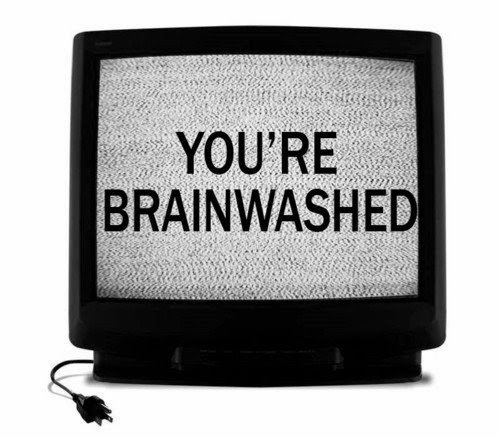
HAVE YOU BEEN BRAINWASHED?To change your level of success, wealth, happiness or health you have to first change the way you think. The way you think is a result of the programming that has been installed in your brain since the day you were born. Your parents, teachers, friends, family, and even companies that market to you on a regular basis have programmed you. For example, which company do you think of when you hear the phrase “I’m lovin’ it”....? Exactly! McDonalds has spent a lot of money to brainwash you. How ‘bout, “Just do it”....? If you said Nike, you would be confirming the fact that your brain has been hijacked. Companies like McDonalds and Nike get in your head because they want you to think of them as friendly and familiar so you will trade your hard earned dollars for their products. Have you ever eaten a Big Mac or worn a pair of Nike running shoes. These are two of many companies that people in America have come to know and love. Just the idea that I thought of these two companies while writing this chapter is testament to the fact that they got me too. I’m not saying they are bad. I’m just making the point as to how easily our brains are influenced. What about your parents? These are the people that have loved and raised you since you were a baby. Do you think they had an influence on the way you think and process things? Did they have an influence on your thought process with respect to decisions you have made throughout your life? Maybe you have caught yourself doing something and noticed that it was very similar to something your Mom or Dad would do. A funny quote I heard, read: “Every time I open my mouth, my Mother comes out.” What were some of your parent’s beliefs around money or success? To what extent did they practice good health? How similar is your life to theirs in those areas? Even your friends have a huge influence on the way you think, process things and make decisions. Did you know that your bank balance is the average of the five people you spend the most time with? It’s true. Test it. Who do you spend the most time with? It’s highly unlikely that you make less than fifty thousand a year and you are hanging out with millionaires. It’s also highly unlikely that you are a millionaire and you are hanging out with people that earn less than fifty thousand a year. There is nothing wrong with any financial class, but the point is, the way we think, shapes our life and those who think alike attract each other. Those who spend time together, influence each other–financially and morally. This is why millionaires seek out billionaires. They understand this. So, if you don’t come from a mindset of wealth or success, completely changing your whole outlook and the way you operate from the inside out will take some time. It’s not a quick process but it is possible. It takes constant learning and installing new data to change the way you think long term. This doesn’t mean that for one day out of the year you can think positive and magically get new results. You have to change the way you think all the time, everyday, all day. Your whole internal mechanism has to be re-geared so you are living a life that is fueled by a mind that thinks in a forward moving way. So how do you do this? You are on the right track. By reading this, you are seeking knowledge. You are further ahead than most. You start the journey by reading, listening to audio, attending seminars and spending time with people that will encourage your personal growth. Immerse yourself in success and wealth materials. It does take awhile, but at one point you will realize that the life around you has changed. You’ll look around you and see that the people in your life have changed for the better, your level of wealth has changed and the way you think about money has changed. You may be more articulate with money, you may have more of an investor’s mindset and you may find yourself focusing more on building wealth and creating assets. Then, every once in awhile you may find yourself looking back five, ten, fifteen years ago comparing your past to your new life. It is an amazing gift to see the stark comparison. You can’t help but smile. Once you start to see and recognize your results it gives you more fuel to do it again the next day and you start to develop a passion for the way you think. You may also develop a passion for setting and achieving goals because the achievement is a terrific feeling. Your life then starts to build momentum in a positive forward moving direction that is unstoppable. I saw a quote today that explains how some people keep them selves from acquiring wealth and prosperity. It read: “Why is it that people who have it all can’t be thankful for what they have? They always want more. While people who have nothing, count their blessings everyday.” This quote was clearly written by someone who has not acquired wealth and it is a very misleading and inaccurate statement, in my opinion. Let’s break this statement down, and I’ll explain why. You’ll also see why this type of thinking is destructive. For starters, let’s look at the first three words: “Why is it”, This is a clever way of encouraging the reader to automatically assume the rest of the statement is true. It sets the reader up for the rest of the statement. This is a trick that is used everywhere we look (if we look). It is used in the marketing of products, in politics, etc. In other words, by asking you “why something is”, your mind instantly starts searching for the answers to the question and completely overlooks the fact that there is no data backing up the claim. The statement could be completely false, but you are on the mission to find answers as to why it is true and never stop to question the validity of the statement itself. Make sense? If not, read that again. Next, the entire first sentence: “Why is it that people who have it all can’t be thankful for what they have? This line presupposes that people who live in abundance aren’t thankful for what they have. Not only that, it also says they can’t be thankful. In other words, they are not capable of being thankful. Almost like prosperity is some sort of affliction that debilitates the gratitude process. Nonsense. Besides the fact that this statement is just not true, it is completely ignorant. As a matter of fact, the wealthy people I know are extremely grateful for the abundance in their lives. They are also acutely aware of the areas they want to improve. I do agree however, that the media and Hollywood do a great job of portraying the rich as ruthless and criminal but the reality of the wealthy mindset is most often the exact opposite. Ok so far? Let’s take a peek at the next sentence:“They always want more.” This one is particularly disturbing. It presupposes that wanting more is bad. Of course they want more! Yes, prosperous people always want more. That’s the fuel that keeps them going and that is the same fuel that got them all the great abundance they now have in their lives. Wanting more is good. If poor people wanted more, they wouldn’t be poor! You see–here’s the thing. Poor people say they want more, if you ask them. But the reality is, they usually don’t want it bad enough. I’m not talking about starving children in Zimbabwe. I’m referring to people who are capable of doing great things and live in areas of the world where prosperity is attainable. Most people who complain about the wealthy are not committed to put in the time and effort to become wealthy. Lying around on the couch all weekend and buying lottery tickets is not effort. The wealthy and successful in this world work hard and smart. They are putting deals together, making things happen and contributing to society through business and other contributions while the broke sit around and complain. Wanting more is good. Always want more. Let’s look at the last sentence:“While people who have nothing, count their blessings everyday.” Again, there is a presupposition here, that the prosperous don’t count their blessings. Not true. As I said before, the wealthy are very thankful. That is a big part of why they are wealthy in the first place. This sentence also portrays the poor as a regal group. It says that they are grateful. Gratitude is an admiral thing and this sentence makes it appear that it is admiral to have nothing. All I know is that I would rather have a million blessings to count, than none. What’s the point to all this? There is a huge point. Those who fill their heads with negative nonsense like this will never allow themselves to acquire wealth, because in their minds, they turn wealth into a bad thing. Since no one wants to be a bad person, they avoid prosperity at all costs and will typically sabotage their own success. So, why do we believe things like this? My theory is that broke people hang out with other broke people, fill each other’s minds with negative beliefs, and complain about the wealthy because it justifies their own position in life. It makes them feel like the “good guys”. I understand the concept. What I don’t understand is how some people can justify this type of behavior their entire lives, even after seeing that the results are negative, time and time again. The writing is on the wall, but some people turn a blind eye to it. There is a world of abundance out there (especially in America). All you have to do is get it. Once you get it, you can share with the ones you love, help those who need help, and build a better world for your children, grandchildren and future generations down the line. Unfortunately, many don’t take that route. Instead they condemn those who have abundance and wonder why they can’t......
To purchase a copy of Defining Success in America, Click Here.
To your Success,Dan Wos
HAVE YOU BEEN BRAINWASHED?To change your level of success, wealth, happiness or health you have to first change the way you think. The way you think is a result of the programming that has been installed in your brain since the day you were born. Your parents, teachers, friends, family, and even companies that market to you on a regular basis have programmed you. For example, which company do you think of when you hear the phrase “I’m lovin’ it”....? Exactly! McDonalds has spent a lot of money to brainwash you. How ‘bout, “Just do it”....? If you said Nike, you would be confirming the fact that your brain has been hijacked. Companies like McDonalds and Nike get in your head because they want you to think of them as friendly and familiar so you will trade your hard earned dollars for their products. Have you ever eaten a Big Mac or worn a pair of Nike running shoes. These are two of many companies that people in America have come to know and love. Just the idea that I thought of these two companies while writing this chapter is testament to the fact that they got me too. I’m not saying they are bad. I’m just making the point as to how easily our brains are influenced. What about your parents? These are the people that have loved and raised you since you were a baby. Do you think they had an influence on the way you think and process things? Did they have an influence on your thought process with respect to decisions you have made throughout your life? Maybe you have caught yourself doing something and noticed that it was very similar to something your Mom or Dad would do. A funny quote I heard, read: “Every time I open my mouth, my Mother comes out.” What were some of your parent’s beliefs around money or success? To what extent did they practice good health? How similar is your life to theirs in those areas? Even your friends have a huge influence on the way you think, process things and make decisions. Did you know that your bank balance is the average of the five people you spend the most time with? It’s true. Test it. Who do you spend the most time with? It’s highly unlikely that you make less than fifty thousand a year and you are hanging out with millionaires. It’s also highly unlikely that you are a millionaire and you are hanging out with people that earn less than fifty thousand a year. There is nothing wrong with any financial class, but the point is, the way we think, shapes our life and those who think alike attract each other. Those who spend time together, influence each other–financially and morally. This is why millionaires seek out billionaires. They understand this. So, if you don’t come from a mindset of wealth or success, completely changing your whole outlook and the way you operate from the inside out will take some time. It’s not a quick process but it is possible. It takes constant learning and installing new data to change the way you think long term. This doesn’t mean that for one day out of the year you can think positive and magically get new results. You have to change the way you think all the time, everyday, all day. Your whole internal mechanism has to be re-geared so you are living a life that is fueled by a mind that thinks in a forward moving way. So how do you do this? You are on the right track. By reading this, you are seeking knowledge. You are further ahead than most. You start the journey by reading, listening to audio, attending seminars and spending time with people that will encourage your personal growth. Immerse yourself in success and wealth materials. It does take awhile, but at one point you will realize that the life around you has changed. You’ll look around you and see that the people in your life have changed for the better, your level of wealth has changed and the way you think about money has changed. You may be more articulate with money, you may have more of an investor’s mindset and you may find yourself focusing more on building wealth and creating assets. Then, every once in awhile you may find yourself looking back five, ten, fifteen years ago comparing your past to your new life. It is an amazing gift to see the stark comparison. You can’t help but smile. Once you start to see and recognize your results it gives you more fuel to do it again the next day and you start to develop a passion for the way you think. You may also develop a passion for setting and achieving goals because the achievement is a terrific feeling. Your life then starts to build momentum in a positive forward moving direction that is unstoppable. I saw a quote today that explains how some people keep them selves from acquiring wealth and prosperity. It read: “Why is it that people who have it all can’t be thankful for what they have? They always want more. While people who have nothing, count their blessings everyday.” This quote was clearly written by someone who has not acquired wealth and it is a very misleading and inaccurate statement, in my opinion. Let’s break this statement down, and I’ll explain why. You’ll also see why this type of thinking is destructive. For starters, let’s look at the first three words: “Why is it”, This is a clever way of encouraging the reader to automatically assume the rest of the statement is true. It sets the reader up for the rest of the statement. This is a trick that is used everywhere we look (if we look). It is used in the marketing of products, in politics, etc. In other words, by asking you “why something is”, your mind instantly starts searching for the answers to the question and completely overlooks the fact that there is no data backing up the claim. The statement could be completely false, but you are on the mission to find answers as to why it is true and never stop to question the validity of the statement itself. Make sense? If not, read that again. Next, the entire first sentence: “Why is it that people who have it all can’t be thankful for what they have? This line presupposes that people who live in abundance aren’t thankful for what they have. Not only that, it also says they can’t be thankful. In other words, they are not capable of being thankful. Almost like prosperity is some sort of affliction that debilitates the gratitude process. Nonsense. Besides the fact that this statement is just not true, it is completely ignorant. As a matter of fact, the wealthy people I know are extremely grateful for the abundance in their lives. They are also acutely aware of the areas they want to improve. I do agree however, that the media and Hollywood do a great job of portraying the rich as ruthless and criminal but the reality of the wealthy mindset is most often the exact opposite. Ok so far? Let’s take a peek at the next sentence:“They always want more.” This one is particularly disturbing. It presupposes that wanting more is bad. Of course they want more! Yes, prosperous people always want more. That’s the fuel that keeps them going and that is the same fuel that got them all the great abundance they now have in their lives. Wanting more is good. If poor people wanted more, they wouldn’t be poor! You see–here’s the thing. Poor people say they want more, if you ask them. But the reality is, they usually don’t want it bad enough. I’m not talking about starving children in Zimbabwe. I’m referring to people who are capable of doing great things and live in areas of the world where prosperity is attainable. Most people who complain about the wealthy are not committed to put in the time and effort to become wealthy. Lying around on the couch all weekend and buying lottery tickets is not effort. The wealthy and successful in this world work hard and smart. They are putting deals together, making things happen and contributing to society through business and other contributions while the broke sit around and complain. Wanting more is good. Always want more. Let’s look at the last sentence:“While people who have nothing, count their blessings everyday.” Again, there is a presupposition here, that the prosperous don’t count their blessings. Not true. As I said before, the wealthy are very thankful. That is a big part of why they are wealthy in the first place. This sentence also portrays the poor as a regal group. It says that they are grateful. Gratitude is an admiral thing and this sentence makes it appear that it is admiral to have nothing. All I know is that I would rather have a million blessings to count, than none. What’s the point to all this? There is a huge point. Those who fill their heads with negative nonsense like this will never allow themselves to acquire wealth, because in their minds, they turn wealth into a bad thing. Since no one wants to be a bad person, they avoid prosperity at all costs and will typically sabotage their own success. So, why do we believe things like this? My theory is that broke people hang out with other broke people, fill each other’s minds with negative beliefs, and complain about the wealthy because it justifies their own position in life. It makes them feel like the “good guys”. I understand the concept. What I don’t understand is how some people can justify this type of behavior their entire lives, even after seeing that the results are negative, time and time again. The writing is on the wall, but some people turn a blind eye to it. There is a world of abundance out there (especially in America). All you have to do is get it. Once you get it, you can share with the ones you love, help those who need help, and build a better world for your children, grandchildren and future generations down the line. Unfortunately, many don’t take that route. Instead they condemn those who have abundance and wonder why they can’t......
To purchase a copy of Defining Success in America, Click Here.
To your Success,Dan Wos
December 19, 2014
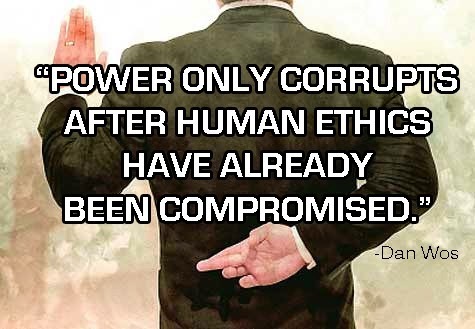
Power only corrupts, after human ethics have already been compromised.
Power only corrupts, after human ethics have already been compromised. - Dan Wos

August 27, 2014
Capitalism
In light of the Burger King Canadian purchase, a lot of conversations have come up about taxes, minimum wage and capitalism. I will share the "Capitalism" section from my book
Before I get to the interview I wanted to share my thoughts on the economy as I see it today. I am concerned with the fact that our President is threatening to fine / tax a major American corporation for moving to Canada because I don't believe punishment for making a profit serves the greater good.
If the idea is to keep money in the U.S.A. wouldn't it make sense to give tax breaks to companies that manufacture products and provide jobs here?
Let me ask this: Why is it that we buy Chinese products over American made products? It's not a trick question. The answer is simple. Because they are cheaper. Why is that? Lower labor rates primarily. So why is it that we have not taxed Chinese products to the point that they are competitively priced with American products? That's a good question. Wouldn't it seem that we would tend to choose American made over Chinese made, as long as the quality was comparable? Wouldn't this increase the incentive to manufacture in America? Donald Trump has been advocating a tax increase on Chinese imports for years.
Well, we haven't. Luckily despite our lack of Governmental attention to this, The Chinese labor rate is increasing on it's own. But we have a long way to go before the tables are turned.
So that being said, does it make any sense to make it even more expensive for Companies to operate in America? I mean, if we want to create jobs that is. <sarcasm>
The funny thing is, the same people who are demanding a minimum wage increase for flipping burgers at Burger King are the same ones who want to increase taxes on.......you guessed it, Burger King! How does that make any sense when these people need a job. They are pushing the company out of the country while still demanding a job with higher pay and increased taxes and penalties to the company.
This Country was built on Capitalism. People came here to build businesses and raise families. We seem to have a sense of resentment toward those who work hard and actualize those dreams. Oh, and dare I say "make a profit". The smear tactics we use against productive and wealthy people is just plain wrong. But it makes sense when the system has been perverted to take from the "Makers" and give to the "Takers". This is the "Robin Hood affect" I talk about in my book
So, I don't blame Burger King for moving to Canada. It's inevitable because the entrepreneurial spirit is a human trait, not a regional one and I would expect productive, creative people to do whatever necessary to build and continue to move forward. I am a little saddened to admit that it has come to this, but I also believe we will one day rise again to become the mecca of productivity.
Now, lets get to it. Here's the section of
CAPITALISM
“ Capitalism’s essence and greatest virtue is that it is a system based on the recognition of individual rights–One mans right to exist and work for his own sake.”– Ayn Rand
Capitalism is the right of a person to work and/or do business with the ability to gain monetarily from the process. This is what America is based on. Once that ability is gone, I believe we are in a socialistic system. Ayn Rand spoke of the destruction of capitalism in her book “Atlas Shrugged” (1957) and again later in “Capitalism–the Unknown Ideal” (1966). Both these books are a must for anyone who plans on doing business in the U.S.A. My interview with Mike Lurie went so well, I thought I would bring another pro into the mix. This time, I sought the knowledge of Brendan Murray from Murray Wealth Management. When it comes to money and how it moves in America, Brendan knows what he’s talking about. Enjoy!DW: Brendan, thanks so much for doing this interview. Would you care to talk a little on capitalism?
Brendan: Absolutely, I’m happy to.
DW: For starters, what is it in your opinion?Brendan: Well, capitalism is an economic system that’s based on private business with the goal of making a profit. In other words, it’s a system where the ability to produce is driven by individuals, not the government. Another way to look at it is–you eat what you kill, nothing is given to you.
DW: What about pricing points, who determines that?
Brendan: The individuals involved determine the exchange of wealth.
DW: So it sounds to me like the market determines the value or cost of goods and services.
Brendan: Exactly. Competition and quality of goods and services play a big role in that.
DW: How is it that some countries thrive monetarily and others don’t?
Brendan: The reason some countries remain underdeveloped and others flourish is typically a result of natural resources and that country’s ability to harvest those resources. Countries also need to create a political constitution that allows the people the ability to work and prosper from their own efforts. Some countries may have strong natural resources but weak governments–or vice versa.
DW: Can you explain our stock market and how it relates to the overall economy in America?
Brendan: Sure. The stock market and the economy are closely linked in many investors’ minds primarily because the media often blends the two as if they were the same thing.
DW: So, they’re not?
Brendan: No, not really. While the stock market may respond to economic indicators or news, it doesn’t always respond in a way that makes sense. The economy and the stock market may have a lot in common, but the stock market is not the economy and the economy is not the stock market. Historically, the stock market would be a reflection of how well the economy is doing.
DW: What purpose does the Federal Reserve play, and do we really need it?
Brendan: The Federal Reserve System (otherwise known as the “Fed”) is the central bank of the United States. It was created by congress for the purpose of providing the nation with a safer more stable monetary system. It was created in 1913 when President Woodrow Wilson signed the Federal Reserve Act into law.
DW: Can you explain what quantitative easing is?
Brendan: Sure. The U.S. is now experimenting with quantitative easing. What it is, (and they have explicitly stated) is their attempt to create a “wealth effect”. Simply by printing money and buying assets, they are hoping this will make people “more wealthy” and stimulate the economy. So, even though the economy has been relatively weak for the past few years, the stock market has increased over 100% from it’s 2008 lows.
DW: Doesn’t this “printing money” have a downside?
Brendan: Yes and no. Although the money printing is directly responsible for the increase in the stock market and has helped increase 401k values–the true success of the program has yet to be determined.
DW: Why? What do you mean?
Brendan: Many people fear a rapid inflation in the future. Also, much of the QE has been used to purchase government bonds–to keep rates lower–and this has punished “savers” of CD’s and bonds (who don’t want to speculate in stocks and equities).
DW: When we print money, how does that affect the average person?
Brendan: The money printed by the Federal Reserve does not end up in the hands of the people. It goes directly to the bank. Currently, much of this money ends up in the stock market for the purpose of inflating asset values. This pushes the Dow Jones Industrial average and S&P higher but does not necessarily increase hiring or consumer spending. Which (in my opinion) is one of the main drivers of the U.S. economy.
DW: I agree. How does QE affect the large corporations in this country?
Brendan: Well, it definitely affects their stock price. As the Fed uses QE to purchase assets, the stock prices of many companies have seen a strong price appreciation. Even though it could be argued that the company’s fundamentals are not very strong. It has also allowed large corporations to refinance debt at record low rates and buyback stock at rates of nearly zero percent.
DW: Sounds good for the companies. No?
Brendan: Yes, it has resulted in better earnings per share. This has been a huge profit center for those who own equity in these companies, but for those who purchase the debt (or bonds) of these companies, they are forced to accept lower rates of return.
DW: How does it affect the financial health of our Country?
Brendan: The Fed’s decision has affected the health of the Country for both the better and the worse. For speculators who invest in equities, the enormous amount of money that goes into the capital markets to buy assets has had a very positive effect on the price of capital assets and has resulted in very large gains over the past five years. However, for savers–who refuse to participate in the equity markets– they have received very low rates of return.
DW: You mean, relative to inflation?
Brendan: Yes. The returns are much lower than the pace of inflation. With a five-year government bond yielding a little over 1%, fixed income investors have had a very difficult time during the Fed’s QE policies. For example, if rates were normalized over the past five years, an investor would have earned 5-6% in a relatively safe investment and the compound return would have been nearly 40%–as opposed to 7% with current interest rate policies.
DW: So, I see the good and the bad.
Brendan: Right. One could argue that the policies of the Fed have been good because of the gains in the stock market. However, if the stock market was to sell off substantially and those gains are not realized, not only will the policies of the Fed prove ineffective, but fixed income investors would also have missed out on normalized rates of return, due to the Fed’s enormous QE experiment to create a “wealth effect”.
DW: Wow. That’s some great info. Thanks so much. It’s great to be able to call on guys like you for info like this.
Brendan: No problem. I’m glad to help. Anytime.
To your Success,Dan Wos
Before I get to the interview I wanted to share my thoughts on the economy as I see it today. I am concerned with the fact that our President is threatening to fine / tax a major American corporation for moving to Canada because I don't believe punishment for making a profit serves the greater good.
If the idea is to keep money in the U.S.A. wouldn't it make sense to give tax breaks to companies that manufacture products and provide jobs here?
Let me ask this: Why is it that we buy Chinese products over American made products? It's not a trick question. The answer is simple. Because they are cheaper. Why is that? Lower labor rates primarily. So why is it that we have not taxed Chinese products to the point that they are competitively priced with American products? That's a good question. Wouldn't it seem that we would tend to choose American made over Chinese made, as long as the quality was comparable? Wouldn't this increase the incentive to manufacture in America? Donald Trump has been advocating a tax increase on Chinese imports for years.
Well, we haven't. Luckily despite our lack of Governmental attention to this, The Chinese labor rate is increasing on it's own. But we have a long way to go before the tables are turned.
So that being said, does it make any sense to make it even more expensive for Companies to operate in America? I mean, if we want to create jobs that is. <sarcasm>
The funny thing is, the same people who are demanding a minimum wage increase for flipping burgers at Burger King are the same ones who want to increase taxes on.......you guessed it, Burger King! How does that make any sense when these people need a job. They are pushing the company out of the country while still demanding a job with higher pay and increased taxes and penalties to the company.
This Country was built on Capitalism. People came here to build businesses and raise families. We seem to have a sense of resentment toward those who work hard and actualize those dreams. Oh, and dare I say "make a profit". The smear tactics we use against productive and wealthy people is just plain wrong. But it makes sense when the system has been perverted to take from the "Makers" and give to the "Takers". This is the "Robin Hood affect" I talk about in my book
So, I don't blame Burger King for moving to Canada. It's inevitable because the entrepreneurial spirit is a human trait, not a regional one and I would expect productive, creative people to do whatever necessary to build and continue to move forward. I am a little saddened to admit that it has come to this, but I also believe we will one day rise again to become the mecca of productivity.
Now, lets get to it. Here's the section of
CAPITALISM
“ Capitalism’s essence and greatest virtue is that it is a system based on the recognition of individual rights–One mans right to exist and work for his own sake.”– Ayn Rand
Capitalism is the right of a person to work and/or do business with the ability to gain monetarily from the process. This is what America is based on. Once that ability is gone, I believe we are in a socialistic system. Ayn Rand spoke of the destruction of capitalism in her book “Atlas Shrugged” (1957) and again later in “Capitalism–the Unknown Ideal” (1966). Both these books are a must for anyone who plans on doing business in the U.S.A. My interview with Mike Lurie went so well, I thought I would bring another pro into the mix. This time, I sought the knowledge of Brendan Murray from Murray Wealth Management. When it comes to money and how it moves in America, Brendan knows what he’s talking about. Enjoy!DW: Brendan, thanks so much for doing this interview. Would you care to talk a little on capitalism?
Brendan: Absolutely, I’m happy to.
DW: For starters, what is it in your opinion?Brendan: Well, capitalism is an economic system that’s based on private business with the goal of making a profit. In other words, it’s a system where the ability to produce is driven by individuals, not the government. Another way to look at it is–you eat what you kill, nothing is given to you.
DW: What about pricing points, who determines that?
Brendan: The individuals involved determine the exchange of wealth.
DW: So it sounds to me like the market determines the value or cost of goods and services.
Brendan: Exactly. Competition and quality of goods and services play a big role in that.
DW: How is it that some countries thrive monetarily and others don’t?
Brendan: The reason some countries remain underdeveloped and others flourish is typically a result of natural resources and that country’s ability to harvest those resources. Countries also need to create a political constitution that allows the people the ability to work and prosper from their own efforts. Some countries may have strong natural resources but weak governments–or vice versa.
DW: Can you explain our stock market and how it relates to the overall economy in America?
Brendan: Sure. The stock market and the economy are closely linked in many investors’ minds primarily because the media often blends the two as if they were the same thing.
DW: So, they’re not?
Brendan: No, not really. While the stock market may respond to economic indicators or news, it doesn’t always respond in a way that makes sense. The economy and the stock market may have a lot in common, but the stock market is not the economy and the economy is not the stock market. Historically, the stock market would be a reflection of how well the economy is doing.
DW: What purpose does the Federal Reserve play, and do we really need it?
Brendan: The Federal Reserve System (otherwise known as the “Fed”) is the central bank of the United States. It was created by congress for the purpose of providing the nation with a safer more stable monetary system. It was created in 1913 when President Woodrow Wilson signed the Federal Reserve Act into law.
DW: Can you explain what quantitative easing is?
Brendan: Sure. The U.S. is now experimenting with quantitative easing. What it is, (and they have explicitly stated) is their attempt to create a “wealth effect”. Simply by printing money and buying assets, they are hoping this will make people “more wealthy” and stimulate the economy. So, even though the economy has been relatively weak for the past few years, the stock market has increased over 100% from it’s 2008 lows.
DW: Doesn’t this “printing money” have a downside?
Brendan: Yes and no. Although the money printing is directly responsible for the increase in the stock market and has helped increase 401k values–the true success of the program has yet to be determined.
DW: Why? What do you mean?
Brendan: Many people fear a rapid inflation in the future. Also, much of the QE has been used to purchase government bonds–to keep rates lower–and this has punished “savers” of CD’s and bonds (who don’t want to speculate in stocks and equities).
DW: When we print money, how does that affect the average person?
Brendan: The money printed by the Federal Reserve does not end up in the hands of the people. It goes directly to the bank. Currently, much of this money ends up in the stock market for the purpose of inflating asset values. This pushes the Dow Jones Industrial average and S&P higher but does not necessarily increase hiring or consumer spending. Which (in my opinion) is one of the main drivers of the U.S. economy.
DW: I agree. How does QE affect the large corporations in this country?
Brendan: Well, it definitely affects their stock price. As the Fed uses QE to purchase assets, the stock prices of many companies have seen a strong price appreciation. Even though it could be argued that the company’s fundamentals are not very strong. It has also allowed large corporations to refinance debt at record low rates and buyback stock at rates of nearly zero percent.
DW: Sounds good for the companies. No?
Brendan: Yes, it has resulted in better earnings per share. This has been a huge profit center for those who own equity in these companies, but for those who purchase the debt (or bonds) of these companies, they are forced to accept lower rates of return.
DW: How does it affect the financial health of our Country?
Brendan: The Fed’s decision has affected the health of the Country for both the better and the worse. For speculators who invest in equities, the enormous amount of money that goes into the capital markets to buy assets has had a very positive effect on the price of capital assets and has resulted in very large gains over the past five years. However, for savers–who refuse to participate in the equity markets– they have received very low rates of return.
DW: You mean, relative to inflation?
Brendan: Yes. The returns are much lower than the pace of inflation. With a five-year government bond yielding a little over 1%, fixed income investors have had a very difficult time during the Fed’s QE policies. For example, if rates were normalized over the past five years, an investor would have earned 5-6% in a relatively safe investment and the compound return would have been nearly 40%–as opposed to 7% with current interest rate policies.
DW: So, I see the good and the bad.
Brendan: Right. One could argue that the policies of the Fed have been good because of the gains in the stock market. However, if the stock market was to sell off substantially and those gains are not realized, not only will the policies of the Fed prove ineffective, but fixed income investors would also have missed out on normalized rates of return, due to the Fed’s enormous QE experiment to create a “wealth effect”.
DW: Wow. That’s some great info. Thanks so much. It’s great to be able to call on guys like you for info like this.
Brendan: No problem. I’m glad to help. Anytime.
To your Success,Dan Wos
March 19, 2014
Are your thoughts prosperous or limiting?

I saw a quote today that explains how some people keep them selves from acquiring wealth and prosperity. It read: “Why is it that people who have it all can’t be thankful for what they have? They always want more. While people who have nothing, count their blessings everyday.” This quote was clearly written by someone who has not acquired wealth and it is a very misleading and inaccurate statement, in my opinion. Let’s break this statement down, and I’ll explain why. You’ll also see why this type of thinking is destructive. For starters, let’s look at the first three words: “Why is it”, This is a clever way of encouraging the reader to automatically assume the rest of the statement is true. It sets the reader up for the rest of the statement. This is a trick that is used everywhere we look (if we look). It is used in the marketing of products, in politics, etc. In other words, by asking you “why something is”, your mind instantly starts searching for the answers to the question and completely overlooks the fact that there is no data backing up the claim. The statement could be completely false, but you are on the mission to find answers as to why it is true and never stop to question the validity of the statement itself. Make sense? If not, read that again. Next, the entire first sentence: “Why is it that people who have it all can’t be thankful for what they have? This line presupposes that people who live in abundance aren’t thankful for what they have. Not only that, it also says they can’t be thankful. In other words, they are not capable of being thankful. Almost like prosperity is some sort of affliction that debilitates the gratitude process. Nonsense. Besides the fact that this statement is just not true, it is completely ignorant. As a matter of fact, the wealthy people I know are extremely grateful for the abundance in their lives. They are also acutely aware of the areas they want to improve. I do agree however, that the media and Hollywood do a great job of portraying the rich as ruthless and criminal but the reality of the wealthy mindset is most often the exact opposite. Ok so far? Let’s take a peek at the next sentence:“They always want more.” This one is particularly disturbing. It presupposes that wanting more is bad. Of course they want more! Yes, prosperous people always want more. That’s the fuel that keeps them going and that is the same fuel that got them all the great abundance they now have in their lives. Wanting more is good. If poor people wanted more, they wouldn’t be poor! You see–here’s the thing. Poor people say they want more, if you ask them. But the reality is, they usually don’t want it bad enough. I’m not talking about starving children in Zimbabwe. I’m referring to people who are capable of doing great things and live in areas of the world where prosperity is attainable. Most people who complain about the wealthy are not committed to put in the time and effort to become wealthy. Lying around on the couch all weekend and buying lottery tickets is not effort. The wealthy and successful in this world work hard and smart. They are putting deals together, making things happen and contributing to society through business and other contributions while the broke sit around and complain. Wanting more is good. Always want more. Let’s look at the last sentence:“While people who have nothing, count their blessings everyday.” Again, there is a presupposition here, that the prosperous don’t count their blessings. Not true. As I said before, the wealthy are very thankful. That is a big part of why they are wealthy in the first place. This sentence also portrays the poor as a regal group. It says that they are grateful. Gratitude is an admiral thing and this sentence makes it appear that it is admiral to have nothing. All I know is that I would rather have a million blessings to count, than none. What’s the point to all this? There is a huge point. Those who fill their heads with negative nonsense like this will never allow themselves to acquire wealth, because in their minds, they turn wealth into a bad thing. Since no one wants to be a bad person, they avoid prosperity at all costs and will typically sabotage their own success. So, why do we believe things like this?................. Read more>>>
To Your Success!
Dan Wos
February 23, 2014
Ballston Journal - Wos Defines Life in America

Wos Defines Life in AmericaFEBRUARY 15, 2014 BY JENNIFER FARNSWORTH BALLSTON JOURNAL Musician, Business Owner, now Author–Dan Wos releases his first book
 BALLSTON SPA-If you live in Ballston Spa, you might know Dan Wos as a musician and business owner. The successful, and extremely driven, entrepreneur says you can now add author to that list. Wos has recently written a book that he says seems like another natural progression in his life. It’s a life that has already taken him into many different directions.Wos has found a way to connect all of his passions to one and other, including writing. It’s safe to say the lifelong area resident seems to have the key to figuring out your goals and achieving them, which is the basis of his new release. Wos said his world of rock music, combined with his world of owning two businesses, has taught him so much about people and life that he knew it was time to put it into words in order to share it. The book “Wos said after touring so many places and experiencing so much of life as a musician, he knew he was ready to take some of the lessons learned on the road and form them into a more family friendly career. After marrying his wife and having a child, Wos said owning a business fulfills his need for creativity and provides him with the lifestyle that matches this stage of his life. Although Wos has consistently maintained roots in the Capital District, his music career, which started at age 17, lead him to the West Coast performing as a rocker in a Kiss tribute band. He later returned to the East, living in New York City, before returning back to Saratoga County. Even though Wos has been keeping busy as a savvy business man and author, he said he has returned to the studio after what he calls a two year hiatus.As if Wos already doesn’t have enough on his plate, he is still involved in music, managing “The Dan Wos Project.”One of the businesses Wos started is surprisingly in the field of home inspection. The entrepreneur established his home inspection and appraisal business in 2003. He also is the founder of HD Delivery and Assembly, a company based on delivery, assembly and installation services.The book, Wos, says, it a guide to how to create all of these things in life, manage them all, brings them all together, and still stays happy.
“It doesn’t matter if you are starting a business, changing jobs, or perfectly happy in your present career. Everyone can have success in America and the big secret is, you already have all the tools you need. Find the power within you and put it to use. Understand how successful people direct their lives, carve their own personal paths and achieve anything they want,” said Wos. Buy the book! Available on Amazon, CLICK HERE!
February 6, 2014
12 Characteristics of Success
We always wonder, what separates successful people from the rest. Is it in their genes? Maybe. Does it come from upbringing? Possibly. Are there key defining moments in their lives that change them forever? Could be. We may not know exactly where success traits come from, but we do know what those traits are. Here are some very specific characteristics found in successful people.
1. Confidence - Confidence is a sense of certainty. Without confidence people are hesitant and sometimes fail to make crucial decisions. Confidence lends to decision-making and the ability to take action. Confident people are most often influential and good leaders.
2. Self Discipline - In a non-punishing way, successful people are able to critique and correct themselves. They do this to develop their skills so they can move forward in life and in business. They understand that they make mistakes and rather than deny ownership of them, they choose to improve. Rather than take the comfortable route, they take the progressive route, even if it is painful.
3. Responsibility - Successful people take full responsibility for their role in everything they do. They enjoy the benefits of the value they create and they grow from their failures. They understand the direct effect their personal responsibility has on their own confidence and self-esteem.
4. Decisiveness - Successful people are able to make decisions quickly and not waiver. If a decision proves fruitless, a successful person owns their decision, corrects course and continues to move forward. Successful people do as much due diligence as possible prior to making a decision and temper it with intuition and their personal visceral responses. They trust their logic and their gut.
5. Compassion - Successful people recognize that others have difficulties from time to time. As in the way they are able to critique themselves, they also understand that others endure struggles along the way and they are helpful and understanding rather than resentful and punishing. They prefer to encourage rather than discourage.
6. Leadership - Leadership includes the first 5 characteristics. A good leader is a confident, disciplined, responsible, decisive, and compassionate person who guides their team through the mission. Leaders provide support and encouragement. Leaders carve the path.
7. Persistence - Persistence comes from a sense of confidence. Successful people persist, even in the face of consistent resistance. Not willing to take no for an answer or give up because of multiple failed attempts, successful people persist until the desired outcome is achieved.
8. Learning - Successful people are always learning. They know that learning is necessary for growth and they have a voracious appetite for knowledge. Successful people understand that the more they learn, the more they realize they don’t know.
9. Imagination - Successful people have a way of connecting with their creative mind. They can visualize the way they want the future. Their ability to critically and creatively visualize is their imagination at work. The imagination of successful people can be acute.
10. Focus - Focusing on the tasks at hand and the details of an endeavor like a laser beam, is a characteristic that is very common among successful people. Like a dog on a bone, the successful don’t let go until the mission is complete.
11. Optimism - Seeing the glass as half full and seeing the potential in a situation is common among successful people. Successful people are aware of potential roadblocks or pitfalls, but rather than focus on them for lengths of time, they choose to envision how they want to see the outcome. They focus on the desired outcome rather than the downside. This positive mindset causes them to act in productive, rather than counterproductive or destructive ways. Optimism promotes thoughtful, forward moving choices.
12. Passion - With passion we can do anything. That doesn’t mean that just because we have passion, we instantly have all the skills and tools to become successful. What it means is that with passion, we have the fuel that will push us to develop the skills and acquire the tools that are necessary. Without passion, there is no motivation. Most often the passion for business lies in the service, product or craft. Some entrepreneurs have zero passion in the product or service, but enjoy a healthy passion for building the business.
To get your own copy of Defining Success in America, click here: I want the book now!
To your success!
Dan Wos
1. Confidence - Confidence is a sense of certainty. Without confidence people are hesitant and sometimes fail to make crucial decisions. Confidence lends to decision-making and the ability to take action. Confident people are most often influential and good leaders.
2. Self Discipline - In a non-punishing way, successful people are able to critique and correct themselves. They do this to develop their skills so they can move forward in life and in business. They understand that they make mistakes and rather than deny ownership of them, they choose to improve. Rather than take the comfortable route, they take the progressive route, even if it is painful.
3. Responsibility - Successful people take full responsibility for their role in everything they do. They enjoy the benefits of the value they create and they grow from their failures. They understand the direct effect their personal responsibility has on their own confidence and self-esteem.
4. Decisiveness - Successful people are able to make decisions quickly and not waiver. If a decision proves fruitless, a successful person owns their decision, corrects course and continues to move forward. Successful people do as much due diligence as possible prior to making a decision and temper it with intuition and their personal visceral responses. They trust their logic and their gut.
5. Compassion - Successful people recognize that others have difficulties from time to time. As in the way they are able to critique themselves, they also understand that others endure struggles along the way and they are helpful and understanding rather than resentful and punishing. They prefer to encourage rather than discourage.
6. Leadership - Leadership includes the first 5 characteristics. A good leader is a confident, disciplined, responsible, decisive, and compassionate person who guides their team through the mission. Leaders provide support and encouragement. Leaders carve the path.
7. Persistence - Persistence comes from a sense of confidence. Successful people persist, even in the face of consistent resistance. Not willing to take no for an answer or give up because of multiple failed attempts, successful people persist until the desired outcome is achieved.
8. Learning - Successful people are always learning. They know that learning is necessary for growth and they have a voracious appetite for knowledge. Successful people understand that the more they learn, the more they realize they don’t know.
9. Imagination - Successful people have a way of connecting with their creative mind. They can visualize the way they want the future. Their ability to critically and creatively visualize is their imagination at work. The imagination of successful people can be acute.
10. Focus - Focusing on the tasks at hand and the details of an endeavor like a laser beam, is a characteristic that is very common among successful people. Like a dog on a bone, the successful don’t let go until the mission is complete.
11. Optimism - Seeing the glass as half full and seeing the potential in a situation is common among successful people. Successful people are aware of potential roadblocks or pitfalls, but rather than focus on them for lengths of time, they choose to envision how they want to see the outcome. They focus on the desired outcome rather than the downside. This positive mindset causes them to act in productive, rather than counterproductive or destructive ways. Optimism promotes thoughtful, forward moving choices.
12. Passion - With passion we can do anything. That doesn’t mean that just because we have passion, we instantly have all the skills and tools to become successful. What it means is that with passion, we have the fuel that will push us to develop the skills and acquire the tools that are necessary. Without passion, there is no motivation. Most often the passion for business lies in the service, product or craft. Some entrepreneurs have zero passion in the product or service, but enjoy a healthy passion for building the business.
To get your own copy of Defining Success in America, click here: I want the book now!
To your success!
Dan Wos
THE 12 CHARACTERISTICS OF SUCCESS
We always wonder, what separates successful people from the rest. Is it in their genes? Maybe. Does it come from upbringing? Possibly. Are there key defining moments in their lives that change them forever? Could be. We may not know exactly where success traits come from, but we do know what those traits are. Here are some very specific characteristics found in successful people.
1. Confidence - Confidence is a sense of certainty. Without confidence people are hesitant and sometimes fail to make crucial decisions. Confidence lends to decision-making and the ability to take action. Confident people are most often influential and good leaders.
2. Self Discipline - In a non-punishing way, successful people are able to critique and correct themselves. They do this to develop their skills so they can move forward in life and in business. They understand that they make mistakes and rather than deny ownership of them, they choose to improve. Rather than take the comfortable route, they take the progressive route, even if it is painful.
3. Responsibility - Successful people take full responsibility for their role in everything they do. They enjoy the benefits of the value they create and they grow from their failures. They understand the direct effect their personal responsibility has on their own confidence and self-esteem.
4. Decisiveness - Successful people are able to make decisions quickly and not waiver. If a decision proves fruitless, a successful person owns their decision, corrects course and continues to move forward. Successful people do as much due diligence as possible prior to making a decision and temper it with intuition and their personal visceral responses. They trust their logic and their gut.
5. Compassion - Successful people recognize that others have difficulties from time to time. As in the way they are able to critique themselves, they also understand that others endure struggles along the way and they are helpful and understanding rather than resentful and punishing. They prefer to encourage rather than discourage.
6. Leadership - Leadership includes the first 5 characteristics. A good leader is a confident, disciplined, responsible, decisive, and compassionate person who guides their team through the mission. Leaders provide support and encouragement. Leaders carve the path.
7. Persistence - Persistence comes from a sense of confidence. Successful people persist, even in the face of consistent resistance. Not willing to take no for an answer or give up because of multiple failed attempts, successful people persist until the desired outcome is achieved.
8. Learning - Successful people are always learning. They know that learning is necessary for growth and they have a voracious appetite for knowledge. Successful people understand that the more they learn, the more they realize they don’t know.
9. Imagination - Successful people have a way of connecting with their creative mind. They can visualize the way they want the future. Their ability to critically and creatively visualize is their imagination at work. The imagination of successful people can be acute.
10. Focus - Focusing on the tasks at hand and the details of an endeavor like a laser beam, is a characteristic that is very common among successful people. Like a dog on a bone, the successful don’t let go until the mission is complete.
11. Optimism - Seeing the glass as half full and seeing the potential in a situation is common among successful people. Successful people are aware of potential roadblocks or pitfalls, but rather than focus on them for lengths of time, they choose to envision how they want to see the outcome. They focus on the desired outcome rather than the downside. This positive mindset causes them to act in productive, rather than counterproductive or destructive ways. Optimism promotes thoughtful, forward moving choices.
12. Passion - With passion we can do anything. That doesn’t mean that just because we have passion, we instantly have all the skills and tools to become successful. What it means is that with passion, we have the fuel that will push us to develop the skills and acquire the tools that are necessary. Without passion, there is no motivation. Most often the passion for business lies in the service, product or craft. Some entrepreneurs have zero passion in the product or service, but enjoy a healthy passion for building the business.
To get your own copy of Defining Success in America, click here: I want the book now!
To your success!Dan Wos
January 15, 2014
DECISIONS AND HOW THEY AFFECT YOUR LIFE
Every action we take is either productive or destructive. There is no in between. Think about it for a minute.
All our decisions and actions have a compounding effect on our lives. For more on this, read Darren Hardy’s, “the Compound Effect”. Even the little decisions, the ones that seem insignificant at the time, can change the course or path of our lives and the lives of those around us. Take a look around you. Where do you live? With whom do you live? What does your bank account look like? What do you do for a living? These things are a culmination of all the decisions you have made along the way. Imagine going back in time and changing something. Maybe you change the decision you made to go on that skiing trip, where you met your husband or wife. What kind of effect would that have on your life today? I urge you to watch the movie, “the Butterfly Effect”.
 In this movie, Ashton Kutcher is able to go back in time and change one thing from the past. He thinks this will solve his current problem, but it only makes things worse. You see, that one thing he changed, affected many other aspects of his life and ultimately the trajectory of everything that would follow. This always left him with a completely different and unexpected present life situation, causing the need for him to go back and make additional changes yet again, leaving him in a constantly changing cause and effect loop that he would never be able to get just the way he wanted. I’m not saying that the decisions you have made are good or bad. They are what they are. The point is, that if you have a goal in mind or a vision of what you want your life to look like, you will make choices that either lend to your desired outcome or steer you away. If you have no idea where you are going, you will absolutely arrive. The question is, where?
 We are always making decisions. The state of mind we are in, affects those decisions, which ultimately produces results. Action brings reaction. Cause brings effect. Let’s say you are an optimistic person–a “glass half full”–kind of thinker, and let’s suppose you have to decide on whether or not to fly across the country to take a seminar. This seminar is a sales technique seminar (an area you are failing in at the moment), the speaker is a true genius in the area of sales, and the seminar costs $2000 to attend. The company that is putting on the seminar promises to teach the exact techniques that you are lacking (the same techniques that could move your business forward). Remember, you are optimistic. What do you do? You will most likely spend the money, devote the time, and take the seminar. Why? You do it because you have the ability to foresee a positive outcome. You may even tell yourself things like, “With this new knowledge, I’ll be able to do: X, Y and Z, my sales will increase and my business will grow”. So you follow through, use the knowledge you’ve gained and move forward. Just like a true optimist.
What about the pessimist? What do they do when facing a decision like this? They may tell themself, “it’s too much money, I don’t have the time, or these things never work”. They can’t see a positive outcome. They only see the negative. Therefore they don’t take the seminar and they stay right where they are. This is an example of a decision and how it can affect the rest of your life. Some decisions can be as small as passing on dessert or ordering water with lunch rather than a Coke. Some decisions can be as huge as waiting five years to buy a house in a good neighborhood rather than raising your kids in a high crime area, just to be in your own home now. These decisions all come down to personal values and what is most important to you in the moment. Home ownership “right now” could be top priority to someone, and they purchase the house in the crime zone not thinking about the effect it will have on their kids ten years later. While the person who sees the big picture makes the decision from a logically based state of mind. The end results on the children in both these situations could be drastically different.
“Yes, there are two paths you can go by, but in the long run there’s still time to change the road you’re on.”– From Stairway to Heaven by Led Zeppelin (Page/Plant 1971)

I included this lyric to make the point that although every decision we make has an effect on the rest of our life, we still have many opportunities to make different choices. We are constantly steering the ship. If we don’t like the direction we are going in, we can change course at any time.
I often ask myself why I make certain choices. I’ll get more into this in the “Power of Why” section in chapter 10. But for now, just remember that any choice we make comes from a place of personal belief. In other words, there is something within my core values that pushed me toward this decision. Everything we do, means something to us personally, even the smallest decision–like carefully removing the spider from the house and putting it outside, rather than squashing it. But for now, let’s just be aware of the effect our every decision has. Understand that we are acting out a cause and effect process on an ongoing basis. Understanding this concept alone can be life changing. Too many people are banging around this world with no regard of their effects. They have no idea of how their decisions affect their future and the people around them. Even worse, many of them don’t care. Much of our society lives by the “Me” and “Now” mottos.
The North American Iroquois had a tradition that said:
“In our every deliberation we must consider the impact of our decisions on the next seven generations”.
This meant that every decision they made, was done while thinking of how it would affect the future 140 years later, or their 5x great grandchildren. How would America be today if we all lived by that rule?
A great example of cause and effect is what I like to call the “Domino Effect”. I’ve seen some amazing domino presentations that must have taken months to set up. The cool thing about it is the way each domino affects the next as it falls over. The entire process is fun to watch, but the individual action of each domino on the next is truly the incredible part. When you think of how each domino reacts to the previous and then acts upon the next, you get a sense of the power that very first domino had. If you can imagine your life as a one hundred-year-long domino chain, you can visualize how each decision you make affects the trajectory of your life (or the next domino). The first domino affects all the ones that follow. In other words, every decision you make will affect the rest of your life.
It may not seem like a big deal in the moment, but ask yourself how a simple five-dollar per week investment–started when you were twelve–would affect your life today. I’ll tell you. If you started investing $5 per week from the time you were twelve years old and earned an average of 6% annually, you would have $91,884.35 when you turn sixty-five. That may not sound like a fortune, but we’re only talking about five bucks a week. Step it up to $10 and you’d have $183,772.13. That’s the power of small decisions. Let’s say you’re already thirty years old. A simple $200 per month at 8% interest would turn into $461,834.58 by the time you turn sixty-five. Dave Ramsey has a great investing calculator you can play with at: www.daveramsey.com.
Thanks for reading. For more great chapters, click here and order your copy of Defining Success in America today.
To your Success!
Dan Wos
January 10, 2014
Ridiculously simple way to save money
If you have all the money you ever wanted, DON'T READ THIS. But, if you have trouble saving, try this simple little trick I came up with.

For every day of the week, put away that day's denomination in dollars.
For instance, if Monday is "Day #1" for you, put $1 dollar away. For Tuesday, put $2 away, For Wednesday $3, and so on. Do this for 7 days. At the end of the week you would have put away $28. Now, when Monday comes around again, put $1 away and continue the same pattern.
Saving like this will not make you a multi-millionaire overnight, but it will help you save some extra cash. Who knows, maybe it makes the difference in whether or not you take your family on vacation, or maybe it helps you invest in that business you've been dreaming of.
Here is what your savings will look like,
After 1 week: $28
After 1 month: $112 (4 week month)
After 1 year: $1456 (52 weeks)
After 5 years:$7280
After 10 years: $14,560
These calculations do not include interest. Of course, you would want to put your savings to work for you to at least meet the rising cost of living, but that is a much more in-depth discussion. First, let's get over the hurdle of consciously saving.
One of the most common reasons people do not save is simply due to a lack of discipline. This method is very easy and helps develop that habitual action. With this system, you will never have to put away more than $7 in one day. Most people can afford $7 a day without it causing any significant financial pain. By all means, if you can double or triple those numbers, do it! But this is not as much about the amount of money you will save as it is about the ACT OF SAVING itself. Go ahead, try it and let me know what you think. This is ridiculously simple and easy.
For more on saving, read the "Wealth" chapter in my book "Defining Success in America"
To your success!
Dan Wos - Defining Success in America

For every day of the week, put away that day's denomination in dollars.
For instance, if Monday is "Day #1" for you, put $1 dollar away. For Tuesday, put $2 away, For Wednesday $3, and so on. Do this for 7 days. At the end of the week you would have put away $28. Now, when Monday comes around again, put $1 away and continue the same pattern.
Saving like this will not make you a multi-millionaire overnight, but it will help you save some extra cash. Who knows, maybe it makes the difference in whether or not you take your family on vacation, or maybe it helps you invest in that business you've been dreaming of.
Here is what your savings will look like,
After 1 week: $28
After 1 month: $112 (4 week month)
After 1 year: $1456 (52 weeks)
After 5 years:$7280
After 10 years: $14,560
These calculations do not include interest. Of course, you would want to put your savings to work for you to at least meet the rising cost of living, but that is a much more in-depth discussion. First, let's get over the hurdle of consciously saving.
One of the most common reasons people do not save is simply due to a lack of discipline. This method is very easy and helps develop that habitual action. With this system, you will never have to put away more than $7 in one day. Most people can afford $7 a day without it causing any significant financial pain. By all means, if you can double or triple those numbers, do it! But this is not as much about the amount of money you will save as it is about the ACT OF SAVING itself. Go ahead, try it and let me know what you think. This is ridiculously simple and easy.
For more on saving, read the "Wealth" chapter in my book "Defining Success in America"
To your success!
Dan Wos - Defining Success in America