
Chris Pearce's Blog, page 36
January 19, 2015
Through the Eyes of Thomas Pamphlett: Convict and Castaway – now an ebook
My non-fiction book on Australian convict Thomas Pamphlett, Through the Eyes of Thomas Pamphlett: Convict and Castaway, which has been available as a printed book for a long time, has now been released as an ebook.
The ebook version is broadly the same as the printed book. I have made some minor updates, fixed a few typos and added three more illustrations for a total of 106 old photos, paintings, sketches and maps. The text is about 90,000 words. The ebook version has the same blue cover as the printed book.
The book follows the life and times of Australian convict Thomas Pamphlett from early industrial Manchester, UK, to colonial Australia where he served time at Sydney, Newcastle and Moreton Bay. He faced the courts four times and is best known for being lost in the Moreton Bay area in 1823, the year before Brisbane was founded. Pamphlett was rescued by explorer John Oxley and returned to Sydney but committed another crime and was sentenced, ironically, to seven years at the new Moreton Bay penal colony, which may never have been set up had he not spotted Oxley���s cutter in the bay off Bribie Island. Fellow-castaway John Finnegan showed Oxley the Brisbane River. Oxley was impressed and recommended a new colony to the governor. The colony of course became Brisbane.
The ebook is available at the following sites (usually the first 10% of so of the book can be previewed):
Amazon Australia
http://www.amazon.com.au/Through-Eyes-Thomas-Pamphlett-Castaway-ebook/dp/B00QHEGGA6/ref=sr_1_5?s=digital-text&ie=UTF8&qid=1418003898&sr=1-5
Amazon UK
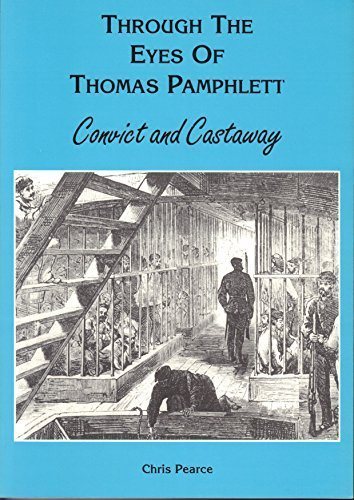
Through the Eyes of Thomas Pamphlett: Convict and Castaway

Apple
https://itunes.apple.com/au/book/through-eyes-thomas-pamphlett/id946797962?mt=11&uo=4
Kobo
http://store.kobobooks.com/en-US/ebook/through-the-eyes-of-thomas-pamphlett
Google Play�� (often cheaper and you can view first 20%)https://play.google.com/store/books/details/Chris_Pearce_Through_the_Eyes_of_Thomas_Pamphlett?id=6uihBQAAQBAJ
You can also find me at Goodreads:
https://www.goodreads.com/book/show/23675896-through-the-eyes-of-thomas-pamphlett (first 12% can be viewed here)
Chris Pearce


November 30, 2014
Another excerpt from A Weaver’s Web: Charlotte’s baby
Here���s another excerpt from my historical novel, A Weaver���s Web. This one was ranked 1 of about 140 excerpts at the Helium writing site under the novel excerpts category Life for quite some time. Helium is finishing soon and the rankings are no longer shown. (Henry doesn���t know that his new daughter-in-law Charlotte is expecting.)
A few weeks later, the Wakefields were at their dining table finishing supper when Charlotte held her hand to her lower abdomen and grimaced and groaned.
���I think I���ve eaten too much,��� she said, pushing away her pudding bowl with half a dumpling left in it. ���I might go upstairs and rest.���
���Yes, you look quite pale, dear,��� Sarah said.
Charlotte struggled to get off her chair and walked slowly from the room.
���She���s been eating too much for months,��� Henry said. ���Look at the weight she���s put on.���
Sarah cast an eye at Henry���s stomach. She then turned to Benjamin. ���I���ll go and make sure she���s comfortable.���
���No, I���ll go,��� he said, jumping up.
He raced upstairs to their bedroom. Charlotte lay on the bed, breathless.
���Contractions?���
She nodded. ���Worse than usual.���
���But it���s not due for two weeks.���
He sat on the side of the bed and held her hand. The contractions soon eased. But before long they started again.
In the soft candlelight, she looked him in the eyes. ���Benjamin, I think I���m going to have the baby.���
He stood up and took several steps backwards. ���What shall I do?���
���Go and get your mother, and Martha and Alice.���
���How can I? No one knows. We���ll be thrown out of the house.���
���Only if your father finds out,��� she said, as the contractions got milder again. ���The women will understand.���
Benjamin ran downstairs. Everyone had gone from the dining room except Emily who was eating a second helping of dumplings and treacle. He crept along the hall looking for Henry and was greatly relieved when he saw him in his study, the door being ajar. He went to the kitchen, where Sarah was helping Alice clean up.
���Mum, come quick,��� he said.
���What?���
���Please come.���
They rushed upstairs. As soon as she went into the bedroom and saw Charlotte, Sarah knew.
���She … she���s having a …��� Benjamin started.
���Yes, I can see,��� Sarah said sternly.
���We wanted to tell you.��� He was surprised when his mother���s face softened and she smiled and then beamed at him and hugged him.
���A baby, a baby.��� She danced around with delight. ���I���ll get Martha, and Alice, and Emily. No, Alice had better stay in the kitchen for the moment,��� she said, knowing Henry might go in there for a drink or something to eat and see it not tidied up and wonder why. ���Stay here till I get back.���
In her hurry to get down the stairs, she almost tripped over her dress. She squealed and grabbed hold of the handrail. From his study, Henry heard her and put his book down. He strained to hear further sounds. Suddenly there was excited chatter a few rooms away. He got up and went to investigate. The talking got louder. It was mainly Sarah���s voice and was coming from the sewing room. As he opened the door, she and Martha came out and nearly bowled him over. Both had an armful of cloths. It was too late to hide them. They looked at him in shock.
���Everything in order?��� he asked Sarah.
���Yes. I was, er, getting Martha���s advice on what medicine to give Charlotte. She���s a little off-colour.���
���Why are you taking your sewing with you?���
���Sewing?��� Sarah said. ���Oh yes. We should leave it here, shouldn���t we.��� She put the cloths down.
He frowned at them and returned to his study shaking his head. Sarah and Martha stood in the hall until he pulled the study door to, and let out a sigh of relief. They went quietly to the dining room where Emily was still swallowing the last morsel of dessert and licking her lips. Sarah beckoned her.
���Come quickly, girl.���
���Why?���
���Just come. You���ll see.���
When they got to Benjamin and Charlotte���s room, she was in the middle of more contractions. They put plenty of cloths under her. Martha got the basin and went to the kitchen, filled it with water and lugged it upstairs.
���You���ll have to leave now, Benjamin,��� Sarah said.
He gazed at his true love and slowly backed out of the room and shut the door.
Sarah locked it and took Charlotte���s hand. ���How are you, dear? Does it hurt?���
���I keep getting terrible pains every few minutes,��� she said, ���and they���re getting worse.���
���That���s quite normal when the baby���s nearly ready.��� She turned to Martha. ���Go and make some medicine for her, with a generous dash of gin. Quick.���
Martha went down to the kitchen again and partly filled two cups with water. She and Alice opened jars of certain plants already finely chopped, and sprinkled some into each cup. They topped up the cups with gin and Martha went back upstairs with them.
���Here, drink these,��� Sarah said.
���I can���t.���
���Yes, you can. Here.��� Sarah put a cup to Charlotte���s mouth and she reluctantly drank about half of it.
Her groans got louder and Sarah was worried Henry might hear and without warning be at the door.
���Emily, go and check outside,��� Sarah said.
It was Emily���s first attendance and she wasn���t enthusiastic. She had never been impressed with Charlotte and even less so now. Almost unwillingly she opened the door and had a quick look outside. ���There���s no one,��� she said in a flat voice, as she came back in.
Sarah eased her hands under Charlotte���s back and massaged it while Martha held her hand. Charlotte started pushing with all her might.
���Ease up, dear,��� Sarah said. ���Only push when you have a contraction. You���re wasting energy otherwise.��� She looked up and saw her daughter sitting on a chair near the window. ���Emily, bring the medicine.���
She got up slowly, picked up both cups from the table and gave the one Charlotte had started to Martha.
���You���ve got to have this,��� Martha said, ���or the pain will be great.���
Charlotte drank it.
���And the second one,��� Sarah said.
No sooner had she finished the second cup when the contractions came on again. This happened several more times. Sarah and Martha encouraged her to push at the right moments. Charlotte then gave a tremendous heave and Sarah knew the baby was coming. She quickly came round in front of her.
���I can see the head,��� Sarah said. ���Push. That���s a good girl.��� She held its head and helped ease it out. ���It���s a boy, it���s a boy. I���m a grandmother.���
Sarah held it up for Charlotte to see. Memories of her own last childbirth and of Baby became vivid. She hoped this tiny infant would be given a better chance at life than her own baby. It gave a good, healthy cry. Martha clamped and cut the umbilical cord and urged Charlotte to push again to expel the placenta while Sarah washed the baby and wrapped it in cloth and held it. She looked for Emily. There was no sign of her. But Sarah was too happy to worry about her and was sure she and Martha could cope without a third person.
Emily had gone downstairs. She knocked on the study door.
���Yes,��� came Henry���s voice from inside.
���Can I come in? It���s Emily.���
���You may.���
She went in to find Henry slouched in his armchair. He kept reading his book.
���Excuse me, Sir.���
���What is it?��� Still he didn���t look at her.
���Charlotte���s had a baby.���
He dropped his book onto his lap and it slid to the floor with a thud. He looked at her popeyed. She could see his rage building and he began to shake. It frightened her.
���Pardon,��� he said as calmly as he could.
���Charlotte … she���s had a …���
���Yes, I heard. But it���s not six months since the wedding. How …?���
He got up, unsteady on his feet after several drinks. Not bothering to pick up his book, he lurched across the room and along the hallway, almost falling forward in his rush, and up the stairs two at a time. Emily ran behind him, hands to her face, wondering what she had done and wishing she hadn���t said anything. But she had disliked Charlotte from the first day she saw her, regarding her as lower class, unsophisticated and rude. She was sure her brother could have done better.
Henry banged on Charlotte���s door so hard Emily thought he was going to break it down.
���What���s the meaning of this?��� he roared.


Another excerpt from A Weaver’s Web
Here���s another excerpt from my historical novel, A Weaver���s Web. This one was ranked 1 of about 140 excerpts at the Helium writing site under the novel excerpts category Life for quite some time. Helium is finishing soon and the rankings are no longer shown. (Henry doesn���t know that his new daughter-in-law Charlotte is expecting.)
A few weeks later, the Wakefields were at their dining table finishing supper when Charlotte held her hand to her lower abdomen and grimaced and groaned.
���I think I���ve eaten too much,��� she said, pushing away her pudding bowl with half a dumpling left in it. ���I might go upstairs and rest.���
���Yes, you look quite pale, dear,��� Sarah said.
Charlotte struggled to get off her chair and walked slowly from the room.
���She���s been eating too much for months,��� Henry said. ���Look at the weight she���s put on.���
Sarah cast an eye at Henry���s stomach. She then turned to Benjamin. ���I���ll go and make sure she���s comfortable.���
���No, I���ll go,��� he said, jumping up.
He raced upstairs to their bedroom. Charlotte lay on the bed, breathless.
���Contractions?���
She nodded. ���Worse than usual.���
���But it���s not due for two weeks.���
He sat on the side of the bed and held her hand. The contractions soon eased. But before long they started again.
In the soft candlelight, she looked him in the eyes. ���Benjamin, I think I���m going to have the baby.���
He stood up and took several steps backwards. ���What shall I do?���
���Go and get your mother, and Martha and Alice.���
���How can I? No one knows. We���ll be thrown out of the house.���
���Only if your father finds out,��� she said, as the contractions got milder again. ���The women will understand.���
Benjamin ran downstairs. Everyone had gone from the dining room except Emily who was eating a second helping of dumplings and treacle. He crept along the hall looking for Henry and was greatly relieved when he saw him in his study, the door being ajar. He went to the kitchen, where Sarah was helping Alice clean up.
���Mum, come quick,��� he said.
���What?���
���Please come.���
They rushed upstairs. As soon as she went into the bedroom and saw Charlotte, Sarah knew.
���She … she���s having a …��� Benjamin started.
���Yes, I can see,��� Sarah said sternly.
���We wanted to tell you.��� He was surprised when his mother���s face softened and she smiled and then beamed at him and hugged him.
���A baby, a baby.��� She danced around with delight. ���I���ll get Martha, and Alice, and Emily. No, Alice had better stay in the kitchen for the moment,��� she said, knowing Henry might go in there for a drink or something to eat and see it not tidied up and wonder why. ���Stay here till I get back.���
In her hurry to get down the stairs, she almost tripped over her dress. She squealed and grabbed hold of the handrail. From his study, Henry heard her and put his book down. He strained to hear further sounds. Suddenly there was excited chatter a few rooms away. He got up and went to investigate. The talking got louder. It was mainly Sarah���s voice and was coming from the sewing room. As he opened the door, she and Martha came out and nearly bowled him over. Both had an armful of cloths. It was too late to hide them. They looked at him in shock.
���Everything in order?��� he asked Sarah.
���Yes. I was, er, getting Martha���s advice on what medicine to give Charlotte. She���s a little off-colour.���
���Why are you taking your sewing with you?���
���Sewing?��� Sarah said. ���Oh yes. We should leave it here, shouldn���t we.��� She put the cloths down.
He frowned at them and returned to his study shaking his head. Sarah and Martha stood in the hall until he pulled the study door to, and let out a sigh of relief. They went quietly to the dining room where Emily was still swallowing the last morsel of dessert and licking her lips. Sarah beckoned her.
���Come quickly, girl.���
���Why?���
���Just come. You���ll see.���
When they got to Benjamin and Charlotte���s room, she was in the middle of more contractions. They put plenty of cloths under her. Martha got the basin and went to the kitchen, filled it with water and lugged it upstairs.
���You���ll have to leave now, Benjamin,��� Sarah said.
He gazed at his true love and slowly backed out of the room and shut the door.
Sarah locked it and took Charlotte���s hand. ���How are you, dear? Does it hurt?���
���I keep getting terrible pains every few minutes,��� she said, ���and they���re getting worse.���
���That���s quite normal when the baby���s nearly ready.��� She turned to Martha. ���Go and make some medicine for her, with a generous dash of gin. Quick.���
Martha went down to the kitchen again and partly filled two cups with water. She and Alice opened jars of certain plants already finely chopped, and sprinkled some into each cup. They topped up the cups with gin and Martha went back upstairs with them.
���Here, drink these,��� Sarah said.
���I can���t.���
���Yes, you can. Here.��� Sarah put a cup to Charlotte���s mouth and she reluctantly drank about half of it.
Her groans got louder and Sarah was worried Henry might hear and without warning be at the door.
���Emily, go and check outside,��� Sarah said.
It was Emily���s first attendance and she wasn���t enthusiastic. She had never been impressed with Charlotte and even less so now. Almost unwillingly she opened the door and had a quick look outside. ���There���s no one,��� she said in a flat voice, as she came back in.
Sarah eased her hands under Charlotte���s back and massaged it while Martha held her hand. Charlotte started pushing with all her might.
���Ease up, dear,��� Sarah said. ���Only push when you have a contraction. You���re wasting energy otherwise.��� She looked up and saw her daughter sitting on a chair near the window. ���Emily, bring the medicine.���
She got up slowly, picked up both cups from the table and gave the one Charlotte had started to Martha.
���You���ve got to have this,��� Martha said, ���or the pain will be great.���
Charlotte drank it.
���And the second one,��� Sarah said.
No sooner had she finished the second cup when the contractions came on again. This happened several more times. Sarah and Martha encouraged her to push at the right moments. Charlotte then gave a tremendous heave and Sarah knew the baby was coming. She quickly came round in front of her.
���I can see the head,��� Sarah said. ���Push. That���s a good girl.��� She held its head and helped ease it out. ���It���s a boy, it���s a boy. I���m a grandmother.���
Sarah held it up for Charlotte to see. Memories of her own last childbirth and of Baby became vivid. She hoped this tiny infant would be given a better chance at life than her own baby. It gave a good, healthy cry. Martha clamped and cut the umbilical cord and urged Charlotte to push again to expel the placenta while Sarah washed the baby and wrapped it in cloth and held it. She looked for Emily. There was no sign of her. But Sarah was too happy to worry about her and was sure she and Martha could cope without a third person.
Emily had gone downstairs. She knocked on the study door.
���Yes,��� came Henry���s voice from inside.
���Can I come in? It���s Emily.���
���You may.���
She went in to find Henry slouched in his armchair. He kept reading his book.
���Excuse me, Sir.���
���What is it?��� Still he didn���t look at her.
���Charlotte���s had a baby.���
He dropped his book onto his lap and it slid to the floor with a thud. He looked at her popeyed. She could see his rage building and he began to shake. It frightened her.
���Pardon,��� he said as calmly as he could.
���Charlotte … she���s had a …���
���Yes, I heard. But it���s not six months since the wedding. How …?���
He got up, unsteady on his feet after several drinks. Not bothering to pick up his book, he lurched across the room and along the hallway, almost falling forward in his rush, and up the stairs two at a time. Emily ran behind him, hands to her face, wondering what she had done and wishing she hadn���t said anything. But she had disliked Charlotte from the first day she saw her, regarding her as lower class, unsophisticated and rude. She was sure her brother could have done better.
Henry banged on Charlotte���s door so hard Emily thought he was going to break it down.
���What���s the meaning of this?��� he roared.
October 31, 2014
Excerpt from A Weaver’s Web: Albert rescues Sarah
I posted a lot of excerpts from my historical novel A Weaver���s Web to writing sites Helium and Bubblews (see links below). Helium is finishing up in a couple of months and Bubblews may be on its last legs, so I thought I should post a few excerpts here.
This is one I posted to Helium and it was ranked 1 of about 140-170 novel excerpts under Suspense for a year or so. Albert Wakefield goes to the asylum to rescue his mother Sarah.
Excerpt
Then, one cold night Albert left his house late in the evening when most people were in bed and walked to the asylum. He had on George���s coat. Under it was the sack of material, tied around him with rope. When he got to the gate, he saw that Brody had already come out of the building and was waiting for him. She unlocked the gate and peered up and down the street. All was quiet. She beckoned him in and relocked the gate.
���Three shillings,��� she said, holding out her hand.
Albert gave her the money.
���You pay the rest to the woman you see. This way.���
He followed her to the main building and they went inside. She carried a lamp that lit the way along a corridor, up some stairs and along another corridor. They came to a door and she stopped.
���Some of the women are in here. The rest are in the next dormitory. If they talk to you, they���re interested, but there are some quiet ones who are willing too.���
���I���d like a nice young one who���s not too mad.���
She sniggered. ���They���re all mad, but there are some young ones, mainly in here.��� She opened the door to the first dormitory. ���I can recommend the one in the third bed on the right.���
They went in, Albert rather hesitantly. In the light of Brody���s lamp, he could see two dozen or so narrow beds, very close together, a woman in each one. Most appeared asleep, though several were awake and scrutinised him. Others chatted or sang or moaned and it was hard to tell if they were awake or sleeping. He looked at the third bed. The occupant was awake and gave him a blank stare. He scanned the women as they lay in their beds, hoping to recognise his mother. But he didn���t. Then one called out to him.
���Over here, love. I���m cheaper than the rest,��� a woman said and laughed. She was all of fifty.
���I���m better though,��� said another. She wasn���t much younger.
Someone else said to him: ���Hey, why���s your head so skinny and your body so fat?��� This one was younger but ugly.
���It���s a thick coat.��� He pulled it in as tightly as he could. ���It���s cold outside.���
���Hurry up and choose, will you,��� Brody said.
He went over to the young woman in the third bed and knelt beside her. She was good-looking and no more than twenty and smiled at him. She lifted the top of her blanket a few inches.
���Sarah Wakefield,��� he said softly but clearly, ���do you know where I can find her?���
The girl immediately put her bedding back down. ���She���s a hag. Why would you want her?���
Albert got to his feet and drew his hand back, like he was about to slap her, but stopped, knowing such action would get him thrown out. ���Where is she?���
���Next room.��� The woman pointed behind her head.
Miss Brody came over to them. ���Now what���s the matter?���
���Can I look in the other dormitory?��� he said.
���Why? They���re less willing in there. What���s wrong with the women here?���
���This one���s not interested and I don���t like the others.���
The young woman raised her eyebrows. ���Two shillings,��� she said and lifted her blanket again.
���Too expensive,��� Albert said.
Brody shook her head. ���What���s your problem, sonny?���
���I���d like to see in the next room.���
���What would your mother say?��� the young woman said and burst out laughing.
���Shush, you stupid girl,��� Brody said. ���And you,��� she said to Albert, ���if there���s any more nonsense, I���ll charge you extra or send you on your way.���
She led him hurriedly into the hall and to the other dormitory. This one was the same as the first one. He could see a number of eyes looking at him, some peeping over the top of their bedding, but no one spoke.
���Perhaps if you take your coat off you might appear more attractive to them.���
���I���d rather keep it on.���
���But you can���t get into their beds like that.���
���I���ll remove it in due course.���
���Hey, fellow,��� a woman of thirtyish said at last, ���you got one and six?���
���She���ll do,��� Albert said.
���I���ll be back in five minutes.���
���Five?���
���All right, ten, but hurry.���
Brody left the room, taking her lamp with her. Albert could see her silhouette. She was standing just outside the doorway. The room was quite gloomy, but he knew he had to act fast, and quietly. He went over to the woman who had called him. As he got to her bed, she held out her hand for payment. He ignored it.
���Sarah Wakefield,��� he said, ���where is she?���
The woman gasped. ���She won���t be interested, I know. Besides, she���s old enough to be your mother.���
���Just tell me which bed.���
���I don���t think I should. You might harm her. She���s a nice old lady.���
���I won���t hurt her.���
The woman said nothing, so Albert took a shilling from his pocket and offered it to her.
���Tell me, please.���
She felt the coin, not being able to see it properly in the dark, before taking it. ���This side, four beds further along.���
Without thanking her, he went straight to this bed and stood at the foot of it. All he could see was a lump in the shape of a person, but there was no sound or movement. He felt a nervous tingle go through his body, not so much because of the risk of what he was about to attempt but because he hadn���t seen his mother for so long. He called: ���Mum … Sarah,��� in a soft voice to try and gently waken her and not frighten her. Instead of waking his mother, he woke the woman in the next bed. She sat up with a start and pulled her blanket up around her shoulders.
���You scared the devil out of me, young man,��� she said. ���You���ve come to the wrong beds. We���d rather starve than …���
���Is that Mrs Wakefield, next to you?���
���You���d do better in the other room.���
By now Albert felt he was losing patience. Precious minutes were passing. ���She���s my mother,��� he said louder than he meant. He checked for Brody and was thankful she stayed outside.
���You must be Benjamin.���
���No, it���s Albert.���
���But she���s told me you���re in the colonies.���
���Is this Sarah Wakefield? Tell me,��� he pleaded.
The woman looked over to the next bed. ���Sarah, are you awake?���
With those words, he knew it had to be his mother asleep in this bed, his dear mother who brought him and his family through all the hard times, only to be discarded when prosperity came their way and her health and composure failed her. Here she was. Here she had been for three years, locked away, out of sight.
���Mum,��� he said.
The woman rocked Sarah���s bed. ���Wake up, dear. It���s your son. Wake up.���
She stirred. ���What is it, Rosanna?���
���Your son is here.���
She suddenly sat up, instinctively pulling her blanket up to her neck. ���Who?���
���Your …���
���It���s me ��� Albert.���
���But you���re over the high seas.��� Sarah squinted at the large black shape near the foot of her bed. ���You must be in my mind. Go away.���
���I���m real. Look.��� He squeezed in between the beds.
���You���re too big to be Albert.���
���It���s a big coat.��� He bent over as far as he could so she could see his face better.
She studied it. ���Albert? Is it really?��� She put out a hand to touch him and see if he was real. She touched his hand, then his chin. ���Good Lord, I think it is.��� She stared at him, still not totally sure.
���I���ve come to get you out of here. Quick, get up. We must hurry.���
���But …��� She looked at Rosanna.
���Go. You may never have another chance.���
She started to get up, slowly, unsure if she should leave, or if she wanted to. This was now her home and the women her friends, her family. Albert beckoned her to come out from the beds. But she just kept staring at him. He reached for her and seized her arm and pulled her towards him. At first she resisted but then went along with him.
���Sit here a minute,��� he said, tapping the end of her bed.
Sarah sat on the corner of it, shaking from nervousness and the cold.
He undid his coat and removed the bag of cloth. He pulled back the bedding and emptied the bag onto the bed and spread the pieces out, shaping them into a long, thin pile resembling a person. Then he pulled the blanket over the top. On the pillow, he placed an old mop minus its handle, an item he had retrieved from a rubbish pile near his house. He bunched it up into the shape of a head and took his mother���s nightcap off her and put it on the mop. Sarah watched, dumbfounded, still not fully aware of what was happening. He took off his coat. Every few seconds, he looked up to make sure Brody wasn���t coming.
���Stand on the bed, Mum,��� he said. Again she hesitated, so he pulled her to her feet. ���Come on, get up there.���
She knelt on it at first, then got to her feet, found her balance and stood at full height.
���Climb onto my back.��� He positioned himself. ���Put your arms around my shoulders first.��� He took the backs of her knees and gently hoisted her up, surprised at how light she was. ���Now hold on tight.���
Then came the hard part ��� getting his coat back on. Albert leant down and picked it up off the bed. He hooked his hand into the sleeve, held his arm up and wriggled it until the coat was over his shoulder. Getting the idea, Sarah took hold of it and flipped it over her back and was able to pass the other sleeve to him. With plenty of shaking and twisting and straining, it was on. But her head poked out above the collar, behind his. She slid down a few inches and he pulled the collar up over her head. He fastened the buttons down the front and took a tentative step towards the door. Rosanna and the other women, most of whom were now awake, peered from behind their bedclothes as the spectacle unfolded. They knew what was about to happen and they whispered encouragement to the pair. Some brought their hands together in a clapping motion, but without the sound, while others shook their fists in delight.
Albert had taken about six steps when Brody came to the doorway.
���About time,��� she said and shone her lamp at him. ���You look even heavier than when you came in.���


Excerpt from A Weaver’s Web
I posted a lot of excerpts from my historical novel A Weaver’s Web to writing sites Helium and Bubblews (see links below). Helium is finishing up in a couple of months and Bubblews may be on its last legs, so I thought I should post a few excerpts here.
This is one I posted to Helium and it was ranked 1 of about 140-170 novel excerpts under Suspense for a year or so. Albert Wakefield goes to the asylum to rescue his mother Sarah.
Excerpt
Then, one cold night Albert left his house late in the evening when most people were in bed and walked to the asylum. He had on George’s coat. Under it was the sack of material, tied around him with rope. When he got to the gate, he saw that Brody had already come out of the building and was waiting for him. She unlocked the gate and peered up and down the street. All was quiet. She beckoned him in and relocked the gate.
“Three shillings,” she said, holding out her hand.
Albert gave her the money.
“You pay the rest to the woman you see. This way.”
He followed her to the main building and they went inside. She carried a lamp that lit the way along a corridor, up some stairs and along another corridor. They came to a door and she stopped.
“Some of the women are in here. The rest are in the next dormitory. If they talk to you, they’re interested, but there are some quiet ones who are willing too.”
“I’d like a nice young one who’s not too mad.”
She sniggered. “They’re all mad, but there are some young ones, mainly in here.” She opened the door to the first dormitory. “I can recommend the one in the third bed on the right.”
They went in, Albert rather hesitantly. In the light of Brody’s lamp, he could see two dozen or so narrow beds, very close together, a woman in each one. Most appeared asleep, though several were awake and scrutinised him. Others chatted or sang or moaned and it was hard to tell if they were awake or sleeping. He looked at the third bed. The occupant was awake and gave him a blank stare. He scanned the women as they lay in their beds, hoping to recognise his mother. But he didn’t. Then one called out to him.
“Over here, love. I’m cheaper than the rest,” a woman said and laughed. She was all of fifty.
“I’m better though,” said another. She wasn’t much younger.
Someone else said to him: “Hey, why’s your head so skinny and your body so fat?” This one was younger but ugly.
“It’s a thick coat.” He pulled it in as tightly as he could. “It’s cold outside.”
“Hurry up and choose, will you,” Brody said.
He went over to the young woman in the third bed and knelt beside her. She was good-looking and no more than twenty and smiled at him. She lifted the top of her blanket a few inches.
“Sarah Wakefield,” he said softly but clearly, “do you know where I can find her?”
The girl immediately put her bedding back down. “She’s a hag. Why would you want her?”
Albert got to his feet and drew his hand back, like he was about to slap her, but stopped, knowing such action would get him thrown out. “Where is she?”
“Next room.” The woman pointed behind her head.
Miss Brody came over to them. “Now what’s the matter?”
“Can I look in the other dormitory?” he said.
“Why? They’re less willing in there. What’s wrong with the women here?”
“This one’s not interested and I don’t like the others.”
The young woman raised her eyebrows. “Two shillings,” she said and lifted her blanket again.
“Too expensive,” Albert said.
Brody shook her head. “What’s your problem, sonny?”
“I’d like to see in the next room.”
“What would your mother say?” the young woman said and burst out laughing.
“Shush, you stupid girl,” Brody said. “And you,” she said to Albert, “if there’s any more nonsense, I’ll charge you extra or send you on your way.”
She led him hurriedly into the hall and to the other dormitory. This one was the same as the first one. He could see a number of eyes looking at him, some peeping over the top of their bedding, but no one spoke.
“Perhaps if you take your coat off you might appear more attractive to them.”
“I’d rather keep it on.”
“But you can’t get into their beds like that.”
“I’ll remove it in due course.”
“Hey, fellow,” a woman of thirtyish said at last, “you got one and six?”
“She’ll do,” Albert said.
“I’ll be back in five minutes.”
“Five?”
“All right, ten, but hurry.”
Brody left the room, taking her lamp with her. Albert could see her silhouette. She was standing just outside the doorway. The room was quite gloomy, but he knew he had to act fast, and quietly. He went over to the woman who had called him. As he got to her bed, she held out her hand for payment. He ignored it.
“Sarah Wakefield,” he said, “where is she?”
The woman gasped. “She won’t be interested, I know. Besides, she’s old enough to be your mother.”
“Just tell me which bed.”
“I don’t think I should. You might harm her. She’s a nice old lady.”
“I won’t hurt her.”
The woman said nothing, so Albert took a shilling from his pocket and offered it to her.
“Tell me, please.”
She felt the coin, not being able to see it properly in the dark, before taking it. “This side, four beds further along.”
Without thanking her, he went straight to this bed and stood at the foot of it. All he could see was a lump in the shape of a person, but there was no sound or movement. He felt a nervous tingle go through his body, not so much because of the risk of what he was about to attempt but because he hadn’t seen his mother for so long. He called: “Mum … Sarah,” in a soft voice to try and gently waken her and not frighten her. Instead of waking his mother, he woke the woman in the next bed. She sat up with a start and pulled her blanket up around her shoulders.
“You scared the devil out of me, young man,” she said. “You’ve come to the wrong beds. We’d rather starve than …”
“Is that Mrs Wakefield, next to you?”
“You’d do better in the other room.”
By now Albert felt he was losing patience. Precious minutes were passing. “She’s my mother,” he said louder than he meant. He checked for Brody and was thankful she stayed outside.
“You must be Benjamin.”
“No, it’s Albert.”
“But she’s told me you’re in the colonies.”
“Is this Sarah Wakefield? Tell me,” he pleaded.
The woman looked over to the next bed. “Sarah, are you awake?”
With those words, he knew it had to be his mother asleep in this bed, his dear mother who brought him and his family through all the hard times, only to be discarded when prosperity came their way and her health and composure failed her. Here she was. Here she had been for three years, locked away, out of sight.
“Mum,” he said.
The woman rocked Sarah’s bed. “Wake up, dear. It’s your son. Wake up.”
She stirred. “What is it, Rosanna?”
“Your son is here.”
She suddenly sat up, instinctively pulling her blanket up to her neck. “Who?”
“Your …”
“It’s me – Albert.”
“But you’re over the high seas.” Sarah squinted at the large black shape near the foot of her bed. “You must be in my mind. Go away.”
“I’m real. Look.” He squeezed in between the beds.
“You’re too big to be Albert.”
“It’s a big coat.” He bent over as far as he could so she could see his face better.
She studied it. “Albert? Is it really?” She put out a hand to touch him and see if he was real. She touched his hand, then his chin. “Good Lord, I think it is.” She stared at him, still not totally sure.
“I’ve come to get you out of here. Quick, get up. We must hurry.”
“But …” She looked at Rosanna.
“Go. You may never have another chance.”
She started to get up, slowly, unsure if she should leave, or if she wanted to. This was now her home and the women her friends, her family. Albert beckoned her to come out from the beds. But she just kept staring at him. He reached for her and seized her arm and pulled her towards him. At first she resisted but then went along with him.
“Sit here a minute,” he said, tapping the end of her bed.
Sarah sat on the corner of it, shaking from nervousness and the cold.
He undid his coat and removed the bag of cloth. He pulled back the bedding and emptied the bag onto the bed and spread the pieces out, shaping them into a long, thin pile resembling a person. Then he pulled the blanket over the top. On the pillow, he placed an old mop minus its handle, an item he had retrieved from a rubbish pile near his house. He bunched it up into the shape of a head and took his mother’s nightcap off her and put it on the mop. Sarah watched, dumbfounded, still not fully aware of what was happening. He took off his coat. Every few seconds, he looked up to make sure Brody wasn’t coming.
“Stand on the bed, Mum,” he said. Again she hesitated, so he pulled her to her feet. “Come on, get up there.”
She knelt on it at first, then got to her feet, found her balance and stood at full height.
“Climb onto my back.” He positioned himself. “Put your arms around my shoulders first.” He took the backs of her knees and gently hoisted her up, surprised at how light she was. “Now hold on tight.”
Then came the hard part – getting his coat back on. Albert leant down and picked it up off the bed. He hooked his hand into the sleeve, held his arm up and wriggled it until the coat was over his shoulder. Getting the idea, Sarah took hold of it and flipped it over her back and was able to pass the other sleeve to him. With plenty of shaking and twisting and straining, it was on. But her head poked out above the collar, behind his. She slid down a few inches and he pulled the collar up over her head. He fastened the buttons down the front and took a tentative step towards the door. Rosanna and the other women, most of whom were now awake, peered from behind their bedclothes as the spectacle unfolded. They knew what was about to happen and they whispered encouragement to the pair. Some brought their hands together in a clapping motion, but without the sound, while others shook their fists in delight.
Albert had taken about six steps when Brody came to the doorway.
“About time,” she said and shone her lamp at him. “You look even heavier than when you came in.”

September 30, 2014
Characters in A Weaver���s Web
Here are some notes on all the characters in my historical novel A Weaver���s Web listed in the order they first appear in the book.
Chapter 1
Henry Wakefield: Handloom weaver. Head of the main family in story and the protagonist. Initially loyal to god, king and country, Henry is conservative and doesn���t want family members working in the new factories. He becomes a Nonconformist and Radical, attending reform meetings, including Peterloo. He starts his own factory and reverts to Church of England and supporting the aristocracy. His desire to make more and more money and his old-fashioned ways cause many problems for family members. Another important change, seemingly for the better, comes in the last couple of lines of the novel. Henry means well, but many of his actions and ways have adverse consequences.
Daniel Crowther: Agent for Frederick Manning���s mill, Manchester.
orphan boy: Crowther���s assistant.
Sarah Wakefield: Henry���s wife and the story���s heroine. Has five children to raise in conditions of abject poverty. Naturally meek and mild, she is not afraid to take on Henry and actually puts him in his place a number of times. When the family becomes well-off, Henry expects her to be lady of the house but she never successfully makes the transition, preferring cooking, cleaning, mending, etc. the stress of this plus her eldest son becoming a convict leads to a mental breakdown and she spends years in the asylum.
Albert Wakefield: Henry and Sarah���s first son. Extrovert who wants to make his own way in life. Runs away to Manchester at 12. Is transported to New South Wales as a convict. Returns but wants nothing to do with Henry. They meet up again in tragic circumstances at the end.
Benjamin Wakefield: Their second son. Introvert. Is thrown out of church. Flogged at work. Rebels and falls in love with an orphan girl, which doesn���t sit well with Henry. Visits his mother at the asylum but she can receive no visitors.
Emily Wakefield: Their first daughter. Nice early. Changes for the worse later as she assumes the role of lady of the house when her mother is in the asylum.
Thomas Wakefield: Their third son.
Catherine Wakefield: Their second daughter. Disappears in the melee at Peterloo.
Chapter 2
Father Edmond: Local Anglican priest. Has little time for Henry and his family. Spends much time fighting the Nonformists.
cook: Edmond���s cook.
James Johnson (Johnno): Henry���s friend. Factory worker. Helps convert Henry to Nonconformism and Radicalism. Card playing partner.
families: heading to church.
congregation: at Edmond���s church.
attendants: at Edmond���s church.
Father Pickering: Minister at Methodist chapel. Has more time for Henry and family, although Sarah worries.
organ player: at chapel.
attendants: at chapel.
congregation: at chapel.
blind man: at chapel.
Chapter 3
crowd/club members: at Hampden Club reform meeting (real) at chapel.
Samuel Bamford: Real person. Weaver. Secretary of Middleton���s Hampden Club. Leads the Middleton contingent at Peterloo.
drunk: at meeting. Volunteers as delegate.
drinkers: Group who go to the Green Gate Inn after meeting.
publican: of Green Gate.
women: at Green Gate.
prostitute: at Green Gate.
old woman: on her way to market.
Chapter 4
stallholders and crowd: at Middleton market.
stallholders and crowd: at Manchester market.
Mr Montgomery: Workshop owner. Employs Albert. Nice guy, for the era.
people in street: heading home from work.
builders: at building site.
Montgomery Junior: Workshop master. Nasty.
workers: at workshop.
vagabonds: in lanes; at building site.
kidnapper/driver: of Albert.
master: at factory.
owner: of factory.
workers: arriving for work at factory.
older boy: arriving for work at factory.
Chapter 5
Mr Blake: rent collector.
Mr Hobsworth: mention only (we don���t actually see him). Henry���s landlord.
Mr Cripps: mention only. New landlord.
Jane: Sarah���s sister.
Isaac: Henry���s friend. Card playing partner.
Richard: mention only. Benjamin���s friend.
Mr Nancarrow: moves Wakefields to Manchester.
travellers: as Wakefields head to Manchester.
elderly couple: provide shelter from rain.
people in streets: going about their business in Manchester.
Uncle William: Henry���s uncle. Has a one-roomed house in Manchester. The Wakefields initially live there too.
agent: shows houses to Henry.
neighbours: watching Henry show Sarah new house.
children: playing at end of street.
Mr Featherstone: Weaver. Buys Henry���s spare loom.
Chapter 6
people in street: heading to work.
woman: nearly empties chamber-pot over Benjamin.
Mr Farrell: master of apprentices where Benjamin works. Nasty.
workers: at this factory.
Mr Thorndike: factory owner.
Charlotte: factory orphan where Benjamin works. Lovely. Later chance meeting with Benjamin leads to romance and marriage.
master: at the factory.
master���s orphans: who work at night.
Patrick: fourth card player at Cloak and Dagger Inn. Crook.
patrons: at Cloak and Dagger.
Constable Phipps: Policeman.
publican: of Cloak and Dagger.
watchman: in street.
Chapter 7
guard: at factory where Benjamin works.
odd job man: at factory where Benjamin works.
dwarf: at factory where Benjamin works.
two robbers: on road to Middleton.
driver: at Middleton.
Mr Pilkington: old friend of Henry���s.
Mrs Grimshaw: neighbour. Lovely old soul.
Louisa: neighbour.
Baby/Bridget: Sarah and Henry���s new baby.
Chapter 8
doctor: visits Sarah and Baby.
people from house: shoo Sarah away.
women, children: washing, bathing in river.
crowds: at reform meetings.
Mr Saxton: Real person. Speaker at meetings.
Mr Walker: Real person. Speaker at meetings.
crowd of 60,000+: on way to and at St Peter���s Field for reform meeting (Peterloo ��� real event)
William Hulton: Real person. Magistrate assigned to keep check on meeting; chairman.
Rev C W Ethelston: Real person. Magistrate assigned to keep check.
James Norris: Real person. Magistrate assigned to keep check.
Rev W R Hay: Real person Magistrate assigned to keep check.
several messengers: to the magistrates.
troop x 1,000+: brought in to maintain and order at meeting.
special constables x 200: recruited for the day.
Joseph Nadin: Real person. Deputy constable.
Henry (Orator) Hunt: Real person. Speaker at St Peter���s Field meeting.
several reporters: from the Radical press.
loyalists x 30: to sign affidavit.
Captain Birley: Real person. Leader of the Manchester Yeomanry (real).
Colonel l���Estange: Real person. Leader of the Fifteenth Hussars (real).
constable: stops Henry from re-entering St Peter���s Field.
soldier: stops Henry from re-entering St Peter���s Field.
Chapter 9
several soldiers: stop Henry from re-entering St Peter���s Field.
groups of young men: in street with weapons, after Peterloo.
Joseph Wearmouth: special constable.
Mr Perrywinkle: master at Henry���s new mill.
workers: at mill.
two men: in street.
Perrywinkle���s brother: mends machinery.
drunk: outside factory.
drunken woman: at mill.
two robbers: rob Henry.
woman: at window.
Chapter 10
man and woman: in street, drunk.
constable: in street.
Martha: Wakefields��� new maid. Becomes part of family.
Alice: Wakefields��� new cook. Becomes part of family.
Gertrude: mention only. Neighbour.
Jacob: Wakefields��� new driver.
Rowland Sinclair: Manchester merchant.
Jack Flanders: Sinclair���s assistant.
middle-aged man: finds constable.
constable: arrests Albert and Flanders.
people in street: watching Albert and Flanders.
inmates: at local gaol.
gaoler: at local gaol.
two other prisoners: in cart with Albert and Flanders.
driver: of prisoner cart.
Chapter 11
crowd: at court, John of Gaunt���s castle, Lancaster.
old woman: at court.
three judges: at court.
assistant: at court.
prisoner: first case.
two officials: bringing in prisoners.
two prisoners: second case.
witnesses: second case.
constable: reads charges against Albert and Flanders.
heckler: in gallery.
official: admonishes Henry.
guests: at Wakefields��� society party.
butler: at party.
merchant: at party.
bishop: at party.
Chapter 12
Mr Dickson: merchant/supplier.
attendant: at Henry���s mill.
saddler: at Urmston (real place).
card players: at Urmston hotel.
innkeeper: at Urmston hotel.
two robbers: hold up Henry and Sarah.
innkeeper: at Garston (real place) hotel.
two drinkers: at Garston hotel.
convict gangs: on the Mersey River (real place).
Captain Hardwick: of the Argot.
convict: being flogged.
townspeople: in street.
elderly couple: at country cottage.
Chapter 13
guests: at Wakefields��� party.
woman: at party, talks to Sarah.
second woman: at party, talks to Henry.
her husband: a merchant
guard: at asylum.
assistant: at asylum.
two elderly women: outside asylum.
Rosanna: asylum inmate. Is nice to Sarah.
other inmates: at asylum.
Miss Brody: Supervisor at asylum. Huge and nasty. Later, confronts Sarah at market.
her two assistants: at asylum.
Dr Neagle: from infirmary, next door.
two kitchen workers: at asylum.
two young female inmates: at asylum.
Elizabeth: mention only. Asylum inmate.
inmate: in bed with assistant.
Chapter 14
cricketers: from Gentlemen and Artisans teams.
supporters: of both teams.
umpire: of game.
scorer/bookie: at game
local priest: passes by game.
scorer���s wife: at her house.
people in streets: when Benjamin meets up again with Charlotte.
young pickpocket: tries to pickpocket Benjamin.
girl: at Charlotte���s house.
Ellen: Charlotte���s ���aunt���.
Chapter 15
Nicholas: resident where Charlotte lives.
George: resident where Charlotte lives.
other residents: where Charlotte lives.
a master: at Henry���s mill.
publican: of Crown and Anchor.
two drinkers: at Crown and Anchor.
Margaret: mention only. Albert���s girl in Sydney.
apprentices: at Henry���s mill.
their master: at Henry���s mill.
women in dormitories: at asylum.
Chapter 16
watchman: near asylum.
people: at market.
guard: at Henry���s mill.
Gabriela: little girl at church where Baby was buried.
her mother: at house near church.
the mother���s baby: at house near church.
the mother���s toddler: at house near church.
Chapter 17
stallholders: at market.
elderly couple: selling farm produce at market.
man: coming out of workshop where Albert works.
Mr Halliwell: workshop owner where Albert works.
old man: Sarah���s first customer.
worker: at Halliwell���s. Carries Sarah���s trestle and box.
publican: of Plough Inn.
patron: at Plough Inn.
Chapter 18
Hannah: mention only. Cousin of Wakefield children.
Joshua: Jacob���s brother, Charlotte���s ���father���.
Lucy: Martha���s sister, Charlotte���s ���mother���.
Jane���s family: Jane is Sarah���s sister.
wedding guests: at Benjamin and Charlotte���s wedding.
Father Knox: officiates at wedding.
Chapter 19
baby: Charlotte and Benjamin���s.
worker: at Halliwell���s.
watchman: comes to Wakefields��� house.
crowd: watching fire.
master: at window.
machine breakers: at fire.
rescuers: at fire.
orphans: rescued, and fleeing into the night.


Characters in A Weaver’s Web
Here are some notes on all the characters in my historical novel A Weaver’s Web listed in the order they first appear in the book.
Chapter 1
Henry Wakefield: Handloom weaver. Head of the main family in story and the protagonist. Initially loyal to god, king and country, Henry is conservative and doesn’t want family members working in the new factories. He becomes a Nonconformist and Radical, attending reform meetings, including Peterloo. He starts his own factory and reverts to Church of England and supporting the aristocracy. His desire to make more and more money and his old-fashioned ways cause many problems for family members. Another important change, seemingly for the better, comes in the last couple of lines of the novel. Henry means well, but many of his actions and ways have adverse consequences.
Daniel Crowther: Agent for Frederick Manning’s mill, Manchester.
orphan boy: Crowther’s assistant.
Sarah Wakefield: Henry’s wife and the story’s heroine. Has five children to raise in conditions of abject poverty. Naturally meek and mild, she is not afraid to take on Henry and actually puts him in his place a number of times. When the family becomes well-off, Henry expects her to be lady of the house but she never successfully makes the transition, preferring cooking, cleaning, mending, etc. the stress of this plus her eldest son becoming a convict leads to a mental breakdown and she spends years in the asylum.
Albert Wakefield: Henry and Sarah’s first son. Extrovert who wants to make his own way in life. Runs away to Manchester at 12. Is transported to New South Wales as a convict. Returns but wants nothing to do with Henry. They meet up again in tragic circumstances at the end.
Benjamin Wakefield: Their second son. Introvert. Is thrown out of church. Flogged at work. Rebels and falls in love with an orphan girl, which doesn’t sit well with Henry. Visits his mother at the asylum but she can receive no visitors.
Emily Wakefield: Their first daughter. Nice early. Changes for the worse later as she assumes the role of lady of the house when her mother is in the asylum.
Thomas Wakefield: Their third son.
Catherine Wakefield: Their second daughter. Disappears in the melee at Peterloo.
Chapter 2
Father Edmond: Local Anglican priest. Has little time for Henry and his family. Spends much time fighting the Nonformists.
cook: Edmond’s cook.
James Johnson (Johnno): Henry’s friend. Factory worker. Helps convert Henry to Nonconformism and Radicalism. Card playing partner.
families: heading to church.
congregation: at Edmond’s church.
attendants: at Edmond’s church.
Father Pickering: Minister at Methodist chapel. Has more time for Henry and family, although Sarah worries.
organ player: at chapel.
attendants: at chapel.
congregation: at chapel.
blind man: at chapel.
Chapter 3
crowd/club members: at Hampden Club reform meeting (real) at chapel.
Samuel Bamford: Real person. Weaver. Secretary of Middleton’s Hampden Club. Leads the Middleton contingent at Peterloo.
drunk: at meeting. Volunteers as delegate.
drinkers: Group who go to the Green Gate Inn after meeting.
publican: of Green Gate.
women: at Green Gate.
prostitute: at Green Gate.
old woman: on her way to market.
Chapter 4
stallholders and crowd: at Middleton market.
stallholders and crowd: at Manchester market.
Mr Montgomery: Workshop owner. Employs Albert. Nice guy, for the era.
people in street: heading home from work.
builders: at building site.
Montgomery Junior: Workshop master. Nasty.
workers: at workshop.
vagabonds: in lanes; at building site.
kidnapper/driver: of Albert.
master: at factory.
owner: of factory.
workers: arriving for work at factory.
older boy: arriving for work at factory.
Chapter 5
Mr Blake: rent collector.
Mr Hobsworth: mention only (we don’t actually see him). Henry’s landlord.
Mr Cripps: mention only. New landlord.
Jane: Sarah’s sister.
Isaac: Henry’s friend. Card playing partner.
Richard: mention only. Benjamin’s friend.
Mr Nancarrow: moves Wakefields to Manchester.
travellers: as Wakefields head to Manchester.
elderly couple: provide shelter from rain.
people in streets: going about their business in Manchester.
Uncle William: Henry’s uncle. Has a one-roomed house in Manchester. The Wakefields initially live there too.
agent: shows houses to Henry.
neighbours: watching Henry show Sarah new house.
children: playing at end of street.
Mr Featherstone: Weaver. Buys Henry’s spare loom.
Chapter 6
people in street: heading to work.
woman: nearly empties chamber-pot over Benjamin.
Mr Farrell: master of apprentices where Benjamin works. Nasty.
workers: at this factory.
Mr Thorndike: factory owner.
Charlotte: factory orphan where Benjamin works. Lovely. Later chance meeting with Benjamin leads to romance and marriage.
master: at the factory.
master’s orphans: who work at night.
Patrick: fourth card player at Cloak and Dagger Inn. Crook.
patrons: at Cloak and Dagger.
Constable Phipps: Policeman.
publican: of Cloak and Dagger.
watchman: in street.
Chapter 7
guard: at factory where Benjamin works.
odd job man: at factory where Benjamin works.
dwarf: at factory where Benjamin works.
two robbers: on road to Middleton.
driver: at Middleton.
Mr Pilkington: old friend of Henry’s.
Mrs Grimshaw: neighbour. Lovely old soul.
Louisa: neighbour.
Baby/Bridget: Sarah and Henry’s new baby.
Chapter 8
doctor: visits Sarah and Baby.
people from house: shoo Sarah away.
women, children: washing, bathing in river.
crowds: at reform meetings.
Mr Saxton: Real person. Speaker at meetings.
Mr Walker: Real person. Speaker at meetings.
crowd of 60,000+: on way to and at St Peter’s Field for reform meeting (Peterloo – real event)
William Hulton: Real person. Magistrate assigned to keep check on meeting; chairman.
Rev C W Ethelston: Real person. Magistrate assigned to keep check.
James Norris: Real person. Magistrate assigned to keep check.
Rev W R Hay: Real person Magistrate assigned to keep check.
several messengers: to the magistrates.
troop x 1,000+: brought in to maintain and order at meeting.
special constables x 200: recruited for the day.
Joseph Nadin: Real person. Deputy constable.
Henry (Orator) Hunt: Real person. Speaker at St Peter’s Field meeting.
several reporters: from the Radical press.
loyalists x 30: to sign affidavit.
Captain Birley: Real person. Leader of the Manchester Yeomanry (real).
Colonel l’Estange: Real person. Leader of the Fifteenth Hussars (real).
constable: stops Henry from re-entering St Peter’s Field.
soldier: stops Henry from re-entering St Peter’s Field.
Chapter 9
several soldiers: stop Henry from re-entering St Peter’s Field.
groups of young men: in street with weapons, after Peterloo.
Joseph Wearmouth: special constable.
Mr Perrywinkle: master at Henry’s new mill.
workers: at mill.
two men: in street.
Perrywinkle’s brother: mends machinery.
drunk: outside factory.
drunken woman: at mill.
two robbers: rob Henry.
woman: at window.
Chapter 10
man and woman: in street, drunk.
constable: in street.
Martha: Wakefields’ new maid. Becomes part of family.
Alice: Wakefields’ new cook. Becomes part of family.
Gertrude: mention only. Neighbour.
Jacob: Wakefields’ new driver.
Rowland Sinclair: Manchester merchant.
Jack Flanders: Sinclair’s assistant.
middle-aged man: finds constable.
constable: arrests Albert and Flanders.
people in street: watching Albert and Flanders.
inmates: at local gaol.
gaoler: at local gaol.
two other prisoners: in cart with Albert and Flanders.
driver: of prisoner cart.
Chapter 11
crowd: at court, John of Gaunt’s castle, Lancaster.
old woman: at court.
three judges: at court.
assistant: at court.
prisoner: first case.
two officials: bringing in prisoners.
two prisoners: second case.
witnesses: second case.
constable: reads charges against Albert and Flanders.
heckler: in gallery.
official: admonishes Henry.
guests: at Wakefields’ society party.
butler: at party.
merchant: at party.
bishop: at party.
Chapter 12
Mr Dickson: merchant/supplier.
attendant: at Henry’s mill.
saddler: at Urmston (real place).
card players: at Urmston hotel.
innkeeper: at Urmston hotel.
two robbers: hold up Henry and Sarah.
innkeeper: at Garston (real place) hotel.
two drinkers: at Garston hotel.
convict gangs: on the Mersey River (real place).
Captain Hardwick: of the Argot.
convict: being flogged.
townspeople: in street.
elderly couple: at country cottage.
Chapter 13
guests: at Wakefields’ party.
woman: at party, talks to Sarah.
second woman: at party, talks to Henry.
her husband: a merchant
guard: at asylum.
assistant: at asylum.
two elderly women: outside asylum.
Rosanna: asylum inmate. Is nice to Sarah.
other inmates: at asylum.
Miss Brody: Supervisor at asylum. Huge and nasty. Later, confronts Sarah at market.
her two assistants: at asylum.
Dr Neagle: from infirmary, next door.
two kitchen workers: at asylum.
two young female inmates: at asylum.
Elizabeth: mention only. Asylum inmate.
inmate: in bed with assistant.
Chapter 14
cricketers: from Gentlemen and Artisans teams.
supporters: of both teams.
umpire: of game.
scorer/bookie: at game
local priest: passes by game.
scorer’s wife: at her house.
people in streets: when Benjamin meets up again with Charlotte.
young pickpocket: tries to pickpocket Benjamin.
girl: at Charlotte’s house.
Ellen: Charlotte’s ‘aunt’.
Chapter 15
Nicholas: resident where Charlotte lives.
George: resident where Charlotte lives.
other residents: where Charlotte lives.
a master: at Henry’s mill.
publican: of Crown and Anchor.
two drinkers: at Crown and Anchor.
Margaret: mention only. Albert’s girl in Sydney.
apprentices: at Henry’s mill.
their master: at Henry’s mill.
women in dormitories: at asylum.
Chapter 16
watchman: near asylum.
people: at market.
guard: at Henry’s mill.
Gabriela: little girl at church where Baby was buried.
her mother: at house near church.
the mother’s baby: at house near church.
the mother’s toddler: at house near church.
Chapter 17
stallholders: at market.
elderly couple: selling farm produce at market.
man: coming out of workshop where Albert works.
Mr Halliwell: workshop owner where Albert works.
old man: Sarah’s first customer.
worker: at Halliwell’s. Carries Sarah’s trestle and box.
publican: of Plough Inn.
patron: at Plough Inn.
Chapter 18
Hannah: mention only. Cousin of Wakefield children.
Joshua: Jacob’s brother, Charlotte’s ‘father’.
Lucy: Martha’s sister, Charlotte’s ‘mother’.
Jane’s family: Jane is Sarah’s sister.
wedding guests: at Benjamin and Charlotte’s wedding.
Father Knox: officiates at wedding.
Chapter 19
baby: Charlotte and Benjamin’s.
worker: at Halliwell’s.
watchman: comes to Wakefields’ house.
crowd: watching fire.
master: at window.
machine breakers: at fire.
rescuers: at fire.
orphans: rescued, and fleeing into the night.

August 31, 2014
My eight interviews
I’ve now got eight interviews online with more to come. Links to the interviews plus the questions are below. In coming weeks and months, there should be additional interviews with:
Tina Marie at Tina Marie Says: http://guestpostswithtinamariesays.blogspot.com.au/
Brian Marggraf at Indie Hero: http://indieheroblog.wordpress.com/
L. Avery Brown at The Magnolia Blossom: http://magnoliablossomreview.blogspot.com.au/
Heibooks: http://www.heibooks.com/
Brittany Perez at Oh My Bookness: https://plus.google.com/116396686801399504580/posts
My published interviews are with:
Kathleen Kelly at Celticlady’s Review: http://celticladysreviews.blogspot.com.au/2014/07/a-weavers-web-by-chris-pearce.html. Questions:
Tell me about your book. How did you come up with that (story, angle, idea)?
How did you get interested in writing this particular genre (historical novels, mysteries, sci-fi, children’s books, etc.)?
What kind of research did you do for this book?
What’s a typical working day like for you?
When and where do you write?
Do you set a daily writing goal?
What is the hardest part of writing for you?
What’s the best thing about being an author?
What are you working on now?
What advice would you give aspiring writers?
Do you have any favorite authors or favorite books?
What question have you always wanted to be asked in an interview? How would you answer that question?
If you were writing a book about your life, what would the title be?
Lynda Dickson at Books Direct: http://booksdirectonline.blogspot.com.au/2014/07/a-weavers-web-by-chris-pearce.html. Questions:
For what age group do you recommend your book?
What sparked the idea for this book?
Which comes first? The character’s story or the idea for the novel?
What was the hardest part to write in this book?
How do you hope this book affects its readers?
How long did it take you to write this book?
Could you explain your writing process.
How did you get your book published?
What advice do you have for someone who would like to become a published writer?
What do you like to do when you’re not writing?
What does your family think of your writing?
Please tell us a bit about your childhood
Did you like reading when you were a child?
When did you first realize you wanted to be a writer?
Did your childhood experiences influence your writing?
Which writers have influenced you the most?
Do you hear from your readers much? What kinds of things do they say?
What can we look forward to from you in the future?
Kimber Leigh Wheaton at Kimber Leigh Writes: http://www.kimberleighwheaton.com/2014/06/book-spotlight-weavers-web-by-chris.html. Questions:
Tell us about your main characters. Who are Henry and Sarah?
What research did you do for A Weaver’s Web?
Tell us a bit about yourself.
What was your favorite book as a child?
When did you first realize you wanted to be a writer?
Do you outline or do you prefer to wing it?
If you could pick one writer (living or dead) as a mentor, who would you choose?
If you could travel anywhere in the world, where would you go?
What are you working on now?
Do you have any advice for new writers just entering the market?
Candy Beauchamp and Patty at Candy’s Raves: http://candysraves.com/2014/05/guest-post-by-chris-pearce-author-of-a-weavers-web/. Questions:
Tell us a bit about yourself.
When did you first know you wanted to be a writer?
What is your latest book and where do we find it?
When did you decide to take the indie path to publication?
Do you write full-time or part-time?
What do you do if you get a negative review?
What do you do to get the word out about your novel?
What are you going to write next?
Do you feel humour is important in historical fiction and why?
What are your favourite authors and books?
Do you have any words of advice for unpublished writers?
D A Bale at D A Bale Publishing: http://dabalepublishing.blogspot.com.au/2014/05/down-under-with-chris-pearce.html. Questions:
Was there a point in your life that prompted your desire to write or have you always wanted to be an author?
Where do you come up with ideas for your novels?
Were there any characters you found difficult to write?
Who is your favorite character in your novel, and why?
Do you write full-time or part-time? If full-time, tell us about the journey to full-time. If part-time, share with us about your “day” job.
What kind of research practices do you utilize for writing?
There’s the eternal debate whether to outline or not. What is your preference?
How do you handle negative feedback about your novel(s)?
What are some things you’ve done to get the word out about your novel(s)?
Do you have any writing pointers for the authors in our audience?
Care to tell us what is next on your writing horizon?
Now’s your chance – give us the final plug for your novel.
Kayte M at Indie House Books: http://indiehousebooks.com/interview-chris-pearce/. Questions:
Tell our readers a little bit about yourself.
What is your latest writing project?
What is your typical day like?
Do you rigorously plan out your books or let the plot come naturally?
Writing by hand or typing?
How did you come to write A Weaver’s Web and what’s it about?
Do you have writing pet peeves?
What inspires you?
When did you first realize you wanted to be a writer?
What books have you read recently and loved?
What is your favorite part of a book?
If you were given the opportunity to spend 48 hours with absolutely anyone (living or dead), who would you spend it with? What would you do?
What is the most important thing you’ve learned during your journey as an author?
What do you hope readers will take from your writing?
Crystal Crichlow at Crystal Crichlow and Book Explosions: http://crystalcrichlow.weebly.com/author-interviews/author-interview-chris-pearce-weaves-his-magic-in-a-weavers-web. Questions:
Please tell us about your latest book (include genre).
How do we find out about you and your books?
When did you first think about writing and what prompted you to submit your first ms?
What is your writing routine once you start a book?
What do you do to relax and recharge your batteries?
What truly motivates you in general? In your writing?
Where do your ideas come from?
Do you feel humour is important in historical fiction and why?
Would you like to write a different genre than you do now, or sub-genre?
Please tell us about yourself (family, hobbies, education, etc.).
Are there any words of encouragement for unpublished writers?
Vinny at Awesome Gang: http://awesomegang.com/chris-pearce/. Questions:
Tell us about yourself and how many books you have written.
What is the name of your latest book and what inspired it?
Do you have any unusual writing habits?
What authors, or books have influenced you?
What are you working on now?
What is your best method or website when it comes to promoting your books?
Do you have any advice for new authors?
What is the best advice you have ever heard?
What are you reading now?
What’s next for you as a writer?
If you were going to be stranded on a desert island and allowed to take 3 or 4 books with you what books would you bring?


July 30, 2014
Literary agent responses
This post is mainly for fellow-indie authors. I sent my historical novel, A Weaver’s Web, to more than 100 literary agents and some publishers before I published it as an ebook. I got some good responses and a few not so good ones, but most agents just said they couldn’t take it or something similar. I haven’t included every positive and not so positive comment here but what’s below is representative.
I didn’t make any changes based on literary agent comments, partly because there seemed to be no pattern to the adverse comments and partly because I had received such excellent comments from general readers – see book’s preface. I did make a number of changes based on earlier comments by a professional appraiser.
Fiction is very subjective. What one person loves, another hates. I can perhaps illustrate this by the fact that one reviewer gave A Weaver’s Web their book of the year and a literary agent suggested I could enrol in a creative writing course and learn story telling. I’ve got mainly five-star reviews from reviewers so far and I’m really glad that a lot of people like the book.
Summary responses:
– … we are unable to represent A Weaver’s Web.
– Alas, I cannot place this on your behalf.
– I’m afraid I do not feel I am the right agent for this work.
– I’m afraid I’m not taking on new novelists.
– … we do have to be utterly convinced about the project’s quality and commercial prospects.
– … we didn’t find it strong enough to succeed in today’s crowded and competitive fiction market.
– … we did not feel that it was suitable for our list.
– I am not taking on any new clients.
– I am not accepting new submissions.
– … this isn’t a project for us.
– … we are not in a position to take on any new clients at present.
– Although we found much to admire in your manuscript …
– I’m sorry but this is not one for me.
– While it looks interesting, we have a policy of not taking on clients who are not resident in the UK.
– You are clearly a talented writer but, after much consideration …
– … we did not feel enthusiastic enough about it …
– Your dialogue requires further work – partly because it is anachronistic in places, partly because it often sounds too 21st century, and partly because there is simply too much of it.
– …on this occasion we are going to pass.
– … we are unable to offer to read the novel you describe.
– I’m afraid this does not sound like the sort of fiction we work with here.
– Regrettably we are unable to offer our services.
– Fully booked sorry but thanks.
– I am taking on so few new clients right now.
– I’m just not enthusiastic enough about the premise of your story.
– I’ve got so much on my plate.
– I don’t think I would be the right agent to represent your interests.
– Unfortunately, your project is not right for the agency at this time.
– … we do not feel that … is the right company to represent your work.
– … do not think it is right for my list.
– … this is not something that seems right for me …
–… I’m not the right agent for your work.
– … I just was not grabbed by the storyline the way I need to be in order to offer you effective representation.
– … we won’t be able to help on this occasion.
– We enjoyed reading about your project, but the consensus is that we won’t be successful in placing it.
– … will need to find an agent with complete enthusiasm for your work …
– … we are not taking on new clients in this area at present.
– … we are no longer accepting new submissions.
– … your project is not a right fit for our agency.
– … we are not taking on any new clients at the moment.
– … we are unable to offer to handle your work.
– Thank you for your email and the material which I enjoyed reading. [but] …
– … I’m afraid that we are going to pass.
– We find it very, very difficult to get a long novel by a new writer off the ground.
– My fiction list is temporarily full …
– … I don’t think your book really sounds like my kind of thing …
– … not for me.
– You write well and your grasp of detail is impressive … The trouble is the subject is familiar (from Mrs Gaskell’s novels on) … [Her settings were later than mine].
– … we do not feel that we are the right company to represent your work.
– … we are not seeking new clients at this time.
– … we are no longer accepting any new unsolicited submissions.
– … I have decided not to accept your proposal.
– … we are afraid we have decided to pass.
– … not one for me …
– … your novel isn’t something we could be 100% confident of being able to handle successfully …
– Your submission has been read with interest, but … we do not feel we can offer to represent you …
– … this is not for us.
– … I read with interest. … I wasn’t confident I would find a home for the work.
– … not something I feel I can take any further.
– … not for us …
– We do not feel that it is right for our agency …
– We have read and considered your proposal carefully but do not feel it is something we could place successfully in the current publishing climate.
– I’m afraid we won’t be making an offer of publication: we have cut back our new fiction titles due to the climate of dwindling press coverage, closing bookselling chains and reduced [arts] funding.
– … I’m afraid this manuscript doesn’t work for me …
– … this project doesn’t sound right for me.
– No thank you.
– I regret to say that I don’t feel that I’m the most appropriate agent for your work.
– Not quite right for me.
– Unfortunately, in the current climate we are not taking on any new authors.
– Unfortunately we are not currently accepting fiction submissions as we work through a large backlog of submissions.
– Unfortunately we are not taking on any new submissions at this time.
– … do not think that I would be the right agent …
– Unfortunately I’m not the right person to represent this work to publishers. I am simply not sufficiently enthusiastic about it to feel I could offer it successfully.
– We are sorry that we cannot invite you to submit your work or offer to represent you.
– I am not going to offer to read your novel. As I am quite simply swamped at present I am only asking to read new fiction that really jumps out at me.
– I am not taking any further submissions until such time as my reading pile is reduced significantly …
– We are not currently taking on new clients …
– Unfortunately we do not feel it’s one for this agency and therefore are unable to offer you representation.
– … you have really “done the rounds” with this project and if you have not been successful so far, that’s unlikely to change.
– After careful consideration, we have decided not to pursue your project.
– Unfortunately I am not taking on any new clients for the foreseeable future.
– Unfortunately we do not think the project is right for us.
– Unfortunately, the project you describe does not suit our list at this time.
– Unfortunately, I do not think I am the right agent for this project.
– We’ve read your material, and I’m sorry to say that we don’t think it is right for the specific talents of the people working at our company at this time.
– I read the first fifty pages but I couldn’t identify a protagonist in these early scenes. … lack of a protagonist and story. [Agent suggested I could enroll in a course and learn story structure.]
– Unfortunately, we did not feel your project was a right fit for our agency.
– Unfortunately this is not right for us.
– I am sure that this could be very intriguing but I’m afraid that I don’t think that it would be quite right for me at this present time and as such I’m going to have to pass, but please do not give up. [Many agents were encouraging in this regard and stated that fiction is very subjective or similar.]
– Thank you very much for the offer but the project does not suggest a market to this agency.
– After careful consideration we have decided that we may not be the best agency to represent it …
– Regret I must decline this proposal. I am not the right agent to handle this genre of fiction.
– Thank you for sending us sample chapters from your novel, A Weaver’s Web. They were very enjoyable and it was almost like a Mancunian Grapes of Wrath, but with the poor family finding its wealth. The location of Manchester during the industrial revolution dictates the action excellently and I can see why readers could not put it down. However, I feel we can not represent you at this time. Although we enjoyed reading your work, it would not fit well within our list at the moment. I hope you understand.
– … this isn’t right for my list.
– Unfortunately, I do not think I am the right agent for this project.
… you recreate the times well. [but] …
– You have a very readable writing style but … It didn’t have that extra ‘something’ [throw in a vampire?]
– Unfortunately we do not feel that we are able to take things any further at this stage.
– … despite its qualities, we do not feel sufficiently enthusiastic to offer to represent you.
– … isn’t something for us.
– While I appreciate the thought and dedication put into your work, unfortunately I am not enthusiastic enough to pursue this further.
– … we are not the right agency for your work.
– Thanks, but we will pass.
– Having considered it, we’ve concluded your project is not the right fit for us …
– I do not think I can express interest in the project at this stage. … the market is very tough right now, much tougher than it has ever been.
– We regret that your project is not right for our list …
– Alas this is not for me …
– … I am not a good fit for this.
– … we do not feel able to offer you representation.
– Unfortunately, I must reject what you have been kind enough to submit. I am very selective …
– Not for us, thanks.
– I’m sorry but I’m overwhelmed with submissions and this didn’t pique my interest enough to add to my stack of manuscripts.
– This is not for me …
– After consideration we have decided not to pursue this project, as it doesn’t seem quite right for us.
– Sorry this is not for us.
– I don’t feel I’m the right agent for your work.
– Alas, we are not taking on new clients …
– Unfortunately we do not feel that we are able to take things any further at this stage.
– Although we did enjoy looking at your material, in the end we did not feel that it was something that would be suitable for our list.
– I’ve had a good read and I’m afraid I’m going to pass. I do think you write well, and I do think there is a huge market for this kind of fiction, but I didn’t feel passionately enough about it to be able to offer representation.
– I wish I could help but you have caught me at a time when my fiction list is full and I simply cannot do justice to your novel.
– After some consideration, I have decided that your novel is not quite right for our list at this point.
– Unfortunately I am afraid that we do not feel we can offer you representation at this time for your work …
– Unfortunately this is not right for us.
– I read the chapters this weekend and have just been letting my thoughts on it settle.
– I’ve thoroughly enjoyed the chance to read your material and do think you [write] really well, but I’m afraid that, in the end, I just didn’t love the novel enough to be able to offer representation. This may be entirely my fault – I’m not as familiar with the saga side of the market as I might be.
– … sadly not for us.
– I have read your material, but I did not feel it would be right for my list …
– We have read your submission with great interest, but we are really sorry to say that we are not able to offer you representation for this work.
– Unfortunately the agency is not taking on new clients …
– We have reviewed it and decided to pass.
– … having considered your work, we do not feel we could offer to add you to our list.
– … I’m sorry to say that I won’t be able to represent you.
– We … do not think we are the best agents to represent you.
– While we do think that the novel sounds potentially interesting, I’m afraid that it’s not quite right for us.
– … it just doesn’t quite grab my imagination in the way that it must for me to offer to represent it.
– I appreciate the spirit of the writing, but I’m afraid I wasn’t entirely gripped by the narrative. … I think it’s down to personal taste more than any direct criticism.
– Unfortunately, we do not feel sufficiently committed to your material to offer representation.
– … isn’t something for us.
– We have given your submission serious attention and even though your work is intriguing, unfortunately we have decided not to pursue it further.
– I enjoyed reading your submission but I’m afraid I won’t be able to go further with it as I am taking on very few new writers at the moment.
– … I’m afraid we are not in a position to offer you representation.
– … this isn’t right for me.
– We have looked at it with interest but, unfortunately, do not think it is suitable for our list.
– Our agents … have decided that this is not something for them.
– We read it with interest but … we do not feel that … in the right firm to successfully publish this book.
– While we enjoyed the characters and historical setting, … this genre is highly competitive … and … very difficult to break into.
– … unfortunately it is not right for [our] list.
– … unfortunately we have decided not to make an offer of publication.
– … we could not place your work with a suitable agent here.


June 8, 2014
Charles Dickens biography
I posted the following article to US writing site Helium some years ago …
Charles Dickens is regarded as one of the greatest novel writers in history. His writings were deeply influenced by his own experiences and observations of poverty and injustice in nineteenth century Britain. He wrote about 20 novels and numerous short stories, all of which are still in print, as well as other works, and was regarded as a creative genius.
He was born in Portsmouth, England in 1812, the second of eight children, into a family that was reasonably well-off though not wealthy. A sensitive child, he regarded himself as “a very small and not over-particularly-taken-care-of boy”. He liked the outdoors and once became lost in London and saw all the misery in the backstreets, something that left an indelible mark on him. He also read a lot, especially picaresque novels.
His father became bankrupt when he overspent on entertainment and was sent to Marshalsea debtors’ prison. The family had to live there with him as they had no means of support. Charles was taken out of the private school he had been attending and was sent to work at Warren’s boot blacking factory to earn money to hopefully get his family out of goal. For six shillings a week, he worked in appalling conditions from 8am to 8pm pasting labels on jars of polish. His situation depressed him, made worse when his family’s position improved with an inheritance which got them out of jail but his mother left him in the workshop a while longer. He never forgave her. His memories, including his father’s fall from grace, haunted him for the rest of his life.
In his mid-teens he got work as a law clerk. He learnt a lot of law and how it seemed to be biased against the poor, and he saw an inefficient bureaucratic system. He developed a dislike for lawyers. Soon he became a court stenographer, and in his late teens fell in love with one Maria Beadnell but her family disapproved and ended the relationship by sending her to Paris. By 1834, he was a political journalist and travelled across the country.
His experiences and views so formed were reflected in his first published works in 1836: Sketches of Boz and his first novel The Pickwick Papers. He had a highly developed imagination and a photographic memory, helping him to develop his many characters. Soon he wrote prolifically. He was appalled by the living and working conditions of the poor, and the numerous social injustices, inefficiencies and hypocrisy in a place that was the world’s leading political and economic nation, and these issues were reflected in much of his writing. His feelings for the poor and contempt for the aristocracy came out constantly. He was harsh on the structure of society and its institutional settings. Many of Dickens’ novels were serialised and he had the ability to change the course of his novels based on comments by readers.
Dickens wanted his writings to bring the injustices of society before the public. He wanted to bring the truth to his readers rather than seeing things swept under the carpet in the usual way of much of the nineteenth century. His own experiences often come out in his writings, for example, the largely autobiographical David Copperfield, and Little Dorrit with its detailed description of life inside Marshalsea. But Dickens was ashamed of his past and didn’t let on that much of his work was based on personal experience. He didn’t reveal his childhood experiences until a few years before his death, all too aware that a dodgy past could affect his reputation and standing. He became a vigorous campaigner for social change and was involved in issues such as inequality, workhouses, sanitation, and jail conditions. On a visit to the US and Canada in 1842 he spoke out about slavery.
His private life was less successful. Although he married Catherine Hogarth in 1836 and they had 10 children, he didn’t find Catherine compatible and blamed her for their children. He seemed unhappy in marriage and appeared to be happier writing and travelling. In 1855 he revisited Maria Beadnell, and in 1857 formed a bond with Ellen Tiernan, an actress in one of his plays. He separated from his wife in 1858 and may have lived secretly with Tiernan until his death in 1870. They may have had a boy who died young. Dickens had a soft spot for animals, coming into contact with various dogs and cats. He grieved the death of his pet raven Grip.
In 1865 he was involved in a rail accident, but his carriage stayed on the tracks and he initially helped the badly injured before returning to his carriage to retrieve an unfinished manuscript. He didn’t go to the inquest as he’d been travelling with Tiernan and wanted to avoid a scandal. After the accident, Dickens wrote less, preferring public readings of his novels, and theatre tours. His readings were passionate, complete with different voices for the various characters. He made another tour of the US in 1867 where he said the people had changed for the better and wouldn’t denounce them again.
On his last readings tour of England, he became ill and returned home where he suffered a stroke and died in 1870, in Kent, aged just 58. His tomb reads: “He was a sympathiser to the poor, the suffering, and the oppressed; and by his death, one of England’s greatest writers is lost to the world”. Dickens didn’t want a memorial and only one decent statue was ever built, in 1891 in the US. His greatest happiness probably came in seeing the social change resulting largely from his writings and tours, change that continued after his death.
In one of the five star reviews of my historical novel A Weaver’s Web, the reviewer stated: “His writing style is of very high quality, not unlike a modern day Charles Dickens”. Maybe there is a likeness in some parts but I don’t put myself in the same class.



