Chrys Fey's Blog, page 19
July 6, 2021
Writing About Minor Characters Who Are People of Color / Vlog

Thank you for coming to a vlog edition of Write with Fey!
First, a few updates. If you don't use Blogger, you can skip this part.
BLOGGER USERS: If you’ve found your way here after clicking on my blog's name for this post in your Blogger’s Reading List, you’ve been taken on a bit of a journey. Instead of the redirect link bringing you to my blog, it brought you to a Follow.it page for my blog. On that page, I added a special message just for Blogger users to prevent any confusion about what was happening.
That was different, huh? But not so bad, right? Just one more click.This will be the normal procedure from now on if you click on my blog's name in your Reading List. Just go to the “Message History” on the Follow.it page and choose which post you want to see.
On the other hand, if you clicked on the title of this post in your Reading List, instead of this post's URL, you saw a very strange and long redirect URL that started with: https://api.follow.it/track-rss-story.... I know how startling odd links can be, so thank you for clicking on that redirect link to get here.
WHOOPS (also for Blogger users): Last week, you might’ve seen something odd happen with your Reading List on Blogger. All of my posts from this year suddenly popped back up to the front of Reading Lists. If you saw this, my apologies. I had no idea this was going to happen and couldn’t control it.
So why the changes to my blog? Well, like many bloggers, I had to change my email subscription service for blog posts to a different service provider. I followed all of their instructions, which involved importing my RSS users. Not every blogger takes this step. I wasn't sure if I should, but I decided to do what they suggested, which involved technical difficulties and confusion (i.e. everything I mentioned above).
********
Now to the real purpose of this post, to share my latest YouTube video for writers.
This is a PowerPoint presentation with audio that focuses on writing about minor (or passing) characters who are people of color, especially if you're not of the same race as that character. This is not an exhaustive list but rather a starting point of do’s and don’ts to help you along the way and to encourage you to go further in your research. I hope these tips will lead to you wanting to write more inclusive and safe stories. Read more »


June 28, 2021
Indigenous History Month / Florida & Seminole History
This is my book stack of non-fiction books for Indigenous History Month, which is recognized in Canada, but regardless of where you live you can learn about the history of the land and the Indigenous peoples who call that land home and were there first, before European colonization.
I read about Florida’s history and the Seminoles. I'll share what I learned below, but first, to find out which Indigenous nations/tribes first lived on the land you call home, use Native-Land.ca. You...
[[ This is a content summary only. Visit my website for full links, other content, and more! ]]

June 24, 2021
Causes and Donations - Books, Animals, and People

Hey Everyone,
I want to share with you some very good causes that you can support.
Do you have books lying around at home or on bookshelves that you've had for years but really aren't going to read? Why not add them to local Little Free Libraries? While you're at it, you can donate your own published books to Little Free Libraries, too, as my mom and I had done recently.
Check out this map to find Little Free Libraries near you:https://littlefreelibrary.org/ourmap/

HUMANE SOCIETIES/ANIMAL SHELTERS:
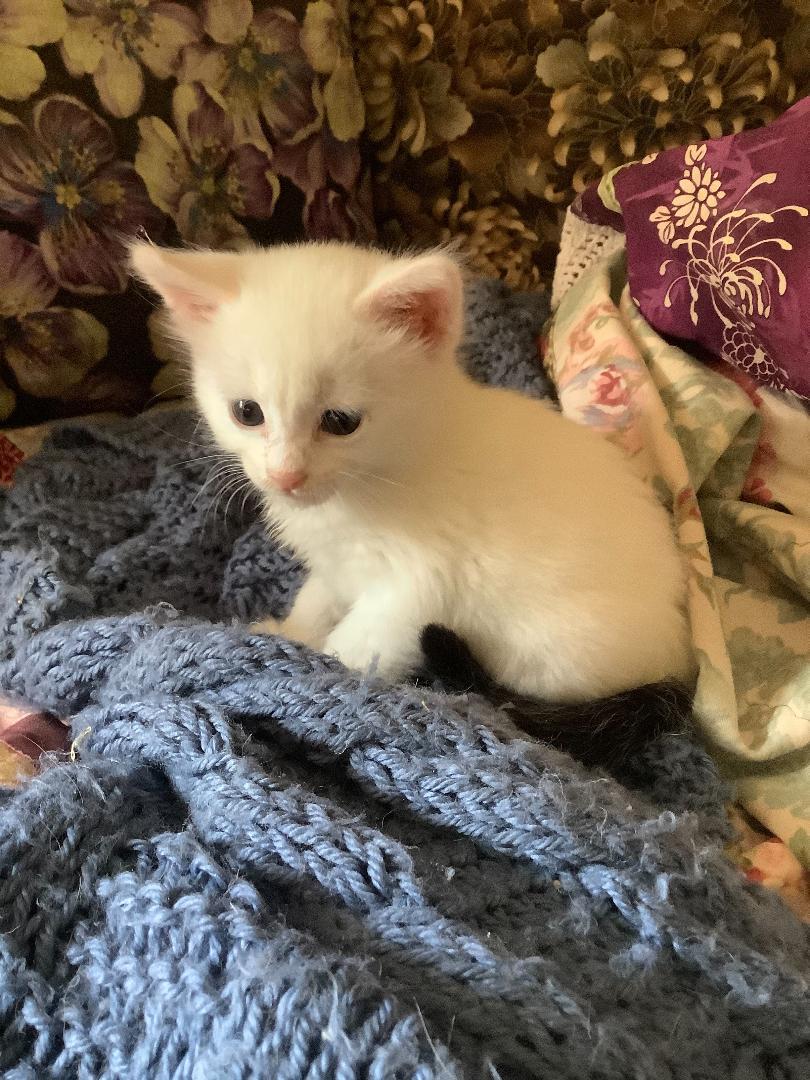
Last month, I was taking care of a kitten estimated to be about 5 weeks old after two of my neighbors out walking dogs one night discovered her in the middle of the road in front of my house. I was able to find her a good home because, sadly, I could not keep her, although my heart broke when I gave her to her new parents. I had named her Eclipse because she'd been found on the night of the full moon, the night after the lunar eclipse, and because of her coat: all white with a black tail.
If I hadn't been able to find a good home that could care for her, since she was so young, I was going to contact Humane Society of South Brevard, a no-kill shelter where cats roam free and they set up adoptions. Although I won't be contacting them about Eclipse, I do plan to donate to them.
You can look for local, no-kill humane societies/shelters that do adoptions and do not receive federal, state, or county funding. These shelters rely on donations of pet food, towels, cat litter, flea medication, etc. Their website will list items they need.
This is Eclipse:
WALK FOR A DOG:
WoofTrax: "The more people actively walking with the free WoofTrax app, the greater the donation to your selected animal organization! Use the app each time you grab for the leash. It’s healthy for you, your dog, and your favorite shelter or rescue."
INDIA'S COVID CRISIS:
India's economy was starting to recover when it was hit with a second wave that is 10 times more severe than what they experienced in 2020. They've had over 330,000 deaths. Although, because the scale of devastation in Rural India may not be fully know, the number of deaths reported could easily be far more than that. On May 6th, they'd reached 414,433 new daily cases, a record. In the cities, there's a lack of oxygen tanks and hospital beds. But in the rural areas, it's dire because they lack access to basic health care and local authorities are neglecting them.
You can help from afar.
DONATE TO:
COVID-19 Oxygen for India: "The current need is for RELIABLE (tested) pulse oximeters in low resource settings."
Give India: They offer a few COVID missions you can donate to, including: Help patients breathe as they battle COVID, Give cash support to families of COVID deceased, Help set up COVID care centres for patients fighting Coronavirus, Donate food to families struggling with hunger in COVID's second wave, and Lakhs of women have had no sanitary napkins during Covid-19.
CARE India: "CARE India with its 70 years of experience in providing relief during disasters and delivering large scale health programmes on the ground, is well-positioned to support the affected citizens where the need is the greatest."
Hemkunt Foundation: COVID-19 oxygen cylinders.
Khaana Chahiye Foundation: This fundraiser will be ending soon. "We at Khaana Chahiye are ensuring that the most vulnerable populations have access to food."
GAVI COVAX AMC:
While the United States is doing better in this pandemic (in large part due to the vaccines that have been administered, as well as safety precautions), other countries around the world are not, and it's important that these countries receive help. Variants are popping up globally that vaccines may not be able to fight against. It'll take one of these variants here to create another wave in the US. If there's global, equitable access to vaccines, we can prevent this from happening.
DONATE TO:
Gavi COVAX Advance Market Commitment (AMC): "It’s the financing instrument that will enable people in 92 lower-income economies to access safe and effective donor-funded COVID-19 vaccines through the COVAX Facility at the same time as 98 higher-income, self-financing countries receive their doses. The more funds Gavi receives, the more people will be protected against the virus."
CONTENT WARNING: Indigenous genocide
KAMLOOPS INDIAN RESIDENTIAL SCHOOL
May 2021, a mass grave containing the remains of 215 Indigenous children was found at Kamloops Indian Residential School in British Columbia that closed in 1978. Some of them were as young as three years old.
Residential schools were created to "kill the Indian in the child," and the children who were forced to go to these schools were mistreated and abused (mentally, physically, and sexually).
Seven generations of Indigenous peoples in Canada were lost to these schools. Many children never returned home. The last residential school in Canada closed in 1996, so this is not distant history, but recent.
UPDATES:
On June 10, 2021, 104 Indigenous children were discovered at a former residential school in Brandon, Manitoba.
On June 23, 2021, an unmarked gravesite of Indigenous children was discovered in Saskatchewan, containing 751 graves...751 children.
DONATE TO:
Indian Residential School Survivors Society: "IRSSS provides essential services to Residential School Survivors, their families, and those dealing with Intergenerational traumas."
US HISTORY:
The United States also had schools like this, called "boarding schools," which began in 1860. The goal was to assimilate these children into the white "American way of life." []
Col. Richard Henry Pratt, who established the Carlisle Indian School in Carlisle Pennsylvania, where he was the Headmaster for 25 years, believed, "Kill the Indian, save the man.” [2] "About 10,000 students attended the Carlisle School from its founding until it closed its doors in 1918." [3]
"There were more than 350 government-funded, and often church-run, Indian Boarding schools across the US in the 19th and 20th centuries." [4]
"As of 2020, there are seven federally funded boarding schools in the United States. The Bureau of Indian Education operates four of them, and three are tribally controlled." [5]
DONATE TO:
Native Wellness Institute: "NWI exists to promote the well-being of Native people through programs and trainings that embrace the teachings and traditions of our ancestors."
First Nations’ COVID-19 Emergency Response Fund
**END TO CONTENT WARNING**
SAMIR MANSOUR BOOK STORE:
Gaza's largest and most-beloved bookstore and library, Samir Mansour Book Store, was destroyed in an airstrike last month. You can learn more by reading this LitHub article and you can donate to help rebuild it.
DONATE TO:
Rebuild Gaza's Samir Mansour Book Store: "All funds will be given directly to Samir Mansour to rent new space and rebuild a new library and book shop."
SAVE THE BEES:
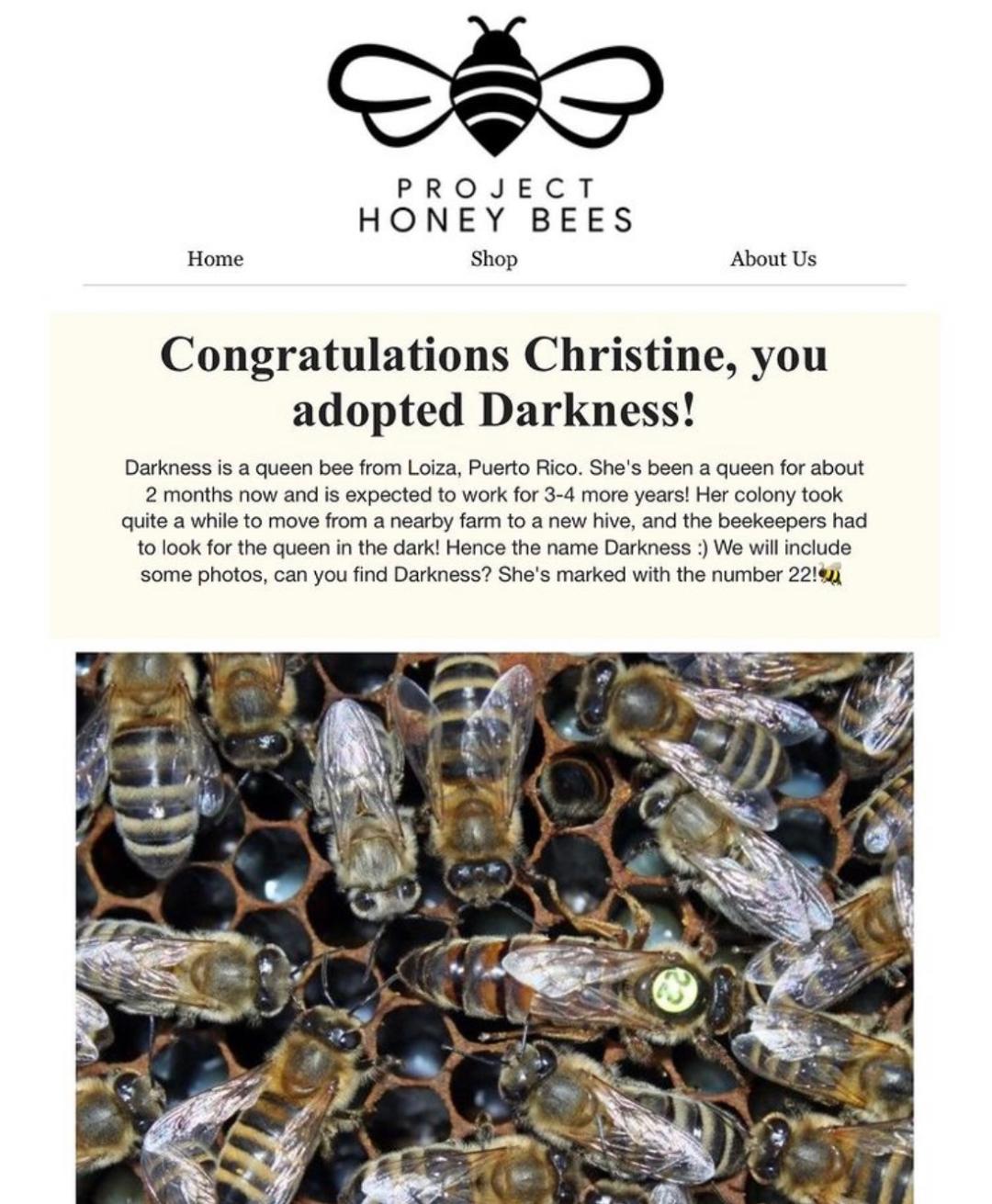
You can adopt a unique bee when you purchase a special piece of jewelry: a necklace, bracelet, earrings, or pin.
Project Honey Bees: "Proceeds of each purchase will be donated to honey.ucdavis.edu and will contribute to university bee research, creation of new hives, repopulation of bees, education of communities, long term solutions to the declining population of bees and more!"
I had adopted a queen bee in February named Darkness.
LIPSTICK FOR A CAUSE:
Nasty Woman Cosmetics: I bought Resistance Red, because I love a good red lip.

I also bought Power to the Purple for which a "portion of the proceeds from each sale benefit organizations such as Emily's List, ACLU Michigan and other organizations that share our values of empowerment and equality."

QUESTION: What causes/shelters/libraries/organizations, etc. do you like to donate to? What products have you purchased that give a portion of their proceeds to something you care about?
Dear Publishers Interview / Jess Lee Talks About Diversity, Equity, Inclusivity, and Antiracism in the Publishing Industry

Today I am welcoming Jess Lee, the founder of Dear Publishers, to Write with Fey.
I am thrilled to have Jess as a guest. I asked her if she would be interested in doing an interview here because I believe what she (and everyone at Dear Publishers) is doing is important, and I wanted to help Dear Publishers' mission to reach more people, like the lovely people who follow my blog. <3
Her answers about Dear Publishers, diversity, equity, inclusivity, and antiracism are amazing. When I read them, I became even more excited, and I hope they impact you as much as they've impacted me.

1. Hi, Jess! I am really excited that you’re here today to talk about Dear Publishers. First, can you tell us about your journey as a bookstagrammer?
I have always been a lover of books, whether it was collecting my favorite ones from used book stores or sharing recommendations with anyone. I kind of fell into this wild corner of Instagram back in April 2020 - I didn’t realize bookstagram was a thing. Last year when social justice, police brutality and anti-racism were pushed to the forefront of many people’s minds, I decided to connect my love of reading with my career as a diversity, equity, inclusion and antiracism practitioner. I started my bookstagram (@literaryintersections) and immediately realized that a book community existed online.
My page reflects my passion to share and discuss works primarily featuring authors and characters from non-dominant identities. Followers can expect diverse book recommendations, antiracism texts, and funny reels highlighting my love of romance. My content explores how intersectionality shows up in the books that we read, and I give recommendations on ways to be antiracist in our daily lives. Ultimately, though, I try to have fun. Yes, I post about antiracist texts, but I also read and review steamy romance - my account is just as fluid as my reading is!
2. How did Dear Publishers get started?
Dear Publishers was established the day after Post Hill Press, a Simon & Schuster distribution client, announced a book deal with one of Breonna Taylor’s murderers. Mel of @bookrecsbymel and I put out a signal to the book community, asking our audience to take action and demand true change from Simon & Schuster, who, less than one year earlier, had pledged to “stand against racism.” In addition to being ableist, it is clear now that these words were merely performative. Enough is enough, and we demand accountability.
The book community is large and there is power in numbers. Dear Publishers aims to bring solidarity against racism as a community of bookstagrammers, readers, authors, influencers, and educators. Together, we can demand publishers to address their racist and oppressive policies and practices. We can vote with our dollars and have real influence in the industry. I wanted to help lead the effort to organize this.
3. What is Dear Publishers’ goal/mission?
Dear Publishers’ mission is to hold the publishing industry accountable for racist and other oppressive policies and practices in order to help create an equitable publishing industry for all. The publishing industry includes publishing houses, literary agencies, and third-party marketing companies.
My team and I envision a world where equity and inclusion in publishing are standard. A world where authors of color, LGBTQIA+ authors, and authors with disabilities are uplifted and amplified. Where pay gaps and discrepancies across marketing budgets are eliminated. Where publishing houses, literary agencies, and third-party marketing companies interrogate their white supremacist practices, create clear values of inclusion and antiracism, and stand by those values in all facets of their business. We will meet this vision by advocating alongside the publishing workforce, particularly Black, Indigenous, and People of Color, who are exposing racist and problematic behaviors within the industry. We will work with them to demand justice and accountability at every turn.
4. What tasks can readers and authors take right now?
Dear Publishers created a list of demands to hold publishing companies accountable to their diversity and equity statements. These are long term because significant change takes time - to quote from Hamilton, “this is not a moment, it’s a movement,” and we are in it for the long haul. Readers and authors can take action by engaging in Dear Publishers calls to action - monthly opportunities to sign petitions, send emails to publishing houses, and engage in dialogues around antiracist and equitable practices. Taking one action isn’t enough - repeatedly amplifying the calls to action, supporting smaller publishers who are antiracist, and continuing to diversify reading habits are daily steps that can be taken. All current calls to action can be found on our website!
We are also always looking for volunteers to join the cause. If readers, educators, publishing industry professionals, and/or authors are interested in participating and being part of this momentous change, you can sign up here.
5. What did you learn from the 2020 McKinsey & Company report about hiring diverse talent?
I learned so much from the 2020 McKinsey & Company report. First, the report solidified my belief that the concept of “belonging” in a work space is just as critical as diversity, equity and inclusion. If diversity is being in the room and inclusion is being involved in decision making, belonging is feeling seen, feeling valued and being able to bring your whole self to the room. The report furthers this truth: having multiple and diverse perspectives is critical to success because experience matters.
The McKinsey report also highlights the need for accountability and transparency, specifically at a leadership level. Ultimately, this report provides clear data on why racial and gender diversity isn’t enough - it’s about “focusing on booting inclusion by enabling equality, promoting openness and fostering belonging.”

6. On Dear Publishers, you had also highlighted a study conducted by Deloitte Insights about inclusive leaders. What did you learn from this report that you’d like others to know about?
This report specifically illuminated the importance of leaders and middle managers. This study, as well as the McKinsey report, show that any diversity, equity and inclusion work must be centered on the actions of leadership. Leaders must model equitable and inclusive leadership, must be held accountable to DEI strategies and initiatives and must work to change behavior to support “the needs of diverse talent, ideas, customers, and markets.” I also loved the study’s focus on storytelling, specifically asking middle managers and leaders to tell stories of their commitment to DEI work. Storytelling creates connections and can demonstrate dedication and vulnerability, all of which moves “people emotionally and engage(s) them on the purpose of the D&I agenda.”
7. Why is it important for publishers to be transparent on what they are doing/planning to do to increase diversity within their workforce, as well as among their authors and the books they publish?
Transparency is a key step in making change because it holds a company accountable. After George Floyd was murdered, publishers posted their antiracism messages and statements in solidarity with communities of color, yet their practices didn’t change. Their systems and structures didn’t change. If publishers are transparent about the number of books they publish by authors of color, or the percent of people of color in leadership at their organization, as well as what numbers they are working towards and by when, we readers can hold them accountable. We can ensure that they begin to dismantle embedded systems of inequity and white supremacy by investing in authors of color, LGBTQIA+ authors and authors with disabilities. Plus, with the insights from an equity audit, publishers will have raw data to decipher their areas for growth. Racism and oppression are built into these systems’ very fabric and without data and transparency, those systems will continue to be reproduced.
8. What is your message to people who say canceling deals/contracts for books or authors that promote racism/antisemitism/transphobia, etc. is censorship?
While we believe in listening to a diversity of perspectives, and we wish to engage with those who are willing to learn about radical justice, we don’t expect our audience to have all the answers, and we may make mistakes along the way. But we can hold ourselves accountable to learn and engage, and hold publishing accountable to change. Dear Publishers does not condone racist actions, harmful behaviors, or malintent. We do not have a blanket “cancel” policy nor do we have a blanket acceptance of harmful ideas for the interest of “free speech,” “devil’s advocacy,” or “multiple perspectives.” Too often, these phrases are mere euphemisms that grant acceptance of racism, homophobia, transphobia, sexism, ableism, classism, and other harmful practices.
9. What changes do you (and supporters of Dear Publishers) hope to see in the publishing industry?
I want to see publishers release equity audit data. I particularly want to see numbers around authors of color, BIPOC staff in leadership positions and other workplace demographic data, lists of imprints and distribution clients, and data on ARC distribution. I would love to see BIPOC authors and authors of other marginalized identities get equitable marketing funding and opportunities. A recurring issue in publishing, and other industries, is low retention and promotion of people with marginalized identities. Many end up leaving because of systemic and institutionalized oppression that leads to inequitable experience. I want to see more editors from marginalized backgrounds and career pathways for those below the managerial level. And I want to see publishers listening to readerships who want change. Sometimes it feels like we are yelling into a void: publishers post their solidarity statements and black squares but don’t back them up with systemic change. I hope to see changed behavior, mindsets, and policies so that publishers are amplifying and uplifting those from marginalized identities while breaking down systemic racism and white supremacy in their policies and practices.
10. Who makes up the Dear Publishers team?
Our team is made up of eight team leads, as well as a volunteer network we are currently building.
All of our team members can be found here: https://www.dearpublishers.com/about
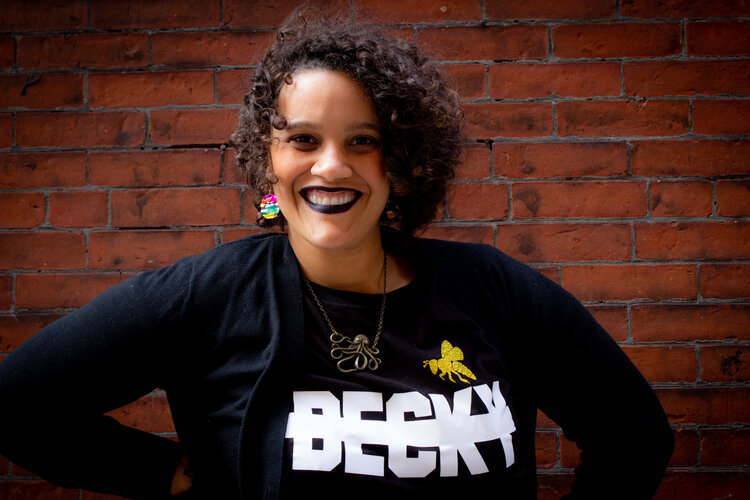 Jess Lee
 Pronouns: She/Her
Instagram: @literaryintersections
Roles: Founder / Events Co-Lead
Jess mobilized Dear Publishers because as a leader of Diversity, Equity, Inclusion, and Racial Equity, she is dedicated to providing inclusive spaces for learning, challenging, and growth. An avid reader, Jess’ aim is to share and amplify works primarily featuring authors and characters from non-dominant identities, with a goal to dismantle white supremacy and racism in personal and professional spaces. She lives on Nipmuc and Narragansett land.
Dear Publishers: Website / Instagram / Twitter
Thank you so much, Jess, for your interest in doing an interview on Write with Fey and for your thought-provoking, informative, and insightful answers.
Everyone, please leave Jess a comment and show her (and the entire Dear Publishers team) some love.
And because the entire team deserves a shout out:
 Mel Gill
Pronouns: She/Her
Instagram: @bookrecsbymel
Roles: Co-founder/ Events Co-lead / Email Lead
Mel joined the Dear Publishers movement because as a small business owner in the book community she works towards dismantling white supremacy. As a young immigrant from Lima, Peru, books are what kept her safe but she never saw herself in them. As an adult, it has become important to her to see herself, her culture, and those around her in books. As a small business owner she created a business to amplify the voices of her community as well as those communities that have been silenced for too long because the publishing industry doesn't do it enough or as loud as their white counterparts. Enough is enough.
 Alejandro Salas
Pronouns: He/Him/El
Instagram: @alejandro.reads
Role: Equity & Justice Research Lead
Alejandro joined Dear Publishers because the white supremacist pacticies within the publishing industry need to be unearthed and dismantled. Alejandro is passionate about community organizing and advocacy with a specific focus on rethinking school discipline and creating brave spaces for undocumented youth in schools. Alejandro is currently a 9th grade English teacher and lives on stolen Karankawa land.
 Amy Truckner
Pronouns: She/Her
Instagram: @sips.and.sequels
Role: Social Media Lead
Amy has always held a passion for learning through stories. She joined Dear Publishers to advocate for more diverse literature and to dismantle oppressive practices within the publishing industry so those stories can be told. As a Data Analyst by day and bookworm 24/7, the book community has made a major impact on the way she looks at the world. She believes that the stories of marginalized groups deserve a larger platform in order to drive larger change. Amy currently lives on Skaruhreh/Tuscarora and Lumbee land.
Victoria Wood
Pronouns: She/Her
Instagram: @bookslifehome
Role: Marketing Lead
Victoria is extremely passionate about books, authors, independent bookstores, literacy, and every literary. As the co-founder of a start-up media and marketing company in the book industry, she recognizes the changes needed to create a more equitable industry, and joining Dear Publishers was a natural extension. Currently working in Radiology, Victoria spends her free time working on BiblioLifestyle, a weekly newsletter and online community for avid and aspiring readers. She lives on Seminole land.
 Fiona Bransgrove
Pronouns: She/Her
Instagram: @adastra_stories
Role: Design & Branding Lead
After spending years working at a public library, Fiona joined Dear Publishers because she wants libraries’ shelves to be anti-racist and intersectional. Fiona works remotely for a psychiatry firm, as a freelance designer, and runs ad astra with Olivia. She currently lives on Cowlitz land.
 Olivia Butze
Pronouns: She/Her
Instagram: @adastra_stories
Role: Communications & PR Co-Lead
Passionate about the publishing industry, Olivia believes in a book’s ability to inspire change and the importance of advocating for critical stories that need to be read— and joining Dear Publishers was a natural extension. Currently working in academic publishing, Olivia spends her free time working with her friend Fiona on ad astra, a platform that looks at books through an intersectional feminist lens. She lives on Tongva land.
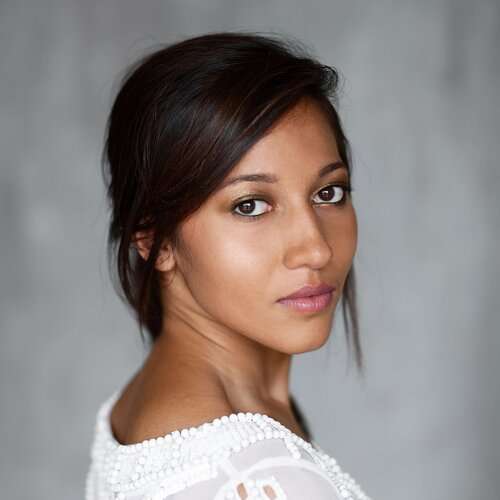 Swati Sudarsan
Pronouns: She/Her
Instagram: @booksnailmail
Role: Communications & PR Co-Lead
Swati joined Dear Publishers because she wants to see a world where publishing is so diverse that genres need not be defined by identities. Until then, she will work to amplify marginalized literature. Swati works in public health research, and she currently lives on Ohlone land.
June 21, 2021
Causes and Donations - Books, Animals, and People
Hey Everyone,
I want to share with you some very good causes that you can support.
LITTLE FREE LIBRARIES:
Do you have books lying around at home or on bookshelves that you've had for years but really aren't going to read? Why not add them to local Little Free Libraries? While you're at it, you can donate your own published books to Little Free Libraries, too, as my mom and I had done recently.
Check out this map to find Little Free Libraries near...
[[ This is a content summary only. Visit my website for full links, other content, and more! ]]

June 14, 2021
Dear Publishers Interview / Jess Lee Talks About Diversity, Equity, Inclusivity, and Antiracism in the Publishing Industry
I am thrilled to have Jess as a guest. I asked her if she would be interested in doing an interview here because I believe what she (and everyone at Dear Publishers) is doing is important, and I wanted to help Dear Publishers' mission to reach more people, like the lovely people who follow my blog. <3
Her answers about Dear Publishers, diversity, equity, inclusivity, and antiracism are amazing. When I read...
[[ This is a content summary only. Visit my website for full links, other content, and more! ]]

June 7, 2021
5 Things To Know Before You Self-Publish a Book on Amazon by Desiree Villena / Guest Post

Please help me to welcome Desiree Villena to Write with Fey. She has an amazingly detailed post for you all about self-publishing with Amazon. Thank you, Desiree!
Self-publishing via Amazon can be very attractive — it’s the largest marketplace for ebooks, and incredibly convenient for authors to boot!
That said, there are some finer points about how Amazon’s self-publishing process works that might not be apparent at first glance. Fortunately, I’m here with a handy list of five things you should know before you commit to Amazon self-publishing, so you’re aware which parts of the fine print might be crucial for your book sales later on. Let’s dive right in!
1. Amazon forces you to follow their pricing structure for ebooks
One of the greatest appeals of self-publishing is that its authors keep a much larger percentage of the royalties than traditionally published authors do. Amazon’s self-publishing service, Kindle Direct Publishing (KDP), offers a competitive royalty rate of 70% (in specific countries) — but that comes with several caveats.
First off, it only applies if you price your ebook between $2.99 and $9.99; any ebook priced outside that range is disqualified and receives the default 35% royalty rate. Additionally, for any ebook of yours that Amazon price-matches to meet a third party seller’s sales price, you’ll be dropped back down to that 35% royalty if the sale ends up outside of that $2.99 to $9.99 range. So be cautious when pricing your book, and make sure it’s consistent across platforms!
If you choose to publish through KDP, Amazon offers you the option to join their KDP Select program. This gives authors access to a larger reader base through Kindle Unlimited, the ability to discount or provide their books for free for a limited time every 90 days, and a bump from 35% to 70% royalties in India, Brazil, Mexico, and Japan.
Sounds great, right? But there’s a big restriction to KDP Select: committing to publishing your work solely on Amazon for the 90 days you’re enrolled (and longer if you choose to re-enroll). This is a major decision, as you’re cutting off other potential revenue streams by doing so, and because some readers are increasingly anti-Amazon — or reside in less Amazon-dominated areas, like Canada or Germany.
To that end, consider where your intended audience is located and how much you might benefit from using other platforms before settling on KDP Select. It’s tempting to forge ahead with it just so you can run price promotions, but keep in mind that…
Amazon exclusivity might be the most important thing to note about KDP Select, but there are plenty of other restrictions hidden in the contract about the benefits of the program.
For one thing, Amazon’s pay structure for people who read your book through Kindle Unlimited is on a pay-per-page basis, regardless of the original list price. Obviously, this privileges books that have more pages — so if you happen to publish a children’s book in the 20-40 page range, you’re going to be pulling in much less than someone with a 400-page novel. That per-page price also fluctuates per month according to Amazon’s KDP Global Fund, so the rate is slightly inconsistent.
The other marketing benefits of KDP Select, Kindle Countdown Deals (which offer a discount on your ebook for a week every 90 days) and Kindle Free Promotions (provides your ebook free for up to five days every 90 days), also have quite specific restrictions. To start with, you can’t use both Kindle Countdown Deals and Kindle Free Promotions within 90 days of each other, so you’ll effectively have to choose between them each KDP Select membership period.
Kindle Countdown Deals and Kindle Free Promotions each have their own fine print as well. Per the Countdown Deals details page, it can only be initiated 30 days after KDP Select enrollment, and only if your list price remains unchanged. Additionally, neither Countdown Deals nor Free Promotions can be triggered in the final 14 days of a 90-day KDP Select period — which is bad luck for authors hoping to end their enrollment with a bang.
Everyone likes to get paid quickly, and for self-published authors, it’s often important to have a shorter payment cycle. Hence why it’s worth noting that Amazon’s royalty payment schedule is quite lengthy, at 60 days from the endof the month (according to their KDP contract).
This means you wouldn’t get early January royalties until the end of March, for example. Notably, Amazon KDP’s competitors, Apple Books and Kobo, get your royalties to you within 30or 45 days, respectively. Given that many authors are attracted to self-publishingbecause of its flexibility and high royalties, a long turnaround time on the payments may be a major drawback of Amazon KDP.
Furthermore, according to that same contract, if you have a payment dispute with Amazon, you must file within 6 months of the day the financial statement is made available. You will also not be able to claim any damages beyond the original amount owed, e.g. for the delay in payment — which can be a real hassle if it happens to you.
It’s no secret that Amazon has had many run-ins concerning business ethics and workers’ rights, most recently about essential worker conditions during the coronavirus outbreak.
But perhaps closer to home — and to your own financial well-being — is that Amazon can change the rules of a KDP or KDP Select agreement at any time and suspend or terminate your account, through no fault of your own. Dale Roberts has cited some examples of self-published authors being locked out of their accounts, one for having a name that happened to be the same as a celebrity.
Needless to say, you don’t want to lose all your earnings and data about your book sales, and the pain can be compounded if you had previously been a KDP Select member with no other revenue streams. So think carefully before going all-in with Amazon, and ensure you’re making the choice that’s right for you!
Having second thoughts about Amazon? Check out this post on how to publish an ebook to get a better grasp on your alternatives. And if you’re looking for more information on self-publishing in general, head to Chrys’s master list of posts all about publishing !
Guest Bio:
Desiree Villena is a writer with Reedsy, a marketplace that connects self-publishing authors with the world's best editors, designers, and marketers. In her spare time, Desiree enjoys reading contemporary fiction and writing short stories. She's very passionate about indie publishing and hopes to help as many authors as possible achieve their dreams!
Please leave a comment for Desiree. :)
June 3, 2021
I'm an Official Judge! / IWSG

 The Insecure Writer's Support Group is a safe place for insecure writers of all kinds.Sign up here: Insecure Writer’s Support Group
READ THE UPDATE HERE.
2021 IWSG Anthology Contest Details
Guidelines and rules:
Word count: 5000-6000
Genre: Sweet Romance
Theme: First Love
Submissions Accepted: May 7 - September 1, 2020
How to enter: Send your polished, formatted (double-spaced, no footers or headers), previously unpublished story to admin @ insecurewriterssupportgroup.com before the deadline passes. Please include your full contact details, your social links, and if you are part of the Blogging, Facebook, Instagram, or Twitter IWSG group. You must belong to at least one aspect of the IWSG to enter.
Judging: The IWSG admins will create a shortlist of the best stories. The shortlist will then be sent to our official judges.

Our Official Judges:
Author Nancy Gideon
https://nancygideon.blogspot.com/
Nancy Gideon is the award-winning bestseller of over 70 romances ranging from historical, Regency, and series contemporary suspense to dark paranormal and horror, with a couple of produced screenplays and non-fiction writing books tossed into the mix. She’s also written under the pseudonyms Dana Ransom, Rosalyn West, and Lauren Giddings.
Agent Caitlin Blasdell, Liza Dawson Associates
https://www.lizadawsonassociates.com/
Caitlin Blasdell has been a literary agent with Liza Dawson Associates since 2002 with a focus on commercial fiction. Before becoming an agent, she was a senior editor at HarperCollins Publishers.
Author Susan Gourley
http://susangourley.blogspot.com/
Susan Gourley is traditionally published in fantasy and science fiction romance using the name Susan Kelley. She is currently serving as the President of the Pennwriters writing group renowned for the annual conference.
Agent Melissa Gaines, Victress Literary
https://www.victressliterary.com/
Author Jennifer Lane
https://jenniferlanebooks.com/
Jennifer Lane writes sports romance and romantic suspense with a psychological twist. She has published nine novels and two short stories, including Behind the Catcher’s Mask as part of the IWSG Masquerade Anthology.
Agent Rachel Beck, Liza Dawson Associates
https://www.lizadawsonassociates.com/
Rachel Beck joined Liza Dawson Associates in January 2020 after working at a boutique literary agency for four years. She has been in the publishing industry since 2009 and worked at Harlequin editing romance novels for nearly six years before transitioning her skills to the agent world in order to be an advocate and champion for authors.
Author Chrys Fey
Chrys Fey is the author of the Disaster Crimes series, a unique concept blending romance, crimes, and disasters. Hurricane Crimes, Book One, is an award-winning romantic-suspense novella.
Prizes: The winning stories will be edited and published by Dancing Lemur Press' imprint Freedom Fox Press next year in the IWSG anthology. (Please see their site for general submission guidelines.) Authors will receive royalties on books sold, both print and eBook. The top story will have the honor of giving the anthology its title.
This is our seventh anthology contest! In addition to Dark Matter: Artificial, previous titles include Voyagers: The Third Ghost, Masquerade: Oddly Suited, Tick Tock: A Stitch in Crime, Hero Lost” The Mysteries of Death and Life, and Parallels: Felix Was Here.
GOOD LUCK TO EVERYONE WHO ENTERS!
I am excited to read and judge the shortlist, and I am honored to be a judge among such amazing authors and agents.
HAPPY IWSG DAY!
June 1, 2021
Dear IWSGers - An Announcement
Last month, I had announced that I was a judge for the 2021 IWSG anthology contest. (See that post here.)
This month, I am announcing that I’m no longer a judge.
I had been so excited when I was asked that I neglected to inquire if any of the judges already on board were BIPOC (Black, Indigenous, and People of Color) authors or agents. Later, when I requested the anthology and judges info to add to my blog post, I wasn’t given images, only text, and I didn’t look up the judges’...
[[ This is a content summary only. Visit my website for full links, other content, and more! ]]

A Quick Spell RELEASE DAY! / The Challenge of Writing Short Fiction / Guest post / Patricia Josephine

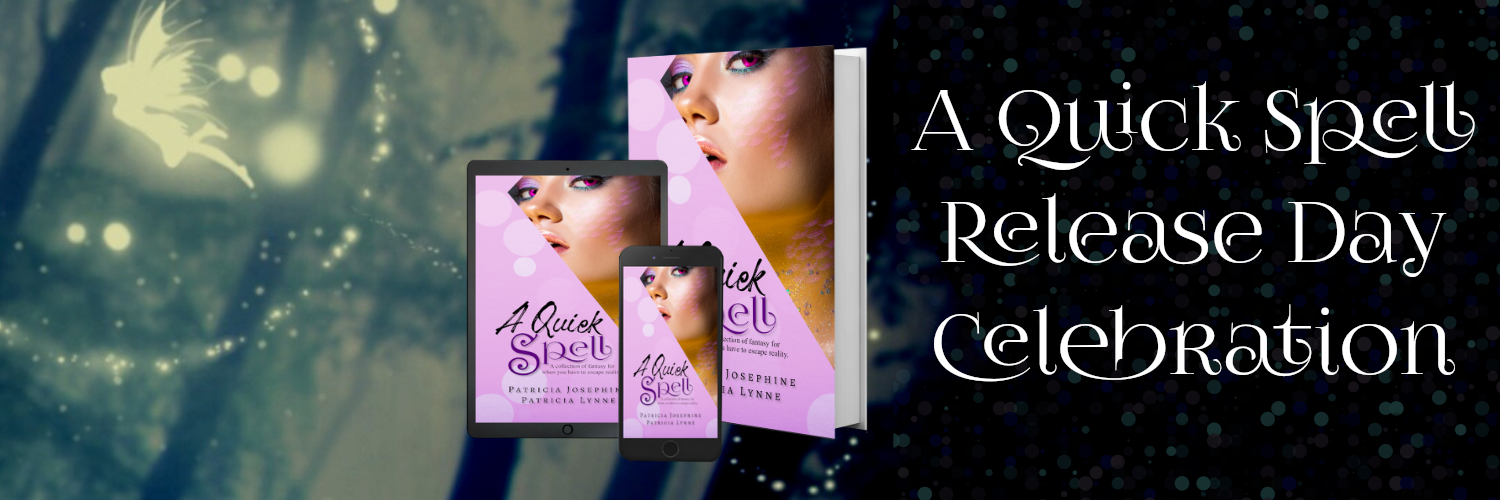
Patricia did it again! She has another fabulous collection of stories told in exactly 200 words! I read A Quick Bite and loved every single story. They were all unique and fun. I have A Quick Spell on my Kindle right now and can't wait to begin. I think I'll set aside my current read so I can get to it right now. :)

Blurb:
Magic.
Myths.
Fantasy.
We are bewitched by what we can't see.
Conjure delight with a fantastical collection of tales. Each story is told in exactly 200 words and designed to delight your imagination no matter how busy your day is.
Will you believe?
Buy Links:
The Challenge of Writing Short Fiction:
You may think writing a 200-word story isn’t that challenging, but it couldn’t be farther from the truth. Some writers may actually say it’s harder than writing a full-length novel, and I know a few who don’t write shorter fiction because they can’t wrap their brains around it. Their muse only works in long form.
Writing short fiction is different from a novel. With novels, you have an unlimited number of words you can use to paint a picture for the reader. Short fiction you have restrictions on word count. You may only have 1000 words. You can even have as little as 50. When you have that limit, you are forced to choose more carefully. Your strokes have to be broader instead of going into minute details as you can with a novel.
The way I approach short fiction is similar to my novels. I just start writing. I figure out the story as I go and when I get to the end, I edit. I edit until the story is at the word limit I’ve imposed. That’s done by cutting descriptive words. The sentence doesn’t need the color of someone’s shirt for example. Thoughts the character has might get axed as well. If it doesn’t serve the basic story I want to tell, it can go.
Sometimes that doesn’t always work. Sometimes the story I’m trying to tell needs to be longer. When that happens, I stop worrying about word count and let it end as a novella or novel. I have a zombie apocalypse story I hope to release in the future that I initially intended to be 100 words. It ended at over 10,000!
Writing short fiction is a great exercise. It makes you think about word choices and their importance to the story. I encourage anyone who enjoys writing to give it a shot.

About the Author:
Patricia Josephine is a writer of Urban Fantasy and Sci-Fi Romance books. She actually never set out to become a writer, and in fact, she was more interested in art and band in high school and college. Her dreams were of becoming an artist like Picasso. On a whim, she wrote down a story bouncing in her head for fun. That was the start of her writing journey, and she hasn't regretted a moment. When she's not writing, she's watching Doctor Who or reading about serial killers. She's an avid knitter. One can never have too much yarn. She writes Young Adult Paranormal, Science Fiction, and Fantasy under the name Patricia Lynne.
Patricia lives with her husband in Michigan, hopes one day to have what will resemble a small petting zoo, and has a fondness for dying her hair the colors of the rainbow.
Social Media Links:
Website - https://www.patriciajosephine.com
Patreon - https://www.patreon.com/pjlauthor
Twitter - https://twitter.com/pjlauthor
Facebook - https://www.facebook.com/pjlauthor
Newsletter - https://www.patriciajosephine.com/newsletter.html
Goodreads - https://www.goodreads.com/author/show/13460894.Patricia_Josephine
Amazon Author Page - https://www.amazon.com/-/e/B00UH7GAK0
Smashwords - https://www.smashwords.com/profile/view/patriciajosephine
Draft 2 Digital - https://books2read.com/ap/xoOZX9/Patricia-Josephine
Please leave a comment for Patricia!
QUESTION: Have you ever tried to write fiction that's 200 words exactly (or less)?