Chrys Fey's Blog, page 18
September 27, 2021
Graphic Novels, Picture Books, MG & YA Books, Adult Romance / Recommendations + Reviews

This post goes with the one I shared back in July: Diverse Children's Books.
Why another blog post featuring (mostly) diverse reads?
Because I enjoy them! Because diverse rep is crucial! Because readers should read widely and diversify their bookshelves/book stacks. Because publishers should have more diverse rep among their authors and the books that they publish.
I understand that some people are immediately turned off by the word "diverse."
I want to challenge those people to pick up a book with diverse rep (set aside any prejudgments they may have before they even give a book/author/character a chance) and expand their horizons.

Here's my recommendations and reviews. I hope you enjoy them and find at least one book to add to your TBR list.
GRAPHIC NOVELS:
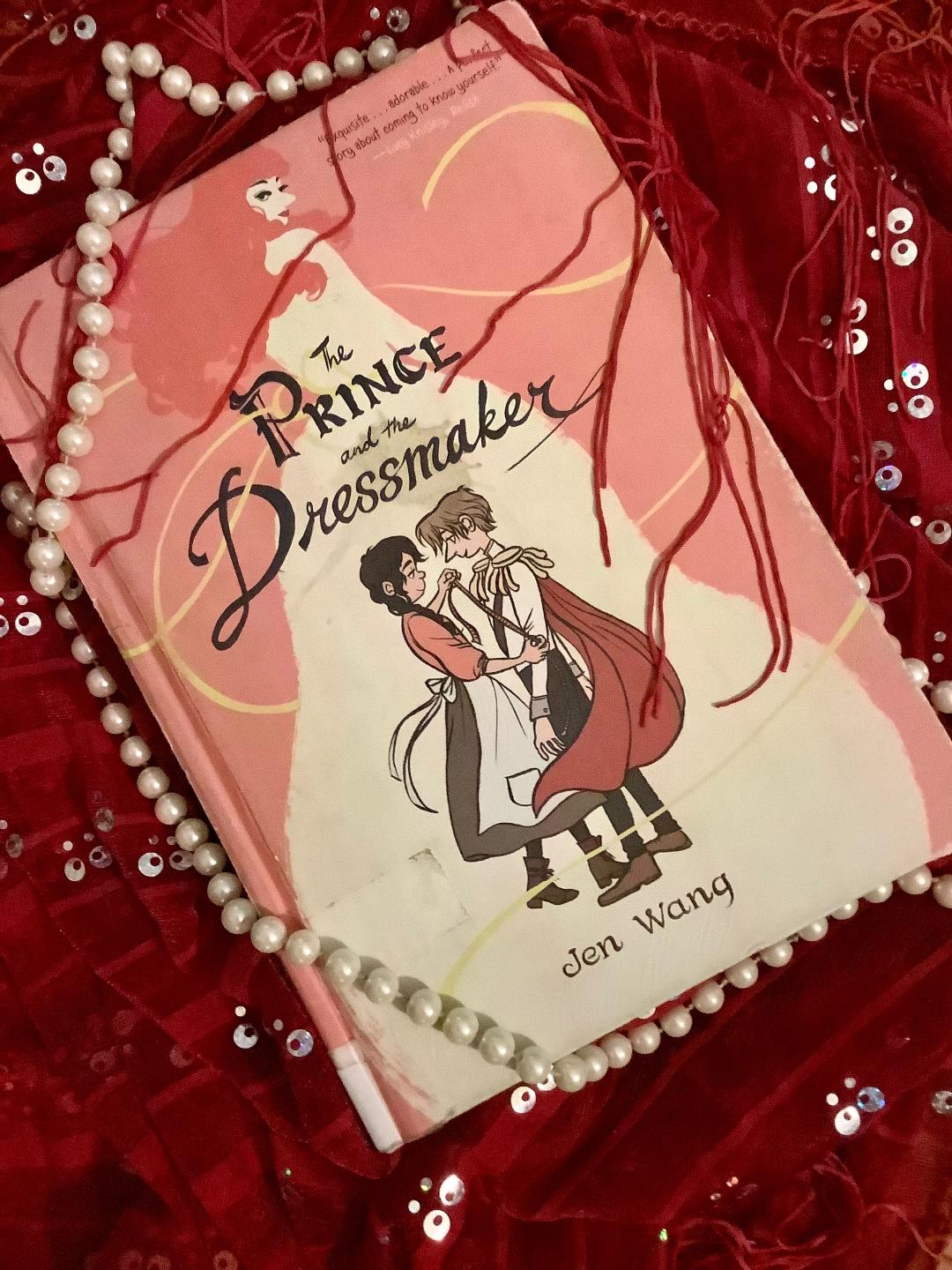
The Prince and the Dressmaker - I adored this book. ADORED it! I wouldn’t even tell you to read the blurb. Just read the title, look at the cover, know it’s about a prince who likes to wear dresses, and then dive right in. This story is cute and sweet and just perfect. I don’t know what else to say but that I loved it and read it in one sitting. I’ve been reading a lot of graphic novels and this one was my favorite of all the ones I’ve read.

Toi and MJ recommended this series to me in my last book post. Thank you both!
The March series of graphic novels are powerful and important. They depict events that should be taught in all schools, to all children. Book One is about the sit-ins at segregated lunch counters. Book Two is about the Freedom Riders and their dangerous, brave journey. Book Three is about voting rights and the marches that took place in Selma.
I have highly recommended books before, but these three graphic novels are above all those other books. These graphic novels are more than pieces of history that need to be told. They are eye-opening and inspiring in a time when we need our eyes opened and to be inspired the most.
Read more »

September 13, 2021
Traditional Publishing - Pros and Cons

First...I did a thing...I signed up for TikTok. I didn't think I ever would, and have said as much, but I guess it's true when they say to "never say never," cuz I took the plunge.
Are you on TikTok? Follow me! I'll follow you back!
***
Thank you for coming to a vlog edition of Write with Fey!
I posted this new PowerPoint Presentation with audio (and closed captioning that you can activate) on my YouTube Channel last week. It is a long video, clocking it over 30 minutes, but it is detailed. Anyone interested in trad publishing will get a lot of of this.
Traditional Publishing Pros and Cons
Length: 36:20
Thank you so much for watching/listening to this video, or saving it to watch later! And, as always, thank you for visiting my blog!
Subscribe to my YouTube Channel here. After you click "Subscribe," click the bell icon and then "All."
September 6, 2021
Good Causes to Support / PART 2

Causes and Donations for Books, Animals and People / Part 1
GOOD CAUSES TO SUPPORT / PART 2
Below are causes you can support through signing petitions, donating money, participating in events, learning more, and, of course, sharing.
ORANGE SHIRT DAY:
Below are causes you can support through signing petitions, donating money, participating in events, learning more, and, of course, sharing.
Orange Shirt Day: Every Child Matters occurs on September 30th. This event "opens the door to global conversation on all aspects of Residential Schools. It is an opportunity to create meaningful discussion about the effects of Residential Schools and the legacy they have left behind." [1]
2021 has been a heartbreaking year for Indigenous folks as countless graves have been uncovered at the sites of closed Residential Schools around Canada. This is not just a Canadian issue, though. The United States had MANY "boarding schools" for Native children, and we haven't started to look for graves, yet.
Get an "Every Child Matters" orange shirt from an Indigenous artist like Agnes Wooward to remember those who were lost to Residential Schools, as well as to honor survivors. Check out ReeCreeations shop for a shirt.
Learn more at OrangeShirtDay.org.
You can also participate in the Remembrance 5K Run (a virtual event) on September 30th for $25 or support a runner in need if you can't participate for whatever reason.
IDA RELIEF:
Hurricane Ida struck Louisiana on the 16th anniversary of Hurricane Katrina. Now communities and impacted people and families need help.
DONATE:
Imagine Water Works: Donate to Hurricane Ida Relief & Recovery
UNICEF USA is aiming to help children impacted by Hurricane IDA.
Greater New Orleans Foundation Disaster Response and Restoration Fund
THE CROWN ACT:
I mentioned the CROWN Act in a book review/recommendation post on my blog featuring diverse reads.
Dove, National Urban League, Color Of Change, and Western Center on Law & Poverty have co-founded the CROWN Coalition to advance the CROWN Act.
CROWN stands for: Creating a Respectful and Open World for Natural Hair.
The CROWN Act is a a law that prohibits discrimination based on hair texture and hairstyle.
ACTION ITEMS:
Sign the petition asking for the CROWN Act to be passed in all 50 states.
STOP LINE 3:
People always show outrage at oil spills in the ocean (and rightly so), but what about inland oil spills? Also, for any animal rights activists, wildlife and other animals won’t have clean drinking water, either, like the dogs on reserves.
40% of America’s water will be contaminated. Are you in that 40%? Do you want to drink clean water? Remember Flint, Michigan? Do you know climate change is a serious problem? What about the safety of women and girls and two spirit people? Human trafficking increases at these pipelines. Four Line 3 workers have already been arrested in trafficking stings.
ACTION ITEMS:
- If you care about any one of those things, text PUCZGE to 50409 (Resist Bot will ask for your name and address because letters to government representatives require them.)
- You can also DM PUCZGE to @ResistBot on Twitter to do the same thing.
- Then sign the four petitions on RiceIsLife.Carrd.co.
Read more »
August 30, 2021
10 Things All Authors Should Know

10 THINGS ALL AUTHORS SHOULD KNOW
1. How to Contact Amazon to Price Change
There may come the day when you want to change the price of your eBook to 0.99 or to free but you're unable to do that on your KDP dashboard. So how do you do it? Do you go to your book's Amazon page? Many used to reply on the "Tell us about a lower price" link under a book's product details, although that was very insufficient and could take a long time to hear back, if you ever did. In fact, that option is no longer there.
So, how do authors change their eBooks' prices to 0.99 or free on Amazon?
You do it through KDP's Contact Us page: https://kdp.amazon.com/en_US/contact-us
To the left, beneath "How can we help?", click on "Pricing" and then "Price matching." You can contact them through email or phone. Phone may be faster, but I always did email because I hate talking on the phone. When you choose to send an email, make sure you have the ASIN for your eBook in the Kindle store and the competitor's URL links. Always specify what the price is listed as and what you want it to be instead.
TIP: If you are changing the price permanently or even for a specific amount of time, always check back to make sure Amazon hasn't reverted it back, because they like to do that and it is maddening.
You can also ask them to price match on all Amazon marketplaces (UK, DE, etc.)
Read more »
August 23, 2021
THE CURE by Patricia Josephine / Zombie Quiz and Excerpt + Giveaway / LIMITED TIME 99 Cents Sale

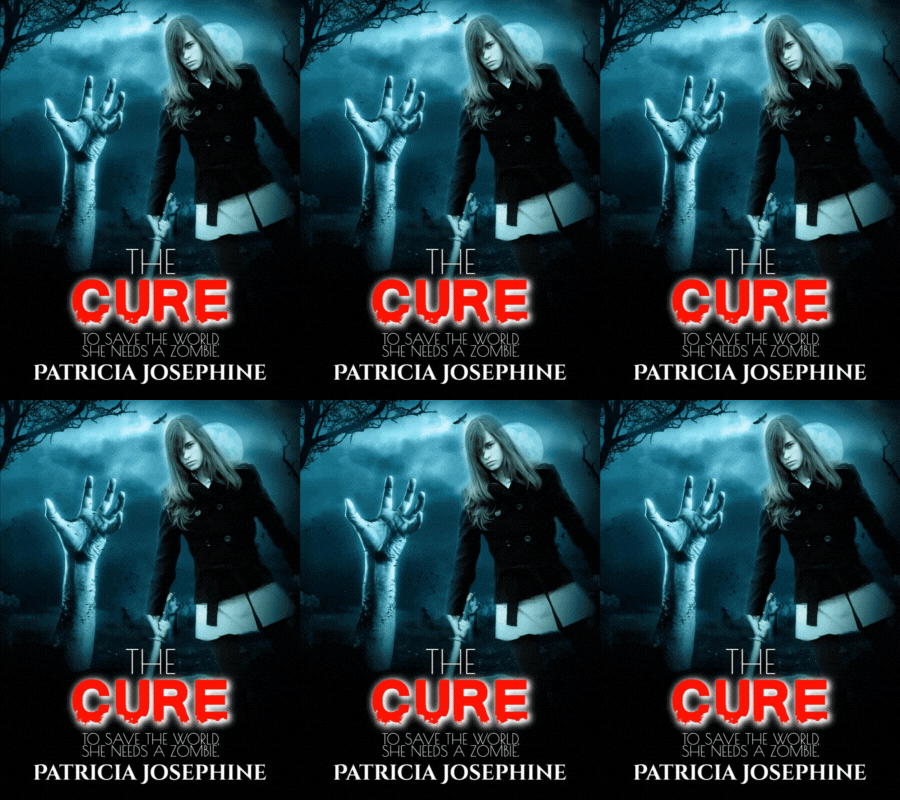
The Cure is a clever, fun take on the usual zombie stories that are out there. I thoroughly enjoyed it in its early stages. I've told Patricia many times that Zee is my favorite character she's ever created, and many of her characters have stuck with me. No lie, at random times, moments from The Cure pop into my head, which is a rare thing. I recommend The Cure to zombie lovers, paranormal lovers, post-apocalyptical setting lovers, novella lovers...pretty much everyone.
BLURB:
Every human in the world becomes a zombie when they die. But Erin refuses to accept the world as it is now. She’s heard about a cure locked away in a lab in Up-per Michigan, and she plans on retrieving it. To do so, she needs a zombie. Not just any zombie, though.
Zee is Erin’s link to the lab. His connection to the living world is her bargaining chip. But only if she can teach him to control his mindless impulses.
Can a zombie be trained? Or will Erin be Zee’s next meal and become a zombie herself? The fate of humanity rests in her hands.
ON SALE FOR 99 CENTS TILL 9/25
Universal Buy Link - https://books2read.com/u/mBZpkp
Add to Goodreads - https://www.goodreads.com/book/show/58343851-the-cure
Read more »August 16, 2021
Windover, A 7,000-Year-Old Pond Cemetery / Research

In a comment on my Florida & Seminole History blog post, M.J. Fifield brought up a fascinating discovery I hadn’t come across in my research…the Windover Archeological Site. She mentioned that the remains dated back to 6000 B.C. Immediately, I was intrigued.
So, I did research.
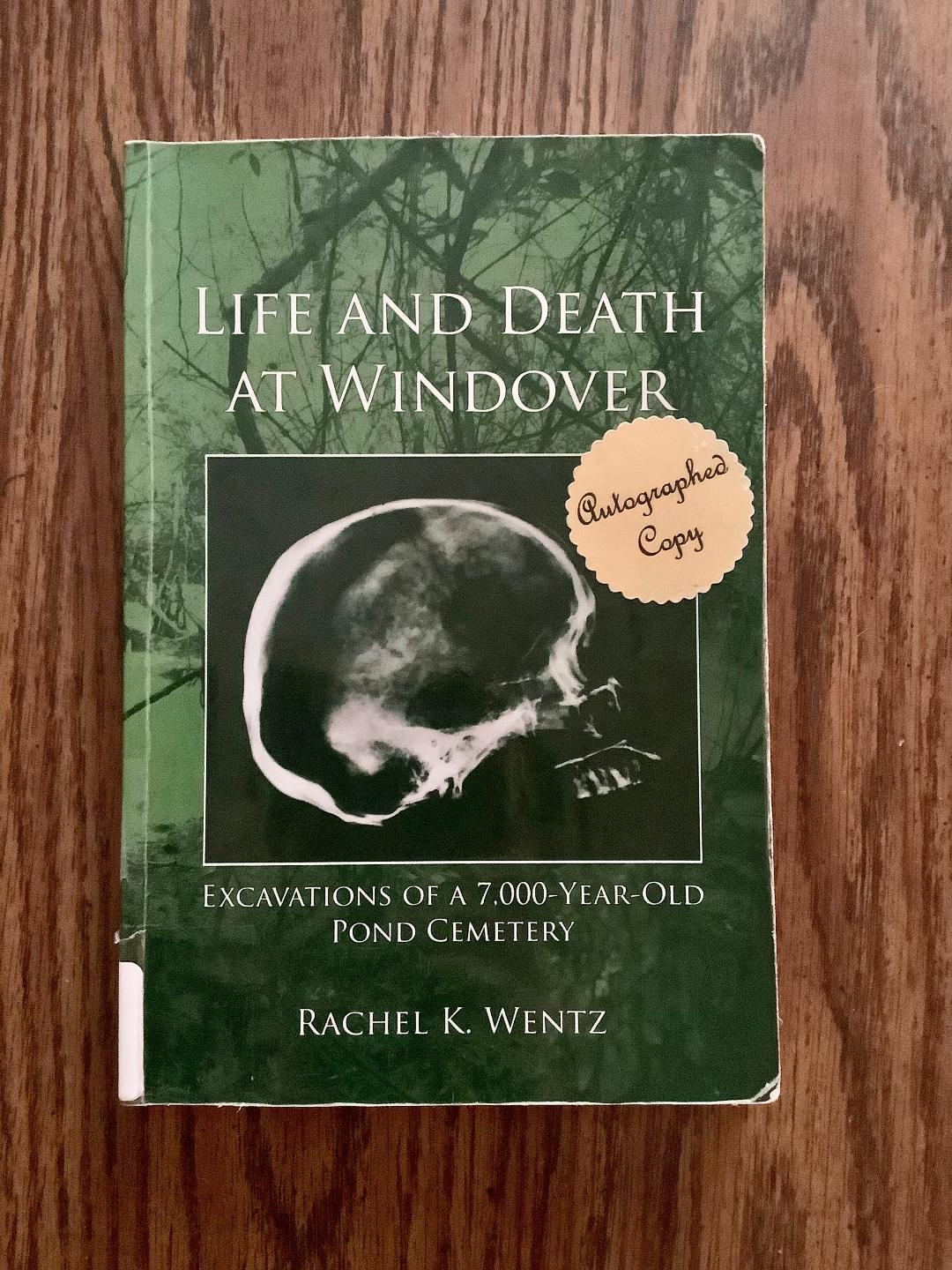
My main source of information was Life and Death at Windover: Excavations of a 7,000-year-old Pond Cemetery by Rachel K. Wentz.
I am actually acquainted with someone (through M.J.) who did CT scans on some of the remains. Her name is Rita. In fact, the cover of Life and Death at Windover uses one of Rita’s scans.
The Windover Pond has been called “one of the most important archaeological discoveries in the world.”
Interesting Facts:
This pond, located in present-day Titusville (in Central Florida), is a Middle Archaic (6000 to 5000 BC) underwater burial site.The human remains and artifacts are 7,000 years old.That’s 3,200 years older than King Tutankhamen.And 2,000 years older than the Great Pyramid in Egypt.Archaeologists found the remains of 168 individuals, from infants to about 60 years of age, as well as 119 artifacts.The bodies were so well-preserved from the peat and neutral pH of the pond that there was brain matter present in 90 skulls.These brains (I cannot write that or read that without thinking about zombies) were the “most ancient DNA yet analyzed at the molecular level.”At one point, the author of Life and Death at Windover said that the pond the Indigenous peoples buried their dead “just happened to be neutral pH,” while the majority of the ponds around it were highly acidic. But what if it wasn’t a coincidence? Indigenous peoples work closely with the land, they pay attention to the earth, and they know medicinal uses for plants and other natural materials. They might’ve known, through living near that pond and examining/witnessing it, that is was magical, different, and that could by why they chose it to be the sacred site for their dead. In fact, evidence shows that they used that specific pond, none of the others in the area, for one thousand years. One website says they could’ve been drawn to the pond “by the glow of methane ‘swamp gas’ that is sometimes visible at night.” [1]
The brain matter allowed for DNA sequencing, and the "DNA indicated Asian origin, similar to that of the four other major haplotypes of Native American peoples." [2] However, DNA analysis indicated that the Indigenous peoples buried in the pond were not related to any living Native American population today, indicating that their descendants either all died off or were significantly reduced “prior to the evolution of the genetic markers” found in modern populations.
So, how was this underwater burial site discovered?
In 1982, Windover Pond was one of many ponds being cleared so the Windover Farms housing development could be put in their place.
Makes you really think about all the land and bodies of water that are cleared away for yet even more housing developments and mini malls, etc. and what could be there, or, rather, what developers and construction workers could be disturbing (even hiding from public knowledge), doesn’t it? I know it makes me stop and think about that, especially as I’m seeing more and more land in my area getting bulldozed for communities and complexes.
But that’s another topic.
Let’s get back to what’s considered “one of the most important archeological sites ever excavated,” which, even with my statement above and at the end of this post, is exciting and extremely fascinating (hence why I wanted to share all this with you).
Discovery:
The land had belonged to the Tisch family who wanted to sell all sixty-five hundred acres so they could buy a large insurance company. That insurance company fell through. No worries, though, because they used their money to buy CBS instead. EKS, inc., run by Jim Swann, bought their land for the Windover Farms housing development.Steve Vanderjagt discovered the first skull and following bones, which included a second skull, while making passes with his backhoe through the muck surrounding the pond.Interestingly, right after those few bones were discovered and removed and the crew, as well as Jim Swann, were trying to figure out what to do next, the skies became dark. A storm blew in.Now, some would say (as the author of Life and Death at Windover did) that it was just shadows from the storm and wind-blown palm fronds, but a young crew member named Lester Canada swore he saw “three Indians running across the road.”
Panic and superstition, or spirits of the remains from that pond?
Well, I wouldn’t discount what Lester saw. At that time, none of them had any reason to believe they’d just found the bones of Native Americans, let alone prehistoric Indigenous peoples. At that point, without knowing about the restorative powers of the peat, those bones could’ve belonged to anyone, even someone buried there 5+ years prior. (I read that an un-embalmed adult in ordinary soil could take 8-12 years to decompose to skeleton. But, of course, many factors, including temperature, humidity, and insects, could speed this up. And when submerged in water, about five years.) With all that in mind, Lester had no reason to believe they were Indian bones in order to work himself up. If it was me, I would’ve thought they were two murder victims. So I wouldn’t discount what he saw, before the discovery even had a chance to begin, before anthropologists had a chance to examine the bones and artifacts.
The storm brought forth more bones.The local coroner took the bones. The next day, the coroner said the bones were not from modern-day Floridians.Jim Swann wanted the bones back. They were returned and held in five-gallon holding cells for a few months.Finally, they contacted the University of Florida, but Dr. Brenda Sigler-Eisenberg, an archaeologist, and Dr. William Maples, a renowned forensic anthropologist in Florida, both passed after seeing Windover Pond. Why? Because in order to excavate, they’d have to drain the pond of water, a time-consuming and expensive process. They also didn’t know how old the bones were or if there were more to be found. The state of the bones was also a factor. Remember, they had no idea about the peat strong enough to preserve bones for thousands of years.Jim Swann then contacted Florida State University and Glen Doran.The first test that was done was radiocarbon dating that reported the age of three tested samples (the other two done to be sure the first result was correct and not contaminated by the ancient peat) as being 7,000 years old.After rejections for funding to excavate from FSU and Governor Graham vetoing a bill, they finally were able to move forward when the revised bill passed in the summer of 1983.
Excavation:
The excavation process lasted from 1984-1886. The center of the pond turned out to be over twenty feet deep, in comparison to the many shallows pounds throughout the construction of Windover Way.The deepest layer of peat in the pond was found to be over 10,000 years old.Seeds and plant remains in the peat, and the wooden stakes used to secure the bundled bodies to the bottom of the pond, indicated that the Indigenous peoples used the pond during late summer and early autumn. They may have lived somewhere else during the other months or the pond might’ve been too murky for interments during the winter. (Where they buried their dead during the winter is unknown, although I found speculation that they may have moved to the Indian River Lagoon. [3]During excavation, the skulls with brains were brought to Wuesthoff Hospital in Rockledge where they were stored in freezers within the Pathology Department. The hospital’s radiologists performed x-rays and scans. (Enter Rita.)Afterward, the skulls were sent to Gainesville for DNA extraction.The remains were also found to have been wrapped in textile cloth.The bodies, in a flexed position, were wrapped in material made from cabbage palm or saw palmetto fibers, and then the bundles were pushed to the bottom of the pound and secured there by wooden stakes. This kept them safe from predators. Only six human bones, out of 10,000+, showed evidence from carnivore damage (gnaw marks).The bones revealed that these people suffered from arthritis, osteoarthritis, osteoporosis, and a young man even had spina bifida. The Windover people were intelligent. Not only were most of their broken bones healed but they were in proper alignment, meaning they understood the importance of immobilizing limbs with splints.They also had consumed berries (found in their bellies) for their analgesic and anti-rheumatic properties (like Elderberries and nightshade) or for pain relief (like grape seeds). This is, as the author of Life and Death at Windover says, “one of the most ancient examples of medicine in human history.”
Additional Facts:
Windover Pond became a spectacle during the excavation. The media wanted constant updates and so many visitors came unannounced that the team ended up designating Friday’s for school group visits and Saturdays for the public. They created a walk with volunteer guides at posts to recite information, almost like a museum or zoo.An adjacent hammock had artifacts like pottery. How pottery was made throughout history has changed, from five thousand to three thousand to one thousand years ago. The pottery that was found had St. Johns check-stamps, indicating that they were one thousand years old, so the people who lived in the hammock came six thousand years after the people who had been buried in the pond. Only half of the pond was excavated. The other half was left for future examination.In 1987, the Windover Archaeological Site was added to the National Register of Historic Places.The Brevard Museum of History and Natural Science in Cocoa has the only comprehensive exhibit for Windover.December 2013, Windover Pond was purchased by the Archaeological Conservancy, “the only national, nonprofit organization that identifies, acquires, and preserves the most significant archaeological sites in the United States.” [4]
Final Thoughts:
Now, there are federal laws protecting and prohibiting the excavation of Native American remains and gravesites.
Under Chapter 872.05 of Florida Statutes, “It is the intent of the Legislature that all human burials and human skeletal remains be accorded equal treatment and respect based upon common human dignity[...]”
It is a third-degree felony if someone “willfully and knowingly disturbs, destroys, removes, vandalizes, or damages an unmarked human burial” and a misdemeanor of the second degree if someone has knowledge of this taking place and doesn’t report it.
While this means that archaeological digs like this may no longer take place in the United States/Florida, limiting discoveries, I personally believe these laws are right and abiding by them is the respectful thing to do so that the remains of Indigenous ancestors and prehistoric peoples stay in their final resting places (where they were buried by loved ones in ceremony) and the sites left in peace.
Resources:
Life and Death at Windover: Excavations of a 7,000-Year-Old Pond Cemetery, Rachel K. Wentz, 2012
Windover: Multidisciplinary Investigations of an Early Archaic Florida Cemetery, Glen H. Doran, 2002
https://en.wikipedia.org/wiki/Windover_Archeological_Site
http://www.nbbd.com/godo/history/windover/

August 4, 2021
My Farewell + Don't Shame Readers for What They Read (or Writers for What They Write)


MY FAREWELL TO THE BOOK CLUB:
(Sent to book club members on 7/26/2021)
Readers and Writers,
Chrys Fey here. The IWSG administrators contacted me recently to inform me about a new direction they’ve decided to take the book club. They also decided to replace me. Toi will be taking over as the new book club lead. Although, she’s not really new. She’s been with us since 2017 as a book club moderator!
I don’t have many details about the new direction, but from what I understand, the book club will be spotlighting IWSG members’ books from now on. Toi will share more about the new direction soon.
Fortunately, our upcoming discussion day on August 25th for They Called Us Enemy and Writing Magic will still be taking place. Toi will be posting for that discussion day. Please join us!
I’d like to take a moment to reflect and express my gratitude.
I created this book club in 2017 for writers to read/learn about the writing craft. I am sad to have to say goodbye after all these years. Many of you have personally messaged me to say how much the book club has helped you and what it has meant to you. Your words have meant a great deal to me. I also know many of you have read the books over the years but chose not to participate in the discussions (which were always optional), preferring to stay on the sidelines, instead. I saw you, and I thank you for being a member on your terms.
The book club’s upcoming changes will be different, but I know Toi and the moderators, Ronel and Juneta, will do great. I am incredibly grateful to them for being such a wonderful team. I didn’t make changes without their input and asked for all their ideas. Their enthusiasm for the book club boosted me, and their assistance helped me to maintain my stamina in running this book club.
Thank you for everything, Toi, Ronel, and Juneta!
And thank you, all four hundred and fifty-seven of you, for being a member of this book club!
Happy Reading (and writing),
Chrys
*** *** *** *** *** *** *** ***
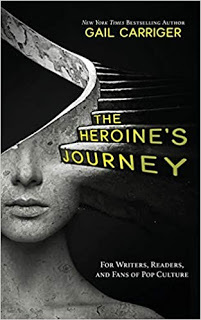
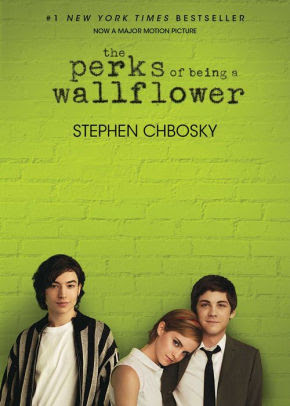
The IWSG bok club selections for Sept/Oct/Nov would've been The Heroine's Journey: For Writers, Readers, and Fans of Pop Culture by Gail Carriger and The Perks of Being a Wallflower by Stephen Chbosky (as a good example of voice). I was really looking forward to reading and discussing these two books, so I am still going to read them for myself. If either of these books sound good to you, I encourage you to read them for yourself, too. I will talk about them on my blog later this year.
Happy Reading!
*** *** *** *** *** *** *** ***
NOTE: This next part of my post does not relate to the beginning of my post. I already had this post about books and reading planned for today.
DON'T SHAME READERS FOR WHAT THEY READ
(OR WRITERS FOR WHAT THEY WRITE)
Don't shame readers for what genres and formats they like to read.
Or writers for what genres and formats they like to write.
(This started as a post for readers until I realized it went for writers as well.)
FORMAT:
Print novels aren't the only correct format.
Audiobooks are real books.
Ebooks are real books.
Graphic novels are real books.
Comic books are real books.
Picture books are real books.
Poetry collections are real books.
Essay collections are real books.
Short story collections are real books.
As a matter of fact...
Short stories are real literature.
FUN FACT: Short stories are one of the oldest forms of literature.
Novelettes and novellas are real literature, too.
Short stories, novelettes, and novellas (usually published as eBooks) count toward reading goals/challenges (as do picture books, graphic novels, audiobooks, etc.). They are complete works of fiction. Writing them involves a special skillset, and reading them for pleasure or toward challenges is acceptable.
ALL reading is valid.
In terms of publishing, short stories, novelettes, and novellas are publishable and readers DO read them.
And writers who write short fiction (anything shorter than a novel) ARE REAL WRITERS.
GENRE:
Just because you may not like a genre doesn't make it any less than the genres you prefer.
The romance genre is the most criticized genre ever. And romance authors are heavily criticized and judged, even by fellow writers.
But romance is a $1.4 billion industry and makes up 1/3 of the fiction market. Romance is the best-selling book genre in the entire publishing industry, and the most profitable.
Not everyone can write romance. It involves a special skillset as well as certain qualities, such as a HEA (happily-ever-after) or HFN (happy-for-now) endings.
EX: Nicholas Sparks does NOT write romance. His books have bittersweet (or just plain sad) endings. His books are love stories.
Check out this article: What's the Difference Between a Romance Novel and a Love Story?
Romance is not all about sex. Romance books are NOT mommy porn. There's many romance sub-genres, age categories, and heat levels. In fact, romance has a vast heat range from zero sexual contact to erotica. Oh, and men read romance, too.
Romance stories are complex, because people and relationships are complex, and that's what romance stories delve into.
Don't shame readers for what genres they like to read, or writers for what genres they like to write, whether that's:
Romance
Erotica
MlM (men loving men)
WlW (woman loving women)
LGBTQIA+
Christian fiction (i.e. Amish romance)
Religious Fiction (ALL religions)
Monster Romance
Young Adult
New Adult
Children's
Memoirs
Non-fiction
Self-Help
Historical
Fantasy
Science Fiction
Horror
AND ALL THE OTHER GENRES/SUB-GENRES NOT LISTED HERE.
You read you. I'll read me. Everyone will read them.
No more shaming readers for what they read!
You write you. I’ll write me. Everyone will write them.
No more shaming writers for what they write!
*** *** *** *** *** *** *** ***
REBUILDING MY STREET TEAM:
Loading…
QUESTION: Have you ever been shamed (judged) for what you like to read? Or have you seen this happen? Writers, have you ever been shamed (judged) for what you like to write?
I've seen this happen for romance, audio books, and shorter works (eBooks).

July 26, 2021
Diverse Children's Books and Adult Books on Anti-Racism

I take learning and UNlearning seriously, so I wanted to share with you books I've read this year and last year. Most of these pictures were taken from my Instagram account.
DIVERSE CHILDREN'S BOOKS:
Graphic Novels:
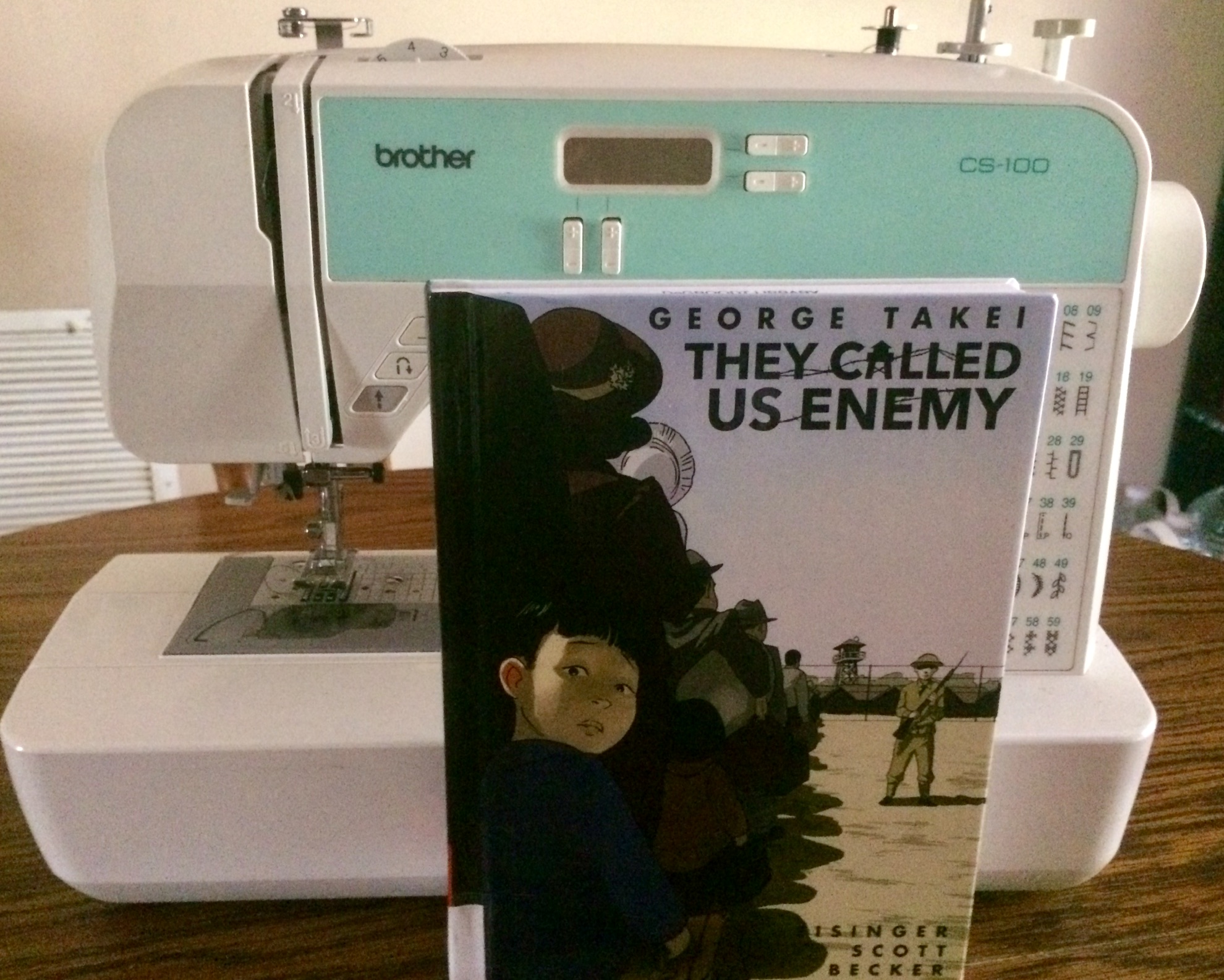
This graphic novel is packed with history that many don't know, because we're not taught these things in school as we should be. I first learned about Japanese American internment camps when I read Silent Honour by Danielle Steel on my own when I was a teen.
Asian hate is not new. It has sadly been a reality for many for a very long time. This story spans decades and includes several presidents. I highly recommend this graphic novel to everyone who is interested in real American history.
P.S. the sewing machine in the picture is a nod to George’s mom. This sewing machine is, in fact, my mom’s.
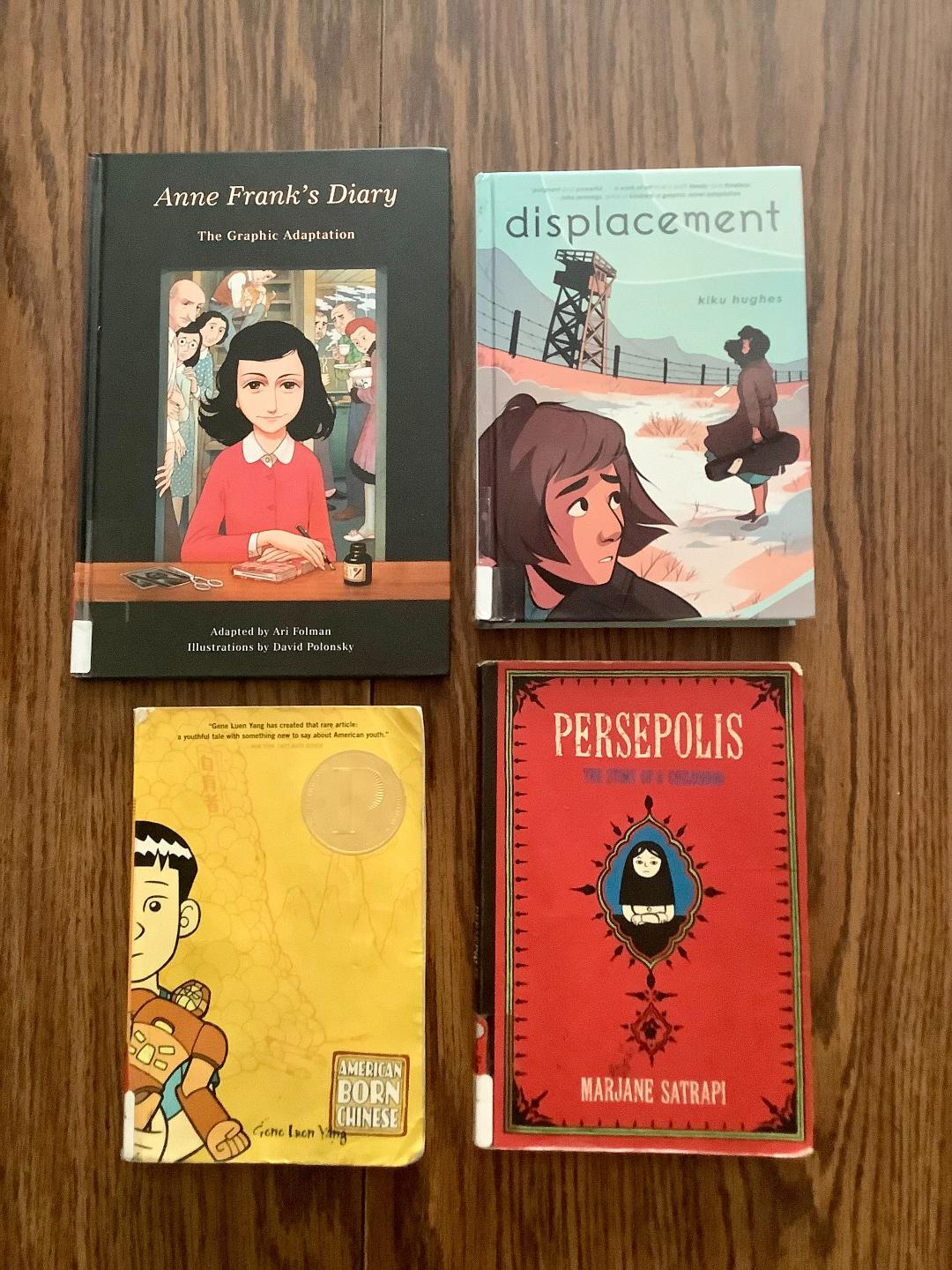
Displacement - This is another graphic novel about Japanese American internment camps but with a current twist. The main character is from modern times and is "displaced" to the past. I also highly recommend this graphic novel. George Takei's graphic novel was more written in the eyes of a child who didn't quite understand what was going on, but in this one, the main character is sixteen and understands and see things that happen. I stand firm that this time in American history needs to be taught in every school and every classroom, for most grade levels.Read more »
July 19, 2021
Who Knew You Could Do This With PowerPoint By Jacqui Murray / Guest Post / Laws of Nature Book Launch

Please help me to welcome Jacqui Murray back to Write with Fey. She has a fascinating post about what you can do with PowerPoint. She's also celebrating her newest release Laws of Nature.
Welcome back, Jacqui!
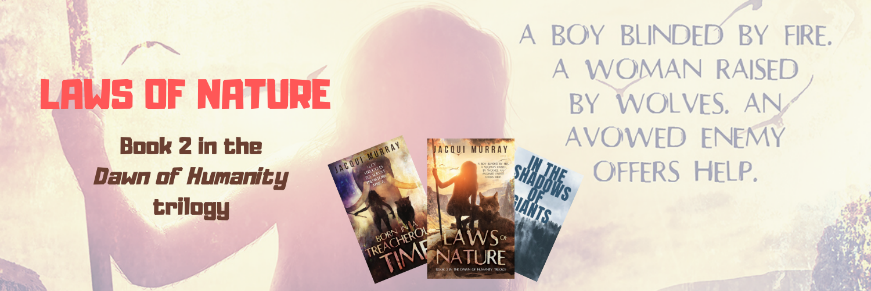
A boy blinded by fire. A woman raised by wolves. An avowed enemy offers help.
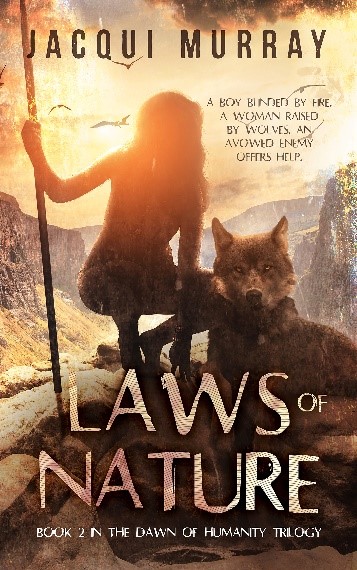
Title: Laws of Nature
Series: Book 2 in the Dawn of Humanity series
Genre: Prehistoric fiction
Editor: The extraordinary Anneli Purchase
Available (print or digital) at
Kindle US Kindle UK Kindle CA Kindle AU Kindle India
Read more »
July 12, 2021
Ad Astra Interview / Olivia and Fiona Discuss Banned Books and Intersectional Feminism

I am so happy to welcome Olivia and Fiona of ad astra to Write with Fey. Ad Astara is an Instagram account I discovered this year, but they also have a website and a newsletter. I love their posts about social justice and the topics and current events that they bring awareness to. For that reason, I wanted to spotlight them here to help share these important subjects with more readers and writers.
Welcome, Olivia and Fiona!
1. Hi, Olivia and Fiona! I am thrilled to be able to chat with the both of you and to share what you do on Instagram and your website with the readers of my blog. First, can you tell us about your journey as bookstagrammers?
We’ve known each other for a long time now—the two of us met through a singing program we participated in from elementary school through high school (picture: various iterations of black, sparkling dresses that never really fit either of us). Somewhere along the way, we realized we shared a passion for books.
Olivia’s long-term goal has always been some iteration of starting a publishing house rooted in intersectional feminism. In 2019, she began wondering how she could start building that supportive, engaging community, even if she wasn’t at the point in her career to be able to launch a company. Olivia roped Fiona in to help with the ad astra logo, and quickly realized she wouldn’t be able to (and didn’t want to) launch the project without Fiona.
We have so many hopes for what ad astra might turn into and how we can continuously support the book community. We don’t consider ad astra a bookstagram account, rather a platform that provides tools and resources for book lovers, whether that be through asking critical questions and starting conversations, sharing free downloads and light-hearted comics about our love for books, or our monthly newsletter. One of our short-term goals is to drive more people to the website to further those conversations, and one of our long-term goals is to start a literary magazine. We have a multitude of ideas swirling around in our heads...it’s just a matter of having the bandwidth to start them!
2. What does the name ad astra mean?
“Ad astra” translates to “to the stars,” a snippet of the Latin expression “per aspera ad astra,” or “through hardships to the stars.” The name was inspired by a present and letter Olivia’s grandpa gave to her, knowing her passion for reading. We chose to focus on the latter half of this expression in part because of our platform’s roots in intersectional feminism. It is our hope that through the conversations occurring with our community members that we can further equity, advocating for everyone’s ability to “reach the stars” (as cheesy as that is).
3. I love that! You did an Instagram post that highlighted exactly which types of books are banned or have been challenged. Can you tell us about your findings and share why you created this post to bring awareness to this?
One of Olivia’s favorite parts of her current job is the work she does with the American Library Association around Banned Books Week, which takes place every fall. Through this, she’s spoken with many librarians, learning quite a bit about what books are being censored and how they are being censored.
This post was important for us to share for a few reasons. Many members of the book community—in particular white women—have been promoting false, harmful claims about “cancel culture’s” impact. The American Library Association’s Office for Intellectual Freedom (OIF) tracks censorship and book challenges in libraries and schools across the country. While the majority of challenged titles go unreported, the data OIF has collected clearly demonstrates that titles by BIPOC and LGBTQIA+ individuals, particularly stories that focus on inequities and/or underrepresented identities, are the most banned.
We used OIF’s data to shed light on who censorship actually impacts and the harmful rhetoric being used in schools and libraries across the U.S. to justify censorship of these important titles—titles that are often necessary for students to help explore and understand who they are.
 Image by ad astra
 4. Those false claims about "cancel culture" and the banning of BIPOC and LGBQTIA+ books is very harmful. I like that you brought awareness to both of those issues. A big part of your Instagram platform is about intersectional feminism. What is intersectional feminism and why is it important?
Coined and put forward by Black women, intersectional feminism is, at its core, about equity. While the idea of intersectionality has been championed by women of color for decades (at least), scholar and lawyer Kimberlé Crenshaw coined the term in her 1989 paper “Demarginalizing the Intersection of Race and Sex: A Black Feminist Critique of Antidiscrimination Doctrine, Feminist Theory and Antiracist Politics.”
Intersectional feminism accounts for the different ways individuals experience the world based on their overlapping identities—meaning is not just for white women (which mainstream feminism too often enables). Intersectional feminism accounts for how a Black, queer woman experiences racism, homophobia, and sexism. It accounts for how a Brown, disabled, nonbinary individual might experience misgendering and ableism. We cannot understand oppression and actively advocate for equity without understanding where inequities exist and their impact.
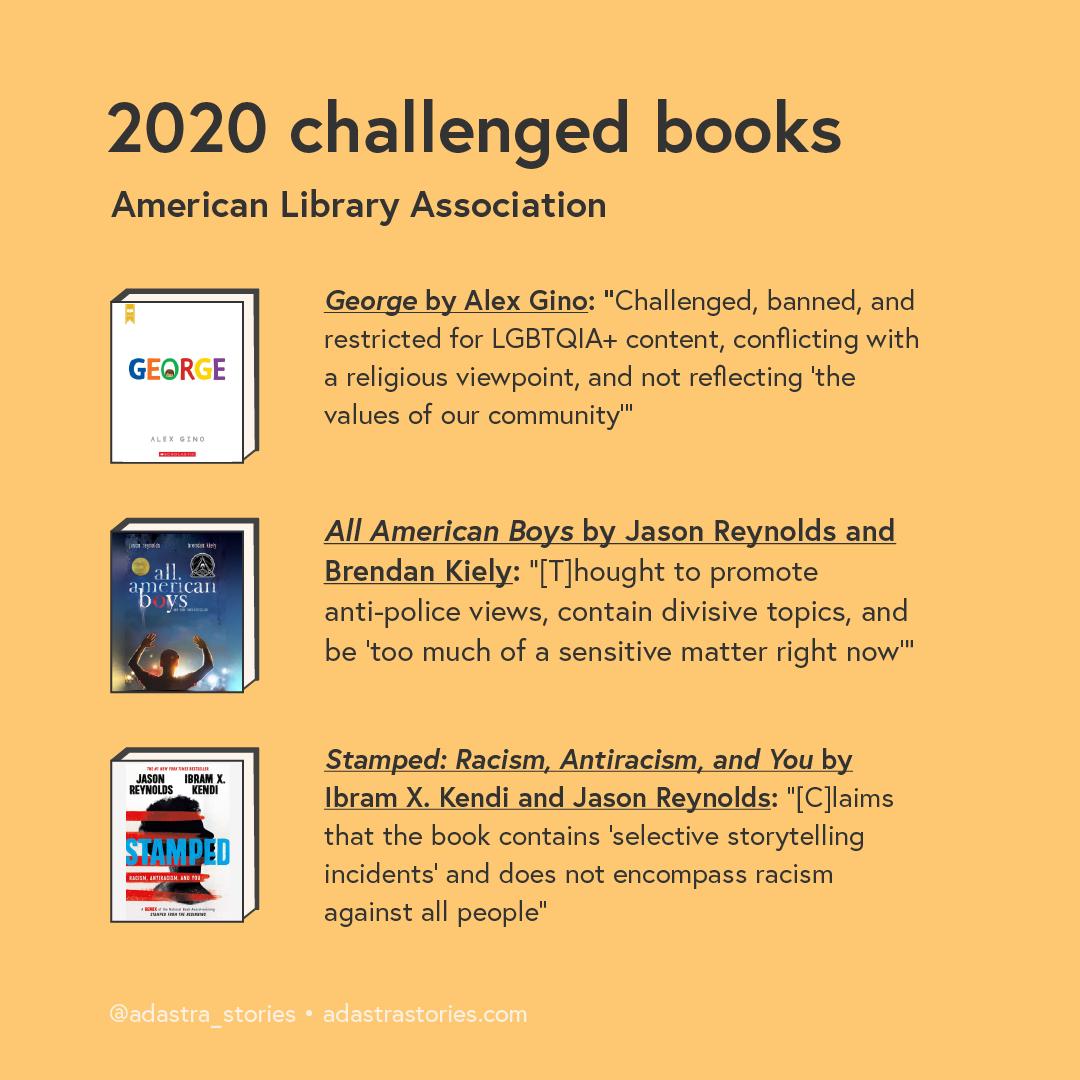 Image by ad astra
 5. What are your favorite books on intersectional feminism?
We have a page of resources on our site to help individuals learn more about intersectional feminism, including some of our favorite books:
● Hood Feminism: Notes from the Women that a Movement Forgot by Mikki Kendall
● White Tears/Brown Scars: How White Feminism Betrays Women of Color by Ruby Hamad
● Disability Visibility: First-Person Stories from the Twenty-First Century edited by Alice Wong
● Fairest by Meredith Talusan
● Sister Outsider: Essays and Speeches by Audre Lorde
6. So far, I've read Hood Feminism and and Sister Outsider. I'm looking forward to reading the rest. How else can we support intersectional feminism?
There are many ways to be an intersectional feminist, and intersectional feminism is for all gender identities to support. In addition to reading, our activism must manifest in concrete ways. This can include (but is definitely not limited to):
● Having conversations with loved ones on current events or societal factors that result in oppression
● Voting for, advocating for, and volunteering for political candidates that seek to advance equity for all individuals
● Partaking in marches and protests that support underrepresented communities
● Donating to or volunteering for organizations such as the Trans Women of Color Collective, Black Women Lead, and Justice for Migrant Women
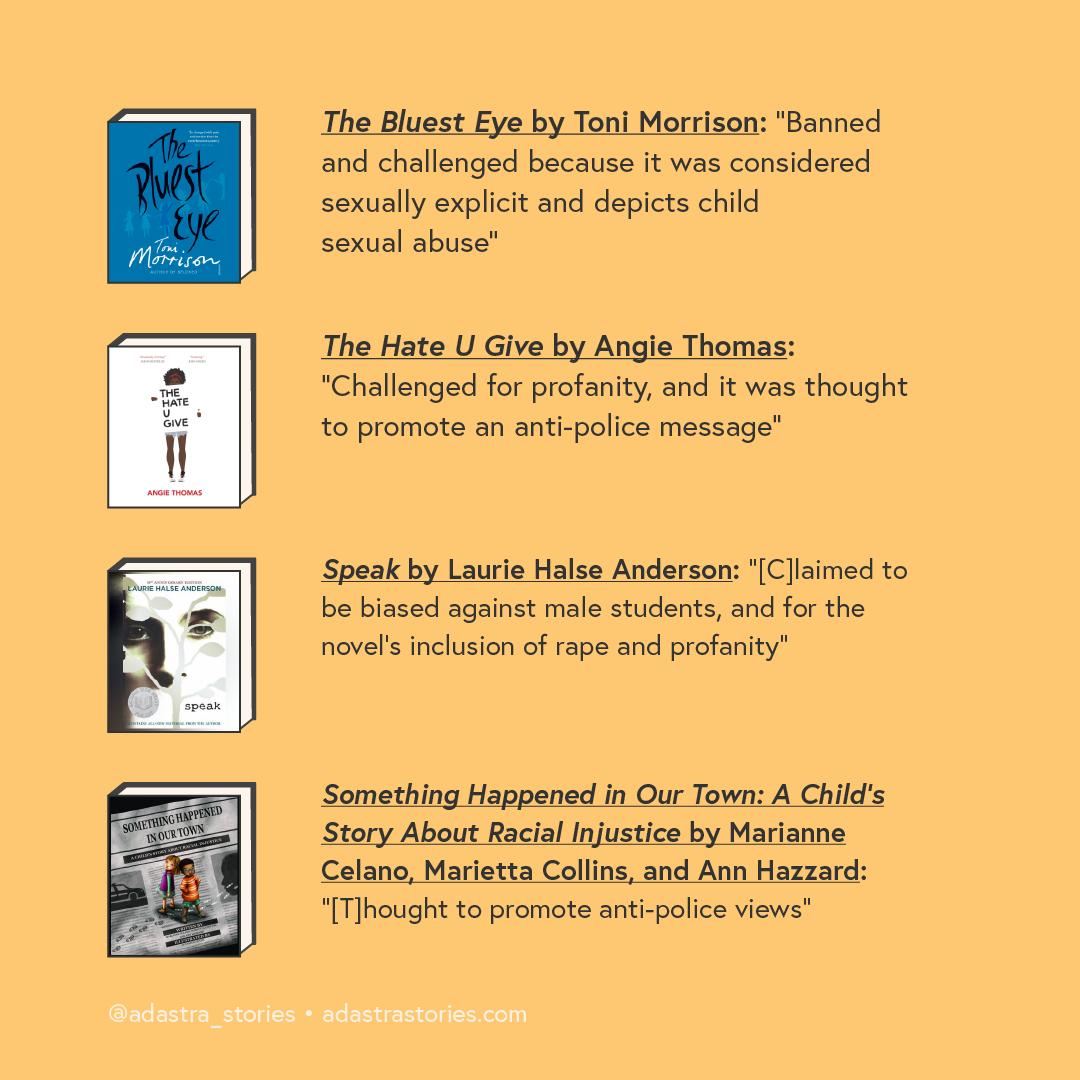 Image by ad astra
 7. You support reading as a part of activism. Why do you believe reading is an important part of being an activist?
Reading is a critical first step in activism, as it can be a window for individuals who may not ever experience oppression themselves—whether that be because of their gender, sexual, racial identity, etc. Supporting underrepresented authors is critical for showing the publishing industry the necessity of diversity, both in who they hire and what they publish. Just as important are activism and advocacy. We must take what we learn from these stories and put that into action.
8. What are a few books on social justice that you recommend to others?
In addition to the aforementioned titles on intersectional feminism, we also recommend:
● The Source of Self-Regard by Toni Morrison
● Minor Feelings by Cathy Park Hong
● Know My Name by Chanel Miller
 Image by ad astra
 9. I've added all three to my TBR list. What message would you like to share with others to bring more awareness to it?
We’d like to shout-out a few book community members that are doing critical work:
● Swati (@booksnailmail): Does routine book drops, raising money for various organizations. Plus, she’s a beautiful writer!
● Sarah (@booksnextdoor_): Provides resources for the community to learn more about and advocate for Palestine’s freedom.
● Maya (@mnmbooks): Constantly shines a light on issues in the publishing industry, especially with regards to whitewashing and gatekeeping.
Chrys: I was really happy to see that I'm already following all three of those accounts. I want to spotlight bookstagrammers on my blog, hopefully once a month, and Swati, Sarah, and Maya are all on my list. :)
10. Share a little about yourselves.
Olivia (She/Her/Hers):

Olivia manages the conversations for ad astra, writes the site’s copy, and oversees social media. Currently working in communications for an academic publishing house, Olivia has always loved reading and talking about her latest reads.
As a child, her parents would take away her books, upset by how much time she spent with her nose in their pages.
Olivia currently lives in Los Angeles, but dreams of the day she can move back to the Bay, her hometown and one of her favorite places in the world. When she’s not under a tree flipping through her latest read, you can find her hiking, drinking matcha lattes and trying LA’s best baked goods, or creatively writing. She also loves long walks through quiet neighborhoods, where she enjoys frequent “walk and talks” with ad astra co-founder Fiona. She graduated as an English major with a creative writing focus from Scripps College in 2018.
Fiona (She/Her/Hers):
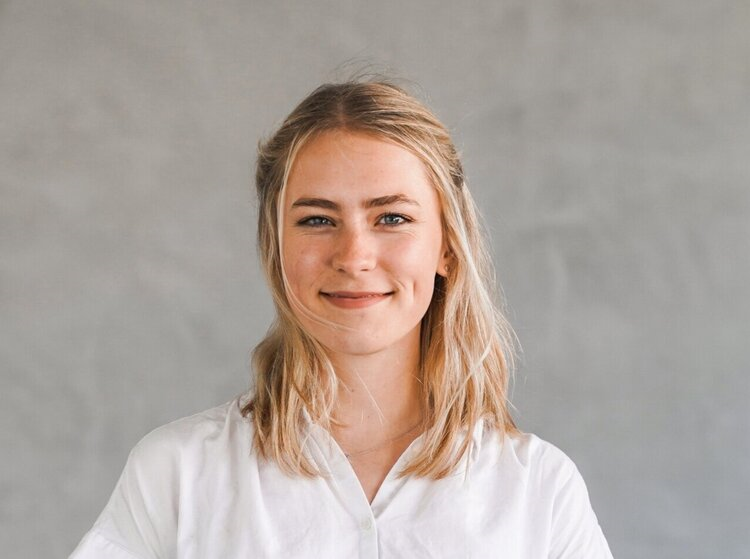 Fiona likes connecting people with books. She worked at the Mill Valley Public Library for five years, shelving books and running the Children’s Room on Sundays. She doesn’t have a formal degree in library science but will probably pursue one when she’s 70 years old.
Fiona studied Marketing at the University of San Francisco, graduated over zoom, and moved to Portland where she works remotely for a psychiatry firm and as a freelance designer. She creates all of ad astra’s graphics and oversees the website’s design. To see more of her work, visit fionabransgrove.com
Thank you, Olivia and Fiona, for discussing these important topics and for your interest in this interview.
Everyone, please leave Olivia and Fiona a comment to show them some love.
Also, feel free to answer the reader question in this graphic they made.
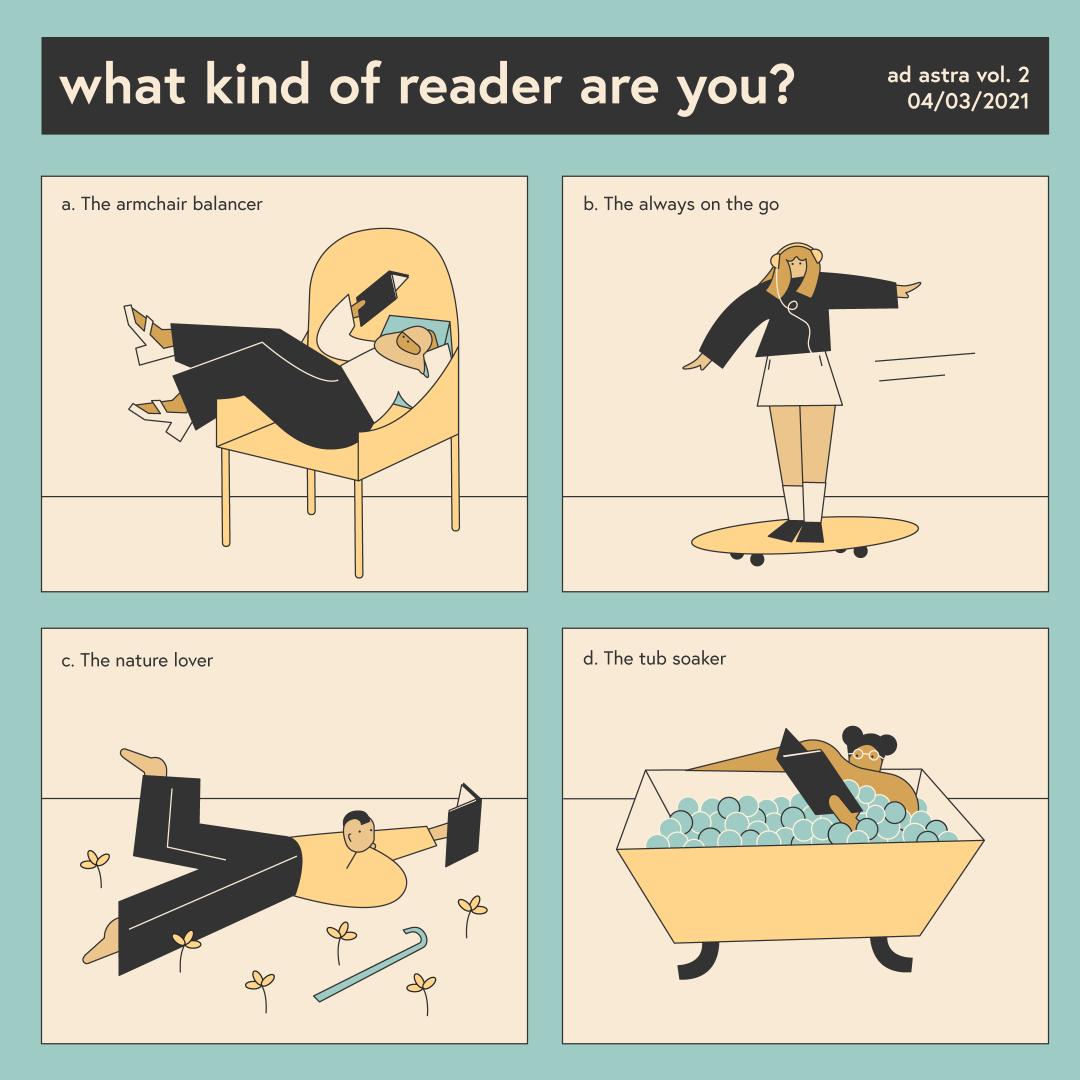 Image by ad astra
QUESTION: What kind of reader are you?
A. The armchair balancer
B. The Always on the go (audiobooks)
C. The nature lover
D. The tub soaker
Chrys: I used to be the armchair balancer, but now I'm the tub soaker. :)