Nicholas L. Vulich's Blog, page 3
September 7, 2013
John the Baptist

Baptism of Jesus
John the Baptist played
a pivotal role in the ministry of Jesus. John was a rough-hewn character, with
long, flowing, scraggly hair. His eyes were deep set, and possessed the fire of
a mystic soul.
John lived the ascetic
life in the desert. He inhabited the area between the Dead Sea and Jordan, and
could easily have been taken for one of the Essenes, both in his looks, and in
his manners.
When he was thirty,
John was called upon by the Lord, and he went into the Jordan Valley. He
appeared before the people, looking like one of the old time prophets. His
words were simple, “the Kingdom of Heaven is at hand.”
John urged the people
to prepare for the coming of the Kingdom of Heaven. To do this, he preached
repentance, and the need for a revival of spiritual holiness.
In the time of Moses
when Gentiles were invited into the Covenant of Abraham they were first
baptized with water to purify their souls. And John baptized the Jews to purify
and fit them for their entrance into the Kingdom of Heaven.
John became known as a
prophet all over Palestine. People went out to him and “were baptized of him in
Jordan confessing their sins.”
In time the Pharisees
and Sadducees came to witness his baptisms. Herod knew of his ministry, as did
the Priests and Levites from Jerusalem. They asked John: Who art thou? Art thou
Elias? Art thou the Christ?
John’s baptisms were
held at Bethany, where the Jordan Valley approaches its outlet into the Dead
Sea. Jericho was on the other side of the river; the fortress of Macherus was
nearby on an isolated spur of the Moabite Hills. The surrounding land was
covered in vegetation and palm trees. The scene of the baptisms was likely on
the eastern range, where the water ran sparkling fresh and trees were abundant.
The Lord had revealed
to John that not only would he prepare men for the coming of the Messiah; but
that he should know the Messiah by a sign from Heaven, and tell the people who
he was.
It came to pass that
one day Jesus of Nazareth appeared before John to be baptized.
We must keep in mind
that at the time Jesus appeared before John to be baptized, he was an unknown.
No one knew his mission; no one recognized him as the son of God; he was just
one of the hundreds who came to hear John preach and be baptized by him.
It is said that when
John baptized Jesus, “the Holy Ghost descended in a bodily shape like a dove
upon him; and lo, the Heavens were opened, and a voice came from heaven which
said, Thou art my beloved Son, in whom I am well pleased.”
And when it happened
that John reached out his hand to baptize Jesus, he exclaimed, “Behold the lamb
of God, which takes away the sin of the world.”
Thus, Jesus’s baptism
was the start of his ministry on earth. At his baptism we saw the Holy Ghost
enter into him to help fulfill his office as Messiah. God had finally called upon
Jesus to tell him it was his time to fulfill his mission.
excerpt from my upcoming book - Jesus Christ: His Life & Times








The Temptation of Christ

from Simon Bening, The Temptation of Christ
(illustration found in Wikimedia Commons)
Matthew says, Jesus
“was led up of the spirit into the wilderness to be tempted of the devil.”
For forty days after
his baptism Jesus fasted, and wandered in the Judean Desert. He fasted as a
man. He was tempted as a man. He resisted the temptations of Satan as a man.
Not once did Jesus use any of his Heavenly powers to benefit himself.
Satan, that great
tempter of mankind dogged his every step. Just as he tempted Eve to eat from the
Tree of Knowledge; Satan tempted Jesus.
Three times Satan
challenged Jesus.
Each time he was
tempted, Jesus’s reply to Satan was “Thou shall not tempt the Lord thy God.”
First Satan tempted
Jesus to make bread out of the stones in the desert so he could relieve his
hunger.
Next he took him to the
pinnacle of the highest mountain and suggested he jump; saying the angels would
come to the rescue and break his fall.
In the final test,
Satan took Jesus to the top of the highest mountain, and looking out over the
entire world offered him all of these things and more, if only he would fall
down on his knees and worship him.
Jesus answered, “Get
thee behind me Satan for it is written, Thou shall worship the Lord thy God,
and him only shall thou serve.”
After forty days of
tempting our Lord, Satan gave in and departed; with his victory the angels
appeared to minister to Jesus.
He had resisted
temptation, and defeated the Devil – temporarily.
excerpt from my upcoming book - Jesus Christ: His Life & Times




August 6, 2013
Abraham Lincoln and Women
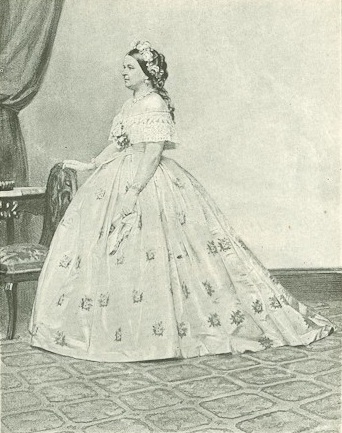 Mary Todd LincolnLucky in politics, unlucky in love may have been a good motto for Lincoln.
Lincoln’s first infatuation was with a young woman named Anne Rutledge. They met in 1835, shortly after he moved to New Salem. It is said Lincoln had a great fondness for her.
Unfortunately, Anne Rutledge died suddenly in August of 1835. She was twenty-two years old. Lincoln was heartbroken.
Lincoln’s next love interest was Mary Owen. She was a Kentucky girl, and Lincoln met her in 1836 when she was visiting her sister in New Salem. They had a short courtship that lasted less than a year.
Mary Todd came into Lincoln’s life in December of 1839. They were engaged in December of 1840, and planned on marrying the next year. Lincoln soon had second thoughts and broke off the engagement. They met again in 1842, and ended up tying the knot on November 4th of that year.




[image error]
Abraham Lincoln and Women
Mary Todd Lincoln
Lucky in politics, unlucky in love may
have been a good motto for Lincoln.
Lincoln’s first infatuation was with a
young woman named Anne Rutledge. They met in 1835, shortly after he moved to
New Salem. It is said Lincoln had a great fondness for her.
Unfortunately, Anne Rutledge died
suddenly in August of 1835. She was twenty-two years old. Lincoln was
heartbroken.
Lincoln’s next love interest was Mary
Owen. She was a Kentucky girl, and Lincoln met her in 1836 when she was
visiting her sister in New Salem. They had a short courtship that lasted less
than a year.
Mary Todd came into Lincoln’s life in
December of 1839. They were engaged in December of 1840, and planned on
marrying the next year. Lincoln soon had second thoughts and broke off the engagement.
They met again in 1842, and ended up tying the knot on November 4th of
that year.

Lincoln Douglas Debates
 Lincoln Douglas Debates at Knox College (from a 1912 postcard)The Lincoln Douglas Debates came about because of a rift in the Republican Party in 1857. Stephen Douglas had broken away from the Democratic Party in the summer of that year over the slavery issue.
 Horace Greeley requested the Illinois Republicans keep the seat open for Douglas as he attempted to woo him into the party.
To Lincoln this was a personal affront. Lincoln wrote, “Greeley is not doing me right. I am a true Republican, and have been tried already in the hottest part of the fight; and yet I find him taking up Douglas, a veritable dodger, once a tool of the south, now its enemy.”
In June of 1858 the Republican State Convention meeting at Springfield nominated Lincoln as their candidate for senate.
It was at this convention Lincoln uttered these famous words,
“A house divided against itself cannot stand. I believe this government cannot endure permanently half slave and half free. I do not expect the house to fall – but I do expect it will cease to be free.”
After that Lincoln accused Buchan, Taney, Pierce, and Douglas of trying to legalize slavery both in the North and the South. It was a brilliant move that forced Douglas to come out and defend his position.
What followed was the Lincoln Douglas Debates.
To his friends Douglas confided, “I do not feel between you and me, that I want to go into this debate. The whole country knows me and has me measured. Lincoln, as regards myself, is comparatively unknown, and if he gets the best of this debate, and I want to say he is the ablest man the Republicans have got, I shall lose everything, and he will gain everything.”
The debates took place between August 21 and October 15, 1858, with the first one being held at Ottawa, Illinois.
Stephen Douglas could best be described as a stuffy pompous ass. He had a special car on the Illinois Central Railroad, and often times it sped by Lincoln while he was sidetracked waiting for his train to begin moving.
Douglas was met at each stop by a brass band and a 32 gun salute, one for each state in the Union. Lincoln was carried to his speech either on the shoulders of his followers (as was done at Ottawa) or drawn there atop a hay wagon. His followers were contemptuous of Douglas’s pompousness.
In the end, Lincoln lost the race for senator, but won the race for President. His greatest victory in the debates came during the second debate held at Freeport. Against the better judgment of his advisors, Lincoln posed Douglas the following question – “Can the people of a United States territory in any lawful way, against the wish of any citizen of the United States, exclude slavery from its limits prior to the formulation of a State Constitution?”
Douglas’s answer was slavery could be kept out of the territories by legislation other than a state constitution. It became known as “the Freeport Doctrine,” and two years later at the Democratic Presidential Convention of 1860, the South refused to support Douglas as a candidate because of it.




[image error]
Lincoln Douglas Debates
Lincoln Douglas Debates at Knox College (from a
1912 postcard)
The Lincoln Douglas Debates came about
because of a rift in the Republican Party in 1857. Stephen Douglas had broken
away from the Democratic Party in the summer of that year over the slavery
issue.
Horace Greeley requested the Illinois
Republicans keep the seat open for Douglas as he attempted to woo him into the
party.
To Lincoln this was a personal affront.
Lincoln wrote, “Greeley is not doing me right. I am a true Republican, and have
been tried already in the hottest part of the fight; and yet I find him taking
up Douglas, a veritable dodger, once a tool of the south, now its enemy.”
In June of 1858 the Republican State
Convention meeting at Springfield nominated Lincoln as their candidate for
senate.
It was at this convention Lincoln
uttered these famous words,
“A house divided against itself cannot
stand. I believe this government cannot endure permanently half slave and half
free. I do not expect the house to fall – but I do expect it will cease to be
free.”
After that Lincoln accused Buchan,
Taney, Pierce, and Douglas of trying to legalize slavery both in the North and
the South. It was a brilliant move that forced Douglas to come out and defend
his position.
What followed was the Lincoln Douglas
Debates.
To his friends Douglas confided, “I do
not feel between you and me, that I want to go into this debate. The whole
country knows me and has me measured. Lincoln, as regards myself, is
comparatively unknown, and if he gets the best of this debate, and I want to
say he is the ablest man the Republicans have got, I shall lose everything, and
he will gain everything.”
The debates took place between August 21
and October 15, 1858, with the first one being held at Ottawa, Illinois.
Stephen Douglas could best be described
as a stuffy pompous ass. He had a special car on the Illinois Central Railroad,
and often times it sped by Lincoln while he was sidetracked waiting for his
train to begin moving.
Douglas was met at each stop by a brass
band and a 32 gun salute, one for each state in the Union. Lincoln was carried
to his speech either on the shoulders of his followers (as was done at Ottawa)
or drawn there atop a hay wagon. His followers were contemptuous of Douglas’s
pompousness.
In the end, Lincoln lost the race for
senator, but won the race for President. His greatest victory in the debates
came during the second debate held at Freeport. Against the better judgment of
his advisors, Lincoln posed Douglas the following question – “Can the people of
a United States territory in any lawful way, against the wish of any citizen of
the United States, exclude slavery from its limits prior to the formulation of
a State Constitution?”
Douglas’s answer was slavery could be
kept out of the territories by legislation other than a state constitution. It
became known as “the Freeport Doctrine,” and two years later at the Democratic
Presidential Convention of 1860, the South refused to support Douglas as a
candidate because of it.

July 20, 2013
Lincoln Caricature: Abraham Lincoln in Scotch Cap and Kilt

Vanity Fair titled this cartoon "The Highland Fling."
It was their take on Lincoln sneaking into
Washington to escape a supposed assassination
attempt in Baltimore in 1861.
This illustration is one one of several depicting Abraham Lincoln, and the Baltimore Plot (the supposed attempt to assassinate him before being inaugurated in 1861). Rumors ran across the country that Lincoln snuck into the capitol city under cover of darkness, disguised in a Scotch cap and cloak.
According to Lincoln's friend and bodyguard, Ward H. Lamon,
“Mr. Lincoln soon learned to regret the midnight ride. His friends reproached him, his enemies taunted him…He was convinced that he had committed a grave mistake in yielding to the solicitations of a professional spy [Pinkerton] and of friends to easily alarmed. He saw that he had fled from a danger that was purely imaginary.”
The cartoon pictured in this article was originally published in the March 9, 1861 issue of Vanity Fair,




Abraham Lincoln The Fifteenth of April

(Thought I would share the introduction to my new novel. Would love to get your feedback on it. What do you think of the concept? Does it work for you?
Let me know what you think.)
Editors Note
The extraordinary document you are about to read was purportedly written by Abraham Lincoln in the last month of his life.
How, I came by it, is now well known in most circles, but for those of you unacquainted with the details, I will give you a brief run down.
I have been fortunate enough to procure several rare documents on eBay over the years. Among them an 1822 paper detailing the autopsy of Napoleon Bonaparte written by his physician; a letter from George Washington, written during the darkest days at Valley Forge, suggesting to Congress that they should surrender the cause; a 1789 printing of the Declaration of Independence, printed side by side with Jefferson’s original notes, and beside it, an actual autograph by Thomas Jefferson.
But, this is by far, my most amazing discovery.
The bidding on eBay was fast and furious for this collection of Civil War memoirs. What caught my eye was the seller’s opening line,
…hand written manuscript, dated April 15th, 1865. First paragraph reads as follows, “Made a speech outside of the White House today (April 11). With the war over, Lee having surrendered just two days ago, I could finally speak my peace on the blacks. I expressed my opinion that we should embrace ‘the elective franchise for the colored man.’ That night, Mary told me she saw the actor, J. Wilkes Booth watching my talk.”
Note: Inscription on inside cover dated – March 15, 1865. A.L.
The letters, A. L. got my juices flowing. Lincoln signed most of his correspondence A. L.
Ever since the assassination there have been rumors of a Lincoln autobiography, but to my knowledge no one has ever laid eyes upon it.
My own knowledge of it was vague. Years ago, I’d read bits about it in the letters of John Hay, the President’s personal secretary. Several times he said he’d entered the President’s office, and each time, “Lincoln shuffled papers around, hiding something he was working on. At first, I thought it was a letter from Robert [Lincoln’s oldest son]; General Grant had given him leave from the battlefield to visit. But several more times I caught him hiding papers when I entered his office. Nicolay said the same thing had happened to him. He said he’d caught a few glimpses of it, and it looked like Abe was writing the story of the war.”
Nothing else was said.
After acquiring the document, I showed it to several Lincoln experts. Like all experts, they were divided on its authenticity. Three of them said there was no doubt, that it was real. Three more, said the facts were incorrect in several places and the writing although very much like Mr. Lincoln’s, it could not be proven conclusively.
The date on the inscription was April 15th, the Great Man’s last day upon this earth. That, coupled with Mary Lincoln taking note of Booth in the audience, listening to Lincoln’s last speech is amazing enough. As I read on, Lincoln shared in great detail three separate attempts upon his life. His descriptions of his contemporaries are scathing; his faith in Grant, unshakeable; the details on some of the battlefields he visited – graphic and gory.
More startling, are his accounts of meetings with J. Wilkes Booth, at several White House receptions, early in his administration.
If only half of the information in this manuscript is accurate, it could cause a rewrite of the Civil War as we know it.
Lest I spill any more secrets, read on, and discover the details for yourself…
(Publication is scheduled for sometime in November or December)




It takes more than that to kill a Bull Moose!

The attempt on Theodore Roosevelt’s life came just after he had finished dinner at the Hotel Gilpatrick in Milwaukee, Wisconsin.
The day was October 14, 1912.
Roosevelt was waving his hat to the crowd when a man came up out of nowhere, and fired a shot into the former President. The bullet struck Roosevelt in the chest. At first he didn’t think he was hit. But, when they checked him over in the car, there was blood on his shirt, and a bullet hole in his chest.
The shooter John Schrank, an unemployed New York saloon keeper had been stalking Roosevelt for weeks waiting for an opportunity to take his shot. A letter was later discovered on the gunman. It said, “To the people of the United States…In a dream I saw President McKinley sit up in his coffin pointing at a man in a monk’s attire in whom I recognized Theodore Roosevelt. The dead president said—‘This is my murderer—avenge my death.’” And, so he dogged the former President for thousands of miles, and took his shot.
For Roosevelt’s part, he was scheduled to make a campaign speech that night before thousands of people, and that he did, despite his doctors and advisors requests that he should immediately go to the hospital.
What saved his life was a fifty page speech he had, folded in two in his breast pocket, and a steel eye glass case. They slowed down the bullet just enough, so that Roosevelt wasn’t severely injured. The bullet went into the chest near his right nipple, and burrowed in about three inches deep. It was never removed, and remained in the former President’s body until the day he died.
That night at his speech Roosevelt told listeners, “It takes more than that to kill a Bull Moose!”




When Richard Lawrence Attempted to Assassinate Andrew Jackson

Richard Lawrence firing his pistol at Andrew Jackson in the Capitol Rotunda
Andrew Jackson has the distinction of being the first president to have an assassination attempt made against him.
Picture this: Sixty-three year old Andrew Jackson is walking across the Capitol Rotunda, when Richard Lawrence, an unemployed house painter moves to the front of the crowd, and fires two pistol shots into the President.
By luck, both pistols misfire. The aging Jackson charges the attempted assassin, beating him to the ground.
That may be how it happened.
Another story says Davy Crockett was in the Rotunda that day and tackled the assassin bringing him to the ground.
Either story is pretty cool.
Talk about balls. Barrack Obama or George Bush would have pissed their pants if the same thing happened to them.
Jackson was no stranger to death or weapons. In his life time he fought two duels, faced down the Creek Indians, and ultimately fought the final battle of the War of 1812 at New Orleans.
(excerpt from my upcoming book - Bad Ass Presidents)