Jane Dougherty's Blog, page 35
December 18, 2022
Re-wilding the mundane day 18
For Paul Brookes’ December challenge. I really couldn’t answer these questions about shower-cleaning voles, so here’s a cop-out poem about a water vole just being clean and tidy.
Water vole
Wild in the water,
no more home than a hole
in a muddy bank,
a spick and span round hole
above the flood line perhaps
and perhaps not.
Out of sight of slit-slant fox eyes,
the ferreting marten,
the heron’s beak.
Ripples run, a V of silver
from nose apex,
ephemeral disturbance
of the silken skin of the stream.
Still returns, spick and span,
wild water unruffled,
wild water vole homed.


Yearnings
Yearnings
1
I count the beats to the bird music,
heads hammering piano-style,
pecking the flung grain,
concerto for chaffinch and greenfinch.
2
It’s a point on the horizon,
the last hill before the plain,
a lone tree in a ploughed field,
marking a magic place not to be touched.
3
It was an accident, he said
when he was confounded by the video,
but this bird traveller, that trained
all summer, will never reach its home.
4
They couldn’t swim, none of them,
their homes far inland, horizons bounded
by desert ridges. Not dunes,
but other waves took them.
5
Love is hungry, devours all it is offered,
takes what isn’t, but it transforms
its gleanings into words and pictures,
brilliant as the sky, profound as oceans.
Random word generator
Not sure what I think of these words yet. I’m going to let them simmer.

December 17, 2022
Re-mundaning the wild day 17
This is for Paul Brookes’ December challenge.

Turning on the light
On the pond, boatmen skim,
insect skiffs, leaves dry-curled,
red on green water,
and the dimples are silver.
In the sky, clouds lower,
ragged laundry, waiting
to be rain-washed
and hung to dry.
A wind gusts,
ruffling tree heads,
pushing though the billows,
and through the rent
in the sodden cloud-fabric,
suddenly, the sun—
light falls through the trees
onto still water, red leaves,
skimming insects,
and the dimples turn to gold.
By the mere
The Oracle gave me a story poem. I’ve just come back from wandering in the woods by the stream and found a large pond, long and meandering, among the trees.

By the mere
I heard her first, her quiet sobbing
by the mere among the trees,
there was no wind.
My feet among the dead leaves sounding
loud as horses hooves, I waited,
standing still.
Her gown I glimpsed was russet red,
a hind, she was, so hard to see
among the trees,
until she shook her dark hair, raised
her face so pale, so fair, and stood
upon the bank.
The woods sobbed with despair and sorrow,
as soundless as a bird she dived,
red salmon-leap.
Too late, I cried out, wait, not yet!
The bramble brake barred still my way
the path too long.
The mere was smooth and not a ripple
marked the place where she had gone.
The water dark
as winter nights without the stars
was undisturbed, no pale face raised,
to see the sky for one last time,
was to be seen.


December 16, 2022
Names
Names
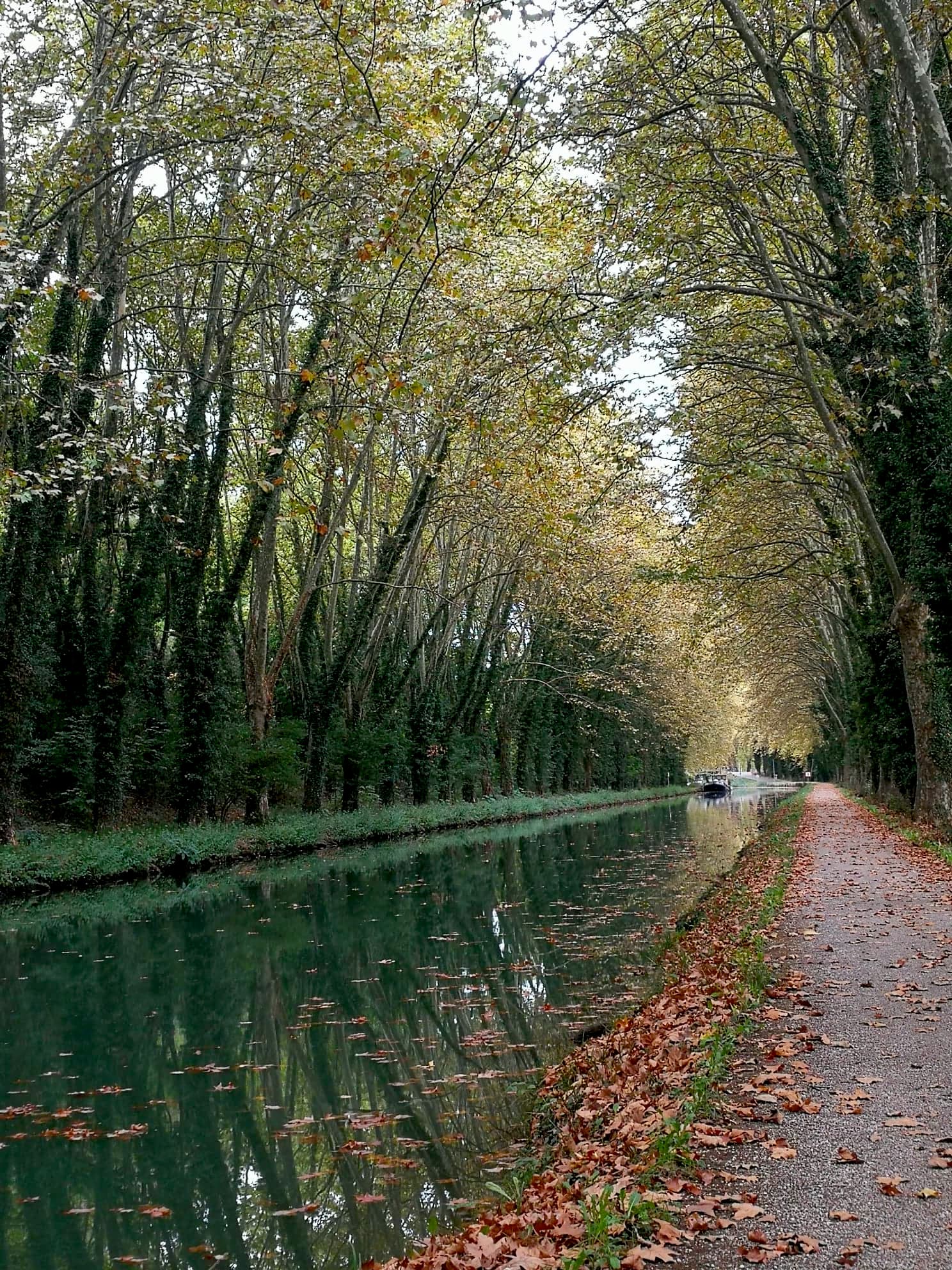
Woodpecker taps
a loud tattoo
jay shrieks
and somewhere
in tree-deep
a chaffinch chirps.
I listen
a kestrel cries
again and again
above my head
sun falls pale and cool
through wind-fingers
whistling what sounds
like the echo
of my name.
Re-wilding the mundane day 16
For Paul Brookes’ December challenge.
Owl light and rainbow songs
Light brushes
sky and water colours
chalk and oil hues
the colour of the hidden belly of shells
cloud-smudged charcoal
the luminous neon
of storm cloud sunbursts
garlanded with rainbows
and dark night tidies
all the glitter away
with owl-feather plumes
sweeping stars bright-clean
and the soft songs of silence.
December 15, 2022
Indoors, winter
For the dverse prompt. I don’t know if these count as zen, imagist or just short.
Indoors, winter
In yellow lamplight
and the stove rattling low
the rain in the dark field
is a world away.
Grasses
We are blades of grass
all green and green and green
until we winter-dry brown
but our roots are our own.
Re-mundaning the wild day 15
A short piece for Paul Brookes’ December challenge.

Patron saints and magpies
Her mantlepiece was a gallery of saints, each one with a specific job to do. There were statuettes of various sightings of the Virgin Mary, and a sheaf of Mass cards ready to be consulted and invoked with the prayer written on the back.
Her favourite idolatrous image was Saint Martin de Porres, in the form of a statue I was convinced was Cy Grant in Dominican robes. She loved Martin because he loved animals, and he had a position of prestige on top of the cabinet in the front room from where he could beam over at the Infant of Prague in his glass case above the gas fire.
Saint Martin was brought out mainly to bless eyesight, in particular my youngest sister’s. She had perfectly good eyesight when Saint Martin was ministering to it, but later she needed glasses. He was never asked to look at mine, thank goodness.
The saint most often called upon though was Saint Jude, patron saint of lost causes. My great-gran didn’t want to bother Saint Anthony, though in theory, it was his job to find lost things. She reckoned he had enough to do holding onto the baby Jesus. She went straight to Jude, most people’s last resort.
My great-gran also had excellent eyesight but in her nineties, she couldn’t always find a needle if she dropped it on the floor. When we were there, the four of us usually managed to find it, without, as far as I could tell, any intervention on the part of Saint Jude. Given that the search always turned up other tiny lost things, I doubted he was much help ever.
I wonder now if she wouldn’t have found it more practical to have kept a magpie instead. She always had a houseful of birds with broken wings or legs she was patching up with the help of Saint Martin, matchstick splints and doses of sugar and brandy (whiskey was never used for medicinal purposes. That’s what brandy was invented for), and I saw several jackdaws over the years. Never a magpie though. Maybe jackdaws aren’t as interested in tiny bright objects as magpies, or simply Saint Jude made sure, in connivance with Saint Francis, that no bird was going to do him out of a job.