Steven Becker's Blog: Steven Becker's Storylines, page 3
September 28, 2023
Hidden Treasure
Inspiration and ideas for my stories are often straightforward. A recent trip to St. Thomas gave me plenty of ideas and locations for Wood’s Justice and probably a Kurt Hunter Mystery. The Storm Thriller Series is also based on my travels. My time in the Keys gives me tons of fodder.
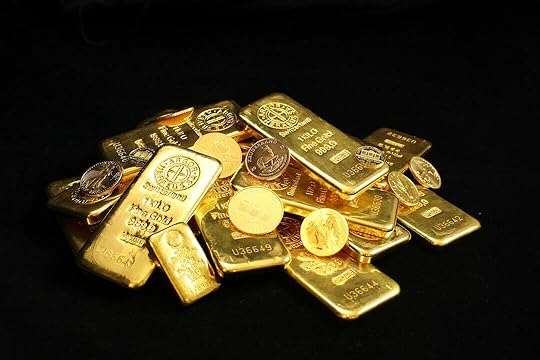
The trips give me the locations and some ideas—enough to get me started—until about the second page when I need to start embedding clues that foreshadow what is to come. I need the plot and the trigger points. That’s the point where I’ll take a dive into the history of the locations.
Thanks for reading Steven Becker’s StoryLines! Subscribe for free to receive new posts and support my work.
The internet is my first stop, but often gets me more confused than when I started. It does spark ideas though, which is what I’m really looking for. Digging further either gets me more confused or sends me down another rabbit hole.
That happened last week while writing Wood’s Justice. Through an unlikely association, I found myself at the Tampa History Museum, a twenty-minute bike ride from our house.
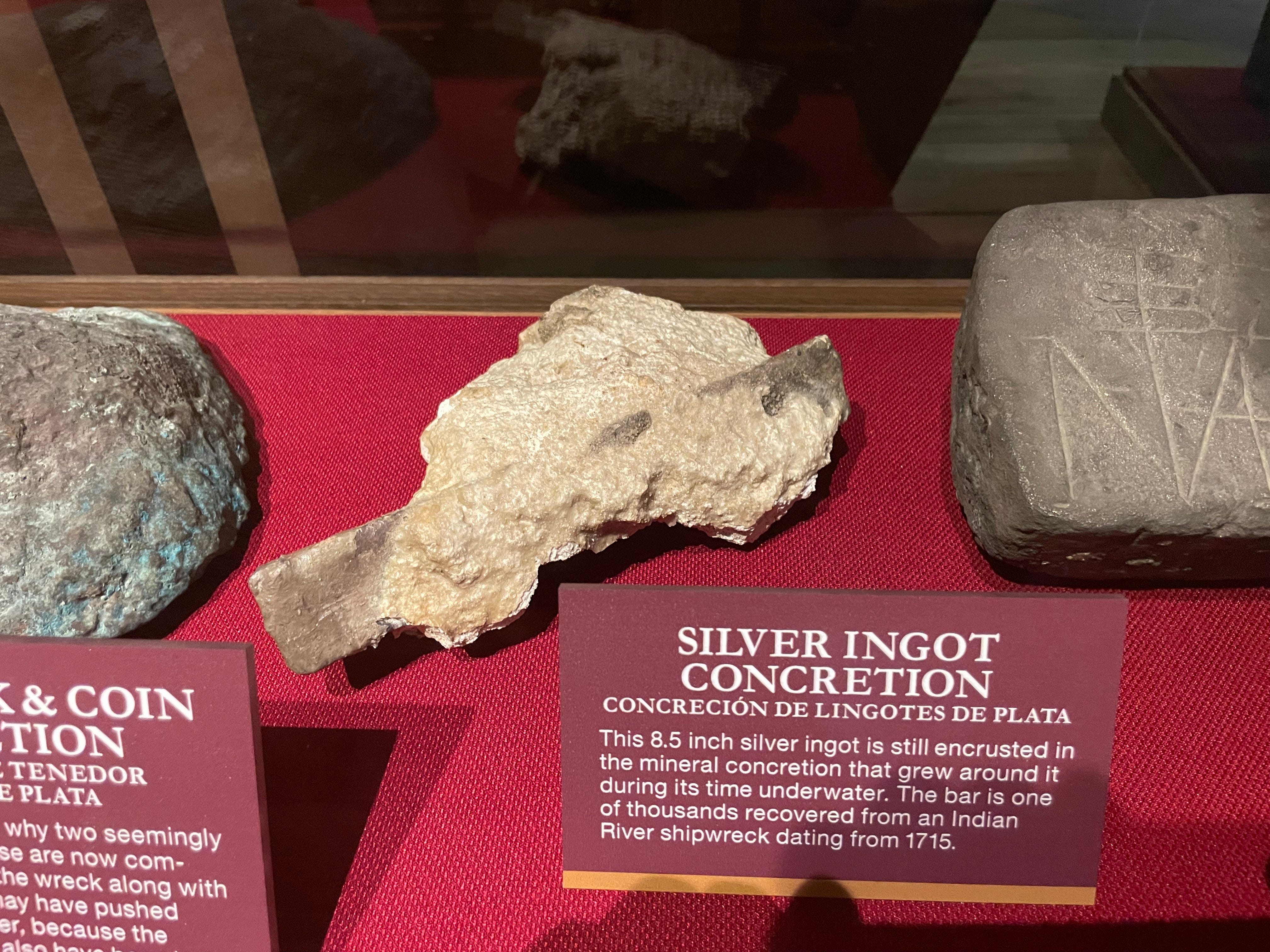
People often ask questions about some of my older books. My answer is truthful: I have no idea. I thought something was wrong with me until I heard this from several others too. Once I write something it is out of my head. The internet is like this. I’ll vaguely remember what I read, but the source and details are gone.
Museums are different. I can remember entire exhibits from when my grandfather used to take me to the Museum of Natural History when I was a kid. They also spark ideas and in the shipwreck display in the Tampa History Museum, I found one.
Treasure rarely lies in plain sight. It is usually in the form of a concretion which are built-up mineral deposits that fuse themselves to the precious metals salvors are after. Sometimes, the objects are partially exposed. This was the case in Wood’s Reward.
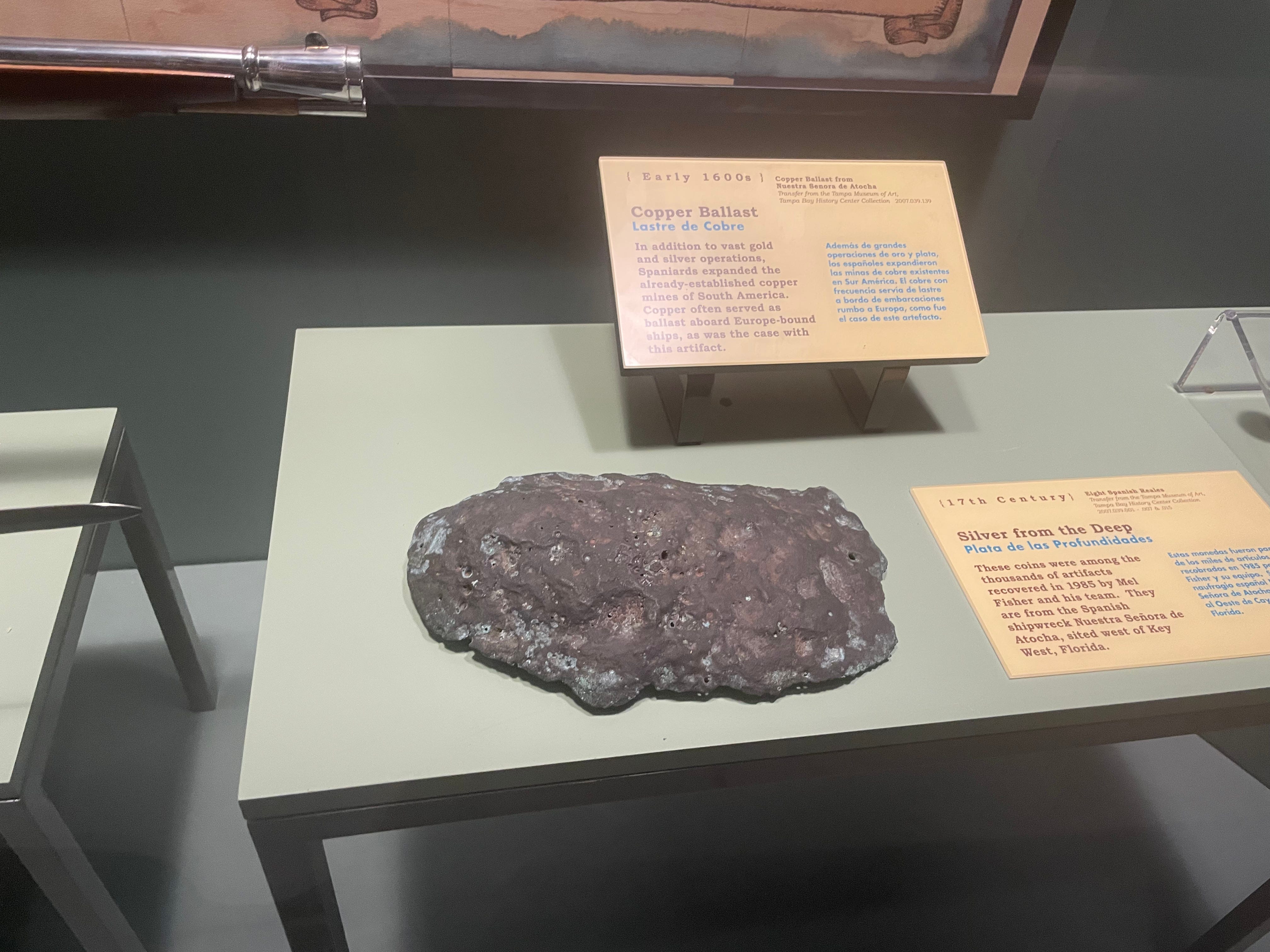
The display of concretions caught my eye. The silver ingot above is exactly what I imagined Mac and Wood discovering. Next to it was another concretion which gave me what I needed for Wood’s Justice. In my Tides of Fortune series, the crew hides their treasure in the ship’s ballast. It seemed logical to me but had no basis in fact. This copper concretion is the same but different. The ballast of a wooden ship is the gravestone of the wreck. I knew that the type of ballast was a clue to where the ship was built or had traveled from. For example, rounded stones meant a nearby river. I’d never heard of using copper for the entire ballast of ships returning from the New World.
That one exhibit gave me the clue that Mac finds in Wood’s Justice,
which kicks off the search for a long-lost Spanish Galleon.
Thanks for reading Steven Becker’s StoryLines! Subscribe for free to receive new posts and support my work.


September 27, 2023
Wood's Reward
I finished Wood’s Reward; as promised, here is a free link to the complete book. You can download it now. The book will be officially released on Monday 10/2. If you’d like to get it directly from Amazon, it will be enrolled in Kindle Unlimited members. The purchase price will be 2.99 for the release week.
Thanks for reading Steven Becker’s StoryLines! Subscribe for free to receive new posts and support my work.
September 9, 2023
The Wreckers
I like to put a good dose of Keys’ history in my stories. Wood’s Reward, a story that I have been releasing in installments (check it out here), features a pair of wreckers from back in the mid-1800s. At that time Key West was the richest city per capita in the country and with 3,000 residents, the largest in Florida. Much of that wealth was accumulated by Wreckers who roamed the reef looking for foundering ships.
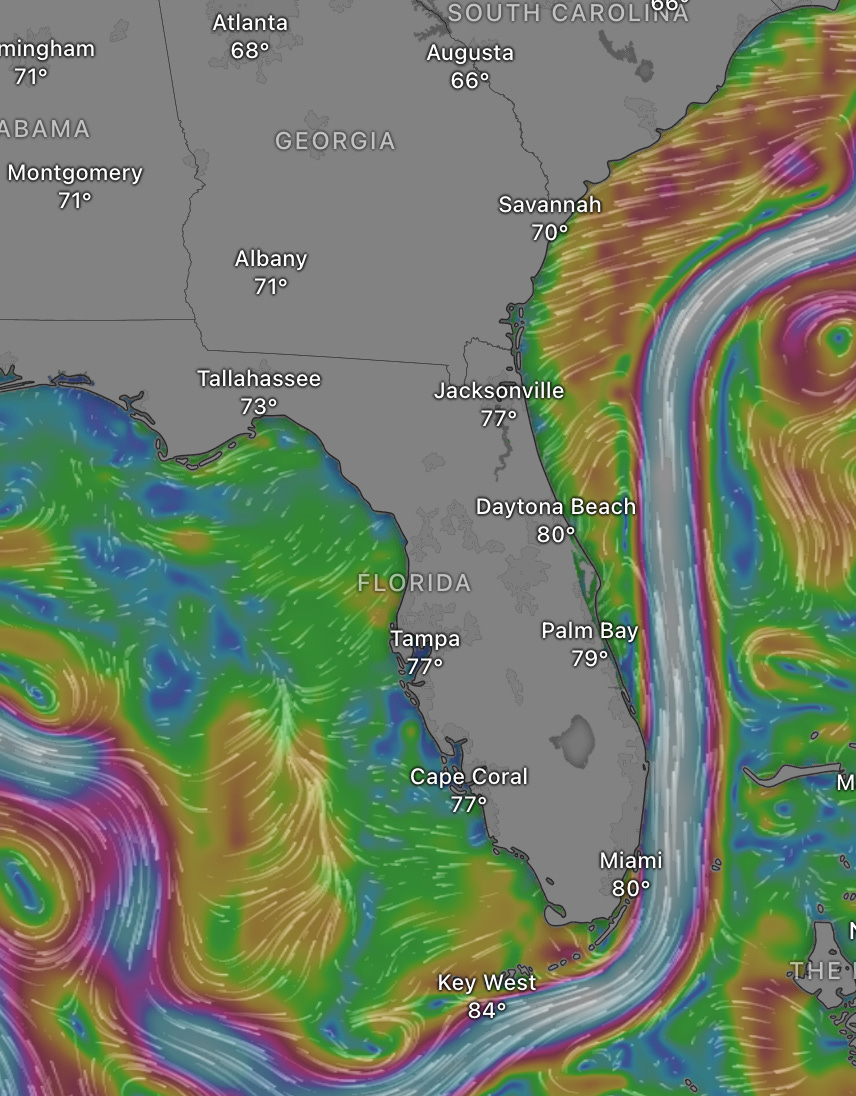 Screenshot of Gulf Stream from Windy
Why Key West? The reason is the Gulf Stream, a water-borne highway running from the Americas toward Europe. The image above was from today and shows the path of the current. The Spanish treasure fleets used it and commercial shipping continues to follow the current today. When I’m fishing off the Keys, I can tell where the Stream is running by the direction the tankers and containerships are heading. Inside the Stream which is closer to the reef, they will run counter to the 6-knot northeasterly current. The ships running northeast are in the Stream. Fluctuations in the distance from the edge of the Gulf Stream to the reef running parallel to the Keys are one of the reasons for the numerous wrecks. The ocean river changes almost daily. The other causes are storms and navigation errors.
Thanks for reading Steven Becker’s StoryLines! Subscribe for free to receive new posts and support my work.
With that kind of wealth for the taking, there was sure to be tension, if not war, between the wreckers The backstory for the book features a clash between two of the more notorious wreckers: John Geiger and Jacob Houseman.
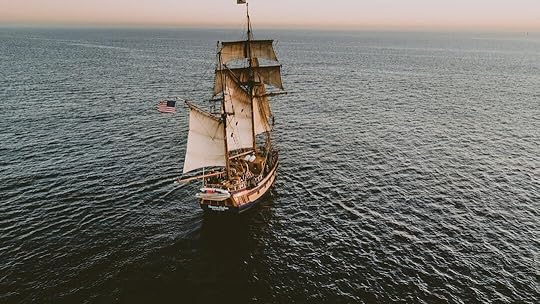 Photo by Austin Neill on Unsplash
Wreckers came in several varieties: generally good and mostly bad. But the line is often gray. The first wrecker on site made a deal with the captain. In exchange for a percentage of the goods aboard, he would take the passengers and crew to safety and salvage the cargo. This made him the Wreck Master and responsible for subcontracting portions of the salvage operation to the later arriving wreckers.
In many cases, the wreckers worked together, but in some, they were merely pirates who had changed “professions.” Stories abound about the use of false lights and other devious methods to lure ships onto the reef and shoals.
In Wood’s Reward, Geiger is the good guy, and Houseman the bad. Those roles could have easily been exchanged under different circumstances.
John H. Geiger appeared above board. He came from a Key West family and was engaged as a pilot as part of Commodore David Porter’s anti-piracy squadron in 1823. The squadron scoured the waters surrounding the Keys, but many of those who escaped simply changed their skin. Geiger became a prominent, and one of the richest, members of the community. In addition to the family residence on Whitehead Street now known as the Audubon House, Geiger also owned his own key—Geiger Key, which was his reputed base of operations.
Jacob Houseman was originally from Long Island. He moved to Key West with the intention of becoming a wrecker. Seeing what he called a monopoly, he bought land and relocated to Indian Key in the Upper Keys. From there he set up his own base of operations.
Both men were larger than life and important to the history of the Keys. They also had a reputation as honest men, but there had to be some friction between them. I took this as a base point and fabricated a scene of a wreck that led to the silver Wood finds in the Big Spanish Channel.
Thanks for reading Steven Becker’s StoryLines! Subscribe for free to receive new posts and support my work.
September 5, 2023
Wood's Reward
I’ve finished the manuscript which means the chapters will be hitting your inbox faster now. If you need to catch up you can read the book to date here.
 Chapter 17
Now that Wood knew the boat’s name, he put two and two together. Widget was a cross between the engineer’s surname, Wigner, and his wife Bridgette’s first name. There was no need for further confirmation that the boat belonged to Wigner. Wood studied the figure behind the wheel, trying to determine if it was Wigner himself or one of his lackeys. Taken from a sample of middle-aged men, there was nothing unique about him. Average all around—just like the engineer. Still Wood suspected it was him.
Thanks for reading Steven Becker’s StoryLines! Subscribe for free to receive new posts and support my work.
Wood moved away quickly before the man spotted him. He returned to the barge by a circuitous route, staying close to the mangrove-lined shore.
“Son of a bitch is Wigner,” Wood called up from the skiff.
“Damn. What’s he thinking?” Travis asked.
“Getting a little impatient, if you ask me,” Wood said. He had told Travis about being spotted the other night but not about Wigner’s extortion attempt. “He’s only got one more inspection after we passed today, which means he’s got no excuse to be here.”
Travis still held the shotgun. “What do you want to do? Shooting the engineer’s not going to be good for business.”
A loud roar interrupted the conversation. “Looks like he’s out. We’ll see what he has in mind now.” Wood turned to the grounded boat. The moon was in a clear section of sky, and its light showed a giant rooster tail. The engine screamed in protest as Wigner opened the throttles in a desperate attempt to free the stuck hull.
Suddenly, the pitch changed. The rooster tail was gone, and the boat was moving. “Got one in the chamber? Not sure what he’s got in mind.”
Travis held the long gun by his side. Before he had a chance to raise it, Widget’s bow turned toward the Gulf side, and with a roar, the hull shot forward. The boat blasted through the bridge like it had been shot out of a canon. Wood watched the water until the white stern light had faded into the night.
“Reckon we oughta recover the chest and get it out of here before he gets any bright ideas and comes back.”
Wood tied off the skiff and stepped aboard the barge. “Thought you two were going to retrieve the damned thing.” He looked at Travis, then followed his gaze to Ned, who had probably slowed down the operation with his constant fretting.
Already knowing the archaeologist was not going to trust him to retrieve the chest from the cofferdam, he walked over to the excavator.
“Got a cargo net aboard?” Ned asked Travis.
“Just slings. We can secure it.”
“If it’s still in one piece.”
Wood had heard the conversation and walked back over to the two men. “Y’all are going on like a bunch of old women. Better to have the son of a bitch in pieces than let Wigner have it.” He knew Ned would go to extraordinary lengths to retrieve the chest without damaging it. Wood was more concerned with what was inside than the barnacle-crusted and tarnished container. “Anyway, it is what it is right now. We ain’t gonna hurt it any more than throwing it in the hole.” He ended the conversation by turning away and heading back to the excavator.
Wood watched from the cab as Travis grabbed a handful of heavy, webbed slings. He dumped them in the bucket and climbed in. Travis gave a thumbs-up and grabbed the lip of the bucket. Wood lowered Travis into the hole. Wood wanted an update on the condition of the chest, but he’d have to wait. A few minutes later, he lowered a much more reluctant Ned.
Night work in and around the water is dangerous. Wood eschewed most technologies, such as radios. More than not, something was wrong with them, and he hated to rely on something that wasn’t reliable. This was one instance he wished he’d used them. He left the cab of the excavator and climbed down the track to the deck.
Peering into the pitch-dark cofferdam revealed nothing. “Y’all alive down there?” he called out.
“Rigging it up. Should just be a couple of minutes.”
“Give a yell when you’re ready.”
That there was an “it” to rig was a good sign. He assumed the chest had been built from wood with metal banding. After a 150 years on the water, one of two things could have happened. The chest could have decayed and disintegrated on impact, or it would be hard as a rock and survived.
“Ready!” Travis called up.
Wood hurried back to the excavator and climbed in the cab. Fighting the urge to see the chest, he patiently worked the controls and lifted the chest out of the cofferdam and onto the deck. He hopped down and unrigged it, noticing that it was intact, then sent the bucket down to retrieve Ned and then Travis.
The three men stood and stared at the old chest. A third of the way from the top, and underneath where they expected to see the line where the lid met the base, was a clear mark showing the depth to which the chest had been buried. Below that, the individual planks had been well preserved. Above the line, the chest was covered with barnacles and growth. In order to see what was inside, they would first have to clean it.
Ned hovered around, taking pictures. Wood winced every time the flash strobed, knowing it would attract the attention of the fishermen and traffic crossing the bridge. After a hard look, Ned stopped and put the camera down.
“You gonna take a toothbrush to it now, or can we get on with it?”
Ned glanced up and shook his head. He picked up a wide chisel and hammer and started to scrape the growth off. Travis picked up a flat bar and worked on the other side. A few minutes later the lid was visible.
“What about the padlock?” Wood asked, ready to take a chisel to it regardless of what Ned said.
“No chance it’s salvageable. Have at it.” Ned turned away as if he couldn’t bear to watch.
Wood nodded to Travis, who stuck the business end of the flat bar into the shackle and gave a tentative tap with the hammer.
“You too? Give me that.” Wood took the tools. He inserted the bar into the lock and pried, then slammed the end with the hammer. The lock fell away and landed with a clang on the deck. Wood left it where it lay and focused on the lid. He stuck the flat bar into the small crack and pried. The lid felt like it was fused in place and refused to budge.
“Get the Sawzall. I ain’t lettin’ this get the best of me.”
“If I may?” Ned asked.
Wood looked up.
“I would take it back to your place. Better light and no prying eyes.”
Wood snorted and looked around. He had been so engrossed in trying to open the chest that he failed to realize how exposed they were. The pool of light cast from a fixture on the excavator had the same effect as being in a spotlight on stage.
“Good idea. Let’s load her in the skiff and get out of here.”
Travis brought a dolly over, which he used to move the chest to the edge while Wood shut down the excavator and locked the container. Travis hopped down into the skiff while Ned and Wood lowered the chest to him.
* * *
With the only difference being the change in venue, the three men stared at the chest sitting on a low work table in Wood’s shop.
“Still thinkin’ the Sawzall’s the way to go,” Wood said.
Travis went to a cabinet where Wood stored the power tools and came back with the reciprocating saw. With a course-toothed blade, he started to cut around the line. The work was slow, but inch by inch, the saw cut through the century and a half of buildup. There was little to no resistance where the blade met the old metal of the hinges.
“You want the honors?” Travis stood back.
Wood moved toward the chest and said a silent prayer, then slid the flat bar into the crack. The lid moved easily. Travis and Ned moved to either side of it and lifted it off.
Wood wasn’t sure what to expect. The chest had remained watertight, which was the first surprise. The second was that the contents were wrapped in oilcloth to protect them from the weather—the work of a smart and cautious captain.
Several items had the shape and feel of navigational instruments. They removed these and set them aside because they all knew that the real treasure was the rectangular package on the bottom—the ship's log.
Wood removed the book, hoping that it had remained intact. He brought it to the larger workbench and set it down. “You want to do it?” he asked Ned.
The deference was more a nod to the archaeologist’s expertise than an honor. Wood wasn’t sure what he might do wrong that would endanger the log. Ned was a professional.
“You have any gloves?” he asked.
Wood assumed he meant the latex gloves found in hospitals. “Not the kind you’re wanting.”
Ned tutted. “I don’t guess you’re going to wait.” He lifted the flap on the oilcloth to reveal a cloth-bound book. It was in remarkable condition, the writing still clearly visible.
“Son of a bitch. I like it when I’m right.”
The name John H. Geiger was printed in block letters on the cover.
Twenty minutes later, the three men gathered around Wood’s kitchen table. Instead of the latex gloves he preferred, Ned settled for a pair of old rubber gloves from under the kitchen sink. They were dry and brittle, probably years old, but they were better than nothing.
“One of you take pictures and document this.” Ned adjusted the book so it sat squarely under the light. His hand moved to the cover, and with the tip of a rubber-clad finger, he opened the book.
“Doesn’t get any better than this,” Ned said. “Shoot every page.”
Wood had handed the camera to Travis after he had photographed the cover and the first page. They paused there to read the flowing script.
Ship’s logs are particular to the captain. Some allow only the facts: date, time, tide, speed, distance covered, weather, and other particulars. Other logs read like novels. This leaned toward the latter.
Wood scanned the first entry, dated February 1864. The entry described the salvage of a vessel on Molasses Reef off Key Largo. Geiger detailed the particulars of the day and then started in on what could only be described as a tall tale.
“Son of a bitch. He’s setting this all up for the courts by painting a picture of a ship in its death throes.”
“Could have been,” Wood said. Even though he wanted to move to the last entry, he was enthralled.
Wreckers were mercenaries. They saved lives but at a cost. The captain had made it sound like there would be no survivors except for the actions of his crew and, of course, himself.
They all finished reading at about the same time. “I notice he’s not modest.”
“The Admiralty Court in Key West would have taken all this into account. Even if the captain of the wrecked vessel testified that it was a gross exaggeration, the court would lean toward the written entry. In most cases, the captains didn’t bother to show up. Best case, the owners would get 50 percent salvage value. Geiger probably had the judges in his pocket as well,” Ned explained.
Ned must have sensed Wood’s impatience. He started to flip the pages in time with Travis taking pictures. Fortunately, the journal was less than a quarter used, so they made it to the last page with the first roll of film.
“Here it is.”
The tail end of the nor’easter drove the ship onto the reef off Vaca Key. Despite the conditions, we suffered the weather and reached the foundering ship at 1600 hours on the Ides of March. The Sloop, a sixty footer, named Lady Seraphina was taking on water. Fighting the elements we disembarked fifteen souls and took them aboard one of our ships. The captain agreed to the terms set forward and we loaded the cargo. As if on cue, a ship appeared on the horizon. By that time we had started to remove some of the cargo, but were forced to stop when a cannon fired.
The entry ended. Ned went to turn the page, but it was stuck to the blank pages behind it. He gently worked the paper but stopped when a small tear formed.
“We gotta do this right, Wood.”
Wood didn’t want to wait but knew if he didn’t listen to Ned, the entire account could be lost, and he’d never know what they had found.
Chapter 18“Can I take this?” Ned asked.
“Give us the green light to keep looking, and it’s yours.” In Wood’s mind, the log proved two things. That neither the chest nor the silver were historically significant and that John Geiger could tell a tale. Although he wanted to see the rest of the entry, it was more important to him to be able to continue searching. Recovering the chest had fueled his fever.
“The line between where the state gets involved and where you are free to do what you want is pretty gray. I’d say you’re good. Geiger is an interesting guy. This is one case where older is better. If it had been from the Civil War itself, you’d be screwed.”
“That’s what I wanted to hear,” Wood said,
“What about Wigner?” Travis asked.
“Screw that prick. We’re gonna wrap up the formwork tomorrow and get the last inspection. We’ll dive at night.”
“You mean, I’ll dive at night.”
“That’s what I said, isn’t it.”
“If you two are done bickering, I’m going to take this stuff and head home.” Ned grabbed an empty box lying on the floor and loaded it with the log and navigation instruments.
Travis helped him carry it to the pickup. Wood wandered out a minute later and hopped in the driver's seat. They headed out to US 1 and up-island, back to the boat ramp where Travis and Ned had left their vehicles.
Wood glanced down at the water as they passed over the bridge. The angle was sharp, hiding the cofferdam, but the barge was visible. He could clearly see the beam of a flashlight panning around the deck and a boat tied off to the side.
“Son of a bitch. Looks like that prick. Must have stuck around and waited until we left.” Wood hadn’t had a good enough look to be sure, but he’d have to go out and check on things anyway.
Nighttime boaters were a different crowd. Most were fishermen, mainly commercial guys. They were a rough lot, and Wood suspected they often checked the barge for tools or materials left unsecured. There was no stopping them other than locking up anything of value.
“You got time to check it out with me?” Wood asked Travis. He expected the response would be in the affirmative, and it was.
Wood sped up and crossed the bridge running about twenty miles over the speed limit. He knew the risk of getting a ticket wasn’t worth the gain of what was probably sixty seconds. It felt good, though. He made the left turn into the parking area by the ramp at speed and skidded to a stop by Ned’s car.
“Let me know if you find anything interesting in that lot. I got business.” He got out and slammed the door. “Come on, Travis.”
Wood made as much noise as possible as he left the truck and started the skiff. The best outcome, even if the intruder was Wigner, would be to scare them off and avoid a confrontation.
As he suspected, the boat was the Proline, and it pulled away just as they arrived.
“You gonna chase him?”
“Nah. Not much to be gained. We got the good stuff. Might as well check the barge, though. Make sure he ain’t up to no mischief.” Wood didn’t put sabotage beyond the engineer.
The empty chest was safe in Wood’s shop, but the padlock remained as well as the pile of marine growth. Enough evidence lay on the deck for an experienced eye like Wigner’s to know they had recovered something. Wood kicked the padlock to the side.
“Son of a bitch.”
“He didn’t get anything,” Mac said.
Wood kicked the barnacles and growth laying on the deck. “Son of a bitch can call the state. That’d be enough to shut us down.”
“Only thing we can do is move forward. Let’s get the concrete work done. Then he’ll have no excuse to be around. You probably have enough to get a restraining order.”
“Ain’t a judge in Monroe County gonna believe me over him.” Wood kicked the hard steel deck. “You’re probably right. We can button this up tomorrow, get it inspected the day after, and then pour it. If you’re up to it, we can work through the weekend and be done and ready for a final inspection on Monday.”
“Count me in.”
Wood liked that in the man. No hesitation at all. Not scared of work, unlike most of the population of the Keys. “Good man. Might as well get some sleep. Wigner’s not coming back tonight, and we’ve got a big day tomorrow.”
Wood ran the skiff back to the dock. He tied the small boat off to the piling by the ramp and waded to the parking lot. Travis was right behind him. He started toward his truck. Before he reached it, he saw flashing blue lights coming over the bridge.
Technically, the bridge was called the Spanish Harbor Key Bridge and the island West Summerland Key. To the locals, they were the Scout Key bridge and Scout Key because of the Boy and Girl Scout camps on the island. The Highway Patrol didn’t care what you called them. To the police, the bridge was the beginning of the Key Deer Refuge. The speed limit dropped from 50 MPH to 45, but it was at nighttime when the posted limit lowered to 35 that created the speed trap.
Seeing the police car heading east with its lights on was unusual. Normally, if you reached the bridge heading east, you had to run the gauntlet of law enforcement on Big Pine.
Wood continued to watch the cruiser, expecting it to slow and turn into the parking lot. He wasn’t disappointed.
“Get going while you can. I’ll deal with them,” he called to Travis.
Mac gave him a look but obeyed. Travis was no fool. There was no point in both suffering whatever consequences were in store.
The police car slowed as it entered the parking lot, headlights pointing directly at Wood. He shielded his eyes and tried to see through the windshield. There was a good chance he knew the officer. The glare coming off the headlights was too much to make him out, so he stood where he was and waited for them to make the first move.
The driver’s side door opened, and a man stepped out. “You William Woodson?”
“Yeah, they all call me Wood, though. You might as well too.” Wood noticed Travis had started his truck and was about to exit the parking lot. As distasteful as it was, he needed to start a conversation and distract the officer, so Mac could get away.
It wasn’t like he was leaving the scene of a crime. There was no reason for Travis to be involved in whatever the officer wanted.
He squinted, the headlights of the police car making him have to work to read the name tag. “Your name’s Waller? Got a first name?” Travis moved to the exit, paused to check the traffic, and pulled out, heading up-island to Marathon. Wood was relieved that he’d escaped any scrutiny, but he also understood that he had twenty miles to travel and several bridges before he reached home.
As far as the police were concerned, you could count on two things. At night and usually during the day, there were always cruisers on Big Pine Key as well as in Marathon inside the 35 MPH speed zone just after exiting the Seven Mile Bridge. A simple call over the radio was all it would take to stop Travis.
“Dave, but let’s stick with Officer Waller for now.”
The answer was as good as he was going to get. “Okay, Officer Waller. What can I help you with?”
“Seems there’s a report that you took some artifacts without the proper notifications.”
“Wigner,” Wood cursed under his breath. The engineer hadn’t wasted any time.
“What was that?”
“Oh, nothing. What makes you think I did something like that? I know the law.” The last statement might as easily save or hurt him.
Waller ignored him and walked to the bed of Wood’s truck. He peered at the miscellaneous materials. “That your barge out there?”
“Sure is.” Ned had the logbook and instruments. The silver and chest were in Wood’s workshop. There was nothing incriminating on the barge. Taking the officer to check it out would buy Travis enough time to get home. “I can run you out if you like.”
“If you don’t mind.” Waller walked back to the cruiser, picked up a long flashlight, and locked the doors.
“Come on then.” Wood glanced at the officer’s boots. “I’ll do my best to keep you dry.”
“Appreciate that.”
As Wood walked down the ramp to retrieve the skiff, he wondered if he had made it a practice to be cooperative with the authorities that things would have gone differently for him. He decided not.
He waded out to the piling and climbed aboard the skiff. A long second later, the engine started. Releasing the line, he moved back to the wheel and idled toward the ramp. The bow made a scraping sound as it touched the concrete, but it was aluminum and not fiberglass. There would only be a scratch to match the hundred others.
Waller stepped carefully aboard and took the seat forward of the helm. Wood’s instinct was to make the ride uncomfortable, but he held himself in check. Irritating the officer was not going to help.
They reached the barge after the short run. Wood held the boat against the fenders to allow Waller to step aboard. He tied off the skiff and followed.
Wood stayed behind the officer, allowing him free rein over the barge. With the flashlight beam panning back and forth, they reached the spot where the chest had been. Wood had a second's self-doubt that it might still be there, but only the small pile of barnacles and coral they had scraped off it remained.
On a recreational boat, that might be incriminating, but on the work barge it looked as if it belonged. Waller checked the wheelhouse and finally moved to the container.
“Mind if I have a look inside?”
Wood was running out of patience. Travis would surely be home by now, and though the officer was well-mannered, it was late at night, and he was tired. Still, he knew the search was going to end sooner if he cooperated, especially since there was nothing to hide.
“Since you asked nice.” He might as well make some kind of point if he couldn’t be snarky. Wood dug in his pocket and pulled out a keychain. He found the key and opened the padlock. “Sorry. No lights.”
Waller cast a suspicious glance before shining the beam of his flashlight into the container. “What were y’all doing out here at night, then?”
“Got an inspection tomorrow. Just had to button some things up.” He thought for a second. There was little doubt that Wigner was the source of the complaint, but on the chance that he wasn’t, it made sense to probe. “Wigner’s the engineer for the project. Know him?”
“You don’t say.” Waller probed around for another minute and stepped back on deck.
It didn’t sound like he knew who had called in the complaint, but that wasn’t indicative of anything. Under normal circumstances, Wigner would probably have called the sheriff directly. Neither NOAA nor the State Historical Society had a policing arm, so they would have naturally called the locals anyway. “Surprised you’d be checking this out at night.”
“Sheriff asks, I do.”
That explained it. The good old boys’ network of the Florida Keys had been enacted. Waller hadn’t called NOAA or the state, as he suspected he’d spoken to the sheriff directly. This was pure harassment, but there was nothing he could do about it.
“Looks okay to me.” Waller moved the light to make his way back to the skiff.
Wood saw something on the periphery of the beam and froze. Wigner might have taken the chest, but the padlock lay on the deck. No way could it pass for the marine-grade padlock he used on the container. The lock sat at the very edge of the beam, but it was still visible.
Waller turned toward the skiff. Wood released his breath when the beam passed the lock. He thought about moving it as he passed. A pile of rigging lay to the side. He could easily pick it up and toss it over like he was cleaning the deck.
Before he reached it, Waller stepped right on top of it. Without the flashlight, he might have ignored the lock and kicked it out of the way. Instead, he did what most people would have done, curious about what they’d stepped on, and moved the beam to his foot.
“This looks pretty old to me,” Waller said, reaching down to pick up the 150-year-old lock.
Chapter 19“Want to revise your story?” the officer asked.
Wood had been as accommodating as he could. He sensed that he had built some good faith with the officer—not something that happened often. The question now was how much to tell him. Waller held the opened padlock and examined it under the light. There was no getting around its age or that it had recently been taken from the water. Or that this was a conspiracy against him.
Two choices presented themselves: A white lie or a real lie. Both were the same, really, but to different degrees. Some said that it is not a lie if you believe it. That would be the easiest way to rationalize the action. Wood couldn’t stomach that. He knew right from wrong.
Outright lies tended to come back full circle with an oversized serving of karma. The better tactic was, to tell the truth, leaving out a few key details.
While Waller studied the object, Wood prepared his story.
“Never know what’s going to come up in that bucket. Found all kinds of crap over the years. Not much in the way of valuables.” All true. Excavating around the bridge piers had turned up all kinds of things, some tossed on purpose, others not.
“Looks to me like this was just opened.”
Wood stepped closer to see what the officer was looking at. The shackle, which had been inside the body of the lock until they had broken it, was clean. “Must have been Travis messing with it.” He paused. “Something like this doesn’t need to be reported, does it?” Wood knew his question didn’t matter. Waller had been told what to do whether he found something or not. This just made it easier.
“Doesn’t seem like much to me, but I’ve got a boss to deal with. He’s going to ask questions. No way around taking this as evidence.” Waller panned the light around the deck again. “Don’t see anything else of interest. I’ll bring this in and see what happens.”
Wood already knew the die had been cast and had to restrain himself. He’d been patient until now, but Waller was clearly doing Wigner’s and the sheriff’s bidding. “You do what you have to. I’d like it back when you’re through. Kind of a souvenir of a crappy job.”
Waller was still holding the lock. He looked around for something to put it in. “You have a bag or something?”
Wood was to the point where he would do anything to get the officer off the barge. He was tiring by the minute, both from fatigue and the lawman’s visit. Wigner, who had no doubt instigated the report, would pay for this. He remembered his lunch sack in the cab of the excavator. “Hold on. I’ve got something.”
Waller followed him and waited while Wood climbed up to the controls. He reached in and handed him a brown-paper bag.
“Sorry, man. All I got.”
Waller made a face but took it and turned the bag inside out before placing the lock inside. He rolled the top.
“You sure that’s there is?”
Wood did an inventory in his head. Wigner had the chest. Ned had the contents, and the two silver bars were in his workshop.
“That’d be it.”
“Hold on, then.”
Waller removed his radio from his belt and walked toward the edge of the barge. Wood strained to hear what he was saying, but a boat was passing through the channel, and its engine noise covered the call. Waller was still talking when the wake slapped against the barge, shifting it slightly.
Wood could tell a boater from a landlubber by their balance. Waller had almost fallen from the slight disturbance. That was amusing, but the stern expression on the officer’s face when he approached Wood didn’t.
He knew he was in trouble when Waller reached behind his back and removed the handcuffs from the holder on his belt. Going to jail would not get the work completed. Worse, it would give the state time to investigate the site. Once they moved in, everything would grind to a halt.
“You don’t need those. I’ll go willingly.” Even as he said it, Wood was looking for an escape. “Besides, you need the skiff to get back.” After seeing Waller’s reaction to the wake, Wood played the boat card.
“No funny business, then.” Waller replaced the cuffs.
Wood breathed out, but he’d only delayed rather than avoided disaster.
Wood moved to the port side, where the skiff was tied off, and boarded. Waller was a large man and had to drop to his knees and swing his body. There was enough time for Wood to have taken off, but he wasn’t going to leave the officer on the barge.
He started the engine and waited for Waller to come aboard. Just as he seemed to get comfortable, Wood asked him to free the lines. It was something he could easily have done himself, but the little jab made him feel better. Once Waller had again taken his seat, Wood started toward the ramp.
Before the bow touched concrete, Wood had decided to run. Jail would still be there if he got caught. He wasn’t even sure what he was going to be charged with. A good lawyer could probably have met him at the station and gotten him freed immediately. Wood didn’t have that option. He tended to alienate those kind of professionals.
Wood dropped to an idle as they approached the ramp. He wasn’t caring about Waller’s footwear right now, but earlier he had nudged the boat in so the officer wouldn’t have to wade out. He could use that precedent to escape. Inching forward, he waited until the bow hit the concrete and stopped.
Waller stepped out at the very front of the boat. He turned quickly when he heard Wood slip the engine into reverse. Wood played it cool, wanting to leave some doubt in the officer’s mind. There was no reason for a high-speed exit. Waller wasn’t going to shoot him, and he couldn’t pursue. There was a chance a police boat was nearby, but with the skiff’s shallow draft, he could easily lose them in the backcountry.
He inched toward the piling, then turned off the engine. The tide quickly pulled him past it. Patience wasn’t one of his traits, but he knew he had to feign a breakdown to give Waller an out, or suffer the officer’s wrath when he was eventually caught.
Wood was pretty sure that Waller was reluctant to take him in. He used that to his favor when he called over. “Engine trouble. Might be a few minutes.” Pulling the small plastic disc that fit into the kill switch, he repeatedly tried to start the engine. Waller hadn’t been comfortable aboard the barge or the skiff. Wood used that observation. An experienced boater might have figured out what he was up to, but he doubted Waller had the knowledge that without the spacer inserted into the slot, the engine was not going to start.
The current grabbed the small boat and pulled it into the main channel, away from the ramp. Wood turned back. Waller had his hands on his hips, standing where he’d been left.
With the skinny barrier of the Keys separating two major bodies of water, tides could be complicated. The ocean side was fairly straightforward. The backcountry was anything but. Comprised of mostly shallow flats for miles, the few channels leading to the open Gulf were forced to carry a huge volume of water. That meant current, which right now worked in Wood’s favor.
When tides were referred to, it was generally based on the ocean, which made them backward from the perspective of the Gulf. The incoming tide poured water from the Atlantic Ocean through the bridges, creating an outgoing tide in the Gulf, which Wood now used to his advantage.
He allowed the boat to drift with the current until he reached Big Mangrove Key, where he felt safe enough to start the engine. Even if Waller was still standing at the ramp, if he was able to hear the sound, he couldn’t be sure it was Wood.
Wood suffered a brief moment of panic when he tried to start the boat without replacing the disc. He laughed at himself, then wedged the spacer into the pin and tried again. The engine fired and caught, the noise seeming much louder than it should have been. Wood wrote that off to the open water and his fear of being heard. Sound also seemed to carry better at night.
Before heading out, he pulled his cell phone from the holster on his belt and called Travis’ home number. It rang several times before a recorded response asked him to leave a message. He briefly explained his predicament and that he would be on the island until he figured out what to do.
Taking a look back, he spun the bow toward the west and headed into the Big Spanish Channel. Navigating the backcountry at night was a challenge. With the numerous flats and shoals, it was easy to run aground. Wood had gone to the Miami Boat Show several months ago and saw a new line of electronics for navigation that showed your boat's position overlayed on a nautical chart. That seemed like the future and were cost-prohibitive at this point, especially for a small boat.
The new technology used satellites. Wood was sure that, at some point, it would replace the Loran C that was now the standard. Compared to the new GPS system, the current rudimentary displays showed only the heading and distance to go. Following that information in the backcountry would be a mistake.
Wood used the lights on Big Pine Key to navigate. The Avenues was clearly visible off his port side and Doctors Arm a mile or so beyond. The two neighborhoods got him through the bridge to the mostly dark, off-grid No Name Key. Once past the bridge, all he had to work with was a faint glow from the houses of Port Pine Heights on the other side of the island. Running at about eight knots, the ride to the island would take an hour. With no need to hurry, he played it safe, following the axiom that if you are going to hit, hit slow.
The channel finally opened up, and he accelerated to ten knots. Wood studied the water. Fortunately, the moon was out, and the sky was clear, allowing him to see the intricacies of the surface. A trained eye could distinguish the flats and shoals by the way the small wind-driven waves interacted with them.
He was relieved when he saw Upper Harbor Key in the moonlight. The island, the last outpost before the open Gulf, stood out like a beacon. Wood knew the waters here and steered the convoluted course to reach Harbor Channel and the island.
A solid hour after he had left Waller standing at the boat ramp, he ran the boat onto the island’s small beach.
Thanks for reading Steven Becker’s StoryLines! Subscribe for free to receive new posts and support my work.
August 31, 2023
The Coral Castle
In Storm Gods, I reference the Coral Castle in Homestead Florida. I have to admit that as many times as I’ve made the drive to the Keys I’ve never stopped there. Mostly it’s the dog’s fault because I can’t bring him in, so that’s my story and I’m sticking to it.
Thanks for reading Steven Becker’s StoryLines! Subscribe for free to receive new posts and support my work.
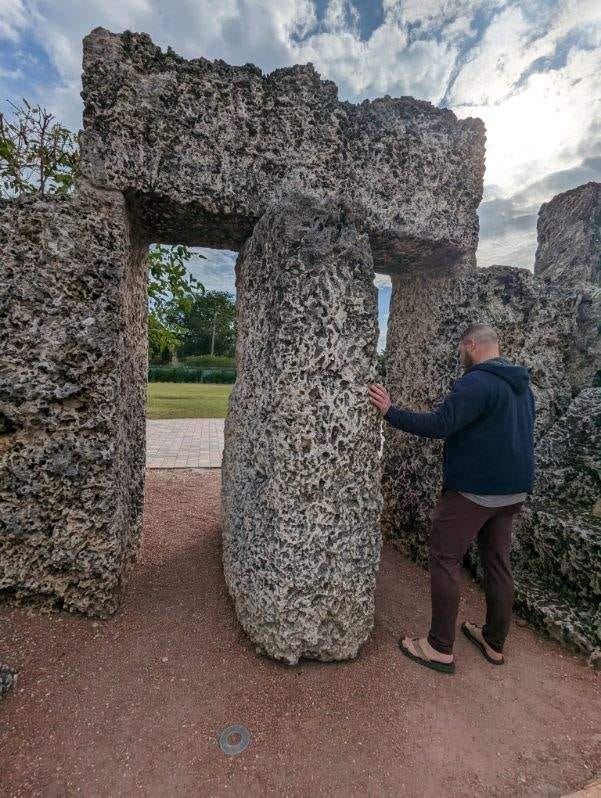
Some friends came down for a visit and stopped for a tour. I was fascinated by the achievement of one man, Edward Leedskainan was born in Latvia in 1887. The five-foot tall, 100 pound man built the structure alone using techniques he claimed had been used to build the pyramids.
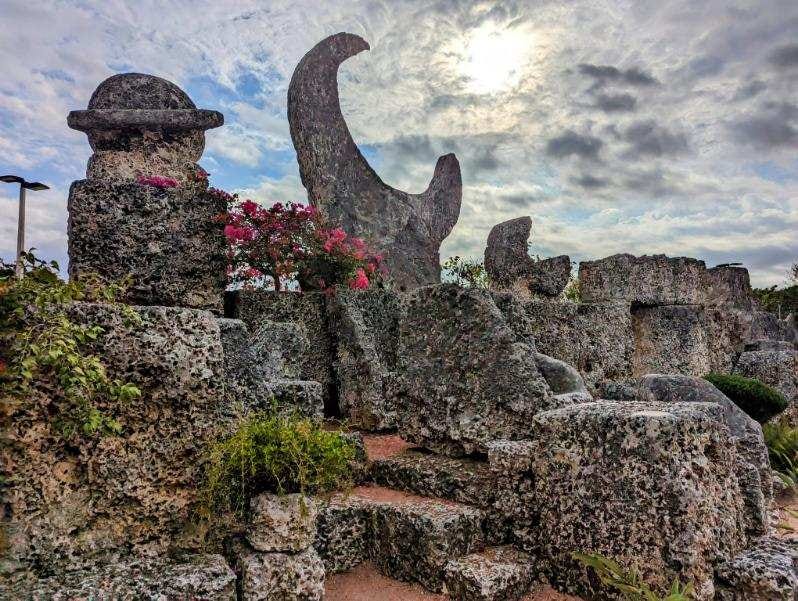
One of the marvels, which I used in the caves in the book is the entrance gate. Together, the stones total 1,110 tons — including a 9-ton gate, 5.8-ton walls, a 28-ton obelisk. Quarried in Florida City, he moved the stones 2.5 miles to Homestead where they were erected.
The beauty of the door is the picot hinge, which I also used in the story. Perfectly balanced the 9 ton gate opens with the touch of a finger.
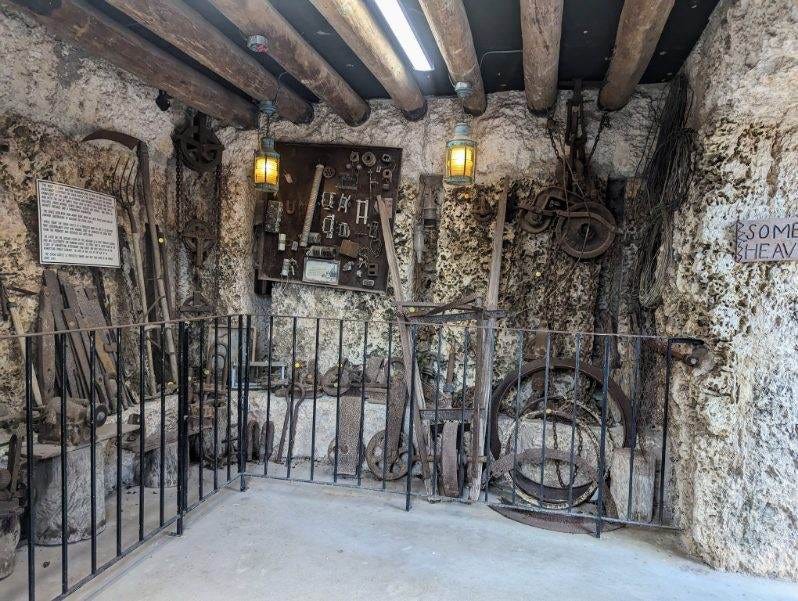
No one knows how he built this structure alone, with fairly primitive tools. According to lore, he would stop work when anyone was watching and wait patiently for them to leave.
Thanks for reading Steven Becker’s StoryLines! Subscribe for free to receive new posts and support my work.
August 28, 2023
Storm Gods Locations
Storm Gods, the latest installment in the Storm Thriller Series had many scenes in Laguardia, Spain. The Basque Country, which lies in the Northwest of Spain is an area rich in history and beauty.
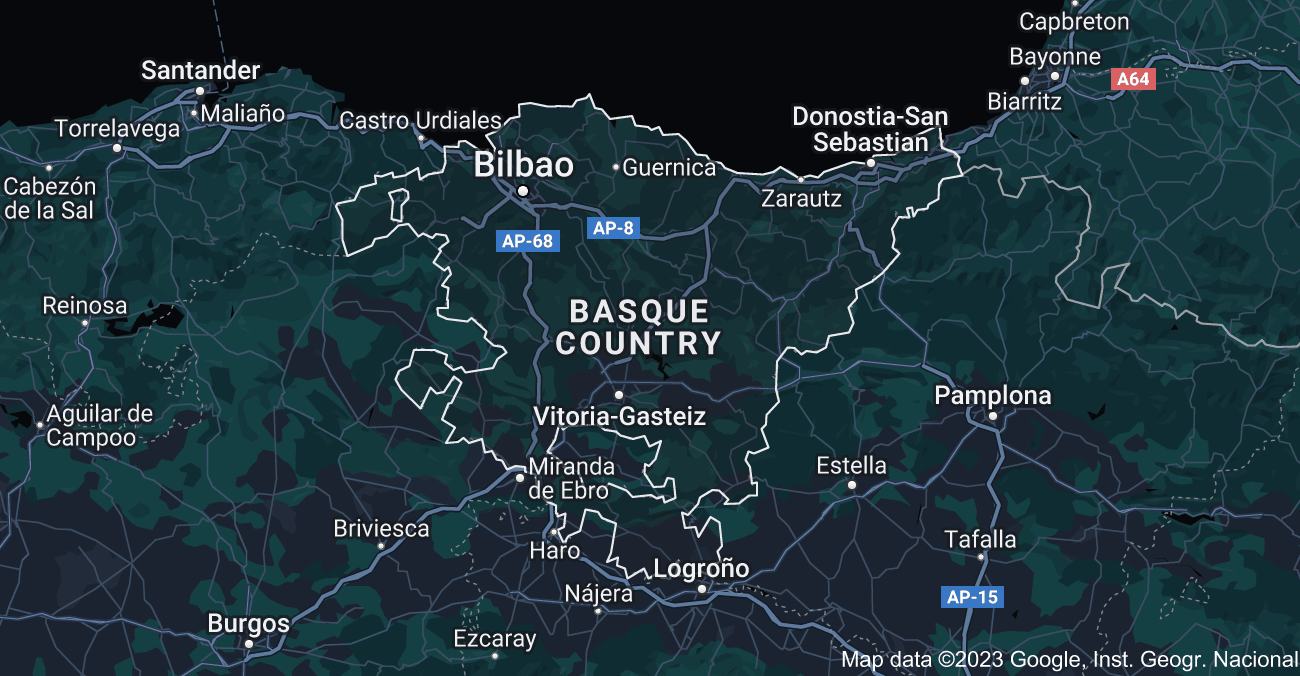
The Basque are an ancient people who share genetic and physical traits. They are independent with a language, still in use, that predates the Roman occupation of Iberia.
Thanks for reading Steven Becker’s StoryLines! Subscribe for free to receive new posts and support my work.
We took a bike trip through the area several years ago. This is wine country and the grapes hung heavy on the vines in September when we visited. The Ebro River runs through much of the area and provides fertile ground for crops as well.
For the story, I chose two cities. Laguardia, a small village in the wine country and Bilbao, a larger city a dozen miles from the coast. Both are rich in history, which I used in the story.
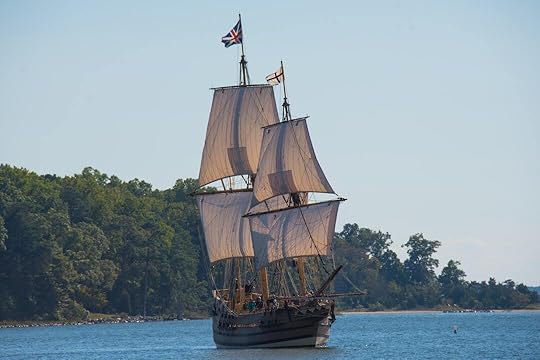 Photo by David Dibert on Unsplash
Bilbao was one of the main ship-building ports in the Middle Ages. Located upriver to avoid the Viking raiders, the city was known for its ships and navigators. Columbus’ flagship, the Santa Maria was built here and many of his navigators and crew were from the area.
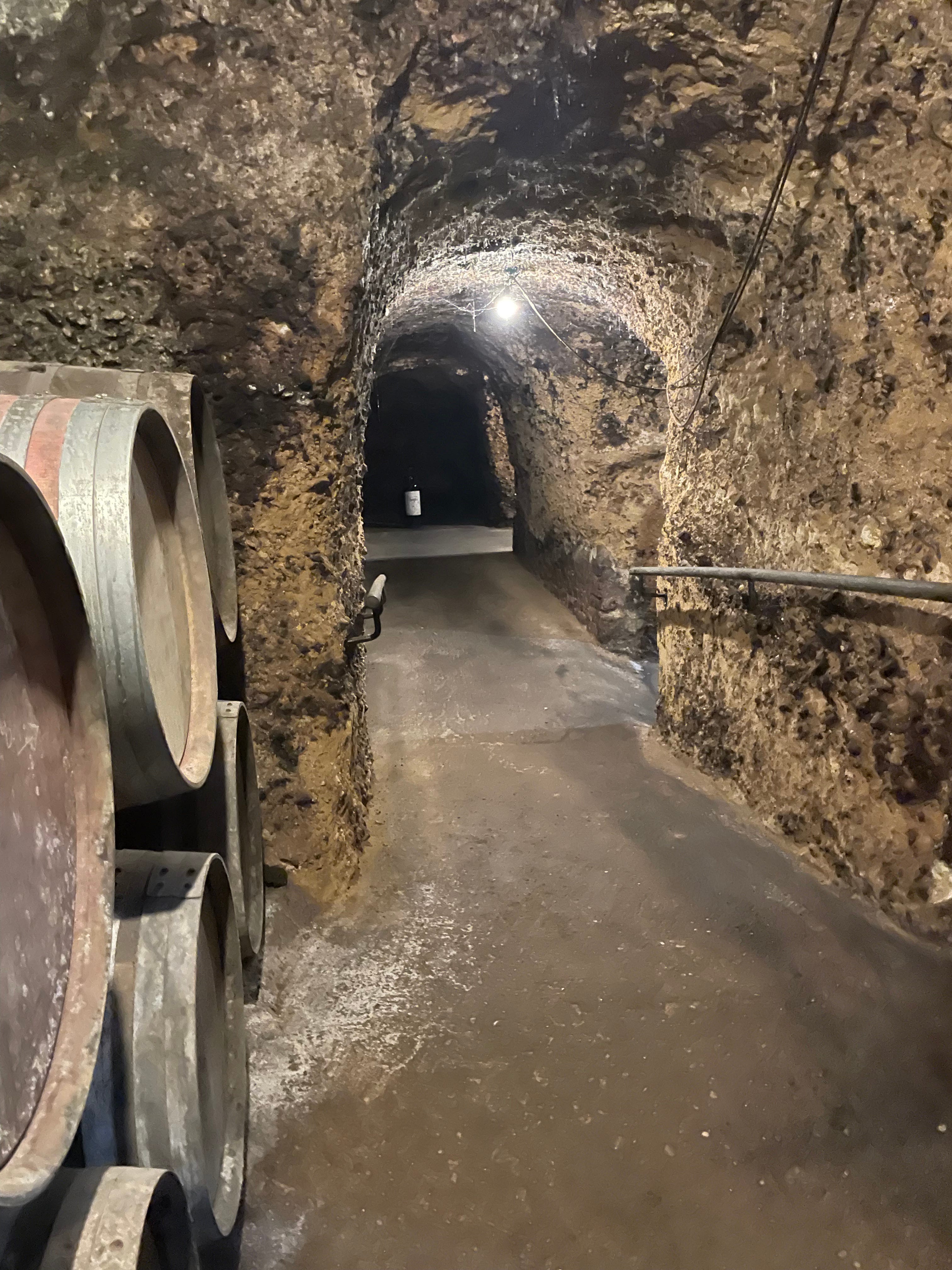
Laguardia is a small village which sits high on a bluff overlooking the Ebro River Valley. The city is built on a network of ancient caves that have been used for one purpose or another since the Middle Ages. The caves are mainly used for wine storage now.
Thanks for reading Steven Becker’s StoryLines! Subscribe for free to receive new posts and support my work.
August 23, 2023
Do Our Fictional Heroes Age?
My first book, Wood’s Reef was released almost ten years ago. The story had been kicking around in my head for ten years before that. As a single father and general contractor, I had my hands full and never had time to write anything—until my daughter got her driver’s license. We lived in a rural area at the time, so buses and carpools were not reliable options.
Thanks for reading Steven Becker’s StoryLines! Subscribe for free to receive new posts and support my work.
With the new-found time I started writing with a model for my protagonist in mind, Bill Woodson, AKA Wood.
The problem began when I needed him to have a grown daughter, which put him in the 50-year-old range. Then Mac Travis entered the picture. As the book develops, a relationship between Mac and Mel, Wood’s daughter happens. It wasn’t planned but became an integral part of the story. Part of the dynamic was the age difference between Mac and Mel. They’d known each other since Mac arrived in the Keys, ten years before the timeline of Wood’s Reef. He needed to have experience as a commercial diver which put him at about 25. Mel had been in high school at the time, which meant an 8-year difference in their ages. This aged Wood even more.
At the time of the book, Mac is 35, Mel 27, which makes Wood about 58. To me, that was on the borderline for a very active character and maybe a little seasoned for the main protagonist in a first novel which would hopefully grow into a series. If he didn’t age that would be okay. If he did, not so much.
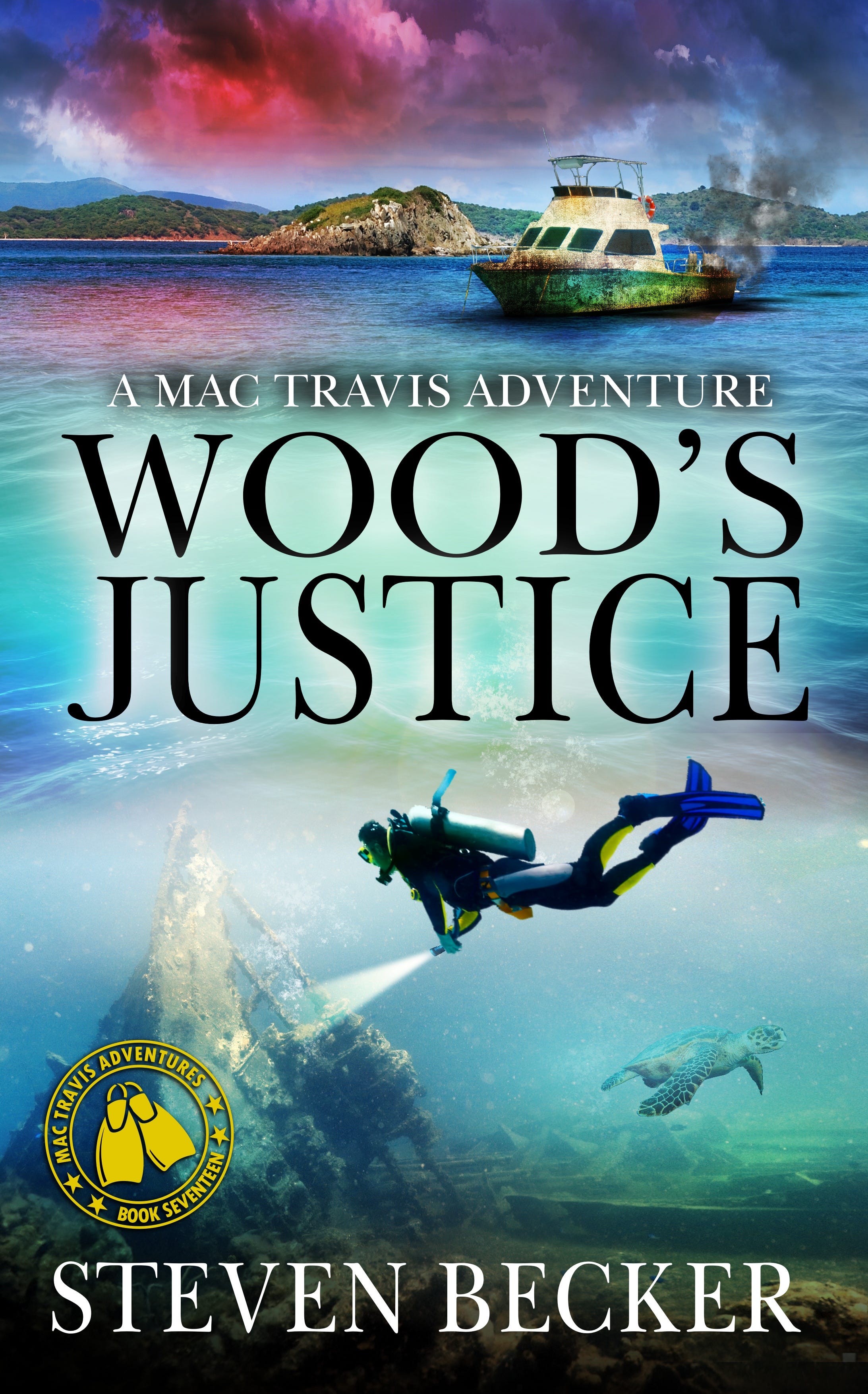
That leads to the question of whether fictional characters age. Wood’s Justice will be the 17th book in the main series and the 19th including the two Early Adventures of Mac and Wood. That’s about two books in the series per year. As I use current events in the stories the time they take place is apparent. Wood would now be 68.
Travis McGee, John D. MacDonald’s fictional character spanned twenty-odd books. And yes, Mac Travis is a tip of the hat to an author I cannot come close to emulating. MacDonald is the father of an entire genre, we now call Tropical Adventures.
Thinking back on his books, there are no references that I can remember to McGee aging, but the evidence is there. He doesn’t need glasses or hearing aids by the 20th book, but it’s clear The world is a little different in each story. There are subtle hints in the background that the world has moved on. Many of the later books have him traveling for his “salvage work” which gives the assumption of age as well. The sixties vibe, present in many of the earlier stories is gone.
Movies can’t hide from Father Time. Harrison Ford was 37 when the first Indiana Jones movie was filmed and 80 in the last. You can hide some stuff with makeup but not forty years.
Mac ages as well. I haven’t advertised it or disguised it, but it’s clear from the arc of the series.
As I wrote Wood’s Reef, it became apparent that Wood was just too old. I was 53 at the time and he was older than me. Mac Travis also moved into the forefront as the lead protagonist which left me in a dilemma as I had already settled on the name of the book and invested in a cover. The name just kept going. Though it confuses some, it all started with Wood.
Most reading this know that Wood doesn’t appear past book one. In order for Mac to be the Man, I couldn’t have him undermining him, which was kind of his personality.
My answer to this was the Early Adventures of Mac and Wood. I wrote Wood’s Relic which is a full-length novel early on. The story starts the day Mac and Wood meet. Wood’s Ledge is a short prequel that features both men as well.

Wood speaks to me though. He was the inspiration for Wood’s Reef. His voice is in my head when I write the series. It got loud enough that I started to write a flashback featuring him for one of the books. That didn’t make the cut but developed into Wood’s Reward, which is currently being released as a free serial. You can catch up here.
Thanks for reading Steven Becker’s StoryLines! Subscribe for free to receive new posts and support my work.
August 5, 2023
Wood's Reward
I’ve finished the manuscript which means the chapters will be hitting your inbox faster now. If you need to catch up you can read the book to date here.
Thanks for reading Steven Becker’s StoryLines! Subscribe for free to receive new posts and support my work.
14Wood left Travis with the barge to finish the cages. Once they were complete they would be placed in the formwork encased by the cofferdam. He was happy to have overcome his hurdle with the inspections and also curious to see what Ned had discovered. Even though he wanted to jump in to excavate the treasure, pouring concrete had to be the priority.
Few things required more coordination than a concrete pour. Inspections and equipment need to be coordinated and conditions often shift, depending on the weather. Though the piers were not exactly finish work and could be poured in the rain, winds usually accompanied precipitation and that would force a postponement that would restart the process.
Once the concrete was completed, the next step would be to strip the forms and then remove the cofferdam. The temporary structures were problematic, and Wood always treated their removal as a milestone. This case was different, as the cofferdam provided them with an excuse to be in the water.
Delaying the concrete to focus on the treasure was tempting but a bad idea, and Wood knew it. That didn’t mean he was happy about it. In the end, the diurnal tides and the not-so-predictable winds would dictate what he could and couldn’t do.
Wood thought about staying back and helping Travis, but he needed to quench his curiosity about what the tight-lipped archeologist had found. Ned was elusive when questioned. revealing only that he believed whatever it was to be man-made.
Wood understood Ned’s reluctance to speculate and wished he’d had a better look. Things appeared different underwater. Even in the shallows, colors changed and shapes were distorted by the water. Size also had to be considered. As any spearfisherman knew, the water magnified everything by 25 percent.
Wood secured the skiff to one of the pilings by the dock and headed to the truck. “We’ll go to the one-hour place in Walgreens.” He half expected Ned to protest that the quality of the images would suffer.
“I know there’s no asking you to wait, and I’m curious as well.”
“You thinking it’s historic?”
Ned shook his head. “No telling if it’s anything.”
“Alright.” Wood dropped the transmission into drive and headed out of the small parking area. Big Pine had a one-hour place in its Walgreens, but staffing was always an issue, and the promised one hour could easily turn into overnight. Instead, he turned left and headed toward Marathon.
Both men were quiet on the way up-island. Ned didn’t want to open the door to another round of questioning, and Wood was working out a schedule in his head. Two high and low tides meant four periods when the water was slack. The simple answer was to get the concrete poured during the slack tides during the day and dive for the treasure at night. That would require either a lot of back and forth or camping on the barge.
As he pulled into the Walgreens parking lot, he was satisfied that was the best course.
“Go on. I got a few calls to make.” He grabbed a handful of quarters from the ashtray and headed for the pay phone outside the store.
With the welding inspection signed off, Wood was free to confirm the concrete pour. He sniffed the air while he waited for the dispatcher to come on the line, trying to anticipate the weather. The Keys had two distinct seasons, which he called summer and hell. Summer, from November to April, was what the tourist brochures featured. Temperatures moderated and the storms shifted from the daily threat of thunderstorms to either a cold front crashing through from the north or a stalled front creeping up from the south. In either case, they were generally infrequent.
A pattern often developed where a front would leave cooler, dryer air that often hung around for a day or two. Temperatures were generally still warm, but the wind brought cooler air. Seventies were the norm, but once in a while, a strong front would drop the mercury into the fifties. Wood called those days “Keys cold.” With an accompanying north wind, it often felt as cold as winter in the northlands.
The winds would die off after a few days and the southeasterly flow would return, bringing warmer air and humidity. This would eventually either weaken or a stronger cold front would cause an atmospheric battle, leaving the Keys a hot and humid mess for a day or two.
Hell, which coincided with hurricane season, brought more consistent weather. Thunderstorms were an ever-present factor to be considered in any activity.
The shoulder seasons were harder to predict. NOAA weather radio, which broadcast on the lower VHF channels, was the go-to for predictions. Wood recalled seeing a decent window before the next round of storms and scheduled the concrete for three days out. Two of those days would be consumed by setting up the steel cages and finishing the formwork, then Wigner would need to sign off on the project.
With the concrete scheduled, Wood called the pump truck. Placing the concrete required a special boom truck, which would pump the material up to a long hose that could be manipulated from below. The concrete specifications were different for this kind of work, and Wigner would be there to test the mix.
His last call was to the engineer to inform him of the schedule. Fortunately, Kristin answered the phone, alleviating any need to speak to Wigner about the treasure. With the inspections scheduled, Wood stepped away from the phone to wait for Ned, wondering if whatever the archeologist had found would alter his aggressive schedule.
Unless the weather dictated a change, he would hold his course. Wigner would be unable to pressure him about the treasure as long as the work was moving along, which gave him a three-day window to work at night.
The hour had expired and Wood was getting antsy. Ned appeared to be avoiding him, though he could have easily gone inside the store and waited with him. Every time the door opened, Wood was disappointed it wasn’t Ned. He’d become immune to it and was surprised when the archeologist did turn up beside him.
“Well?” Wood’s patience was running thin, but he could tell from the smile on Ned’s face that he’d found something.
“A chest. Intact. We need to get it up.”
Wood ran through the implications before answering. He reached for the pictures and studied them. The object had several straight lines. Other than that, it was covered in barnacles. It wasn’t unusual for something like a chest to lay undiscovered, though plenty of people had probably laid eyes on it over the years. Spearfishermen and lobster divers were regulars at the bridge, but they were focused on their prey, which could generally be found around the pilings, not an unusual coral formation.
“Next tide change is in a couple of hours. Might want to wait for the one tonight, though. Don’t want any looky-loos seeing it come up.” From the pictures, the chest appeared to be about the size of a stone-crab trap. At two-foot square, bringing it up would attract attention.
Wood continued to debate how to play the discovery as they drove back to the boat ramp. If the chest itself, or its contents, was historically significant, he would have to play by the rules and inform the state. A single chest wasn’t a problem. What he was worried about was if there were more. In the end, the only way to find out was to recover it.
“You tell the age by looking at it?” Now that he had made up his mind, Wood wanted to know what he was dealing with.
“I’m staying with the time period around the Civil War. Nothing on the object itself suggests anything, but to remain intact for any length of time, it's got to be built out of more than wood. That suggests it was clad in copper or bronze. The straps you can see in the picture are clearly metal. The level of growth is also indicative of that period.”
Wood rolled the word “indicative” around in his mouth, repeating it several times. It was not something he would ever say and found it amusing. He was still entertained and in a good mood when they reached the ramp.
“You going to stick around?” he asked Ned.
“Wouldn’t miss it. Might be more careful with the tide, though.”
“I’ll send Travis down this time. Young blood and all. We can drop him from the skiff and have him float it to the bridge to raise it.” Bringing the object up in open water would surely attract the attention of at least the nearby fishermen and, if he had one, definitely Wigner’s spy. The bridge structure would conceal them from anyone watching from above.
“We’ll go explain what we found to Travis, then come back and get supplies.” Wood was already making a list in his head.
Wood waded out, grabbed the line tied to the piling, and reeled the skiff toward him. He continued to pull it in until the bottom of the hull scraped the ramp. With both men aboard, they headed to the barge.
Travis was sitting with his leg over the side eating his lunch when they arrived. “I’m ready to set these whenever you are.”
Wood was focused on the chest and had to rethink his priorities. The water flowing against the bridge pilings made the decision for him. “Right. We’ll reposition the barge, set you down in the cofferdam, and I’ll swing them in place.”
“You need some help from me?” Ned asked.
“Relaying the signals would be helpful.” Communication was the weak point when working with just the two of them. With Travis a dozen feet down surrounded by the steel enclosure and Wood sitting in the cab of the excavator, talking or even yelling was impossible. Aside from the basic hand signals for lifting and lowering, they had a set of their own. Keeping visual contact with each other was a problem. Travis was free to move inside the cofferdam. Wood was in a fixed position above and to the side. There were blind spots.
“Sure thing.”
Wood climbed into the cab of the excavator. The machine started, releasing a burst of black smoke before evening out. Travis stood by the four sections he’d welded together, hooking up the first with a long sling. He yelled over to Wood, “Wouldn’t hurt to rig a tag line and let Ned help.”
Wood nodded. Each man was ultimately responsible for his own safety, though they watched each other's backs. A tag line would prevent the steel cage from swinging and help Travis position it.
The work went smoothly and within an hour the four sections were joined with couplers. Travis grabbed the hanging loop and had Wood raise him to the deck. He freed himself and went to the water jug.
Wood shut down the excavator and walked over to Travis. “You up for a little recovery mission?”
Wood followed Travis’ gaze as he watched the water flow against the piling. It had clearly slowed in the last hour. Wood didn’t need to check the tide charts. From what he was looking at, in another hour it would be safe to dive.
Tides ran regularly, but not exactly like clockwork. There were other influences like wind, fronts, and the phase of the moon that altered the predicted times. Observation was the best method to determine their state.
“About an hour. We going after the coins?”
Wood shook his head. “Not this time. Ned, bring those pictures over.”
Ned grabbed the oversized envelope from his bag and headed toward the two men.
“Have a look.” Wood was curious if Travis would recognize the chest. If the picture had been on a larger scale, he doubted if he could have himself.
“I can see what look like straps. A chest maybe?” He handed the pictures back.
“Exactly,” Ned said.
Wood wasn’t sure if he was bothered by Travis recognizing the chest. He put his ego aside, knowing it was one more reason they should be partners.
15Just as the sun was setting, Travis rolled backward off the skiff and into the water. Wood had positioned the boat up-current of the location of the chest. Travis’ first task would be to mark the location with a buoy. He carried the five-pound weight in his hand, allowing the ball and line to float on the surface.
Wood had done his best to recall the location of the chest. He’d used the bridge pilings to create boundaries on the left and right sides of the search area. There was no better place to start than the middle. If that failed, they would work the edges. Wood had used the bubble line from the current to estimate the position. With the wind holding steady, the conditions should be similar.
That was all theory. The water was clear enough to see the bottom ten feet below. The shallow water and visibility only made the search more frustrating. He felt like he should be able to reach over and snatch the chest from the ocean floor. That wasn’t the case, though. Wood could see Travis and knew when he had gone past the expected location. When he reached the shadow of the bridge, Travis knew it as well. The first attempt had failed.
He picked up Travis on the other side of the bridge, at their prearranged meeting point in the eddy on the back of the pier, and started back toward open water. Twice more they repeated the process without locating the chest.
The negative result didn’t faze Wood. They were back to looking for a needle in a haystack. Working an area the size of half a football field didn’t seem that large, but underwater it was huge.
Time passed, and slack tide ensued. This gave Travis a short window to search as he pleased. About fifteen minutes into what was his fourth attempt, Wood saw a flurry of bubbles break the surface.
“Think he’s on it.”
“Hope so. We should have marked it,” Ned said.
“Should have, would have, could have.”
Their conversation ended when Travis surfaced and gave a thumbs-up. Wood idled toward him, dropping the engine into neutral before he reached him. “Got it?”
Travis pulled the regulator from his mouth. “Yeah.”
Wood glanced at the water, trying to estimate how much time they had before the current made the job impossible. They had timed the dive to bring the chest up when the current went slack, not search for it. That had wasted valuable time.
Wood handed a long-handled pry bar over the side. Travis took it and disappeared below the surface. Now came the hard part. As evidenced by the concreted coins, the chest could have become part of the coral. It could also just be sitting in a sand pocket. Wood hoped that was the case.
Travis reappeared a few minutes later. “Toss over the gear.”
Wood smiled. Travis wouldn’t have asked for the float bags if he wasn’t ready for them. He glanced again at the water, which had reversed its flow and was now moving out to the ocean, and handed the gear overboard. There was no time for questions.
A quarter of an hour passed, and Wood became fidgety, snapping at Ned every time the archaeologist asked a question. The current was streaming now, and if Travis failed, they would be stuck working the midnight shift. That wouldn’t be the end of the world but now was better.
Finally, when he had just about resigned himself to coming back later, Travis surfaced again. He finned over to the skiff and handed the end of the line to Wood. They’d discussed the procedure before the dive, so there was no reason to waste time rehashing it now.
“Not sure what shape it’s in.”
Wood pursed his lips. The original thought was to bring the chest up like a lobster trap. Ned had vetoed that idea, saying that the chest could crumble and be lost. Wood knew he was right. The float bags would be considerably easier on the old chest. Wood didn’t like relying on someone else to do the work, but Travis was the better diver. “Ready.”
The moment of truth came when Travis dropped under. The water had become silted with the tide change, and Wood could no longer see Travis working below. Instead, he watched his bubble stream. Every time they stopped, he knew Travis had removed his regulator and was using it to fill a float bag. After the fourth time, he found he was subconsciously holding his breath. The bags had quite a bit of lifting power, but there was no guarantee they would break the chest free.
Suddenly the water erupted as the bags and then the chest broke the surface. It happened faster than Wood expected, surprising and disappointing him. Light meant no treasure. He had no time to dwell on that now.
“Get the line,” he called to Ned.
The float bags moved toward the ocean with the current, but the boat, with its larger profile, was more affected by the wind pushing backward against it. The result was that he needed the engine to reach the bags.
Wood scanned the water and found Travis clinging to the line where it was attached by two slings to the chest. With no risk of injuring him with the propeller, he pushed the throttle down and raced ahead of the float bags, then stopped. Slowly Travis, the bags, and the chest floated toward the skiff. He made several adjustments and waited until the chest was within a few feet of the gunwale before reaching over and grabbing hold of it.
It was lighter than he expected, which might mean it was watertight. Wood knew better to speculate. Any distraction and they could lose the chest. “I need a hand.”
Ned joined Wood at the side. Between both men leaning over the gunwale and the weight of the chest, the light boat listed until it was only inches from swamping. Just before water came pouring over the side, they hauled the chest aboard.
Wood reached out to give Travis a hand but stopped when he heard the sound of an engine coming toward them. He’d eschewed the use of a dive flag so as not to attract attention. Now that tactic played against him. Another look at the approaching boat told him that it would be on them before he could haul Travis aboard.
Photographers called the hour before sunset the golden hour. In this case, it played against Wood. He’d come into the channel at this time of day before and knew the low angle of the sun would create enough glare to make the small skiff invisible. They were also dead center of the channel, where no boater would expect a drifting vessel. With Travis dragging behind, Wood was forced to stand and wave at the boat.
A long second later, it didn’t appear to see him. It didn’t help that the oncoming boat was badly trimmed, the raised bow blocking the driver’s vision.
“Go! I’ll find you later,” Travis yelled.
Wood turned to the stern and watched as Travis dropped under the surface, a decision that could be deadly because of the strong tide. The tug on the line brought his attention back to the chest.
The boat veered off at the last moment, leaving a huge wake that unsettled the small skiff as it passed. Wood turned the wheel, steering into the swells. The skiff bucked over each crest and landed hard in the trough several times before the waves moved past.
“You okay?” Wood asked Ned as he changed course again and scanned the water ahead. The glare from the setting sun had faded as the orb dropped below the horizon. Twilight would settle over them in a few minutes with full dark close behind. They had a very short window to find Travis.
Wood looked back at Ned, who was studying the chest. “We gotta find the boy. That can wait.”
Ned moved forward, and the two stood together at the small helm. In an unspoken agreement, they split the 180 degrees of open water in front of them. Wood took the starboard side and Ned the port.
Wood had an older LORAN C receiver aboard and had marked the location of the chest. The system used low-frequency radio waves to determine the position of the receiver. The result was a pair of four- or five-digit numbers that could be plotted on a chart with the radio lines overlayed. The system was capable of marking a spot and returning to it but with varying degrees of accuracy.
The peak current was still several hours away, but it was still strong. Wood expected Travis to hug the bottom of the channel and surface when the engine noise was gone. He tried to extrapolate the effect of the current on a diver and picked a spot just past where the channel surrendered to open water.
Well ahead of Travis’ expected position, Wood stopped the boat and let the wind move it beam-on to the waves. The nearly equal forces held the skiff in position while Wood and Ned continued to search the water. Looking north instead of south, the different vantage point allowed them to see without the glare.
“That’s him,” Ned called out, pointing to a spot on the water.
Wood squinted but didn’t see anything. “You sure?”
“Goddamned right I am. You want to borrow my glasses?”
Wood shook his head and turned toward the spot the archaeologist continued to point at. Still not seeing anything, he nudged the throttle forward and headed in the direction Ned indicated.
Wood was conservative in his approach. If Ned was mistaken, he could possibly run Travis over, but as the gap halved, he made out something on the surface. They reached Travis a few minutes later and helped him out of the water. The skiff was crowded and heavy with the three men, the diving gear, and the barnacle-encrusted chest. A feeling of accomplishment set over the boat once Travis was aboard and stripped off his gear.
The three men stared at the chest. It had turned out to be slightly larger and more rectangular than Ned had guessed, more the size of a lobster trap rather than a crab trap. The bands were heavily covered in growth [CD1] but visible. The rest of the chest held its shape but was covered with growth where it had been exposed to the water.
“You still thinkin’ Civil War era?” Wood asked.
“Yeah. We’ll need to see if there’s anything else in the area.”
“We’re gonna open it, right.” It wasn’t a question. Wood would do it with or without Ned’s permission. Worst case, what lay inside was half his, with the other half going to the state. Best case, it would all be his.
“No stopping you, is there? Can we at least get it aboard the barge and clean it up? I’d like to take some pictures and measurements before you tear it up.”
Wood looked at the old padlock. After years in the water, it was probably more secure than when it had been built. That was a good sign. A locked chest meant it had been used for something valuable.
Before he could examine it further, the sound of an engine broke the quiet evening. Wood turned to the Gulf side, where the boat that had upset them earlier had disappeared. The bridge concealed most of the water beyond it and altered the sound. Wood checked the open water ahead and saw nothing.
The volume increased. The boat was approaching, and from the pitch of the engines, Wood guessed it was the same one.
“We gotta go. That guy’s back.” He stepped over to the helm and pushed down on the throttle. Unsure whether the boater was after them in particular or just some inebriated asshole, he looked for the closest cover.
The boat was sluggish with the extra weight. The nameplate riveted to the helm listed the capacity at four people. They were only three, but the weight of the chest and dive gear was close to a person each. The boat was overweight and showed it.
Under better circumstances, Wood would have headed toward open water, forcing the other boater to show his intentions. If the boat was after them, he would go for it; if not, he wouldn’t.
“Get forward. We have to get the bow down.” Wood called out as he increased pressure on the throttle, needing the weight forward to help the boat plane out.
The boat was slow to react. Wood was running wide-open throttle and in a dangerous position until the bow dropped. Focused solely on trimming the boat and escaping, he didn’t notice the other boat had passed under the bridge and was bearing down on them.
16“What do you make of it?” Wood asked, squinting into the setting sun.
“Proline. Looks like the same one,” Travis said.
Wood pictured the long-bow pulpit and swept-back foredeck of the model and compared his memory of what he’d seen the other day to this approaching boat. “Same as yesterday. We gotta do something.”
Overloaded, they had no chance to outrun the much larger boat. “Get that chest in the bow,” Wood called out as he accelerated.
The task was easier said than done. There was barely enough room between the gunwale and the console for a man to pass. In order to get on plane, they needed to redistribute the weight aboard to help drop the bow. Normally, the hull was engineered to do this itself, but they were overloaded. The engine was as far down as it could go, which should have driven the bow lower[CD2] . Getting weight forward was the only thing they could do to increase speed.
Travis and Ned struggled with the chest. With both men and the weight of the artifact on the starboard side, the boat listed badly. Ned moved to the port side to prevent the boat from swamping, leaving Travis to do the work alone. Mac rolled it end-over-end while Wood and Ned held their breath, hoping it would hold together. Once the chest was forward of the console, the bow dropped quickly.
Their speed picked up instantly, but a glance back showed the Proline continuing to close the gap. Wood cut the wheel to port and headed directly at the pier they had been working on. A plan formed in his mind, and he accelerated. His timing needed to be right-on, but there was a chance they could at least hide the chest.
The Proline appeared to be equidistant to the bridge but on the other side. They were traveling at roughly the same speed, which meant they would reach the structure at the same time. In order for Wood’s plan to work, they needed to pass under different spans, so he oversteered slightly in the direction of the next pier, making his course clear to the Proline. Both boats could fit side by side under a single span, but it would be a close thing. Running at speed, one of the boats would very possibly be thrown into the pier and damaged.
If it were a test of hulls, the aluminum skiff could take the beating—the fiberglass Proline would crumble. This was a case where bigger wasn’t better.
They were a hundred feet away when Wood made his move. The Proline tried to follow, but the boat was too close to the bridge to maneuver quickly, meaning the driver would have to run underneath and turn. What the Proline did was out of Wood’s control, so he turned away and focused on the pilings, cutting the wheel hard to starboard and dropping speed. Once he was behind the cofferdam, Wood reversed hard. The skiff stopped next to it.
“Dump it.”
Travis moved toward the chest, but Ned was frozen in place. Instead of fighting with him, Wood left the helm and stood on one side of the chest.
“Now.”
Wood and Travis lifted the chest over the gunwale and dropped it into the hole. Wood immediately returned to the helm and accelerated.
“That was reckless,” Ned said as they idled toward the barge.
Without the chest aboard, Wood had no worries about the Proline. He assumed it was Wigner himself or one of the engineer’s men spying on them. Worst case, Wood suspected they were here to spy and harass.
Wood’s theory went out the window when a loud crack rose above the noise of their idling engine and the steady stream of traffic on the bridge.
“Get down!” Wood yelled. A bullet ricocheted off the steel barge about ten feet in front of them.
Apparently, harassment was not the driver’s limit. Wood had thought any harm done to him would hurt Wigner in kind. The construction project would be stalled until another contractor could replace him—and there were few of those in the Keys who would qualify.
As another bullet whizzed overhead, he realized that in the big picture, the treasure was worth more than Wigner’s remaining stake in the construction contract. The engineer had already been paid by the state for his design work, and Wood had paid for the inspections to date. Wigner had more to gain from the treasure. Removing Wood and shutting down the job would allow him access to it.
“Son of a bitch!” Wood called out as another shot fired. This one seemed to miss entirely. There was little to fear from a handgun fired from a boat, and only slightly more from a rifle. Still, the shots were unnerving, and there was always a possibility the man would get lucky.
Travis leaned in and yelled in Wood’s ear. “Drop me on the barge. I’ll grab the shotgun from the container and see if I can scare him off.”
The larger barge, anchored by its two large spuds, was a much more stable platform than a boat, and though the shotgun didn’t have the range of a rifle, it was the right weapon for short distances.
Wood eased the boat forward, staying low as he steered around to the backside of the barge. He nudged the bow against the cold steel. Travis hopped off. Staying low, he ran to the container and disappeared.
“Might be best if you joined him,” Wood said to Ned. “I’ll create a distraction. You guys get ready to pull the chest. We can lock it in the container.”
“Hold her steady, then.” Ned was less agile than Travis, but he looked twenty years younger than he was as he crossed to the barge. Wood idled away, wanting to take the driver’s focus from Travis.
The moment the bow of the skiff became visible, another shot fired, this time hitting the skiff. Wood glanced over the helm and saw the Proline just behind the closest bridge piling. He wasn’t sure if whoever was aboard had seen them ditch the chest in the cofferdam or not.
Wood accelerated, hoping the move would be unexpected and change the man’s focus from the cofferdam to him. Once he was clear of the barge, he cut the wheel to starboard and headed toward the backcountry, where the skiff had a distinct advantage. The difference in size and speed of the boats would be negated by the small keys, sandbars, and flats.
He glanced back to see the excavator buck, swing around, and drop into the cofferdam. If he could distract Wigner’s man for ten or fifteen minutes, Ned and Travis would have the chest aboard and secured in the container. The shotgun should be enough of a deterrent to protect it.
Wood pushed the throttle to its stop, relishing the chase. For almost thirty years, he’d been running these waters. No one knew them better, especially the channel between Big Pine and No Name Key. The bridge, about three and a half miles away, was a natural choke point. If he could get the Proline to follow, the driver would lose sight of the cofferdam and the barge.
The RPMs showed he was running close to wide-open throttle. The lever was all the way forward, but there was another way to coax a little more speed from the engine. Wood had trimmed the engine down when he was trying to get on plane. Without the chest and the weight of the two men, he hit the button on the side of the handle and raised the engine until the propeller started to cavitate. Lowering it slightly, he was able to get another couple of thousand RPMS out of the engine, which resulted in just enough speed to get him to the bridge first.
Wood had a choice. From his position to the No Name Bridge the channel was the shortest route. It was a straight shot and easy to follow. The Proline had an advantage in the deep channel and might be able to overtake him if he was wrong. Wood cut the wheel to starboard, planning to use the terrain to his advantage. He headed for the dark shoreline of No Name Key. Before he reached the mangroves, he turned back to port and steered toward the bridge.
He looked back to see the Proline follow.
The darkness hid the tangled roots of the mangroves so he couldn’t check the tide, but Wood knew it had been running out for over an hour.
Unless the driver was familiar with the waters here, Wood had him. He grinned and raised the engine a few more inches. The pitch increased to an intolerable whine, and the propeller, partially in the air, kicked up a rooster tail behind the boat. The skiff slowed slightly.
The man at the helm of the Proline was sure to notice the change. Before he could react, Wood made a hard turn to the Big Pine side of the channel. He gritted his teeth, hoping he had calculated the tide properly because if he hadn’t, the skiff would be high and dry, and he would be in a vulnerable position and not the other way around as he had planned.
Wood couldn’t help glancing over the side into the ink-black water as the skiff crossed the shoal. During daylight hours, the shoal would be brown and an obvious hazard. At night, the warning signs were invisible. Wood passed over the obstruction and lowered the engine. Turning, a smile returned to his face when he saw the Proline following his course.
A boat running hard aground at speed makes a unique sound—a thump followed by a straining engine—then nothing. Damage would depend on the nature of the obstruction. A mud flat will cause little, an oyster bar, catastrophic. The sandy shoal the Proline had become embedded in was somewhere in the middle.
Wood spun the skiff and started back to the barge. He kept a wary distance from the grounded Proline, knowing the man had a gun—and was willing to use it. That didn’t stop him from going close enough to see who was behind the wheel—and the gun.
They’d had no luck finding the owner or operator after chasing the boat into the canals off Sister Creek in Marathon. Wood was certain he was looking at the same boat. If he could get close enough to confirm who was at the wheel, the registration numbers, or even a name, he would have a chance to track down his adversary.
He expected it had something to do with Wigner, though he was sure the engineer hadn’t been behind the wheel during the earlier daylight recognizance.
Wood slowed and idled closer. He knew he was flirting with disaster but had to know who he was dealing with. The boat’s navigation lights remained off, leaving the hull a silhouette against the dark backdrop. What was visible was the faint red glow cast from the backlit analog gauges. It wasn’t much light, but Wood could see the outline of a man with his head down, working the throttle back and forth in an attempt to free the boat.
That allowed him to move closer. Wood would have preferred to see the bow and get the registration numbers, but that would put him too close and in danger of grounding himself. Running at speed as he’d done earlier, the boat was planing, which meant less of the hull was in the water. Now, another foot of skiff was below the water line. Instead, he stayed in the channel, sliding gently to the west, hoping to glimpse the boat's name.
Not every boat was named. His own boats were nameless, referred to as the skiff, or the barge, or the center console. He had thought about memorializing his wife but had never gotten around to it. Otherwise, the puns people used, generally about drinking and fishing, didn’t appeal to him. Every time he saw a name with Reel as the prefix, he gagged.
When a boat was named, the lettering was generally on the transom in the case of an inboard engine, or on the stern gunwales when outboards were present. With the Proline’s twin Mercuries, Wood expected the latter.
The sound of the engine straining to free the Proline was his canary in the coal mine. If it stopped, it meant he had been spotted. As long as the sound continued, it meant the operator was fixated on freeing the boat—and not hunting Wood.
Wood moved closer, wishing he had a light. He had extinguished his running lights as well, hoping to avoid detection. The sickening sound of the Proline’s engines being ruined continued, allowing him to move even closer.
When he was only a hundred feet away, in range of a clean shot, the moon broke out from the clouds that had shielded it. The dark letters against the white hull popped out like a neon sign.
Widget.
Thanks for reading Steven Becker’s StoryLines! Subscribe for free to receive new posts and support my work.
July 25, 2023
Objects, Artifacts, and Relics
Many of my books feature treasure. In my genre, it is usually the underwater variety found on shipwrecks. In some cases, the ship is known. In others, part of the plot is trying to discover the provenance, which is defined as, a record of ownership of a work of art or an antique, used as a guide to authenticity or quality. I remember watching “The Deep” where Robert Shaw was obsessed with finding the mysterious wreck's provenance. That still sticks in my mind.
Thanks for reading Steven Becker’s StoryLines! Subscribe for free to receive new posts and support my work.
 Photo by NEOM on Unsplash
I’m working on two books now, Wood’s Reward (which you can read for free here) and Storm Gods which have both varieties of treasure—something that is found accidentally, and a known relic.
Throw in the religious backstory of Storm Gods and I found myself needing to distinguish between types of finds.
An object is a general catchphrase that any find falls into. The ocean tends to absorb anything thrown at it (except plastic). It will have a slime coat within a few days of an object being lost. Once that forms marine growth is next. It is a long process, but eventually, it will become part of the reef.
An artifact is something made by man—or with skill. An old tool is a good example. Most treasure is considered artifacts. Coins, jewelry, and weapons can have great value, and often more so if a provenance can be attached.
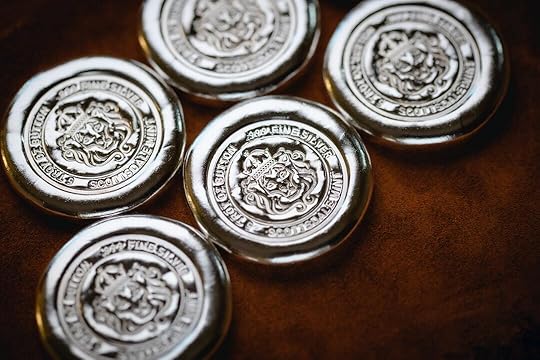
A relic takes things a step further. Relics are objects or artifacts that can be tied to a particular person, though the term has been used to encompass anything religious. I like reading medieval historical fiction. Those guys rarely went into a battle without the priests leading the way carrying some bone or part of a Saint.
 relic being brought to battle
A logical progression of classifying a find could start with it being called an object. Once it is cleaned up and can be identified, and shows that it was made with skill, it would be an artifact. Relating the artifact to a person makes it a relic.
\
July 5, 2023
Wood's Reward
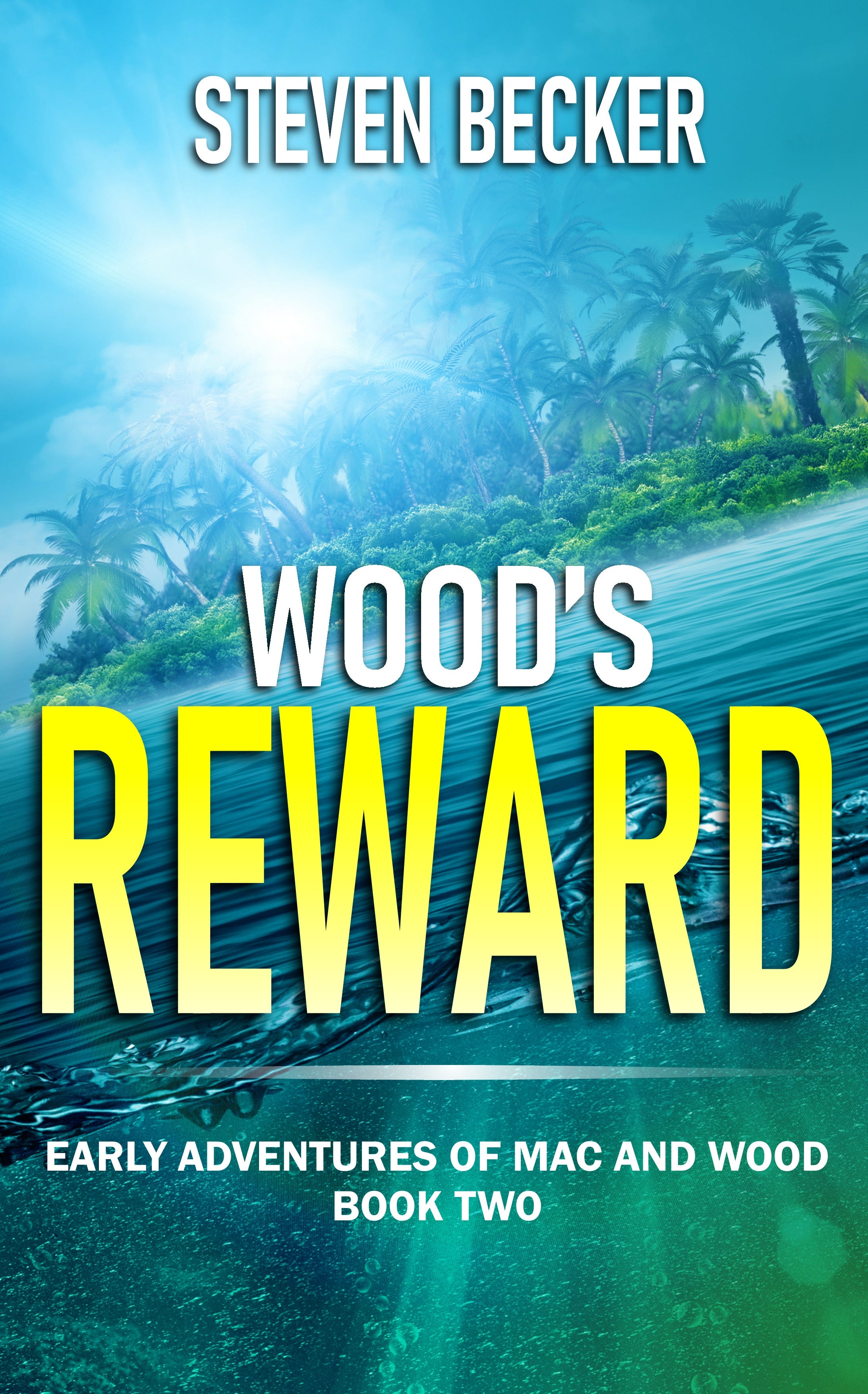
Here are a couple more chapters for your reading enjoyment. If you need to catch up, you can read the entire manuscript to date here: https://read.bookfunnel.com/read/arg7vlfwtp.
Chapter 11Wood cut the throttle, allowing the skiff to drift toward the ramp, and quickly saw the incongruent moment for what it was. When either man smiled, it was cause for concern. When both did it was earth-shattering. He quickly changed his tone.
Thanks for reading Steven Becker’s StoryLines! Subscribe for free to receive new posts and support my work.
“You owe me.”
Mac waded out to the stiff and climbed aboard without replying.
“Looks like you had a good time.” Wood was not going to let him off easily.
“Yeah, she’s okay. You want me to thank you now?”
Wood examined Travis more out of curiosity than concern. The younger man could go without sleep. Wood had seen it firsthand. He didn’t care about Mac’s love life. What Mac wanted to know was if he’d made any progress on the work front.
“What’s the plan?” Mac asked.
Wood held his cards close until they were both aboard the barge. “We’ll have to move her back to the pier. Your girlfriend should be here soon to watch you weld.”
“You’re giving in?”
Wood didn’t take the comment as an insult. Travis’ tone was more surprised than judgmental. “She gonna pass you?”
Mac shook his head and started to pick up the gear scattered around the deck. “Both tanks are empty.”
Again a statement of fact. “Got some news.”
“That why you were smiling?”
“Seems we got a hoard of concreted coins down there. I got a bunch chipped away.” Wood told him he’d talked to Wigner, leaving out the part about being caught in the water the previous night.
“So, we get the inspection, pour the concrete, and get them out of our hair.”
“Now you’ve got it.”
Mac had piled the dive gear near the freshwater washdown. He sprayed it off and brought it to the shed, where he hung up the BC and wetsuit and stored the rest of the gear.
All that remained were the tanks. “You mount a compressor on here and we won’t have to go through all this.”
“If this all pans out I’ll buy you a brand new one.”
“That good?”
“I’ve got Ned coming down around lunchtime. If you can finish up with your girlfriend, maybe we can have a look.”
“What about the tanks?”
“You don’t need both of us watching you. Toss ’em in the skiff and I’ll fill them.”
Mac grabbed the tanks by the valve and carried them to the boat. Just as he set them down Wood’s phone rang. Neither man was used to the sound on the water and it took a second for them to see Kristen waiting by the ramp. Wood answered and told her he’d be right over.
“I’ll drop her and take off. Don’t screw it up.” Wood dropped down to the skiff. Mac released the line from the cleat and tossed it down. A few seconds later Wood had steered a wide turn and headed to the ramp.
“Hello, young lady. How was your date?”
“Can we keep business, business?”
She didn’t have the same smile that Travis had been sporting, making Wood wonder what had happened. “Yeah, sure,” he muttered under his breath and eased the bow up onto the ramp so she wouldn’t get her feet wet.
Kristen climbed aboard. She remained quiet for the short trip to the barge, where she disembarked and went directly to the area where Mac had disassembled the rebar cages. Wood watched, frustrated that he wasn’t able to read their lips or body language as they exchanged a few words. The one thing he could determine was that his attempt to de-ice the inspector had failed.
The torch sparked as Mac went to work reassembling the cages. Both Travis and the inspector wore welding masks, making any interpretation of their conversation impossible. The only clue he had was that the spark stayed alive, meaning she had accepted the welds to that point. If the grinder came out he was in trouble.
The process would last all morning. Travis knew the cost associated with the inspector’s time and would work hard with few breaks. That left Wood free. He thought about diving again, but Kristen was sure to notice, and he didn’t want to distract her from the inspection.
Pouring another cup of coffee from the thermos, Wood pulled the list he’d written from his pockets. He sat down on a bollard and started making calls. The first ones were to the concrete company and pumper to set up the pour. The next was to Ned.
Wood glanced at the fishermen on the bridge and the boats nearby, wondering if one had an antenna that allowed them to listen in to his call. The technology was new to him and wary of any change, he didn’t trust it. “Tried and tested” was his motto and as far as he was concerned the new phones weren’t. The distrust came from his years as a contractor. New products were constantly being introduced, but he shied away from them until they had withstood the only test that mattered—time.
Ned agreed to make the drive up and check out the site firsthand. That left Wood with an hour to kill. He glanced over at Travis and Kristen and saw the work was progressing. It still angered him that an inspector had to watch over the shoulder of an expert welder, but at least she wasn’t causing trouble.
Wood finished the last of his calls and grabbed the pair of empty tanks. He loaded them on the skiff, took one more look at the work area and determined he would be back well before the welding was complete, and took off for the ramp.
After tying off the skiff, Wood lugged the cylinders to the truck, heaved them into the bed, and headed back to Big Pine. He reached the house and set them to fill, then headed to the workbench.
The original silver bar Travis had discovered sat covered with acid in a plastic bin. The solution was almost full strength and had worked its magic on the bar. Any coins would be treated the same way, but with a much milder solution so as not to damage any markings. Well-preserved antiquities were harder to sell than raw material, but were much more valuable, especially when they were in good condition. This early in the game Wood didn’t want to speculate on the windfall but knew it was enough to get excited about.
Using heavy tongs and gloves, he removed the bar from the solution and washed it in a stainless-steel sink. Once it was free of acid, he removed the safety gear and brought the bar back to the workbench. The acid had done its job and removed most of the barnacles and concretions that had adhered over the century and a half it had been in the water. Wood took a light wire brush and finished the job. After a quick polish, he was left with a bar that could have been smelted last week.
The question now was what to do with it. Without markings or provenance, it was worth only its weight. To make sure that he hadn’t missed anything, Wood pulled a lighted magnifying glass over it and studied the surface. There appeared to be some tool marks that could have been made by Travis or the smith who’d created the bar.
Assuming the other bar was identical, Wood placed it in the pan and added acid. He returned to the clean bar and wrapped it in a towel. The discovery that it was just silver was both good and bad. The bars would bring in a chunk of cash, but he had to admit he was disappointed that there wasn’t more. It was a salvor’s dilemma.
The thought was pushed from his head when his pager went off. The number was Ned’s and the single-digit suffix told Wood he was five minutes out. Wood took the silver bar with him, intending to give it to Ned to sell in Key West. He grabbed the tanks and loaded the truck. He was a few minutes behind when he reached the ramp.
He met Ned at the bottom of the ramp and they boarded the skiff. At the same time, his pager went off again. This time it was Wigner’s number. Wood assumed the inspection was over. He glanced at his watch, thinking maybe Mac’s date had paid off. The time was a full hour and a half before he expected.
A smile crossed his face, which he quickly erased. Between finding the coins and the inspection, the day was going well. He turned away from Ned and steered to the barge.
“What are you so happy about?” Ned asked.
Wood shook his head, hoping he hadn’t cursed the operation.
Kristen was waiting when he reached the barge. Wood thanked her and tried to evaluate the look exchanged between her and Travis before she switched places with Ned. She was quiet again on the way back.
Wood dropped her off and sped back to the barge, where Travis and Ned were waiting with the lines. “Can’t tell if you did any good with that one. She got out of here quick enough.”
Travis turned away before Wood could read his expression.
He hadn’t meant to put Travis in a bad position, though he did kind of enjoy it. Setting him up on the date was for his own good, even if he didn’t know it.
Wood remembered the day they’d met. Travis had been hitchhiking through Marathon. He knew it was a fortuitous meeting when he saw the old SCUBAPRO fins sticking out of his backpack. They’d been working together ever since. In only a few years, Travis had made himself valuable enough to be considered partner material.
That didn’t happen very often, as the magnetic poles seemed to release their grips on the crazies up north and let them roll like marbles down the interstate to US 1. Some reached Key West, otherwise known as the Capital of Weird—others stopped partway down the island chain. Whatever their mental state, the economy here relied on them.
“She pass you, then?”
“Yeah, no problem. We can set them this afternoon. Did you set up concrete?”
“Yeah, got it on will-call. Gonna be slack tide in a bit, though. I’d like to get Ned in the water to have a look.”
“Sure thing. I gotta eat something first.”
“Don’t rush. I’ll go in with him,” Wood said.
All three men glanced across the water at the bridge pilings to see a small eddy still visible.
“Half hour, then. After an incoming tide, it oAn incoming tide brought clean water from the Atlantic side. The outgoing brought much murkier Gulf water. Like watching a pot of water come to a boil, the three men sat on the side of the barge and stared down. The changes were imperceptible, but right on time, the eddy suddenly disappeared.
“Go time,” Wood said. He’d briefed Travis and Ned on what he’d discovered and explained his goal of identifying and recovering at least one coin. The two men didn’t need to discuss their roles.
“Alright.” Travis rose and stretched.
“Late night?” Wood asked.
Travis ignored him and pulled Wood’s gear from where he had set it to dry. He stopped short of assembling it. That was the diver’s responsibility. A few minutes later both men were ready to dive.
“Run the air out if you have to.” Wood told Ned. “The work can wait.” Wood gave his two-sentence dive briefing. With the inspection complete and the tide on time, the day was progressing nicely.
Kicking one leg out and pushing off with the other, in what is known as a giant-stride entry, the two men hit the water. Ned finned back to the barge, where Travis handed him a bulky camera. Wood waited about ten feet away for him to descend. As the more experienced diver, he would be in charge of the dive.
Wood peered into the murky water ahead anxiously awaiting the result of the dive. He wanted both a positive and a negative result. A negative verdict from Ned that there was anything of historical significance down there, as well as the positive result of the recovery of a coin.
Chapter 13The brilliant light from the strobe caught Wood by surprise. A small school of fish, frightened by the unnatural light, shot off into the darkness of the pier. In the water, the brilliant light lingered a few seconds longer, allowing Wood to see Ned hovering over a coral formation.
His main purpose for the dive was to buddy up with Ned. The underwater archeologist was an accomplished diver, but Wood wasn’t going to let anything happen on his watch. He also thought seeing anything that interested Ned firsthand might be helpful. His initial plan had been to recover a coin while Ned prowled around, but the current was stronger near the bottom than it had appeared on the surface. Wood abandoned that goal, and with no other agenda than to watch Ned as he finned around the area taking pictures of anything of interest, his thoughts immediately turned to the recovery. Both he and Mac had attempted to extract the coins with brute force without effect. They would need some kind of mechanical advantage over the coral, and underwater that meant hydraulics using either water pressure or air tools.
He was working his way through the problem when he heard the distinctive metal against metal sound. Ned was twenty feet away, banging against his tank with a D-ring while he pointed at something below him. He was far enough away from the bridge that at first Wood thought it was a shark. A quick glance around showed nothing alive in the area. Ned was also too experienced a diver to make a commotion with one of the apex predators around.
Wood fought the building current and finned over to the archeologist, who continued to point at an object in front of him. The act of pointing underwater didn’t necessarily mean he had found something. The gesture was the best way to keep something in sight in a changeable environment. The same technique was taught in man overboard drills. Losing sight of a person or object in the water was surprisingly easy, even when it was close by. The same applied to the ocean floor. If Ned lost sight of whatever he was marking, he might never find it again.
Wood had kicked harder than necessary to reach Ned. A glance at his watch told him that was a good thing. They’d been in the water for almost forty-five minutes. The slack-tide window was closing, but he wanted to know what Ned had found.
Ned clung to a nearby rock with one hand while he waited for Wood. He obviously had a purpose, but Wood wasn’t able to understand the single-handed gestures. Instead of trying to interpret them, he finned beyond the area and allowed himself to drift back.
The current was becoming stronger with every passing minute, which made Wood think through his every move. Given another five minutes, if he blew past the site, he probably wouldn’t be able to get back to it. More times than he could recall, he’d found something underwater only to lose it.
Ned stretched out his empty hand for Wood, who grabbed hold and then worked himself to a position where he could help Ned. Reaching Ned had taken five minutes of hard work. Wood glanced at his air gauge, not surprised to see the needle hovering just above the red line. In theory, he had plenty of air left to drift back to the boat, but things didn’t always work out that way. As he turned his head to focus on Ned, he noticed the tug on his mask as the current tried to pull it from his face.
The Keys, like most tropical waters, had diurnal tides, meaning two highs and two lows in a twenty-four-hour period. Simplistically, the rule of twelfths would apply, and the water would rise in a steady sine wave. The moon’s effect on the tidal patterns altered the steady curve, and in this case, Wood knew the water would be coming fast and hard during the second hour. They were about five minutes away from that now.
Ned waited until Wood found a grip on the coral and motioned with his free hand, first like he was snapping a picture, and then to the camera housing floating from a D-ring clipped to his BC. Wood understood and tested his grasp on the coral against the increasing flow, then reached out and grabbed Ned by the back of his BC, giving it a slight tug to tell Ned he was secure. Tentatively, Ned released his grip on the outcropping and grasped the housing with both hands.
Wood held on like he had eight seconds on a bucking bronco while Ned adjusted his position, cursing him as the current seemed to be increasing with each second. Finally, Ned was either satisfied or had no choice, and the strobe flashed multiple times.
Wood badly wanted to see what had drawn the archeologist’s interest, but he was blinded by the flash and couldn’t risk the time for his eyes to adjust. With a quick tug, he signaled Ned that they needed to go. Maintaining his grasp on the BC, he released the coral. The current immediately dragged them backward.
The bridge piers became Wood’s next concern. As the flow of water increased, so did the chance of striking one of the barnacle-encrusted pilings. Instead of facing the current and finning into it to control his speed and better steer, which would leave him blind to the location of the dangerous structure, Wood tightened his grasp on Ned’s BC and spun around to face the bridge.
The current shot the men forward like a rocket. Normally Wood could steer with his fins, but with the addition of Ned’s bulk that changed. A quick glance at his friend showed he was under control and had worked his body into a hydrodynamic position. Wood turned back to see a piling just feet from his left side.
Steering quickly, Wood moved to the eddy created by the eight-foot-wide pier. Once in the calmer water behind the obstruction, he stopped to regroup.
Wood spat out his mouthpiece, fighting for breath. “We gotta work together once we go under.” He breathed deeply. “Hope whatever you found is worth it.”
In the slack current behind the pier and with their BCs inflated, the men bobbed on the surface, trying to relax before the final onslaught. They continued to breathe through their regulators to keep the seawater out of their mouths.
Scuba gear gives the illusion that its air is purer than atmospheric air. That isn’t the case. It’s essentially the same air and sometimes worse if the filters in the equipment used to fill the tanks are dirty.
Ned nodded. Wood could tell from his eyes, magnified by the face mask, that he was excited.
“Stick together and stay on the surface so Travis can see us.”
Wood turned to evaluate the water. He could clearly see the line where the current shot past the piling. Once they crossed into the current, there would be no stopping until they reached the open Gulf almost ten miles away. Taking another breath, he placed the regulator back in his mouth. Ned followed suit and reached for Wood’s tank valve. When Wood felt the weight of the man behind him, he kicked gently toward the opening between the piers.
The current grabbed the two men. Wood kept his legs straight and locked together, using his hips to move his fins like a rudder steering a ship. Faster than he wanted, the current pulled the two men into the open channel. Now they had to reach the boat before the current pulled them past it.
The upstream side of the bridge created new challenges. Divers were taught to avoid swimming on the surface if there was current. It was generally easier on the bottom without the effect of the wind and waves. The tactic would have worked here as well, except Wood needed to see the boat to reach it. The visibility had decreased as the current stirred the water. The five-eighths-inch-thick anchor line would be like a needle in a haystack. To make matters worse, by the time it was visible they might not be able to reach it.
With the wind from the north and the incoming current from the south, the waves were kicked up. Add to that the rebound effect created when the waves were pushed backward by the piling made the surface like a washing machine.
The barge was a large target and with the excavator forward, Wood was able to use the boom as a point of focus. He steered upstream of it knowing the current would push them back. Even then he was worried as the gap appeared to remain the same.
Wood kicked furiously toward the barge as the current pulled him away. He was already tired and felt a twinge in his hamstring, the first sign of a cramp. If he had the time he would try and relax the muscle, but that wasn’t possible under the conditions. Taking even a few seconds to ease the cramp would result in them missing the barge.
Wood spat out the mouthpiece. “Kick, damn you!” He had told Ned not to earlier, but now he needed the extra two fins. He felt the power like the reserves on an engine. The gap closed.
They’d already passed the bow and were near amidships of the barge. The downstream corner of the barge was the last chance, and Wood wasn’t sure they would reach it.
Suddenly something smacked the top of his head. His first reaction was that it was a shark or ray coming out of the water. Then he felt the line and glanced at the barge. Travis held one end, which meant there was a buoy on the other. Wood turned his head and found the red ball moving beside them in the current. He reached out for the line, grasping it just as his legs froze with the shock of a cramp.
With both hands securely grasping the line, Wood let his spent legs drift with the current. Slowly the cramp released its death grip. He felt Ned behind him and called back for him to grab the line as well. The weight released from his back and he glanced to the side to see Ned beside him with the camera dangling from a cord attached to his BC. The regulator remained in his mouth as he had been taught, but Wood could see a smile in his eyes.
A tug on the rope turned his attention to the barge, where he watched as Travis hauled the line in hand over hand. A minute later, he grasped the side of the barge and waited while Travis helped Ned aboard. The camera housing was first and then Ned. Wood started to pull himself up. He kicked with both fins but the cramp returned, forcing him to wait for Travis to help him.
“Damned cramp.” He grabbed the offered hand and allowed the younger man to pull him aboard. “Good thinking on the line.”
“What were you two doing out there in that current?”
He said it like a father scolding a child. Wood knew he was right and let it pass. “Old boy found something.”
Both men turned to Ned. He had stripped his gear off and was removing the camera from the housing. Once he had it, he spooled the film backward into the container and removed it from the back of the camera.
“Might want to get this processed ASAP.”
Thanks for reading Steven Becker’s StoryLines! Subscribe for free to receive new posts and support my work.