
Bob Chabala's Blog
February 18, 2026
Rome – Day 4 – Part 1 – Palazzo delle Poste!
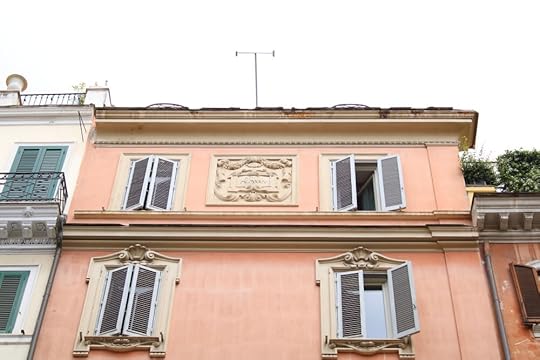
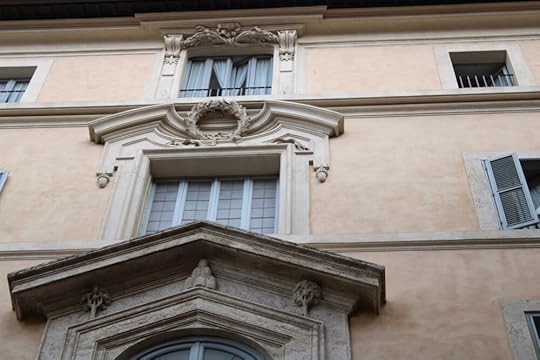
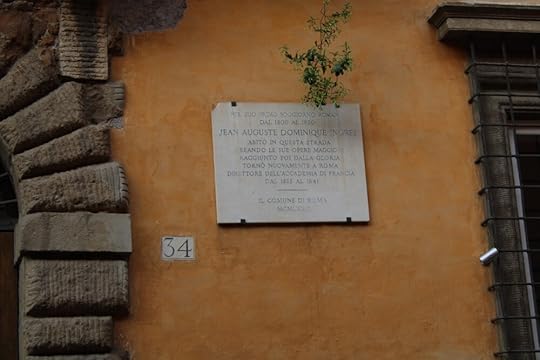
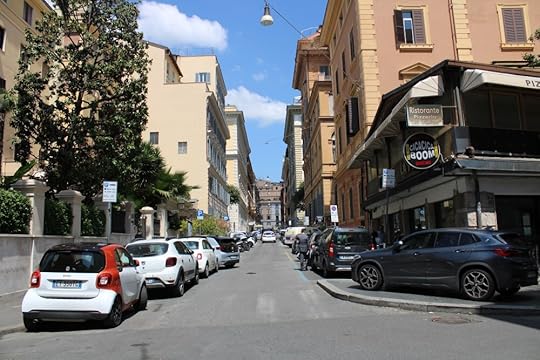
A plaque on the front of a building tells us that from 1802 until 1820, the artist Jean Auguste Dominique Ingres lived on the street along which we were walking.
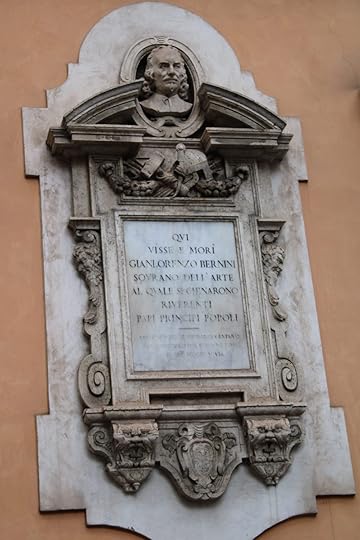
A plaque on Via della Mercede tells us that this is where Gian Lorenzo Bernini lived and died. Actually, the artist lived, worked, and died across the street from the building with the plaque. Bernini had his workshop and home on Via delle Mercede, # 11 and # 12, which are both opposite the memorial we see today.
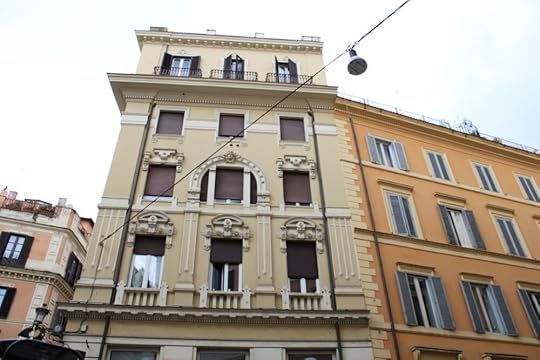
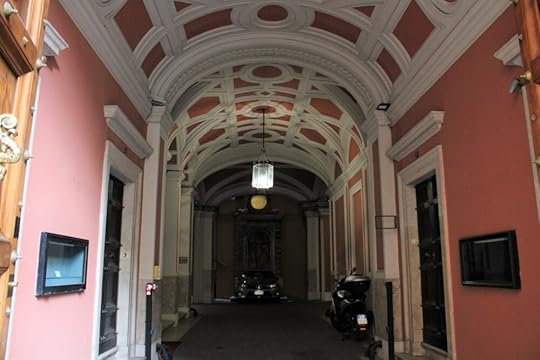
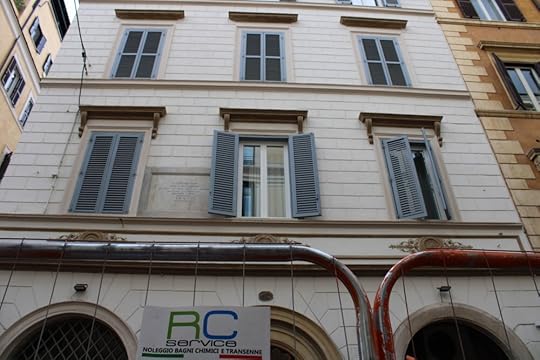
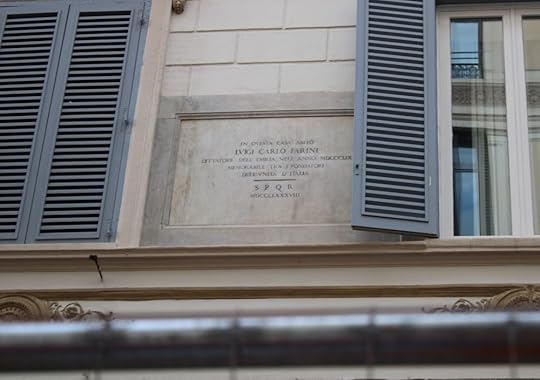
A little further along Via della Mercede, we came to another building with a plaque, this time in honor of Luigi Carlo Farini. Farini was Dictator of Emilia for the Kingdom of Sardinia from 1859 – 1860. Then, he served as President of the Council of the Kingdom of Italy from 1862 – 1863, which was when he lived in this building.
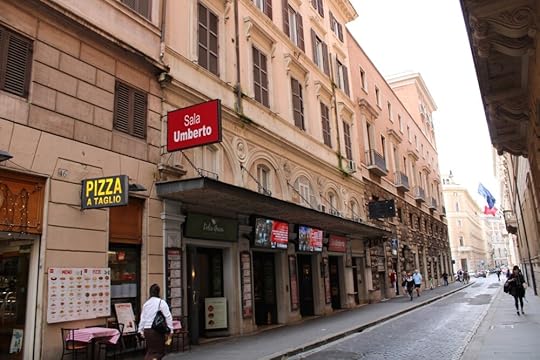
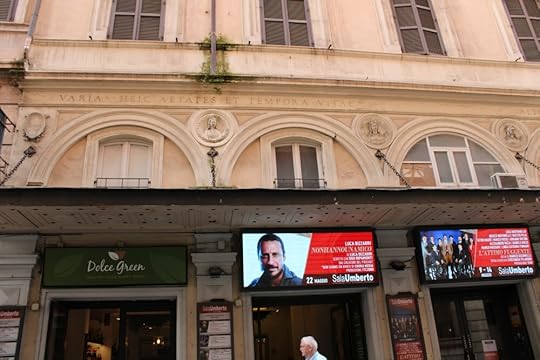
The Teatro Sala Umberto is at Via della Mercede, # 50. The theater began as a home for comedies, operetta’s, and concerts, before being used as a cinema. Over the years, it has gone back and forth, from being a film house, to being a legit theater. Today, it is a popular place to see live comedies, as well as prose theater.
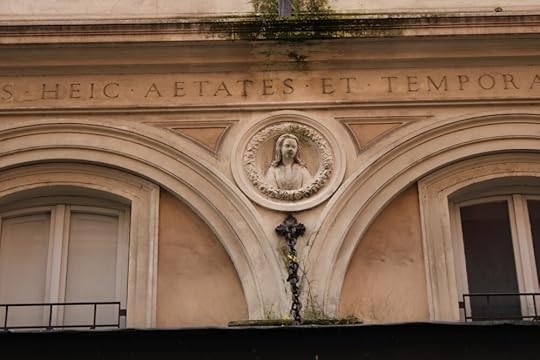
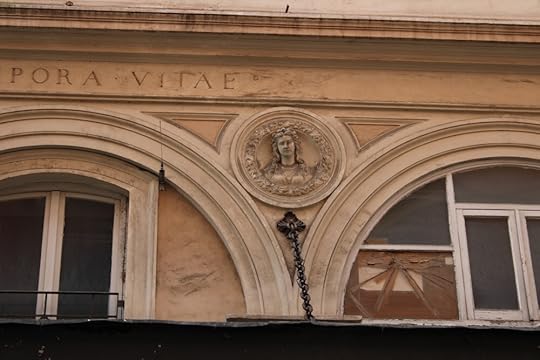
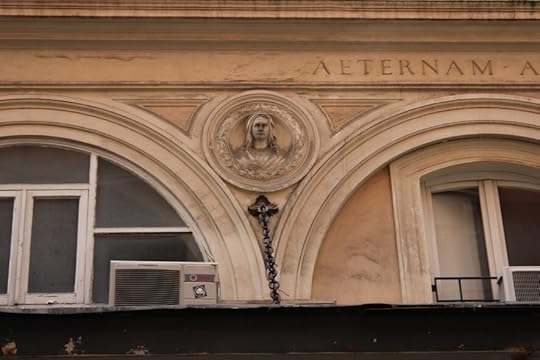
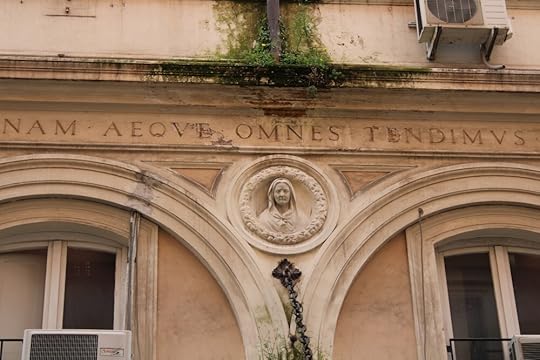
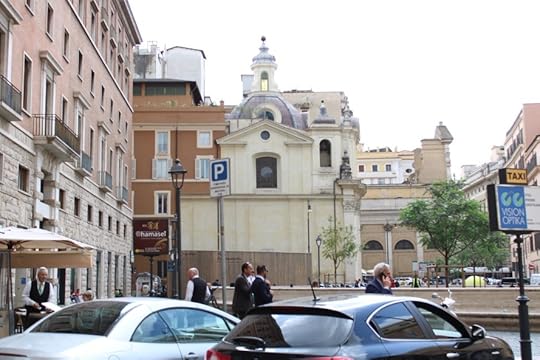
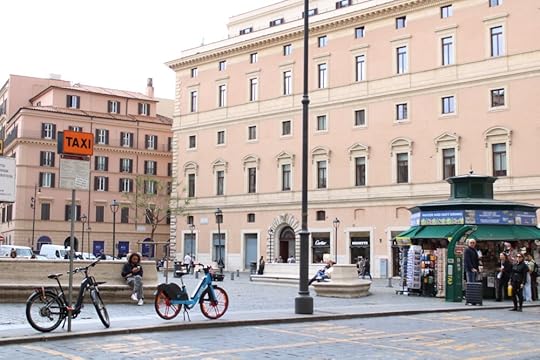
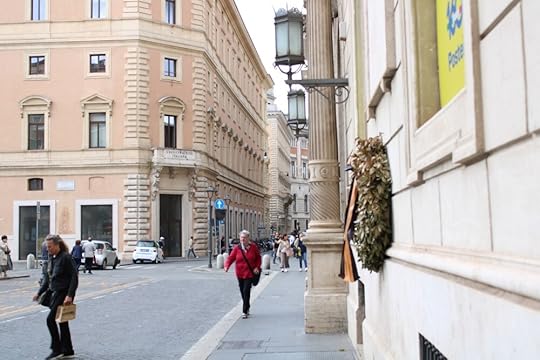
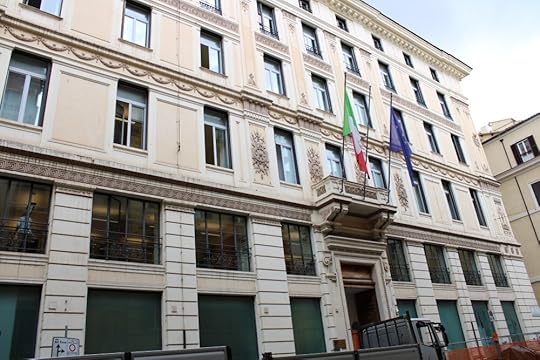
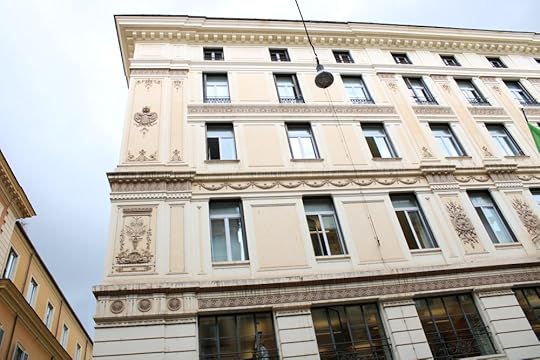
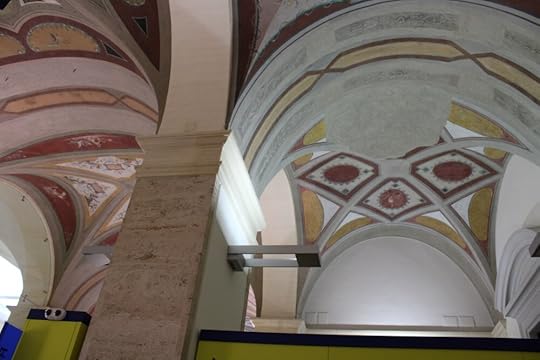
At Piazza di San Silvestro, # 19 is the Palazzo delle Poste. It dates from the late 1800’s, when the monastery attached to the Chiesa di San Silvestro in Capite was demolished. The façade of the postal building was designed by Luigi Rosso and Giovanni Malvezzi. It is considered to be the most beautiful postal building in all of Italy.
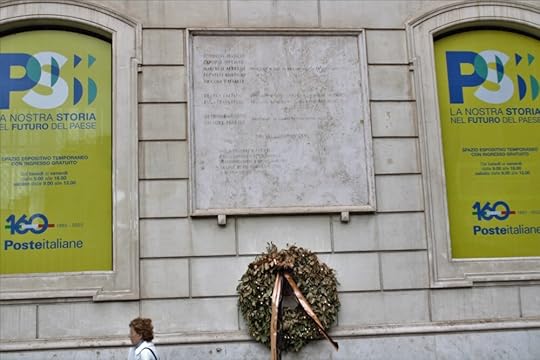
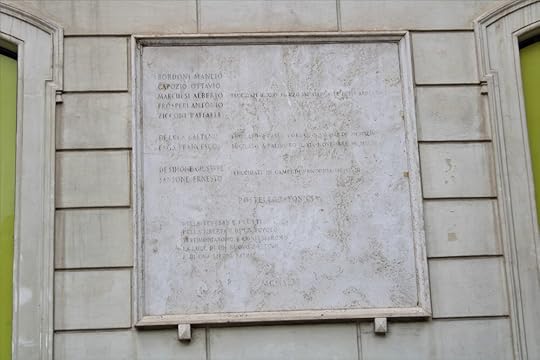
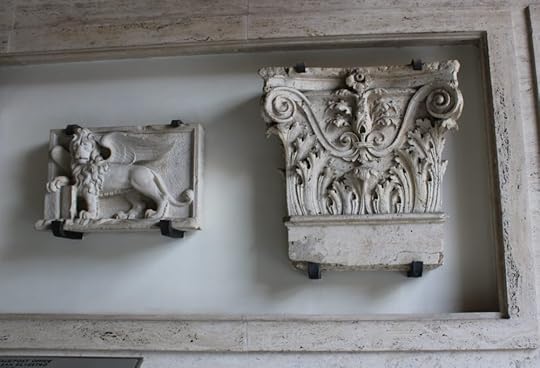
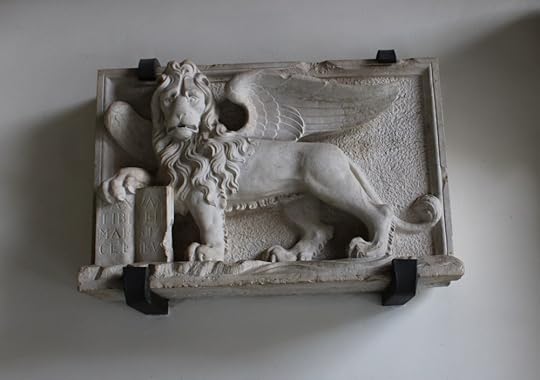
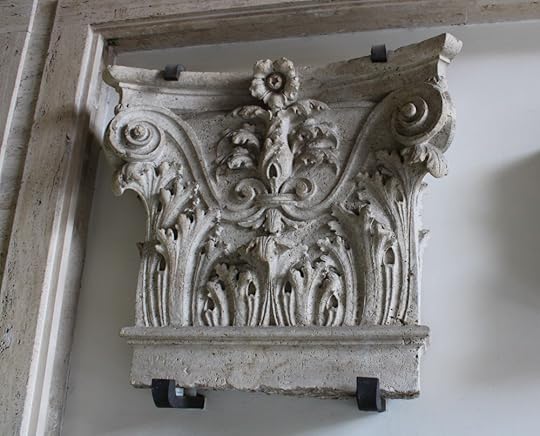
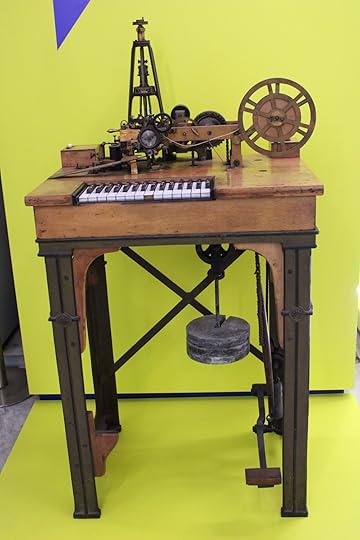
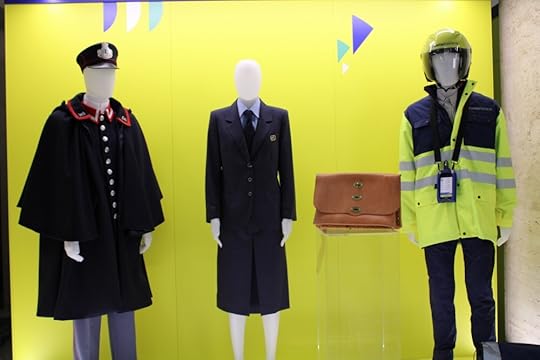
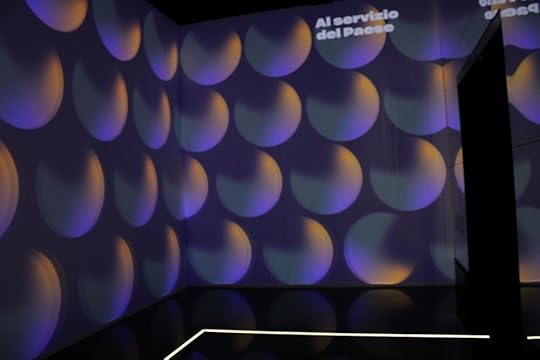
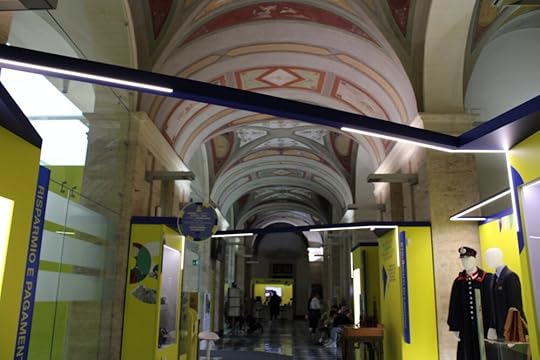
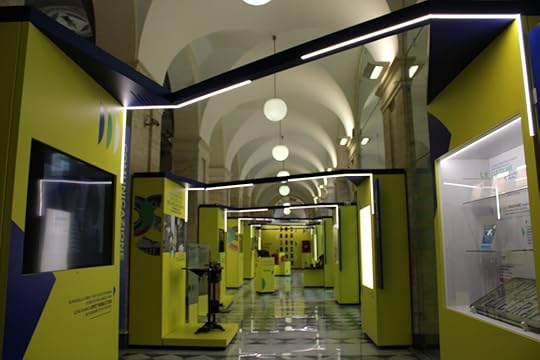
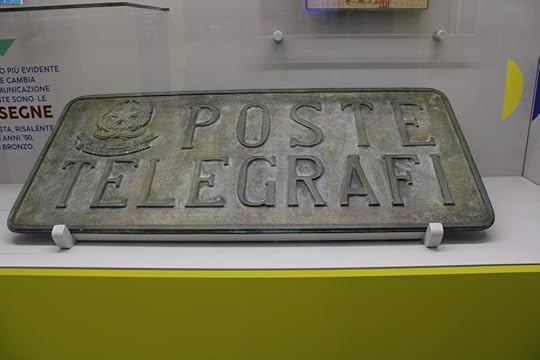
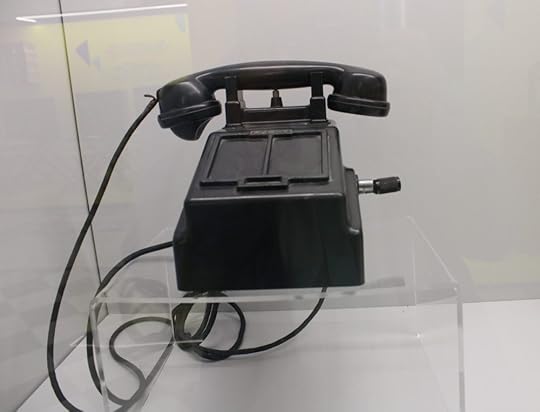
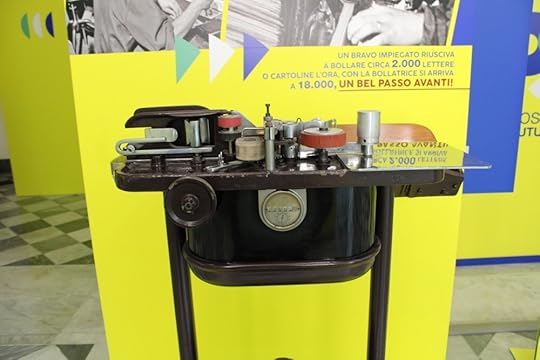
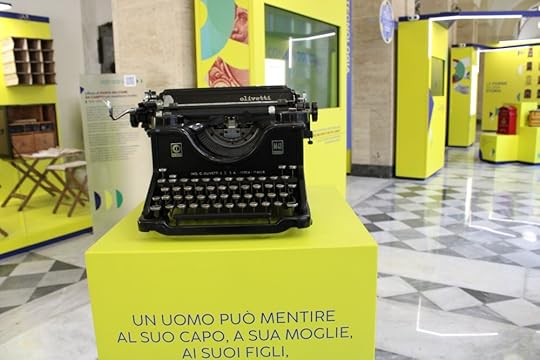
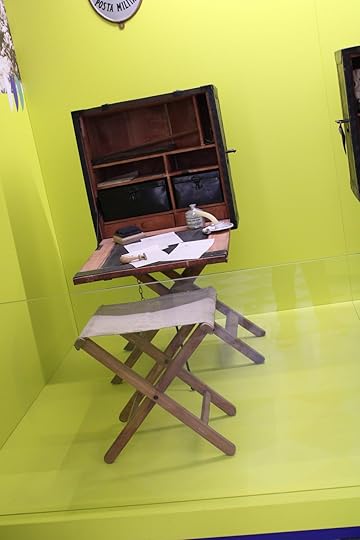
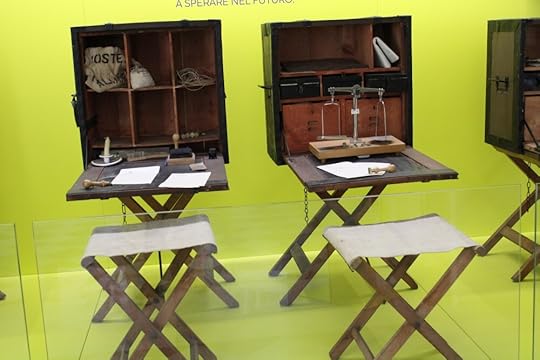
I know that this may sound like a strange recommendation, but if you find yourself walking along Piazza San Silvestro, do yourself a favor and go into the post office – using the main door. As you walk through the entranceway, there is a display of ancient Roman architectural fragments. The main treat, though, is waiting for you inside. There, to your right, you will find a small, but interesting museum of the Italian Postal Services. Admission is free, and you will most likely have the exhibition space to yourself. This is one of Rome’s hidden gems, as far as I am concerned.
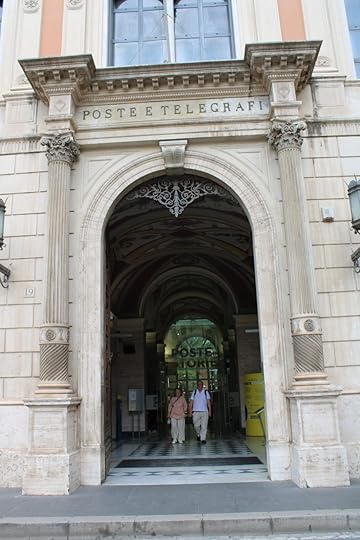
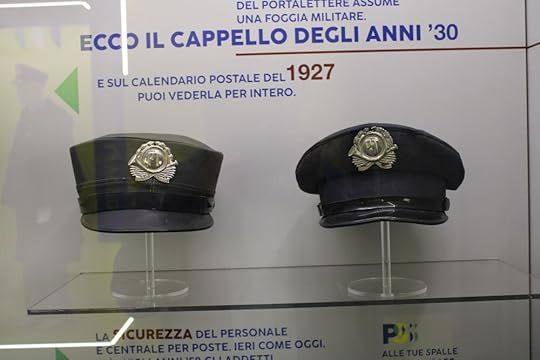
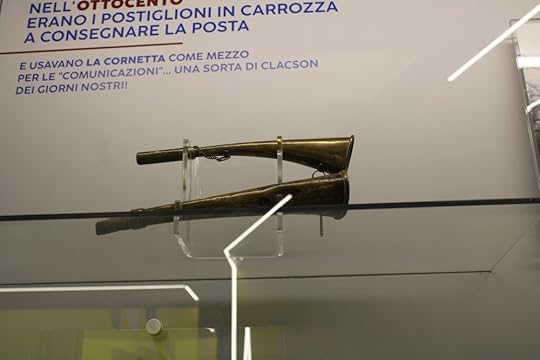
The Cornetta was an instrument that the postal person would blow into to alert others that he was arriving, functioning like a modern horn would on a car.
Coming up: more from the Postal Museum, and then we explore a new area and have a delicious fish dinner!
Note: This blog is written in English and the author takes no responsibility for the quality of any translations which may appear. If you have enjoyed this post, please check out our archives for more posts from Rome, as well as other Italian destinations. Grazie!


February 11, 2026
Rome – Day 3 – The Scalinata di Trinità dei Monti
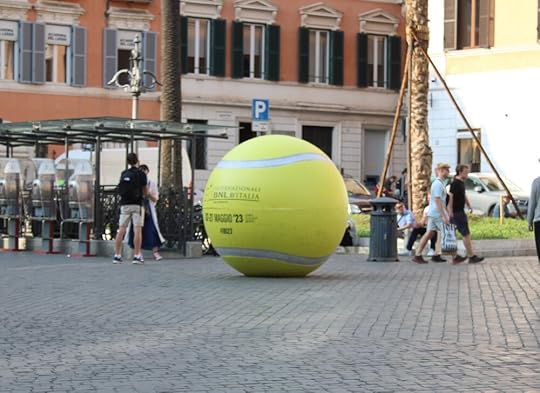
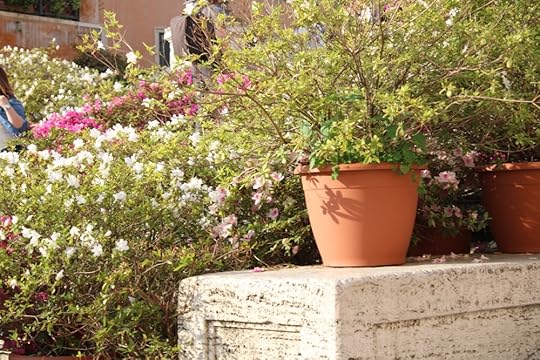
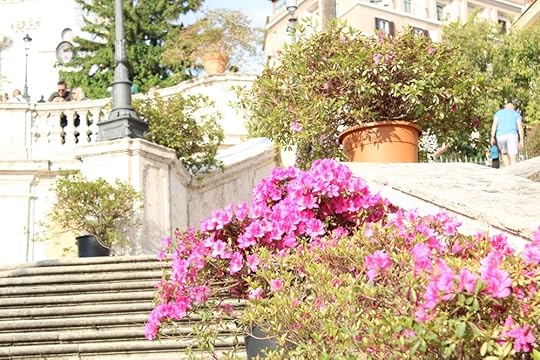
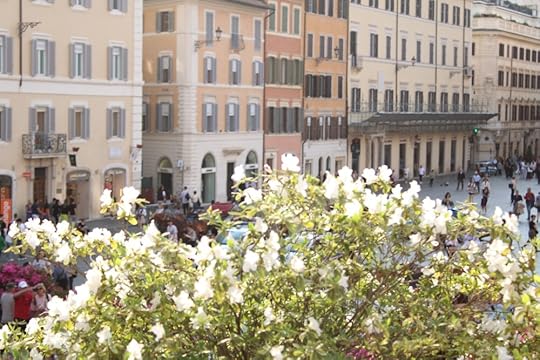
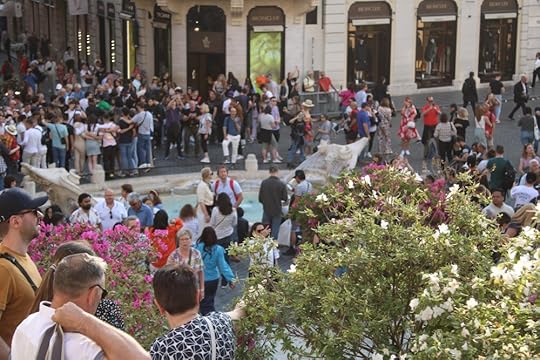
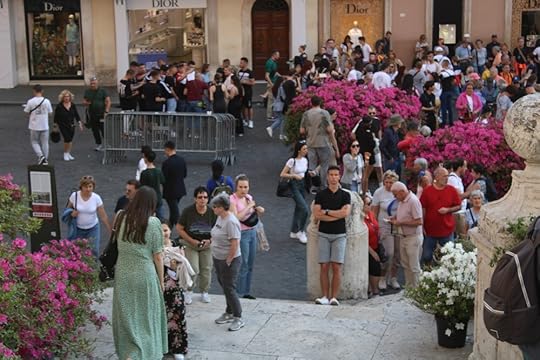
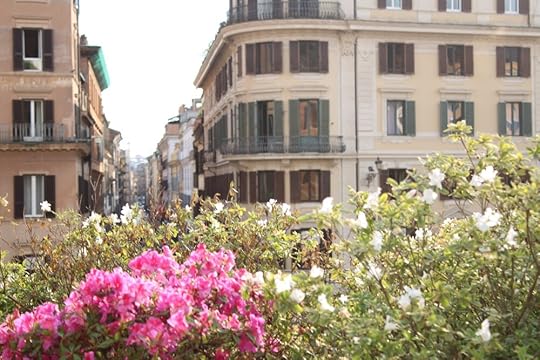
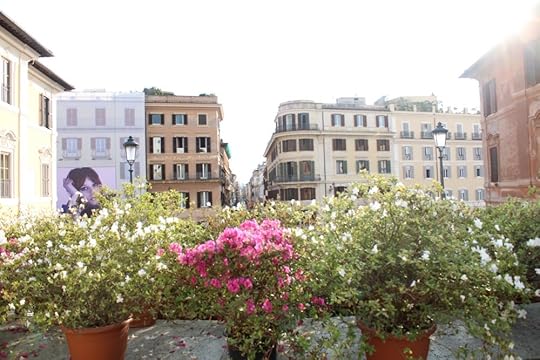
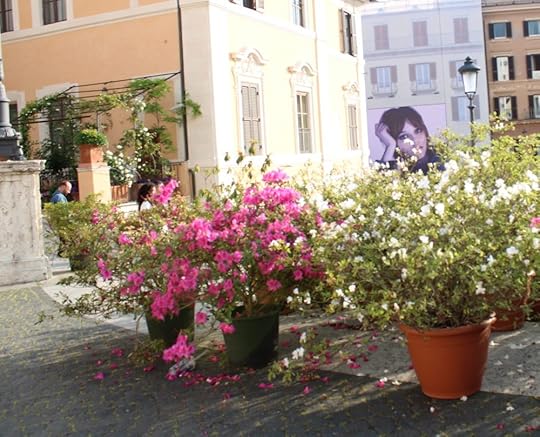
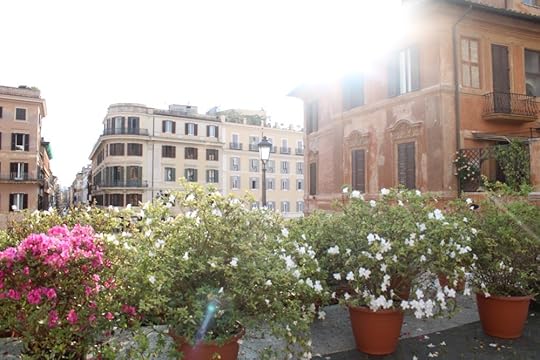
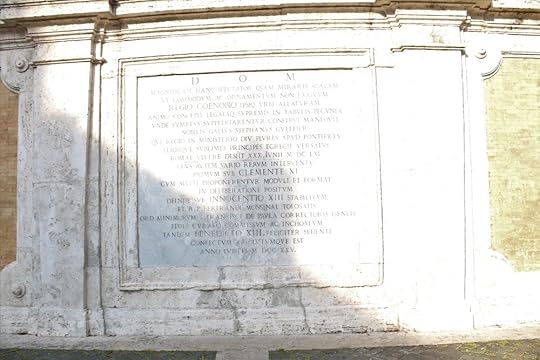
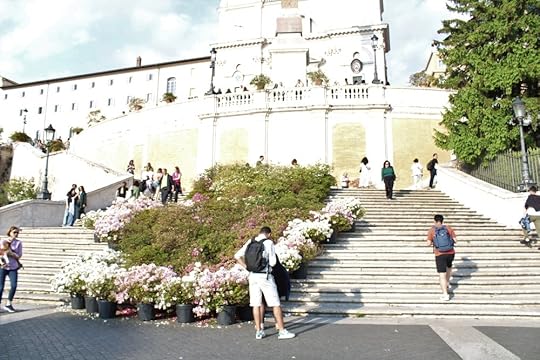
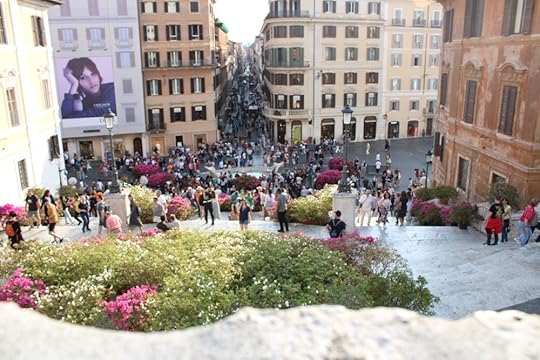
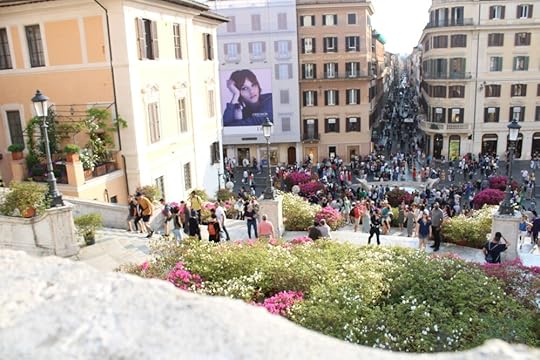
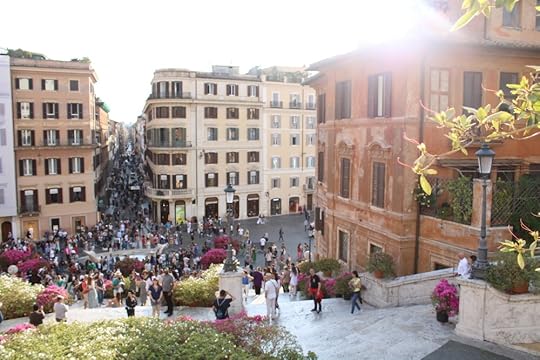
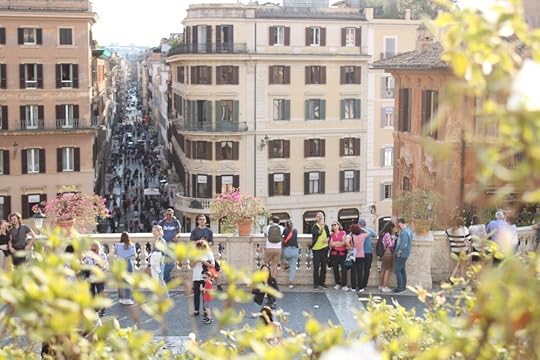
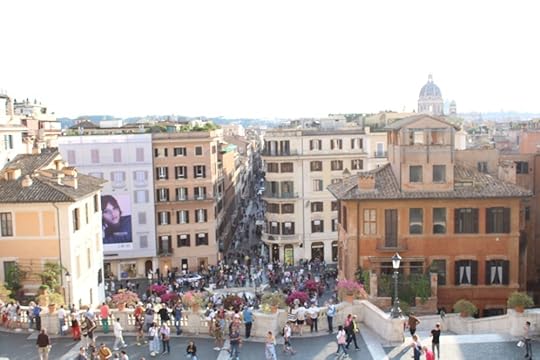
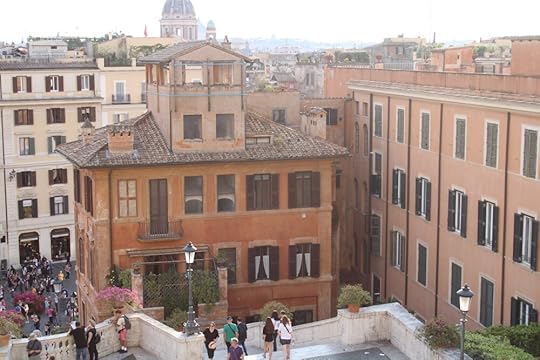
The Sacalinata di Trinità dei Monti, or the Spanish Steps, as it is more commonly known, dates from 1723. The staircase was designed by the architect, Francesco de Sanctis, to connect the Pincian Hill, with the Piazza di Spagna below. It is made up of 11 flights of stairs, each consisting of 12 steps. Each year, from mid-April to mid-May, the staircase is decorated with approximately 450 azalea plants from the Antico Semenzaio di San Sisto. The flowers were still in place, at the time of our visit.
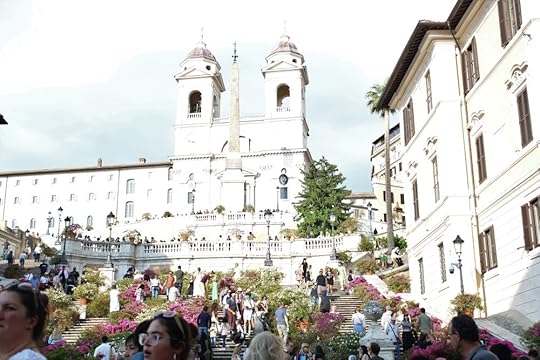
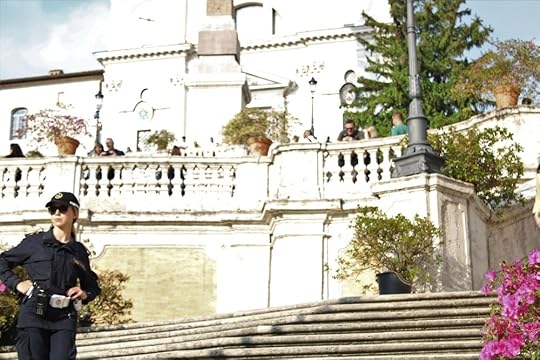
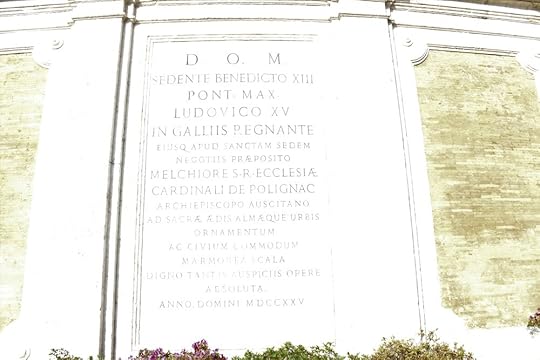
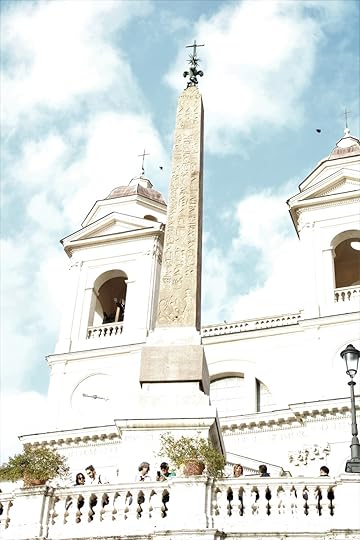
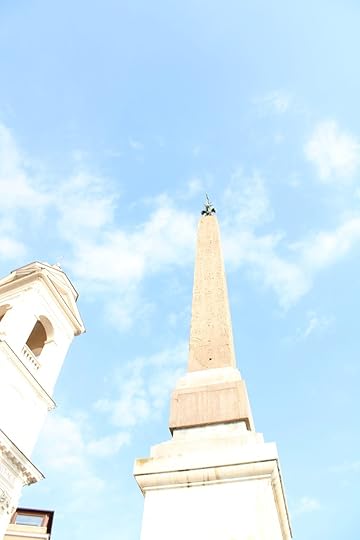
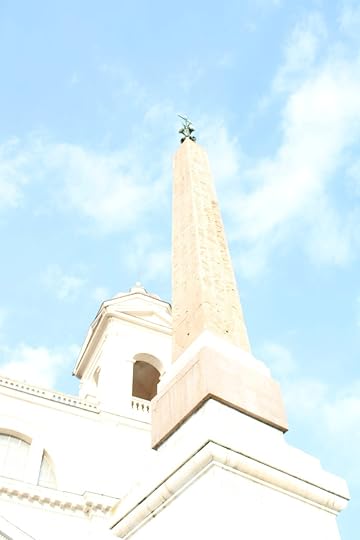
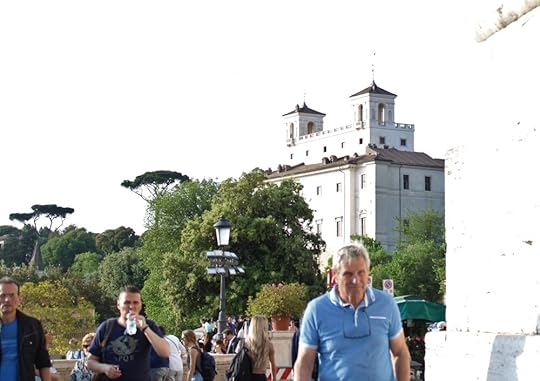
At the top of the stairs, you will find the Sallustian Obelisk, which is in front of the Chiesa della Trinità dei Monti.
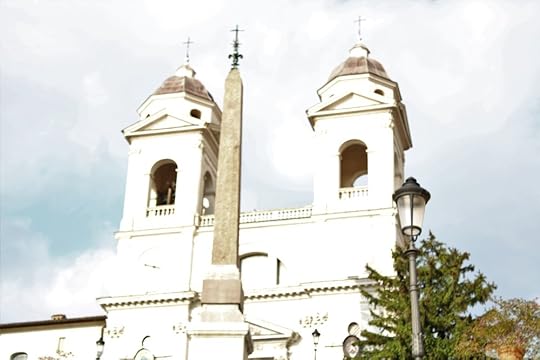
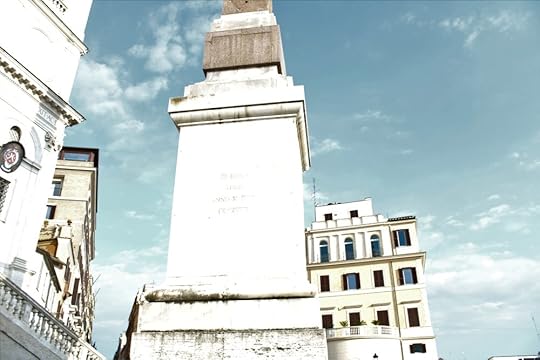
The Sallustian Obelisk, dates from Imperial Rome, between the 2nd and 3rd centuries, and it was made to resemble an Egyptian obelisk.
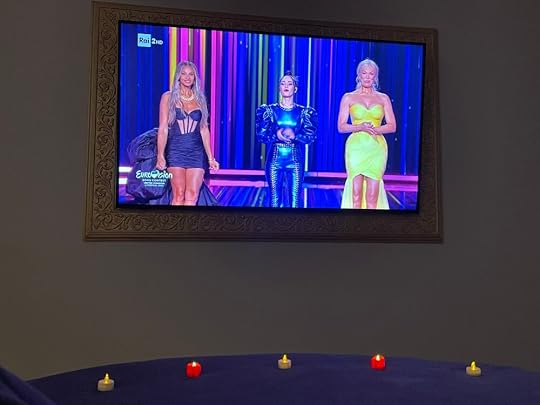
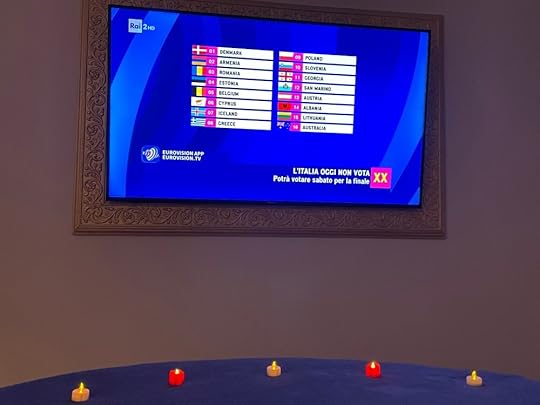
We had a quiet night, for our third evening in Rome. We opted for watching the second semi-final of the Eurovision Song Contest, and dining on take-out Chinese food.
Next up: A trip to the Post Office!
Note: This blog is written in English, and the author takes no responsibility for the quality of any translation that may appear. If you have enjoyed this post, please, check out our archives for more posts from Rome, as well as other Italian destinations. Grazie!
Rome – Day 3 – The Scalinata di Trinita dei Monti
The Sacalinata di Trinita dei Monti, or the Spanish Steps, as they are more commonly referred to, date from 1723. The staircase was designed by the architect Francesco De Sanctis to connect the Pincio Hill with the Piazza di Spagna below. It is made up of 11 flights of stairs, each consisting of 12 steps. Each year, from mid-April to mid-May, the staircase is decorated with approximately 450 azalea plants from the Antico Senezaio di San Sisto. The flowers were still in place at the time of our visit.
At the top of the stairs you will find the Sallustiano Obelisk, which is in front of the Chiesa della Trinita dei Monti.
The Obelisco Sallustiano, or the Sallustian Obelisk, dates from Imperial Rome, between the 2nd and 3rd centuries, and was made to resemble an Egyptian obelisk.
We had a quiet night for our third evening in Rome. We opted for watching the second semi-final of the Eurovision Song Contest, and dining on take-out Chinese food.
Next Up: A trip to the Post Office!
Note: This blog is written in English and the author takes no responsibility for the quality of any translations which may appear. If you have enjoyed this post, please check out our archives for more posts from Rome, as well as other Italian destination. Grazie!
February 4, 2026
Rome – Day 2 – Part 4 – Palaces and Glass
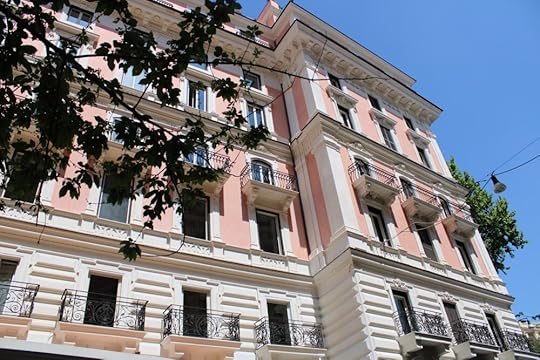
The Palazzo Margherita is located on Via Veneto. It takes its name from the fact that it served as the home of Queen Margherita of Savoy, from 1900 until her death, in 1926. The palazzo dates from 1886, and was designed by Gaetano Koch, for Rodolfo Boncompagni-Ludovisi, the Prince of Piombino. At the time, it was known as Palazzo Piombino. After the Queen’s death, the building housed offices of the Mussolini government. Then, in 1949, it was purchased by the United States government, which currently houses there, the United States Embassy in Italy.
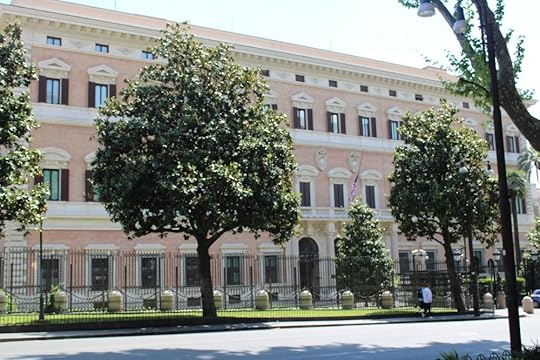
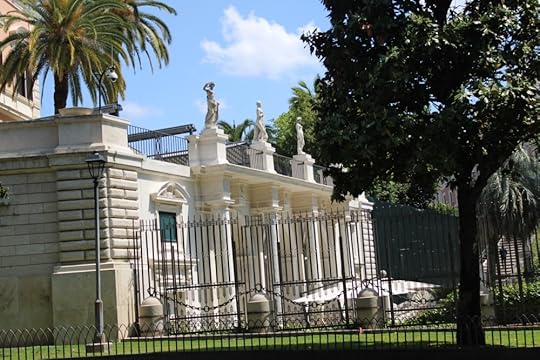
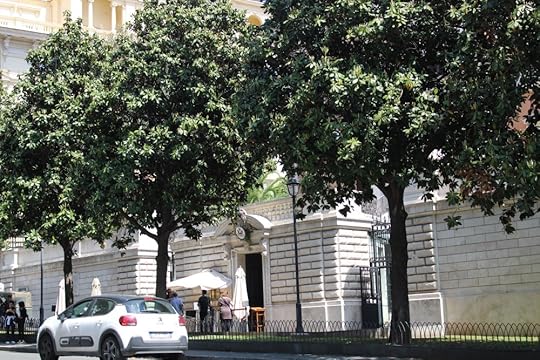
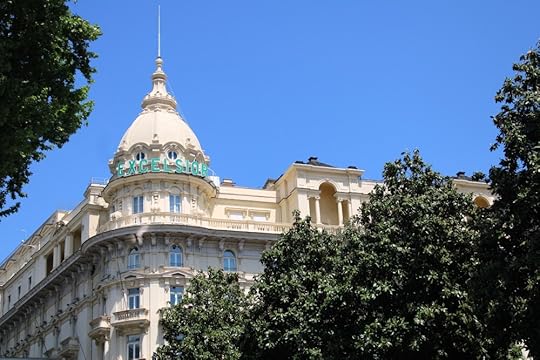
Also on Via Veneto, you will find the Westin Excelsior Hotel, which opened in 1906. The hotel was designed by the Swiss architects, Emil Vogt and Otto Maraini. During World War II, it housed the residence and offices of the German military commander, of the city of Rome. It reopened to the public in 1947. The hotel is noted for having one of the most expensive hotel rooms in the world: the “Villa La Cupola” suite. The suite is set on two floors, features seven bedrooms, and also has a private cinema.
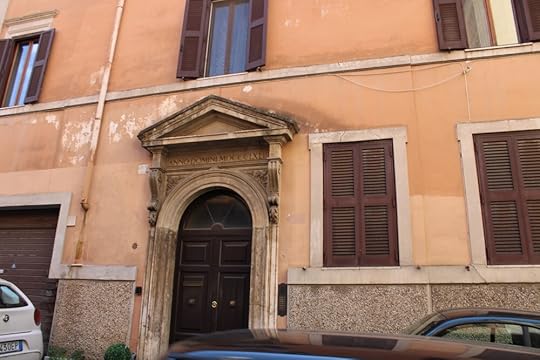
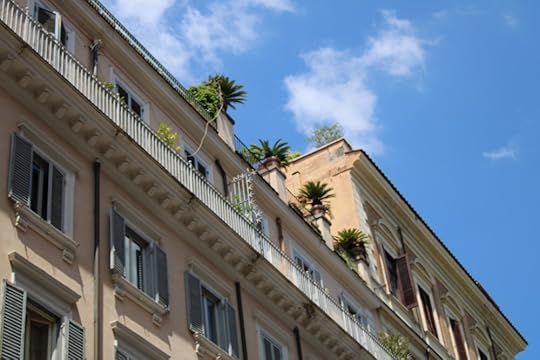
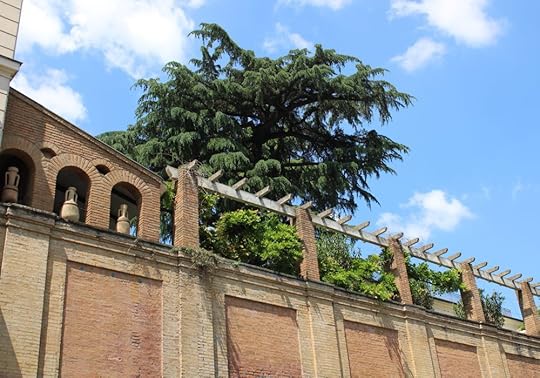
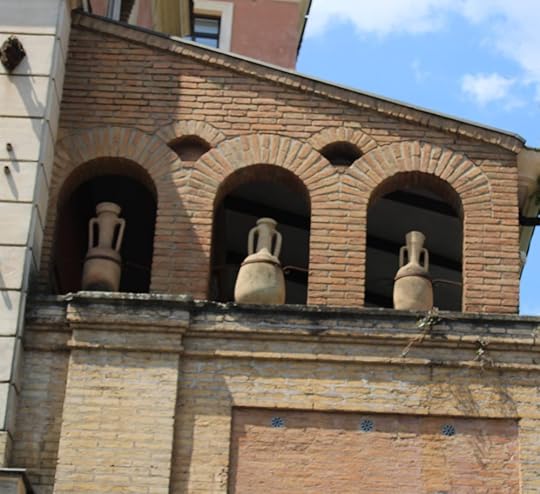
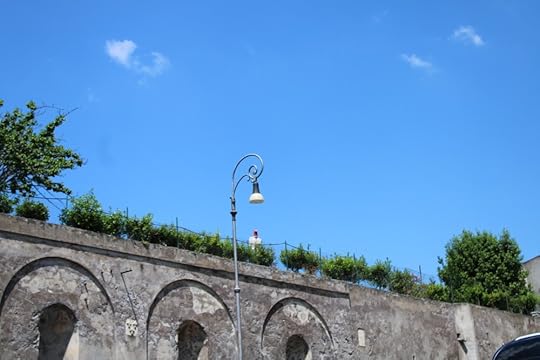
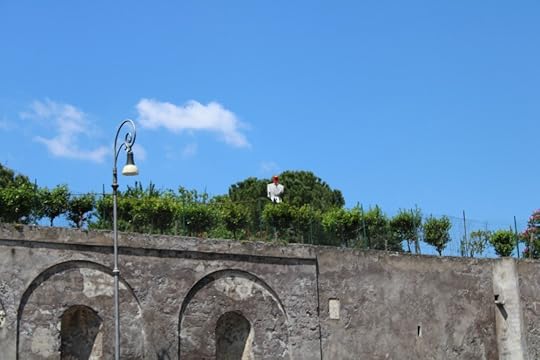
The last thing I expected to see, walking along a street in Rome, was a scarecrow!
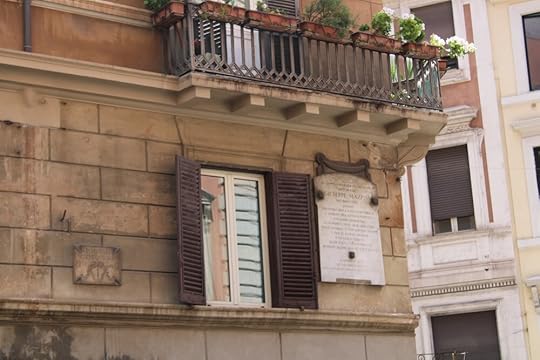
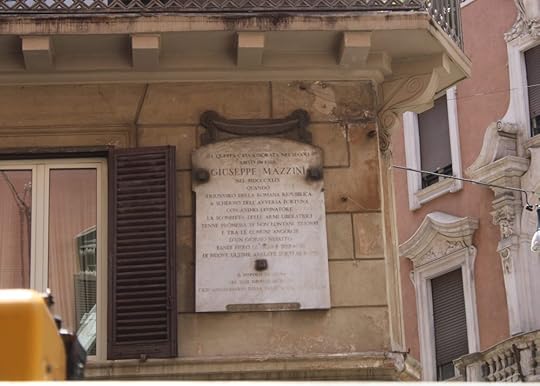
A plaque, at Via di Capo le Case, #21, adorns the building where Giuseppe Mazzini lived, in Rome.
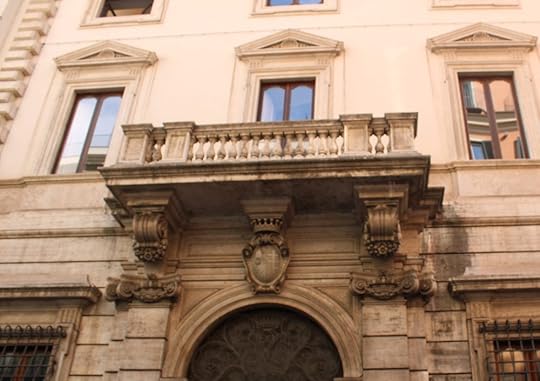
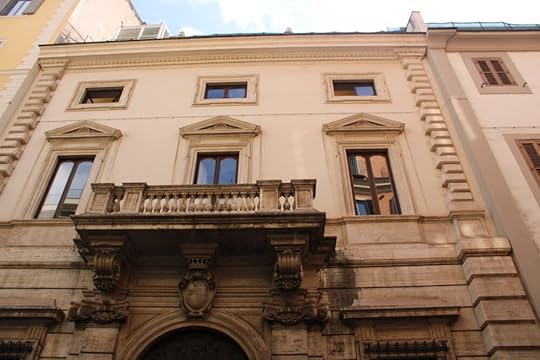
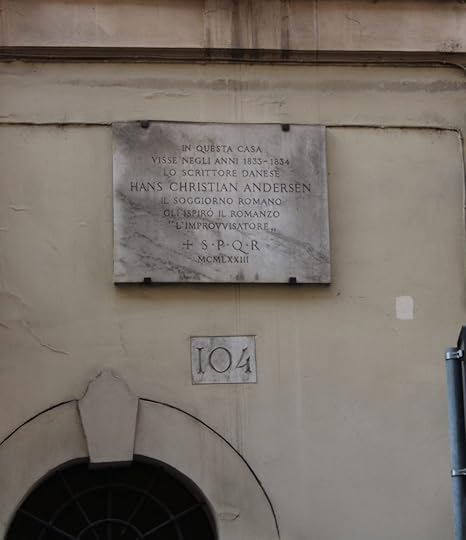
At Via Sistina, #104, a plaque marks the place where the Danish writer, Hans Christian Andersen, lived for one year.
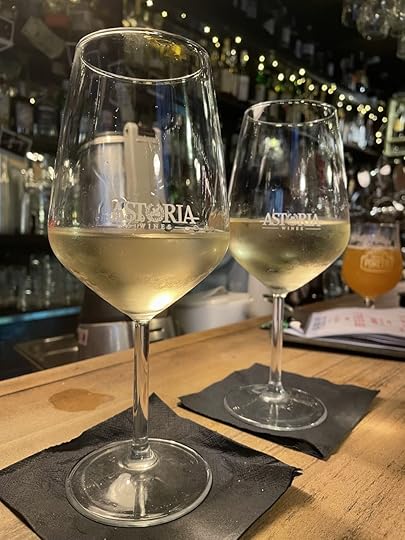
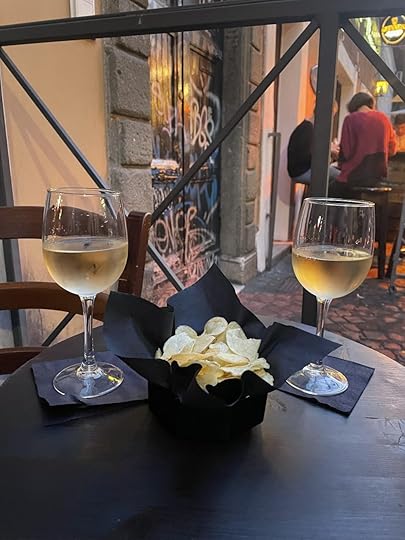
Later, after a brief rest back at the apartment, we headed down to Trastevere, for the evening. Our first stop was Big Hilda Public Bar, on Vicolo del Cinque. There, we had a few glasses of wine, and caught up with some friends, before heading to dinner.
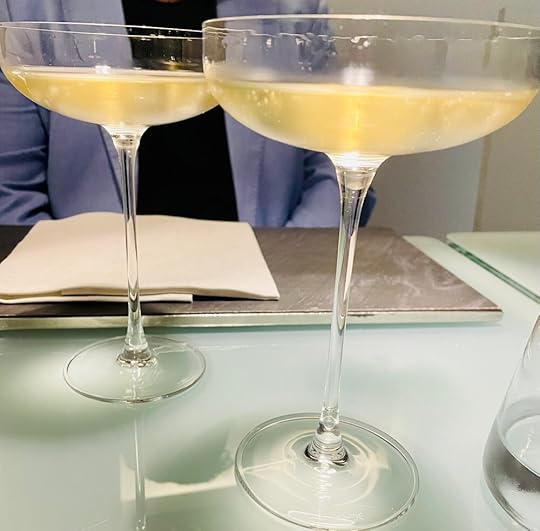
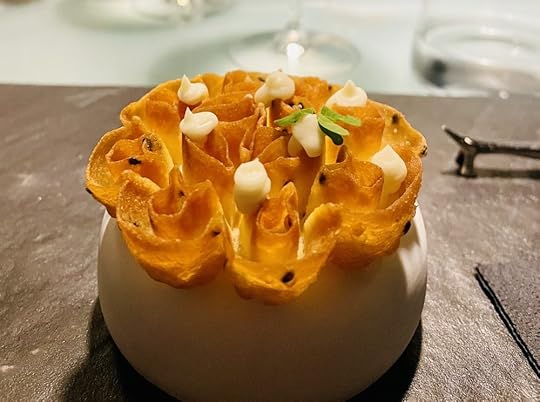
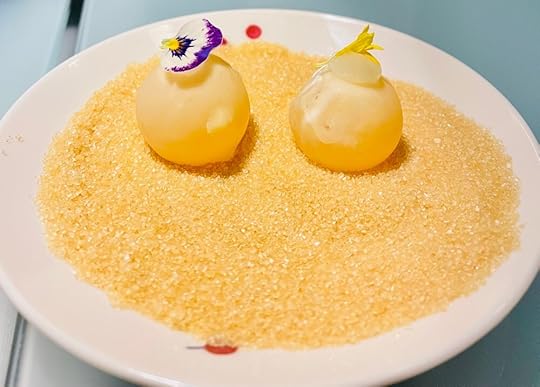
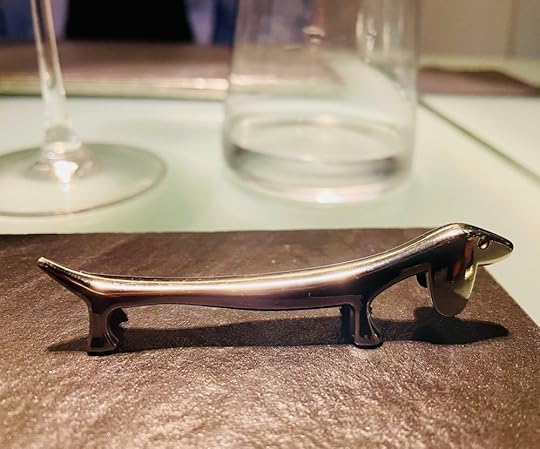
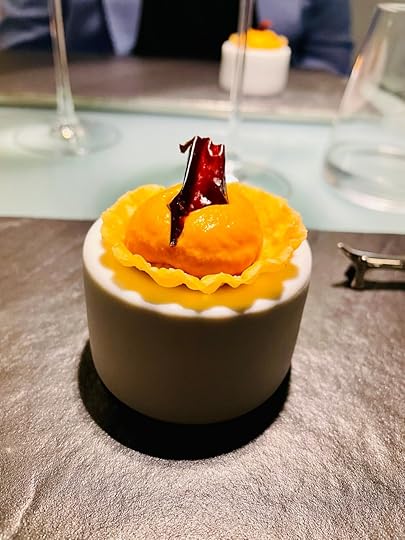
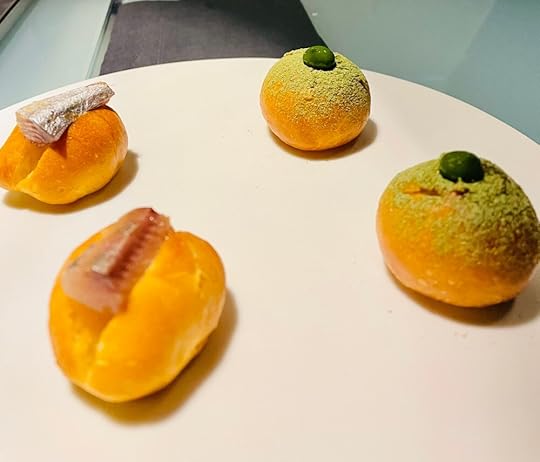
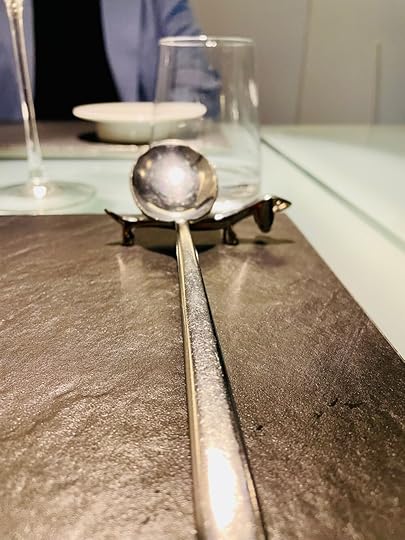
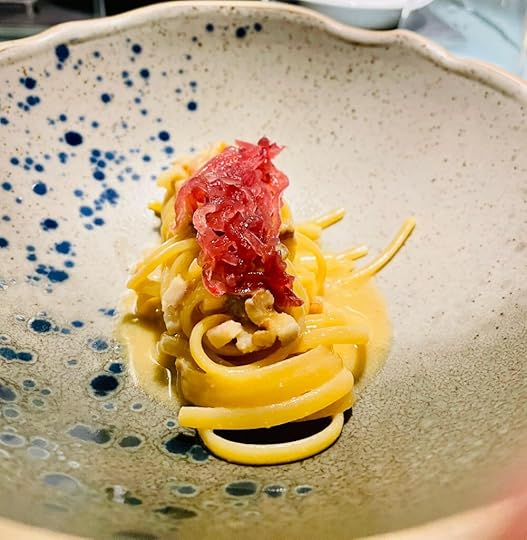
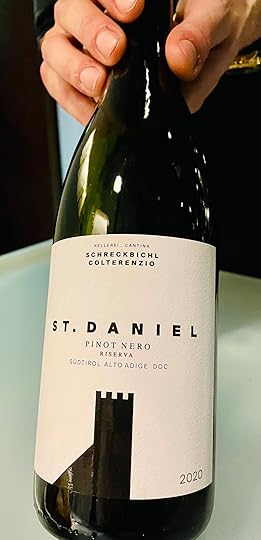
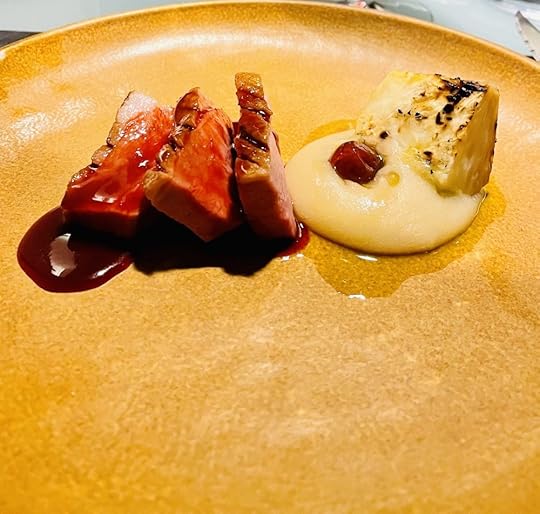
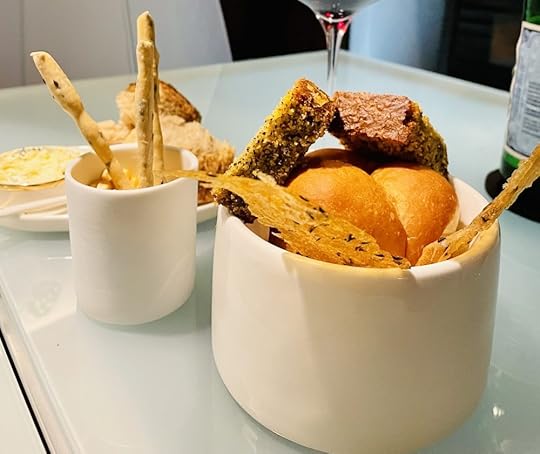
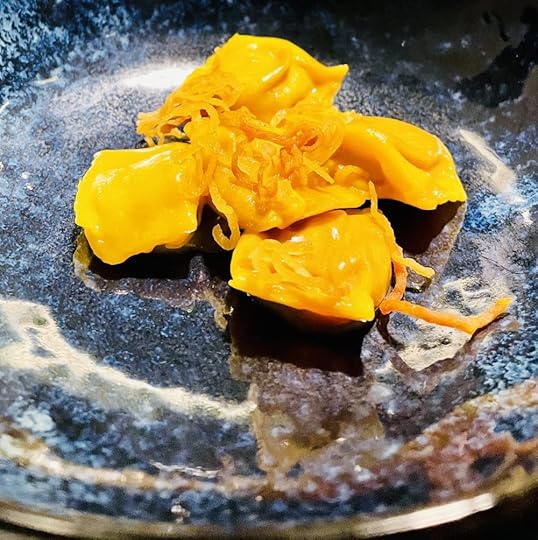
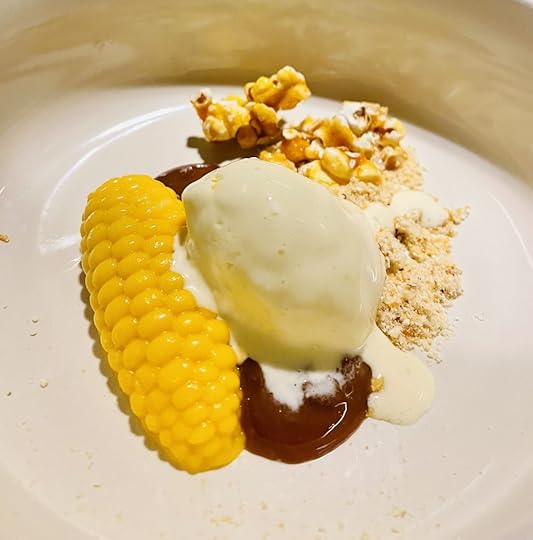
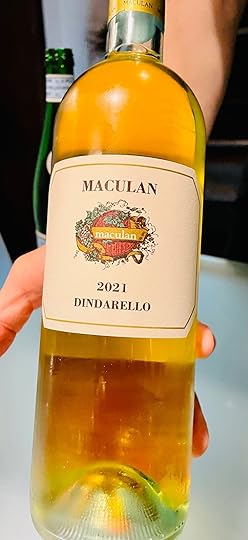
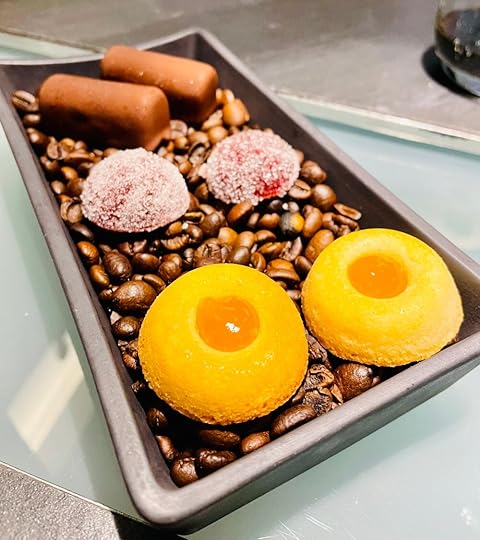
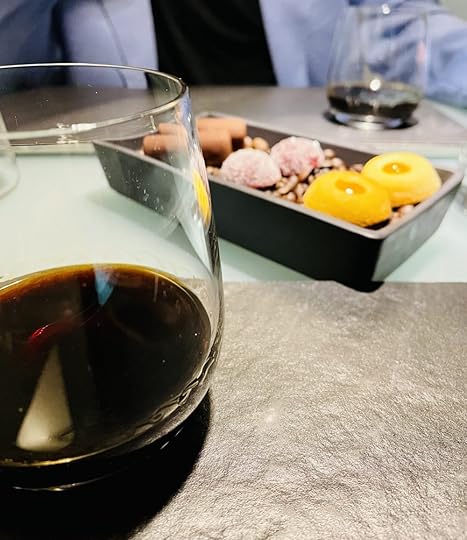
For dinner, we went to Glass Hostaria, at Vicolo del Cinque, #58. This is a restaurant that is dear to our hearts. We have been going there for years. It is always a pleasure to spend time with Riccardo, and the rest of the staff. Of course, the highlight is always being able to taste the culinary delights that come out of the kitchen of Chef Cristina Bowerman!
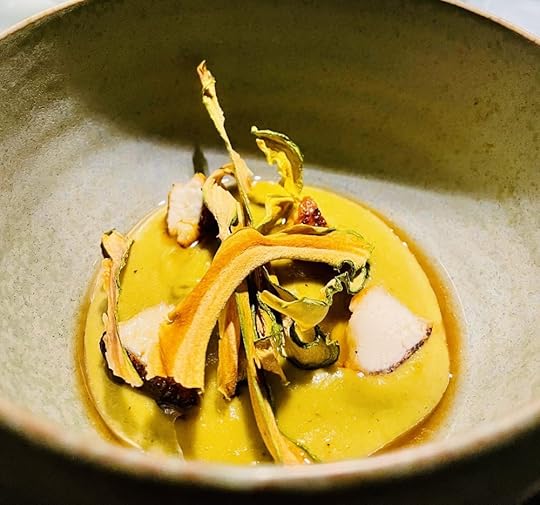
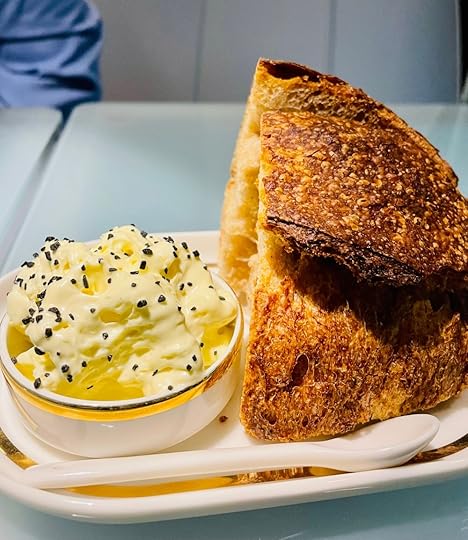
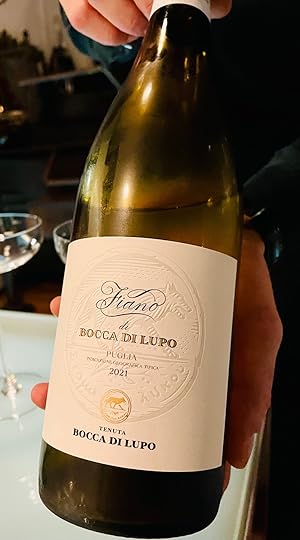
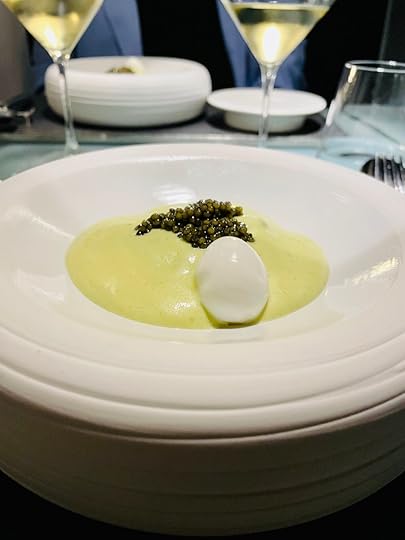
Next up: A visit to a postal museum, and much more!
Note: This blog is written in English, and the author takes no responsibility for the quality of any translation that may appear. If you have enjoyed this post, please, check out our archives for more posts from Rome, as well as other Italian destinations. Grazie!
Rome – Day 2 – Part 4 – Palaces and Glass!
The Palazzo Margherita is located on Via Veneto. It takes its name from the fact that it served as the home of Queen Margherita of Savoy from 1900 until her death in 1926. The palazzo dates from 1886 and was designed by Gaetano Koch for Rodolfo Boncompagni Ludovisi, the Prince of Piombino. At the time, it was known as Palazzo Piombino. After the Queen’s death, the building housed offices of the Mussolini government. Then, in 1949, it was purchased by the United States Government, who currently houses the United States Embassy in Italy there.
Also on Via Veneto is the Westin Excelsior Hotel, which opened in 1906. The hotel was designed by the Swiss architects Enil Vogt & Otto Maraini. During WWII, it housed the residence and offices of the German military commander of the city of Rome. It reopened to the public in 1947. The hotel is noted for having one of the most expensive hotel rooms in the world – the “Villa la Cupola” suite. The suite is set on two floors, features seven bedrooms, and also has a private cinema.
The last thing I expected to see walking along a street in Rome was a scarecrow!
A plaque at Via Capo le Case, # 21, adorns the building where Giuseppe Mazzini lived in Rome.
At Via Sistina, # 104, a plaque marks the place where the Danish writer Hans Christian Anderson lived for one year.
Later, after a brief rest back at the apartment, we headed down to Trastevere for the evening. Our first stop was Big Hilda Public Bar on Vicolo delle Cinque. There, we had a few glasses of wine, and caught up with some friends, before heading to dinner.
For dinner we went to Glass Hostaria, at Vicolo delle Cinque, # 58. This is a restaurant that is dear to our hearts. We have been going there for years. It is always a pleasure to spend time with Riccardo, and the rest of the staff. Of course, the highlight is always being able to taste the culinary delights that come out of the kitchen of chef Cristina Bowerman!
Coming Up: A visit to a postal museum, and more!
Note; This blog is written in English and the author takes no responsibility for the quality of any translations which may appear. If you have enjoyed this post, please check out our archives for more posts from Rome, as well as other Italian destinations. Grazie!
January 28, 2026
Rome – Day 2 – Part 3 – Hills, Steps, and Palaces
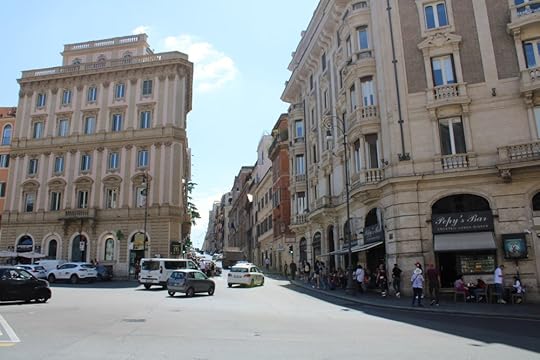
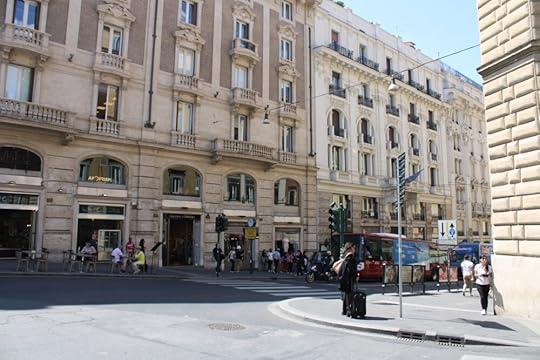
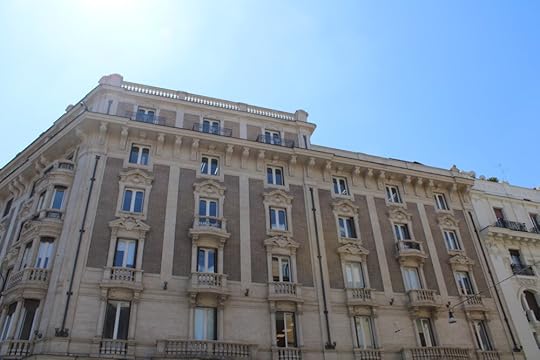
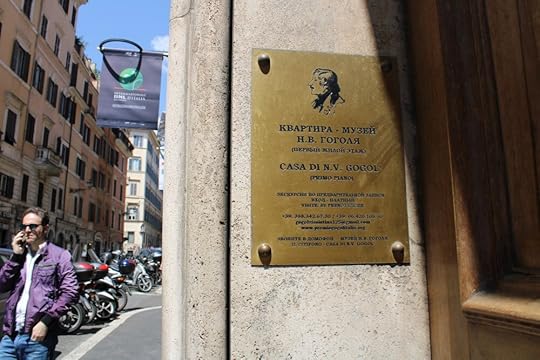
As we retraced our steps, this time on the other side of the street, we noticed a second, smaller plaque informing us that we were passing the building where Gogol lived, while in Rome.
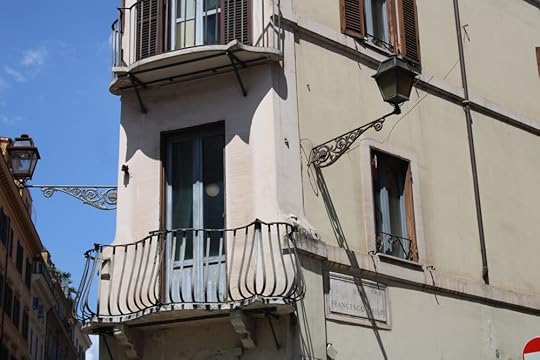
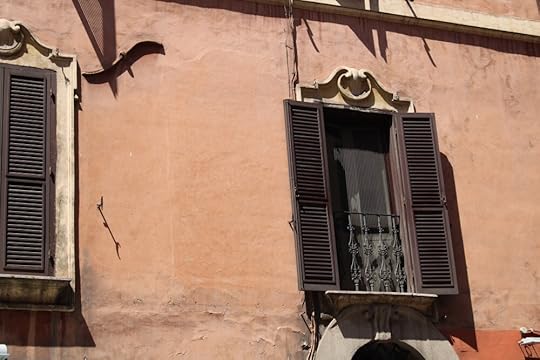
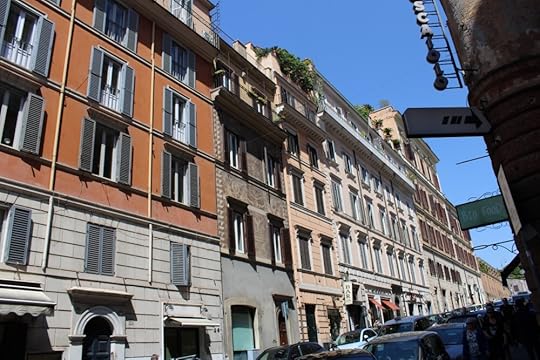
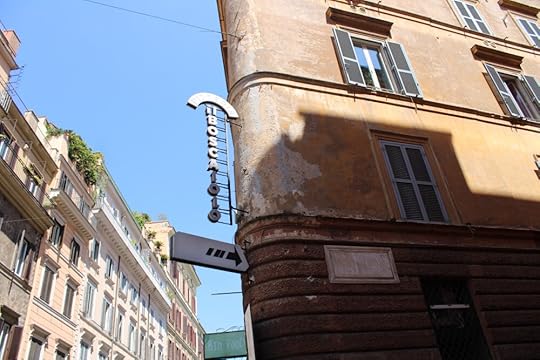
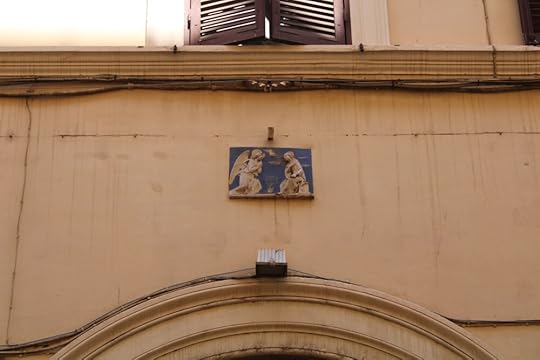
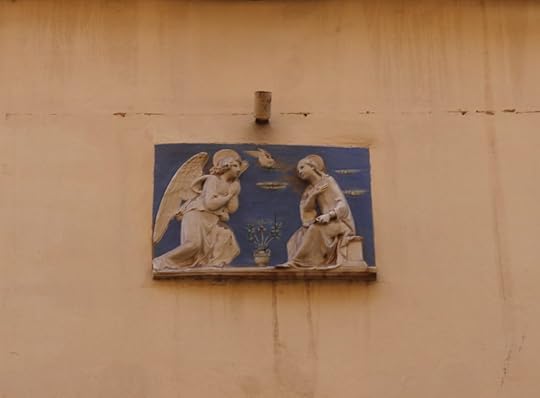
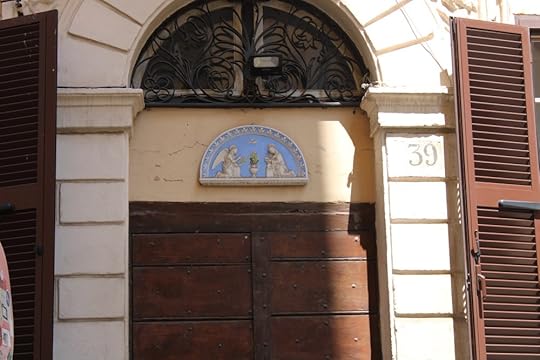
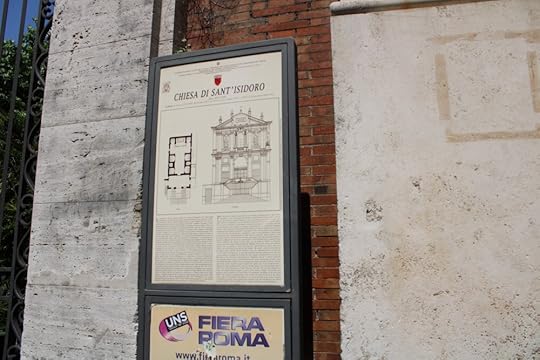
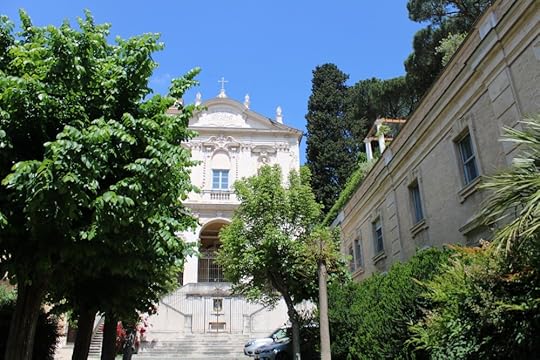
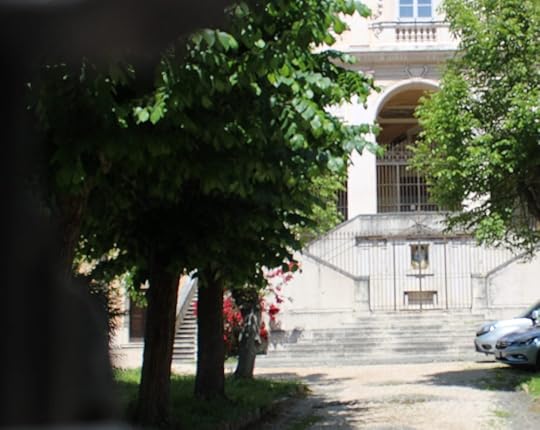
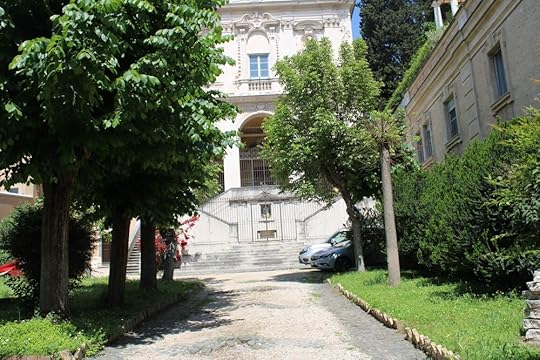
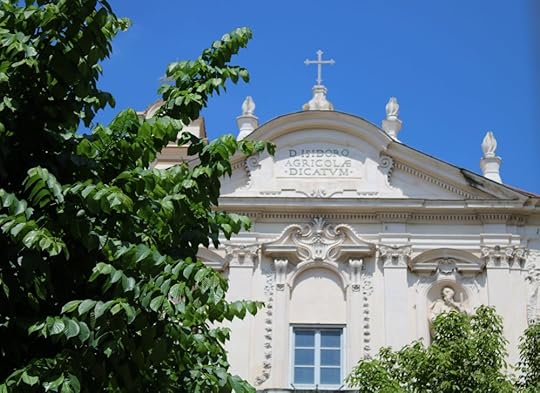
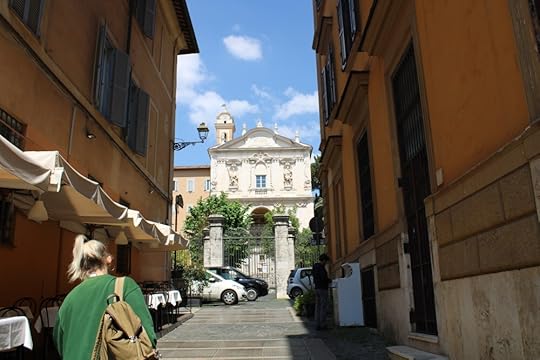
The Chiesa di Sant’Isidoro a Capo le Case is at Via degli Artisti, #4. The church dates from 1622, when it was built by the architect, Antonio Felice Casoni, as a center of Spanish, Franciscan life in Rome. Left unfinished for two years, the church then became the responsibility of the theologian friar, Luke Ward, and the Irish Franciscans, who manage it even today.
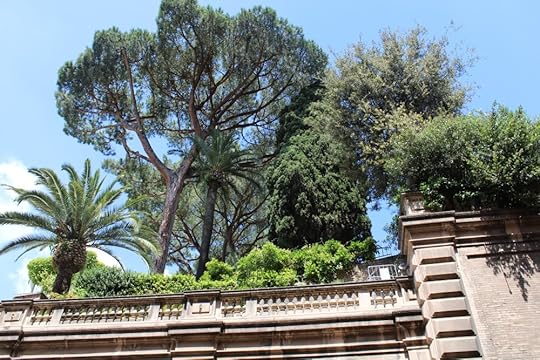
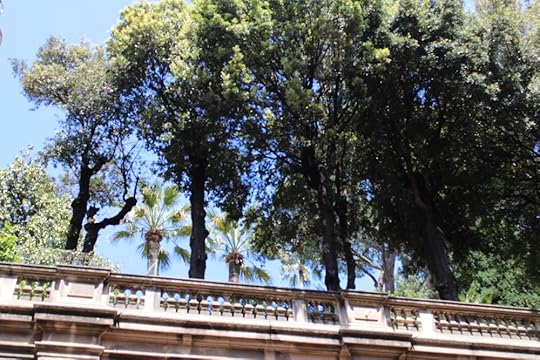
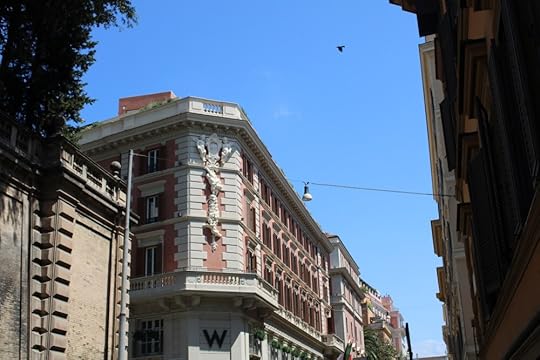
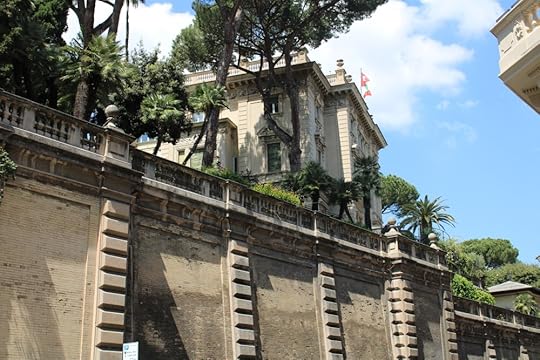
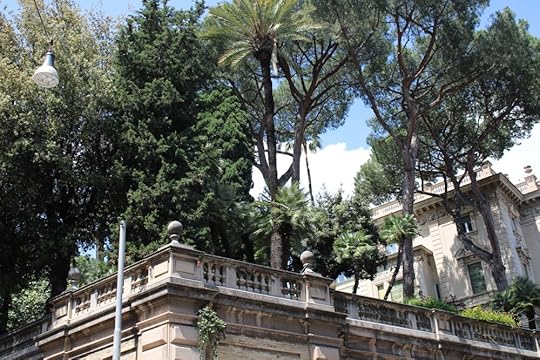
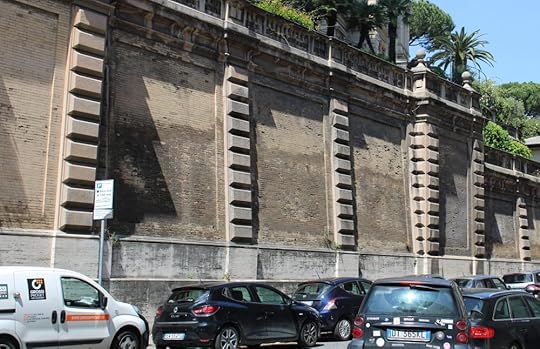
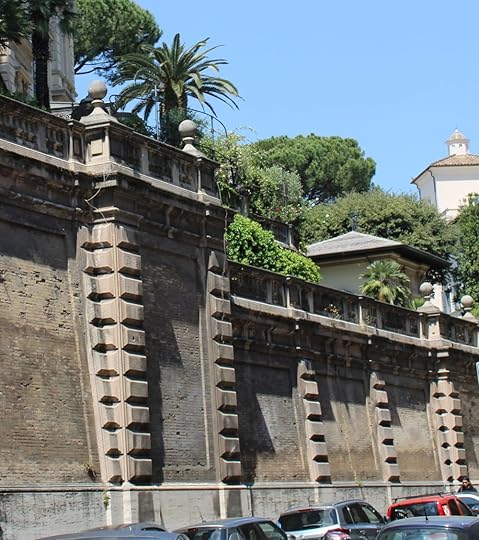
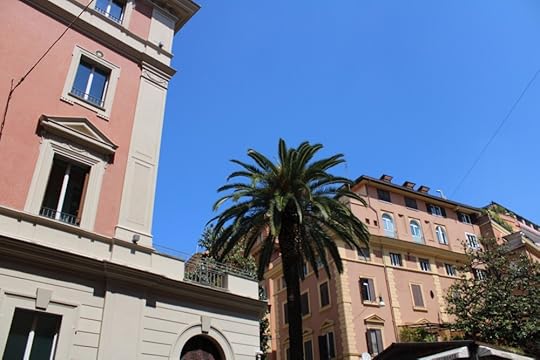
Next up: We head down to Trastevere, for a fun evening in Rome!
Note: This blog is written in English, and the author takes no responsibility for the quality of any translation that may appear. If you have enjoyed this post, please, check out our archives for more posts from Rome, as well as other Italian destinations. Grazie!
Rome – Day 2 – Part 3 – Hills, Steps, and Palaces!
As we retraced our steps, this time on the other side of the street, we noticed a second, smaller plaque informing us that we were passing the building where Gogol lived while in Rome.
The Chiesa di Sant Isidoro a Capo le Case is at Via degli Artisti, # 4. The church dates from 1622, when it was built by the architect Antonio Felice Casoni as a center of Spanish Franciscan life in Rome. Left unfinished for two years, the church then became the responsibility of the theologian friar Luke Ward and the Irish Franciscans, who manage it even today.
Next Up: We head down to Trastevere for a fun evening in Rome!
Note: This blog is written in English and the author takes no responsibility for the quality of any other translations which may appear. If you have enjoyed this post, please check out our archives for more posts from Rome, as well as other Italian destinations. Grazie!
January 21, 2026
Rome – Day 2 – Part 2 – Along Via Sistina
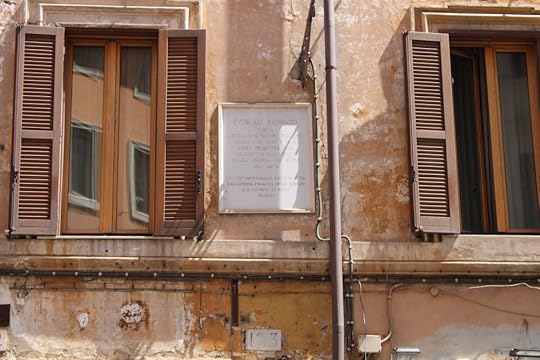
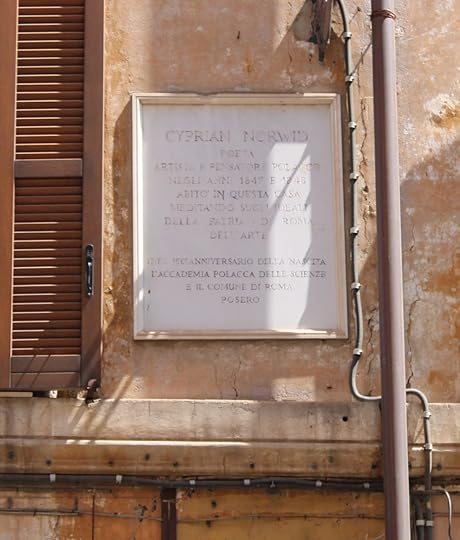
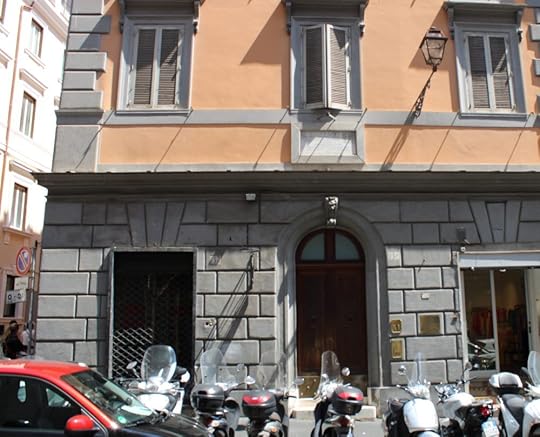
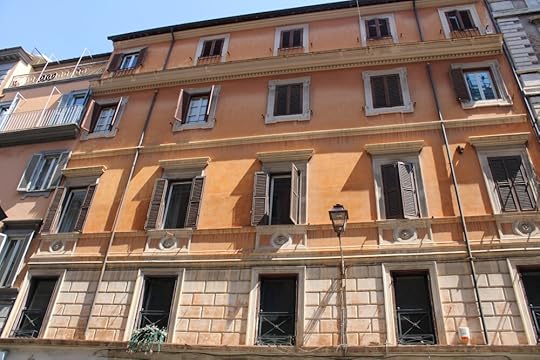
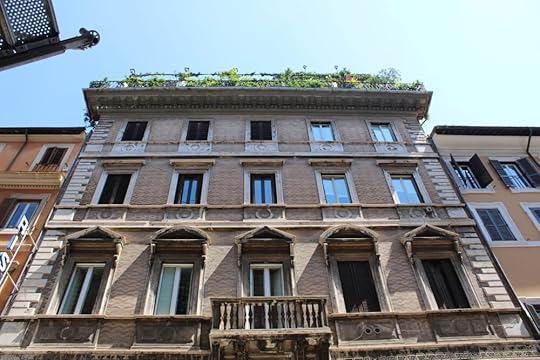
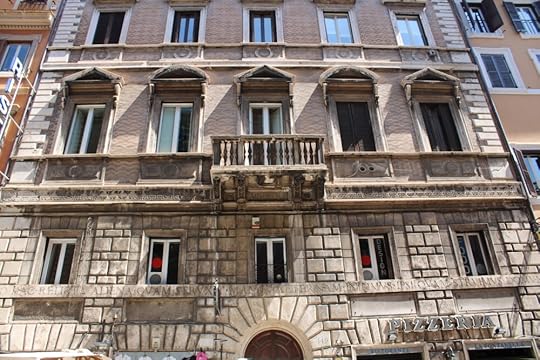
A plaque marks the building where the Polish poet, Cyprian Kamil Norwid, lived in Rome.
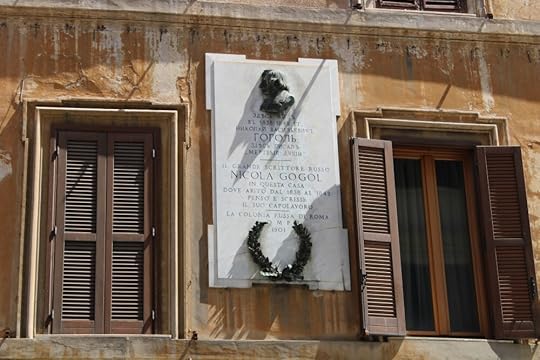
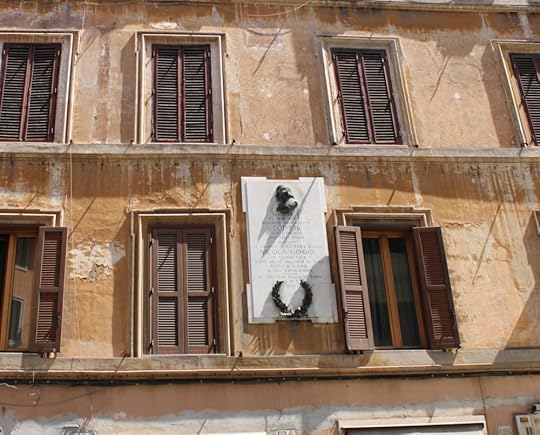
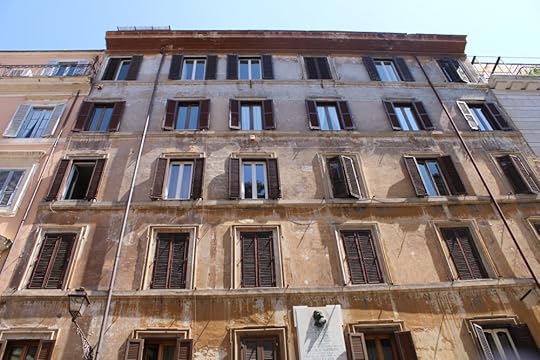
At Via Sistina, #125, another plaque marks the house where the Russian writer, Nikolai Gogol, lived from 1838 to 1842.
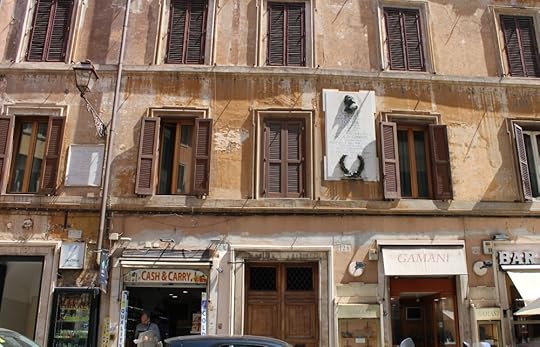
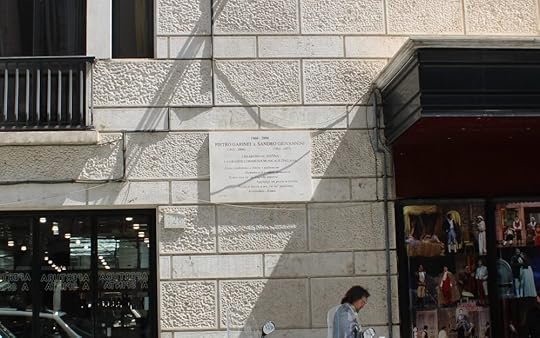
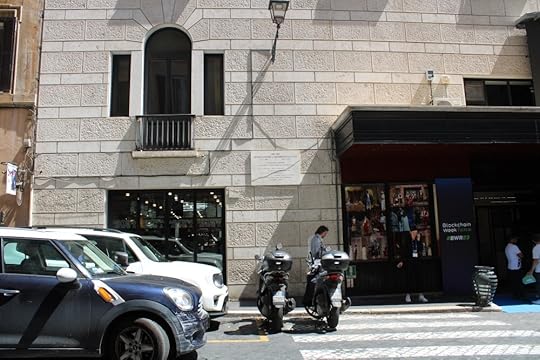
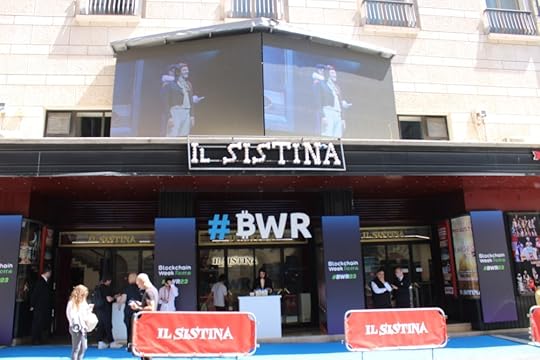
At Via Sistina, #129, you will find the Teatro Sistina. The theater dates from 1946, and was designed by Marcello Piacentini. Originally opened as a cinema, it has since become one of Rome’s main houses for musical theater. A plaque, on the facade, honors the two playwrights, Pietro Garinei and Sandro Giovannini, whose musicals were performed here. The plaque also features a list of some of their most popular songs.
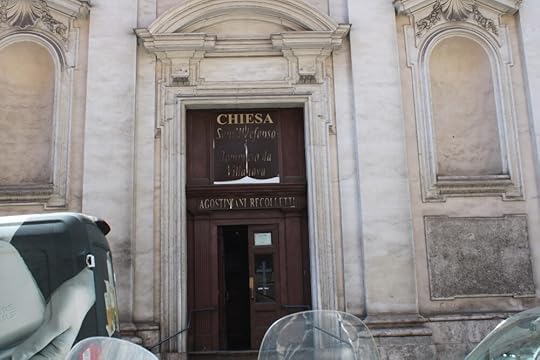
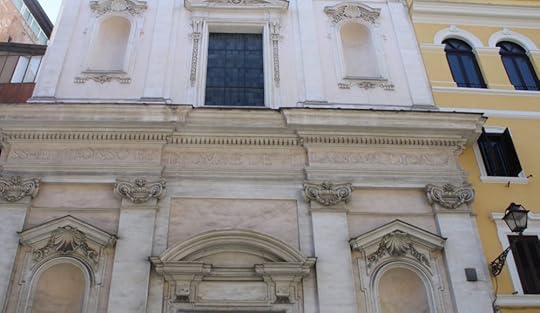
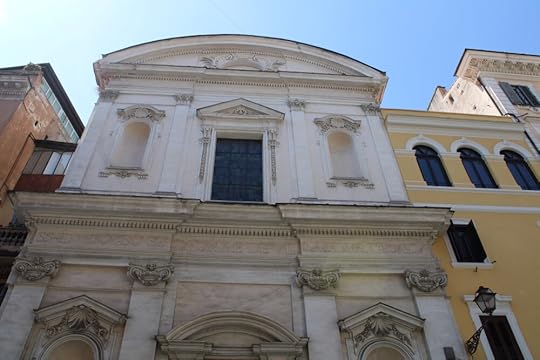
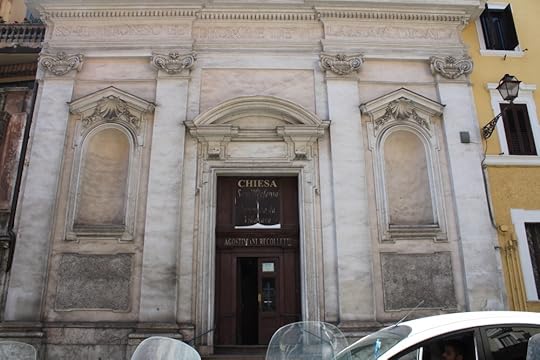
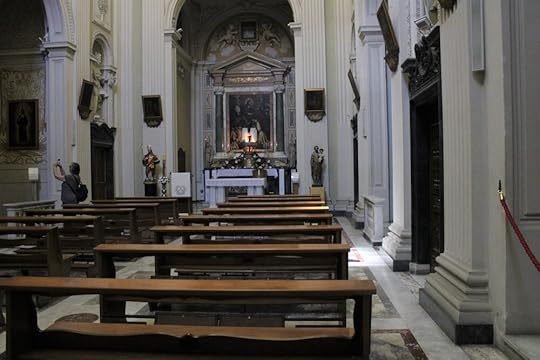
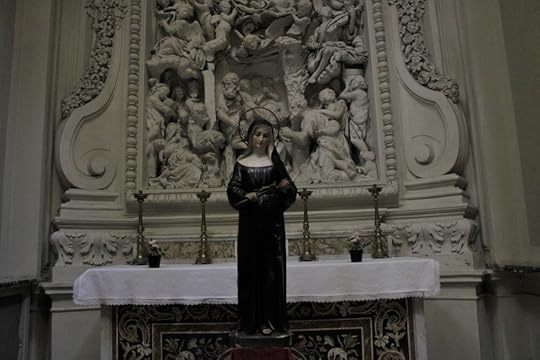
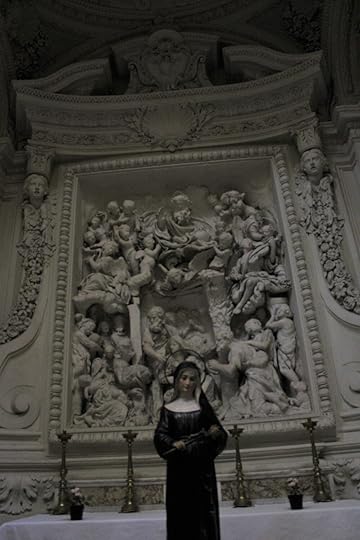
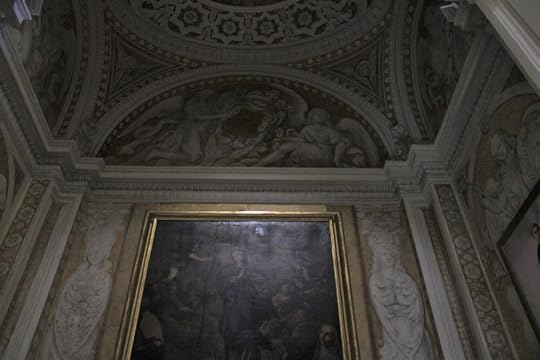
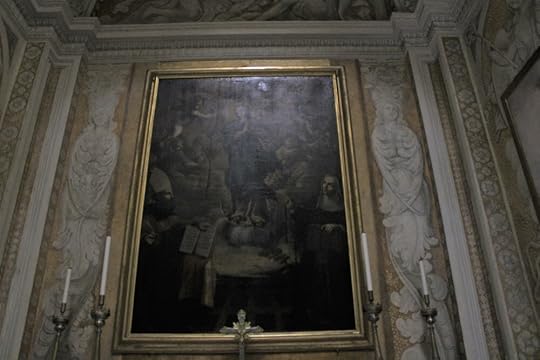
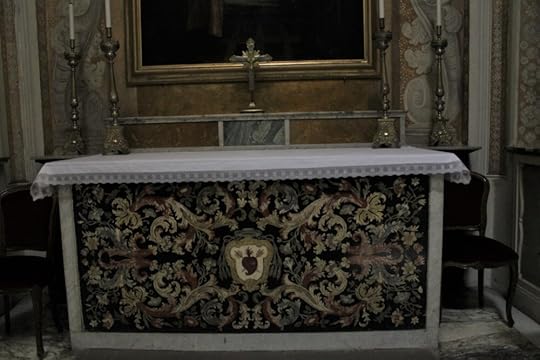
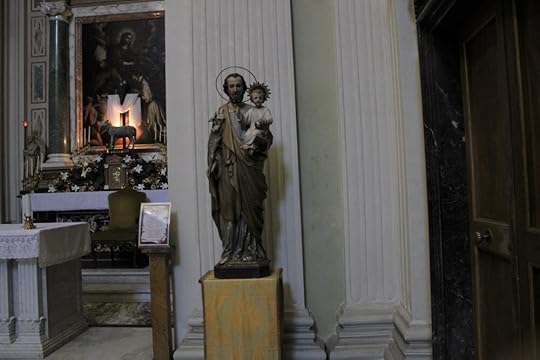
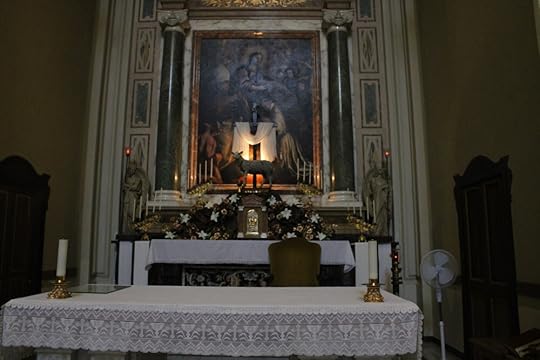
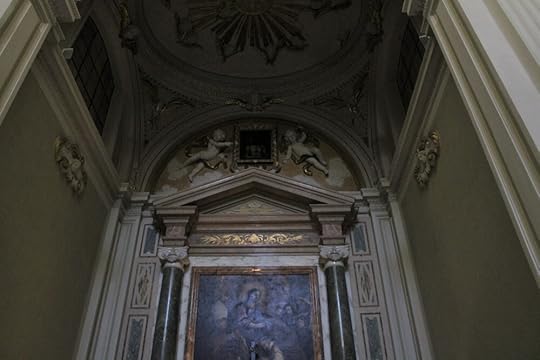
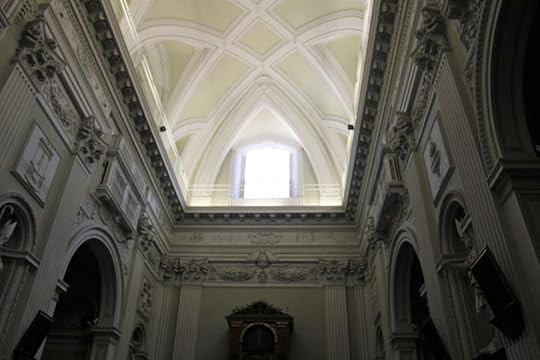
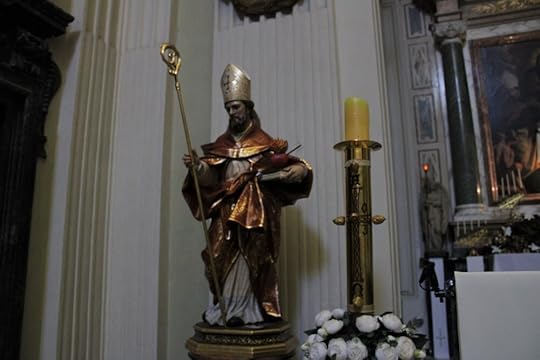
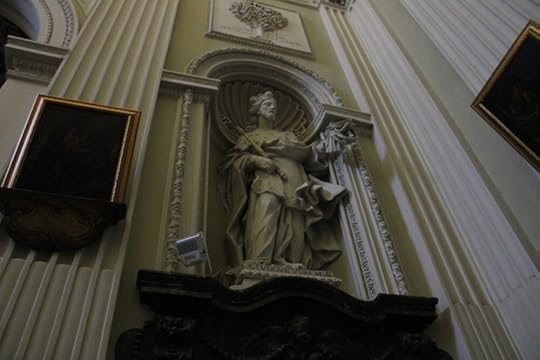
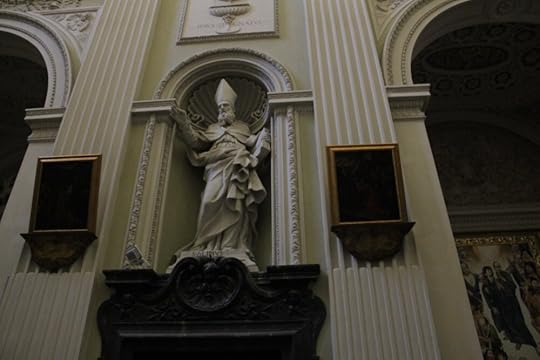
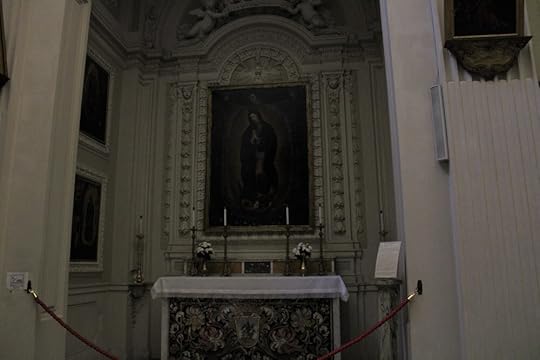
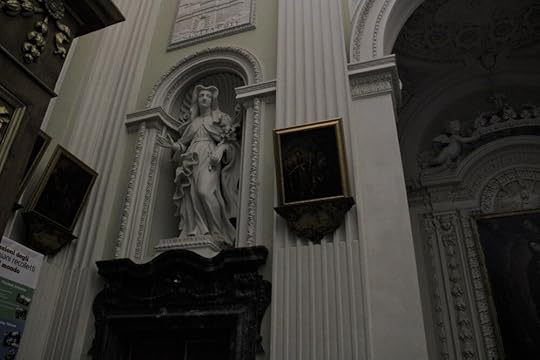
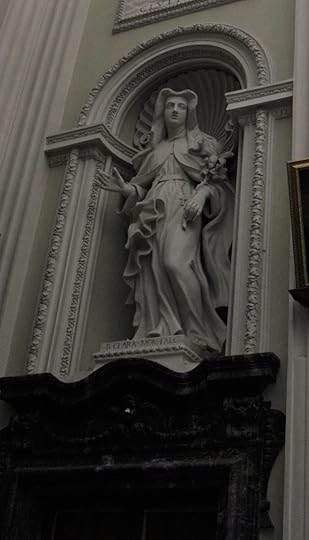
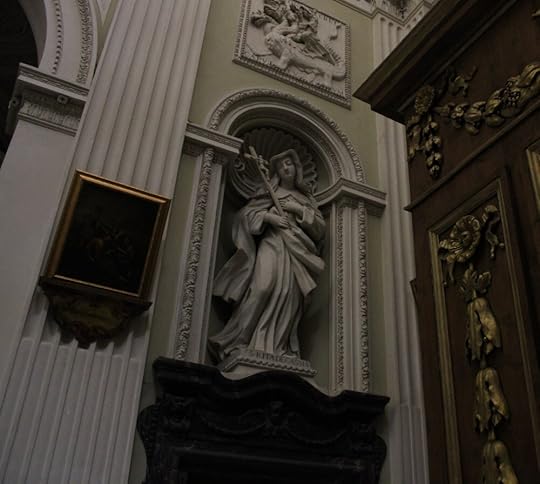
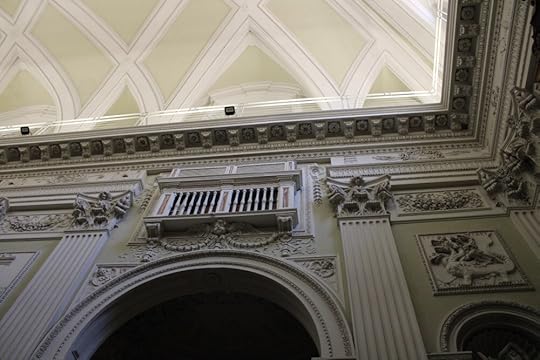
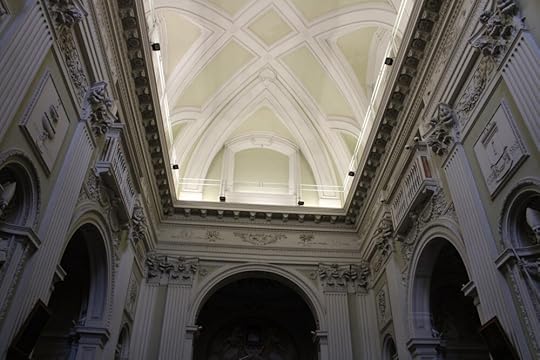
The Chiesa dei Santi Ildefonso e Tommaso da Villanova can be found at Via Sistina, #11. The church dates from 1667, and it is dedicated to the two Spanish saints it is named after. During the French occupation, the church fell into disrepair, and it was eventually deconsecrated. It was reopened for worship again later, and today, it is a lovely spot to reflect and pray.
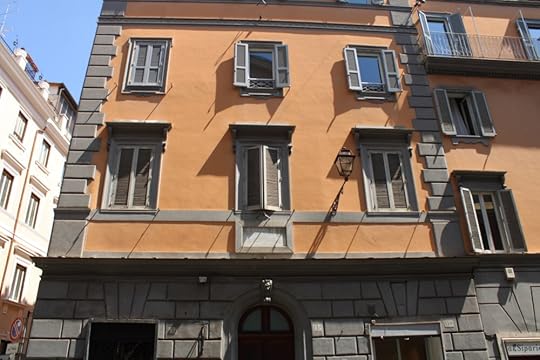
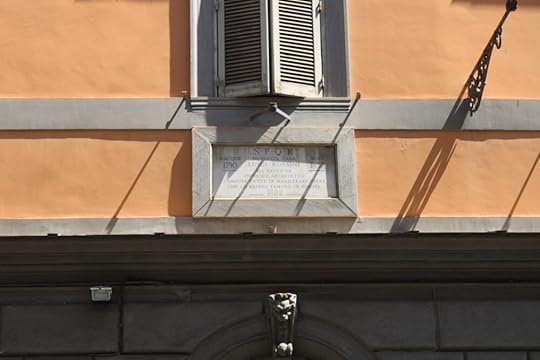
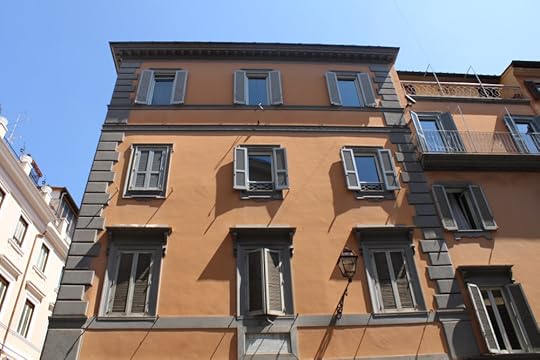
A plaque, on a nearby building, honors Luigi Rossini, an artist from Ravenna, who was best known for his etchings of ancient Roman architecture.
Next up: More surprises to come, as we continue to explore beautiful Rome!
Note: This blog is written in English, and the author takes no responsibility for the quality of any translation that may appear. If you have enjoyed this post, please, check out our archives for more posts from Rome, as well as other Italian destinations. Grazie!
January 14, 2026
Rome – Day 1 – Part 3 & Day 2 – Part 1 – Getting Our Bearings
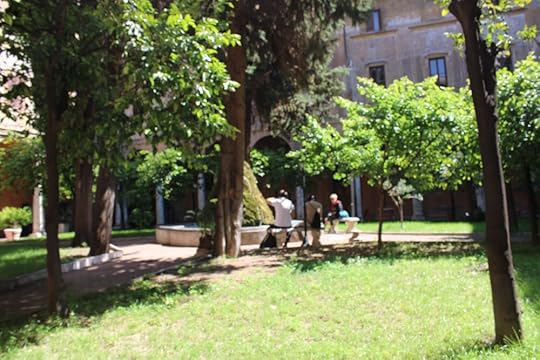
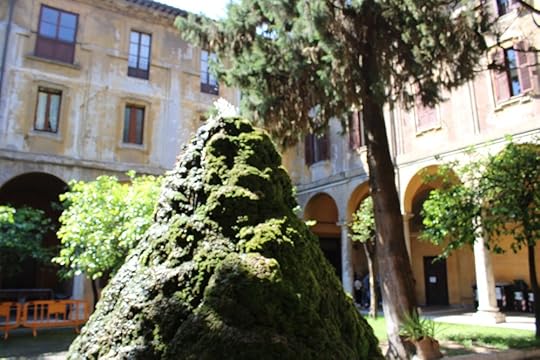
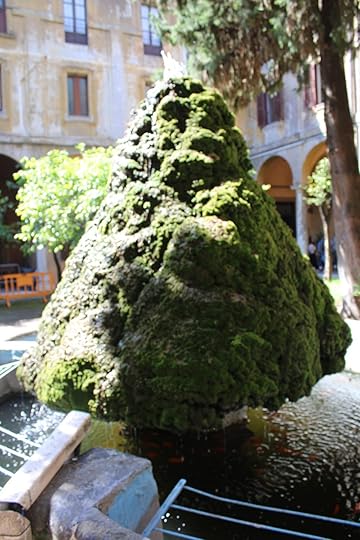
We continued to enjoy the quiet and peaceful atmosphere of the cloister of the Basilica di Sant’Andrea delle Fratte.
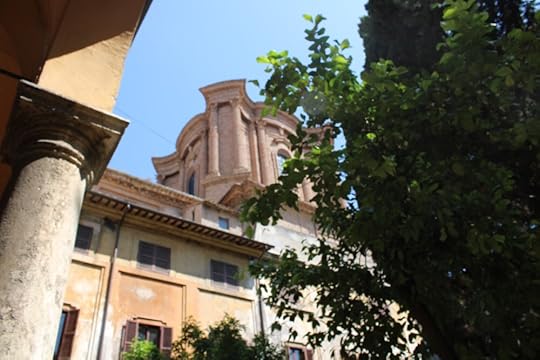
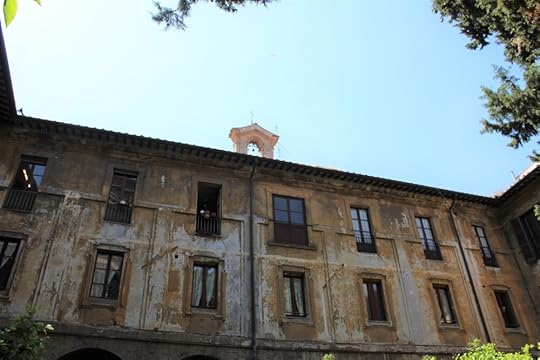
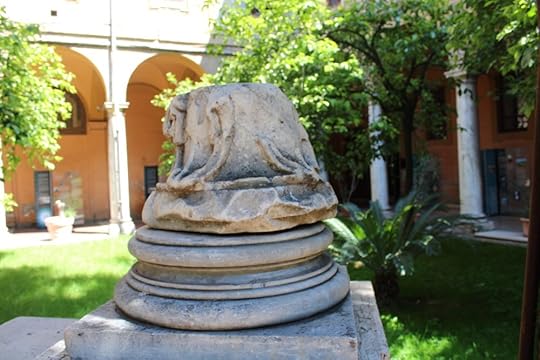
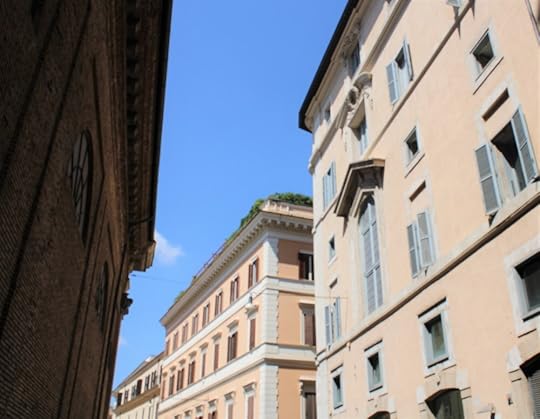
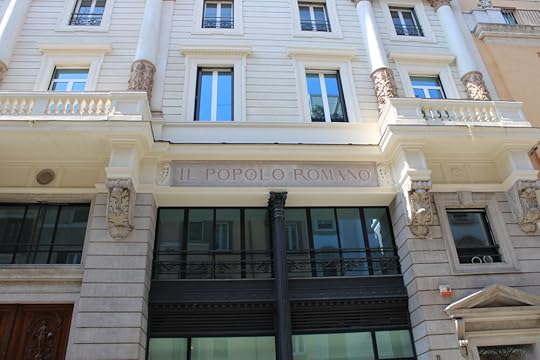
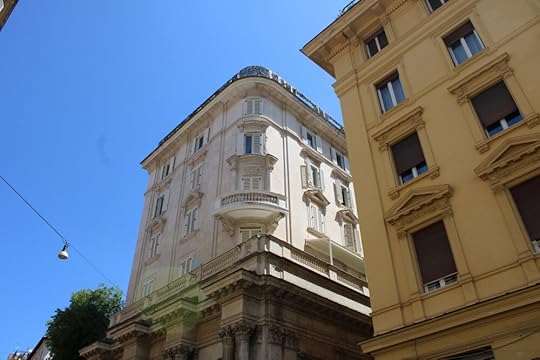
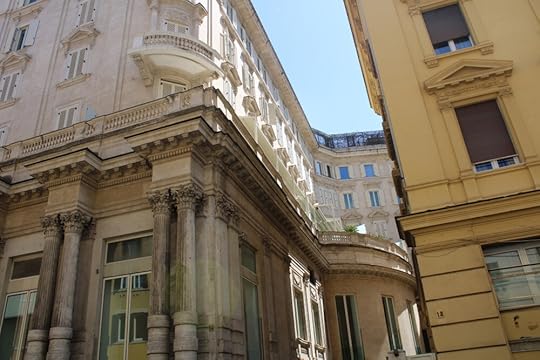
Palazzo Chauvet dates from 1886, and was designed by the architect, Giulio De Angelis. It features the name of a now defunct newspaper, Il Popolo Romano, on its facade. The newspaper, which was based in the palazzo, flourished for a few decades under the leadership of Costanzo Chauvet, who owned the palazzo.
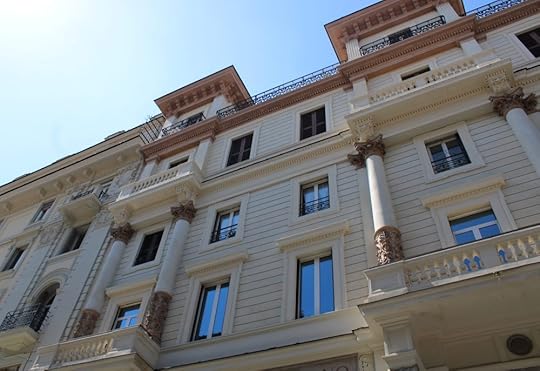
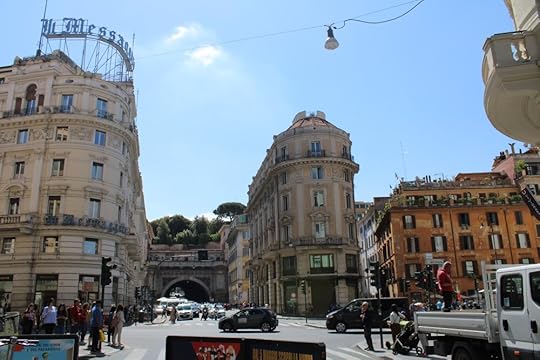
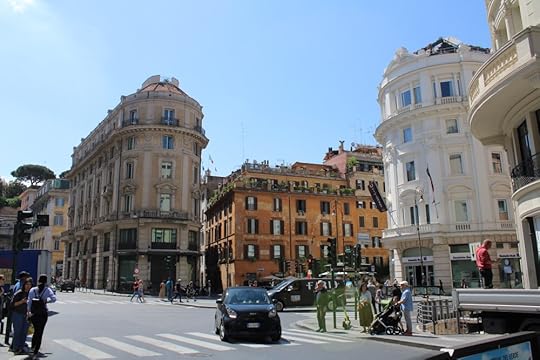
The still published newspaper, Il Messaggero, has its headquarters in what used to be the Hotel Select, on Via del Tritone.
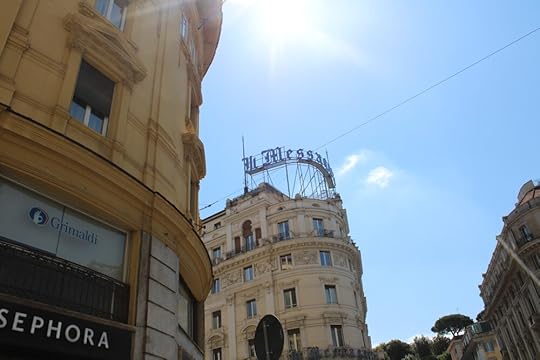
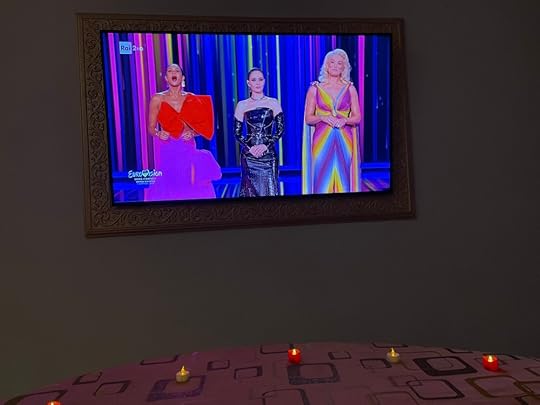
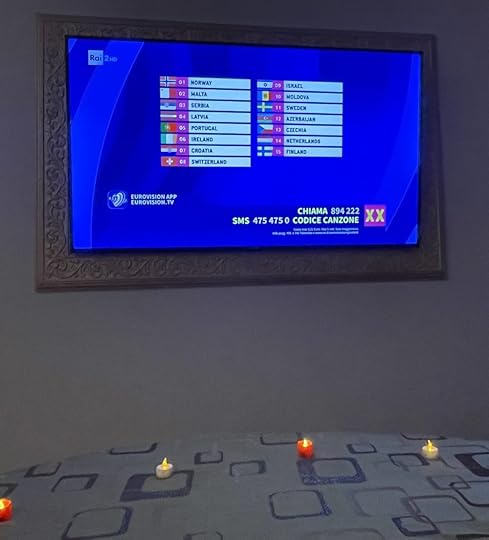
Our first evening, dinner in Rome was simple, as we had eaten a large lunch on the train, up from Napoli. We had panini and chips, while watching the first semi-final of the Eurovision Song Contest.
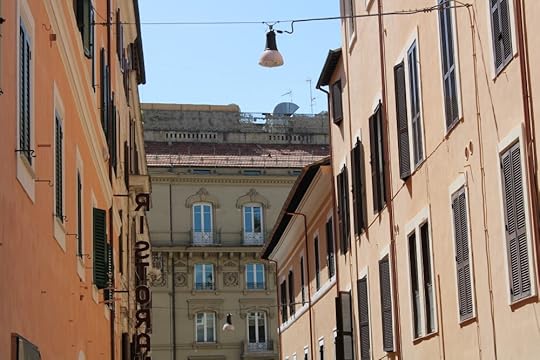
The next day, after breakfast, we headed out, to explore the area a bit more.
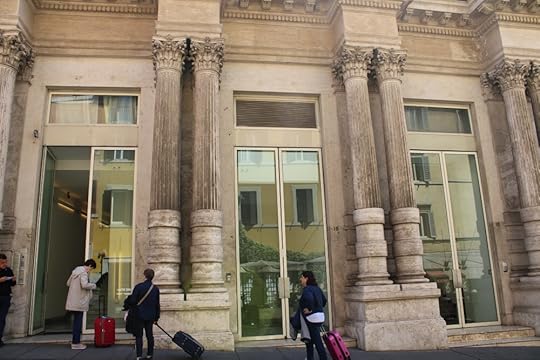
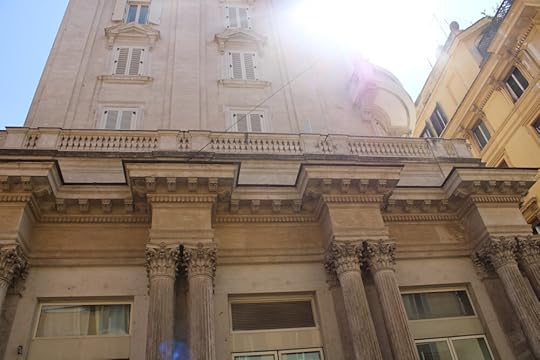
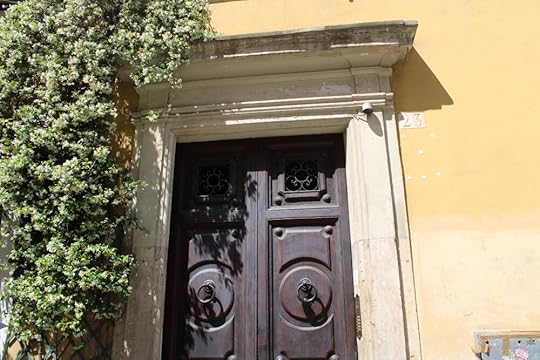
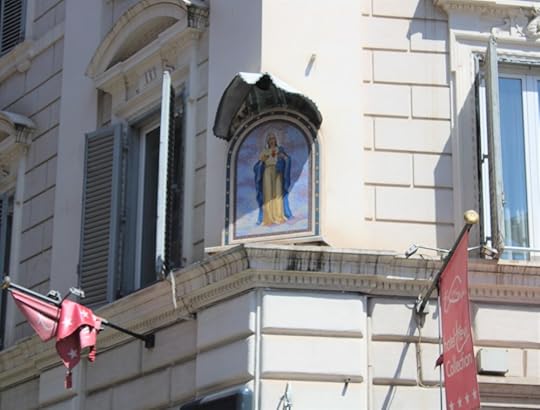
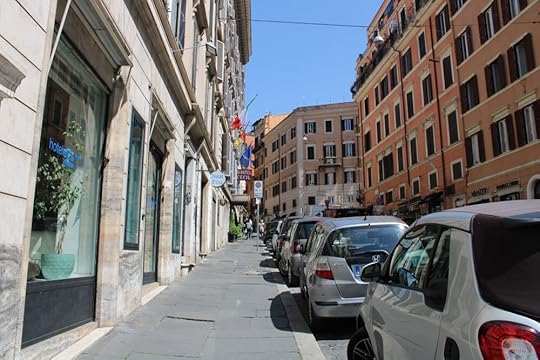
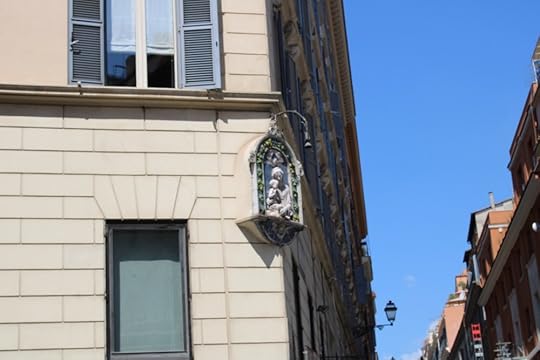
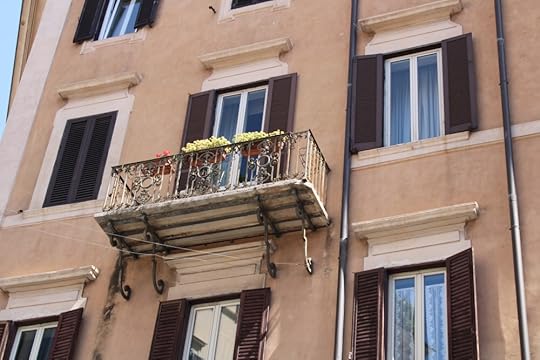
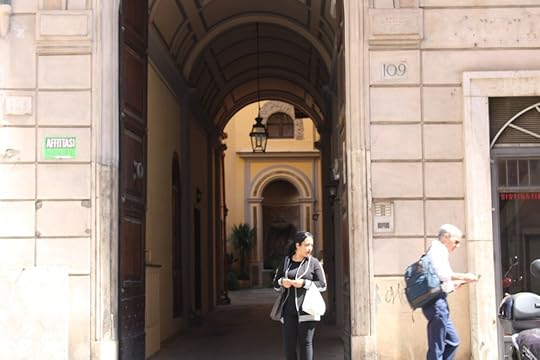
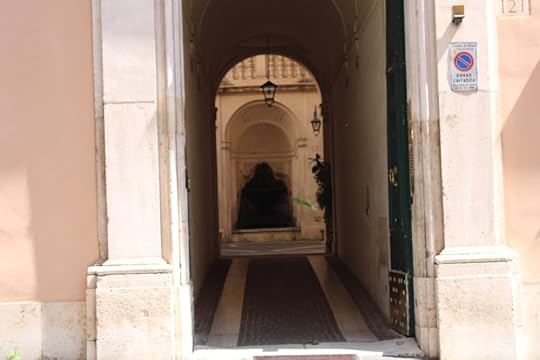
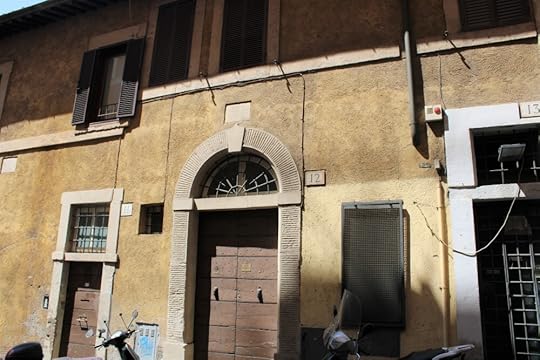
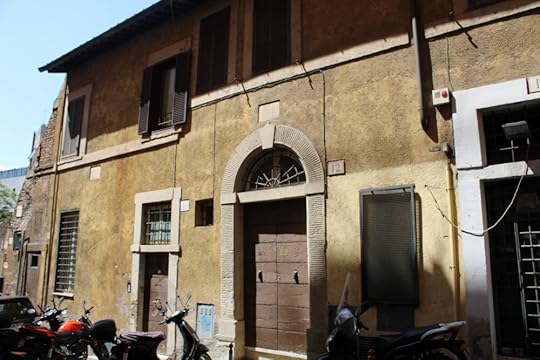
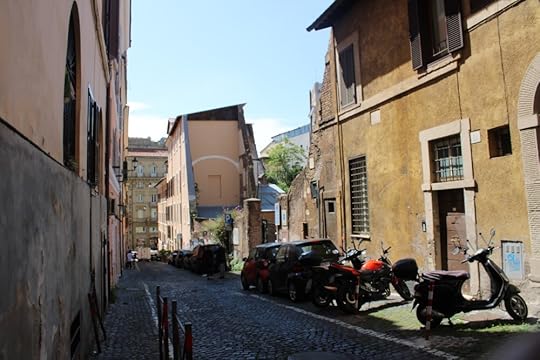
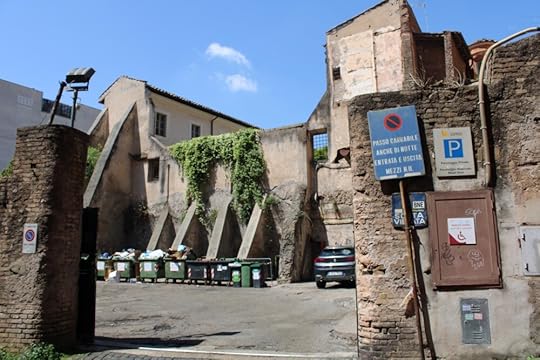
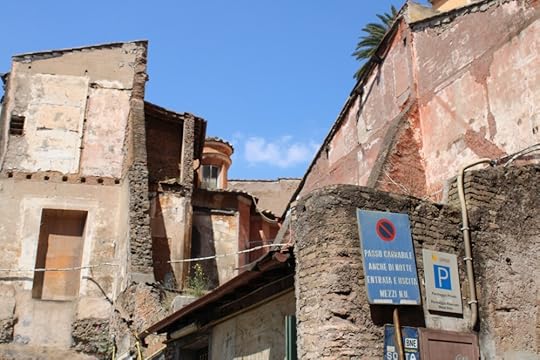
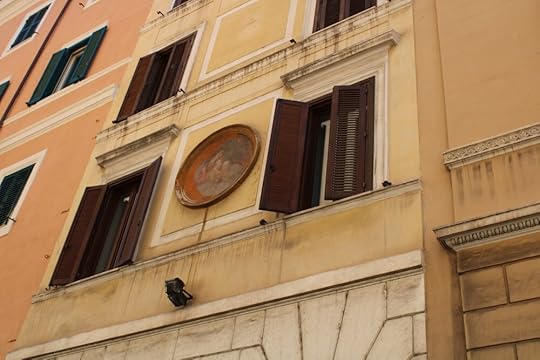
At Via Sistina, #113, you will find the Convento delle Suore Sacramentine di Maria Ausiliatrice. The building was built to house the convent in 1901, and while they were laying the foundations, they discovered the remains of an ancient Roman home.
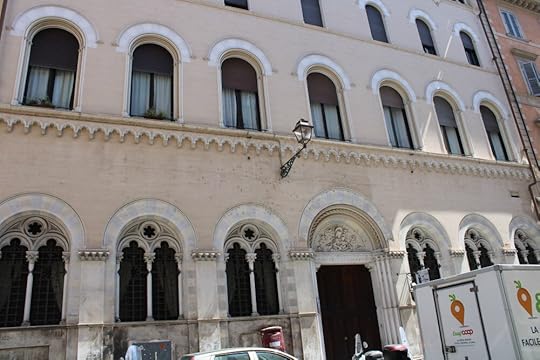
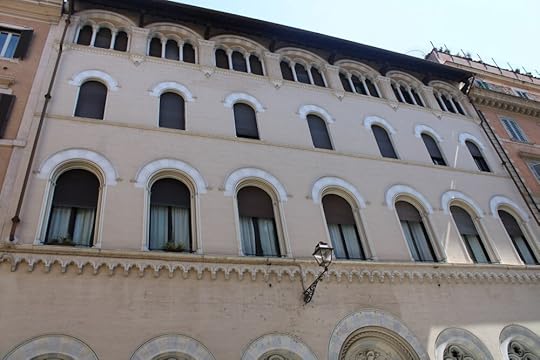
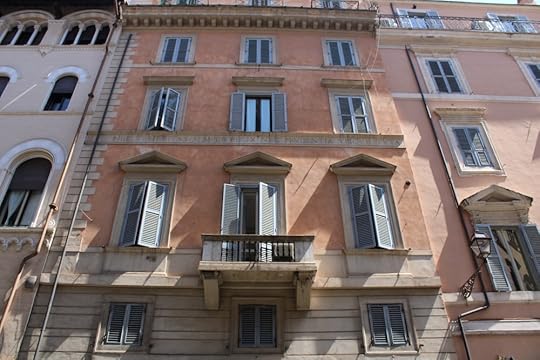
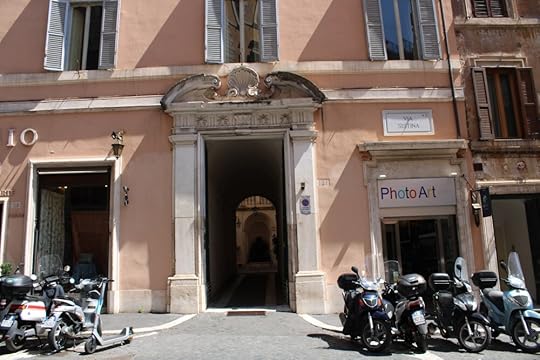
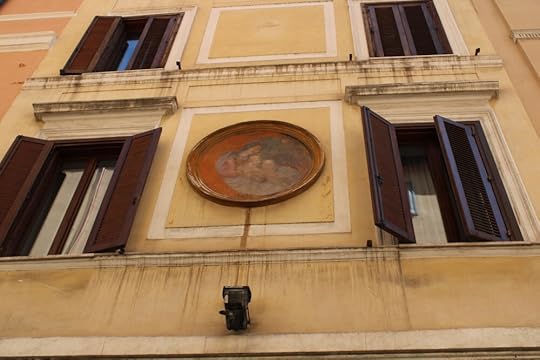
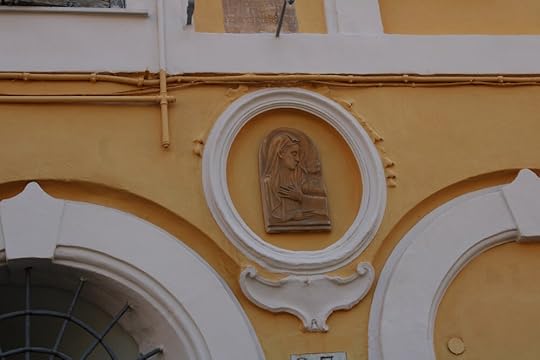
Next up: We continue to explore Via Sistina, and the surrounding area!
Note: This blog is written in English, and the author takes no responsibility for the quality of any translation that may appear. If you have enjoyed this post, please, check out our archives for more posts from Rome, as well as other Italian destinations. Grazie!
January 7, 2026
Rome – Day 1 – Part 2 – The Basilica di Sant’Andrea delle Fratte
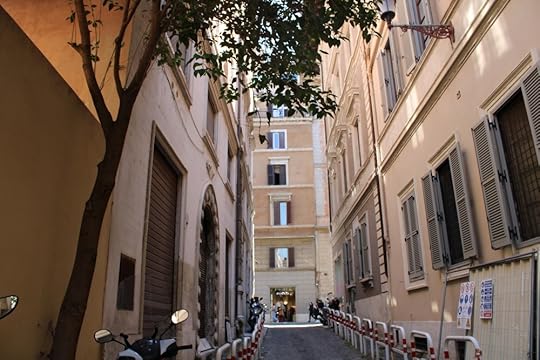
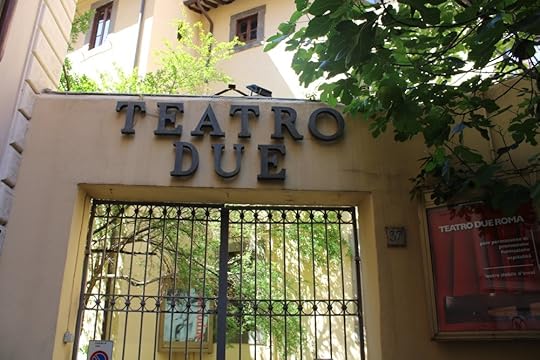
Tucked away at the end of a tiny alleyway, Vicolo dei Due Macelli, you will find the Teatro Due, which opened in 1985.
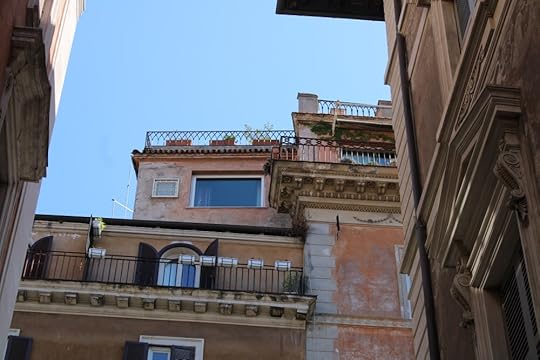
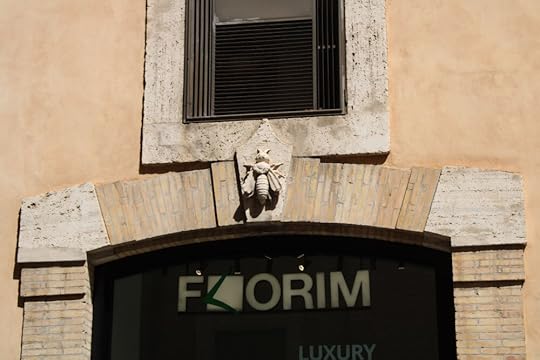
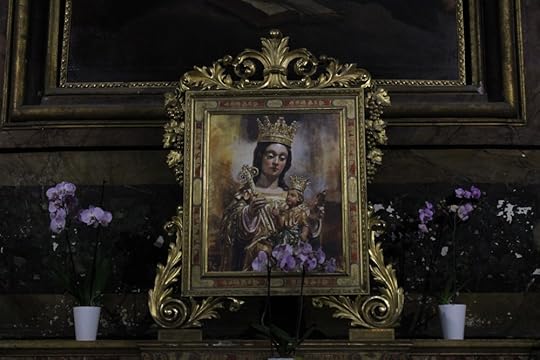
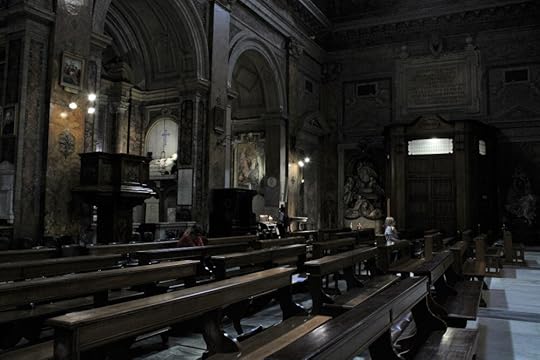
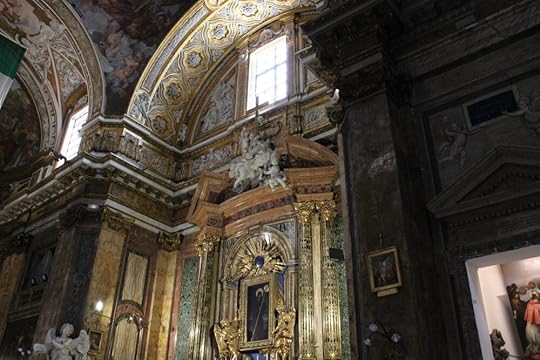
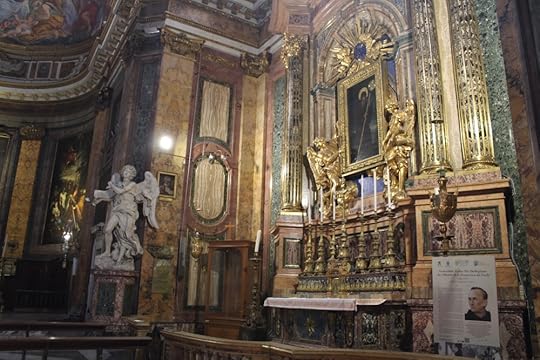
The Basilica di Sant’Andrea delle Fratte is at Via di Sant’Andrea delle Fratte, #1. The church is also known by the name of Santuario della Madonna del Miracolo, or the Sanctuary of Our Lady of the Miracle, because inside this church, on January 20th, 1842, the Virgin appeared to a Jewish, French lawyer, named Marie-Alphonse Ratisbonne. After this experience, the lawyer converted to Catholicism. The building, we see today, dates from 1653, when the 11th-century church was rebuilt to a design by Francesco Borromini.
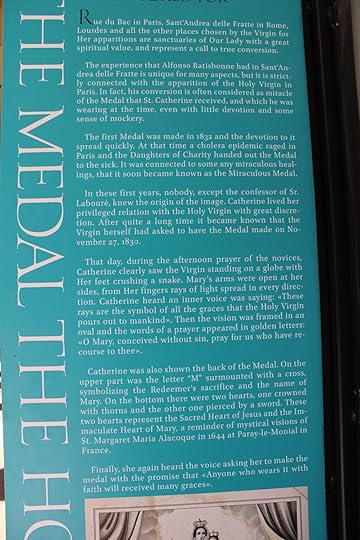
This is a truly beautiful church, and in my opinion, a MUST-SEE, when in Rome.
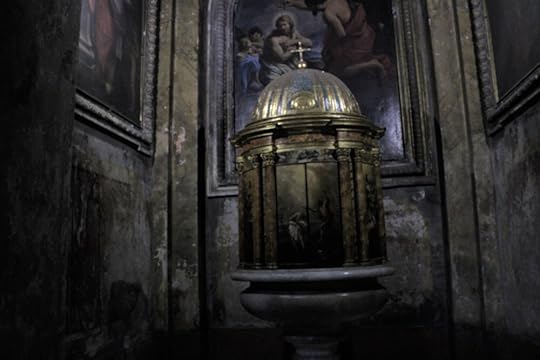
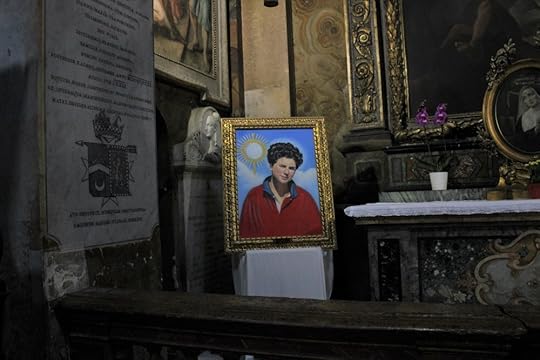
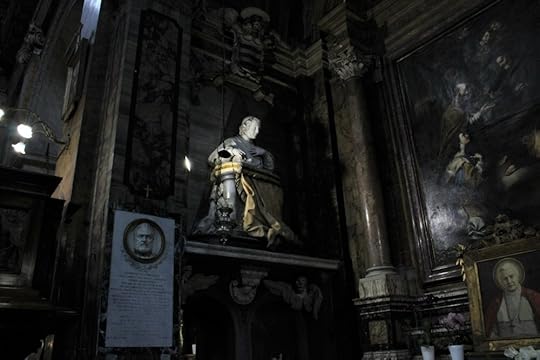
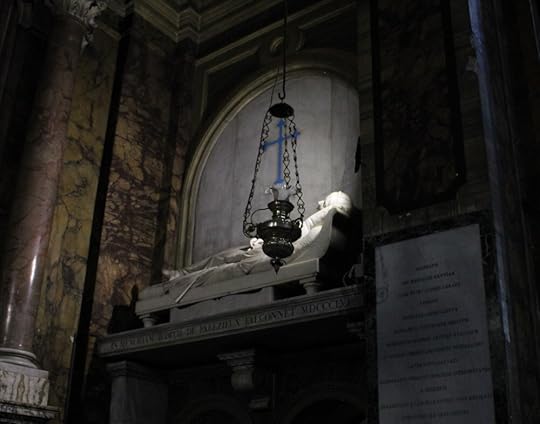
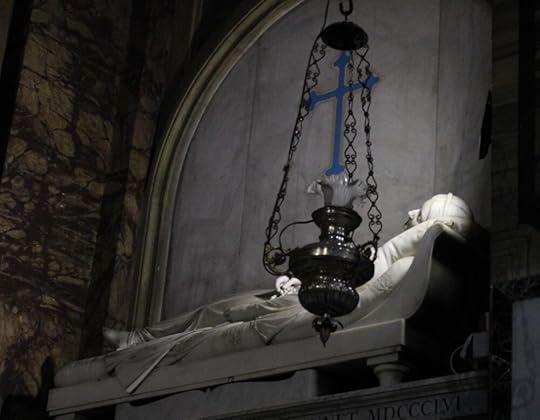
The Cappella di San Francesco de Sales houses the funerary monument of Judith de Palezieux Falconnet, who died in 1856, at the age of 16. The monument is the work of Harriet Goodhue Hosmer. It is the first artwork, by an American artist, to ever be permanently installed in a Roman church.
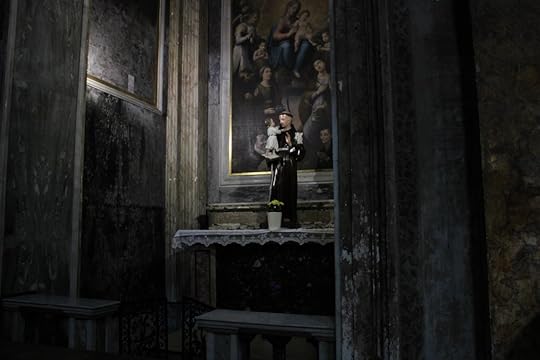
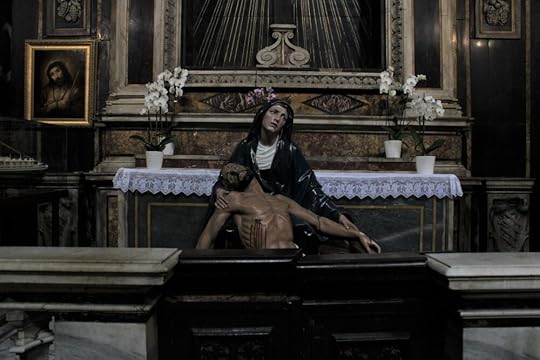
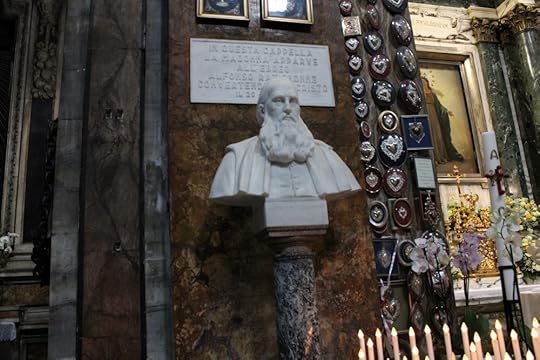
A bust of Marie-Alphonse Ratisbonne can be found against the wall of the chapel, where he was visited by the Madonna.
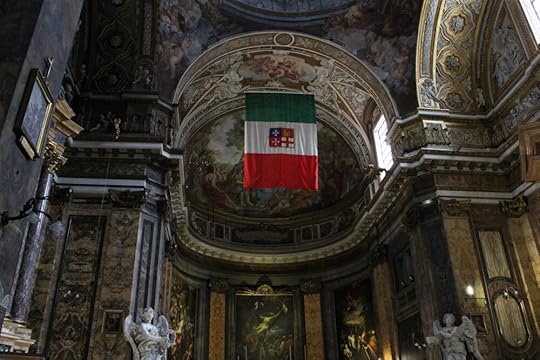
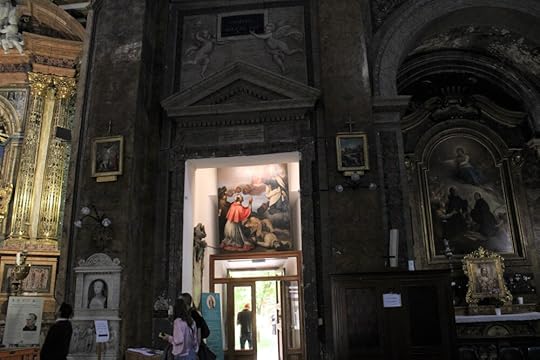
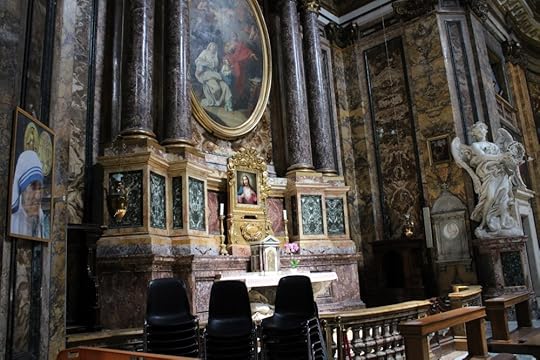
The two large statues of angels, holding symbols of the Passion, are both the work of Gian Lorenzo Bernini, and were originally intended for the Ponte Sant’Angelo. When the statues were finished, they were considered too beautiful to be placed outside, where they could be damaged by the elements. In 1729, the heirs of Gian Lorenzo Bernini donated them to this church.
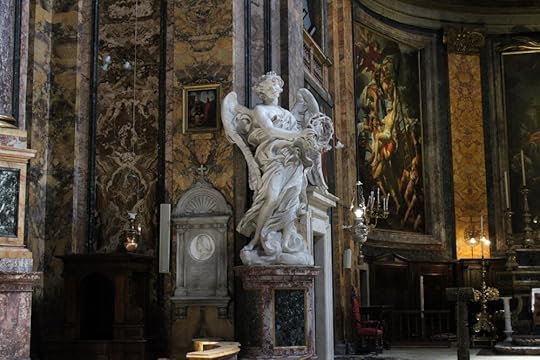
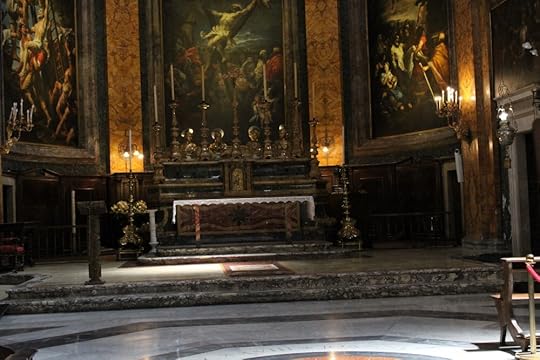
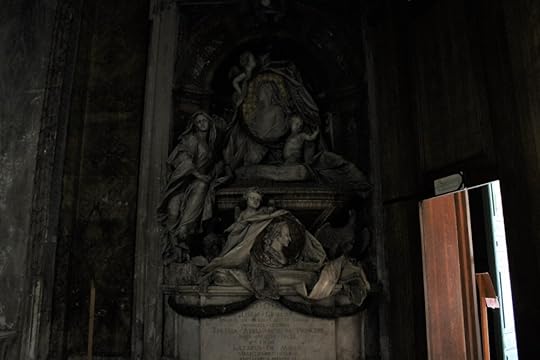
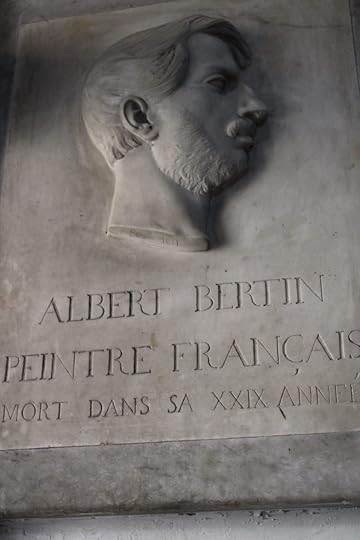
Near the side door of the church, there is a memorial to the French painter, Albert Bertin.
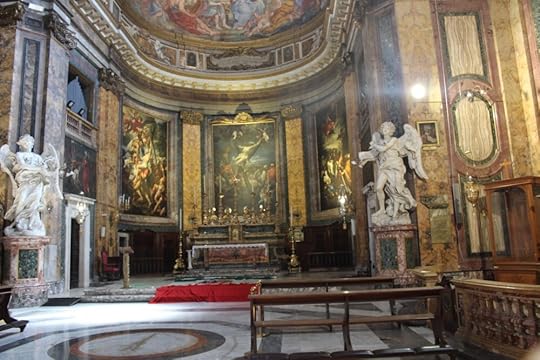
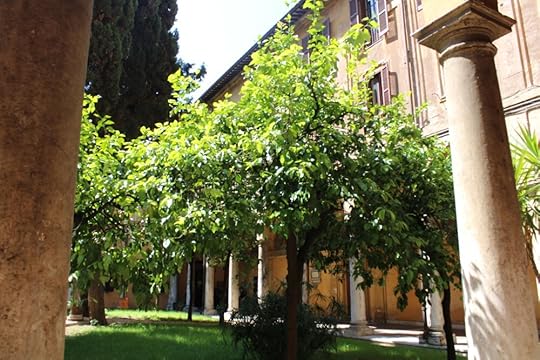
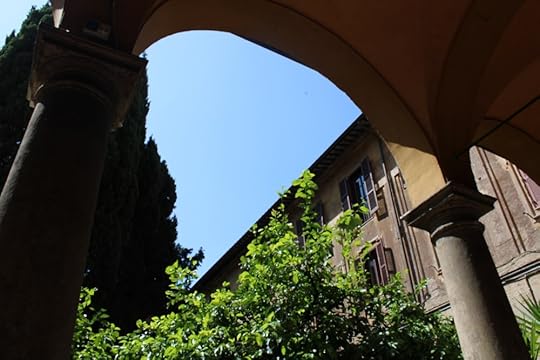
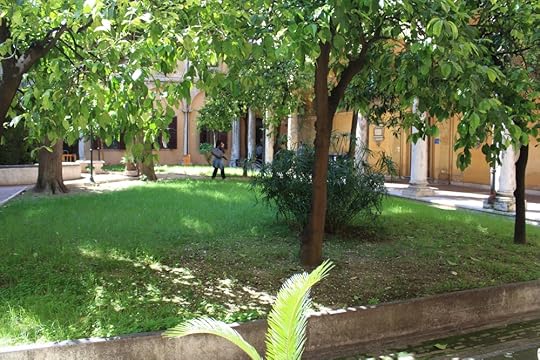
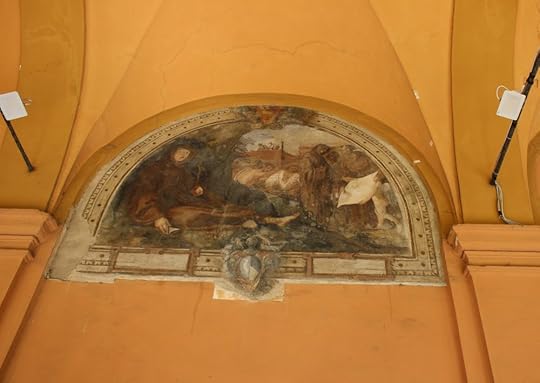
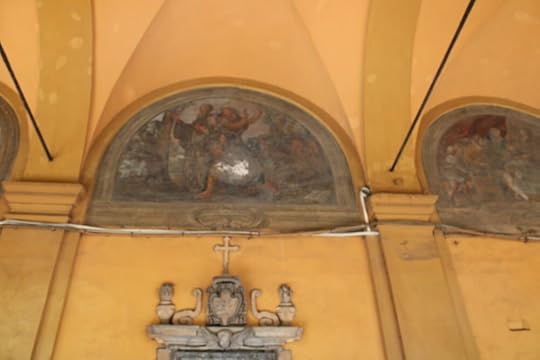
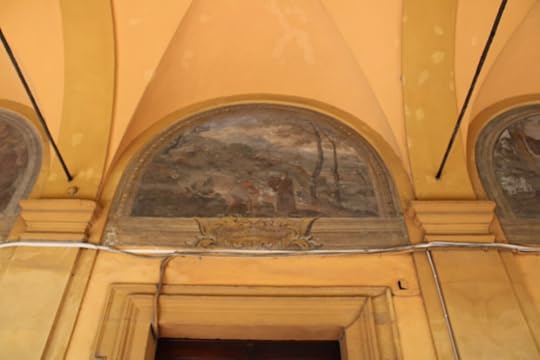
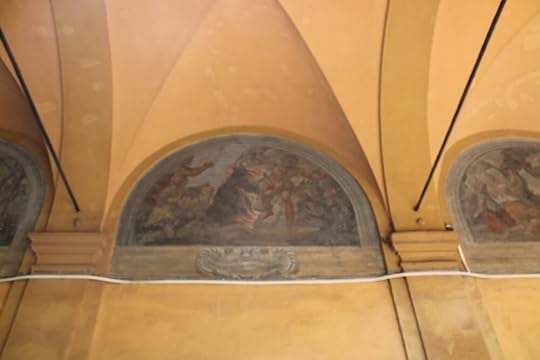
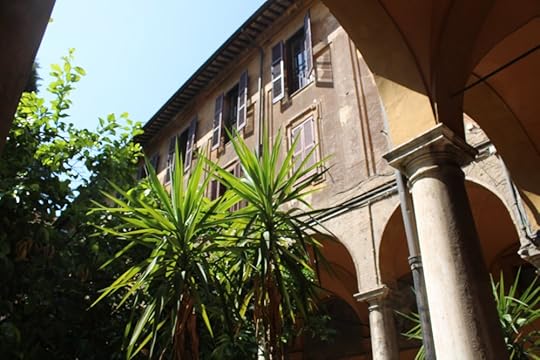
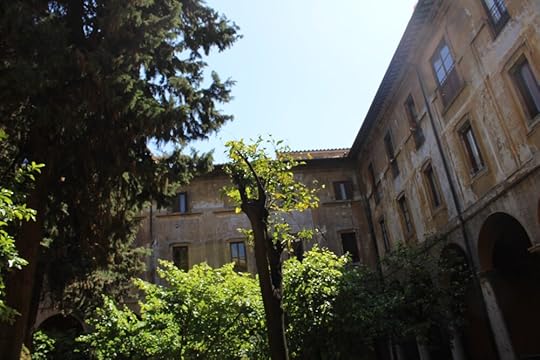
Do not miss the chance, to visit the lovely cloister! Stepping into the space, one is immediately transported out of the busy city that surrounds you, into a calming and meditative environment.
The lunettes, in the cloister, are frescoed with stories from the life of San Francesco, which are the work of Marini, Francesco Cozza, and Filippo Gherardi.
Next up: We continue to explore, and then, head to Glass Hostaria, for a delicious dinner!
Note: This blog is written in English, and the author takes no responsibility for the quality of any translation that may appear. If you have enjoyed this post, please, check out our archives for more posts from Rome, as well as other Italian destinations. Grazie!


