Annie Cardi's Blog, page 40
September 4, 2013
Links Galore
Lots of mid-week link goodness:
When number thirteen happens, I tell Walt he either has to read the book immediately so we can talk about it or I tell him the entire plot.
Great tips and mistakes to avoid in worldbuilding.
This is why I don’t bring up writing with most non-writers. (Or writers, actually. I don’t talk a lot about my WIPs.)
Fiction is my favorite, but sometimes we need a little nonfiction.
Some people come up with great titles without any problems; for the rest of us, it’s a lot of work and brainstorming.
How to successfully read in front of people (or at least not freak out).
Common pitfalls in story openings.
We should all live like a happy author.
I think the recent BBC Persuasion and Sense and Sensibility should be bumped up higher, and can we please strike Bridget Jones from the list? (Yes, I have strong feelings about Jane Austen adaptations.)
I’m kind of addicted to Dance Academy, and I had no idea that YA author Melina Marchetta wrote an episode. (If you haven’t read Jellicoe Road yet you need to now because OH MY LORD THE FEELS.)
Today in reading cuteness, pugs!
Want to learn how to write and sell children’s books from the best literary agency around (including my wonderful agent, Taylor Martindale)? Now’s your chance!


September 3, 2013
Ten Reasons Why You Should Read…How to Love by Katie Cotugno
 One exciting part of being a debut author is getting to know other debut authors and read their books before they’re released. The first Fourteenery book I’ve had the opportunity to read was How to Love by Katie Cotugno and guys–it was so good.
“But Annie,” you say, “What do you mean by so good? What makes it good?” I’m glad you asked! In no particular order, here are ten reasons why you should read How to Love:
1. Before and After
How to Love is structured with alternating before/after chapters, looking at how Reena and Sawyer first get together and if they can reunite after things get way complicated. Katie uses this structure so well. Inevitably, I’d end a ‘before’ chapter thinking “No, I have to find out what happens next!” and then read the following ‘after’ chapter and think the exact same thing by the end of that, too. Both the before and the after sections are so compelling and leave the reader with a growing sense of why this couple was/is/can’t be/has to be together.
2. Reena and Sawyer
Reena and Sawyer are one of my favorite YA couples. They’ve got major chemistry and make so much sense together, but they also make a lot of mistakes and go through a lot of tough stuff. So often I thought, “I get why these people want to be together.” It feels like a real, specific relationship. And they’re both compelling as individual characters.
3. Baby Love
Lots of YA novels that deal with teen pregnancy mostly deal with the pregnancy itself, not with the baby. I love seeing Reena’s relationship with her daughter, Hannah–it feels warm and real–and also seeing how Hannah has affected all the relationships in Reena and Sawyer’s families.
4. Kickass Writing
Katie Cotugno knows how to turn a phrase, y’all. I don’t want to spoil any of the good ones by posting them here, out of context, but there were so many great lines that sprung up naturally but really sparkled. An attention to lyrical prose is something I tend to love in books anyway, and Katie really nailed it.
5. Like a Prayer
Reena’s from a pretty Catholic family, which I thought was an interesting addition to the story. A lot of teens have religion as part of their lives, but I don’t tend to see it too much it fiction. It felt real here–it’s a part of Reena’s live, but the story itself doesn’t focus on that.
6. Life Happens
A few times throughout How to Love, life happens–trauma and frustration and those things you never expect to happen to you. I love that Katie took the plot in those directions. Again, it all felt real, just like when you get those scary phone calls in real life with news that something bad happened.
7. Laughter
Like the kickass prose, there are lots of funny lines throughout, too. In a novel that has a lot of serious life stuff going on, these comic moments were perfectly timed and well earned.
8. Flirting
Okay, so I’ve already expressed my love for Reena and Sawyer above. But I especially seeing them flirt and developing their relationship. It felt like seeing two charismatic people flirting, not just two stock characters. Major swooning, guys.
9. Family Ties
Both the Monteros and the LeGrandes felt like real families, and I liked that the families had a history, not just Reena and Sawyer. A lot of stories neglect the extended relationships, like family friends and friends’ siblings. The relationships in How to Love felt expansive in the best sense of the word; Reena’s world felt complete for me.
10. Katie Is Awesome
In case you need any more convincing, How to Love author Katie Cotugno is pretty much the coolest. She’s smart and funny and bakes a mean crumble. If anyone is going to be your new best author friend, it’s Katie.
The good news? Katie is a member of the Fourteenery, but her book is being released in October, 2013. That’s right–next month! So get preordering already.


August 30, 2013
Friday Fifteen
Happy Labor Day weekend! Let’s kick off the long weekend with a few book reviews in fifteen words or less:
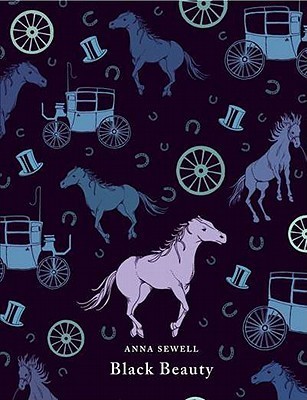 Black Beauty by Anna Sewell
The closest I got to going through a horse-book phase.
Danny and the Dinosaur by Syd Hoff
Somehow the dinosaurs at the museum never talk to and come home with me.
Saint Joan by George Bernard Shaw
Read as summer reading for my 10th grade history class; ended up really enjoying it.
Poetics by Aristotle, translated by Malcolm Heath
The original discussion about writing and art. Would like to reread selections.
Ruby by Francesca Lia Block
Magic + fangirl. Stayed with me, but didn’t hold together as well as I wanted.


You Are Neither Here Nor There: Seamus Heaney
 Today the poetry world is saddened by the loss of Nobel Prize-winning poet Seamus Heaney. Some of his most famous works include Death of a Naturalist, North, and a translation of Beowulf.
I had the opportunity to see Seamus Heaney read when I was in college, during the Virginia Festival of the Book. He was an excellent reader (which isn’t always the case for even talented and accomplished poets) and really engaged the audience. At the time, I was also taking poetry classes (both literature and writing) and had read several of Heaney’s poems. They’re expansive but intimate, and the language is clear but has really awesome turns of phrase throughout. One of my all-time favorite poems is his “Postscript,” particularly the last lines:
You are neither here nor there,
A hurry through which known and strange things pass
As big soft buffetings come at the car sideways
And catch the heart off guard and blow it open.
Make sure to read the whole poem, and to check out Heaney’s other work if you’re not familiar with it already.


August 29, 2013
Stay out of My Margins
From Brain Pickings, a discussion of marginalia from How to Read a Book, by Mortimer Adler and Charles van Doren:
“Full ownership of a book only comes when you have made it a part of yourself, and the best way to make yourself a part of it — which comes to the same thing — is by writing in it….Marking a book is literally an expression of your differences or your agreements with the author. It is the highest respect you can pay him.”
My reaction:

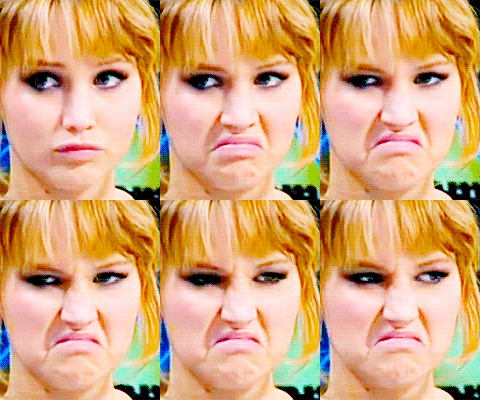
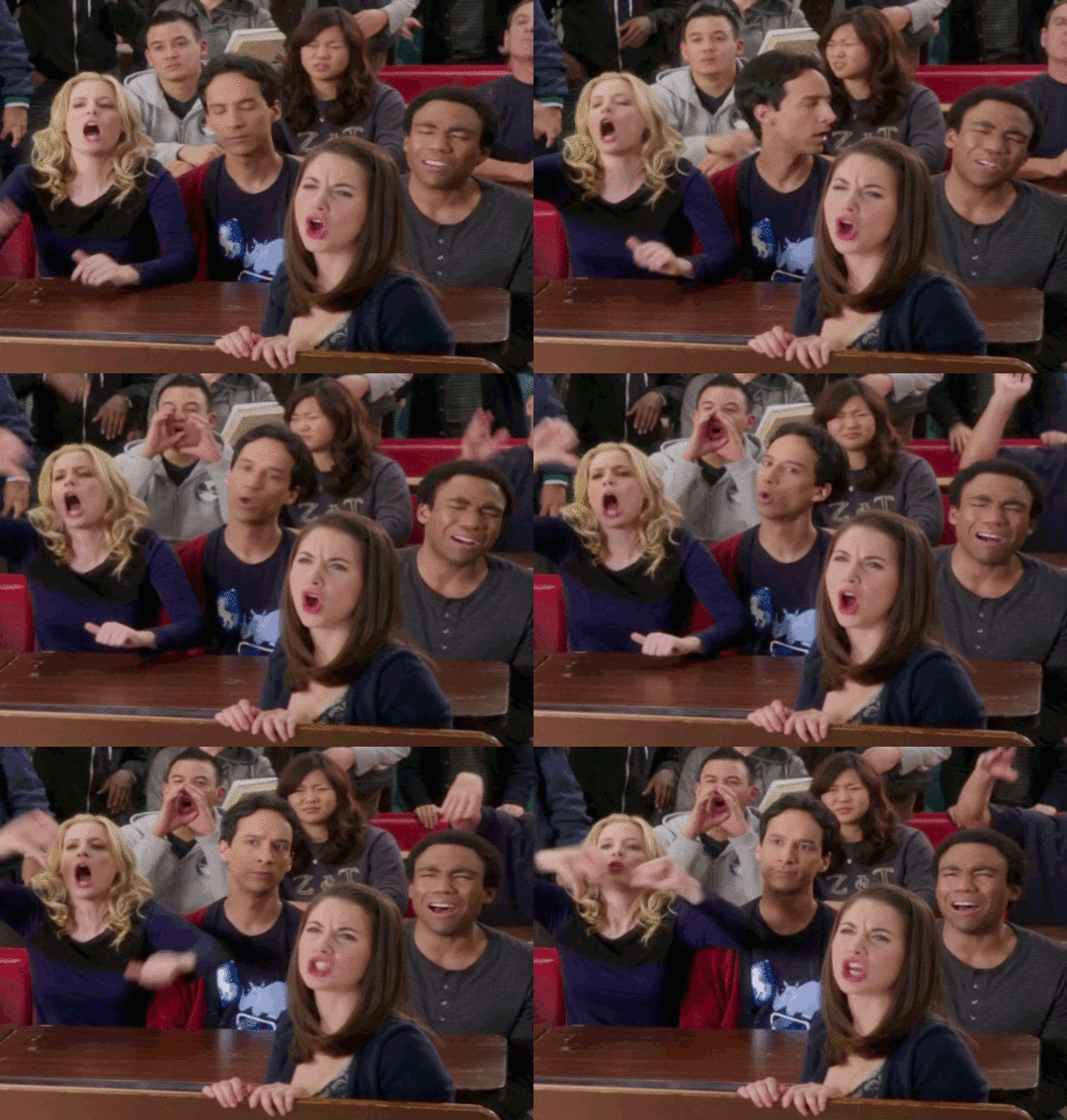
I do not understand marginalia. Why would I want to take myself out of the reading experience by grabbing a pen and marring the page? If I really want to remember a particular line or phrase, I’ll jot it down elsewhere, like in a writing notebook. And what if I want to reread the book later? I don’t want to see my old notes–I want a fresh reading experience.
Reading a used book with someone else’s marginalia also feels wrong. 99% of the time, the notes aren’t enlightening or cool or funny or witty–they’re just annoying. Get out of my reading experience, former reader!
Team Anti-Marginalia*!
*I will, however, allow Billy Collins’ poem “Marginalia.”


August 27, 2013
Links Galore
A few links for your Tuesday:
Required reading then and now, and other interesting youth reading stats.
Ridiculous explanations for why adults read YA, aka a hilarious take on every article written about adults who read YA.
I love a good last line.
This list of coming-of-age novels focuses mostly on the classics, but I bet there are lots of YA suggestions that could easily fit in.
The life cycle of a library book.
A.S. King on the journey to publication and her #1 writerly rule.
Lois Lowry to receive the Best of Brooklyn Award, should also receive all the awards ever.
No matter what your genre, you can probably find an example of a query letter that worked.
The air is getting cooler, the days are getting shorter–just the right time for back-to-school book recommendations.


August 26, 2013
Word Counts and Making Words Count
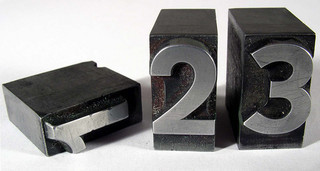 Sometimes on Twitter I’ll see fellow writers post things like “1k down and it’s not even 10am! Not a bad morning,” and “Finally hit 60k on this manuscript!” and “Trying to eek out another 5k this weekend.” When writing, word counts can be a good way to keep track of the work you’ve done and the work you have left to do. It’s satisfying to see those numbers creep up and get you closer to a complete story.
Confession: I don’t do word counts.
If you asked me, “Annie, how many words is The Chance You Won’t Return?” I’d get all shifty-eyed and say, “Oh, um, like 80? 80k? That’s a number, right?” And really, I can only estimate that from when I was adding my word count to my queries. My current WIP? I honestly have no idea what that word count is. I think I’m about a third of the way through the story, but I have no idea what that means for how many words will end up on the page.
I can totally see how keeping word counts and setting word count goals is a fantastic way to keep motivated and have a better sense of how your novel is growing. But I get more motivated by seeing sections done and by knowing that the scene that’s been in my head for a while is finally written. Maybe it’ll take a hundred words or maybe it’ll take ten thousand. To me, the actual word count doesn’t mean anything in relation to what I’ve put on the page.
The first time I saw people reference word counts in relation to their own writing routine, I thought there was something wrong with me. Should I be keeping track of how many words I write when I sit down with my WIP? How much is enough? What’s normal? Aren’t 5ks road races?! But I’ve come to learn that it’s okay if I don’t track my progression by word count. It doesn’t mean I’m not getting work done or that I’m not as professional as other people. It just means that I have a different process. And with writing, there are so many different processes you can use to keep working. Don’t feel pressured to hit 2k on a given day just because someone else on Twitter has. Do what works for you and your story. Make your words count–no matter how many of them are on the page.
(image: Willi Heidelbach)


August 23, 2013
Friday Fifteen
Man, did I need Friday. Let’s celebrate with a few fifteen-word (or fewer) book reviews:
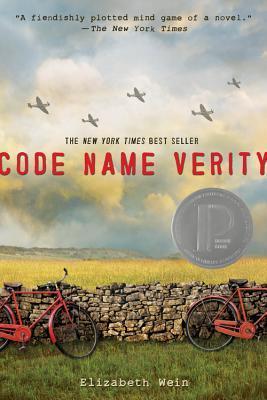 1. Code Name Verity by Elizabeth Wein
Now I know what everyone’s been raving about for the last year. Read it now.
2. Goodnight Moon by Margaret Wise Brown
Wasn’t a read-aloud in our house; what stands out for me is the color palette.
3. A Man for All Seasons by Robert Bolt
I watched a few episodes of The Tudors and recognized characters because of this play.
4. All My Friends Are Dead by Avery Monsen and Jory John
I should read this aloud to houseplants as a warning.
5. Claudia and the New Girl (The Baby-sitters Club, #12 by Ann M. Martin
I learned about Andrew Wyeth from this book. Well played, Martin.


August 21, 2013
Wednesday is for W.O.W.
Today I’m interviewed as part of the Writer Odyssey Wednesday series at Chasing the Crazies. Amy and I talk about querying agents, the inspiration for The Chance You Won’t Return, getting through the rough times, and my favorite piece of writerly advice. Thanks so much to Amy for including me in this fabulous series!
Click through for all the interview goodness, and check out the previous author interviews in the W.O.W. series.


August 20, 2013
Links Galore
A few good links for a Tuesday afternoon:
A great article that’s been making the rounds about how female characters can be more than just “strong.”
Are you dooming books on your TBR pile?
Fellow ’14-er Michelle Krys debunks writing/publishing myths like how your idea is completely original.
Yep, definitely not going to see the Ender’s Game movie.
I probably shouldn’t have been surprised to learn that some public libraries receive no state funding.
Emma Watson’s got lit style.
Well I know what bookends I need now. (Wahoowa!)
Famous authors and their favorite writing tools. In fifty years, will we be listing different computer models and word processing software?
Very helpful post on how to read a royalty statement.
Good news for authors and readers–Barnes and Noble and Simon & Schuster have resolved their dispute.
Love the idea of an anti-resume for all the jobs/publications/grants/fellowships/etc. that you didn’t get. (via Emily Kaye Lazzaro)