David L. Atkinson's Blog, page 53
March 8, 2016
Writing - International Women's Day and good manners
So today is an extra day for women as if they don't have enough!!!!
Did I really dare to write that?Ask any married man or a man in a long standing relationship who controls the days and you will be left in no doubt that it isn't him.
Seriously though there are good historical reasons for such a day and even after almost 40 years of legal equality things are still not as they should be.
[image error]
There are many ways in which this day have been heralded and one of them which, as a writer, attracted my attention is the writing of a post card to your younger self by a number of well known women. Nicola Sturgeon, First Minister of Scotland, was quite brief.
[image error]Nicola Sturgeon
Nicola, be yourself and don’t be afraid to be your own woman in politics. It may feel as if politics is a man’s world but don't feel pressure to act as some male politicians. Don't let other people put limits on your ambition - work hard, learn from your mistakes, believe in yourself and always follow your dreams.
There is a contribution from a writer which is unsurprisingly more verbose.
[image error]Lady Antonia Frazer
“You don’t look clever.” I was 17. I shall always remember my pleasure and relief when I heard those words, spoken by the brother of my best schoolmate Lucy. She had obviously boasted of having “a clever friend” and now it was up to me to fool him: the more brainless the better. That way he would undoubtedly find me attractive.I wish I could go back and tell Antonia Pakenham aged 17 not to be such a fool (so much for being clever). Intelligent people are always attractive to other intelligent people - and who wants to be pursued by idiots? Well, maybe I did, if the idiots were tall, dark and handsome.So I wish I could assure my young self in addition that where both men and women are concerned, intelligence lasts far, far longer than looks and makes life infinitely more fun.
Interesting!
Finally, from Hollie McNish a poet and spoken word artist who wrote the card to her 8 month pregnant self in reaction to a tube journey with a few thousand other commuters.
[image error]Hollie McNish
Perhaps they’re as stressed as you. Breathe, be confident, don’t worry that your face will go beetroot red and just say: Excuse me, please can I sit there, I’m pregnant. You are allowed to ask. You’re right, you shouldn’t have to, but just do it. I know you need the toilet and above all else, you really don’t want to wet yourself on the tube right now.
I am old enough to remember a time when she wouldn't have had to ask and that was a time before 'equality'! This raises a point that is very dear to me.
I belong to a time when children were taught to respect their elders. I was expected to give up my seat on a bus to any adult irrespective of age, sex or condition. When I did, the adult, if they wanted the seat, would thank me for my thoughtfulness.
[image error]
This little tale brings me on to a noticeable change in younger women in respect of manners. It is not unusual for me, while driving, to give way to other drivers and the response is almost uniformerly disappointing from young women. They don't respond. Okay they may have had bad experiences which cause them to feel suspicious but showing gratitude is not a sign of weakness, and nor are good manners an attempt at sexual harassment. Even when walking in a busy place, stepping back to allow a woman to pass rarely generates a thank you.
I must stress that I don't display good manners because I am on some kind of power trip, it was what I was brought up to do by my parents, just as they taught me to take my litter home, and to be seen and not heard. (Oops!)
God Bless
Did I really dare to write that?Ask any married man or a man in a long standing relationship who controls the days and you will be left in no doubt that it isn't him.
Seriously though there are good historical reasons for such a day and even after almost 40 years of legal equality things are still not as they should be.
[image error]
There are many ways in which this day have been heralded and one of them which, as a writer, attracted my attention is the writing of a post card to your younger self by a number of well known women. Nicola Sturgeon, First Minister of Scotland, was quite brief.
[image error]Nicola Sturgeon
Nicola, be yourself and don’t be afraid to be your own woman in politics. It may feel as if politics is a man’s world but don't feel pressure to act as some male politicians. Don't let other people put limits on your ambition - work hard, learn from your mistakes, believe in yourself and always follow your dreams.
There is a contribution from a writer which is unsurprisingly more verbose.
[image error]Lady Antonia Frazer
“You don’t look clever.” I was 17. I shall always remember my pleasure and relief when I heard those words, spoken by the brother of my best schoolmate Lucy. She had obviously boasted of having “a clever friend” and now it was up to me to fool him: the more brainless the better. That way he would undoubtedly find me attractive.I wish I could go back and tell Antonia Pakenham aged 17 not to be such a fool (so much for being clever). Intelligent people are always attractive to other intelligent people - and who wants to be pursued by idiots? Well, maybe I did, if the idiots were tall, dark and handsome.So I wish I could assure my young self in addition that where both men and women are concerned, intelligence lasts far, far longer than looks and makes life infinitely more fun.
Interesting!
Finally, from Hollie McNish a poet and spoken word artist who wrote the card to her 8 month pregnant self in reaction to a tube journey with a few thousand other commuters.
[image error]Hollie McNish
Perhaps they’re as stressed as you. Breathe, be confident, don’t worry that your face will go beetroot red and just say: Excuse me, please can I sit there, I’m pregnant. You are allowed to ask. You’re right, you shouldn’t have to, but just do it. I know you need the toilet and above all else, you really don’t want to wet yourself on the tube right now.
I am old enough to remember a time when she wouldn't have had to ask and that was a time before 'equality'! This raises a point that is very dear to me.
I belong to a time when children were taught to respect their elders. I was expected to give up my seat on a bus to any adult irrespective of age, sex or condition. When I did, the adult, if they wanted the seat, would thank me for my thoughtfulness.
[image error]
This little tale brings me on to a noticeable change in younger women in respect of manners. It is not unusual for me, while driving, to give way to other drivers and the response is almost uniformerly disappointing from young women. They don't respond. Okay they may have had bad experiences which cause them to feel suspicious but showing gratitude is not a sign of weakness, and nor are good manners an attempt at sexual harassment. Even when walking in a busy place, stepping back to allow a woman to pass rarely generates a thank you.
I must stress that I don't display good manners because I am on some kind of power trip, it was what I was brought up to do by my parents, just as they taught me to take my litter home, and to be seen and not heard. (Oops!)
God Bless


March 7, 2016
Tuesday Food Blog - Cheesy, Garlic Bolognese Pie
I may well have featured this recipe on a previous occasion but as I'm not sure here we go.
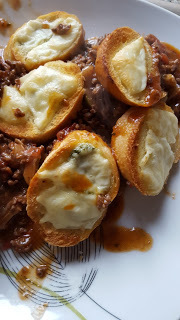 A Pie on the plate
This is one of the very tasty well known recipes that is quicker than usual and a good option for a supper or light(ish) lunch. I say that because it contains cheese and garlic butter to name but few unhealthy options. It must taste good!
The meal is fundamentally Italian and so I like it.
The meal is a bolognese sauce with a cheesy, garlic bread crust. It can be as big or as small as you require and you can add or take away extras as required. In the version below I have added courgette and mushrooms.
Ingredients
6 ready-made frozen cheesy garlic bread slices100g/3½oz frozen chopped onion (or 1 medium onion, finely chopped)500g/1lb 2oz frozen minced beef2 tbsp plain flour 400g tin chopped tomatoes2 tbsp tomato purée 100ml/3½fl oz red wine or water 100ml/3½fl oz just-boiled water 1 tsp dried mixed herbs 1 bay leaf 1 beef stock cube 250g/9oz frozen sliced courgettes (or 2 medium courgettes, trimmed, sliced) 200g/7oz frozen sliced mushrooms (or 200g/7oz fresh closed-cup mushrooms, sliced)salt and freshly ground black pepperMethodUnwrap the frozen cheesy garlic bread slices and separate them. Put them onto a chopping board to begin to defrost while you make the bolognese mixture. Heat a large, heavy-based, non-stick saucepan over a medium heat. Add the onion and beef and fry for 6-8 minutes, stirring regularly to break up the beef mince as you go. Continue to cook until the beef is no longer pink, then sprinkle over the flour and stir well. Add the tinned tomatoes, tomato purée and wine to the pan and stir well. Pour in the just-boiled water, then stir in the mixed herbs and bay leaf.Crumble in the stock cube, stir again, then season the mixture with salt and pepper. Bring the mixture to the boil, then reduce the heat until the mixture is simmering and simmer gently for 8-10 minutes, stirring regularly, until the sauce has thickened.Add the courgette and mushrooms to the bolognese sauce, return the mixture to a gentle simmer and cook for a further 5 minutes, or until heated through. Meanwhile, preheat the grill to its hottest setting. Half-fill a shallow 2.5 litre/4½ pint ovenproof dish with hot water and set aside for 5 minutes to warm the dish through. Carefully empty the water from the dish, then fill it with the bolognese sauce mixture. Cut the defrosted garlic bread slices in half horizontally to create two slices from each. Arrange the slices on top of the bolognese sauce, to cover.Place the beef bolognese pie under the grill and grill until the garlic bread has crisped up and is pale golden-brown (about 5 minutes). Serve immediately with green beans or a mixed salad.
God Bless
 A Pie on the plate
This is one of the very tasty well known recipes that is quicker than usual and a good option for a supper or light(ish) lunch. I say that because it contains cheese and garlic butter to name but few unhealthy options. It must taste good!
The meal is fundamentally Italian and so I like it.
The meal is a bolognese sauce with a cheesy, garlic bread crust. It can be as big or as small as you require and you can add or take away extras as required. In the version below I have added courgette and mushrooms.
Ingredients
6 ready-made frozen cheesy garlic bread slices100g/3½oz frozen chopped onion (or 1 medium onion, finely chopped)500g/1lb 2oz frozen minced beef2 tbsp plain flour 400g tin chopped tomatoes2 tbsp tomato purée 100ml/3½fl oz red wine or water 100ml/3½fl oz just-boiled water 1 tsp dried mixed herbs 1 bay leaf 1 beef stock cube 250g/9oz frozen sliced courgettes (or 2 medium courgettes, trimmed, sliced) 200g/7oz frozen sliced mushrooms (or 200g/7oz fresh closed-cup mushrooms, sliced)salt and freshly ground black pepperMethodUnwrap the frozen cheesy garlic bread slices and separate them. Put them onto a chopping board to begin to defrost while you make the bolognese mixture. Heat a large, heavy-based, non-stick saucepan over a medium heat. Add the onion and beef and fry for 6-8 minutes, stirring regularly to break up the beef mince as you go. Continue to cook until the beef is no longer pink, then sprinkle over the flour and stir well. Add the tinned tomatoes, tomato purée and wine to the pan and stir well. Pour in the just-boiled water, then stir in the mixed herbs and bay leaf.Crumble in the stock cube, stir again, then season the mixture with salt and pepper. Bring the mixture to the boil, then reduce the heat until the mixture is simmering and simmer gently for 8-10 minutes, stirring regularly, until the sauce has thickened.Add the courgette and mushrooms to the bolognese sauce, return the mixture to a gentle simmer and cook for a further 5 minutes, or until heated through. Meanwhile, preheat the grill to its hottest setting. Half-fill a shallow 2.5 litre/4½ pint ovenproof dish with hot water and set aside for 5 minutes to warm the dish through. Carefully empty the water from the dish, then fill it with the bolognese sauce mixture. Cut the defrosted garlic bread slices in half horizontally to create two slices from each. Arrange the slices on top of the bolognese sauce, to cover.Place the beef bolognese pie under the grill and grill until the garlic bread has crisped up and is pale golden-brown (about 5 minutes). Serve immediately with green beans or a mixed salad.
God Bless
March 6, 2016
Writing - Old stories and wives' tales
There are a myriad stories with messages or morals written eons ago and usually for the edification of the young. Grimm, Aesop and more have been renowned for centuries for the skill. Then aligned with moralistic stories are old wives' tales, which are intended to be cautionary and could be quite relevant on Mother's Day.
The Wise Old Man
[image error]
A wealthy man requested an old scholar to wean his son away from his bad habits. The scholar took the youth for a stroll through a garden. Stopping suddenly he asked the boy to pull out a tiny plant growing there.The youth held the plant between his thumb and forefinger and pulled it out. The old man then asked him to pull out a slightly bigger plant. The youth pulled hard and the plant came out, roots and all. “Now pull out that one,” said the old man pointing to a bush. The boy had to use all his strength to pull it out.“Now take this one out,” said the old man, indicating a guava tree. The youth grasped the trunk and tried to pull it out. But it would not budge. “It’s impossible,” said the boy, panting with the effort.“So it is with bad habits,” said the sage. “When they are young it is easy to pull them out but when they take hold they cannot be uprooted.”The session with the old man changed the boy’s life.
This was submitted by Jay and it is a prime example. Of course if you subscribe to the fact that people can change some of these stories become obsolete.
Old Wives' Tales
We can all list this type of story and I find it interesting that humans from centuries ago told stories to illustrate aspects of life.
There are some that my mam (God rest her soul) told me many years ago.
'An apple a day keeps the doctor away' was one of her favourites.
True - A 2013 study showed that if the over 50s ate just one apple each day it would stave off over 8500 heart attacks and strokes every year.
Then there are the myths (or are they?) about the full moon. Do people really go bonkers when there is a full moon in the sky? Scientists have found little to support this but have linked the full moon to sleeplessness.
[image error]Counting sheep
Counting sheep can help you fall asleep. In fact scientist have shown that using imagination or mental imagery can assist in getting you into the land of nod.
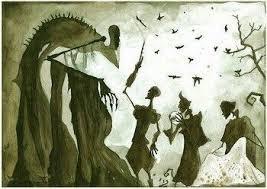
All very well but are these stories and moralistic messages dying out? Well I doubt it and J K Rowling obviously could see the value when she wrote the Tales of Beedle the Bard which included the essential Story of the Three Brothers, which cropped up in the Harry Potter story itself and explained the existence of the Cloak of Invisibility and more.
So there is a place for moralistic tales in all types of situations and it is an interesting way in which to introduce a new aspect to your stories.
[image error]
Have a happy mother's day.
God Bless
The Wise Old Man
[image error]
A wealthy man requested an old scholar to wean his son away from his bad habits. The scholar took the youth for a stroll through a garden. Stopping suddenly he asked the boy to pull out a tiny plant growing there.The youth held the plant between his thumb and forefinger and pulled it out. The old man then asked him to pull out a slightly bigger plant. The youth pulled hard and the plant came out, roots and all. “Now pull out that one,” said the old man pointing to a bush. The boy had to use all his strength to pull it out.“Now take this one out,” said the old man, indicating a guava tree. The youth grasped the trunk and tried to pull it out. But it would not budge. “It’s impossible,” said the boy, panting with the effort.“So it is with bad habits,” said the sage. “When they are young it is easy to pull them out but when they take hold they cannot be uprooted.”The session with the old man changed the boy’s life.
Moral: Don’t wait for Bad Habits to grow in you, drop them while you have control over it else they will get control you.
This was submitted by Jay and it is a prime example. Of course if you subscribe to the fact that people can change some of these stories become obsolete.
Old Wives' Tales
We can all list this type of story and I find it interesting that humans from centuries ago told stories to illustrate aspects of life.
There are some that my mam (God rest her soul) told me many years ago.
'An apple a day keeps the doctor away' was one of her favourites.
True - A 2013 study showed that if the over 50s ate just one apple each day it would stave off over 8500 heart attacks and strokes every year.
Then there are the myths (or are they?) about the full moon. Do people really go bonkers when there is a full moon in the sky? Scientists have found little to support this but have linked the full moon to sleeplessness.
[image error]Counting sheep
Counting sheep can help you fall asleep. In fact scientist have shown that using imagination or mental imagery can assist in getting you into the land of nod.
All very well but are these stories and moralistic messages dying out? Well I doubt it and J K Rowling obviously could see the value when she wrote the Tales of Beedle the Bard which included the essential Story of the Three Brothers, which cropped up in the Harry Potter story itself and explained the existence of the Cloak of Invisibility and more.
So there is a place for moralistic tales in all types of situations and it is an interesting way in which to introduce a new aspect to your stories.
[image error]
Have a happy mother's day.
God Bless
March 5, 2016
Writing - Old books, new words
Books and words are two of my favourite things. People have favourite books and some even have favourite words. If I was forced to choose for each of those categories, the book would be A Christmas Carol by Charles Dickens and the word would be mellifluous. The trouble is I'm a bit of a chameleon and if asked the same question tomorrow the replies could be something different.
Yesterday I came across a new word, shown below, which apparently is known only on t'interweb! Now usually the new words I come across that are accepted by the big dictionaries I detest because they are often no more than slang, verbal ejaculations adopted because of common usage but vellichor gets my vote.
[image error]
Vellichor - the strange wistfulness of used bookstores, which are somehow infused with thousands of old books you'll never have time to read, each of which is itself locked in its own era, bound and dated and papered over like an old room the author abandoned years ago, a hidden annexe littered with thoughts left just as they were on the day they were captured.
I suppose the sad thing about this word is that unless you use the computer daily it is unlikely that ordinary people, there are 7 million in the UK without the machines, will ever come across it. In reality there has always been a need for a word that describes the amazing atmosphere that evolves inside old book shops.
[image error]
Which brings me nicely on to a common fallacy and that is twerk was added to the Oxford English Dictionary (OED) when it absolutely wasn't. It was added to Oxford Dictionaries Online (ODO). There is a difference and that difference has a purpose. OED is a historical book that chronicles the development of words and so the new items added, sciency, bookends, and empower are a lot less flashy than the examples added to ODO. The latter does provide a place where new words may be found but that may not be permanent.
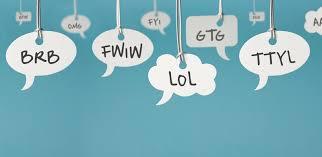
The above paragraph segues nicely into a collection which are not words, eg. BREXIT
I started working in a bank in 2005 and was immediately assailed by a plethora of acronyms. A sociologist would have a field day explaining the exclusion of people from certain groups by the use of an 'in' language format or set of data. The acronyms needed to be learnt for a new starter like myself to be able to fit in. The use of 3 letter or more acronyms now seems to have spilled over into everyday usage.
[image error]
Then there is the combination of an acronym with a word to form a new word like the above. Brexit is a word with a representative meaning. It represents Britain's forthcoming referendum concerning staying or leaving the EU and refers to those in favour of leaving.
It is right that language evolves and remains dynamic but if it is allowed to develop in way that excludes sections of the population then efforts should be made to discourage the change.
God Bless
Yesterday I came across a new word, shown below, which apparently is known only on t'interweb! Now usually the new words I come across that are accepted by the big dictionaries I detest because they are often no more than slang, verbal ejaculations adopted because of common usage but vellichor gets my vote.
[image error]
Vellichor - the strange wistfulness of used bookstores, which are somehow infused with thousands of old books you'll never have time to read, each of which is itself locked in its own era, bound and dated and papered over like an old room the author abandoned years ago, a hidden annexe littered with thoughts left just as they were on the day they were captured.
I suppose the sad thing about this word is that unless you use the computer daily it is unlikely that ordinary people, there are 7 million in the UK without the machines, will ever come across it. In reality there has always been a need for a word that describes the amazing atmosphere that evolves inside old book shops.
[image error]
Which brings me nicely on to a common fallacy and that is twerk was added to the Oxford English Dictionary (OED) when it absolutely wasn't. It was added to Oxford Dictionaries Online (ODO). There is a difference and that difference has a purpose. OED is a historical book that chronicles the development of words and so the new items added, sciency, bookends, and empower are a lot less flashy than the examples added to ODO. The latter does provide a place where new words may be found but that may not be permanent.
The above paragraph segues nicely into a collection which are not words, eg. BREXIT
I started working in a bank in 2005 and was immediately assailed by a plethora of acronyms. A sociologist would have a field day explaining the exclusion of people from certain groups by the use of an 'in' language format or set of data. The acronyms needed to be learnt for a new starter like myself to be able to fit in. The use of 3 letter or more acronyms now seems to have spilled over into everyday usage.
[image error]
Then there is the combination of an acronym with a word to form a new word like the above. Brexit is a word with a representative meaning. It represents Britain's forthcoming referendum concerning staying or leaving the EU and refers to those in favour of leaving.
It is right that language evolves and remains dynamic but if it is allowed to develop in way that excludes sections of the population then efforts should be made to discourage the change.
God Bless
March 4, 2016
Writing - Sunday is a day of rest.
I've said it frequently and will probably say it again but apart from death and taxes the only sure thing in life is change.
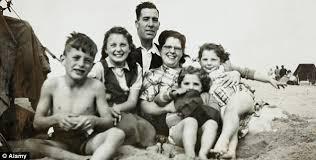 Sunday 1950s
There has been a quantity of chat and negotiating in political circles about extending shop hours on a Sunday. Then I read an article about when 'Sunday being a day of rest' began. It took my mind back to my childhood in the fifties and sixties and a word that sums up the day - calm.
 Constantine the Great
On the 7th March 321 AD Constantine issued an edict declaring that Sunday must be a day of rest, he was once again treading a fine line between Christianity and paganism; and, between religious principle and economic pragmatism. He ordered,
'On the venerable day of the sun, let the magistrates and people residing in cities rest, and let all workshops be closed.In the country, however, persons engaged inagriculture may freely and lawfully continuetheir pursuits because it often happens thatanother day is not suitable for grain-sowingor vine planting; lest by neglecting the proper moment for suchoperations the bounty of heaven should be lost.'
(Poor farmers!) Picking Sunday made excellent political sense. Although it was nominally a working day, many Christians already treated Sunday as a day of religious worship, although those in Rome and Alexandria tended to prefer Saturday, the Jewish Sabbath. More importantly, though, most non-Christians already regarded Sundays as special because that was the day they were paid. Perhaps crucially, this was the special day of Sol Invictus, which had become an official cult as recently as AD 274 and had particular appeal to the senatorial classes.
[image error]
For the modern generations who have never known Sunday as being a day of tranquillity, I believe they don't know what they're missing. Of course the reason for the loss is down to a new God - the worship of money.
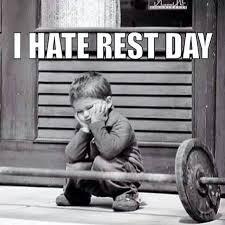
The Sundays when I was a teenager seemed interminable, no TV until after seven in the evening, no shops open and little or no sport. There was a rest day in cricket, no football fixtures and no athletics. They even made a film of one man's struggle with his principle's in the 1924 Olympics. In Chariots of Fire, Eric Liddell, a strict Scottish Christian, refused to run on a Sunday. So as a boy in my teens I didn't appreciate how precious a day of rest was and to a degree we were never educated to that. As a younger child I attended church service in the morning and in the afternoon walked on to Sunday School, but that wasn't really educating us to get the best out of our Sundays.

Now it seems that if we don't consider the value of a day of rest we are likely to lose it and probably forever. I would ask that people consider the value of having a day which should be designated for the family and not solely for religious purposes. Constantine obviously saw the value of such a day over 1600 years ago, why have we lost sight of the reasons for it being set up?It is easy to say that life is lived at such a rapid pace, that you can make more money if open for business seven days a week, and the religious reasoning is no longer as relevant as it was. However, for me, such arguments are indicating the need for money making at the cost of humanness. If you turn on the news, scarcely a day passes without some issue being highlighted that at one time could have been avoided by stronger family ties and the opportunity for reflection which Sunday gave us.
[image error]
It was a day that was always about opportunity and these days when we don't have to buy or spend or make should be valued.
God Bless
Sunday 1950s
There has been a quantity of chat and negotiating in political circles about extending shop hours on a Sunday. Then I read an article about when 'Sunday being a day of rest' began. It took my mind back to my childhood in the fifties and sixties and a word that sums up the day - calm.
Constantine the Great
On the 7th March 321 AD Constantine issued an edict declaring that Sunday must be a day of rest, he was once again treading a fine line between Christianity and paganism; and, between religious principle and economic pragmatism. He ordered,
'On the venerable day of the sun, let the magistrates and people residing in cities rest, and let all workshops be closed.In the country, however, persons engaged inagriculture may freely and lawfully continuetheir pursuits because it often happens thatanother day is not suitable for grain-sowingor vine planting; lest by neglecting the proper moment for suchoperations the bounty of heaven should be lost.'
(Poor farmers!) Picking Sunday made excellent political sense. Although it was nominally a working day, many Christians already treated Sunday as a day of religious worship, although those in Rome and Alexandria tended to prefer Saturday, the Jewish Sabbath. More importantly, though, most non-Christians already regarded Sundays as special because that was the day they were paid. Perhaps crucially, this was the special day of Sol Invictus, which had become an official cult as recently as AD 274 and had particular appeal to the senatorial classes.
[image error]
For the modern generations who have never known Sunday as being a day of tranquillity, I believe they don't know what they're missing. Of course the reason for the loss is down to a new God - the worship of money.
The Sundays when I was a teenager seemed interminable, no TV until after seven in the evening, no shops open and little or no sport. There was a rest day in cricket, no football fixtures and no athletics. They even made a film of one man's struggle with his principle's in the 1924 Olympics. In Chariots of Fire, Eric Liddell, a strict Scottish Christian, refused to run on a Sunday. So as a boy in my teens I didn't appreciate how precious a day of rest was and to a degree we were never educated to that. As a younger child I attended church service in the morning and in the afternoon walked on to Sunday School, but that wasn't really educating us to get the best out of our Sundays.
Now it seems that if we don't consider the value of a day of rest we are likely to lose it and probably forever. I would ask that people consider the value of having a day which should be designated for the family and not solely for religious purposes. Constantine obviously saw the value of such a day over 1600 years ago, why have we lost sight of the reasons for it being set up?It is easy to say that life is lived at such a rapid pace, that you can make more money if open for business seven days a week, and the religious reasoning is no longer as relevant as it was. However, for me, such arguments are indicating the need for money making at the cost of humanness. If you turn on the news, scarcely a day passes without some issue being highlighted that at one time could have been avoided by stronger family ties and the opportunity for reflection which Sunday gave us.
[image error]
It was a day that was always about opportunity and these days when we don't have to buy or spend or make should be valued.
God Bless
March 3, 2016
Poetry Thursday 202 - Heinz 57 Varieties
In the midst of computer problems my router went down hence the delays in things like my blog. I had been writing poetry and these are three that came out!
[image error]
Leap Year Day
Watch out lads today’s the daywhen women feel free to have their way,to ask you to give unlimited accessto every blessed thing you possess.
If you say ‘yes’ you give them leaveto control all that you can achieve,and have sway over your relaxationdeflecting peace with occupation.
Watch out for the cunning feminine ployof catching you unawares my boy.A moments unguarded, naïve attentioncan lead to a lifetime of submission.
The best advice for leap year dayis to make a purchase without delay,of auricular stopples – ear plugs,and quickly fit them in your lugs!© David L Atkinson February 2016
I am not a regular contributor to poetry writing competitions but I entered one last year and received a published collection of works that were selected which didn't include any of mine. I concluded, after reading them through, that writing in regular rhyming verse is taboo hence the effort below.
[image error]
All Wrong
It would seem thatI’ve been wrongall of the times regardingwriting poetrythat rhymes.Its seems that one has toproduce words strewnacross the page in a haphazard fashion which gladdens the eyerather than shows the slightest semblance of formor passion.(Who uses the word semblance anymore?)It doesn’t appear that making senseor enclosing ahidden messageis considered praiseworthy.Personally,Ibelieve that to be bollockshorrocks.© David L Atkinson March 2016
Sorry about the odd rhyme that slipped in the above.
The final effort was in response to some trendy, lefty, do-gooder liberals who want to remove tackling from the game of rugby.
[image error]
No Contact
Whatever you do don’t dare touch,even though rules support as much.Rugby is too tough for the players,they should protect with copious layers.Mind your head! Wear a skull cap,then your ears will continue to flap.Banging your head can cause concussionparents eyes fill with emotion,as blossoming offspring take to the field,then run and tackle till victory’s revealed.
Perhaps the 21st century child,is no longer tough, but meek and mild,and physical contact sport first hand,be played on a VR app, but in reality banned.© David L Atkinson March 2016
God Bless
[image error]
Leap Year Day
Watch out lads today’s the daywhen women feel free to have their way,to ask you to give unlimited accessto every blessed thing you possess.
If you say ‘yes’ you give them leaveto control all that you can achieve,and have sway over your relaxationdeflecting peace with occupation.
Watch out for the cunning feminine ployof catching you unawares my boy.A moments unguarded, naïve attentioncan lead to a lifetime of submission.
The best advice for leap year dayis to make a purchase without delay,of auricular stopples – ear plugs,and quickly fit them in your lugs!© David L Atkinson February 2016
I am not a regular contributor to poetry writing competitions but I entered one last year and received a published collection of works that were selected which didn't include any of mine. I concluded, after reading them through, that writing in regular rhyming verse is taboo hence the effort below.
[image error]
All Wrong
It would seem thatI’ve been wrongall of the times regardingwriting poetrythat rhymes.Its seems that one has toproduce words strewnacross the page in a haphazard fashion which gladdens the eyerather than shows the slightest semblance of formor passion.(Who uses the word semblance anymore?)It doesn’t appear that making senseor enclosing ahidden messageis considered praiseworthy.Personally,Ibelieve that to be bollockshorrocks.© David L Atkinson March 2016
Sorry about the odd rhyme that slipped in the above.
The final effort was in response to some trendy, lefty, do-gooder liberals who want to remove tackling from the game of rugby.
[image error]
No Contact
Whatever you do don’t dare touch,even though rules support as much.Rugby is too tough for the players,they should protect with copious layers.Mind your head! Wear a skull cap,then your ears will continue to flap.Banging your head can cause concussionparents eyes fill with emotion,as blossoming offspring take to the field,then run and tackle till victory’s revealed.
Perhaps the 21st century child,is no longer tough, but meek and mild,and physical contact sport first hand,be played on a VR app, but in reality banned.© David L Atkinson March 2016
God Bless
March 1, 2016
Writing - England's unlikely allies
The way some people behave you would think that our relationship with Islam is something new. After the split with the Catholic church engineered by Henry VIII England was cut off from the rest of Europe.
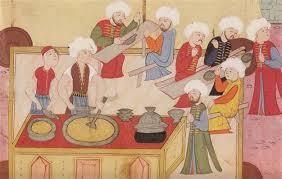
Elizabeth I was excommunicated from the Catholic church by Pope Pius V in 1570 and for the next 30 years her majesty brokered deals with the Ottoman, Persian and Saadian (Morocco) empires that saw hundreds of English men and women crossing Muslim lands. Some converted to Islam and others traded amicably while Elizabeth's diplomats travelled between Whitehall, Marrakech, Constantinople and Qazvin (Persian capital), constructing Anglo-Islamic alliances against their common enemy, the Catholic church.
[image error]The Crusades
The actual alliance goes back even further to the time of the Crusades and the rise of Islam after that time made them an attractive and strong military alliance to western princes. Of course there were conflicts within Muslim factions for instance the Sunni Ottoman empire clashed with its neighbouring Persian Shia empire and then the powerful Egyptian Mamluk sultanate to become undisputed guardians of Islam's holy cities and pilgrimage routes.
[image error]
All the while the tensions between the Pope and church in England were being played out trade links with the Islamic world were continuing and growing particular with the Saadians of Morocco. The Queen dispatched envoys to strengthen ties and create a trade worth £28 000 in the 16th century which was greater than the entire revenue from Portuguese trade.
[image error]William Harborne & Sultan Murad III
In 1578 William Harborne was sent to Constantinople to negotiate diplomatic relationships with Murad III. He spent ten years in the country and his Turkey Company blossomed to become hugely successful. At the height of its trade they were dispatching 19 ships of between 100 - 300 tons and crewed by 800 seamen on an average of five times a year. By the 1590s prosperous Elizabethans were enjoying pearls, diamonds, sapphires, silks, carpets, rugs and cotton wool which stimulated the Lancashire textile industry.
[image error]Elizabeth I
Yet when Elizabeth died in 1603 and James VI and I acceded to the throne there was peace with Spain within a tear and the need for an Anglo-Islamic alliance collapsed. The negative information put out over the following centuries about Islamic decadence and despotism destroyed the alliance totally.
History educates us that Tudor England was not insular and parochial but outward looking and international, and the relations with the Muslim world were an important part of its story.
If we want to understand the role played by many different faiths in this island's history, from Christians and Jews to British Muslims, then it is a story we need to acknowledge now more than ever before.
God Bless
Elizabeth I was excommunicated from the Catholic church by Pope Pius V in 1570 and for the next 30 years her majesty brokered deals with the Ottoman, Persian and Saadian (Morocco) empires that saw hundreds of English men and women crossing Muslim lands. Some converted to Islam and others traded amicably while Elizabeth's diplomats travelled between Whitehall, Marrakech, Constantinople and Qazvin (Persian capital), constructing Anglo-Islamic alliances against their common enemy, the Catholic church.
[image error]The Crusades
The actual alliance goes back even further to the time of the Crusades and the rise of Islam after that time made them an attractive and strong military alliance to western princes. Of course there were conflicts within Muslim factions for instance the Sunni Ottoman empire clashed with its neighbouring Persian Shia empire and then the powerful Egyptian Mamluk sultanate to become undisputed guardians of Islam's holy cities and pilgrimage routes.
[image error]
All the while the tensions between the Pope and church in England were being played out trade links with the Islamic world were continuing and growing particular with the Saadians of Morocco. The Queen dispatched envoys to strengthen ties and create a trade worth £28 000 in the 16th century which was greater than the entire revenue from Portuguese trade.
[image error]William Harborne & Sultan Murad III
In 1578 William Harborne was sent to Constantinople to negotiate diplomatic relationships with Murad III. He spent ten years in the country and his Turkey Company blossomed to become hugely successful. At the height of its trade they were dispatching 19 ships of between 100 - 300 tons and crewed by 800 seamen on an average of five times a year. By the 1590s prosperous Elizabethans were enjoying pearls, diamonds, sapphires, silks, carpets, rugs and cotton wool which stimulated the Lancashire textile industry.
[image error]Elizabeth I
Yet when Elizabeth died in 1603 and James VI and I acceded to the throne there was peace with Spain within a tear and the need for an Anglo-Islamic alliance collapsed. The negative information put out over the following centuries about Islamic decadence and despotism destroyed the alliance totally.
History educates us that Tudor England was not insular and parochial but outward looking and international, and the relations with the Muslim world were an important part of its story.
If we want to understand the role played by many different faiths in this island's history, from Christians and Jews to British Muslims, then it is a story we need to acknowledge now more than ever before.
God Bless
February 29, 2016
Tuesday Food Blog - Roast pork dinner
I remember growing up being aware of my mam's cooking rather than watching her, and thinking how clever she was in producing the Sunday lunch.
 Roast Pork Dinner
The dinner above consists of roast pork, seasoning and apple sauce, with cauliflower, carrots peas and roast potatoes. I produced this last Sunday and it isn't difficult, which is no criticism of my mam, but I say that to give confidence to those who may not be happy in producing such a meal. The real skill is not so much getting it all on the plate but getting it on the plate HOT.
I highlight the temperature because one of the factors that I've noticed in eating out is that food is served up luke warm. If food is supposed to be hot then please restaurateurs make it so. I have a theory that in the kitchens of food selling establishments the chefs are allowing everything to 'rest' for so long that they are going cold. There is also a sneaking suspicion in me that health and safety and the fear of litigation has something to do with the production of barely warm food. It is redolent of the person scalding themselves while driving with a Starbuck's coffee in their lap and suing the coffee company, which I personally find ridiculous. If you buy something that is hot then expect it to be so and respect it as such. If I burn my mouth with a hot drink or hot food, then that is my own fault, not the responsibility of the company from which I bought the item.
Rant over.
The Sunday lunch requires a little thought and preparation before diving in to begin cooking. Simple things like starting to cook the carrots before the cauliflower and the peas. In the case of a pork joint I follow a pattern that I have learned suits me. I like the fat to be crispy and so I first of all dry it with a paper towel, smear it in butter, and season with salt and black pepper before putting it into a very hot oven for half an hour. I then turn the oven down, add the potatoes that I wish to roast, and cover the meat with aluminium foil.In the roasting tin I sit the meat on a layer of onion rings, sliced dessert apple and a little water, which go to make the gravy. The other purpose of roasting meat in this way is to prevent it from being too dry. I also baste the meat every half hour or so using the juices in the pan. The length of time you cook the meat depends on the size of the joint and there are lots of guides on how to cook meat. I finish off by uncovering the pork and turning the heat up for the final twenty minutes.The final cooking stage for the pork is a signal that I should begin cooking the vegetables. Half an hour later the food is on the plate and piping hot.
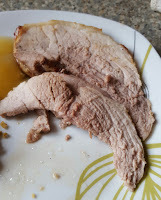 Unpulled pork
Returning to my rant over health and safety and adding cheffy fashions I have included a photo of slices of pork which is what you end up with when you carve a joint with a sharp knife. If your knife is not sharp - another health and safety issue - you get pulled pork!!!!Those of you who believe that I made a mistake referring to the covering of pork meat as fat may be labouring under the misunderstanding that it should be called rind - another cheffy term. Then there is what I had left in the roasting tin when I poured the meat juices into a saucepan to make gravy. It consists of pieces of meat, roast potato leavings, onion and apple that have burnt on the tin. A chef would say that they are caramelised and should be de-glazed and added to the gravy. I actually did use them because of the flavour but find the terminology a giggle.
The gravy was warmed in a saucepan, a chicken stock cube added and some boiling water. The gravy was delicious. I could have added cider or white wine but sometimes the alcohol flavour can detract from the onion/apple flavour.
A really tasty meal that serves several times for one.
God Bless
 Roast Pork Dinner
The dinner above consists of roast pork, seasoning and apple sauce, with cauliflower, carrots peas and roast potatoes. I produced this last Sunday and it isn't difficult, which is no criticism of my mam, but I say that to give confidence to those who may not be happy in producing such a meal. The real skill is not so much getting it all on the plate but getting it on the plate HOT.
I highlight the temperature because one of the factors that I've noticed in eating out is that food is served up luke warm. If food is supposed to be hot then please restaurateurs make it so. I have a theory that in the kitchens of food selling establishments the chefs are allowing everything to 'rest' for so long that they are going cold. There is also a sneaking suspicion in me that health and safety and the fear of litigation has something to do with the production of barely warm food. It is redolent of the person scalding themselves while driving with a Starbuck's coffee in their lap and suing the coffee company, which I personally find ridiculous. If you buy something that is hot then expect it to be so and respect it as such. If I burn my mouth with a hot drink or hot food, then that is my own fault, not the responsibility of the company from which I bought the item.
Rant over.
The Sunday lunch requires a little thought and preparation before diving in to begin cooking. Simple things like starting to cook the carrots before the cauliflower and the peas. In the case of a pork joint I follow a pattern that I have learned suits me. I like the fat to be crispy and so I first of all dry it with a paper towel, smear it in butter, and season with salt and black pepper before putting it into a very hot oven for half an hour. I then turn the oven down, add the potatoes that I wish to roast, and cover the meat with aluminium foil.In the roasting tin I sit the meat on a layer of onion rings, sliced dessert apple and a little water, which go to make the gravy. The other purpose of roasting meat in this way is to prevent it from being too dry. I also baste the meat every half hour or so using the juices in the pan. The length of time you cook the meat depends on the size of the joint and there are lots of guides on how to cook meat. I finish off by uncovering the pork and turning the heat up for the final twenty minutes.The final cooking stage for the pork is a signal that I should begin cooking the vegetables. Half an hour later the food is on the plate and piping hot.
 Unpulled pork
Returning to my rant over health and safety and adding cheffy fashions I have included a photo of slices of pork which is what you end up with when you carve a joint with a sharp knife. If your knife is not sharp - another health and safety issue - you get pulled pork!!!!Those of you who believe that I made a mistake referring to the covering of pork meat as fat may be labouring under the misunderstanding that it should be called rind - another cheffy term. Then there is what I had left in the roasting tin when I poured the meat juices into a saucepan to make gravy. It consists of pieces of meat, roast potato leavings, onion and apple that have burnt on the tin. A chef would say that they are caramelised and should be de-glazed and added to the gravy. I actually did use them because of the flavour but find the terminology a giggle.
The gravy was warmed in a saucepan, a chicken stock cube added and some boiling water. The gravy was delicious. I could have added cider or white wine but sometimes the alcohol flavour can detract from the onion/apple flavour.
A really tasty meal that serves several times for one.
God Bless
February 28, 2016
Writing - In service
The title is a bit of a pun in the respect that the change in laptop has rendered me 'out of service' but it also has family and literary connotation as well.
[image error]
My Mum was orphaned at the age of 11 a couple of days before Christmas Day. She had two brothers who were found homes with relatives immediately but Mum was passed round the relatives until her uncle and his wife took her in on Christmas Eve 1934. Up until that point her new 'mother' had been in service. I heard this term through my formative years without really understanding what it meant. Later I discovered my aunt had been a pastry cook below stairs.
[image error]Secret Garden
Then as a teacher I had the opportunity to choose a book to read to a class and chose Burnett's Secret Garden. Once again there is a back story about one of the girls in service in the house.
Both in the real and fictitious situation there is a degree of sympathy to be elicited. Life in service wasn't easy. On a simply human level there is an element of the free-thinking animal which has to be suppressed if one is to take orders from someone. Some people are more inclined to accept their lot, while others may rail against a life of subordination. My aunt was one of the latter and did we know about it at home.
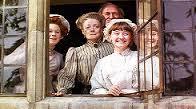 Martha bottom right
Martha Sowerby is the long suffering maid who has to cope with the tantrums of the young master, Colin Craven, and the temper of her new charge Mary Lennox. It is a brilliantly told tale not just of relationships between children but of people from two different classes.
[image error]
One of the situations that stood out was the fact that it was only on her birthday was the willing, young Martha given permission to go and see her family, and when she was there all she did was clean. A real busman's holiday.Well author Graham Swift has delved into the domestic service world for his latest novel Mothering Sunday (for those who aren't sure it is next Sunday). Again this is a story of a girl who has her day off and the things that happen to her.
SynopsisOn Mothering Sunday, 1924, with one war not long past and a second waiting over the horizon, young Jane Fairchild – foundling, maid to the Niven household in the green home counties, and the narrator and protagonist of Graham Swift’s enchanted novella – has no mother to go to. Instead she has “her simple liberty”, along with a book and half a crown in her pocket bestowed by a kindly employer who, his sons dead in France and his domestic staff reduced, is inclined to be indulgent to her youth.
I find it interesting that there is so much literary 'meat' in the servant/master situation. One only needs to consider the plethora of TV dramas, full length period films and classic novels on the subject to acknowledge this as fact. Perhaps it is the fascination of one person having power over another.
God Bless
[image error]
My Mum was orphaned at the age of 11 a couple of days before Christmas Day. She had two brothers who were found homes with relatives immediately but Mum was passed round the relatives until her uncle and his wife took her in on Christmas Eve 1934. Up until that point her new 'mother' had been in service. I heard this term through my formative years without really understanding what it meant. Later I discovered my aunt had been a pastry cook below stairs.
[image error]Secret Garden
Then as a teacher I had the opportunity to choose a book to read to a class and chose Burnett's Secret Garden. Once again there is a back story about one of the girls in service in the house.
Both in the real and fictitious situation there is a degree of sympathy to be elicited. Life in service wasn't easy. On a simply human level there is an element of the free-thinking animal which has to be suppressed if one is to take orders from someone. Some people are more inclined to accept their lot, while others may rail against a life of subordination. My aunt was one of the latter and did we know about it at home.
Martha bottom right
Martha Sowerby is the long suffering maid who has to cope with the tantrums of the young master, Colin Craven, and the temper of her new charge Mary Lennox. It is a brilliantly told tale not just of relationships between children but of people from two different classes.
[image error]
One of the situations that stood out was the fact that it was only on her birthday was the willing, young Martha given permission to go and see her family, and when she was there all she did was clean. A real busman's holiday.Well author Graham Swift has delved into the domestic service world for his latest novel Mothering Sunday (for those who aren't sure it is next Sunday). Again this is a story of a girl who has her day off and the things that happen to her.
SynopsisOn Mothering Sunday, 1924, with one war not long past and a second waiting over the horizon, young Jane Fairchild – foundling, maid to the Niven household in the green home counties, and the narrator and protagonist of Graham Swift’s enchanted novella – has no mother to go to. Instead she has “her simple liberty”, along with a book and half a crown in her pocket bestowed by a kindly employer who, his sons dead in France and his domestic staff reduced, is inclined to be indulgent to her youth.
I find it interesting that there is so much literary 'meat' in the servant/master situation. One only needs to consider the plethora of TV dramas, full length period films and classic novels on the subject to acknowledge this as fact. Perhaps it is the fascination of one person having power over another.
God Bless
February 27, 2016
Writing - Ch ch ch ch Changes
One of the certainties in life, other than death and taxes, is the fact that we need to accept change. Over the last twelve months or so I have been whingeing about the failings of my old laptop on which I write. Well last Tuesday I bit the bullet.
[image error]HP Pavilion 15
I don't mention this acquisition to brag, when all said and done it is a fairly standard machine, but to illustrate the changes necessary to progress.David Bowie's Changes would make a good theme tune for this blog.
[image error]
https://youtu.be/pl3vxEudif8
Ch-ch-ch-ch-Changes
(Turn and face the strange)
Ch-ch-changes
Oh, look out you rock 'n rollers
Ch-ch-ch-ch-changes
(Turn and face the strange)
Ch-ch-changes
The chorus just about sums up the correct attitude to change as difficult as that can be.
With a new computer, superseding a machine about 4 years old, there are changes that you just have to expect. One of those is the demise of my Outlook licence which is more difficult to replace than simply checking emails on my provider's website. Seems like such a little thing but I was used to Outlook.Another difference is the fact that all the keys work! I had adapted to the slight stickiness of the 'x', 'j' and Caps Lock keys by punching them harder. I need to stop now as they all work perfectly!
[image error]When I was younger I used the word can't as all children tend to but my father admonished me with 'there's no such word as can't'. If I had as many fivers as I've heard folk say that they can't change I'd be a rich man. In fact you can change. You may feel uncomfortable but it can be done.
In fact I would go as far as to say that the human animal is actually quite good at change. It is true that when change is thrust upon us we make an incredible fuss but eventually we adapt and move on - well most of us do.
[image error]Climate change
One of the major changes we are regularly informed of is climate change. In fact, and I use the word 'fact' advisedly, human activity on the Earth is not responsible for all of the climate change that is occurring. The amount varies but as I understand it only 50% of the increase in global temperature is due to us, the rest is a result of the natural cycle of the Earth.
[image error]Ice Age
The Earth's orbit is such that it oscillates between hot and cold cycles. The last Ice Age, known as the 'little ice age', ended in the 1880s. It is often assumed that it was thousands of years ago and rather than ended it petered out. If you remember your history of Victorian times the Thames often used to freeze over - a sign perhaps. Of course the media and the powers-that-be latch on to factual fragments and focus the public's attention if it suits them.The bottom line is that if we'd never been such rabid carbon burners there would still have been a degree of global warming.
[image error]
Of course as a writer the change in publishing methods is a change that I have had to go with. When I produced my first book seven years ago I wanted a literary agent and a publishing deal. I would be a liar if I didn't admit to that. Ten books and two collections of poetry later and I'm not that concerned. You can buy my books either for ereaders or as a physical copy, the only difference being the marketing.
This last change has been an evolutionary one and the majority of writers that I have dealings with have adapted to the change. It is quite a revolution in many respects and the traditional publishing houses have had to change also, so no one is immune to change. If it affects you, irrespective of subject, accept it or walk away.
God Bless
[image error]HP Pavilion 15
I don't mention this acquisition to brag, when all said and done it is a fairly standard machine, but to illustrate the changes necessary to progress.David Bowie's Changes would make a good theme tune for this blog.
[image error]
https://youtu.be/pl3vxEudif8
Ch-ch-ch-ch-Changes
(Turn and face the strange)
Ch-ch-changes
Oh, look out you rock 'n rollers
Ch-ch-ch-ch-changes
(Turn and face the strange)
Ch-ch-changes
The chorus just about sums up the correct attitude to change as difficult as that can be.
With a new computer, superseding a machine about 4 years old, there are changes that you just have to expect. One of those is the demise of my Outlook licence which is more difficult to replace than simply checking emails on my provider's website. Seems like such a little thing but I was used to Outlook.Another difference is the fact that all the keys work! I had adapted to the slight stickiness of the 'x', 'j' and Caps Lock keys by punching them harder. I need to stop now as they all work perfectly!
[image error]When I was younger I used the word can't as all children tend to but my father admonished me with 'there's no such word as can't'. If I had as many fivers as I've heard folk say that they can't change I'd be a rich man. In fact you can change. You may feel uncomfortable but it can be done.
In fact I would go as far as to say that the human animal is actually quite good at change. It is true that when change is thrust upon us we make an incredible fuss but eventually we adapt and move on - well most of us do.
[image error]Climate change
One of the major changes we are regularly informed of is climate change. In fact, and I use the word 'fact' advisedly, human activity on the Earth is not responsible for all of the climate change that is occurring. The amount varies but as I understand it only 50% of the increase in global temperature is due to us, the rest is a result of the natural cycle of the Earth.
[image error]Ice Age
The Earth's orbit is such that it oscillates between hot and cold cycles. The last Ice Age, known as the 'little ice age', ended in the 1880s. It is often assumed that it was thousands of years ago and rather than ended it petered out. If you remember your history of Victorian times the Thames often used to freeze over - a sign perhaps. Of course the media and the powers-that-be latch on to factual fragments and focus the public's attention if it suits them.The bottom line is that if we'd never been such rabid carbon burners there would still have been a degree of global warming.
[image error]
Of course as a writer the change in publishing methods is a change that I have had to go with. When I produced my first book seven years ago I wanted a literary agent and a publishing deal. I would be a liar if I didn't admit to that. Ten books and two collections of poetry later and I'm not that concerned. You can buy my books either for ereaders or as a physical copy, the only difference being the marketing.
This last change has been an evolutionary one and the majority of writers that I have dealings with have adapted to the change. It is quite a revolution in many respects and the traditional publishing houses have had to change also, so no one is immune to change. If it affects you, irrespective of subject, accept it or walk away.
God Bless