David L. Atkinson's Blog, page 54
February 26, 2016
Writing - Computer wars
My apologies for being brief. I have changed computers and I'm still not sorted out.
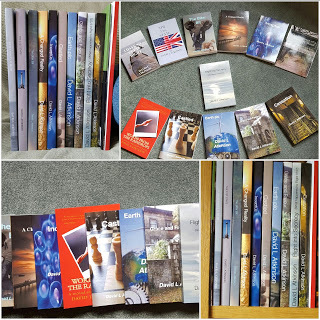
It is my submission today to impress on my readers the need for ensuring they have the whole range of Steele novels, Cessation and collections of poetry. Please read on !!!!
 December 2015
Steele My hero was created post recession and so has no concept of how 'good' things were pre-2008. In 'I Have To Get It Right' when he began to flex his muscles he was working in an accountant's office. Then after the Gurentai took him under their wing and removed all of his financial worries, it was justice that was his major concern. He did become involved in international relations in 'The 51st State' but it was for the maintenance of a respectful distance between countries, rather than economic reasons. His trips into the USA had repercussions which can be read about in 'The Biter Bit' but then by the time things began to change in 2011 and the recession was really biting, Steele was trying to make sense of the state of the nation in 'A Changed Reality' and coming up against some really nasty people taking advantage of the shortage of money. By the time the USA are out of their recession Steele's steps are still being dogged by an unknown enemy from the same country. In 'Inceptus' we also find out more about what makes the man tick. The most recent Steele book 'Castled' where Steele is once again at risk from unseen enemies. It would seem that he has become quite recession proof!The most recent addition to the Steele family is Earth plc in which our hero is concerned with political and emotional issues in this crime fighting adventure.
All books are available in paperback or ebook through Amazon, Smashwords and all good book shop websites.
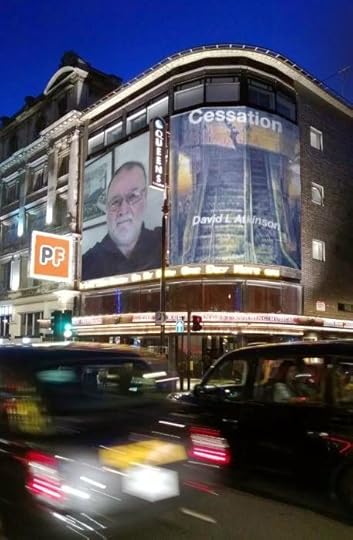
Cessation
This is a dystopian story that hinges directly on the state of the nation as a result of fiscal mismanagement. Having said that it is more a story of human relations, privations, love and loss.
Poetry - there are also two thoughtful collections of poetry available solely through Amazon.
The Musings of a Confused Mind
and
Words from the Raindrops
God Bless
It is my submission today to impress on my readers the need for ensuring they have the whole range of Steele novels, Cessation and collections of poetry. Please read on !!!!
 December 2015
Steele My hero was created post recession and so has no concept of how 'good' things were pre-2008. In 'I Have To Get It Right' when he began to flex his muscles he was working in an accountant's office. Then after the Gurentai took him under their wing and removed all of his financial worries, it was justice that was his major concern. He did become involved in international relations in 'The 51st State' but it was for the maintenance of a respectful distance between countries, rather than economic reasons. His trips into the USA had repercussions which can be read about in 'The Biter Bit' but then by the time things began to change in 2011 and the recession was really biting, Steele was trying to make sense of the state of the nation in 'A Changed Reality' and coming up against some really nasty people taking advantage of the shortage of money. By the time the USA are out of their recession Steele's steps are still being dogged by an unknown enemy from the same country. In 'Inceptus' we also find out more about what makes the man tick. The most recent Steele book 'Castled' where Steele is once again at risk from unseen enemies. It would seem that he has become quite recession proof!The most recent addition to the Steele family is Earth plc in which our hero is concerned with political and emotional issues in this crime fighting adventure.
All books are available in paperback or ebook through Amazon, Smashwords and all good book shop websites.

Cessation
This is a dystopian story that hinges directly on the state of the nation as a result of fiscal mismanagement. Having said that it is more a story of human relations, privations, love and loss.
Poetry - there are also two thoughtful collections of poetry available solely through Amazon.
The Musings of a Confused Mind
and
Words from the Raindrops
God Bless


February 25, 2016
Poetry Thursday 201 - Jewels in your crown
Every day is God given we are told. As such we should perhaps be better prepared to appreciate being part of every day. I have often heard older people say that they're thankful they have woken up once again!
[image error]
Jewels in the Day
Some would say all days are good,if you wake then I suppose you should.But some days are blessed with special jewels,happenings that change the mundane rules.
It may be the arrival of a letter,or perhaps a cheque, or something better.An unexpected knock on the door,when opened reveals a proper score.
Perhaps it is but a small favourthat gives your day a better flavour.Or maybe a massive personal event,generating in all good intent.
But thankfully there is nothing surer,than good things bathing life purer.So the daily wake up is an anticipation,of adding jewels to the cyclic coronation.© David L Atkinson February 2016
[image error]
Shrinkage
Your arms are shorterYour legs are shorterYour sight is shorterYour belt is shorterYour patience is shorterYour temper is shorterYour breath is shorterYour memory is shorterYour time is shorterYour years are shorterYour months are shorterYour weeks are shorterYour days are shorterYour hours are shorterYour minutes are shorterYou died
© David L Atkinson February 2016
God Bless
[image error]
Jewels in the Day
Some would say all days are good,if you wake then I suppose you should.But some days are blessed with special jewels,happenings that change the mundane rules.
It may be the arrival of a letter,or perhaps a cheque, or something better.An unexpected knock on the door,when opened reveals a proper score.
Perhaps it is but a small favourthat gives your day a better flavour.Or maybe a massive personal event,generating in all good intent.
But thankfully there is nothing surer,than good things bathing life purer.So the daily wake up is an anticipation,of adding jewels to the cyclic coronation.© David L Atkinson February 2016
[image error]
Shrinkage
Your arms are shorterYour legs are shorterYour sight is shorterYour belt is shorterYour patience is shorterYour temper is shorterYour breath is shorterYour memory is shorterYour time is shorterYour years are shorterYour months are shorterYour weeks are shorterYour days are shorterYour hours are shorterYour minutes are shorterYou died
© David L Atkinson February 2016
God Bless
February 23, 2016
Writing - Heroes and heroines
I usually manage to get it wrong and once again I have. It is world book day next week! Normally I'm late but this year I'm a week early. It will take place on 3rd March. In preparation a poll has taken place examining the public's view of favourite heroes or heroines.
[image error]Hermione Granger
Heroines and female villains outnumber heroes and male baddies in a literary poll of memorable children's novel characters, to mark World Book Day.Six of the top 10 heroes/heroines voted for were female, including Harry Potter's Hermione Granger and Katniss Everdeen from The Hunger Games series.
Seven out of 10 villains were female, including Matilda's Miss Trunchbull.
However, the top hero and villain were both male - Harry Potter and his nemesis Lord Voldemort.
More than 7,000 book lovers took part in the poll, organised by National Book Tokens ahead of World Book Day on 3 March.
Literary villain Bill Sykes was the oldest fictional character to appear on either list, first appearing in Charles Dickens' Oliver Twist 180 years ago.
[image error]Bill Sykes
Top 10 favourite heroes/heroines
Harry Potter (Harry Potter series by JK Rowling)Matilda Wormwood (Matilda by Roald Dahl)Hermione Granger (Harry Potter series)Bilbo Baggins (The Hobbit by JRR Tolkien)Lyra Belacqua (His Dark Materials series by Philip Pullman)Jo March (Little Women by Louisa May Alcott)Katniss Everdeen (The Hunger Games series by Suzanne Collins)Winnie-the-Pooh (Winnie-the-Pooh by AA Milne)Anne Shirley (Anne of Green Gables by Lucy Maud Montgomery)Paddington Bear (A Bear Called Paddington by Michael Bond)And the villains:-
Top 10 most evil villains
Lord Voldemort (Harry Potter series)Dolores Umbridge (Harry Potter series)Cruella de Vil (The Hundred and One Dalmatians by Dodie Smith)The White Witch (The Lion, The Witch and The Wardrobe by CS Lewis)Miss Trunchbull (Matilda)Bellatrix Lestrange (Harry Potter series)Bill Sykes (Oliver Twist by Charles Dickens)The Grand High Witch (The Witches by Roald Dahl)Count Olaf (A Series of Unfortunate Events by Lemony Snicket)Mrs Coulter (His Dark Materials series by Philip Pullman)One aspect of such a pole is the range and quality of books that are represented. It represents books from the past and recent future which to me suggests that reading is alive and well.
God Bless
[image error]Hermione Granger
Heroines and female villains outnumber heroes and male baddies in a literary poll of memorable children's novel characters, to mark World Book Day.Six of the top 10 heroes/heroines voted for were female, including Harry Potter's Hermione Granger and Katniss Everdeen from The Hunger Games series.
Seven out of 10 villains were female, including Matilda's Miss Trunchbull.
However, the top hero and villain were both male - Harry Potter and his nemesis Lord Voldemort.
More than 7,000 book lovers took part in the poll, organised by National Book Tokens ahead of World Book Day on 3 March.
Literary villain Bill Sykes was the oldest fictional character to appear on either list, first appearing in Charles Dickens' Oliver Twist 180 years ago.
[image error]Bill Sykes
Top 10 favourite heroes/heroines
Harry Potter (Harry Potter series by JK Rowling)Matilda Wormwood (Matilda by Roald Dahl)Hermione Granger (Harry Potter series)Bilbo Baggins (The Hobbit by JRR Tolkien)Lyra Belacqua (His Dark Materials series by Philip Pullman)Jo March (Little Women by Louisa May Alcott)Katniss Everdeen (The Hunger Games series by Suzanne Collins)Winnie-the-Pooh (Winnie-the-Pooh by AA Milne)Anne Shirley (Anne of Green Gables by Lucy Maud Montgomery)Paddington Bear (A Bear Called Paddington by Michael Bond)And the villains:-
Top 10 most evil villains
Lord Voldemort (Harry Potter series)Dolores Umbridge (Harry Potter series)Cruella de Vil (The Hundred and One Dalmatians by Dodie Smith)The White Witch (The Lion, The Witch and The Wardrobe by CS Lewis)Miss Trunchbull (Matilda)Bellatrix Lestrange (Harry Potter series)Bill Sykes (Oliver Twist by Charles Dickens)The Grand High Witch (The Witches by Roald Dahl)Count Olaf (A Series of Unfortunate Events by Lemony Snicket)Mrs Coulter (His Dark Materials series by Philip Pullman)One aspect of such a pole is the range and quality of books that are represented. It represents books from the past and recent future which to me suggests that reading is alive and well.
God Bless
February 22, 2016
Tuesday Food Blog - Meaty Boston Beans and champ
I found a new recipe this week that has similarities with meals I've cooked previously but is different. (The same but different!!!!)
 Meaty Boston Beans
It looks rather like a sausage casserole, chilli and numerous other dishes but there are subtle differences.There is quite a lot of pork loin and also smoky bacon lardons in the recipe but the main difference is in the sauce added to the dish after an hour's cooking. That is made from black treacle, tomato puree, grainy mustard and Worcestershire sauce (Lea Perrins of course). I thought that it may produce a slightly sweet dish but that isn't the case.
As this is a sloppy dish I felt that it should be accompanied with something that can absorb the juices and add a bit of a bite so I made champ.Champ
Ingredients2 potatoesa bunch of spring onions, choppedmilkcreme fraichebutter
MethodBoil the potatoes as you would for mash. Drain when cooked but then leave on the heat to evaporate any excess water. mash with butter, chopped onions creme fraiche and a little milk. Don't use too much milk or you will be able to suck the mash up with a straw.
To add some colour and fulfil the need for healthy veg I also served up green beans.
 In situ
The recipe for the Meaty Boston Beans is on the recipe TAB above. You can easily make this a Veggy Boston Beans dish by replacing the pork with vegetarian sausage.
God Bless
 Meaty Boston Beans
It looks rather like a sausage casserole, chilli and numerous other dishes but there are subtle differences.There is quite a lot of pork loin and also smoky bacon lardons in the recipe but the main difference is in the sauce added to the dish after an hour's cooking. That is made from black treacle, tomato puree, grainy mustard and Worcestershire sauce (Lea Perrins of course). I thought that it may produce a slightly sweet dish but that isn't the case.
As this is a sloppy dish I felt that it should be accompanied with something that can absorb the juices and add a bit of a bite so I made champ.Champ
Ingredients2 potatoesa bunch of spring onions, choppedmilkcreme fraichebutter
MethodBoil the potatoes as you would for mash. Drain when cooked but then leave on the heat to evaporate any excess water. mash with butter, chopped onions creme fraiche and a little milk. Don't use too much milk or you will be able to suck the mash up with a straw.
To add some colour and fulfil the need for healthy veg I also served up green beans.
 In situ
The recipe for the Meaty Boston Beans is on the recipe TAB above. You can easily make this a Veggy Boston Beans dish by replacing the pork with vegetarian sausage.
God Bless
February 21, 2016
Writing - Dad's Army truth and fiction.
When we write we're advised to write from where we are at. We try and include some level of verisimilitude so that readers can engage, fact and fiction but there are times when fiction has to be taken as such.
[image error]
The original TV series was pure fiction, even the theme tune sung by Bud Flanagan, was created for the series and was not a well known war time song as is often believed. The cast no doubt had great fun portraying the bumbling, foolish, intensely British group as representing the last line of defence in case of invasion by the Nazis. The programme has intrigued and entertained people for nine years from 1968 through to 1977 and beyond with repeats. They can be still seen today. Written by Jimmy Perry and David Croft, it was a screaming success. Those two prolific comedy writers have a lot to answer for. However they truth of the matter is somewhat different.
[image error]
In reality, the Home Guard was a tough, dynamic fighting force. It worked hard to be ready for the real possibility of invasion.
1. They recruited young athletic men.
On May 14th 1940 Anthony Eden called for a Local Defence Volunteer force. The response was overwhelming and within a week 250 000 men had registered and by the end of July that had risen to almost half a million. Of that number over half were under the age of 27 and were at home because they were in restricted occupations and therefore not allowed to go to war. It was said at the time that the Germans wouldn't have had an inch, they wouldn't have had to fight over if they'd crossed the channel.
2. Arm yourself to the teeth.
Initially, the force was armed with a myriad of weapons but within a year, thanks in part to the Americans the Home Guard were issued with proper weapons.
3. Create a radical people's army.
There was some criticism due to the Home Guard's class-ridden hierarchy, displayed on small and large screen by the role of Captain Mainwaring, but some saw the army as a democratic vehicle for protest. George Orwell was one who commented that the rifle on the wall of the working-class flat or the labourer's cottage was a symbol of democracy. In fact there was an anti-establishment feeling growing in the country that culminated in the Labour Party's landslide victory in the 1945 General Election.
4 Train elite troops to fight dirty.
Within the Home Guard were the Auxiliary Units, the elite wing of the Home Guard that would have carried out a guerrilla campaign against the Germans in the event of an invasion. They were known as Churchill's Secret Army and were tough, self-reliant men with good knowledge of the area in which they were stationed. At their peak in late 1941, the Auxiliaries comprised 3500 men in 600 patrols.
5 Become a miracle of improvisation.
The organisation was in fact very efficient, so much so that when an analysis was carried out into the organisation the annual cost to the nation was £9/year/man. Women were recruited from 1942, which was a massive break from tradition, and some originality could be seen in weaponry. Grenades and Molotov cocktails were adapted, rocket launchers created and in great numbers. By 1941 6 million such devices had been produced which caused Anthony Eden to say that they were 'a miracle of improvisation.
It is okay to dramatise the roles of groups and individuals but I feel that the closer you can sit next to the truth the easier it is for potential readers to get hooked.
God Bless
[image error]
The original TV series was pure fiction, even the theme tune sung by Bud Flanagan, was created for the series and was not a well known war time song as is often believed. The cast no doubt had great fun portraying the bumbling, foolish, intensely British group as representing the last line of defence in case of invasion by the Nazis. The programme has intrigued and entertained people for nine years from 1968 through to 1977 and beyond with repeats. They can be still seen today. Written by Jimmy Perry and David Croft, it was a screaming success. Those two prolific comedy writers have a lot to answer for. However they truth of the matter is somewhat different.
[image error]
In reality, the Home Guard was a tough, dynamic fighting force. It worked hard to be ready for the real possibility of invasion.
1. They recruited young athletic men.
On May 14th 1940 Anthony Eden called for a Local Defence Volunteer force. The response was overwhelming and within a week 250 000 men had registered and by the end of July that had risen to almost half a million. Of that number over half were under the age of 27 and were at home because they were in restricted occupations and therefore not allowed to go to war. It was said at the time that the Germans wouldn't have had an inch, they wouldn't have had to fight over if they'd crossed the channel.
2. Arm yourself to the teeth.
Initially, the force was armed with a myriad of weapons but within a year, thanks in part to the Americans the Home Guard were issued with proper weapons.
3. Create a radical people's army.
There was some criticism due to the Home Guard's class-ridden hierarchy, displayed on small and large screen by the role of Captain Mainwaring, but some saw the army as a democratic vehicle for protest. George Orwell was one who commented that the rifle on the wall of the working-class flat or the labourer's cottage was a symbol of democracy. In fact there was an anti-establishment feeling growing in the country that culminated in the Labour Party's landslide victory in the 1945 General Election.
4 Train elite troops to fight dirty.
Within the Home Guard were the Auxiliary Units, the elite wing of the Home Guard that would have carried out a guerrilla campaign against the Germans in the event of an invasion. They were known as Churchill's Secret Army and were tough, self-reliant men with good knowledge of the area in which they were stationed. At their peak in late 1941, the Auxiliaries comprised 3500 men in 600 patrols.
5 Become a miracle of improvisation.
The organisation was in fact very efficient, so much so that when an analysis was carried out into the organisation the annual cost to the nation was £9/year/man. Women were recruited from 1942, which was a massive break from tradition, and some originality could be seen in weaponry. Grenades and Molotov cocktails were adapted, rocket launchers created and in great numbers. By 1941 6 million such devices had been produced which caused Anthony Eden to say that they were 'a miracle of improvisation.
It is okay to dramatise the roles of groups and individuals but I feel that the closer you can sit next to the truth the easier it is for potential readers to get hooked.
God Bless
February 20, 2016
Writing - RIP Lee and Eco
It doesn't seem that long that I was congratulating Ms Lee on the release of her second novel, and now she's gone.
[image error]Harper Lee 1926 -2016
It is always a shame when someone dies but it is inevitable for all of us. To Kill A Mocking Bird is a lovely story and a prime example of the power of the writer and a suitably lasting epitaph to the memory of Harper Lee.
[image error]Umberto Eco 1932 - 2016
Umberto Eco also died but apart from the fact that he was famous for The Name of the Rose I wasn't familiar with his work.He was an Italian a novelist, an intellectual and a semiotician. It is true to say that you never stop learning and for me today is one of those days.
He is best known for his groundbreaking 1980 historical mystery novel Il nome della rosa (The Name of the Rose), an intellectual mystery combining semiotics in fiction, biblical analysis, medieval studies and literary theory. He later wrote other novels, including Il pendolo di Foucault (Foucault's Pendulum) and L'isola del giorno prima (The Island of the Day Before). His novel Il cimitero di Praga (The Prague Cemetery), released in 2010, was a best-seller.
So I have learned something about a novelist without having read his books, but what also intrigued me was that he was a semiotician. A word that I was as unfamiliar with as the person it described.
[image error]
It is the study of signs and symbols as elements of communicative behaviour. I am no intellectual and so the meaning and use seems somewhat of an academic exercise to me. There are elements of culture in there somewhere as well. An example of semiotics would be the use of the [image error] to represent a well known fast food outlet. In one respect it is a symbol made from the 12th letter of the alphabet but it also communicates other meanings also. It symbolises a type of food which is of a particularly style and which elicits certain behaviours in mostly younger people. People who have eaten in the place know what to expect when they walk through the door or at least they do in America and the UK! It may not be so in other countries.
 I recall a holiday in France around thirty years ago, with a party of friends that included some children. We had ordered burger meals but we had to ask the staff to cook the burger right through as it was rather rare in the centre. A cultural influence on the McDonald's burger and therefore the big yellow 'M' meant something different in France. I believe that is something of what semiotics is about.
God Bless
[image error]Harper Lee 1926 -2016
It is always a shame when someone dies but it is inevitable for all of us. To Kill A Mocking Bird is a lovely story and a prime example of the power of the writer and a suitably lasting epitaph to the memory of Harper Lee.
[image error]Umberto Eco 1932 - 2016
Umberto Eco also died but apart from the fact that he was famous for The Name of the Rose I wasn't familiar with his work.He was an Italian a novelist, an intellectual and a semiotician. It is true to say that you never stop learning and for me today is one of those days.
He is best known for his groundbreaking 1980 historical mystery novel Il nome della rosa (The Name of the Rose), an intellectual mystery combining semiotics in fiction, biblical analysis, medieval studies and literary theory. He later wrote other novels, including Il pendolo di Foucault (Foucault's Pendulum) and L'isola del giorno prima (The Island of the Day Before). His novel Il cimitero di Praga (The Prague Cemetery), released in 2010, was a best-seller.
So I have learned something about a novelist without having read his books, but what also intrigued me was that he was a semiotician. A word that I was as unfamiliar with as the person it described.
[image error]
It is the study of signs and symbols as elements of communicative behaviour. I am no intellectual and so the meaning and use seems somewhat of an academic exercise to me. There are elements of culture in there somewhere as well. An example of semiotics would be the use of the [image error] to represent a well known fast food outlet. In one respect it is a symbol made from the 12th letter of the alphabet but it also communicates other meanings also. It symbolises a type of food which is of a particularly style and which elicits certain behaviours in mostly younger people. People who have eaten in the place know what to expect when they walk through the door or at least they do in America and the UK! It may not be so in other countries.
I recall a holiday in France around thirty years ago, with a party of friends that included some children. We had ordered burger meals but we had to ask the staff to cook the burger right through as it was rather rare in the centre. A cultural influence on the McDonald's burger and therefore the big yellow 'M' meant something different in France. I believe that is something of what semiotics is about.God Bless
February 19, 2016
Writing - A spy or not a spy
I can remember the darkness of the cold war in the 1960s. John Le Carre made a living from it publishing 'The Spy Who Came in from the Cold' in 1963 and more afterwards many of his stories then being made into films.
[image error]John le Carre
John le Carre is the pen name of David Cornwell born in 1931 and he is probably one of the most successful spy novelists of our time. I loved his work.There are, however, some secrets regarding the writer who was reputed to have been a spy himself.
1. His father was a conman.Eventually Ronnie Cornwell's behaviour drove his wife away leaving the children to be looked after by their father.
2. Le Carre was never a spy.'Any skill displayed was just a gimmick,' - he said as much when his true identity was discovered.
3. He was a spy.John le Carre did his national service with the Royal Artillery but was soon guided towards intelligence services. He joined MI5 in 1958 but left when it seemed to him that it was a bit of a dead end job, so he applied to MI6 in 1960.
4. His cover was blown by Kim Philby. Possibly!A member of the British intelligence services, Philby was secretly working for the Soviets.
Philby, said le Carré, was “a thoroughly bad lot - just a naturally bent man,” who was in line to become head of SIS (MI6).
“I wouldn’t have trusted him with my cat for the weekend,” he said of him.
Others have contested this assertion, as Philby was unlikely to have been in a position to pass on information about Cornwell.
5. It doesn't really matter whether or not he was a spy.“A spy, like a writer, lives outside the mainstream population,” le Carré told an interviewer.
“He steals his experience through bribes and reconstructs it. The writer, like a spy, is an illusionist. He creates images that he finds within himself.”
I love that as it sums up the life of a writer succinctly.
6. He created a language around espionage.
The term 'mole' was introduced into the language through his work 'Tinker, Tailor, Soldier, Spy'. Le Carré’s term “honey-trap” has been adopted by the intelligence community. Similarly, “tradecraft” meaning skill in espionage.
7. He despised James Bond and the lifestyle portrayed.
He told an interviewer. “I believe that most of us live in doubt and that is what animated the people who read my book, they felt, ‘Well gosh, this is organised chaos, there is no solution’.”
But he did work with Maxwell Knight, the pied piper figure who was said to be the inspiration for Ian Fleming’s “M” and Jack Brotherhood in Le Carré’s A Perfect Spy.
8. The Night Manager.
The reason for the interest in Le Carre is down to the fact that this story is being dramatised on TV in the coming week. Though le Carré’s most autobiographical book is A Perfect Spy, there are elements of personal history in The Night Manager. The villain, Roper, may owe something to le Carré’s father.
[image error]
If you have never tried any of John le Carre's stories I advise you to give them a go.
God Bless
[image error]John le Carre
John le Carre is the pen name of David Cornwell born in 1931 and he is probably one of the most successful spy novelists of our time. I loved his work.There are, however, some secrets regarding the writer who was reputed to have been a spy himself.
1. His father was a conman.Eventually Ronnie Cornwell's behaviour drove his wife away leaving the children to be looked after by their father.
2. Le Carre was never a spy.'Any skill displayed was just a gimmick,' - he said as much when his true identity was discovered.
3. He was a spy.John le Carre did his national service with the Royal Artillery but was soon guided towards intelligence services. He joined MI5 in 1958 but left when it seemed to him that it was a bit of a dead end job, so he applied to MI6 in 1960.
4. His cover was blown by Kim Philby. Possibly!A member of the British intelligence services, Philby was secretly working for the Soviets.
Philby, said le Carré, was “a thoroughly bad lot - just a naturally bent man,” who was in line to become head of SIS (MI6).
“I wouldn’t have trusted him with my cat for the weekend,” he said of him.
Others have contested this assertion, as Philby was unlikely to have been in a position to pass on information about Cornwell.
5. It doesn't really matter whether or not he was a spy.“A spy, like a writer, lives outside the mainstream population,” le Carré told an interviewer.
“He steals his experience through bribes and reconstructs it. The writer, like a spy, is an illusionist. He creates images that he finds within himself.”
I love that as it sums up the life of a writer succinctly.
6. He created a language around espionage.
The term 'mole' was introduced into the language through his work 'Tinker, Tailor, Soldier, Spy'. Le Carré’s term “honey-trap” has been adopted by the intelligence community. Similarly, “tradecraft” meaning skill in espionage.
7. He despised James Bond and the lifestyle portrayed.
He told an interviewer. “I believe that most of us live in doubt and that is what animated the people who read my book, they felt, ‘Well gosh, this is organised chaos, there is no solution’.”
But he did work with Maxwell Knight, the pied piper figure who was said to be the inspiration for Ian Fleming’s “M” and Jack Brotherhood in Le Carré’s A Perfect Spy.
8. The Night Manager.
The reason for the interest in Le Carre is down to the fact that this story is being dramatised on TV in the coming week. Though le Carré’s most autobiographical book is A Perfect Spy, there are elements of personal history in The Night Manager. The villain, Roper, may owe something to le Carré’s father.
[image error]
If you have never tried any of John le Carre's stories I advise you to give them a go.
God Bless
February 18, 2016
Writing - More sources of inspiration
Inspiration can come from absolutely anywhere. I believe that it may be a relationship between how the individual sees an object or situation, and their internal needs and attitudes. As such it is my belief that to overcome a barrier to progress in a piece of writing it is necessary to give the senses the opportunity to absorb a range of external stimuli. This then allows the imagination to attach to an appropriate stimulus which triggers the imagination to generate ideas that kick start the writing process once again.
[image error]Hairy panic tumbleweed
Trust the Australians to come up with an apt and accurately descriptive name - hairy panic! It is the stuff that spoof horror films are made from.
 Tim Peake's thunder storms from space
The white flashes on the above photographs are lightning flashes over the Earth taken from space by astronaut Tim Peake. Once again the makers of apocalyptic movies will undoubtedly find a use for the shots in the future. In itself views of Earth from space are wonderfully emotive.
“In all things of nature there is something of the marvelous.”— Aristotle
The quote from Aristotle there is simple appreciation of nature but hints at the detail. Some of what we see is simply beautifully.
[image error]Autumn in New England
I'm sure some art critics would describe the colours as being too bold or unrealistic, well I am pleased God ignores them and annually endeavours to out do previous glories.The whole spectrum is applied and when we write there is the opportunity to stretch the imagination as far as it will go. One aspect of my personality, the need for everything in its place etc., is limiting on my imagination but the more I write the easier it has become to let go of reality. It has made me realise that reality is a construct whose limits are set by the individual.
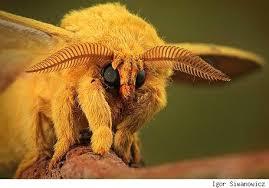
Reality in fact is stranger than fiction. When you consider the limited 'monsters' created in the movies in comparison to the natural world, we ain't doin' that good!
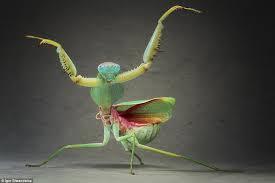
Giant Malaysian Shield Mantis
The Praying Mantis has to be the stuff of nightmares and is one of the 'details' I was referring to above. These creatures are renowned for the females eating the head of the male after mating. It is amazing that they still procreate and yet they do. My imagination makes me think that within Mantis communities, the male section in particular, that there is hope. I can imagine that the males spend time working together to fashion a method of escape only to fail in the final throes of coitus.
Perhaps I just have a weird mind but the opportunity to create mini stories from strange and wonderful reality is so tempting. Having said that, I'm not the sort of person who can make a story from anything.
 One's own history
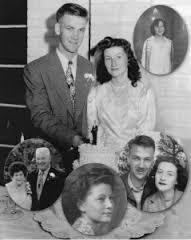
Of course we all have another personal resource and that is our own past. You can take this as far as you wish and with the internet family research is available to all of us. I'm back as far as 1803 with some degree of optimism, but it isn't the names and dates that are important. It is the detail of the past lives that interest and provide depth. For example, my earliest ancestor was a farm labourer as was his son, but at some point, due to the opening of coal mines, the family relocated a dozen miles and then began a link with mining that lasted four generations. Those miners would see a transformation from candle lit mines with hand tools to fully mechanised pits. My own father worked under a system called 'power loading' in the 1970s before the mines finally closed. It doesn't take a great deal of imagination to what life was like for people who had to live their lives close to the pit, descending into holes in the ground by ladder and rope, working in damp, filthy conditions hewing coal with a hand pick and bucket, working many hours a day.
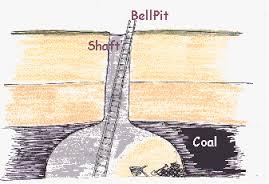
Then the improvement to young children working in the mines as well as ponies to haul tubs full of nutty slack. How things have changed.
[image error]
The point is that the origins of our families provide us with a source of inspiration and we need to utilise every aspect of our personal histories at times.
So when we become stuck with our writing, take the time to delve into the natural world or back in time and empathise with our past or glorify in the riches of our planet. It won't be long before your mind is awash with ideas.
God Bless
[image error]Hairy panic tumbleweed
Trust the Australians to come up with an apt and accurately descriptive name - hairy panic! It is the stuff that spoof horror films are made from.
Tim Peake's thunder storms from space
The white flashes on the above photographs are lightning flashes over the Earth taken from space by astronaut Tim Peake. Once again the makers of apocalyptic movies will undoubtedly find a use for the shots in the future. In itself views of Earth from space are wonderfully emotive.
“In all things of nature there is something of the marvelous.”— Aristotle
The quote from Aristotle there is simple appreciation of nature but hints at the detail. Some of what we see is simply beautifully.
[image error]Autumn in New England
I'm sure some art critics would describe the colours as being too bold or unrealistic, well I am pleased God ignores them and annually endeavours to out do previous glories.The whole spectrum is applied and when we write there is the opportunity to stretch the imagination as far as it will go. One aspect of my personality, the need for everything in its place etc., is limiting on my imagination but the more I write the easier it has become to let go of reality. It has made me realise that reality is a construct whose limits are set by the individual.
Reality in fact is stranger than fiction. When you consider the limited 'monsters' created in the movies in comparison to the natural world, we ain't doin' that good!
Giant Malaysian Shield Mantis
The Praying Mantis has to be the stuff of nightmares and is one of the 'details' I was referring to above. These creatures are renowned for the females eating the head of the male after mating. It is amazing that they still procreate and yet they do. My imagination makes me think that within Mantis communities, the male section in particular, that there is hope. I can imagine that the males spend time working together to fashion a method of escape only to fail in the final throes of coitus.
Perhaps I just have a weird mind but the opportunity to create mini stories from strange and wonderful reality is so tempting. Having said that, I'm not the sort of person who can make a story from anything.
One's own history
Of course we all have another personal resource and that is our own past. You can take this as far as you wish and with the internet family research is available to all of us. I'm back as far as 1803 with some degree of optimism, but it isn't the names and dates that are important. It is the detail of the past lives that interest and provide depth. For example, my earliest ancestor was a farm labourer as was his son, but at some point, due to the opening of coal mines, the family relocated a dozen miles and then began a link with mining that lasted four generations. Those miners would see a transformation from candle lit mines with hand tools to fully mechanised pits. My own father worked under a system called 'power loading' in the 1970s before the mines finally closed. It doesn't take a great deal of imagination to what life was like for people who had to live their lives close to the pit, descending into holes in the ground by ladder and rope, working in damp, filthy conditions hewing coal with a hand pick and bucket, working many hours a day.
Then the improvement to young children working in the mines as well as ponies to haul tubs full of nutty slack. How things have changed.
[image error]
The point is that the origins of our families provide us with a source of inspiration and we need to utilise every aspect of our personal histories at times.
So when we become stuck with our writing, take the time to delve into the natural world or back in time and empathise with our past or glorify in the riches of our planet. It won't be long before your mind is awash with ideas.
God Bless
February 17, 2016
Poetry Thursday 200 - A walk on the dark side.
This is the 200th blog containing original poetry. Just about four years worth I suppose, and some have been published in the collections that are available at Amazon. As I have often stated, poetry is an emotional response in many instances but there is poetry for which emotion isn't the only driver. Edward Lear wrote such verse. Some would call it 'nonsense' or 'abstract' or whatever label they wish to attach. If you have spent time reading me you will know that I don't much like labels. So for long enough I have considered dabbling in the more abstract forms but without much success. (By success I mean that which would satisfy me as the writer.) However, last weekend this happened:-
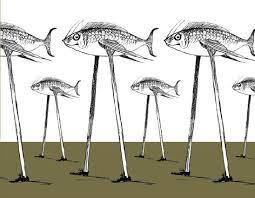
Posturing Buffoon
The lumps in the porridge,like the elusive sock thief.A mysterious heart cabbageof childish unbelief.
Gardens with rows of egg paint,ready to garner bland wallswith insignificant hand wash, faintand as cold as tasteless melon balls.
The notes dancing across the pageon railway lines of quintessence,making atmosphere of a different ageon tables of keyless innocence.
Splodges of colour on board,that mix to the mud of time,satisfies the gullible hoardwho crow their love of slime.
Then the rocks with lumps off,strata fissured through with ice creamflavoured by flakes of spilled dandruff,engorging slime lovers’ ears with steam.
Posturing buffoon tall luvvies,without a cell to satisfy,the sun seeking smeared chubbiesbloated absentees from therapy.
At last the ink dotted spider,leaving its tempting trail of code,on the ski slope of cider,pushed on to the blank road.© David L Atkinson February 2016
So there it is. My first abstract piece that I haven't deleted. You may ask me if it has a meaning and I will hedge but it does satisfy what I wanted from the writing. I actually wrote another verse which I rejected.
Sticking detritus to a level playing field
from new mown dustbins.
Showing a kaleidoscope sealed
in a tube of shark fins.
This didn't cut it for me but don't ask me why, it just didn't feel right.
Anyway you are the readers and you will make of it what you will - for me it stays.
The poem below is still dark, well it concerns the dark! It is another animal poem and I hope you like both.
[image error]
Night Lepidoptera
No heavily beating wings at night,subtle shades that diffuse the light.A whispered feathery brush against the cheek,resulting in a piercing nervy shriek.
Automatically drawn towards the lightcooking themselves in suicidal flight.No reason to worry yourself to a froth,It is only a common or garden moth.© David L Atkinson February 2016
God Bless
Posturing Buffoon
The lumps in the porridge,like the elusive sock thief.A mysterious heart cabbageof childish unbelief.
Gardens with rows of egg paint,ready to garner bland wallswith insignificant hand wash, faintand as cold as tasteless melon balls.
The notes dancing across the pageon railway lines of quintessence,making atmosphere of a different ageon tables of keyless innocence.
Splodges of colour on board,that mix to the mud of time,satisfies the gullible hoardwho crow their love of slime.
Then the rocks with lumps off,strata fissured through with ice creamflavoured by flakes of spilled dandruff,engorging slime lovers’ ears with steam.
Posturing buffoon tall luvvies,without a cell to satisfy,the sun seeking smeared chubbiesbloated absentees from therapy.
At last the ink dotted spider,leaving its tempting trail of code,on the ski slope of cider,pushed on to the blank road.© David L Atkinson February 2016
So there it is. My first abstract piece that I haven't deleted. You may ask me if it has a meaning and I will hedge but it does satisfy what I wanted from the writing. I actually wrote another verse which I rejected.
Sticking detritus to a level playing field
from new mown dustbins.
Showing a kaleidoscope sealed
in a tube of shark fins.
This didn't cut it for me but don't ask me why, it just didn't feel right.
Anyway you are the readers and you will make of it what you will - for me it stays.
The poem below is still dark, well it concerns the dark! It is another animal poem and I hope you like both.
[image error]
Night Lepidoptera
No heavily beating wings at night,subtle shades that diffuse the light.A whispered feathery brush against the cheek,resulting in a piercing nervy shriek.
Automatically drawn towards the lightcooking themselves in suicidal flight.No reason to worry yourself to a froth,It is only a common or garden moth.© David L Atkinson February 2016
God Bless
February 16, 2016
Writing - Another sort of legacy
I have written about legacies we writers leave when we've gone, but the bottom line is - if you don't write it no one will ever find it in the future. Today I found a living example of this phenomenon.
[image error]J R R Tolkien
An American Tolkien scholar (wouldn't it be gratifying to find an Atkinson scholar!!!!) wrote to Abingdon School researching some of Tolkien's poetry. He had heard that some of his work written in the 1930s had been lost and decided to try and discover its whereabouts.It turned out that Professor Tolkien, of Oxford University, had written two poems that were included in the schools 1936 annual which Tolkien referred to as the Abingdon Chronicle. The first was 'The Shadow Man' written about four years previously and the second a Christmas offering entitled simply 'Noel'.Both of these works were written long before he had his crashing success with the Hobbit. A sample,
The Shadow Man
There was a man who dwelt alonebeneath the moon in shadow.He sat as long as lasting stone,and yet he had no shadow.The owls, they perched upon his headbeneath the moon of summer;They wiped their beaks and thought him dead,who sat there dumb all summer.
I have thoroughly enjoyed all that I've read by J R R Tolkien including his Revolting Rhymes. A brilliantly talented man.
[image error]
So what do writers leave behind these days?Well usually there are websites, blogs, YouTube accounts, and of course published works. Life was simpler when Dickens was producing his articles for his own magazines. Of course, the major difference is that many more people can 'publish' their thoughts on Facebook, Twitter and more. So what likelihood a scholar studying work such as mine - slim to negligible I would say. That is not due to any false modesty or anything like that but more to do with the sheer volume of stuff out there. You would probably have to be a celebrity (whatever you think that means) to entice academics to consider your work. Does that mean you should stop writing?
If your like me then that would never happen. Writing has become a huge part of my life and I'm thankful for that. A word of warning - don't enter into this writing world unless you are prepared to give it loads of your time. If you do I can promise you a whole gamut of emotions and the enjoyment of entering worlds you never knew existed, but then once inside you may never find the way out again.
God Bless
[image error]J R R Tolkien
An American Tolkien scholar (wouldn't it be gratifying to find an Atkinson scholar!!!!) wrote to Abingdon School researching some of Tolkien's poetry. He had heard that some of his work written in the 1930s had been lost and decided to try and discover its whereabouts.It turned out that Professor Tolkien, of Oxford University, had written two poems that were included in the schools 1936 annual which Tolkien referred to as the Abingdon Chronicle. The first was 'The Shadow Man' written about four years previously and the second a Christmas offering entitled simply 'Noel'.Both of these works were written long before he had his crashing success with the Hobbit. A sample,
The Shadow Man
There was a man who dwelt alonebeneath the moon in shadow.He sat as long as lasting stone,and yet he had no shadow.The owls, they perched upon his headbeneath the moon of summer;They wiped their beaks and thought him dead,who sat there dumb all summer.
I have thoroughly enjoyed all that I've read by J R R Tolkien including his Revolting Rhymes. A brilliantly talented man.
[image error]
So what do writers leave behind these days?Well usually there are websites, blogs, YouTube accounts, and of course published works. Life was simpler when Dickens was producing his articles for his own magazines. Of course, the major difference is that many more people can 'publish' their thoughts on Facebook, Twitter and more. So what likelihood a scholar studying work such as mine - slim to negligible I would say. That is not due to any false modesty or anything like that but more to do with the sheer volume of stuff out there. You would probably have to be a celebrity (whatever you think that means) to entice academics to consider your work. Does that mean you should stop writing?
If your like me then that would never happen. Writing has become a huge part of my life and I'm thankful for that. A word of warning - don't enter into this writing world unless you are prepared to give it loads of your time. If you do I can promise you a whole gamut of emotions and the enjoyment of entering worlds you never knew existed, but then once inside you may never find the way out again.
God Bless