
Matador Network's Blog, page 635
June 30, 2021
These 5 hikes to Chamonix’s glaciers are some of the best walks in the world
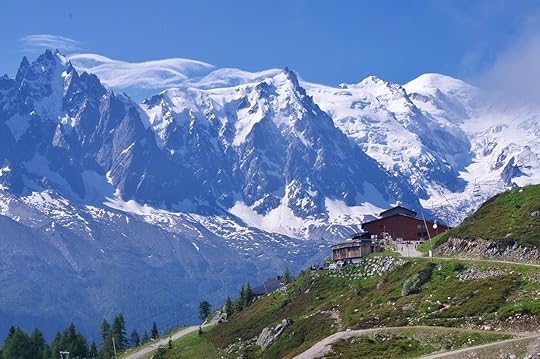
Chamonix, France, is best known as a hardcore ski destination and Europe’s mountaineering capital. But, in summer, the trekking and hiking routes that take you about the stunning Chamonix valley are equally spectacular. Chamonix is not just home to some of the most beautiful peaks in the Alps, but also to several major glaciers — including the largest one in France, Mer de Glace. And you don’t need to pack crampons and ice axes to experience them. These five hikes to glaciers will bring your right to the crevasses of major glaciers or allow you to see them from a panoramic perspective of the high mountains.
Mer de Glace glacier via Grand Balcon Nord Hike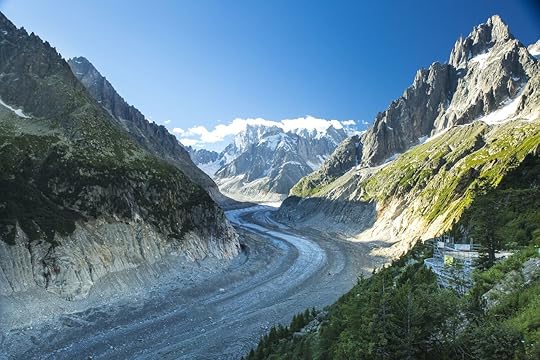
Photo: Geartooth Productions/Shutterstock
At nearly 25 thousand feet long and over 600 feet deep, Mer de Glace is the largest glacier in France. The name of the glacier translates to English as “Sea of Ice” and explains what this massive glacier appeared like to the early explorers of Chamonix — crevasses of ice glistened in the valley like frozen waves. Although it has declined significantly over the last century, Mer de Glace is still an incredible glacier to experience up close.
You will combine your visit to Mer de Glace with a walk on Grand Balcon Nord — a trekking path that runs along the Chamonix valley at the height of over 7,000 feet. The day logistics are as follows: Take the Aiguille du Midi cable car to the half-way station called Plan de l’Aiguille du Midi, hike for two hours and 15 minutes to Mer de Glace, explore the glacier, and take the Montenvers train back to Chamonix. The cable car and the train ride will ensure that you don’t have to do the tricky ascent from and descent to the valley on foot.
Start your day with a meal at the Refuge du Plan de L’Aiguille just outside of the cable car station. The 150-year old Alpine hut has retained its original rustic feel. The hut runs an overnight refuge for trekkers and mountaineers and has a great selection of food with the best fruit tarts in the valley. After the snack, enjoy a hike along Grand Balcon Nord trail with spectacular views of Mont Blanc, the Aiguille du Midi station, the Chamonix valley below, and Mer de Glace from the lookout at Signal Point. Bring your binoculars or a zoom photo lens to spot the mountaineers atop the glacier below.
Once you ascend towards Mer de Glace, you can take another free gondola and walk a set of stairs to the large grottos carved inside the ice. There are marks on the cliffside along the stairs that will show how much the glacier has receded from previous years. After exploring Mer de Glace, take the historical Montenvers train back down to Chamonix.
2. Panoramic glacier view from le Brévent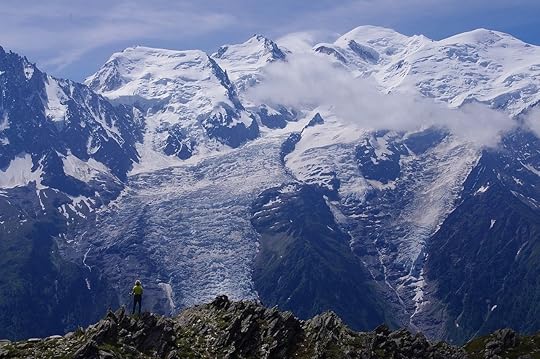
Photo: Anna Shevchenko
Just over 8,000 feet high, le Brévent is the peak located right across from Mont Blanc. It offers the highest panoramic views of the Mont Blanc massif, which is the collection of peaks around Mont Blanc. You will also have views of des Bossons and de Taconnaz glaciers. To get to the viewpoint, take the gondola from Chamonix to Plan Praz station and then the cable car to le Brévent. Plan Praz is the favourite spot for the paragliders in the Chamonix valley.
From le Brévent station follow the signs on the path to Lac du Brévent. The trail will take you down the switchbacks below the station to the ridge across from Mont Blanc. Stay here a while to enjoy the view of the glaciers towering above the valley right across from you and watch the paragliders soar silently through the air. Bring your binoculars or zoom lens and you can spot mountaineers atop of Mont Blanc.
End your day with a beer and a snack at either Brévent or Plan Praz stations before you head back down to Chamonix.
3. Glacier des Bossons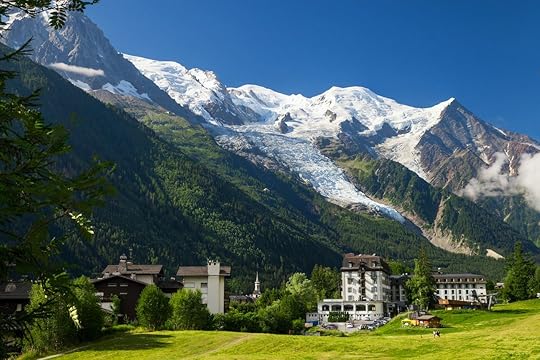
Photo: Julia Kuznetsova/Shutterstock
Les Bossons glacier extends from Mont Blanc towards the valley and is visible from almost anywhere in the town of Chamonix. You can experience Les Bossons glacier on a quick visit to the Chalet du Glacier.
Walk over or take a bus to Les Bossons village located 2.5 miles west of Chamonix. The stream below the glacier, Torrent des Bossons, is a great place to view the glacier from the ground level. From there, take a 40-minute walk uphill or ride the Bossons chairlift to the chalet. Chalet du Glacier has an outdoor terrace that overlooks the glacier and the valley. You can enjoy a tasty meal and learn more about the history of les Bossons glacier and the plane crash that occurred in the area in 1966 in an informative display offered by the chalet owners.
Experienced hikers should consider climbing another 3,000 feet up the trail to Chalet des Pyramides/Le Jonction. The highly exposed alpine trail will take you to the junction where glaciers des Bossons and de Taconaz merge. The open Alpine views of the glacier field below Mont Blanc and the neighboring peaks are worth the extra effort.
4. Lac Blanc and Lacs des ChéserysPhoto: Anna Shevchenko
A hike to Lac Blanc and Lacs des Chéserys is one of the most famous walks in Chamonix. Lac Blanc is a high alpine lake with a milky blue hue — the milkiness being caused by mineral runoff from the glaciers — and is often surrounded by snow even in the summer. Lacs des Chéserys are neighboring lakes known for their clear mirror-like surface with some of the best views of the Mont Blanc massif, the Bossons, Mer de Glace, and the Argentiére glaciers.
Start your day in the village of Les Praz, less than two miles outside of Chamonix. From Les Praz, take a cable car to the Flégère station. From there walk the following loop: Hike for three hours to Lac Blanc, enjoy the lake, have a snack at the Refuge Chalet du Lac Blanc, and then ascend to Lacs des Chéserys. After that, you can walk back to the Flégère station along the Grand Balcon Sud path.
Allocate at least five hours for the entire walk. The Balcon portion of the hike will take you past a number of waterfalls and streams through an alpine meadow. Expect to meet ibexes, with their distinctive long and curved horns, and always give them plenty of room to pass you on the narrow trail. Blooming azaleas will turn the meadow into a sea of pink in late June and early July.
5. Argentière Glacier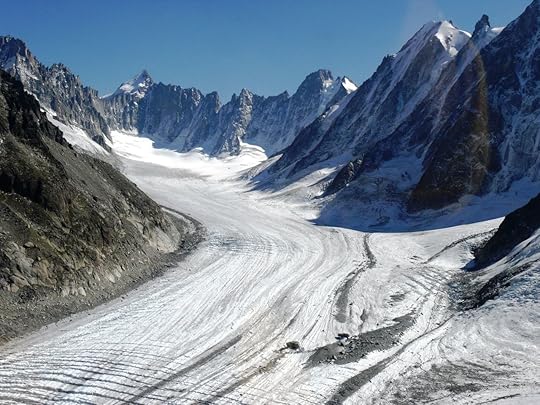
Photo: LACROIX CHRISTINE/Shutterstock
The Argentière glacier is another large glacier in the Mont Blanc massif. It extends towards the village of Argentière, located 20 minutes away by bus from the center of Chamonix. You will start your journey by taking the Grands Montets cable car from Argentière to the middle station Lognan at 6,470 feet. Follow the signs to Refuge Chalet de Lognan; they will lead you to a dirt path along the ridge. You will see the refuge in about 15 minutes perched on the side of the cliff to the left.
Stay on your track to the Point de Vue, a viewpoint over the Argentière glacier at 7670 feet. The trail will reach a cliffside along the path of the glacier. You will soon turn the corner and see the mass of the Argentière glacier ahead of you protruding above the track and dropping deep down below it. The crevasses and seracs, or points and ridges of ice, will glow sapphire in the sun and you will hear the sound of the waterfall rushing between them.
The dirt path will end at the wall of the cliff and you will find smaller footpaths along the side of the mountain that can get you even closer to the glacier. Proceed only if you’re a skilled hiker and are well-equipped with hiking boots and good balance. Find a spot in the grass and enjoy the head-spinning panorama before you.
After experiencing the glacier up close, walk back to Lognan station and take the cable car to the higher Grands Montets station at 10,810 feet. The station has a café and multiple terraces with panoramic views of the Argentière glacier, the Aiguille du Midi, Mont Blanc, and other adjacent peaks, as well as the mountains across the valley. Watch mountaineers get on ice right outside of the station and paragliders float off the snowy ledges below you.
Important tips for planning your trip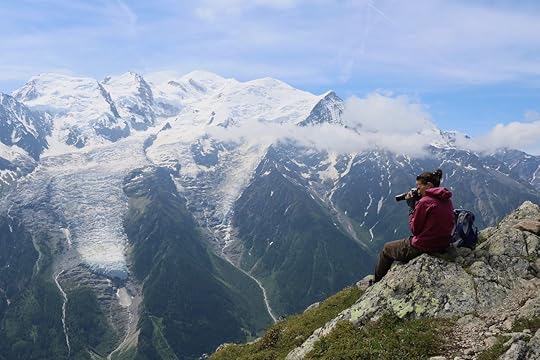
Photo: Anna Shevchenko
The hiking season in Chamonix runs from May to September. All of the routes are well developed with excellent directional signage. Most signs give directions in time rather than distance or elevation gain, so consider the length of each trip ahead and according to your own abilities.
Check the cable car and lift schedule ahead of your hike. If you miss the last trip down, you will be stuck having to descend over 6,500 feet on foot. Plan to be at the station on time for the quick ride to the valley; but, just in case, always save enough energy and food for a hike down on your own.
We recommend that buy the Vallée de Chamonix Summer Mountain Hiking Map at the Chamonix Tourism Office and pick up a free brochure with up-to-date schedules for all of the cable cars, gondolas, and ski lifts. Ask your accommodation provider for the Carte d’Hôte Guest Card for free access to the buses in the valley.
The Chamonix hiking map suggested above grades all of the hikes to glaciers listed here as “easy.” Please don’t be fooled by this evaluation. Do not get on the trails in Chamonix without good hiking boots and poles. The hikes will feature varied terrain with gravel, sleek granite steps, stream crossings, and often snow. Dress for sunny conditions that can quickly change to rain and hail. The ability to have a meal at the chalets is a nice perk, but be prepared for unexpected closures and always bring enough food and water to last through the day. 
The post These 5 hikes to Chamonix’s glaciers are some of the best walks in the world appeared first on Matador Network.


The most idyllic Sri Lankan beach for every type of traveler
The small, teardrop-shaped island of Sri Lanka is home otherworldly hikes, cave temples, stunning tea plantations, a rich biodiversity within its many national parks, verdant untouched jungle landscapes, and one of the best coastal topographies on Earth.
Encapsulated by beaches, Sri Lanka has a stretch of sand for every kind of traveler. Resort speckled shores, bohemian surf paradises, and restaurant-lined city beaches each offer different experiences to enthrall backpackers and families alike. And when compared to the packed shores of Goa, India, Sri Lanka’s neighbor to the north, you might find the beaches here peaceful.
On an island of this size, it wouldn’t be unreasonable to visit all of the coastal towns mentioned here. But to fully soak in the atmosphere of each, you should narrow your focus to a handful that suit your travel style. These are some of the best beaches in Sri Lanka for every type of traveler.
For families: Tangalle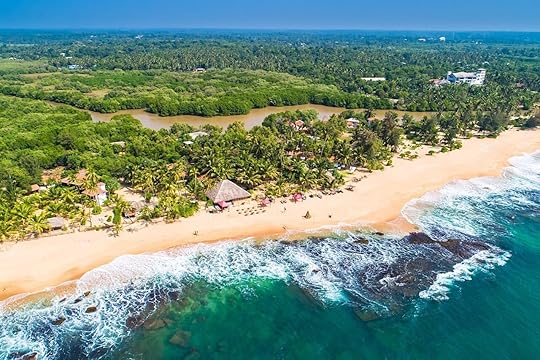
Photo: Marius Dobilas/Shutterstock
As one of the largest beach towns in southern Sri Lanka, Tangalle is an easy add on to most itineraries. Tangelle is a two-hour bus ride from the popular mountain town of Ella, and visiting here proves a relaxing introduction to the Sri Lankan coastline.
Tangalle is one of the most family-friendly and popular beaches in Sri Lanka, and it makes for a safe base to explore the coastline. There’s not a lot to do in Tangalle for the adventurous traveler — the waters here aren’t suitable for surfing and the landscape is too flat for hiking — but you can easily venture to closeby swimmable and scenic beaches such as Goyambokka and Silent Beach.
Most cafes in this area cater to the typical tourist palate — think American and traditional English breakfasts of white toast, jam, and scrambled eggs. That said, The Lounge, located beachside, has some of Tangalle’s best seafood and cocktails made with locally sourced ingredients.
If you’re hoping to start your day with a traditional Sri Lankan breakfast of egg hoppers, sambol, and pani pol (a local breakfast dish that resembles a sugar-filled rolled pancake) make an effort to order the night before with one of the local beachside restaurants and they will accommodate you.
For surfers and fans of dining and drinking on the beach: Hiriketiya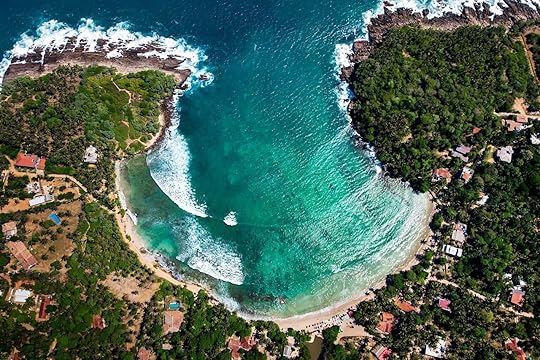
Photo: Creative Family/Shutterstock
Moving west along the southern coastline you’ll find Hiriketiya. This vibe of this beach town is best described as hippy surf paradise meets trendy cafe.
Hiriketiya is one of the most popular surf destinations in the country, and it’s also an ideal place to learn to surf. For around $3, you can rent a surfboard and join the locals paddling off the U-shaped bay fringed with palm trees. The town itself is small — just a smattering of surf shops, spas, murals, and coworking coffee shops — but the beach is one of the best in the world. A few hotels and beachside cafes serve fresh seafood and provide a backdrop to the sandy stray dogs and sunbathers enjoying arguably the most photogenic beach in all of Sri Lanka.
If the crowds of Hiriketiya Beach get to be too much, venture up the highway 10 minutes via local bus to Dickwella Beach. Hailing a bus is simple. Just wave a hand at the bright blue buses like you would a taxi, and they’ll deliver you up the highway for under a dollar. Dickwella Beach is a vast quiet stretch of sand where you’ll find a handful of thatched wooden shacks serving freshly pressed passionfruit mojitos.
If it’s authentic Sri Lankan cuisine you’re looking for, this town has some of the best. Just a few blocks from the sand of Hiriketiya proper, you’ll find Garlic Cafe. A local and tourist favorite serving a vegetarian buffet of curried delicacies from rustic orange clay pots every evening. For dessert, consider a cup of fresh buffalo curd topped with local honey. It’s the Sri Lankan answer to ice cream and equally as satisfying. The waterfront restaurants are temptingly scenic, but generally offer a more Westernized spin on the local cuisine — if any Sri Lankan food at all.
For true beach lovers: Mirissa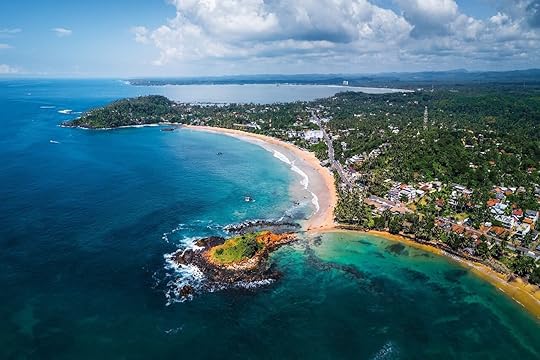
Photo: Dudarev Mikhail/Shutterstock
Don’t be scared away by this southern beach town’s Instagram fame. Mirissa is trendy but laid back. If you’re beach-hopping on the southern coast, it’s one of the must-see beaches in Sri Lanka. Yes, it will be busy with tourists, but the sheer size of Mirissa leaves plenty of room for you to enjoy one of the several idyllic beaches in the area: Mirissa, Weligama, and Secret Beach.
Mirissa beach offers a seemingly endless vista of the open ocean from its rock-strewn stretch of sand. This swath of shoreline is perfect for sunbathing or simply watching the sky turn to hues of pink and lavender at sunset. It’s also the closest beach to the town center ensuring the walk from your accommodation is a short one.
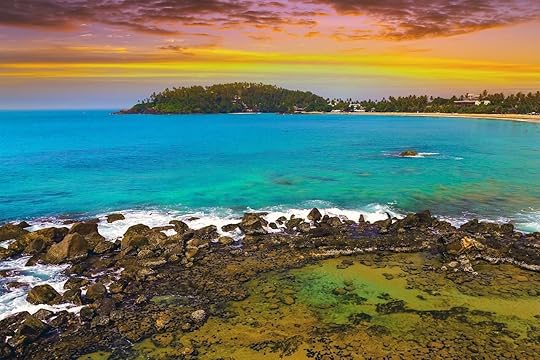
Photo: VladyslaV Travel photo/Shutterstock
But when it comes to the best sunset spots in Mirissa, Parrot Rock wins by a landslide. At low tide, you can climb to its summit for unrivaled panoramic ocean views and a chance to spot some black-tipped sharks in the protected outcroppings. Just make sure you keep an eye on the ever-changing tide or you’ll find yourself marooned on the island.
Another must-visit local attraction near the beach is Coconut Tree Hill, which is a small knoll just outside of town dotted with picturesque skinny palms that’s best enjoyed at sunrise. Visiting at this early hour also ensures that you’ll have fewer tourists to jostle with for the best photo spots.
Secret beach, although not much of a secret, is a local favorite. Shaded and rocky, this tucked-away cove is separated from the town by a short hike down a deeply rutted dirt path. It’s worth the effort if you plan to snorkel, as sometimes turtles and stingrays are spotted in the area.
Weligama beach is the single best beach in the country for first-time surfers. The small rolling waves here don’t hold a candle to Hiriketiya’s crashers, and without coral or a rocky shoreline you’ll have nothing to break your fall but soft sand.
In the town of Mirissa you’ll have the option to dine on sushi, Chinese dim sum, vegan favorites, or local cuisines. No. 1 Dewmini Roti Shop is as authentic as it gets. Once just a simple roadside food cart, Dewmini has now expanded into a lovely family-run restaurant offering Sri Lankan roti and other local staples.
Mirissa is also world-renowned for whale watching. Both grey and fin whales feed year-round in Sri Lanka’s warm southern waters, and hundreds of small whale watching operations eager to capitalize on the native wildlife have sprung up over the years. Raja and the Whales is the most sustainable and ethical whale watching company in the region and an absolute must-do if you plan to visit Mirissa.
For backpackers and bohemian surfers: Unawatuna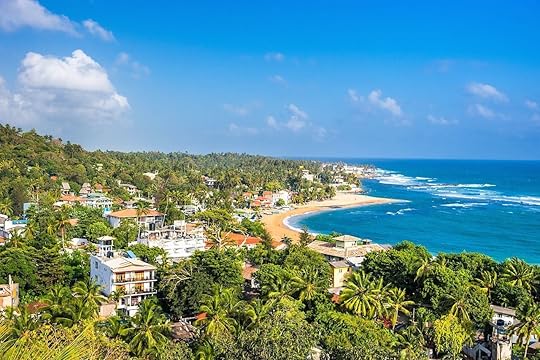
Photo: Efimova Anna/Shutterstock
Unawatuna is a favorite of backpackers and bohemian surfers alike. Sri Lanka isn’t a huge party destination, but Unawatuna has a vibrant nightlife. This town is also the ideal jumping off point for several famous southern beaches in Sri Lanka, namely, Unawatuna, Wijaya, and Dalawella beach.
Unawatuna Beach is perfect for swimming and lounging while still remaining close to the new trendy cafes and restaurants that have popped up since the 2004 tsunami.
Wijaya Beach is a hot snorkel spot that almost always has a few giant sea turtles milling about in the coral-protected bay. You can spend a day snorkeling here, but the water is so clear and the turtles are often so close to shore you won’t even need to jump in with a mask to see them.
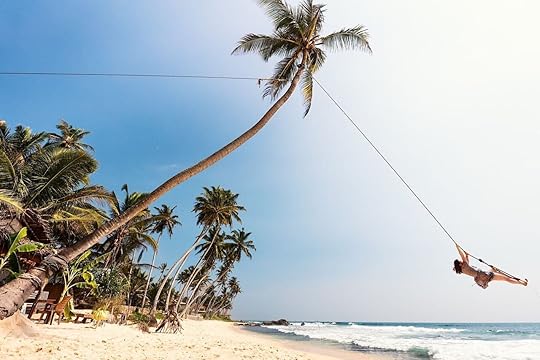
The highlight of a visit to Dalawella beach is swinging high over the ocean on a rope swing attached to a towering palm. Although the rope swing has become a bit of a tourist gimmick, it’s a lovely experience at sunset. The beach itself, although crowded with restaurants, is protected from the waves and great for sunbathing.
Pay a visit to the Unawatuna Japanese Peace Pagoda. Architecturally stunning, this white pagoda stands in stark contrast to the vibrant surrounding jungle and turquoise waters. If you go, be sure to dress appropriately with your shoulders and knees covered at all times.
For travelers looking for an artsy beach town: Galle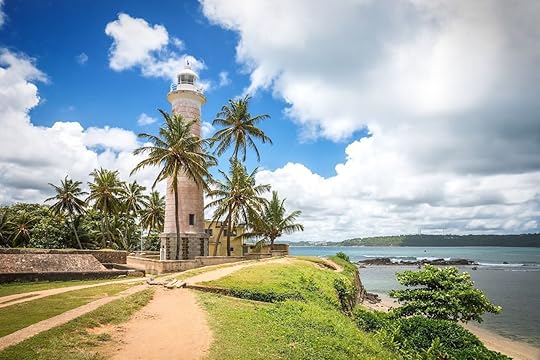
Photo: Kengoo/Shutterstock
Next door to Unawatuna, Galle deserves a spotlight all its own. Cast aside all your expectations of a typical bohemian beach town because Galle is Sri Lankan luxury.
If it wasn’t for this church-strewn cobblestoned town’s deeply European atmosphere you might forget that Sri Lanka was once a Dutch colony. Some highlights of Galle are the postcard ready white lighthouse perched on the pier, the Maritime Archeology Museum, and the white crumbling facade of the Dutch Reformed Church. Pedlar street, lined with boutiques, restaurants, and art galleries, offers some of the best people-watching and shopping in the country. Galle is UNESCO-Heritage recognized which helps to keep the town clean, perfectly preserved and brimming with local artisans.
When the sweltering heat has you searching for sand, Koggala Beach is only a short bus ride away. Here you’ll find a turtle hatchery, a rugged shoreline with tossing waves and lush jungle edges, and often, the iconic stilted Sri Lankan fisherman.
For beach nightlife lovers: Negombo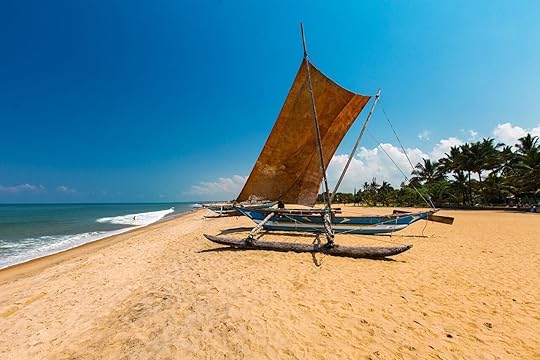
Photo: My Good Images/Shutterstock
Leaving the south coast behind, this town sits high on Sri Lanka’s west coast. Just like the southern beaches in Sri Lanka, it’s easily reachable by bus from Colombo.
For travelers who loathe simply lounging on the sand, Negombo is the perfect combination of a modern city beach and a traditional fishing village. Although not quite as urbanized as the capital city of Colombo, Negombo has a thriving nightlife scene and a wide array of restaurants. As for its shoreline, Negombo beach is covered in an impossibly wide expanse of golden sand with a strip of palms separating the city from the sea.
First thing in the morning, Negombo fish market is an experience not to be missed. Small boats careen onto the sand and unload the day’s catch ready to be sliced and dried right on the shore for distribution to the local markets. It’s a view of local life, but be sure to get there early, as it’s all over by 9:00 AM each day.
Most guesthouses and hotels in the area can also arrange boat tours of the Negombo Lagoon and Muthurajawela Marsh, which are close to town. Here, you can spend the day swimming, bird-watching, and weaving through the mangroves that line the lagoon.
The post The most idyllic Sri Lankan beach for every type of traveler appeared first on Matador Network.
5 states with the most scenic and laid-back nude beaches
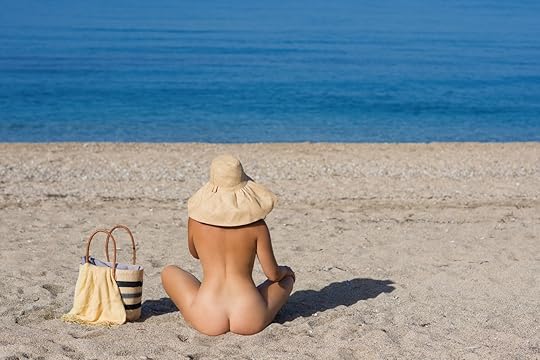
Nude beaches aren’t for everyone, but what better way to say “life is back in session” than by flinging off your clothes and seeing way more of people than you ever wanted to? Nude beaches aren’t just for Europeans, folks. They’re scattered all over the US, and if you know where to look you might just find your new favorite summer hangout. I’m not saying you’ll be making a clothes bonfire and moving to a nudist colony in the woods anytime soon, but I’m not saying you won’t, either. From Oregon to Massachusetts, these are the states with the best nude beaches in the US.
Massachusetts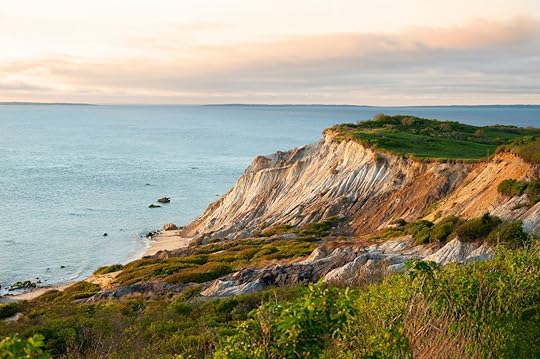
Photo: Allan Wood Photography/Shutterstock
Moshup BeachA Martha’s Vineyard beach vacation conjures images of frat guys in Sperrys playing spikeball in the backyard of a beach cottage one of their parents owns. But you don’t have to wear preppy clothes to have a memorable Martha’s Vineyard beach day. In fact, you don’t have to wear clothes at all. Moshup Beach on the island’s west end is among the most famous nude beaches in Massachusetts. Backed by multicolored cliffs that look out of place on the New England coast, the beach is a popular destination for nude and none-nude bathers alike. Nude beachgoers typically gather about a third of a mile north of the beach’s entry path, just below the Gay Head lighthouse. You might come across a “No Nudity” sign or two — a remnant from the nearby town of Aquinnah’s failed attempt to outlaw nudity — but you’ll find the rule unenforced.
Longnook BeachLongnook Beach is located near the town of Truro on Cape Cod. The nude beachgoers here mostly consist of couples and families, and with white sand and dunes as high as 75 feet, there’s more scenery here than just the nude bathers surrounding you. The beach is part of the Cape Cod National Seashore, where nudity is technically banned, though like most nude beaches the park rangers largely leave nude sunbathers alone.
Herring CoveLocated in Provincetown, one of the most famous LGBTQ destinations in the US, Herring Cove Beach is unsurprisingly popular with the gay community. Nudity is particularly common toward the beach’s southern end, just over a mile south of the NPS beach parking lot. It’s frequented mostly by gay men, though there’s also a lesbian section slightly farther north. The nude portion of the beach is located on a thin strip of land between Cape Cod Bay and a tidal lake, and the warm lake water is perfect for swimming.
Hawaii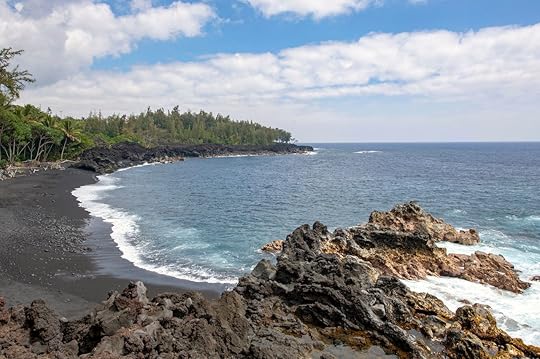
Photo: norinori303/Shutterstock
Little Beach, MauiOne of Hawaii’s most popular nude beaches, Little Beach is found in Makena State Park. About 10 miles south of Kihei on Maui’s west coast, the crescent-shaped beach is just a few hundred feet long. You can get there via a short walk over a rocky outcropping from the larger Big Beach (which is not nude). It’s worth noting that no beaches in Hawaii officially allow nudity, though the ones listed here are known as safe havens for nude sunbathers.
Kehena Black Sand Beach, Big IslandJust east of Hawaii Volcanoes National Park on the Big Island, this beach is known — apart from the nudity — by its black sand created by a volcanic eruption in the 1950s. The clothing-optional beach is a great place for whale watching, seeing dolphins and sea turtles, and going snorkeling.
Polo Beach, OahuFound on the north coast of Oahu, Polo Beach is a small beach named for the nearby polo field. Once you arrive, you can walk a few minutes either left or right to reach the nudist portion of the beach.
Texas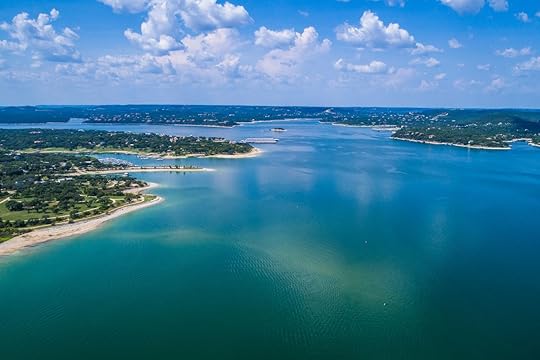
Photo: Roschetzky Photography/Shutterstock
UFO Beach, South Padre IslandDon’t get your hopes up. The only alien lifeforms you’ll see on UFO beach are the wrinkled, leather-tan sunbathers sprawled out on the sand catching rays. The beach takes its name from an alien-looking “escape pod” that washed ashore, though it was later determined to be nothing more than an ocean buoy. At eight miles from the nearest town and accessible via a remote dirt road, you’ll have plenty of privacy here to let it all hang out.
Hippie Hollow, AustinThis county park is located on the shores of Lake Travis, 18 miles from Austin. Nude use was legalized by the county in the early 1980s, and it’s the only state park that’s clothing-optional. The area is popular not just for its free spirited clothing-optional ethos, but also for its blue-green waters and picturesque tree-covered hills. Since summer temperatures can easily exceed 100 degrees, you’ll probably want to go nude even if you’re hesitant.
McFaddin Beach, Bolivar PeninsulaWhen a hurricane destroyed much of State Highway 87 near Port Arthur in 1989, McFaddin Beach was left isolated enough to make it popular among nude beachgoers. The nude area of the beach begins three miles east of the junction of highways 124 and 97, and you can park directly on the beach. Parking on the beach sounds cool, but your car should have four-wheel drive if you don’t want to get stuck.
Oregon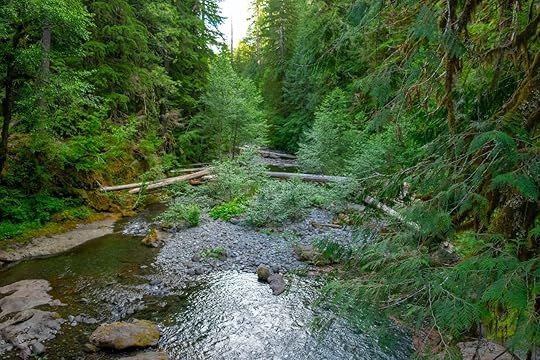
Photo: TLPhotoPDX/Shutterstock
Rooster State Park, CorbettTwenty-three miles east of Portland you’ll find Rooster State Park, one of the most well-known nude beaches in the Pacific Northwest. Located along the Columbia River, Rooster State Park’s nude area begins a few hundred feet east of the parking lot, and it has stunning views of the river gorge and green hills surrounding it. It’s especially popular with gay sunbathers. Nudity is also common on the walking trails behind the beach, and there’s a volleyball area in the forest for those looking to dabble in nude volleyball.
Collins Beach, PortlandAnother of the Pacific Northwest’s best-known nude beaches, Collins Beach near Portland is also on the Columbia River. The beach is located on Sauvie island, a river island created by three waterways. It’s known for its social atmosphere and hot temperatures — since, unlike Rooster State Park, Collins doesn’t benefit from the cool wind blowing through the gorge. As an extremely popular beach, it’s almost always crowded during the summer, so you may want to sunbathe elsewhere if privacy is important to you.
Bagby Hot Springs, Mount Hood National ForestSo this one isn’t technically a beach, but it’s one of Oregon’s most remote and intriguing nude recreation areas. Bagby Hot Springs provides water to a bathhouse located deep in Mount Hood National Forest, and nudity is well established here. The bathhouse is composed of private rooms with a soaking tub in each, and a communal area with several tubs. The communal area can hold six bathers at once, so you’d better know your friends extremely well or be open to making new friends. When planning your trip, keep in mind that the remote site is 40 miles away from the nearest services in Estacada.
California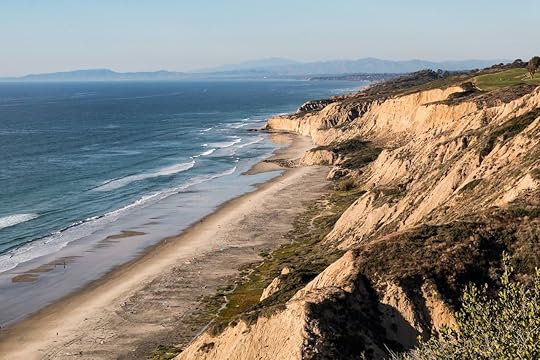
Photo: Sherry V Smith/Shutterstock
San Gregorio, Half Moon BayClaiming to be California’s oldest nude beach, San Gregorio is private property that has operated as a nude beach since 1967. Since the beach is quite large, there’s plenty of space for everyone and it rarely feels overcrowded. There’s a small per car parking fee, and cameras are prohibited on the beach.
Baker Beach, San FranciscoBaker Beach is known mostly for its unparalleled views of the Golden Gate Bridge. Thanks to its stunning views, this is one of the most popular beaches in the Bay Area, and it regularly attracts hundreds of visitors. Only the north end of the beach is nude, however, so disrobe accordingly.
Black’s Beach, San DiegoAlthough not technically a legal nude beach, Black’s Beach is so commonly frequented by nude bathers that nudity has become synonymous with the place. The beach’s nude bathing custom dates back to the 1960s, and the city sanctioned part of the beach as clothing optional in the early 1970s. Though the laws changed, Black’s Beach has been known for nude bathing ever since. To reach Black’s Beach, you’ll have to descend one of two trails from a clifftop parking area, winding 300 feet down the cliffs. The south trail, called the Burro Trail, is easier with more paved sections and handrails, while the north trail is steeper and more challenging.
The post 5 states with the most scenic and laid-back nude beaches appeared first on Matador Network.
The most expensive, and cheapest, countries for a cup of coffee

There’s one thing that people around the world — from North America to Asia, Europe to Africa and the Middle East — have in common: We welcome a new day with coffee. Here in the US, we like to gripe that coffee is getting more expensive by the day. But how does it compare to coffee prices in the rest of the world? The World Coffee Index recently released its 2021 survey, which answers all your burning (scalding?) questions about how the rest of the planet drinks their coffee.

Photo: World Coffee Index
Surprisingly, New York City can’t claim the most expensive cup of coffee. That title goes to South Korea, where the average cup of coffee costs $7.77. That seems extravagant for a cup of regular coffee, but South Korean people are clear coffee enthusiasts (and therefore presumably willing to the pay the price). Seoul is also home to the most Starbucks locations in the world.

Photo: World Coffee Index
If you’re looking for the most inexpensive cup of coffee in the world, plan a visit to Iran, where a cup of coffee will cost you 0.46 cents. The preferred caffeinated drink of choice there is tea, anyway. Coffee prices are inexpensive in countries that produce coffee beans too. For instance, Brazil produces the most coffee beans in the world, and the average cup of coffee costs around $1.90.
Now about who drinks the most coffee in the world. No, it’s not the Italians. It’s not even you, standing in your kitchen before you leave for work in the morning. The people of Luxembourg actually drink the most coffee, clocking in at about 24 pounds of coffee per capita, followed by Amsterdam and Helsinki. The country many people most associate with coffee, Italy, appears at number 15 on the list of who drinks the most coffee per capita.
As for the Americans, the most dedicated coffee drinkers come from Washington, DC, where a cup of coffee costs, on average, around $4. And that makes sense, with all the busy politicians (and their assistants) running around, trying to keep the country running. So next time you pick up that venti latte with an extra pump of caramel, just remember what unites us as human beings: almighty coffee.
The post The most expensive, and cheapest, countries for a cup of coffee appeared first on Matador Network.
‘Harry Potter and the Cursed Child’ is coming back to the US this year

The Tony Award-winning Harry Potter and the Cursed Child is coming back to the US in November.
The original two-part show will now be presented as one show. According to Playbill, playwright Jack Throne and director John Tiffany, who created the play along with the series’ original author J.K. Rowling, say they’ve been working on the condensed version when all the theaters were closed because of the pandemic.
“Given the challenges of remounting and running a two-part show in the US on the scale of Harry Potter and the Cursed Child, and the commercial challenges faced by the theatre and tourism industries emerging from the global shutdowns, we are excited to be able to move forward with a new version of the play that allows audiences to enjoy the complete Cursed Child adventure in one sitting eight times a week,” producers Sonia Friedman and Colin Callender said in a statement.
Harry Potter and the Cursed Child takes place 19 years after Harry, Ron, and Hermione saved the wizarding world, and now a new generation of wizards are attending the Hogwarts School of Witchcraft and Wizardry.
The play will open on November 15 at the Lyric Theatre in New York City and on Jan 11, 2022 at the Curran in San Francisco. Ticket pre-sale begins on July 15, 2021.
The post ‘Harry Potter and the Cursed Child’ is coming back to the US this year appeared first on Matador Network.
Here’s the right way to split expenses when you’re traveling with a partner

Traveling with a romantic partner can be extremely rewarding. Traveling with a partner who makes significantly more money than you, however, can lead to disaster — if you don’t steel yourself for awkwardness and have a frank budget discussion beforehand.
In a recent Reddit post in the subreddit AITA (which stands for Am I The Asshole and is a place for people to be publicly judged on their actions), travel finances take center stage. An IT consultant making $150,000 took his girlfriend of two years on a family vacation. His girlfriend is a teacher making $45,000, and he describes his family as “pretty affluent,” which seems to be, from the perspective of a writer who doesn’t come from such a background, a term only the upper crust of the upper-upper-upper-middle class would self-identify with. Those “pretty affluent” people planned the trip, but he doesn’t reveal where the trip took place.
This IT consultant expected his girlfriend to split trip expenses 50-50, and she took on a second job waitressing for a few months to pay for the predictable expenses. Long story short, it didn’t go well. She ate two meals a day because she couldn’t afford a third and went on only half of the excursions (which presumably means she was left behind to entertain herself while the rest of the family had a blast). His response: “I feel bad that I did not pick up on her discomfort sooner. But we did agree to split everything 50/50 and I don’t know why she agreed to come if the cost was an issue.”
Clearly the IT consultant who posted this story is nothing short of an asshole, as confirmed by everyone in the AITA subreddit. Commenters replied with things like “My heart broke for this girl,” and that if he wants to stay with her, “he needs to smarten up quick and realize that a partnership and building a life together is way more than only 50/50.” Another provided a simple solution: “Don’t plan for your budget when you know she makes so much less than you.”
The editorial team at Matador had a similar response about the lack of communication — or the willingness to use broken communication as an excuse for doing what you want without thinking about the other person.
Discussing travel expenses is a necessary evil. While it can seem like money talk spoils the excitement of trip planning, having a quick conversation ahead of time about who pays for what makes for a much smoother, enjoyable, and conflict-free trip. My fiancée, whom I’ve been with for 12 years, is a dentist. I’m a writer and editor balancing multiple freelance contracts. It doesn’t take much knowledge of either industry to know that there’s a wide pay gap there. Both of our incomes vary year by year and month by month, but I make about three times less than my fiancée. Talking about money is key for us to travel smoothly.
Travel is a major part of our lives. We fall more on the side of spenders than savers when booking travel, though a recent home purchase, for which she covered the vast majority of the down payment, has slowed how much we have on hand to spend. Still, our money discussions when we travel are much like they’ve always been: I’m thankful when she covers the costs for things like kayak trips through France’s Calanques National Park, I keep the sugar mama jokes to a minimum, and she almost always offers to pay and consistently checks in before making joint money decisions.
Regardless of where we’re going, we have an agreement that’s become so de rigueur over the past decade together that it largely goes without saying: We split the things we can and one of us pays for the things the other person either can’t afford or is more interested in doing. Most importantly, we’re open about where we can each afford to go and what we can do before we book anything.
This can mean some concessions on her side. Sometimes she buys my plane ticket or pays for the gas on a road trip, or we settle on a place to stay that I would assume is far less fancy than what people making dentist-level salaries normally opt for. If there’s something she really wants to do that I’m not all that into, she pays for it. The same is true on the other side — we’re thankfully both the type of people who travel for the food so we usually split restaurant bills, but I’ll pick up the full bar tab or pay at cannabis dispensaries since those activities fall more into the categories that I’m interested in.
Open communication is key here. That IT consultant somehow had zero questions in the moment that his girlfriend was going hungry because his family favors “more high-end (*expensive*) places” (and only later assumed that she had an eating disorder instead of being clued into his own keyword of “expensive”). He also didn’t consider the pressure she might be under to agree to a trip she clearly couldn’t afford, and she clearly didn’t feel comfortable about confiding in a partner who is so blasé about money.
The most important thing a couple can do before booking a trip is to have an honest conversation about money. Neither me nor my fiancée are ever surprised when we have to pay for something, and she knows where I’m at in terms of what I can afford. We share what each of us are thinking when it comes to a trip’s overall budget and plan accordingly. It’s not knowledge and planning displayed in the AITA post, where the girlfriend felt forced to take on a second job to prepare. It’s knowledge that if one of us wants to do something, and we want to do it together, then there needs to be a plan in place to pay for it. Sometimes it ends up being a 50-50 split, sometimes it doesn’t. The point is, we always talk over our expectations beforehand.
We wouldn’t have lasted a dozen years together traveling around the country and the world if we didn’t talk. An income and savings gap doesn’t need to be an issue that keeps a couple homebound if the couple keeps lines of communication open.
Perhaps that IT consultant already knew the answer to whether he was an asshole or not when he made his post. He did, afterall, readily admit that she didn’t know if the relationship would work long term if she was expected to go on, and pay for, vacations that she can’t afford. Few experiences can bond a couple like travel, but when there’s no communication, understanding, or empathy, it’s time to move on.
The post Here’s the right way to split expenses when you’re traveling with a partner appeared first on Matador Network.
Travelers to Iceland can trade their sweatpants for brand new hiking boots

Fifteen months after the first wave of quarantine, travelers are eager to slough off their pandemic sluggishness and get back to exploring. Iceland is ready to welcome back tourists, and it’s providing an incentive for them to delete their Netflix queues, hop on a plane to Reykjavik, and get back to the great outdoors: The adventure-travel hotspot is offering to transform travelers’ old sweatpants into brand new hiking boots.
All travelers have to do to claim their boots is bring a pair of sweatpants to the Sweatpant Boots pop-up on Rainbow Street in the capital city along with a plane ticket confirming their arrival date in Iceland in July. Then, at the pop-up, their sweatpants will be repurposed into a one-of-a-kind pair of outdoor footwear that’s fit for touring Iceland’s many natural wonders, which is not only thrifty but also just plain cool.

Photo: Inspired by Iceland
“For those ready to travel again, we want to make sure you’re prepared to experience life to its fullest and take on whatever adventure you’ve been craving,” said the head of Visit Iceland, Sigríður Dögg Guðmundsdóttir, in a statement. “And some lucky visitors will get to do it with their own unique Sweatpant Boots.” Each pair will come with sweatpant cuffs, trail tread, water-resistant uppers, and easy-off laces to maximize comfort and performance. Guðmundsdóttir also noted that the boots are made “in partnership with Will’s Vegan, a sustainable and environmentally friendly boot brand, with the design and creation of the boots done by Icelandic designer and founder of Another Creation, Ýr Þrastardóttir.”
Though only a limited number of travelers will be able to cash in on the promotion by booking a reservation at the pop-up, everyone can get in on the fun by donning a virtual pair of Sweatpant Boots and exploring Iceland’s outdoors from home. While they’re busy adventuring, in person or otherwise, travelers can even rock out to “The Sweatpant Boot Song,” an exclusive collaboration between Icelandic rapper Cell7 and music producer Ásgeir Orri Ásgeirsson.
More like thisCulture10 things tourists do in Iceland that drive the locals crazy
The post Travelers to Iceland can trade their sweatpants for brand new hiking boots appeared first on Matador Network.
New Hampshire outdoors: 6 adventures

For anyone looking to get into the great outdoors in New England, New Hampshire is the place to be. We’re talking world-class hiking, paddling, forest bathing, wildlife spotting (moose! bears!), and winding scenic drives to get there.
But expect some surprise adventures in the Granite State as well. Surfing, anyone? Hang-gliding? Maybe you knew about these, maybe you didn’t — either way, there’s no disputing that any of the six adventures profiled below will make for one memorable New Hampshire trip.
1. Surfing on the Seacoast
Photo: New Hampshire Division of Travel & Tourism
Grab your board and head to the beach — New Hampshire may only have 18 miles of coastline, but when it comes to surfing, those 18 miles are about quality, not quantity. Surprisingly enough, they’re about variety, too:
Beginners and intermediates should check out Jenness State Beach, a family-friendly destination for those looking to ride the waves or just enjoy a day on the sand.Like the strong cocktail it evokes, Rye on the Rocks (Bass Beach) is an exposed left-hand reef break that many more-serious surfers agree is the best option around when conditions are right.Another popular spot is “The Wall” in the town of Hampton Beach, an exposed beach break that’s home to consistent waves. While the surfer in your pod is chasing swells, the rest of your crew can post up on the boardwalk or anywhere along this generous stretch of soft sand.2. Rock climbing and spelunking in Rumney
Photo: vonnahmed1/Shutterstock
The Rumney Rocks Climbing Area, located in White Mountain National Forest, is an international climbing destination with some of the best routes on the East Coast. Welcome to the Granite State! (Well, actually, you’ll be climbing walls of schist — and maybe even ice, depending on the season.)
Those who’d rather say “no thanks” to the holds and crags on Rattlesnake Mountain can spend the afternoon underground, exploring nearby Polar Caves Park. Created during the last ice age, the park’s nine granite caverns will have you squeezing through tight spots or descending to iced-over depths, even come summer.
3. River rafting around Errol
Photo: New Hampshire Division of Travel & Tourism
The town of Errol, New Hampshire, can claim just about as many rafting trips as it can citizens (population: 264). Several outfitters have set up shop here, hooking up water-seekers with tranquil, family-friendly floats as well as fast-paced whitewater adventures along the Androscoggin River and its many tributary lakes and streams.
Take your pick: The “Errol Rapid” trip contains some medium-quick Class II rapids, passing through memorably named spots like Pancake Wave, Fluffy Bunny Hole, and Grandma’s Revenge. The section of the river below the Pontook Dam holds exciting Class II+ rapids. Or, if you’re looking for something a bit more relaxing, go for a paddle on pristine Umbagog Lake, just east of Errol. A state park and national wildlife refuge, Umbagog sits on the transition zone between boreal and deciduous forests, making it a favorite hangout of moose, bald eagles, and loons.
4. Hang-gliding at Morningside Flight Park
Photo: Morningside Flight Park
You’ll catch two types of creatures soaring over the rolling hills of the Connecticut River Valley around Charlestown, NH: waterfowl and the folks at Morningside Flight Park. In the latter category, keep an eye out for hang-gliders, paragliders, powered paragliders, and those being aero-towed.
Yep, aero-towed — you’ll go up with a professional pilot in a tandem hang-glider, towed by a small biplane to altitudes of 2,000. Then, your cord drops and you’re free-flying through the New Hampshire skies. If you’re up for it, you can even try your hand at the controls as you take in the spectacular views below.
Otherwise, go solo with a paragliding lesson, starting with an introductory lesson and working your way up to a launch off the grassy practice slope. Closer to the ground, the park also offers outdoor laser tag, kayaks, and a mountaintop zipline course through stunning old-growth forest.
5. Dog sledding in Jefferson
Photo: ThoriaWhite/Shutterstock
Muddy Paw is home to some 80 sled dogs. On a visit, you’ll spend the first half hour greeting the pups (and helping your musher ready the cart) before they escort you into the New Hampshire outdoors. You can likely picture the winter dogsled experience, but summer opens the door for two- or five-mile excursions on the area’s wooded trails, no worrying about cold hands and cold feet (or cold paws!).
During both seasons, guests will have plenty of hands-on opportunities to help rig up the sled and give the dogs some belly rubs for a job well done. You can feel good about the adventure, too — your visit will help the kennel further its goals of taking in rescue and second-chance sled dogs and educating the public about our furry pals.
6. Mountain biking at Bear Brook State Park
Photo: New Hampshire Division of Travel & Tourism
Just 90 minutes from Boston, Bear Brook offers some of the best mountain biking around, whether you’re an expert rider or just getting started. The dirt road, double-track, and single-track trails crisscross the heavily forested park and incorporate plenty of natural features — and soaring descents — to keep you on your toes.
If you’re just honing your mountain biking skills or are on a family trip, start off on the shorter and more mellow six-mile loop. For the opposite of mellow, hit the 21-mile loop for a nearly 2,250-foot climb and plenty of technical quizzing. If biking’s not your thing, the trails are also great for hiking and horseback riding, and the park has options for camping, swimming, and fishing as well. As long as you appreciate the outdoors, you’ll find something incredible at Bear Brook — and in New Hampshire at large.
The post 6 adventures to have in the New Hampshire outdoors appeared first on Matador Network.
June 29, 2021
2021 graduates can win hundreds of free round-trip flights with this airline

Graduates from the class of 2021 across the American West are about to get the best grad gift ever — hundreds of free round-trip flights.
The travel gifts are courtesy of Avelo Airlines, a new carrier based in Los Angeles that started flying in April 2021. Recent high school or college graduates can sign up for the Grads on the Go with Avelo drawing on the carrier’s website by July 20, 2021. Grads can enter a second time by uploading a photo or video of their graduation on their social media with the @AveloAir and #AveloGradSweepstakes tags.
Avelo is a low-cost carrier that uses Burbank Airport as its hub and offers flights to 11 destinations at smaller, less expensive airports in California, Oregon, Utah, Washington, Montana, Colorado, and Arizona.
In each of the destinations Avelo serves, 21 graduates will be eligible to win two free round-trip flights each — so they can travel with a friend. Graduates must be 18 years or older and have graduated from high schools, colleges, universities, or trade schools within the communities that Avelo serves.
“This has been a challenging school year for students trying to remain academically engaged while often studying remotely,” said Andrew Levy, chairman and CEO of Avelo, in a press release. “We are inspired by the perseverance of the Class of 2021 and we can’t imagine a better graduation gift than to help fuel their inspiration to travel and explore new places.”
The sweepstakes are also a great introduction to Avelo and its cheap flights to great places like Los Angeles, Bozeman, or Grand Junction. Winners of the drawing will be selected at random on or before August 17, 2021.
The post 2021 graduates can win hundreds of free round-trip flights with this airline appeared first on Matador Network.
In Rhode Island, summer vacation isn’t complete without a visit to a clam shack

Diners indulging in seafood across the country might opt for buttery lobster or delicate, briny oysters. In Rhode Island, a bastion of seafood in New England, the marine creature of choice is the humble clam. It’s not just a delicacy featured prominently on restaurant menus. Oh no, the clam is what one writer for the New England Historical Society called “sacred” in the nation’s “smallest and wateriest state.”
For the Narragansett tribe of New England, all parts of the quahog clam were considered sacred — quahog clam shells were fashioned into wampum, ceremonial jewelry used to tell stories among tribes and to honor leaders within Narragansett communities. Quahog clam meat was often featured in soups and stews, while the crushed shells provided nutrients to gardens.
Today, the best known and most popular clam in Rhode Island is still the quahog. (You might already be familiar with the name even if you’ve never set foot in Rhode Island — Quahog is the fictional town in Newport County where Family Guy is set.) Quahog clams didn’t rise to mainstream prominence in the state until around 1938. That year, a massive hurricane decimated Rhode Island’s oyster business. An entrepreneur named F. Nelson Blout (later the founder of the Blount Seafood Corporation and the Steamtown & Northern Railroad) saw an opportunity and began selling the still abundant quahog clam as an oyster alternative.
Rhode Islanders embraced the quahog, and eventually clamming (alongside squid fishing) became one the most prosperous industries in the state. Quahogs became so synonymous with Rhode Island that, in 1987, it became the official “state shell.” Clam digging remains one of the most beloved family traditions in the state, and the activity is easily accessible on Rhode Island beaches.
Every year in late spring, Rhode Island shows off its prized bivalve at Quahog Week, during which restaurants around the state highlight their signature clam dishes. The event makes it easy to try out the many ways that Rhode Island has integrated this seemingly simple ingredient into its cuisine. Outsiders might be surprised to find that the quahog is so versatile.
One reason for the enduring popularity of the quahog might be its signature flavor. Like many oysters from this region, quahog clams are briny and mildly sweet with tender meat. The most desirable variety of quahog is the small but mighty littleneck clam, which is sweeter than other hard shell clams, and delicate in texture.
Quahogs can be fried, breaded, stuffed, and boiled — and that list is just a starting point of the many ways Rhode Islanders transform their precious clams. But there are a few quahog dishes that are considered the most iconic in the state. Here are the best clam dishes you have to try in Rhode Island.
1. Stuffies
Photo: Brent Hofacker/Shutterstock
Arguably the most iconic seafood dish to come out of Rhode Island, stuffies (or stuffed quahogs) are a delectable way to enjoy the large, hardshell quahog clam. The chopped clam meat is combined with a mixture of bread crumbs, onion, bell pepper, celery, and herbs, and then baked in a clam shell. Originally a carb heavy treat for the region’s fishermen and farmers, today Rhode Islanders of all stripes have adopted stuffies as their appetizer of choice.
Where to try it: Quito’s Restaurant, 411 Thames St, Bristol, RI 02809
2. Clam chowderQuahog clams accompany bacon and potatoes in Rhode Island’s distinctive version of clam chowder: The broth is clear, as opposed to the creamy, opaque broth popular in the rest of New England. Rhode Islanders insist that the benefit of clear broth is that it allows the flavor of the clams to shine through. The point, as one Rhode Island food blog put it, is to let “the quahog take center stage.” According to the blog, the result is “intense ocean flavor….Each spoonful blends broth, briny clam essence, sweet onion, tender potato, and crispy pork bits.”
Where to try it: Blount Clam Shack on the Waterfront, 335 Water St, Warren, RI 02885
3. Fried clams
Photo: Theresa Lauria/Shutterstock
In a 2007 article for The New York Times, David Leite wrote that, “Fried clams are to New England what barbecue is to the South.” Dipped in flour and fried, fried clams are enjoyed at roadside shacks — especially during the summer. The strips of fried clam are crispy and chewy, and made from soft-shell clams rather than the hardshell quahog that’s popular in many other Rhode Island clam dishes.
Where to try it: Flo’s Clam Shack, 4 Wave Ave, Middletown, RI 02842
4. ClambakeThe clam bake or boil is a widespread tradition throughout New England, but in Rhode Island (and parts of Massachusetts) it takes on a distinctive twist with the addition of Portugese linguiça or chouriço sausage to the mix. Some Rhode Island-based chefs also include lobster in their clam bakes, and red potatoes play an important role, too. Clambakes aren’t all that common on restaurant menus, but there are some Rhode Island institutions that hold clambake events that are open to the public every summer.
Where to try it: McGrath Clambakes and Catering, 64 Halsey St #5, Newport, RI 02840
5. Clam fritters
Photo: Rabbitti/Shutterstock
More commonly known as clam cakes, this simple snack is actually a fritter: crispy, golden brown balls of deep-fried clam meat. Yes, the moniker is a little confusing. It bears no relation to a similarly named dish, the crab cake. For one thing, Rhode Island clam cakes are usually never flat. Hank Shaw, a fisherman and James Beard Award-winning author from Block Island, just south of mainland Rhode Island, wrote that clam cakes are basically “clam beignets.” His description of these tasty morsels might make your mouth water: “The slightest aroma of brine surrounds you,” he wrote. “Tiny chunks of clam nestle themselves in the folds of the pillow, offering surprising bites of chewy meatiness as you down one of these little glories after another.”
Where to try it: The Hitching Post 5402 Post Rd, Charlestown, RI 02813
The post In Rhode Island, summer vacation isn’t complete without a visit to a clam shack appeared first on Matador Network.
Matador Network's Blog

- Matador Network's profile
- 6 followers

