
Matador Network's Blog, page 619
July 29, 2021
These great deals on hotels and shows take Vegas to another level this summer

We hope you love the shows and stays we recommend! Just so you know, Matador may collect a small commission from the links on this page if you decide to book a stay. Listed prices are accurate as of the time of publication.
A trip to Las Vegas is all about the perfectly tailored experience, whether you’re here to party or just need to escape the conference hall for a night out on the town. Right now, take advantage of these incredible Travelzoo deals and save big on Sin City’s best shows and classic hotels.
Unique hotel deals in Las Vegas this summerExperience Vegas without the hectic crowds at the Aliante Casino + Hotel + Spa
Photo: Aliante Casino Hotel Spa/Facebook
Very few travelers ever experience Vegas off the Strip. You can break the mold by staying in North Las Vegas at the Aliante Casino + Hotel + Spa. While this isn’t the spot for reckless bachelor parties and bar-hopping debauchery, it is indeed the spot for a real Vegas experience. Play at the massive 100,000-square-foot casino, dine and drink at any of the five onsite restaurants, and hit the links at the adjacent Aliante Golf Club. It’s known for its 650-seat showroom and the events often hosted here, but our little secret is that the real gem of this hotel is the spa and the upmarket, well-trimmed rooms — rated four-star and decked out with high-thread count sheets and soaring views of the surrounding hills and desert. And it wouldn’t be Vegas without a happening pool scene, which you’ll find here, all for a price that’s a fraction of the mega-resorts further south.
Price: From $90
Stay in the historic Golden Gate Hotel and Casino for just $34
Photo: 4kclips/Shutterstock
Of course, sometimes downtown Vegas is in order. The Fremont Street Experience is the best way to take part in the party culture and dining opulence that Vegas is known for, and the Golden Gate Hotel and Casino is the oldest hotel in the Fremont district, opened in 1906. It’s also the smallest — with just 106 rooms, so you’ll actually feel as though you’re part of the hotel experience rather than be overwhelmed by it. The rest of Fremont is just outside the door and the Strip is a quick Uber or walk away. And as one of the hottest Vegas summer deals, there’s absolutely no harm in staying an extra night.
Price: From $34 per night
What to do in Las Vegas this summerCatch Penn & Teller for nearly 30 percent off
Photo: Travelzoo
A trip to Vegas is nothing without catching one of its iconic stage shows. Penn & Teller have been staples of the Vegas comedy scene since 2001. The duo combines magic with witty one-liners and stage pranks for a show that is never exactly the same twice. Following a year-long hiatus, Penn & Teller are back at the Rio All-Suite Hotel and Casino for your pleasure. This Travelzoo deal puts you in a mezzanine seat for just $48.75, a sharp discount from the window $65 price. The deal also saves you money on processing and order fees, saving you cash to spend at the bar or at dinner on the strip. This deal is valid Thursdays through Sundays through September 6.
Go check out “Titanic: The Artifact Exhibition” at the Luxor for just $22
Photo: Titanic: The Artifact Exhibition Las Vegas/Facebook
This Travelzoo deal is among the hottest Vegas summer deals. It gives you access to Vegas’ hottest exhibit of the summer, “Titanic The Artifact Exhibition” at the Luxor Hotel & Casino, for just $22. More than 250 items rescued from the Titanic are currently on display for a limited time, including luggage and “the big piece,” the largest piece of the iconic ship’s wall to have ever been recovered. You’ll also have the chance to see recreated scenes from the ship including first- and third-class cabins, and the Grand Staircase and Promenade Deck. Kids can join for just $16 through this deal as well. This Vegas summer deal is valid through September 30. 
The post These great deals on hotels and shows take Vegas to another level this summer appeared first on Matador Network.


Being a passport holder from one of these countries means constant restrictions

In theory, all passports should be created equal. Everyone should have the same access to the rest of the world as everyone else regardless of geopolitics. Unfortunately, that’s not the reality.
Whether it’s complicated political relationships, ethnically motivated prejudice, perceived security threats, or a lack of open-border reciprocity, many citizens find themselves walking past the proverbial lunch table hearing that dreaded phrase: “You can’t sit with us.”
While not the strongest passport in the world, the US has access to 91 countries visa-free, meaning US citizens can pretty much travel anywhere they want without facing restrictions or special visa considerations. Many countries, particularly those in the Middle East and Africa, aren’t so lucky. Their citizens can’t simply hop on a flight to the US or Europe for an impromptu vacation. Instead many must diligently plan every detail of their trip in advance, wade through the murky waters of bureaucracy to obtain a visa (or be denied one), and remain within very tightly defined parameters during their trip. With the help of research from the Global Passport Index, we’ve taken a look at some of the weakest passports that afford the least amount of freedom for travelers.
How researchers identified the world’s weakest passportsThe Global Passport Index (GPI) took various metrics into account to determine its rankings. Each piece of criteria measures a different aspect of a passport’s overall utility, resulting in the ultimate list compiled by the GPI.
Global Mobility Score: This is the total number of countries that can be easily accessed with a passport. It’s determined based on total countries that can be accessed visa-free, visa-on-arrival, eTA, and eVisas obtainable within three days.
Visa-Free: This metric is one of the most important for determining a passport’s strength. It refers to how many countries a given passport allows you to enter without needing a travel visa.
Visa on arrival: This refers to countries whose citizens don’t need to apply for a travel visa ahead of time for certain destinations, but can obtain one upon entry.
eTA: Electronic Travel Authorization (eTA) is an entry requirement for foreign nationals who are visa-exempt. It requires a simple online application.
Visa Required: This measures how many countries require a visa from a given passport holder. Every country’s visa criteria is different, but usually the process involves an extensive application completed in advance of travel, which may be approved or denied.
Passport Power Rank: This ranking is based on the Mobility Score and the United Nations Development Program’s Human Development Index. The higher the Mobility Score, the better the Power Rank is likely to be.
World Reach: This means quite simply, how much of the world can be accessed with a given passport. More powerful passports can access a higher percentage of the world, while weaker passports can access a much smaller fraction of it.
1. Afghanistan
Photo: FotograFFF/Shutterstock
Mobility Score: 30
Visa-Free: 3
Visa on arrival: 26
eTA: 1
Visa Required: 168
Passport Power Rank: 81
World Reach: 15%

Photo: Mohammed Ihsan/Shutterstock
Mobility Score: 31
Visa-Free: 2
Visa on arrival: 27
eTA: 2
Visa Required: 167
Passport Power Rank: 80
World Reach: 16%

Photo: Amir Sabbagh/Shutterstock
Mobility Score: 32
Visa-Free: 4
Visa on arrival: 27
eTA: 1
Visa Required: 166
Passport Power Rank: 79
World Reach: 16%

Photo: Passport Index
Mobility Score: 34
Visa-Free: 6
Visa on arrival: 26
eTA: 2
Visa Required: 164
Passport Power Rank: 78
World Reach: 17%

Photo: PIC2FRAMES/Shutterstock
Mobility Score: 35
Visa-Free: 6
Visa on arrival: 28
eTA: 1
Visa Required: 163
Passport Power Rank: 77
World Reach: 18%

Photo: Anis Al-bareq/Shutterstock
Mobility Score: 35
Visa-Free: 6
Visa on arrival: 27
eTA: 2
Visa Required: 163
Passport Power Rank: 77
World Reach: 18%

Photo: nejdeh_ivan_photography/Shutterstock
Mobility Score: 37
Visa-Free: 4
Visa on arrival: 31
eTA: 2
Visa Required: 161
Passport Power Rank: 76
World Reach: 19%

Photo: Passport Index
Mobility Score: 38
Visa-Free: 7
Visa on arrival: 29
eTA: 2
Visa Required: 160
Passport Power Rank: 75
World Reach: 19%

Photo: Images By Kenny/Shutterstock
Mobility Score: 39
Visa-Free: 4
Visa on arrival: 33
eTA: 2
Visa Required: 159
Passport Power Rank: 74
World Reach: 20%

Photo: Alii Sher/Shutterstock
Mobility Score: 39
Visa-Free: 6
Visa on arrival: 31
eTA: 2
Visa Required: 159
Passport Power Rank: 74
World Reach: 20%
The post Being a passport holder from one of these countries means constant restrictions appeared first on Matador Network.
How to plan the ultimate girls getaway in Nashville

We hope you love the stays we recommend! Just so you know, Matador may collect a small commission from the links on this page if you decide to book a stay. Listed prices are accurate as of the time of publication.
Live music to fit every mood, a firmly established food scene and plenty of men singing in deep, buttery baritones make Nashville a true feast for the senses. The city embodies an enticing contrast of quaint country romance and urban hustle-bustle, making it ideal for gathering groups with different party preferences. It’s one of the many reasons why, every year, Music City draws countless bachelorette crowds to the bars of Broadway and beyond — there is truly something for everyone.
For those charged with rounding up sisters, cousins, and besties of the bride-to-be for a celebratory girls getaway, we’ve outlined our favorite places to stay, neighborhoods to explore and, of course, music venues to check out so all that’s left to do is coordinate your matching outfits (we’ve got that covered too) and designate the commemorative hashtag. Here’s how to plan the ultimate bachelorette in Nashville.
Where to stay for a bachelorette in NashvilleDowntownIn the past decade, Nashville has transformed from a niche, mid-sized city destination to a cultural urban hotspot — complete with hotels and Airbnb’s fitting every personality.
For the uptown girls heading downtown,= where the bars of Broadway, or “Honkey Tonk Highway,” are within easy walking distance, head to The Joseph, an arty new hotel decked-out in gorgeous pieces from its owners’ famously large private collection.

Photo: The Joseph, a Luxury Collection Hotel, Nashville/Facebook
There’s something about the sound of high-heels clicking across hand-cut Italian marble floors that leaves one feeling instantly more sophisticated, even if the intended destination is a beer-soaked Broadway bar. In the mornings, a transportive cup of espresso and freshly baked pastry from the on-site Italian restaurant, Yolan, works wonders on any hangover, followed by an afternoon baking, poolside, in the sun at their posh rooftop bar, Denim. The Joseph’s stylish take on Nashville is a bit like a Southern boy on a New York subway getting up to graciously offer you his seat — you’re not sure if it belongs here, but damn, does it feel good.

Photo: Airbnb
If you prefer your swanky digs in the form of an Airbnb, go for a listing such as this historic Henrie House. The four-bedroom townhouse is located in the quiet Rutledge Hill downtown neighborhood, making it an ideal oasis to return to after a night on the town. Beautifully appointed rooms ensure each guest will feel special, and the host, Natasha, can even help curate welcome baskets for each guest — a major bonus for the bachelorette set.
East NashvilleThose looking for a more off-the-beaten-path experience might opt for Vandyke’s Bed & Beverage, a boutique hotel near East Nashville’s Five Points intersection.

Photo: Vandyke Bed and Beverage/Facebook
This hipster haven is home to a now firmly-established food scene. If the girls are fans of well-maintained facial hair, coffee snobbery and bars with hand-made bitters, East Nashville is the place to be. Vandyke’s was the first hotel to spring up here, with style to fit its surroundings. Each of its eight rooms pays homage to a specific spirit, including wine, whiskey, beer and champagne. This informs the room’s accompanying glassware and décor, so that you can assign rooms based on everyone’s favorite cocktail.

Photo: Airbnb
If Vandyke’s boozy bedrooms are fully booked, opt for a rental like The Purple House on Airbnb, an East Nashville home as eclectic as it is colorful. Expertly-chosen details scattered throughout the house help connect the home’s guests to the city, like shelving made from a repurposed guitar case, framed music posters and a cowhide-clad breakfast nook. Grab some coffee in the bright turquoise kitchen before heading out to sip it on the porch as you contemplate the day ahead — a cherished Southern pastime.
For an unforgettable East Nashville night out, head to Rosemary’s Bar & Beauty Queen (or RBQ as locals call it) a bar and restaurant located in an old yellow house with a Studio 54-inspired club in the property’s back garage.
Germantown
Photo: Germantown Inn/Facebook
For something in-between try The Germantown Inn, located in a restored, multi-level 1865 manor with rooms named for US presidents. Be sure to book “The Adams” for a girls trip, which pays homage to presidential wife and mother, Abigail Adams, who is known for throwing a good party.

Photo: Airbnb
Or try the three-bedroom Chateau on Monroe, an Airbnb designed specifically with group travel in mind. The open-plan living room and kitchen connect to a large outdoor deck via sliding doors, and floor-to-ceiling windows make the most of the gloriously green and tree-
ensconced space.
Both The Germantown Inn and Chateau on Monroe are just steps from Bicentennial Capitol Mall State Park, a large, elegantly manicured and highly Instagrammable green space that’s perfect for those in the group wanting to burn off the BBQ with a run or walk during the day. Germantown is one of those neighborhoods that begs to be explored, with quaint coffee shops, local bakeries and a weekly Farmers Market alongside award-winning restaurants.

Photo: Saint Stephen/Facebook
Try critically-acclaimed Saint Stephen for a celebratory dinner — even if just to celebrate being together. The irreverent, rock and roll-inspired fine-dining spot is helmed by James Beard Award-winning chef RJ Cooper.
Where to drink and experience live musicWhile it’s a good idea to choose a convenient hotel or Airbnb location for your planned itinerary, there are a few places around Music City you’d be remiss not to see no matter where you’re staying.

Photo: Sean Pavone/Shutterstock
On Broadway, the abundance of bars can feel overwhelming, so start with two staples — Honkey Tonk Central and The Stage — for a classic Nashville-night-out experience. Extend the trip through Monday night for a chance to hit up Winners in Midtown for the Whiskey Jam show, known for having the best live performances in town featuring local talent and the occasional celebrity act. The Bluebird Cafe is another must-visit if you can manage a reservation. The 100-seat restaurant has a famous history of hosting up-and-coming singers and songwriters who later become household names. And, of course, there’s the classic Grand Ole Opry, the aspirational stadium venue of so many Nashville musicians where you can catch the biggest stars in country music today.
What to pack for a bachelorette in NashvillePhoto: The Pool Club at Virgin Hotels Nashville/Facebook
Weather-wise, Nashville is at its best in the shoulder seasons, trending more hot and humid by mid-summer. No matter the weather, take a cue from Miley Cyrus’ “Party in the USA” and skip the stilettos in favor of your favorite boots or booties. The laid-back dress code applies for the rest of your ensemble.
Day or night, most bachelorette groups can be identified by their matching cutoff jean shorts and tank tops, though a Dolly Parton-inspired costume of head-to-toe glitter topped with bleach-blonde wigs is also acceptable. Also, make sure everyone has an up-to-date license, or else be turned away from the bars by bouncers wary of sneaky students from the surrounding colleges and universities (take it from a 33-year-old who was turned away for a license that had expired only one week prior).
Pack a cute sundress for brunch, which transitions well to daytime bar-hopping, and a pair of flat sandals to keep you comfortable into the evening. Alternatively, go for a swimsuit and cover-up if the plan is to hit up one of the city’s scene-y rooftop pools. In addition to Denim at The Joseph, The Pool Club at Nashville’s Virgin Hotel is a popular spot.
Finally, a good pair of sneakers or hiking boots and some activewear are necessary if you plan to explore one of the many scenic trails nearby. Favorites include a lovely looping path around Radnor Lake or hiking through Peeler Park Greenway. Expect lush greenery in the summer months and an explosion of fall colors by late October, Tennessee’s peak leaf-peeping season.
Much like the oft-cited mud-soaked truck tires and dusty back roads of so many country songs, Nashville is a city that endears itself to you in small and almost imperceptible ways, with sensory delights to charm even the most stoic among your group. No matter how you and the girls spend a weekend together in Nashville, you’ll be sure to leave with laughter-filled memories and a burning nostalgia that will bring you back again and again.
The post How to plan the ultimate girls getaway in Nashville appeared first on Matador Network.
You can visit the Colombian Amazon for as little as $50 per day

Like a sprawling carpet of moss, the Amazon Rainforest stretches from the Atlantic Ocean to the foothills of the Andes, creating a lush basin that still remains partially unexplored to this day. Cut by thin ropes of water flowing from the Amazon River, the forest stretches over land in Colombia, Peru, Brazil, Bolivia, Ecuador, Venezuela, Guyana, Suriname, and French Guiana.
The basin covers roughly the same area as the contiguous United States, 40 percent of the entire continent of South America, yet nearly all Amazon tourism comes from two nations: Brazil and Peru. Meanwhile, the often overlooked Colombian Amazon Rainforest tempts travelers that are seeking diverse wildlife, or immersive and budget-friendly excursions into the depths of the ancient rainforest.
Leticia, an unpolished jungle town coined “The Gateway to the Amazon ” by locals, sits surrounded by thick primary forest on all sides offering easy access to the Amazonian Basin through guided tours and DIY exploration. Only accessible by domestic flight from the capital city of Bogota, Leticia is tucked into the far-flung southeastern corner of the country. Often destinations this remote and lacking traditional tourist infrastructure come with an impossibly high price tag. But fortunately, while Colombia experienced a major boom in tourism over the last decade, its Amazonian region did not. This has kept prices in Leticia low, while also preserving the authentically Colombian ambience of the small jungle town.
You’ll share the streets with local Colombians from larger cities, like Bogota and Medellín, looking to explore the more wild and rugged side of their home country. Instead of tourist markets selling trinkets you’ll find fruit vendors serving fresh-pressed açaí in styrofoam cups, piping hot buttery buñuelos, and perfectly charred fish plucked straight from the Amazon river. This heavy domestic tourism influence, rather than a focus on international visitors, has protected the extensive species of indigenous flora and fauna as well as being a driving force for budget-friendly trekking excursions, tours, and eco-lodges.
Why tourism is important to the Amazon Rainforest
Photo: Laszlo Mates/Shutterstock
The Amazon Rainforest is one of the last unspoiled and untamed natural wonders of the world. About 390 billion individual trees, some a thousand years old, act as the lungs of our planet and have created one of the most biodiverse regions on Earth. It’s a landscape environmentalists across the globe fight to preserve. Deforestation due to the logging and cattle industries, as well as the destructive fires spurred on by an ever-warming climate, threaten this delicate landscape. But tourism to small, often eco-conscious towns like Leticia and nearby Puerto Narino, can help save the rainforest and the cultural practices of its indigenous communities by putting money directly into the hands of those who care deeply for its preservation.
Why Leticia is the best choice for backpacking the Colombian Amazon Rainforest
Photo: Andres Avecedo/Shutterstock
The jungle town sits at the international junction known as “Tres Fronteras,” separated by a wide ribbon of dark water known as the Amazon River, where the countries of Colombia, Brazil, and Peru collide. Leticia is the ideal jumping off point for an Amazon adventure because sitting smack-dab in the middle of the rainforest, you’ll forgo costly transportation and support indigenous guides, all while savoring the ease of access you’ll have to wildlife, excursions, and an inside look at life on the Amazon River.
This steady flowing river is the lifeblood of civilization in the jungle. It provides food, transportation, employment, and demarks the border of these three countries. Much like the rainforest itself, locals rely heavily on the river and live as close as possible to the water’s edge. The perimeter of Leticia is scattered with stilted riverfront homes connected by wobbly wooden walkways, some 10 feet high.
Leticia locals are cut off from the rest of the country by a thousand kilometers of rainforest; all food, medical supplies, and goods arrive either by air or are floated hundreds of miles down the river to town. No one knows the Amazon region better than they do. That’s why many of these indigenous peoples now work as guides, offering their services for half the price of their Peruvian or Brazilian counterparts.
Getting to LeticiaLeticia and its small single-room airport are quite literally surrounded by rainforest. The only way to reach the city is via airplane from one of Colombia’s major metropolises, primarily Bogota. Fortunately, domestic flights in Colombia are extremely affordable. LATAM offers daily flights to the region at a round-trip price of around $100. Be sure to book on the LATAM Colombia site for the cheapest fares, prices on the English version of the site are inflated.
How much should you expect to spend in Leticia?A budget traveler in Leticia should expect to pay around $50 to $75 per day on average if staying in guesthouses, eating local food, enjoying the free attractions, and embarking on several guided excursions into the Colombian Amazon.
Most days where you’re simply exploring the city you’ll spend far less. But tours and guides are worth splurging on. For those who opt for the standard day tours, they typically cost around $30 per person. Travelers interested in immersive private tours should expect to pay around $40 per person for each night they want to spend in the jungle.
Where to stay in LeticiaSurprisingly, there’s no shortage of places to stay in the Amazon. Cozy guesthouses, eco-resorts, Airbnbs, and even a hostel can be found within a small radius of the city.
Balancing comfort and cost, the best options in Leticia proper can be found on Airbnb and Booking.com. Here you’ll find guesthouses and even full apartments for as little as $10 to $20 a night, sometimes including a home-cooked breakfast. Be aware that there are many small villages along the river that advertise as “Leticia-based” properties. Use the map function when searching to avoid accidentally booking a guesthouse a canoe ride from town.
What to do in Leticia
Photo: JaimePorElMundo/Shutterstock
Leticia is a small community easily explored in several days, but it’s not without its charms. A few cracked pavement streets house all the shops, street vendors, a handful of restaurants, an impressive Catholic church, and Parque Santander, where each night hundreds of thousands of screeching parrots come to roost at sundown.
Leticia’s Orellana Park contains a large stone amphitheater for the various town festivals and also hosts an early morning market. The market consists mostly of street food stalls and staple grocery items like sapote, a football-shaped cantaloupe-colored fruit that tastes mildly sweet and soft, and mojojoy, thick writhing grubs ready for frying.
The most interesting activity in Leticia is getting outside of it. It’s while wandering its streets that you’ll encounter guides, small tour operators, and locals willing to help you set up a multi-day excursion into the rainforest. But you can explore the nearby jungle communities without a guide holding your hand. Pressed up against the riverbanks, the network of stilted walkways connecting these villages to town is worth a wander. Life on the Amazon River is remarkably interesting. You’ll witness herds of cattle being floated downstream, a plethora of birds and other wildlife hunting on its shores, and other seemingly mundane tasks made infinitely more fascinating by the challenges the environment poses.
Leticia is a town to be savored, not a list of attractions to be checked off. Because of this, every traveler’s experience in the city will be different. But if you take the time to explore its streets, you’ll gain invaluable insight into life in the rainforest.
Expeditions into the Colombian Amazon Rainforest
Photo: Jess Kraft/Shutterstock
There are essentially three categories of jungle excursions into the Colombian Amazon.
The “all-inclusive” tour booked in advance often skips over Leticia entirely. These packages offer airport pick-up and transfer to lodging deep in the forest. Many of these are located in the Puerto Narino area. This is the most common Amazon experience for international visitors to Colombia and also the most expensive. If you’re looking for easy, comfortable, immersive, and have a larger budget this may be the route for you.
The “standard group tour” is the most popular option for Colombian visitors. These tours can be booked in advance or last-minute off the street from local travel operators in Leticia. Because the clientele is predominantly Spanish-speaking, you can expect the tours to be in Spanish. The major downside to this option is the sheer number of tourists. Traveling in a massive group of up to 20 people per boat can feel a little watered down if you’re looking for an immersive Amazon experience.
Some attractions easily accessible via group tour from Leticia are Monkey Island or Isla de Los Micos, searching for the elusive pink Amazonian river dolphins, canopy tours in Reserva Natural Tanimboca, or a visit to the eco-friendly village of Puerto Narino. Most of the tours also come with a stop or two at remote villages where locals dress in indigenous garb and perform elaborate ceremonies based on ancient tradition, then sell you some locally-made trinkets before your departure.
Puerto Narino is just a short ride upriver from Leticia and you don’t need to book a tour to visit. Instead, hire a boat from the docks and stay at a guesthouse. There’s no need to book in advance. This remote town is the first Colombian municipality certified as “sustainable” due to its rainforest conservation efforts and eco-friendly energy systems. It also makes a great home base for exploring the surrounding jungle.

Photo: Fotos593/Shutterstock
Lastly, the “private guided excursion” is as close to DIY as you can get in the rainforest without simply grabbing a tent and walking into the jungle yourself. Guides can be found everywhere in Leticia. Small tourism operators line the main street. Gamboa Excursions is a great company offering overnight or multi-day treks with a private guide into the rainforest.
These adventures can be tailored to your liking. Often including the activities listed above in addition to nighttime caiman hunting, a stopover in Santa Rosa for Peruvian river ceviche, and overnighting in a hammock on a floating platform deep in the rainforest. You’ll also have a greater chance of spotting wildlife like the three-foot-long purple iguanas, brightly-colored macaws, and jovial primates. Typically, this immersive option is rugged and you’ll spend several days hacking through the jungle foliage covered in all kinds of insect life. But it offers a truly intimate experience in the Amazon at the most affordable price.
Regardless of the route you choose, Leticia is an ideal jumping-off point for your Amazon adventure.
Preparing to visit the Colombian AmazonThere are a few precautions to take and things to consider before you embark on an adventure to the Amazon Rainforest, Colombian or otherwise.
Get your Yellow Fever vaccineColombia requires travelers to receive the Yellow Fever vaccine before visiting the Amazon. For those in the United States, this can cost anywhere from $250 to $350 and be difficult to track down. Fortunately, Colombia offers the vaccine for free at Bogota International Airport to everyone. Just be sure to receive the vaccination at least two weeks before you head to the Amazon so you’re covered.
Be mosquito readyPack light-colored loose-fitting clothing to avoid being bitten through your clothes. It’s recommended you douse your trekking clothes in 90 percent DEET spray before you leave home and bring some low-percentage DEET or natural mosquito repellant for your skin during the trek. Be sure to avoid aerosol sprays due to flight regulations and the environment.
Know the seasonThe Amazonian basin has two distinct seasons: high water or low water. During the high water season of February to June, the Amazon River spills over its banks and floods the forest floor in up to 20 meters of dark water. During this season you won’t be hiking in the Amazon, instead, you’ll be canoeing through its dense canopy. If your heart is set on hiking be sure to time your visit for between July and January.
Brush up on your SpanishAside from the larger tour operators, few residents in Leticia speak English. This can make orchestrating your private guided excursion difficult. Try to brush up on at least the basics before your trip.
The post You can visit the Colombian Amazon for as little as $50 per day appeared first on Matador Network.
July 28, 2021
A neighborhood guide to some of the diverse and authentic food of Queens

According to the Guinness Book of World Records, Queens, New York, is the “most ethnically diverse urban area on the planet.” Exploring New York City’s largest borough is proof that the joy of discovering new cultures, food, languages, and ways of life — in short, the magic of travel — doesn’t always require expensive airfare or long journeys.
More than 130 languages are spoken in Queens. In Jackson’s Heights’ aptly-named Diversity Square, it’s not uncommon to hear robed monks chat in Tibetan on a park bench, while a man selling momos from a food cart takes orders in Nepalese. In Astoria, you may hear old-timers kibitz in Cypriot or Serbian as they smoke cigarettes and sip Greek coffee outside a storied bakery that makes the best baklavas in town. Over in Woodside, the air is often filled with the sounds of a family catching up in Spanish over paper plates of birria tacos cooked to perfection on a streetside grill. Queens sounds, looks, and smells like a microcosm of the world.
While the borough doesn’t have as many Michelin-starred restaurants or expensive tasting menus as Manhattan, Queens is king for authentic, home-style plates from cuisines as far-ranging as Uzbek, Bangladeshi, Colombian, Guyanese, or Brazilian. So strap on your walking shoes, work up an appetite, and hop on the 7 train toward Flushing. From the city’s best dim sum, to celebrated Greek and Italian restaurants, to authentic Central Asian shashlik, the following neighborhoods showcase Queens’ dazzling diversity and, of course, fabulous food.
Astoria: Greek cuisine
Photo: James Andrews1/Shutterstock
With more than 150,000 residents, Astoria is one of the largest neighborhoods in Queens. It takes its name from John Jacob Astor, a mid-19th century New York real estate tycoon (Astor Place in Manhattan gets its name from the man as well). Germans were among the earliest immigrants to settle en masse in Astoria, especially after Steinway & Sons, the celebrated piano makers, established a company town here — a neighborhood still referred to as Steinway. Greeks from the Balkan Peninsula and Cyprus arrived in large numbers in the early-to-mid 1900s, and in the area around Ditmars Boulevard you’ll find Orthodox churches and buildings adorned with street art depicting classical mythology. Most importantly for this case, there’s also a slew of Greek tavernas, grocery stores, and bars.
Taverna Kyclades is a Greek-American neighborhood favorite on Ditmars Boulevard that specializes in seafood. Many of the dishes are cooked with little more than a few simple Mediterranean ingredients — olive oil, garlic, a squeeze of lemon, and not much else — allowing the fish to speak for itself. The branzino and the scallops are particularly scrumptious, and the retsina, a Greek wine fermented with pine sap, pairs well with the delicate, citrus-spiked seafood. Be prepared to wait for up to an hour on weekends and busy nights.
If you’re looking for something faster, head for a deli. Sal, Kris, & Charlie’s Deli right off Ditmars is an Astoria institution that serves goliath gyros (pronounced “yee-rohs” in the parlance of New Yorkers). Be warned: The sandwiches are so massive and packed with cured pork that finishing “the Bomb” or “Italian Special” in one-sitting requires a Joey Chestnut-level appetite. For a strong Greek coffee paired with a cannolo or kourabiedes, walk a little farther down Ditmars to Lefkos Pyrgos.
Rego Park: Uzbek Jewish cuisineFor millennia, the Central Asian oasis of Bukhara — an ancient city that’s now within the borders of Uzbekistan — was home to a large and vibrant Jewish community. Bukharian Jews represented the most eastern major branch of the Jewish diaspora, and developed a culture that borrowed heavily from their Turkik, Mongolian, and Persian neighbors. After the 1970s, according to The New York Times, almost all of Uzbekistan’s Jews left their ancestral land. Many settled in the Rego Park and Forest Hills neighborhoods of Queens.
Uzbek cuisine, developed on the rugged grasslands of Central Asia, centers around grilled meat, basmati rice, naan-style bread, and spices like sumac, cumin, and dill. The national dish of Uzbekistan is plov, which is fried basmati rice decorated with meat — usually lamb, but sometimes beef, goat, horse, or a combination thereof. Other classic Uzbek fare includes shashlik (smoky meat skewers served with thinly sliced onion) and manti (dumplings topped with yogurt and dill). Jewish-Uzbek cuisine differs slightly from Muslim-Uzbek cuisine in that horse meat is verboten but alcohol is embraced.
Cafe Arzu and Shashlichnaya are great starting points for exploring Uzbek cuisine and experiencing the spirit of Rego Park. Both restaurants are famous for plov, but bring some friends because an order of the heavy rice dish is recommended for groups of three or more.
Jackson Heights: Bangladeshi, Indian, Nepalese, Pakistani, and Tibetan cuisines
Photo: Angel Indian Restaurant/Facebook
With more than half of its residents born outside of the US, Jackson Heights could be considered the quintessential Queens neighborhood. Today, the people who live in the neighborhood primarily come from South Asia and countries around the Himalayas. To walk around Jackson Heights on an eating tour is to see and taste a blend of the cultures, peoples, and cuisines of Bangladesh, Nepal, Tibet, Pakistan, and India.
Angel Indian Restaurant has a small, tight menu and executes Punjabi classics flawlessly. Be sure to try the panipuri appetizer, which is a crispy pastry partially filled with potato and spices then is topped off with a citrusy gravy. The biryani and butter chicken are guaranteed home runs. Alcohol is BYOB, so bring your favorite bottle of riesling or gewurztraminer — refreshing, sometimes sweet, wines that pair perfectly with the heat and spice of Indian masalas. Got a sweet tooth for some halva or gulab jamun with some spicy chai? Raja Sweets and Fast Food, right down the street from Angel, offers exquisite cardamom- and cinnamon-spiked pastries.
Flushing: Chinese cuisineWhile New York City’s most famous Chinatown is in Manhattan, Flushing, located off the last stop on the 7 train, may well be where to find the city’s most authentic Chinese cuisines. The area around Flushing was part of Dutch New Amsterdam and originally called Vlissingen, a placename the British anglicized to Flushing after wresting the territory from the Netherlands. Taiwanese immigrants began arriving in large numbers in the 1970s, followed by people from Fujian, Canton, and other regions of China. Today, Chinese characters outnumber English on Flushing’s streets, and the neighborhood is home to countless restaurants and grocery stores from nearly every region of China.
If you were to pick an official dish of Flushing, the honor would likely go to the soup dumpling, a Shanghainese delicacy containing meat — usually pork, crab, or sometimes sea cucumber — that’s bathed in a savory broth and enclosed in a dumpling wrapper. Nan Xiang Xiao Long Bao, a Bib Gourmand award winner, is a Flushing institution and serves some of the best soup dumplings, scallion pancakes, noodles, and other Shanghainese classics. Not surprisingly, lines are long during lunch or dinner, and sometimes even the in-between hours. The original Xi’an Famous Foods is in Flushing, and the restaurant, now with 15 locations across the city, specializes in the dishes of the Shaanxi province in northwest China. Xi’an, the ancient imperial capital, was a great crossroads of civilizations, and the region’s food borrows heavily from Persian, Uighur, and Indian influences. Xi’an-style cuisine tends to be meat-heavy, and noodles are generally made with wheat instead of rice.
Regardless of where you choose to go in Flushing, or just about anywhere in Queens for that matter, you won’t be disappointed.
The post A neighborhood guide to some of the diverse and authentic food of Queens appeared first on Matador Network.
This new road trip planner takes all the organization out of your vacation

Global travel search engine Skyscanner partnered up with Inspirock, a free trip itinerary planner, to create the ultimate tool to aid travelers on their next journey behind the wheel. The new online tool, called Road Trips, can plan any road trip throughout the US, Canada, the UK, Ireland, and Australia.
“We’ve created the ultimate tool for personalized road trips,” Anoop Goyal, CEO, and co-founder of Inspirock, said in a statement. “Travelers today seek more than just the logistics of where to stay and the best route to get from A to B and B to C — they want to make the most of their precious holiday time by maximizing their enjoyment of activities and experiences along the way, and that are tailored to them.”
This tool gives you every piece of information that you need when planning a road trip. Based on the goal of your vacations, you can choose from four themes: family, culture, outdoors, and romantic. This road trip planner does it all for you — it provides rental car options, places to stay, and activities during your trip so you don’t have to worry about anything.
Examples of Skyscanner’s road trip vacation include picturesque tours for families from New York City to Concord and Plymouth, and romantic trips for couples from New York City to Wildwood and Ocean City.
No matter where you’re going, Road Trips has a planned vacation for you. If you’re ready to hop in the car, head to Skyscanner’s website to plan your trip with ease.
The post This new road trip planner takes all the organization out of your vacation appeared first on Matador Network.
Ingredients like hot sauce, cheese, and lobster are taking over ice cream shops

On a recent trip to Bar Harbor, Maine I came across a very unusual sighting. A sign outside of Ben & Bill’s Chocolate Emporium that said the establishment offered lobster ice cream. I thought at first that it was an ice cream which incorporated lobster gummy candies that you see all over New England or maybe some kind of generic sea salt flavor. Eager to satiate my curiosity, I stopped inside the shop and discovered that it’s filled with actual lobster meat. Such an unusual combination of savory and sweet flavors got me thinking about how experimental ice cream flavors have become in the past several years — ditching everyday vanilla and opting for spices, savory options, and even sometimes sprinkling in local ingredients — like lobster — that aren’t intuitive centerpieces of a dessert.
The lobster ice cream at Ben & Bill’s Chocolate Emporium is certainly one of the most innovative flavors I’ve come across so far.
“In the early 80s, a couple from New York came into Ben & Bill’s Chocolate Emporium and wanted chocolate peanut butter fudge which I didn’t have at the time,” Bill Coggins, one of the owners along with his brother, Ben, tells me. Bill told them to come back, and in the meantime made the couple a batch of fudge. They were thrilled.
“I joked, do we get a 10 rating now?” Bill says, “and the couple said no you get a 9 because there’s nothing with lobster.” Bill laughed and said, “Come back tomorrow and we’ll fix that.” He decided to make lobster ice cream for them as a joke but the couple loved it. Bill says he and his brother get a lot of ideas for new sweets to feature at the shop from customers. Since they make the majority of the candies and all of the ice cream from scratch, it’s easy for them to experiment with recipes.
I had to try the lobster ice cream for myself. Delicious, melted butter is the ideal partner for steamed local lobster, and flavors of the ice cream reflect that. It’s a butter pecan base ice cream made with real butter and fresh Maine lobster.
“We kept the flavor on the menu and once Paul Harvey, a well-known radio show host in the 80s, mentioned the odd flavor on air after visiting the shop on vacation.,” explains Bill. “It really became popular after that.”
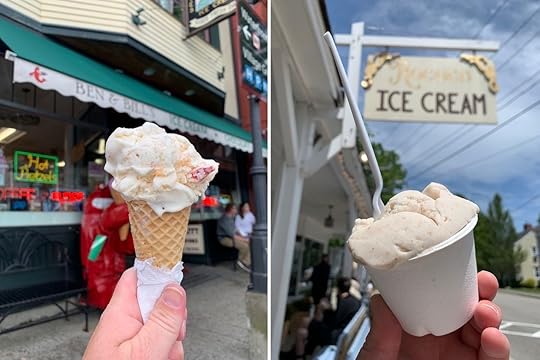
Photo: Jess Kelly
Ben & Bill’s Chocolate Emporium is just one among many specialty sweets shops innovating and experimenting in the realm of ice cream. Often, ice cream shops play with ingredients that reflect the local geography, creating desserts that are homages to the regions where they are available. For instance, in Gilroy, California, known as the garlic capital of the world, Marianne’s Ice Cream Shop whips up a chocolate-based garlic ice cream for the annual Garlic Festival in California’s Santa Clara County.
Travel to the United States’ opposite coast, and you’ll find ice cream flavors that seem equally as baffling but have found a loyal audience. Buffalo, New York, is known for its wings and the owners of Lake Effect Ice Cream, Erik Bernardi and Jason Wulf, came up with a flavor called Medium, Extra Creamy in 2019, a play on a popular wings order: medium, extra crispy (the medium refers to the wings’ heat level).
No, there’s not chicken scattered throughout or even blue cheese, but the wing ice cream packs a punch: The bright orange vanilla ice cream is flavored with Frank’s RedHot sauce. Lake Effect also sells a butter lamb flavor around Easter, a nod to the lamb shaped butter sculptures that are often a centerpiece of Easter dinner.
Rather than be revolted by these unusual ice cream flavors, most customers remain curious and open-minded — which gives ice cream makers more fuel and motivation to keep experimenting with new ingredients. Lauren Guptill, founder of Rococo Ice Cream in Kennebunkport, Maine, consistently invents delicious flavors that you won’t find anywhere else in the country.
The shop has developed some truly wacky flavors over time, like banana red hot, goat cheese blackberry chambord, strawberry habanero, blueberry chipotle, and sweet avocado cayenne to name a few.
“Sometimes I think my flavor creation process must be similar for all artists, musicians, and creative types. I think of my ice creams as works of art, and just like an artist is never truly done with a painting, my ice creams are also continuously evolving,” Guptill says.
These flavors grab people’s attention, but most of them transcend the level of marketing stunts — shops like Rococo Ice Cream have developed a loyal following. It doesn’t seem like people are exhausted yet by increasingly unexpected ice cream flavors that defy the limits of what a dessert can be. Instead, people crave the surprise of ingredients like cheese, peppers, and even lobster. Basic chocolate and vanilla might be classics that will never go away — but American ice cream innovators seem especially keen to prove that ice cream is capable of so much more.
The post Ingredients like hot sauce, cheese, and lobster are taking over ice cream shops appeared first on Matador Network.
Following successful gorilla rejuvenation, Rwanda’s Volcanoes National Park is expanding

For the second time in three years, Rwanda’s Volcanoes National Park is slated for expansion to serve its growing mountain gorilla population. The announcement signals hopeful news for the endangered species, which was once projected to be extinct by the millennium.
According to the World Wildlife Fund, there are currently around 1,000 mountain gorillas, a subspecies of the eastern gorilla, left on the planet. They’re concentrated in the highlands bordering Rwanda, Uganda, and the Democratic Republic of the Congo. More than half of the world’s population inhabits the Virunga Mountains, where Volcanoes National Park is located in northwestern Rwanda, alongside Virunga National Park in Uganda and Mgahinga Gorilla National Park in the DRC. The rest are found in Uganda’s Bwindi Impenetrable National Park.
Though the International Union for Conservation of Nature (IUCN) still classifies mountain gorillas as an endangered species, the past decade has revealed a positive trend for the survival of the great apes. Research from 2016 recorded a 20 percent growth in the Virunga range’s mountain gorilla population since 2010, rising from 480 to 604 gorillas. Accordingly, in 2018, the Rwanda Development Board (RDB) approved a $200 million expansion of Volcanoes National Park.
The aim of this project was threefold: to accommodate the great apes, to increase tourism, and to create new infrastructure and opportunities for local communities. Now, the RDB and Rwandan government have announced plans to extend the park by an additional 40 square miles.
The forthcoming expansion will serve two purposes: Roughly 15 square miles will be added to the park to prevent conflicts over territory and resources among the different gorilla groups that live there, thereby discouraging gorillas from leaving the park. The remaining square mileage will create a “buffer zone” between the park and its surrounding communities. Agriculture and agroforestry, a land-management system that reaps the biological benefits of integrating trees and shrubs into crop and animal farming practices, will be permitted in this approximately 25-square-mile zone.
It remains to be seen how the latest expansion project will impact tourism, but more mountain gorillas likely means more gorilla safaris. Gorilla trekking in Volcanoes National Park is one of the primary drivers of tourism to Rwanda, and permit sales, which cost $1,500 per person, are an essential source of revenue for the Rwandan government.
It’s a considerable expense for travelers, but walking among Volcanoes National Park’s mountain gorillas is one wildlife adventure that’s worth squirreling away to experience. Beyond bushwhacking through the dense foliage of the Virunga Mountains to observe gorillas in their natural habitat, park visitors can also walk in the footsteps of famed primatologist Dian Fossey by visiting the Karisoke research camp, where she lived among Rwanda’s great apes for nearly 20 years. Some safaris also track the park’s golden monkeys, which coexist with gorillas and other wildlife such as buffalos, hyenas, and 178 bird species.
Travel to Rwanda, like everywhere, has been touch-and-go during the pandemic. Not only have restrictions been imposed to contain the spread of COVID-19 among humans, but precautionary measures have also been implemented to prevent transmission to the great apes. They were discovered to be susceptible to infection after three gorillas in the San Diego Zoo Safari Park tested positive for the coronavirus.
Though the US State Department currently warns against travel to Rwanda due to COVID-19, flights to Kigali International Airport have resumed, and the country is officially open for tourism. Now may not be the ideal time to book a last-minute gorilla safari, but with the encouraging growth of the mountain gorilla population in recent years, tourism is bound to surge once the expansion project is complete and gorilla trekking is safe for all parties involved.
Start saving up now because when that time comes, it’s going to be pretty magical to see how Rwanda’s great apes thrive in the newly extended Volcanoes National Park.
The post Following successful gorilla rejuvenation, Rwanda’s Volcanoes National Park is expanding appeared first on Matador Network.
How to plan a cheap, last-minute vacation to Martha’s Vineyard
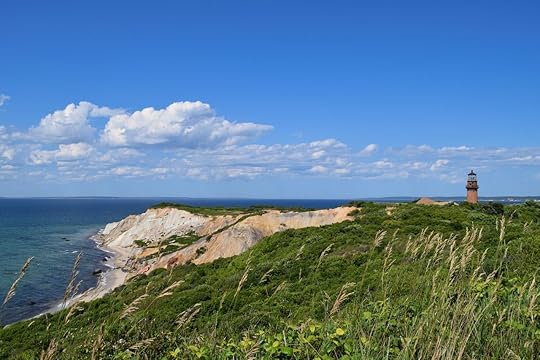
Martha’s Vineyard, the largest island off the coast of Massachusetts, might conjure up images of pastel-clad bluebloods sipping bourbon and smoking cigars on multi-million-dollar sailboats, but this island is much more than a playground for the East Coast elite. For nature lovers, the Vineyard is blessed with some of New England’s most well-preserved forests, lagoons, and beaches — in fact, about 40 percent of the island is protected open space. The history and culture of the island’s townships are equally compelling draws: Edgartown’s opulent architecture from its heyday as a whaling capital, a time and place immortalized in Melville’s Moby Dick; Oak Bluffs’ special place in African-American history as one of the first tourist destinations to welcome Black vacationers; and Aquinnah as the ancestral home of the Indigenous Wampanoag people. The following four-day itinerary shows you how to enjoy the delights of this special island without the need to liquidate your 401(k).
How to get to Martha’s Vineyard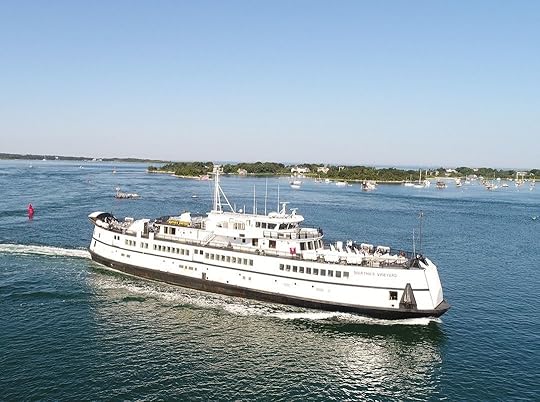
Photo: Steamship Authority/Facebook
The most popular way to get to the Vineyard is via the Steamship Authority ($19 roundtrip), a ferry from Woods Hole, MA, a town on Cape Cod about 30 minutes by car from Boston. You can either park your car in one of the long-term lots in Woods Hole (about $15 per day during the summer) or drive it onto the Steamship Authority. (Note: the cost to take a car onboard varies depending on size, but most vehicles cost about $100 to ferry. Make sure to make vehicle reservations as far in advance as possible, especially during the busy summer months.) No car? No problem. Buses to Woods Hole depart daily from Boston’s South Station. Alternatively, you can catch a ferry from the town of Hyannis on Cape Cod ($63 roundtrip) or even from New York City ($240 roundtrip). The Vineyard has a small airport, and Cape Air flies to the island from most cities in the Northeast.
Lodging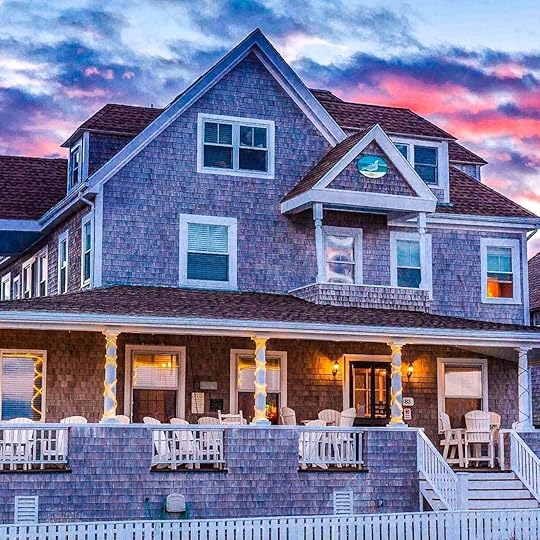
Photo: Isabelle’s Beach House/Facebook
If you are looking to keep your budget in check, Vineyard Harbor Motel ($185 per night), located right by the Steamship Authority ferry terminal, and Isabelle’s Beach House ($210 per night), right in Oak Bluffs, are among the Island’s most affordable lodgings. Even better, both are located about equidistant to Edgartown and the Vineyard’s western coast. Martha’s Vineyard Family Campground ($60 per night), near Vineyard Haven, overlooks the water and is a terrific option if you plan to stay in a tent or RV. Public buses to all corners of the island are easily accessible from all aforementioned lodgings. Additionally, the island has several affordable Airbnbs and bed-and-breakfasts. This cottage in Oak Bluffs ($200 per night) and this apartment in Tisbury ($250 per night) are centrally located and rank high in reviews. For the extreme budget traveler, there’s an active community of Couchsurfing hosts on the Vineyard.
Getting around the island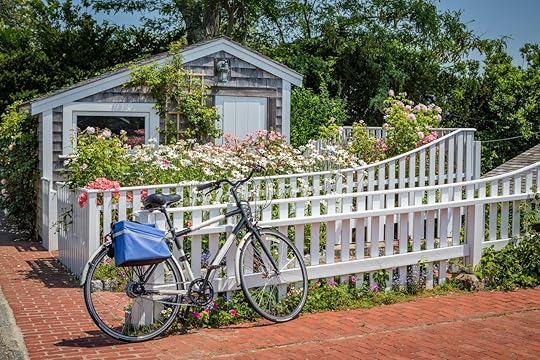
Photo: jo Crebbin/Shutterstock
The easiest way to explore Martha’s Vineyard is by car. If you don’t take your vehicle on the Steamship Authority, there are car rentals agencies at Martha’s Vineyard Airport and in Edgartown, Oak Bluffs, and Vineyard Haven. Bike rentals are available all over the island, too, and the rides are gorgeous. Keep in mind that if traversing the island by bike, the distances can get long (two to three-hour rides). Even without a car or a bike, getting around the Vineyard by bus is a breeze. Simply purchase day passes for the Vineyard Transit Authority at the Steamship Authority terminal, the same place where you disembark from the ferry. One-day or multi-day passes are available for about $8 per day.
Day one: Edgartown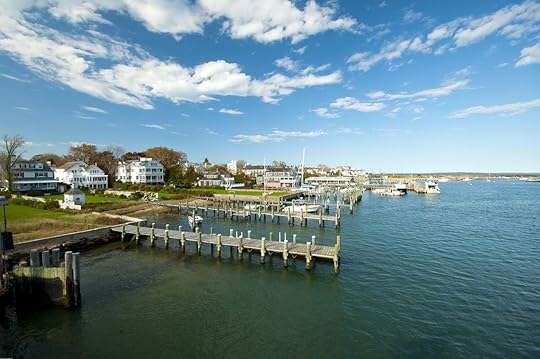
Photo: AR Pictures/Shutterstock
Edgartown, with its elegant clapboard houses and streets festooned with pink and blue hydrangeas, is one of the most beautiful towns in New England. Like the Plymouth Bay Colony, Edgartown was founded in the 17th century by English Puritans fleeing what they saw as the irredeemable moral and spiritual decay of Europe. The town grew wealthy and prosperous as a whaling hub in the 19th century, and nostalgic signs of its glorious past remain today. Many of the old houses in Edgartown have small, rooftop decks — known as widow’s watches — where the wives of whaling captains could watch the sea in the hopes that they might spy their beloved’s ship returning on the horizon.
Start the day in Edgartown with a perfectly crafted cup of joe at Behind the Bookstore off Main Street. The shady back patio, gently buzzing with conversation and the whir of espresso machines, is the ideal spot to linger with a good read from the eponymous bookstore. Edgartown is small enough to fully cover on foot, but with its many art galleries, funky shops, bakeries, and ice cream parlors, we recommend setting aside about three hours to explore.
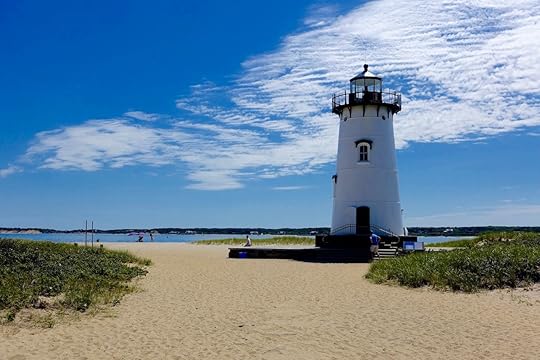
Photo: Gary Alford/Shutterstock
To see Edgartown’s most beautiful houses and gardens, stroll up Water Street to Lighthouse Beach. Lighthouse Beach, inside Edgartown Harbor, is placid and scenic, but for a more exhilarating beach experience, head to Katama, about one mile outside of Edgartown on the Island’s south coast. Katama is usually packed during the summer months, and the waves here are notoriously large and powerful. If you have a Jeep or other off-road vehicle, take some air out of your tires, and join the scores of tailgating revelers at Katama’s Norton Point.
For an affordable but delicious meal of deep-fried seafood, look no further than the Quarterdeck, a dining counter right by Edgartown Harbor. Forget ketchup or tartar sauce for your fish-n-chips or fried clams; instead, do as the locals do and use malt vinegar for dunking. Dock Street Diner, a greasy spoon serving classic New England breakfasts like linguica omelets and corn beef hash, opens at 6:30 AM to nourish both outgoing fisherman and wobbly revelers returning from beach parties. Atria, an acclaimed Modern American restaurant on the island, is a gourmet tour de force of the bounty of the Vineyard’s land and waters. The main dining requires a reservation and makes for an expensive night, but Atria’s subterranean pub offers gourmet burgers and craft beer at reasonable prices.
Day two: Chappaquiddick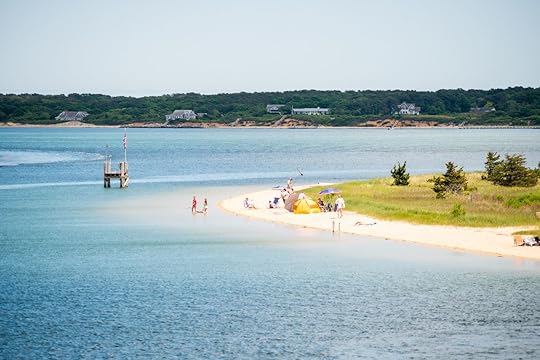
Photo: Raymond Douglas Ewing/Shutterstock
An island off an island, Chappaquiddick, affectionately dubbed Chappy, is just a short ride from Edgartown on the On-Time Ferry at Edgartown Harbor. Ferries depart every 15 minutes or so, and round-trip tickets are $4 for passengers without vehicles, $13 for cars and drivers, and $6 for bikes and riders. Since there are no buses on Chappy, we recommend renting a bike if you don’t have a car. Hitchhiking on Chappy is also common.
Unlike Edgartown, Chappy has little development. Most of Chappaquiddick’s land is protected under conservation laws, and the island is largely blanketed by forest. There is only one business on Chappy, a general store selling mostly fishing gear, and not a single traffic light appears anywhere on the small island. Mytoi, a traditional Zen garden deep in the heart of the island and open to the public, is a great hidden spot on Chappy.
Chappy’s best beaches require effort to reach, but intrepid visitors are rewarded with a seashore devoid of the crowds and congestion of Katama and other popular beaches near Edgartown. If you plan to spend the day on Chappy, it’s wise to bring snacks or a picnic basket, as the nearest restaurants are on the other side of the ferry in Edgartown. We recommend grabbing some wrapped sandwiches and cold drinks at Rosewater Market in Edgartown to bring over to Chappy.
After you work on your tan on a secluded Chappy beach, head back to Edgartown for a nocturnal bar crawl. Edgartown punches above its weight for nightlife during the summer months, and the section of Main Street by the harbor gets particularly rowdy after dark. The Atlantic, located right on the water, has great food, live music, and strong cocktails. To throw back a few pints in a well-worn dive bar among a mix of locals and tourists, check out The Wharf. Head to the Seafood Shanty for a younger atmosphere, riotous patio bar, and killer views of the harbor.
Day three: Oak Bluffs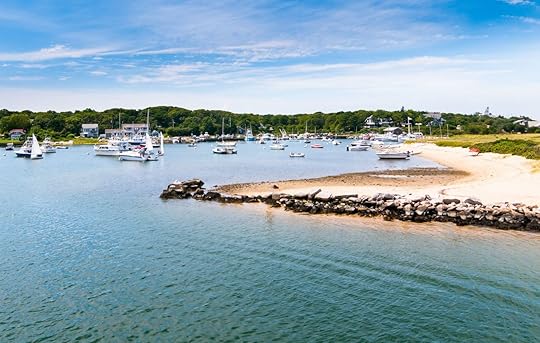
Photo: Patrick F Infante/Shutterstock
Driving west from Edgartown along the shore, you reach Oak Bluffs in about 20 minutes. If Edgartown embodies the New England ideal of reserved opulence and understatement, Oak Bluffs, with its candy-colored gingerbread cottages, bustling game rooms, and lively streets, throws restraint to the wind.
Founded as a religious meeting ground and retreat in the late-19th century, Oak Bluffs was one of the only destinations on the East Coast to welcome African American vacationers before the end of segregation.
Start your exploration of Oak Bluffs at Ocean Park, the gazebo-adorned park in between the beach and the center of town. Oak Bluffs’ most iconic gingerbread houses — cozy, candy-colored Victorian cottages embellished with doily-like woodwork — dot the perimeter of Ocean Park. Walking tours of the gingerbread houses take you through Oak’s Bluffs’ shady streets, and occasionally the houses open to allow visitors to see the interiors as well.
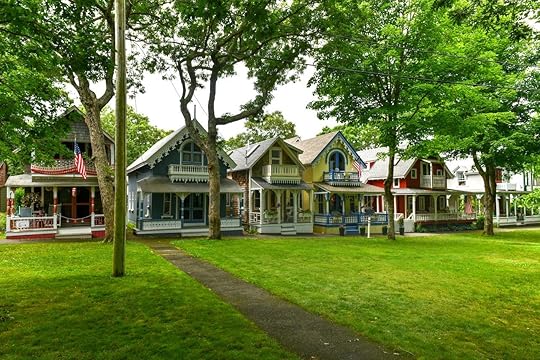
Photo: Felix Lipov/Shutterstock
Circuit Avenue, the central street lined with bars, restaurants, and candy shops, is the beating heart of Oak Bluffs. The Flying Horses Carousel is one of the oldest functioning carousels in the US and a glorious example of Americana. Rides are only $3.50, and adults and children alike are welcome to take a spin. After dark, Circuit Avenue is the place to let go, with tourists and locals patronizing the slew of bars and live music venues. For a bumping bar scene and fun live music, you can’t go wrong at either Sharky’s Cantina and The Ritz Cafe on Circuit Avenue or Coop de Ville Restaurant located on the waterfront.
Oak Bluffs holds its own in terms of fine dining with establishments like Red Cat and the Sweet Life Cafe, but locally beloved no-frills eateries like Fat Ronnie’s Burgers or Stella Salumeria allow you to eat like a king without shelling out royal bucks. Head to Offshore Ale Company to sample some locally crafted nectar. If you have a sweet tooth, make sure not to leave Oak Bluffs without a cone of the decadently rich ice cream from Mad Martha’s, a cherished Vineyard institution. Order the aptly named Sinful Chocolate.
Day four: Tisbury and Aquinnah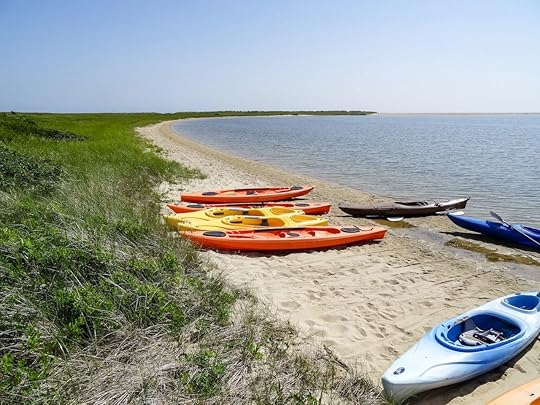
Photo: Wandel Guides/Shutterstock
The Vineyard’s western reaches are referred to as “up-island,” a region of small farms, sleepy villages (even in the summer months), and commercial fishing. Menemsha, Aquinnah, and Chilmark are the principal up-island towns, small communities with little more than a post office, general store, and gas station. In dramatic contrast to Edgartown and Oak Bluffs, the rhythm of life changes little between the summer and the off-season in these towns; businesses here stay open all year round, and the vibe is more local than touristy.
The up-island Tisbury Farmers Market, active on Saturdays, showcases the island’s cornucopia of fruits and vegetables, cheeses, honey, mushrooms, locally raised meat, and more. The Tisbury Farmers Market is also one of the best places to sample prepared food from some of the island’s most creative cooks operating out of food stalls.
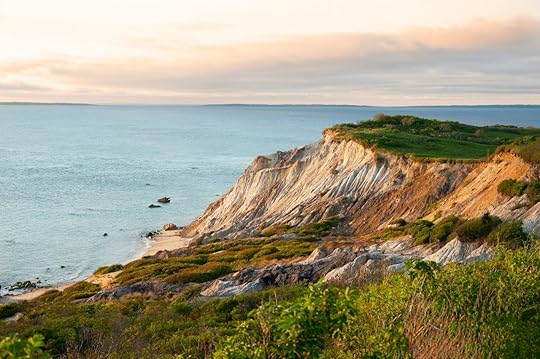
Photo: Allan Wood Photography/Shutterstock
A strong case can be made that Aquinnah, Martha’s Vineyard’s western peninsula, has the most beautiful beaches on the entire island. With red clay cliffs tracing a wide stretch of sand for miles and rolling waves as clear as glass, Aquinnah is nothing short of spectacular. Much of the land in Aquinnah, including the beaches, belongs to Wampanoag Nation (they request that visitors enjoy the beach without removing clay from their cliffs).
Since accessing the beach requires a decent walk, we recommend bringing a picnic basket if you plan to spend the day here. You can procure sandwiches and prepared food from the Aquinnah Shop, next to the town’s iconic red-brick lighthouse. A warning before hiking down to the beach: a certain stretch is designated as clothing-optional, and many beachgoers do, in fact, take advantage of the opportunity to get a more complete tan.
After a day enjoying the sunshine of Aquinnah, make the short drive up to the fishing town of Menemsha for dinner. The street leading to Menemsha’s harbor is lined with fish markets selling oysters, clam chowder, lobster rolls, and seafood specialties with a Portuguese flair, a nod to the large number of fishermen claiming Azorean descent. A hearty meal of chowder, bread, and fruits of the sea will probably not run you more than $30, unless you order a whole steamed lobster. Grab a paper plate of absurdly fresh oysters, garnished with horseradish and marinara sauce, a bowl of rich clam chowder, and an overstuffed lobster roll from Larson’s Fish Market. There are no tables per se, but the wooden crates behind the market work just fine for dining. Better yet, walk the short distance to the pier and enjoy your meal while watching the sun slowly drop into the Atlantic.
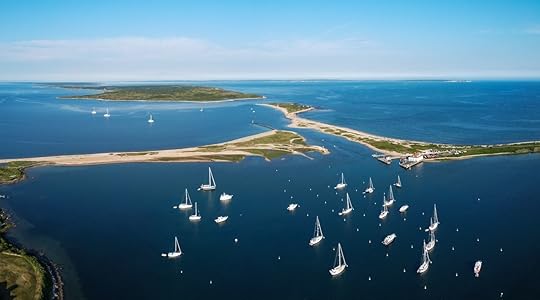
Photo: CJ Larsen/Shutterstock
If you stick around Menemsha long enough, you might even find someone with a boat who is willing to ferry you over to Cuttyhunk, the western-most outpost on the barely-inhabited Elizabeth Islands. Cuttyhunk’s population is officially only 52 souls, nonetheless, there are places of lodging, a restaurant or two, and quiet beaches on the island worth exploring.
The post How to plan a cheap, last-minute vacation to Martha’s Vineyard appeared first on Matador Network.
Discover yourself: Travel by RV

There’s a reason we fall in love with travel. It’s why children imagine their treehouse an observation deck deep in the jungle, or the local sledding hill a Himalayan peak. It’s why teenagers plaster their suburban bedrooms with maps and posters, and why so many of us — the very moment we’re able — strike out for places unknown.
A love of travel is born from the magnetism of the new and unexplored. From the next valley over, or just past the bend in the river, from far-off shores or just two states away, the urge to travel rings like a siren song, impossible to ignore, calling us toward the horizon.
The common adage that “travel is the only expense in life that makes you richer” is unquestionably true. Each trip leaves us more complete, more compassionate, more creative, and more eager than ever to chart a new course.
There are plenty of ways to satisfy this wanderlust, from a backpacking adventure to a jet-set tour abroad. But there is perhaps no journey more romantic, inspiring, challenging, or rewarding than to travel the open road. For true wanderers, those who see travel as a path to discovery and enrichment, an RV is the ultimate ticket that never expires. Here’s why.
Discover: your passion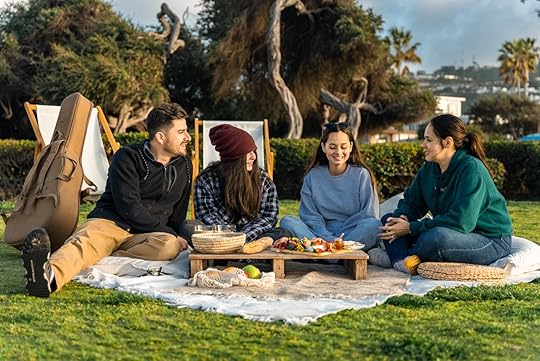
Photo: Tyler Cave
Whatever you love, you might love it even more from an RV. If you’re into birdwatching, rock climbing, plein air art, music festivals, whitewater rafting, or anything else, an RV gives you easy access to settings others may have trouble reaching.
RVs simplify travel. There are fewer logistics: no luggage transfers, hotels, or rental cars to contend with. In an RV, you’re free to focus on the journey, allowing your passions and curiosities to guide you along the way. A bonus: If your hobby requires gear, you have an RV’s ample storage space at your disposal. This means you can bring everything you need to pursue your passion, whether that’s climbing harnesses, kayaks, photography equipment, art supplies, or all of the above. Try fitting all that into a carry-on!
If you’re not yet sure exactly what your passions are, RV travel can help you find them. The best road trips leave room in the itinerary for exploration. You can stop whenever and wherever there’s something worth stopping for. Use your flexible schedule as an opportunity to try something new! As you pass through cities and small towns, do some research about local goings-on. Stick around an extra day to attend a summer festival, take a climbing lesson on the local crag, or join a birdwatching group for a hike. Seek out new experiences — it’s how passions are sparked and it’s why travel makes us richer.
Discover: your community
Photo: Amon Barker
By its very nature, RV travel is a group activity — even if you’re going solo. While people who travel the open road tend to be independent and capable, they also form strong bonds with others along the way. Think about it — some of the best and longest friendships are often forged on our travels.
To that end, there’s a vast array of RV meetup groups, clubs, and membership organizations for travelers of all kinds. Bonding over the thrill of the open road, groups like Escapees RV Club and the North American Family Campers Association host massive annual get-togethers. There are online communities like RVillage, a dedicated social network for RV travelers. There are even countless special interest groups like the Tin Can Tourists, who travel in restored vintage trailers, and the National Square Dance Campers Association for RVers who love to, well, you get it.
If you haven’t figured out which organizations are right for you, a good place to start is with the nation’s largest RV club, Good Sam. Members save on campground fees and fuel, get discounts at Camping World and Gander RV & Outdoors stores, share tips and learn from each other, and much more.
Even without joining a formal club, you’ll find that RVing itself is a community — and a welcoming, inclusive one at that. RVers are diverse, presenting travelers with the opportunity to engage and learn about all kinds of people from all walks of life. It’s hard not to make friends as you explore. Whether it’s just fellow regulars at your favorite Good Sam campground, folks traveling the country on a similar route, or a specialty group with a shared passion, RVing is an ideal way to find like-minded people.
These relationships can be valuable, especially if you’re new to the RV travel lifestyle. Wherever you go, you’ll find fellow RVers who are willing to lend a hand, answer questions, and talk about their rig. In short, you’re never truly alone on the road.
Discover: yourself
Photo: Blaze Nowara
Often, the greatest joy of exploring new places is the way you get to know yourself along the way. RV travel presents constant challenges and victories, allowing you to uncover more about the kind of person you truly are, fostering personal growth.
At some point, things will almost certainly go wrong — tires go flat, campgrounds fill up, and very few road-trip itineraries unfold precisely as planned. But learning to be flexible, to problem-solve, and to embrace the unexpected will show you exactly what you’re capable of. Plus, it’s always worth it in the end. There’s no sweeter reward than making it to a perfect campsite just in time to watch the sunset over an epic landscape. When you’re traveling in an RV, moments like that happen all the time. (And no trip is complete without a good story to tell around the campfire!)
Travel of any kind can push you out of your comfort zone, and it can be particularly intimidating to jump into an RV for the first time. But the most exciting thing about travel (and the reason so many of us love it!) is the thrill of the unknown. Find your RV, pick a spot on the map, and go explore. You may discover a new hobby or a new friend. But perhaps your greatest discovery will be what you want your life — and next adventure — to look like.
The post How RV travel helps you find your passion, your community, and yourself appeared first on Matador Network.
Matador Network's Blog

- Matador Network's profile
- 6 followers

