
Matador Network's Blog, page 606
August 19, 2021
Digital nomad visas around the world

As so many of us transfer from being attached to a fixed office space to being able to work flexibly in our homes, it comes as no surprise that some nations around the world are welcoming remote workers who are looking to relocate from the US. Most of the places we have listed here with digital nomad visas tick one, if not all, of the following boxes: good weather, an affordable cost of living, a supportive work-life balance, an exciting culture, and an interesting food scene.
Many new programs for digital nomad visas have popped up during this summer, but we have also included information about nations in Europe who have long-standing options for freelancers and those who are self-employed. Although travel restrictions are still in place for Europe, many of these visas take a minute to get through the paperwork, so they are still worth considering in the long term.
From tropical Caribbean islands to magical European destinations, here are some of the countries offering the best digital nomad visas from around the world.
North AmericaCentral AmericaEuropeMiddle EastAfricaNorth AmericaMexico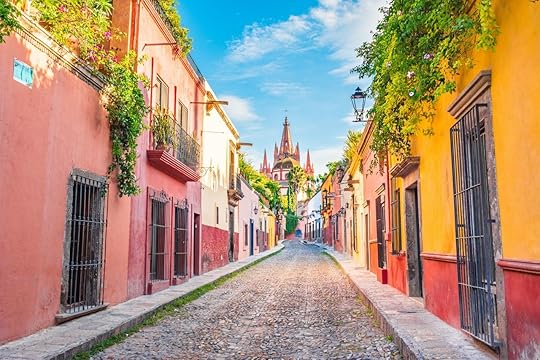
Photo: Rubi Rodriguez Martinez/Shutterstock
Mexico is clearly an attractive and somewhat obvious option for US citizens who are looking for a different pace of life and a change of scenery. The one year, temporary resident visa in Mexico is not a new scheme, and if you meet the criteria and stick to the guidelines, you can have an option to extend this visa for another three years. For this visa, you need what they call “economic solvency” to prove that you have an income of more than $1,620 per month, which is not hugely difficult, or an account balance of over $27,000, which is a harder ask for most. Under this visa, you can’t work for a business or individual within Mexico, meaning you’ll have to have a remote job stateside.
North AmericaAntigua and Barbuda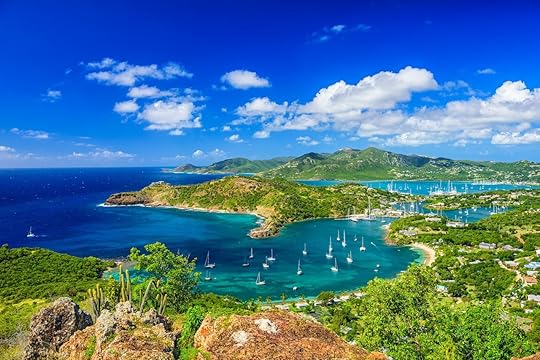
Photo: Sean Pavone/Shutterstock
The Caribbean nation of Antigua and Barbuda is launching a remote worker visa program this fall. Positioned on the border of the Caribbean and Atlantic, the islands are well known for their beautiful protected reefs, rainforest topography, and stunning beaches — of which there are 365.
The two-year Nomad Digital Residence program has a few stipulations. You must earn at least $50,000 a year, and your employers can not be from the nation. There is also an application fee of $1,500 for an individual, $2,000 for a couple, and $3,000 for a family of three or more. The nation also requires you to have the correct health insurance.
Aruba
Photo: DiegoMariottini/Shutterstock
The Caribbean island of Aruba announced recently that it’s going to start catering to remote employees from international countries with a new visa scheme. The island is part of the Netherlands, so the fusion of laid-back Caribbean culture and that of the Dutch influences everything from the architecture to the cuisine. It was also one of the first Caribbean islands to open to tourists after COVID-19 travel restrictions, but there are still a few things to consider before embarking on a new start.
The government is offering remote workers a chance to live and work on the island for a maximum of 90 days with its new One Happy Workation visa. Other initiatives — such as discounted rates for accommodation, outdoor experiences and local activities, and the promise Wi-Fi zones — make this option even more appealing.
There are a few stipulations, but in comparison to many other nations, the Aruban government is not asking you to jump through too many hoops or have a bulging bank account. To apply for this visa you must be employed or self-employed in your home country, and during the 90 days, you cannot work for a local company or individual. You must also hold a valid US passport at the date of entry and throughout your stay.
If your application is successful you will also need to respect the COVID-19 regulations in place, comply with the entry testing requirements, and have the necessary health insurance. Read more about the current COVID-19 requirements for entry to Aruba and what to do once you get there.
Barbados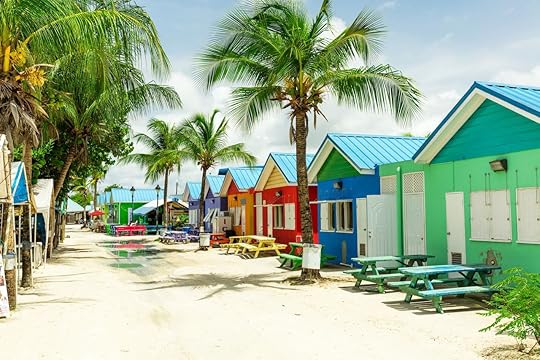
Photo: zstock/Shutterstock
If working from a Caribbean beach surrounded by rich culture and world-class cuisine sounds idyllic, the beautiful island of Barbados has also launched its version of a remote working visa this summer. The new visa, called the Barbados Welcome Stamp, allows people to work remotely in the country for a year. Prime Minister Mia Mottley has spoken highly of the scheme, boasting to The Washington Post, “‘The sunshine is powerful. The seawater is powerful. They’re both therapeutic in ways that are hard to explain. And we felt that, why not share it?”
So what are the basic requirements for the pleasure of working from paradise? To start, you need to pay $2,000 for an individual visa or $3,000 for a “family bundle.” Families are being encouraged to make the most of this new initiative too. All applicants must go through the online process, which is pretty standard; upload a passport picture, copy of passport, and birth certificate; and include a note of any relations you have in the country. It’s also worth noting that successful applicants do not need to contribute to Barbados Income Tax. Like all countries listed here, you will again need to adhere to the local COVID-19 regulations and make sure you have up-to-date information prior to departure.
Bermuda
Photo: Just dance/Shutterstock
Bermuda is another island that’s aiming to attract remote workers with its new visa scheme, but the island is taking it a step further by welcoming students to apply. Like many of the Caribbean countries, Bermuda has a large expat community, so it’s a welcoming option if you are relocating alone.
This visa option is valid for up to one year, and there’s not a large number of restrictions in comparison to others. Students need to be over the age of 18 years old and be enrolled in an education program. Remote workers need to provide proof of income and hold a valid contract of employment. If you are successful in your application, the visa grants you multiple entries and exits, so you can come and go as you please. There is also an application fee of $263 and you need valid health insurance. Again, Bermuda has somewhat strict COVID-19 regulations, so make sure you are aware of the current stipulations.
Cayman Islands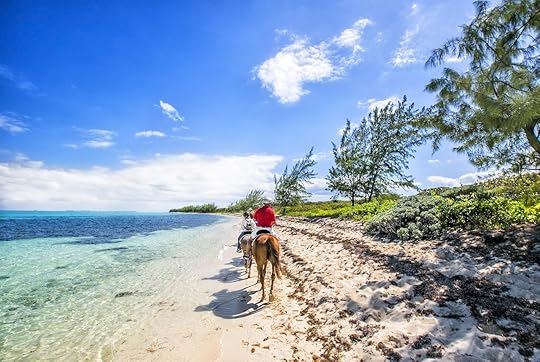
Photo: May_Lana/Shutterstock
The Cayman Islands launched its remote worker program named Global Citizen Concierge Program in October. This new program will allow people to live and work on one of the three islands for up to two years. The Cayman Islands encompasses Grand Cayman, the more developed island of the three; Cayman Brac; and Little Cayman, where you can encounter the region’s diverse wildlife. The Cayman Islands is no stranger to expats — especially the British — and it is one of the most notorious tax havens in the world.
“Global Citizen Concierge provides the perfect opportunity for remote workers to live the life of their dreams on our idyllic shores and amongst our Caymankind people,” said Hon. Deputy Premier and Minister of Tourism Moses Kirkconnell in an announcement. “Our Government has been successful in the face of the global health crisis and we’ve emerged as a safe haven in the Caribbean.”
The program requires you to have proof of an annual salary of $100,000 for a single person, $150,000 for a couple, and $180,000 for a family. The usual documentation such as a valid passport, a certified letter detailing your employment outside of Cayman, and another from your bank are needed for your application which costs at least $1,469.
Curacao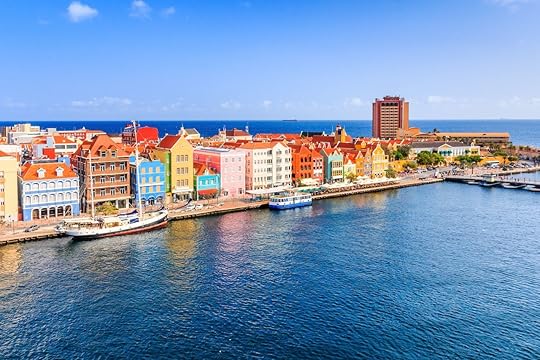
Photo: Izabela23/Shutterstock
The Caribbean island of Curacao is launching a remote worker visa, allowing people to stay there for up to one year. To be eligible for the visa, you must prove you have a remote job with a foreign income source (you cannot be employed by a Curacao-based company) and show evidence that you have enough money to support yourself.
The application costs $294, and grants remote workers a six-month stay, though you have the option to extend for an additional six months. The best part: You won’t have to pay local taxes while staying in Curacao. You will, however, be required to purchase valid international travel insurance with COVID-19 coverage, as well as a round-trip ticket before arriving. To enter the island, all visitors must show the negative result of a PCR test taken within 72 hours of departure, and fill out a Passenger Locator Card.
Dominica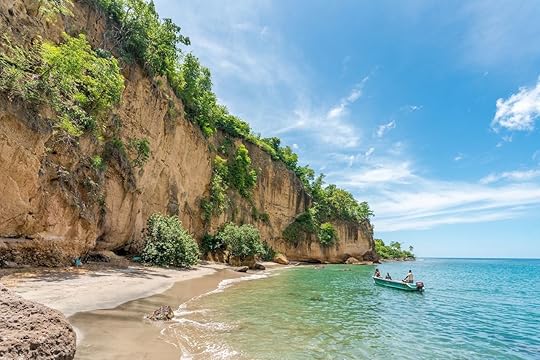
Photo: Discover Dominica/Facebook
Located between Guadeloupe and Martinique, the island of Dominica is an English-speaking nation known for its natural beauty, dramatic landscape, and the Caribbean’s first long-distance hiking trail. It’s somewhat off the beaten path, so the island is a great option for those who are looking for quiet island life in a tropical environment.
The island’s new plan, the Work in Nature visa, allows remote workers to live and work there for up to 18 months. Applicants need to have an annual income of $50,000 or more and be able to support themselves and any dependents. The government is also encouraging families to make the move by offering bundle visa packages. The non-refundable application fee is $100 and the visa costs $800 for an individual and $1,200 for a family. If you’re considering this option with children, there is further information on the official website regarding school options.
MontserratPhoto:
Island of Montserrat — Visit Montserrat
https://www.facebook.com/islandofmont...
Application for the Montserrat Remote Workers Stamp costs $500 for an individual and $750 for an individual and up to three family members. In order to apply, you must be in full-time employment, make a minimum salary of $70,000 per year, and have valid health insurance for all applicants.
“We know there are people in various parts of the world who now have the ability to work from home and are actively looking for a change of environment. The remote worker program is not only inviting but encouraging them to come to Montserrat to work, and at the same time be more than a visitor but a part of the community on one of the world’s most unique destinations,” remarked Montserrat’s deputy premier, Dr. Hon. Samuel Joseph.
English is the main language spoken in Montserrat, second to Creole. There is also a large expat community of British nationals, but the population is an interesting and diverse mix of African, Irish, and, of course, British traditions. If you are looking for a slower pace of life, and a tight-knit friendly society, the Montserrat visa is worth looking closer into.
Central AmericaCosta RicaPhoto: Galyna Andrushko/Shutterstock
Costa Rica is peppered with small communities of expats who move for the country’s rich biodiversity, beautiful coastlines, and relaxed lifestyle.
In August 2021, the Costa Rican president, Carlos Alvarado, signed a law to help attract digital nomads with a one-year-long visa scheme for qualified remote workers. The one-year visa will also be able to be extended for an additional year, workers will be exempt from paying local taxes and will be able to live like a local, with a bank account and the ability to drive on a foreign license.
In order to apply for this digital nomad visa scheme, you must be able to provide evidence of a stable monthly salary and a fixed income of more than $3,000 over the past year. If the applicant would like to apply with a partner or family, the joint income must be $4,000 or more per month. The income needs to be sustained remotely from Costa Rica. Applicants must also obtain health insurance to cover all parties throughout the duration of their stay. As of August 2021, the amount of the new visa is yet to be announced.
EuropeCzech Republic
Photo: Veronika Galkina/Shutterstock
The Czech Republic has been offering US citizens a long-term business visa for quite some time. For years, people have been taking advantage of this opportunity that welcomes remote workers to live in an affordable location with superb links to major European cities. Its busy yet charming cities and sprawling countryside peppered with castles make this a perfect base if you are looking for a country with diversity in the heart of Europe.
In order to apply for the visa, you will need to contact your consular office in the US and remain in the US during the application process. You must be outside of the Czech Republic and on US soil when the visa is electronically added to your passport.
The process for applying is pretty standard, which includes making sure you have all the documentation notarized and attending an interview at the embassy. You also have to prove you have at least $5,600 for the year of your stay. Further information about the details of the visa and the application form can be found here.
Estonia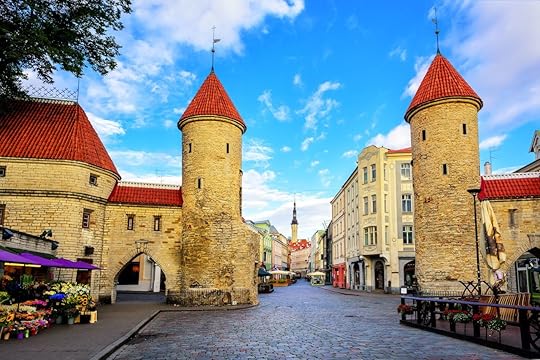
Photo: Elena Stepanova/Shutterstock
If the Caribbean does not fit your lifestyle, you can consider relocating in the future to Europe. The small Baltic country of Estonia voted to amend it’s Alien Act in order to allow remote workers to live and work in the Baltic country for up to one year.
Often overlooked, the nation might be a little out of the way, but it is home to some of the prettiest towns and cities and diverse national parks in the region. The country also has a general overall living cost that’s 30 percent lower than the US, making it a very attractive option during this climate.
In order to apply for Estonia’s extended visa program — the Digital Nomad Visa — you must be able to show that you have a steady income of at least $3,988 a month — which is quite a lot. There is also a $117 processing visa fee and you will need a valid contract of employment and proof of salary. Once you’ve got all that put together and travel restrictions are lifted, you will be required to go to your local Estonian Embassy or Consulate to submit your application.
Georgia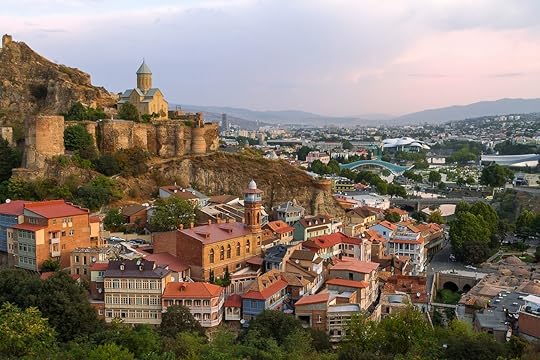
Photo: MehmetO/Shutterstock
This summer the Georgian government also announced it will be inviting travelers and workers who want to live in the country for over six months to apply for their new visa. Located at the crossroads between Asia and Europe, Georgia, like Estonia, is often underrated. Due to the mix of culture and tumultuous history, Georgia’s colorful capital Tbilisi is exciting, multicultural, and worth considering if you are looking for a change of lifestyle.
Although its visa program is still to be launched, the scheme will be focused on freelancers and remote workers and will offer a pretty stable option if you are looking for something long-term and affordable. You will need to cover all the bases: proof of travel insurance, a certificate of employment, and all the other standard information needed for a basic visa application. Applicants also have to wait in their home country during the application process, and upon arrival, the government will require you to quarantine at your own expense. As stated, applications are not yet open, but if you are keen to understand more about the process and government requirements, you can have a look over other visa options here.
Germany
Photo: saiko3p/Shutterstock
Germany is welcoming those who are self-employed, but it might not come as a huge surprise that in order to apply for this visa you have to have your ducks in a row and fill out a truckload of paperwork. The country’s freelance Freiberufler visa only lasts for three months, but you could potentially convert it over to a three-year residency permit if your freelance business is successful. From all the usual application forms to documentation, they ask for letters of recommendation from previous employers, a resume and cover letter, certificates of degrees, bank statements, and a written plan of what you intend to do when you’re in the country — which we doubt partying in Berlin will suffice.
Iceland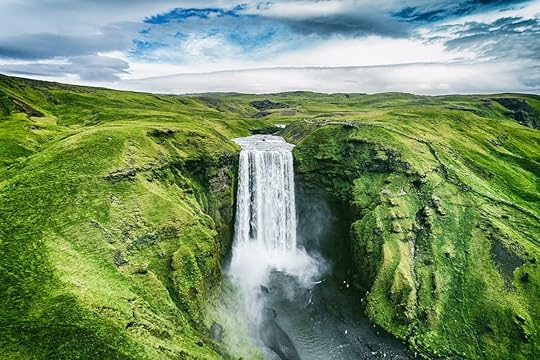
Photo: Maridav/Shutterstock
Iceland, famed for its dramatic landscapes and stunning natural beauty sits just below the Arctic Circle. The country has been one of the most popular destinations for tourists over the last few years but — like many other tourist hotspots — has suffered an economic blow during the pandemic. Due to this, the Icelandic government has announced an extension to its long-term visa for those outside the European Schengen region. The Work in Iceland program is for foreign nationals who do not require a visa to visit Iceland, which includes US citizens.
The change in regulations allows remote workers to stay for up to six months in Iceland. In order to qualify, you must be able to prove that you are employed by a foreign company or give proof that you are self-employed in your country of residence. To apply, you must earn a minimum of 1 million Icelandic krona per month, which is approximately $7,360.
Montserrat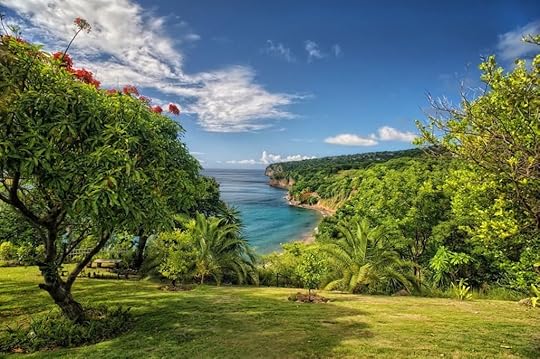
Photo: Island of Montserrat/Facebook
Application for the Montserrat Remote Workers Stamp costs $500 for an individual and $750 for an individual and up to three family members. In order to apply, you must be in full-time employment, make a minimum salary of $70,000 per year, and have valid health insurance for all applicants.
“We know there are people in various parts of the world who now have the ability to work from home and are actively looking for a change of environment. The remote worker program is not only inviting but encouraging them to come to Montserrat to work, and at the same time be more than a visitor but a part of the community on one of the world’s most unique destinations,” remarked Montserrat’s deputy premier, Dr. Hon. Samuel Joseph.
English is the main language spoken in Montserrat, second to Creole. There is also a large expat community of British nationals, but the population is an interesting and diverse mix of African, Irish, and, of course, British traditions. If you are looking for a slower pace of life, and a tight-knit friendly society, the Montserrat visa is worth looking closer into.
Portugal
Photo: Pawel Kazmierczak/Shutterstock
With some of the coolest cities and small towns in Europe, a stunning coast, and a superb food scene, Portugal is worth considering for those who are willing to do a little homework and are looking for something more long term.
Portugal requires independent workers to demonstrate that they have skills needed within the country before applying for a temporary residence permit. This is a common requirement for many countries around the world and the list of what skills and professional training governments need often change. That said, staples such as those who work in health care, or have a degree in engineering can be found on most lists — though it would be more challenging to find a remote option in those fields.
In Portugal, you also have to register as a freelancer in the country, and if you offer a service, it helps your application if you have local clients. There are different visas depending on how long you would like to stay in the country, so overall this option requires you to do a bit of research, but the payoff of living on the Portuguese coast — especially if you have some language skills — would be worth the work.
Spain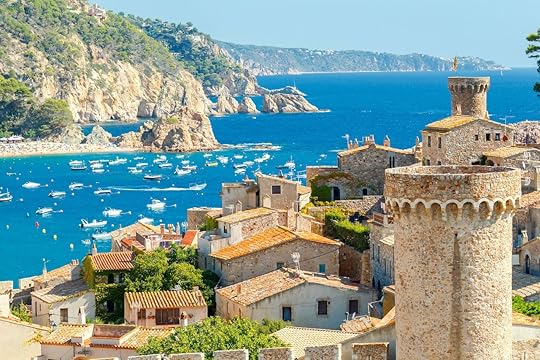
Photo: kavalenkau/Shutterstock
One of the reasons many people choose to work remotely in Spain is because of its strong economic ecosystem, which is full of entrepreneurs and digital nomads. The expat culture is thriving in most parts of the country, so you won’t find it hard to make English-speaking connections.
The cost of living in Spain averages out around $1,185 per month for an individual living in a city. You won’t get anything fancy for that, but the quality of life in the country is high, fresh produce is cheap, and both the cities and rural countryside are appealing. Keep in mind Wi-Fi might be an issue outside of major cities, so do a little reading before you set your heart on a farmhouse on a southern Spanish vineyard.
For a basic remote work visa valid up to one year in Spain, you need to have proof of employment and pass a background check. The application must be made in person and you have around a 90-day wait before you may get confirmation. You can not have a criminal background. You also have to have around $31,000, or more, in the bank. That’s going to make most digital nomads of our generation exempt from applying, but other than that and having private health insurance, there’s not a huge amount more to it.
Middle EastDubai
Photo: Oleg_P/Shutterstock
In mid-October, Dubai announced its new plan that will allow remote workers and families to live in the city and have benefits that were originally only available to residents. This new visa will give people the opportunity to live there for a year with the additional benefit of not paying income tax. In order to qualify, you must make at least $5,000 per month, submit three months of bank statements, and have proof of employment. The application is not hugely expensive costing $287 and you will need to pay for an extra processing fee and health insurance.
AfricaMauritius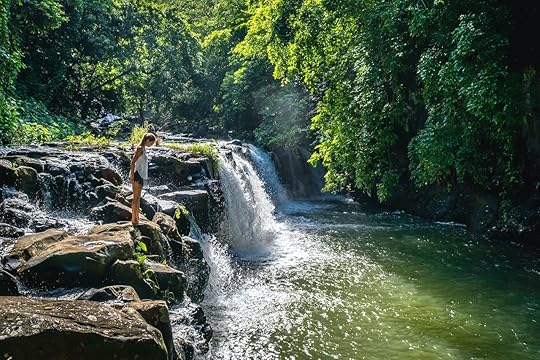
Photo: Daniel Malinowski/Shutterstock
Mauritius is located in the Indian Ocean and sits around 500 miles off the east coast of Madagascar. The volcanic island is surrounded by coral reefs and is home to over 600 indigenous species of plants. Its tropical climate is welcoming but that’s not the only thing attracting expats. Its multicultural and multilingual population makes for a diverse community and schools accommodate a range of languages.
At the end of October, it was announced that the government will be introducing a renewable premium travel visa to encourage long-term stays. It’s inviting investors and professionals who want to work remotely from Mauritius for a maximum of one year. The current requirements for a visa seem pretty simple: You need to have an income from a country outside of the island, a detailed outline of the purpose of the visit, accommodation information, and other standard immigration documentation. In comparison to other plans, it seems relatively easy to apply for this visa, so it’s worth following expat forums to see if this program is too good to be true. 
A version of this article about digital nomad visas was previously published on September 23, 2020, and was updated on August 19, 2021, with more information.
More like thisTravelEvery destination in the world currently open to US touristsThe post The 19 best digital nomad visas from around the world appeared first on Matador Network.


These women are introducing Americans to Afghan cuisine through chutney

Yasameen Sajady has a big family. There’s her sister, Sheilla, and their two other sisters, plus their mother Fatima, and of course their 50 or 60 first cousins. Before the pandemic, Yasameen tells me, Sajady family gatherings numbered in the 90s and were raucous affairs where relatives shouted among themselves at the dinner table over plates of rice, dahl, and chicken korma.
It was at one such gathering that Fatima — who Sajady calls “effortless” in the kitchen — brought a chutney made with fresh ginger, cilantro, jalapenos, apple cider vinegar, and lemon juice. Everyone at the table broke out in a chorus of praise for Fatima, asking for a taste of the chutney followed by cries of “This is so delicious!”
“A lightbulb went off,” Sajady tells me. “I was like, ‘We’re going to bottle this and share it with the world.’”
Yasameen and her two sisters, Nasreen and Sheilla, transformed what they call their mother’s “magic green sauce” into Maazah (which means flavor in Farsi). They hope the line of chutneys will serve a dual purpose: to introduce home cooks to the flavors of Afghanistan and also help anyone, regardless of their culinary interests, elevate their home cooked meals.
Sajady and her siblings were born and raised in Minneapolis. Their parents immigrated to Minnesota from Afghanistan and cling tightly to their culinary traditions. In Afghan cuisine, a green chutney made primarily from cilantro and spiced up with jalapenos is a common accompaniment to dishes like dahl, kebabs, and korma. The Sajady family was accustomed to this richly nuanced condiment, but in Minneapolis, it was nearly impossible to find the ingredients that reminded them of home.
“There isn’t a lot of mainstream Afghan food or representation on grocery store shelves,” Sajady says. “But it is important to see yourself represented at the grocery store, right? Growing up in the Midwest, that was tricky.”
Sajady recalls growing up in a predominantly white neighborhood where she and her family struggled to express their cultural identity in a sea of homogeneity. But instead of losing touch with their roots, family dinners like those the Sajadys took part in every other week (before the pandemic) brought them closer to their heritage.
“Maazah has been really important for us to stay connected to our heritage and cultural identity, but then also introduce more people to the food [of] Afghanistan,” Sajady says. “Hopefully it’s a connection to understand more about our culture and our cuisine.”

Photo: Maazah
The Sajadys are eager to share their magic green sauce with the rest of the country, but there have been challenges. Yasameen admits that it’s been “vulnerable” to release a product “that’s so folded into who you are and who your family is.” And that’s just on a personal level: She’s also found that as a woman and minority owned business, it’s been harder to pitch Maazah to prospective suppliers, who might be hesitant to stock what they perceive as a niche product on their store shelves.
But mostly the process of bringing Maazah to life has been rewarding, especially when it comes to making connections with customers who aren’t initially sold on the idea of making chutney a regular fixture of their dinner routine.
“The connections that really blow us away are [with] folks that are more hesitant,” Sajady says. “We’re like, ‘Do you want to try a sample?’ and end up talking about the food that we grew up eating and [find out] that their mom actually made something similar.”
How to use Afghan green chutney
Photo: Maazah Chutney/Facebook
When the Sajady sisters introduce someone to their chutney, they always remind people that chutney isn’t just for Indian or Middle Eastern food. In fact, uninitiated but curious potential customers often aren’t convinced it can be used outside the occasional Indian takeout meal. Some people are surprised that Maazah isn’t as sweet as mango chutney, which is the only chutney reference point for some. So Yasameen Sajady thinks of herself as an educator as much as a home cook or business person.
“You can throw it on a salad with olive oil, or put it on fish tacos, or add it to a grain bowl, or to your leftovers so that you don’t get sick of them later in the week,” she says. “I add it to my breakfast sandwich every morning, or my scrambled eggs.”
Maazah is a glimpse into the potent flavors of Afghan cooking, but that’s just one facet of its utility. For Sajady it serves another purpose: To conveniently jazz up everyday meals — especially for people who don’t have a continuous supply of chopped lemon, ginger, and cilantro in the refrigerator.
“This is not just an introduction to Afghan food and our mom and delicious cooking,” she says. “This is also solving a lot of other problems for you.”
The post These women are introducing Americans to Afghan cuisine through chutney appeared first on Matador Network.
This road trip will take you to the most wish-listed Airbnbs in the Pacific Northwest
Airbnb’s list of the most-wishlisted stays in every state will have you dreaming of a vacation away from home. To enjoy several of these Airbnb properties without having to travel cross-country, we’ve compiled the most wishlisted Airbnbs in the Pacific Northwest and routed them for you in this handy road trip guide. Pack up and be ready to be awed because these stays are as unique as their views are picturesque. (And if you’d rather spend some time in the Midwest, we’ve got you covered, too)
Here is a map covering the route of this itinerary:
We hope you love the spaces and stays we recommend! Just so you know, Matador may collect a small commission from the links on this page if you decide to book a stay. Listed prices are accurate as of the time of publication. See our full Advertiser Disclosure here.
Underground Hygge — Orondo, Washington
Photo: Airbnb
Washington’s Underground Hygge is on nearly every list of epic Airbnbs. It’s easy to see why — you’ll feel like a hobbit, sleep like a sloth, and explore like a, well, hobbit on an epic quest on the property’s six available acres. It would be tough to make the argument that this home isn’t one of the most legendary Airbnb properties of all time. The fact that it’s located adjacent to the Columbia River Gorge and amongst the state’s most beautiful mountains only adds to its charm. Whether or not you are a Lord of the Rings fanatic, this hobbit house will have you ready to chill like Bilbo.
Two guests, one bedroom
Price: $400 per night

Photo: Airbnb
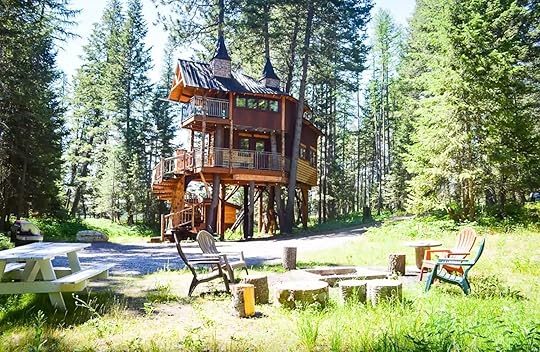
After hanging out at the hobbit house, it’s time to quest down to Takilma, Oregon, for a high-up stay at the world’s premiere “treesort.” Oregon is one of the few places that have trees that could actually sustain such a concept, and the hosts of this property have taken full advantage of it. The Majestree is the grandest of accommodations on this road trip. You’ll have to ascent the spiral wraparound staircase to reach your elevated home. From there, you can peer into the forest and plot your journey out into the Redwoods. This property continues the Northwest’s theme of unique remote properties that put you close to nature, but are so engaging themselves that you may not even venture outside.
Six guests, three beds
Price: $277 per night

Photo: Airbnb/Otto Kitsinger/AP Images for Idaho Potato Commission
Hosted by the same Airbnb superstar as the Underground Hygge property, the Big Idaho Potato Hotel puts you inside the state’s most famous tuber — the potato. This property is actually made out of a six-ton potato that became so famous it went on tour to every state in the lower 48. It now welcomes travelers to its warm (and manicured) insides, with the added bonus of a silo-turned-spa right next door that you can use while here. This is a grand story of repurposing, and even though you can’t fry this spud up for dinner, you can eat fried spuds while inside this massive spud.
Two guests, one bedroom
Price: $207 per night
Photo: Airbnb
The second of two treehouses on this epic road trip to the most wishlisted Airbnbs in the Northwest, the Meadowlark Treehouse is close to both Glacier National Park and Whitefish Mountain Resort. There is plenty of hiking nearby, but the views from the patio are so beautiful that you may want to stay on the property — from up there you’ll likely observe birds, deer, and other wildlife.
Four guests, one bedroom
Price: $499 per night
The post This road trip will take you to the most wish-listed Airbnbs in the Pacific Northwest appeared first on Matador Network.
6 things you need to know before going on a safari in Kenya
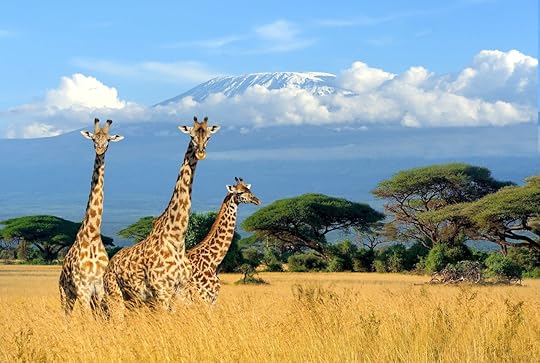
Kenya is home to the Big Five: the lion, leopard, rhino, buffalo, and elephant. With its vast national parks, breathtaking landscapes, and the Masai culture synonymous with the country’s tourism, doing a Kenyan safari is an unforgettable experience and for many, a once-in-a-lifetime opportunity. Although a Kenyan safari is centered on seeing the Big Five, it’s also a cultural experience enhanced by the country’s people.
Thanks to the country’s rapidly growing tourism industry and the cordial relationship with the US government, US travelers are currently able to take a safari with few restrictions. From how to book your trip to what to expect to where to stay, here’s everything you need to know about organizing a Kenyan safari.
Jambo Kenya, Hakuna Matata is a friendly welcome gesture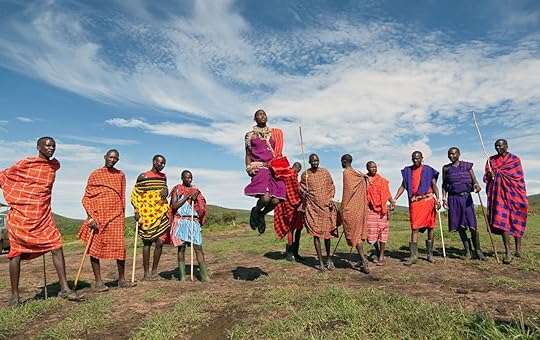
Photo: Vadim Petrakov/Shutterstock
Forget about Disney’s move to trademark the saying “Hakuna Matata” as it remains Kenya’s signature welcome to tourists. Like the friendly greeting “Jambo Kenya, Hakuna Matata” (welcome to Kenya, there are no worries) suggests, Kenyans are indeed very warm people. As well as the national language of Swahili, many Kenyans speak English so you don’t have to worry too much about a communication barrier. That said, you may find it interesting to learn a phrase or two from the different regional languages you may encounter during your safari.
Why you should consider using a tour company to book a Kenyan safari
Photo: Volodymyr Burdiak/Shutterstock
We recommend booking a safari through a reputable and knowledgeable local tour company. Not only do they have the experience, but due to the Kenyan government’s incentive to support the local economy, booking through an agent on the ground can save you money. These companies ensure that all your travel needs are met, such as airport pickups, hotel transfers, photography of your trip, game drives, tour guides, meals, and park fees.
Bonfire Adventures is one of the best tour companies both within Kenya and in Africa, with affiliate representatives around the world. It has fantastic rates and discounts for individuals and groups, making family travel more affordable. Other top-rated tour companies include Zunguka Africa Safaris, Bountiful Safaris, Akothee Safaris, and Schon Safaris. However, the fast-growing local tourism industry has created more than 400 travel and tour agencies that keep the national companies in stiff competition with one another.
Kenyan safaris also offer an opportunity to visit different areas of Kenya while traveling by either road or via a light aircraft. If you’re interested in seeing the diverse landscape, traveling by road is a must and is also more cost-effective. That said, if you’re tight on time and would rather travel by air, there are a few internal flights that reward you with an aerial view of the Kenyan countryside. Depending on your budget, opting for support from a trusted local agency will elevate your safari experience and actually save you money.
The Masai Mara National Reserve has the Big Five and more
Photo: Anuradha Marwah/Shutterstock
Masai Mara National Reserve is often the highlight of Kenyan safari destinations, as it’s home to a huge range of wildlife and breathtaking vistas. Located in the southwestern part of Kenya near the Tanzanian border, it’s one of the most visited parks in Kenya, with an estimated 300,000 annual visitors.
The expansive reserve offers you a chance to see the Big Five, as well as giraffes, zebras, hippos on the Mara River, monkeys, hundreds of birds, cheetahs, wolves, foxes, the African hare, and the bush baby. The protected land is divided into two sections, the Greater Mara and the Mara triangle. The Greater Mara is the most popular as it’s home to abundant wildlife but if you want to see the black rhino, you’ll have a better chance of doing so in the Mara triangle.
Consider a Kenyan safari between July and September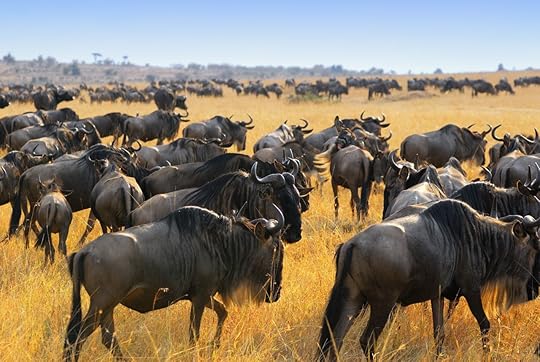
Photo: Oleg Znamenskiy/Shutterstock
Between mid-July and late September, Kenya sees an annual migration of over two million wildebeests and zebras that cross from Serengeti National Park in Tanzania to Masai Mara National Reserve.
During this migration period, tourists get a chance to watch herds of wildebeests, which is a spectacular experience. Although the animals are constantly moving in droves, you’ll want to inquire ahead of your safari to make sure you can book an excursion with a game vehicle. Do this in particular if you’re traveling with young children to ensure they can enjoy watching this natural phenomenon from a safe distance.
There’s a huge range of accommodation options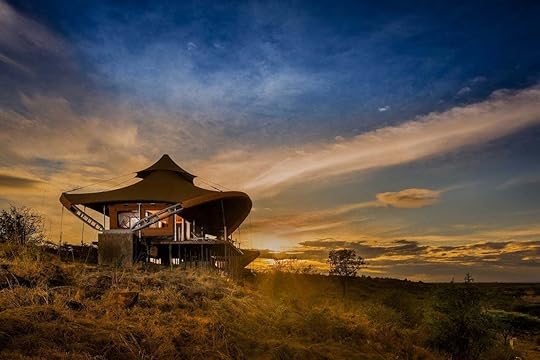
Photo: Mahali Mzuri/Facebook
Most accommodations range from $300 for a three- or four-star hotel to as much as $3,000 for five-star luxury per night.
Again there’s a huge amount to choose from and a local tour company will point you in the right direction, but if you’re interested in splurging, the award-winning Mahali Mzuri Safari Camp and the Fairmont Mara Safari Club are top of the market.
The Masai Mara Budget Tented Camp is pocket-friendly and costs about $300-$400 per night, making it a family favorite. Other affordable camps and lodges include Emayian Luxury Camp, Siana Springs, Sarova Mara, and Elephant Bedroom Camp. If you’re booking a group or family safari, most lodges will give you a discount depending on the duration of your trip.
Go beyond safari and discover Kenya’s coastline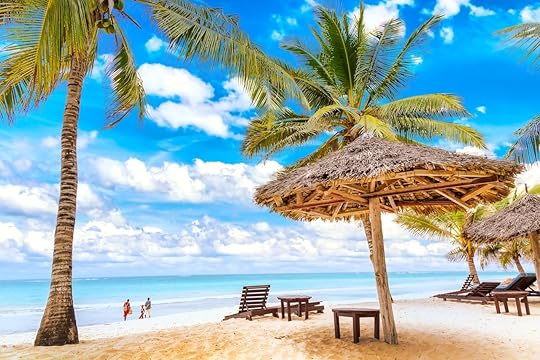
Photo: Nikolay Antonov/Shutterstock
Although Kenya’s national reserves are spectacular, the country is also home to a breathtaking coastline with lovely small towns. Diani Beach in the south, for example, has been voted Africa’s leading beach destination since 2015. The pristine beaches are vast and are peppered with some of the best restaurants in the country offering classic Swahili dishes.
You may also opt to visit Kenya’s north coast, which is home to notable attractions such as the Mombasa Butterfly House, the archaeological site of Gedi in Malindi, Watamu Marine National Park and Reserve, and World Heritage Site, Fort Jesus which was built by the Portuguese in the 16th century.
The post 6 things you need to know before going on a safari in Kenya appeared first on Matador Network.
August 18, 2021
These AI-designed road trips beat out ones planned by humans
Air travel is speedy, and train travel is romantic, but road trips are where it’s at if you want the freedom to do whatever you want, whenever you want, wherever you want. But planning your own road trip could be a thing of the past if artificial intelligence (AI) can help plan where to go and all the stops along the way.
CarMax, the largest retailer of used cars in the US, surveyed over 1,000 people domestically and found out that 83 percent of respondents plan to go on a road trip this year. Then, they proceeded to see if AI technology could plan a better road trip than humans. They used an AI system called Generative Pre-trained Transformer 3 (GPT-3) to plan road trips with eight different goals, including best overall road trip, best road trip for couples, best cross-country road trip, best coastal road trip, best road trip for foodies, best summer road trip, best road trips for views, and, lastly, best road trip for visiting national monuments.
They then asked the survey participants to compare the AI-designed road trips to those found in travel magazines and choose the one they preferred. Here are the results.
Best overall road trips
Photo: CarMax
For the best overall road trip, 72.2 percent of respondents preferred the AI-designed road trip made up of nine stops:
San Francisco (starting point)Santa CruzLos AngelesLas VegasGrand CanyonFlagstaffPhoenixSan DiegoSanta MonicaThe human planned road trip included the following stops:
Chicago (starting point)St. LouisTulsaOklahoma CityAlbuquerqueFlagstaffSanta MonicaBest couples road trip
Photo: CarMax
65.2 percent of respondents preferred the AI-designed road trip made up of four stops:
San Francisco (starting point)Napa ValleySacramentoLake TahoeThe human-designed road trip included the following stops:
San Francisco (straing point)PortlandJacksonDenverLas VegasSan FranciscoBest cross-country road trip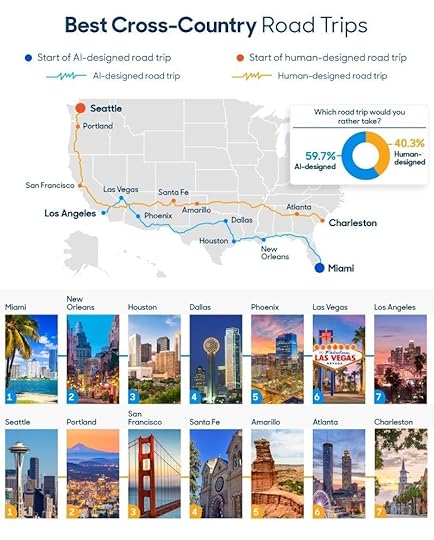
Photo: CarMax
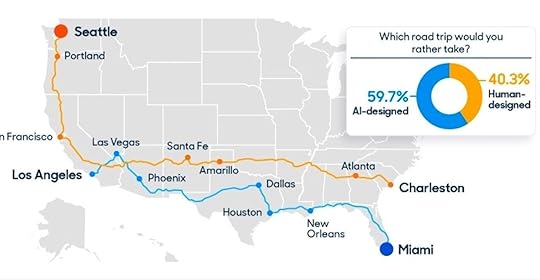
59.7 percent of respondents said they preferred the AI-designed cross country road trips, with stops in:
Miami (starting point)New OrleansHoustonDallasPhoenixLas VegasLos AngelesThe human-designed road trip has stops in:
Seattle (starting point)PortlandSan FranciscoSanta FeAmarilloAtlantaCharlestonBest coastal road trip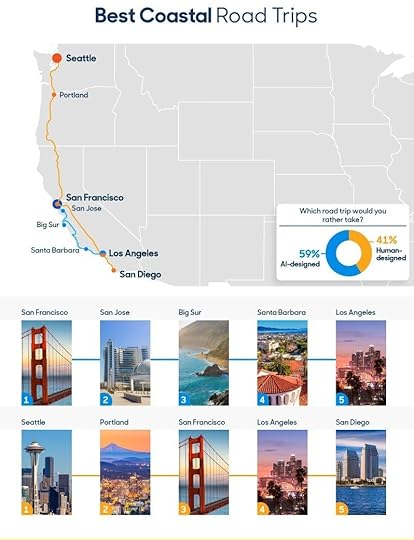
Photo: CarMax
59 percent of respondents preferred the AI-designed road trip with stops in:
San Francisco (starting point)San JoseBig SurSanta BarbaraLos AngelesThe human-designed road trip has stops in:
Seattle (starting point)PortlandSan FranciscoLos AngelesSan DiegoBest road trips for foodies
Photo: CarMax
50.7 percent of respondents preferred the AI-designed road trip with stops in:
Austin (starting point)HoustonNew OrleansJacksonNashvilleAtlantaCharlestonThe human-designed road trip stops in:
Dana Point Harbor (starting point)Newport BeachHuntington BeachManhattan BeachSanta BarbaraBest road trips for views
Photo: CarMax
Only 44.2 percent preferred the AI-designed road trip with stops in: New York City (starting point)PhiladelphiaWashington DCRichmondNorfolkWilmingtonCharleston
58.8 percent of the participants preferred the human-designed road trip with stops in:
Portland (starting point)BostonProvidenceNewportNew HavenBest road trip for visiting national monuments
Photo: CarMax
Only 41.1 percent preferred the AI-designed road trip with stops in:
New York City (starting point)Princeton UniversityPhiladelphiaGettysburgWashington DCMount VernonMonticello58.9 percent of participants preferred the human-designed road trip stops in:
Yosemite National Park (starting point)Devils PostpileDeath ValleyGrand Staircase EscalanteGrand CanyonPetrified Forest National ParkSaguaro National ParkThe study also found that 46.8 percent of those surveyed believed that summer is the best time to hit the road, and, on average, 566 miles is the perfect length for a road trip.
The post These AI-designed road trips beat out ones planned by humans appeared first on Matador Network.
How to eat well on backpacking trips instead of surviving off trail mix
Matador may collect a small commission from the links on this page if you decide to purchase one of the products recommended here.
Backpacking trips are, without a doubt, grand adventures, but they do come with one intimidating problem. Trudging through the wilderness for days on end requires hikers to be well-fed, but because they’re limited to what they carry in their packs, many backpackers only bring foods designed to satisfy their basic nutritional needs. Protein bars, trail mix, instant oatmeal. These foods provide sustenance but little comfort.
It’s a misconception that wilderness adventures preclude backpackers from eating well. Even with scanty cookware and a shortage of non-essential ingredients, it’s possible to make warm, hearty meals that bring both nourishment and joy. For tips, tricks, and recipes, Matador spoke with Glenn McAllister, aka Chef Glenn, the Backpacking Chef, an outdoorsman and author who’s been sharing his secrets for elevating on-trail cuisine for over a decade.
Here’s how to eat well on backpacking trips without surviving off gorp, according to an expert.
Dehydrate your favorite foods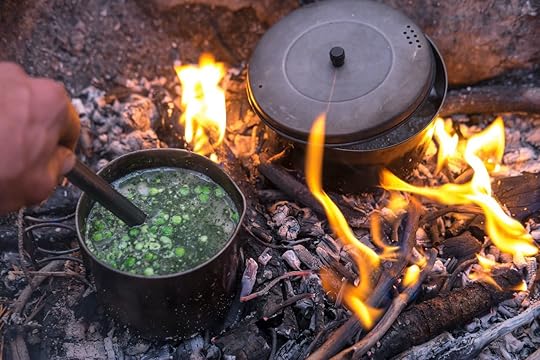
Photo: Ryan Kodak Brown/Shutterstock
Seasoned backpackers are no strangers to dehydrated food. Brands like Mountain House and AlpineAire specialize in freeze-dried cuisine that’s compact, lightweight, and shelf-stable. All these meals are missing is water and time — that and, too often, flavor.
Backpackers who turn to pre-made camping meals have the right idea. Dehydrated food is the key to a varied outdoor diet. But freeze-dried feed can be expensive and high in sodium. Tastier on-trail meals that are tailored to your palate and dietary needs start in your home kitchen.
“Almost all my meals include a starch, a protein, and a vegetable,” says McAllister, who adds that you can dehydrate almost anything. “That way I know I’m meeting my nutritional requirements.”
Some of his favorite dishes include peach salsa rice, which he makes by combining dehydrated rice with dehydrated peach salsa, and couscous salad with dehydrated vegetables and cucumber salsa dressing. One benefit to Moroccan couscous, the smallest variety, is that it does not need to be precooked or dehydrated at home. This is also true of starches like grits, bulgur wheat, and instant oats, which can be made either sweet or savory. These are excellent options for backpackers looking to load up on ready-to-pack foods from the grocery store.
McAllister is also proud of his beef and bean chili recipe, a simple meal he says his readers are still raving about more than a decade after he shared it.
First-timers may be reluctant to buy a high-capacity dehydrator for a single trip, but it’s a worthwhile investment for backpackers who take long or frequent trips, as well as anyone serious about improving their backcountry cooking. McAllister recommends Excalibur dehydrators, which range from under $100 to almost $700. NESCO also has several models in the $50 to $100 range, as well as reasonably priced vacuum sealers to package your meals. Plastic or reusable food storage bags take up slightly more space but also work fine.
Make a menu to avoid overpacking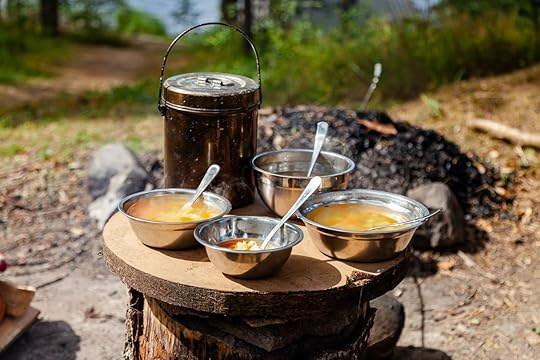
Photo: Vera Prokhorova/Shutterstock
Bringing too much food is a common mistake newer backpackers make. Meal prep will help. McAllister plans for three meals a day and four snacks.
Breakfast might alternate between hot and cold meals, such as oatmeal with dried fruit, grits with dried ham, and dehydrated eggs or pancakes opposite granola with powdered milk. Lunch and dinner recipes are interchangeable, but variety is important.
“I like rice meals for lunch because they give me quick energy for the afternoon,” says McAllister, whose top choice is unstuffed peppers with rice, ground beef, bell peppers, and tomato sauce, which he turns into a leather that can be added to a number of dishes. In a separate baggie, bring a couple of tablespoons of Parmesan cheese to top it all off.
Dinner that evening might be ramen with dried shrimp, curry tofu with veggies, or macaroni and cheese with ground beef and taco seasoning. Different recipes call for a different ratio of food to water to reconstitute, so you may want to write instructions for rehydrating each meal on the containers you use to portion them out.
Snacks are also crucial. “Nuts are an important part of the snacking assortment because of their caloric density,” says McAllister. “But it’s good to have a few sweet snacks too.” One go-to is sweet potato bark, which he made with apple juice, maple syrup, and cinnamon. The bark can either be eaten like fruit leather or turned into sweet potato pudding if you add water.
Splurge on seasoningsSeasoning can make or break a dish. Most seasoning agents also weigh next to nothing. Filling small containers, such as travel-sized Nalgene bottles or old Tic Tac boxes, with dried herbs and spices is an easy way to elevate your on-trail cooking. To save on space, pre-mix a couple of spice blends using your favorite ingredients or stock up on premade mixtures such as everything but the bagel seasoning, ranch packets, or onion soup mix.
Anything powdered is a luxury backpackers can afford to bring, from sugar and powdered milk for your instant coffee to ingredients like powdered peanut butter and hummus that can be eaten as a snack or incorporated into dishes like oatmeal. The same goes for single-use condiment packets like soy sauce, ketchup, and hot sauce. Olive oil packets are particularly useful. Not only are these essential for quality cooking if you have the opportunity to fish for your own dinner, but olive oil also adds flavor and a luxurious texture to dehydrated savory meals.
Bring minimal cookware, but use it right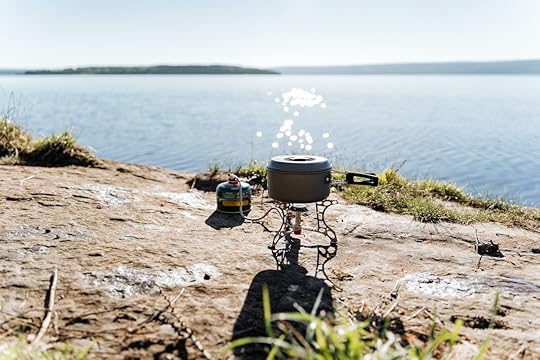
Photo: Aleksey Matrenin/Shutterstock
A major perk of cooking with dried and dehydrated foods is that most prep is done off-trail. This makes the list of cookware that backpackers need to schlep short.
“All you really need is a pot with a lid and a spoon,” says McAllister, who recommends titanium pots because they’re light and easy to clean if they have a hard anodized coating, which is a corrosion-resistant oxide layer that’s tough to scuff. The size will vary depending on your group, but 900-1,000 milliliters will suffice for solo backpackers, while 1,200 milliliters can easily feed two. Remember to use the lid when you’re boiling water to save both time and fuel.
Because he relies primarily on dehydrated foods, McAllister also swears by packing an insulating pot cozy, which he notes you fashion yourself using Reflectix material. Rehydrating takes at least 10 to 20 minutes, with the pot in the cozy once the dish has come to a boil. On the other hand, a thermos food jar allows you to prepare your meals hours in advance.
“I add a dehydrated meal to it with boiled water in the morning, and that makes having a hot lunch as easy as opening the thermos,” says McAllister, adding that it’s beneficial for cold-soak salads, as well. “After lunch, I put dried fruit in the thermos with cold spring water. Later in the day, it’s the best snack ever when it’s hot and you need refreshment.”
The post How to eat well on backpacking trips instead of surviving off trail mix appeared first on Matador Network.
How to safely travel with young kids during the Delta variant surge

It seems that the nasty, insistent virus that causes COVID-19 has found a loophole. As adults are increasingly vaccinated, it’s preying on the largest unvaccinated population: kids under twelve.
CDC records show that the only age groups that experienced increased hospitalization rates in early August were children aged one to four and five to 17. Parents are so desperate to get their kids under-12 vaccinated that thousands are on waitlists for clinical trials.
Where does that leave you, the vaccinated parent, hoping for some measure of normality and, quite possibly, a family trip together during the last warm days of summer?
The good news is that you don’t need to panic and, with precautions, your kids can still have a life closer to normal than they had a year ago.
Consider activities before and after you travel“The mental health consequences of COVID are so high on kids, you have to take a harm reduction approach,” says Dr. Shannon Thyne, a pediatrician who works in public health in Los Angeles County.
While Thyne is referring to the need to let kids socialize and return to their normal life of school, sports, and friends, she also recognizes that some families may feel the need to travel, and she suggests ways to do this safely. One thing is to make sure that kids are healthy before they even set out.
“The things I would tell people to do with kids that are unvaccinated vis a vis travel is make sure that the environment they’re in before travel is as safe as possible and after travel is as safe as possible,” Thyne says.
Many people are so concerned about getting the virus during transit that they forget they could potentially contract it before setting off and then infect other people on the plane and deal with the consequences of being sick in a destination away from home.
Likewise, if a child did pick up an asymptomatic case of COVID while traveling, you wouldn’t want that kid to unwittingly pass it onto someone else — which is why you want to be thoughtful about how quickly your child engages in post-trip activities.
Research the destinationEven if you drive to a destination, you should research the COVID situation there, as well as the attitudes about mask-wearing. Some parts of the US don’t seem to have gotten the memo about the Delta variant. So, beyond dealing with the likely higher COVID caseload, you may find yourself having to constantly explain why you and the kids are wearing masks. That may be a more emotional hassle than you want to take on.
As to air travel, Thyne believes parents should reconsider getting on a plane with children who are under 12. If you do opt to fly, she says you should “consider going somewhere that requires testing” prior to travel — so you can feel reassured that people on the plane are less likely to be infected.
Hawaii is one such option. While the state no longer requires pre-testing for travelers vaccinated within the US, all unvaccinated kids aged five to 11 must still receive a negative PCR test result before flying. Another option is Canada, which US citizens can now fly to only if those eligible have been vaccinated and they have completed a PCR test. That could give you even more reassurance that the vast majority of passengers on the plane are COVID-free.
Favor an outdoor vacationThyne says one piece of good news is that you don’t have to throw the gloves back on just to go to the grocery store.
“One of the things we are learning is that it’s less commonly transmitted through surfaces, and so we’re focusing on the fact that the major transmission is respiratory,” says Thyne. “I think we’ve made life a little bit less like hazmat-suity.”
But the virus is airborne, so Thyne says she’s telling everyone, vaccinated or not, to avoid going to indoor places with other people where they’ll be taking their masks off. On the other hand, she recognizes that for some kids, like her own athletic boys, sports are critical.
“Would I send my kid to outdoor sports activities? Yes, that’s a risk I would take,” Thyne says. “I do believe that there is some risk outdoors, but I think it’s low enough. It’s more about indoor restaurants, indoor gyms, indoor whatever.”
Get the right masks for kidsWhile Thyne still believes in handwashing, she says parents’ primary attention should be on a properly fitting mask. She doesn’t recommend cloth masks, nor does she think N95s are the best solution for kids either — since children often don’t always wear them well.
Instead, Thyne recommends a three-ply surgical mask in a smaller, children’s size. One such brand is Well Before, which carries the three-ply model for kids with adjustable ear loops.
If you’re traveling, be sure that the mask is on as often as possible. Consider feeding the kids before arriving at the airport so they don’t have to eat in a crowded dining area.
Pod up and drive somewhere awesomeSince outdoors is still unequivocally the best place to spend your time and it’s healthy for kids to spend time outside, take a page out of the 2020 playbook this upcoming Labor Day weekend and go for a fun camping trip.
“If somebody was going to go away for Labor Day, I’d tell them to do it with their family or one other family that they’ve podded with.” Thyne says. “I would tell them to consider something they can drive to and where they can sleep independently from other families.”
You and your pod family could also rent an Airbnb together in the mountains or by a beautiful lake. But keep the groups small. Now is not the time for a huge gathering. “Throwing five families of kids into a bunk room is always a recipe for disaster,” Thyne says.
Use common sense“I think anything that you could say about the zero to 12s, is only going to come from a place of common sense,” says Thyne, because there’s no actual data on how the Delta variant might affect them.
As many physicians have pointed out, no data as yet indicates that the Delta variant is necessarily more dangerous for kids. What is known is that it’s much more highly transmissible than previous variants, that COVID-related rules across the country have relaxed just as Delta arrived, and that, in many places, kids represent the largest unvaccinated group — explaining why more of them are contracting the disease.
So even if the Delta variant doesn’t make your kid ill, a potentially asymptomatic child could unwittingly bring harm to someone else down the line — or simply cause another family the hardship of quarantine. Back at school, one asymptomatic kid could sicken a classmate whose parent then needs to stay home from school and miss work.
All of this doesn’t mean trying to figure out a way to get your 10- or 11-year-old a vaccine. While Thyne is anxious for the FDA to approve the vaccine for young kids, as is the American Pediatric Association, she does not recommend people seek “vaccines outside the norm.”
But it does mean being thoughtful about your post-travel activities. If you have access to testing after your trip and you can afford it, go ahead and do it.
“I think you kind of have to take it to the level of personal responsibility,” Thyne says. She understands that travel may feel important for some families, but she wants them to recognize that travel is a luxury and take it from there.
“Just recognize your privilege, and figure out how to be responsible,” Thyne says.
The post How to safely travel with young kids during the Delta variant surge appeared first on Matador Network.
7 intriguing places around the world that you’re not allowed to visit

When it comes to travel, the saying that forbidden fruit is always the sweetest often rings true. When someone tells us we can’t travel somewhere, we suddenly long to go there. Travelers are constantly seeking out attractions and destinations with fewer tourists as they chase the feeling of exclusivity and real adventure. If hundreds of people are posting the same Instagram photos, it somehow cheapens the experience. Well, there are some destinations that never show up on instagram.
This isn’t because they’re not beautiful or lack historic significance, but because they’re literally forbidden to travelers. It’s a tantalizing word: forbidden. Like the forbidden fruit, off-limits destinations make our mouths water simply because we can’t go there. From the mysterious Vatican Secret Archives to UNESCO World Heritage sites like Surtsey in Iceland, there are dozens of intriguing destinations around the world that are forbidden to travelers. No, you can’t visit them on your next trip, but there’s nothing wrong with letting your mouth water.
1. Svalbard Global Seed Vault, Norway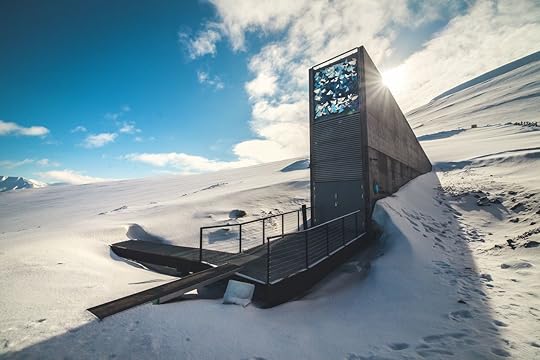
Photo: Borkowska Trippin/Shutterstock
It might sound strange that the most important site on Earth for preserving the world’s plant biodiversity is in Svalbard — a place where hardly anything can grow. As it turns out, that’s exactly why this secret and essential site is here in the first place. The Global Seed Vault contains over 100 million seeds from around the world. It was built to guard against natural or human-caused disasters that could wipe out all natural life on Earth. If the apocalypse did come to pass, the seeds from the Global Seed Vault could be used to repopulate the world’s plant life. The vault looks like a Bond villain’s lair and is located on Svalbard, a Norwegian archipelago above the Arctic Circle. The archipelago’s permafrost — ground that remains permanently frozen — makes it the ideal location for preserving seeds, though tourists aren’t allowed to enter the vault for obvious reasons.
2. Pluto’s Gate, Turkey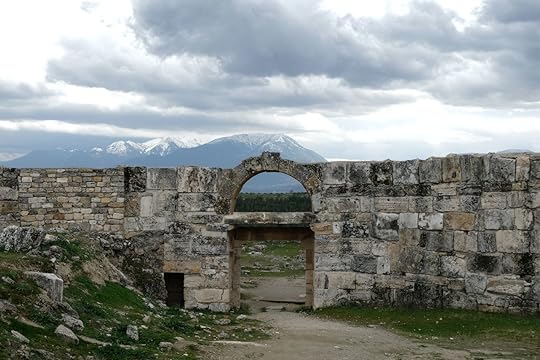
Photo: Caglayan Ceylan/Shutterstock
The exact age of this ancient site is unknown, but the nearby city of Hierapolis was founded in 190 BCE. Built atop a cave emitting toxic fumes, it was commonly used as a ritual passage to the underworld, and animal sacrifices were common here. In ancient times, people steered clear of Pluto’s Gate because they believed the underworld would gobble them up, and that belief wasn’t entirely inaccurate. In 1965, scientists discovered that CO2 levels were so high in this area that living beings couldn’t survive more than a few seconds.
3. Lascaux Caves, France
Photo: thipjang/Shutterstock
UNESCO World Heritage sites might scream “come visit me!” but this one’s actually a fake out. Lascaux Caves in southwestern France were designated a UNESCO World Heritage site in 1979, but have been closed to the public since 1963. The site is home to more than 600 examples of prehistoric cave art dating back 20,000 years, which offer fascinating insight into the history of early humans. Unfortunately, due to fungal invasions that often accompany heavy foot traffic, the caves were closed to visitors in an effort to preserve the paintings. It’s not the same thing, but you can still see the paintings in replica form at a museum built right next to the caves.
4. Niihau Island, Hawaii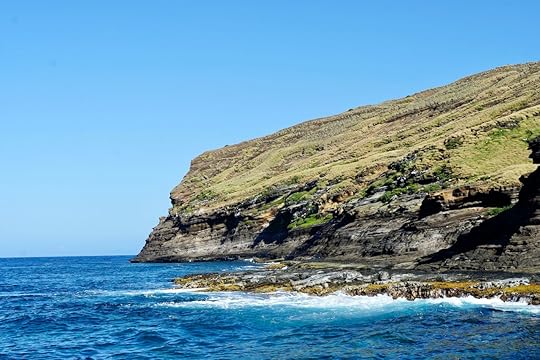
Photo: Finding Focus Photography/Shutterstock
Hawaii is one of the most popular vacation destinations in the US, but not all its islands want visitors. Niihau is known as the “Forbidden Island.” With no paved roads or indoor plumbing, Niihau isn’t exactly what travelers have in mind when they envision a luxurious Hawaiian vacation. The privately-owned island has been passed down from generation to generation for more than 150 years, and it’s currently maintained by the Robinson family. Back in 1952, the island was closed to outsiders to protect the native Niihau residents from catching polio. Though the polio epidemic passed, the Robinsons have continued the tradition of keeping the island closed to most visitors.
As a result of the lack of tourism, Niihau has developed a distinct culture and lifestyle, with many residents spending their time hunting and fishing. There are no stores, cars, internet, or indoor plumbing, and the sole school is powered by solar energy. The only way to access Niihau is by taking a pricey hunting safari that leaves by helicopter from the nearby island of Molokai. Even then, you will have no freedom to actually explore the island on your own.
5. Surtsey, Iceland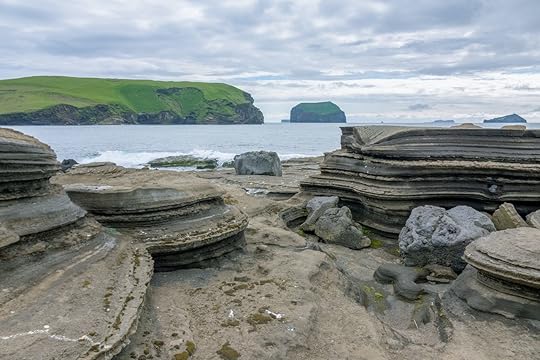
Photo: Thomas Males/Shutterstock
Surtsey is yet another UNESCO World Heritage site you can’t visit. The island of Surtsey appeared after a series of volcanic eruptions from 1963 to 1967, making it one of the world’s youngest islands. Researchers are eager to study how new ecosystems form independent of human influence, making Surtsey an ideal place to examine. Unfortunately, that means people — with the exception of a few researchers — are forbidden from visiting the island. Thus far scientists have found fungi, birds, molds, and invertebrates on the island.
6. Poveglia, Italy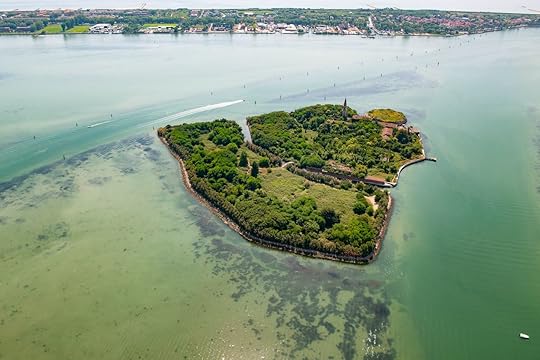
Photo: Pietro Basilico/Shutterstock
Visiting an island off the coast of Venice might sound pretty enticing, but that’s before you learn the history of Poveglia. In the 1700s, Poveglia was used as a quarantine site for those afflicted with the Bubonic plague. The sick would essentially be sent here to die. In 1922, the island’s buildings were converted into an asylum for the mentally ill, and, rumor has it, doctors used to perform horrific experiments on patients, including lobotomies. One doctor allegedly jumped to his death from the bell tower in the 1930s, believing he was being chased by ghosts. Since abandoned, the island is considered one of the most haunted places in Italy.
7. Pine Gap, Australia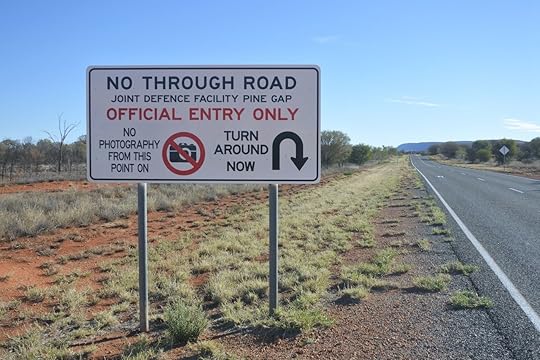
Photo: ChameleonsEye/Shutterstock
This area of the Australian Outback isn’t off-limits because of the many dangerous animals that live there, but because it’s a military base run jointly by the US and Australian governments, with the CIA and NSA playing key roles in its operation. Think of it as Australia’s version of Area 51. Opened during the Cold War, the facility was often presumed to be used for space exploration, though it was actually used for nuclear monitoring and missile launch detection.
This highly important and secret military base is now used primarily to control satellites that collect information about airstrikes around the world. As you might expect, it’s off-limits to visitors except those granted special permission by the government.
The post 7 intriguing places around the world that you’re not allowed to visit appeared first on Matador Network.
How to go island hopping in the Maldives for a sun-soaked getaway
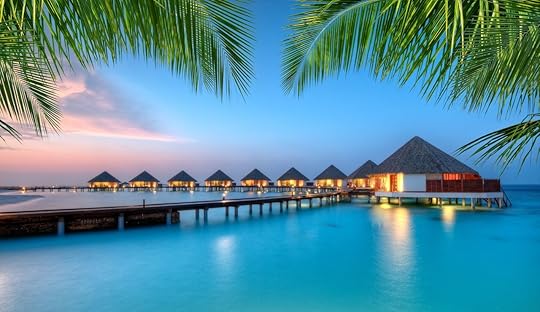
My hand hovered over the sliding glass door; I had always imagined being in this exact situation and I wanted to make sure I was fully present to absorb it. As I set foot onto the private deck, the fog of exhaustion temporarily lifted while my unwashed plane hair simultaneously frizzed to the extreme.
745 shades of blue (give or take) greeted me in the Maldives, stretching out for miles. Sun glistened on the plunge pool and the only sound was the clear lagoon water gently lapping below as I took the wooden steps straight into the sea. It was then that I could confirm that overwater bungalows are, without a doubt, as magical as they seem.
But, it had taken a total of four flights, an overnight layover, and a speedboat ride to reach that zen-like bungalow moment. So, was it worth it?
Yep.
It’s amazing how quickly the stress of long travel dissipates when you’re on a sandy swath of land in the middle of impossibly clear water. I had a total of three islands, Robinson Club Noonu, LUX* North Male Atoll, and Kuramathi to visit on my Maldivian tour, where I learned that island-hopping is actually a bit of an art.
Paradise is calling, and here’s everything you need to know about island-hopping in the Maldives.
A window seat to paradise: Island hopping in the Maldives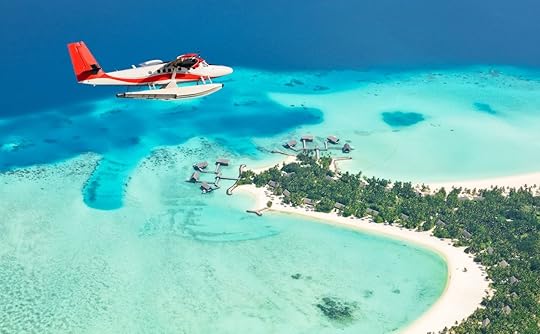
Photo: Jag_cz/Shutterstock
“Can you take a photo with my phone?” the girl next to me asked, handing it over.
I was lucky enough to be in the window seat as we flew over unreal beauty; endless hues of turquoise dotted with tiny white-sand islands. It was my fourth flight and I was exhausted, but I’d be damned if I would let my eyes close for even a second.
Part of the appeal when traveling to the Maldives is that far-flung, remote tropical destination feel. Approximately 1,200 islands lie in the Indian Ocean to the west of Sri Lanka, where over 140 resorts await to dazzle visitors in search of sunshine and the indulgence of true relaxation.
As it turns out, reaching paradise is no easy feat.
Doha, Qatar, is a main hub for the connecting flight to the Maldives. I spent a cool eight and a half hour layover there before flying into the capital city of Male. Upon landing, the next mode of transportation is determined by the distance to your resort, and how much money you’re willing to shell out.
Seaplanes are the priciest but coolest option, particularly for the outer atolls. The views from above are unparalleled, but some flexibility is required on your part as the schedule may not be determined until the day you’re departing. So, if you’re planning on popping over to another resort, a super early or fairly late in the day arrival is always a possibility as well as a stopover to pick up other passengers from an island along the way. Plan to spend about $270 to $450 per person, roundtrip, to travel via Trans Maldivian Airways.
Some resorts are close enough to Male that they can be reached via speedboat, which depart from right outside the Velana International Airport. These vary in comfort level, depending on the weather, size of the boat, and length of the ride. One of my boat transfers was on a small, open-air speedboat where I bounced heartily in my seat for an hour over choppy seas. The other was an hour and fifteen minutes in a sizable, covered vessel with spotty (but appreciated) WiFi. Rates start at about $25 per ride for a public speedboat operating on a (relatively) set schedule, while private speedboats can cost as much as a seaplane. Book in advance by checking out the posted schedules.
The other transfer method involves an additional regular runway experience with a short domestic flight to a local island and then catching a speedboat ride to the resort from there.
I experienced all three.
Choose a resort that caters to your travel style and preferred activities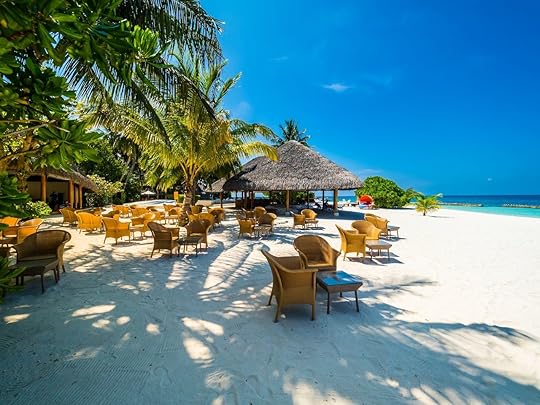
Photo: Video Media Studio Europe/Shutterstock
Have a family in tow? Looking to scuba dive? Want to party all night long? Don’t worry, there’s a resort for that. Although any tropical retreat is going to be amazing when island hopping in the Maldives, it helps to do a little research and find one that fits your interests and vibe. From spa-centric resorts and ultra-luxury accommodations with private butlers to culinary-based and scuba diving spots, all of the island destinations in the Maldives possess their own personalities. Prioritizing your vacation goals will help narrow it down and land you at the right resort for you.
Whittle down your search from the beginning by deciding if you’d like an adults-only property, or need a kid’s club on site. If your goal is wellness or fitness, you’ll be able to unearth resorts that have specialized activities and packages to highlight that. If you just want to dance barefoot on the beach to techno music…well, you can do that too.
And, if it’s romance you’re after, you’ve hit the amorous jackpot in the Maldives. Not a single overwater bungalow will fail you on that front.
Prioritize slumber and dining options when selecting accommodation
Photo: Lifestyle Travel Photo/Shutterstock
“We start the party!” our enthusiastic Teppanyaki chef declared as he presented the first course of our six-course meal. As if the promise of five more delicious courses wasn’t exciting enough, we were feasting in an open-air overwater restaurant and the chef had just flipped a shrimp into his hat. This was the first specialty restaurant on my island-hopping adventure and it was a nice change from the buffet set-up at breakfast and lunch.
Most resorts offer different degrees of all-inclusive packages, usually with a buffet restaurant as the “basic” meal service. Not all buffets are created equal though; some are rather diverse and others are a bit lackluster. Overall, I didn’t mind the benefits of grabbing a quick bite and having a lot of dishes to choose from. Oh, and going up as many times as my stomach would allow.
Be sure to splurge on at least one specialty a la carte restaurant at your resort. My favorites were Robinson Club Noonu’s over-water Teppanyaki restaurant mentioned above, LUX*’s Peruvian-Japanese restaurant INTI, and Kuramathi’s Inguru lagoon-side restaurant.
Seafood enthusiasts will jump for joy — fresh as it gets fish dishes and sushi abound. If you want to sample some local fare, try the fish curries, yellowfin tuna, reef (job) fish, Garudhiya soup (fish soup — a Maldivian staple), and cassava coconut cake.
The Maldives is one of those famous overwater bungalow destinations, and I was a huge fan from my first night. I fully enjoyed rolling out of my bed for a sunrise swim directly off my own deck. That’s not all there is though. Each property has various lodging options at different price points, ranging from cute beachfront studios to multiple-bedroom palatial presidential suites that will have you feeling like a celebrity.
Most have both beach and overwater villas depending on whether you want to catch your z’s perched above the water or directly on the sand. When choosing your room, make sure to ask if it’s sunrise facing or sunset facing and adjust based on your preference and usual vacation schedule. The bungalow decks tend to get shaded by mid-afternoon if you’re sunrise facing and vice versa.
The bungalows are beautiful, but there’s plenty to see outside them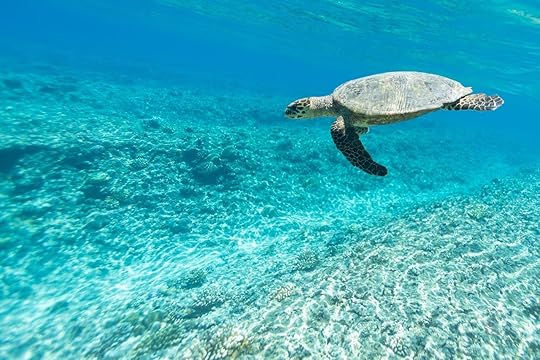
Photo: Kseniya Lanzarote/Shutterstock
I wasn’t bored, but I almost didn’t know what to do with myself. I had the rare luxury of time and loads of sunshine to play with at the resort. I could linger at breakfast, alternate between pool and sea dips, have a glass of champagne with lunch, and then take a nap just for the hell of it.
Maldives is “treat-yo-self” to a T. Whether you’re interested in melting your cares away at the seaside spa, snorkeling to your heart’s content, viewing marine life from a glass-bottom kayak, or simply zen-ing out in your private plunge pool (um, yes please), there’s something for everyone. More adventurous folks can catch a thrill surfing, diving, or parasailing, too.
And the best part? You can be social at communal pools and beach bars, or just relish in the sunny solitude of paradise. Some of my favorite activities from my island-hopping adventure included kayaking at Robinson Club Noonu, a ceviche making demonstration at LUX* North Male, and some of the best snorkeling I’ve ever done at Kuramathi. I saw schools of unicornfish and even a shark.
Sunset is a full-on ritual in the Maldives. Once you see the first one, you’ll understand why. Every night, guests gather at sundowner beach bars, sand bars, or choose to watch the sun paint the sky from the privacy of their own villa, with a refreshing drink in hand. Evening entertainment ranges from cover bands, karaoke, pool tables, and theme parties.
Logistics for island hopping in the Maldives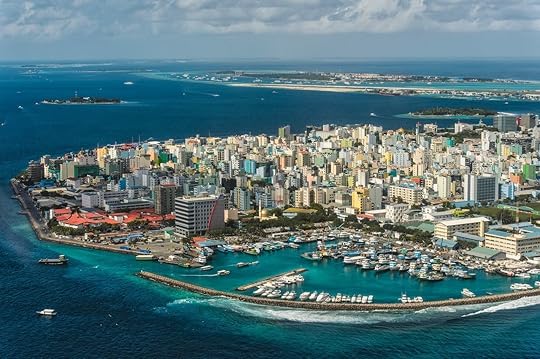
Photo: Chumash Maxim/Shutterstock
The prime benefit of island-hopping is experiencing different resort vibes, activities, restaurants, and the chance to shake it up a little. With so many choices, picking just one resort to experience can be overwhelming. That’s where island-hopping comes in, allowing you to create the perfect combo.
In order to travel to the Maldives (and back to the US), you’ll need proof of a negative COVID-19 test, even if you are fully vaccinated. In addition, I was tested at each resort before traveling to the next. Make sure to check the current restrictions and guidelines before traveling.
It should be noted that in order to hop over to another island, it will most likely require a transfer back to Male before getting onto another form of transportation for the next resort. This became taxing with only having a couple of nights at each property. Staying longer at each resort so that you actually have time to enjoy it would definitely help.
If you’re tempted to visit the islands in the far corners of the Maldives, it might be wise to pick just one resort and stay there for the entirety of your trip. It’s nice to switch it up by exploring different islands, but if you burn too many days transferring back to Male and then to the next spot, it’ll get old quickly. Island-hoppers may want to make up their itinerary with properties nearer to Male for ease of transfers.
Male’s Velana International Airport is notoriously muggy. Should you have a long wait here, pay for lounge access. You’ll thank me when you’re sitting in the air-conditioning with wifi and snacks.
Maldives lives up to their tagline, “the sunny side of life.” Bring plenty of reef-safe sunscreen That said, it rains here. Rainy season tends to be from May until October, though I was there in mid-June and it was all sunshine. You’ll score better deals by traveling in the off-season but if you don’t want to risk the rain, try the “shoulder” seasons where peak and low seasons cross paths. Here’s looking at you, October and April.
If you have snorkel gear, pack it. Most dive shops at the resorts have rentals, but they don’t always work that well and it’ll be nice to use your own. That’ll free you up to snorkel right off your bungalow or beach whenever you please.
The Maldives is a majority Muslim country. Alcohol is only available at the resorts, don’t make the mistake of buying duty-free items on your way as they’ll get confiscated at the airport. Also, bring some cash. USD is accepted in most places and it’s nice to have on hand for tips and odds and ends. The Maldives is only an hour flight to the capital of Sri Lanka. If you’re able to extend your trip, I highly recommend combining a Sri Lankan adventure with a Maldivian beach bliss escape.
The post How to go island hopping in the Maldives for a sun-soaked getaway appeared first on Matador Network.
The 10 most expensive small towns in the US
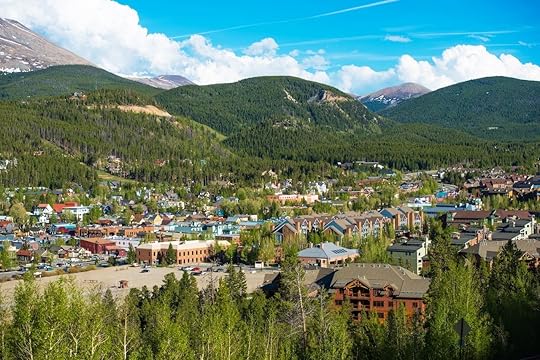
If you think living in LA, DC, or Denver is a drain on your bank account, wait until you see how much financial damage living in a small town can do.
Using data gathered from the US Census Bureau, LendingTree, an online loan marketplace, has drawn a list of the most expensive small towns in the US. It selected the 50 towns with populations between 10,000 and 50,000 inhabitants that have the most expensive median home values.
The 10 most expensive small towns in the US:
Vineyard Haven, MA (median home price: $699,500)Breckenridge, CO (median home price: $579,600)Jackson, WY (median home price: $549,800)Steamboat Springs, CO (median home price: $535,300)Hailey, ID (median home price: $413,700)Gardnerville Ranchos, NV (median home price: $378,800)Hood River, OR (median home price: $373,600)Juneau, AK (median home price: $345,900)Easton, MD (median home price: $336,800)Los Alamos, NM (median home price: $302,800)To show just how unaffordable owning a house in these small towns is, LendingTree calculated the home value to income ratio for each town by dividing an area’s median home value by its median household income. Relative to income, the ranking of the most expensive small towns in the US changes:
Vineyard Haven, MA (the medium home value is 9.74 times higher than the median household income)Hailey, ID (7.52 times)Breckenridge, CO (7.31 times)Steamboat Springs, CO (6.91 times)Jackson, WY (6.75 times)Taos, NM (6.25 times)Hood River, OR (5.69 times)Gardnerville Ranchos, NV (5.67 times)Brookings, OR (5.48 times)Astoria, OR (5.17 times)Living in these small towns is comparable to living in large metropolitan areas. The median home value in Vineyard Haven, Massachusetts, is comparable to that of LA. The median home value in Hailey, Idaho, is comparable to that of Washington, DC.
Vineyard Haven on Martha’s Vineyard tops both lists, it’s not impossible to vacation on Massachusett island for cheap.
Bozeman, Montana, a small town on the rise because of the influx of remote workers, has not made the list just yet, but we wouldn’t be surprised to see it in the ranking in the next few years.
For the full ranking of the 50 most expensive small towns in the US, check out Lending tree’s .
The post The 10 most expensive small towns in the US appeared first on Matador Network.
Matador Network's Blog

- Matador Network's profile
- 6 followers

