
Matador Network's Blog, page 464
June 13, 2022
4 Gorgeous International Vacations That Are More Affordable Now Than in 2019

Summer travel has always seen rising prices, but it seems like flights aresoaring to new heights this year. The good news is the dollar has strengthened compared to the euro and other currencies, meaning your travel plans might be a little more affordable than you think. According to Hopper, a budget travel company, because the dollar is worth around 0.94 Euros, travelers to Europe can stretch their budget 15 percent further than last summer and 6 percent further than in 2019. To make finding the best destinations super easy, Hopper found the best international destinations for an affordable price.
Scandinavian countries are your best bet for affordable airfare. A trip to these countries can mean exploring Norway’s beaches, visiting Denmark’s architectural feats, and discovering amazing Swedish towns outside of Stockholm. The dollar has appreciated more than 15 percent in all three countries recently.
If you’re looking to travel in the Americas, the dollar has recently appreciated 20 percent or more in both Chile and Argentina. However, airfare prices for Chile have fallen about 14 percent. While in Chile, explore the parks in Patagonia and travel to Pucón for a volcano- and rapids-filled trip.
Most affordable international destinations for a vacationChile: 14 percent decrease in airfare prices since 2019, 20 percent increase in the value of the dollar since 2021Sweden: 7 percent decrease in airfare prices since 2019, 19 percent increase in the value of the dollar since 2021Denmark: 4 percent decrease in airfare prices since 2019, 15 percent increase in the value of the dollar since 2021Norway: 3 percent decrease in airfare prices since 2019, 15 percent increase in the value of the dollar since 2021To find these low prices, Hopper compared the historical exchange rates and then used its price tracking software to compare current flight prices to previous years.
Rest assured that even though the price of, well, everything seems to be going up, a fantastic vacation is still in arms reach. 


5 Food Tours That Show You the Tastiest Side of Tokyo
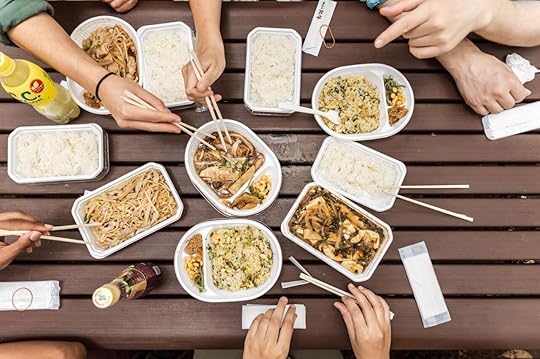
Tokyo, Japan, is best place in the world to eat. The city is divided into four parts — Central, Northern, Western and Southern Tokyo — and the intricacies of your dining experience depend on where you are in the city. If you want to dive head first or stomach first into Tokyo’s food scene, check out these food tours in Tokyo that you can book via Airbnb.
We hope you love the Tokyo food tours we recommend! Just so you know, Matador may collect a small commission from the links on this page if you decide to book a stay. Listed prices are accurate as of the time of publication.
Tokyo Ramen Tour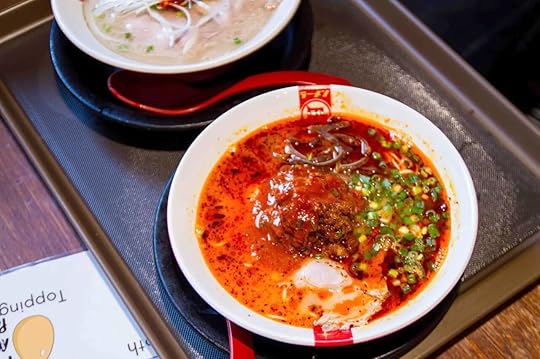
Photo: Airbnb
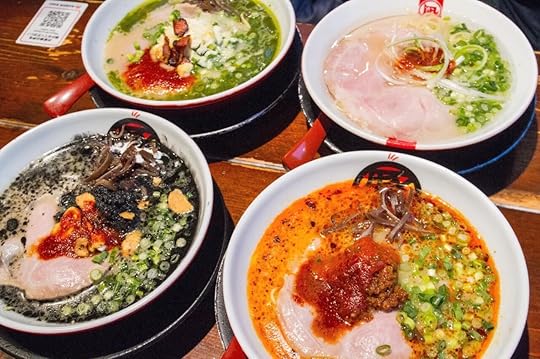
Photo: Airbnb
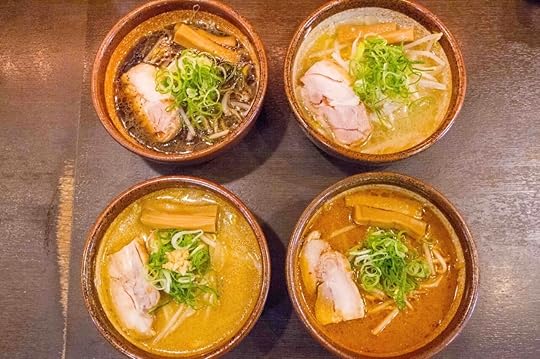
Photo: Airbnb
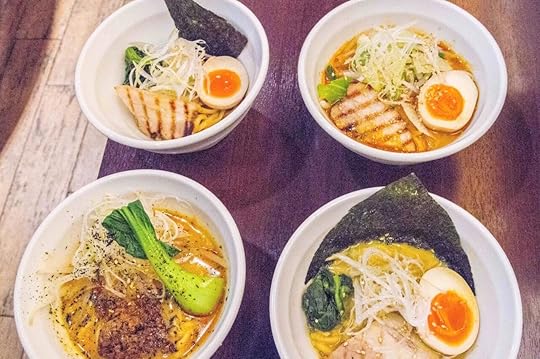
Photo: Airbnb
You can’t do Tokyo without ramen, making this top-rated ramen tour one of the best food tours that Tokyo has to offer. On this tour, you’ll visit three award-winning ramen shops, and at each, you will sample six different mini bowls of ramen, so make sure your stomach is ready for a big day. At each stop, you’ll gain insight into the history and preparation of the style of ramen you are eating. Bet you didn’t realize each ingredient was so critical!
Price: From $112 per person
Visit the world’s largest fish market – Tsukiji (Old) vs Toyosu (New) S.S Tour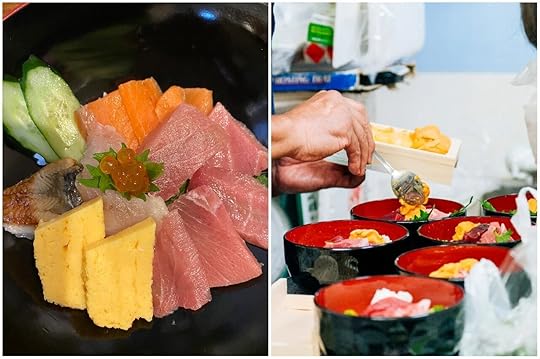
Photo: Airbnb
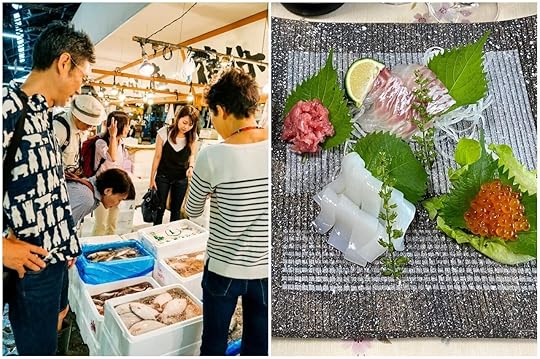
Photo: Airbnb
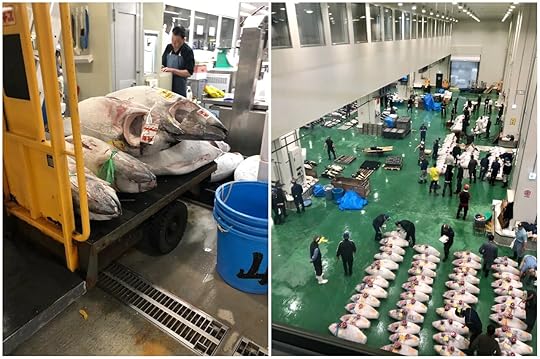
Photo: Airbnb
Ready to learn about all types of fish and other fresh seafood? Then this tour is calling you. During this Tokyo food tour, you’ll visit the world’s largest fish market, both the old and new markets, as well as an area off-limits to ordinary tourists. There will be the opportunity to shop at the market and time spent making traditional Japanese cuisine. This tour will also make a stop at the famous Buddhist Sensō-ji temple.
Price: From $133 per person
Vegan Adventure in Ginza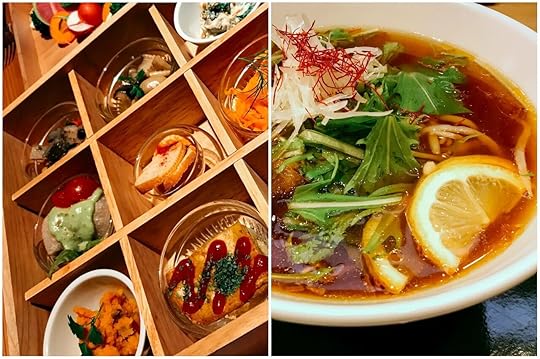
Photo: Airbnb
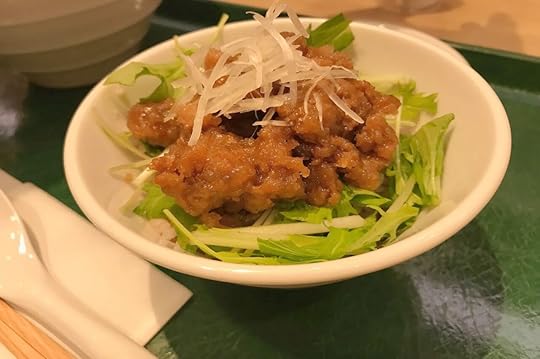
Photo: Airbnb
This tour through the city’s best shopping district is the best food tour in Tokyo for vegans. Don’t worry. The tour starts with a pastry commonly served with matcha tea, and then proceeds through several snacks and light courses before finishing with one of Tokyo’s best-kept secrets — a bowl of vegan ramen. Along the way you’ll learn basic Japanese phrases to make dining out in the country more enjoyable. And, you’ll walk away having a basic framework for how to eat vegan in one of the world’s top foodie cities — and will know your way around Ginza, to boot.
Price: From $82 per person
Street Food Japan food tour at night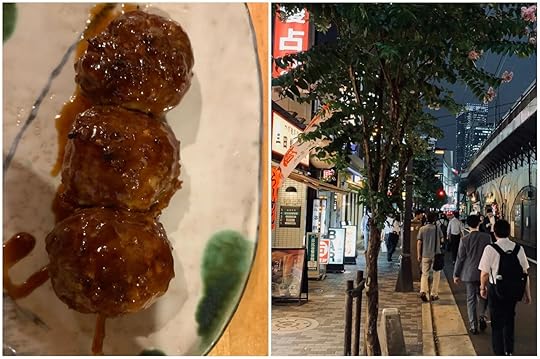
Photo: Airbnb
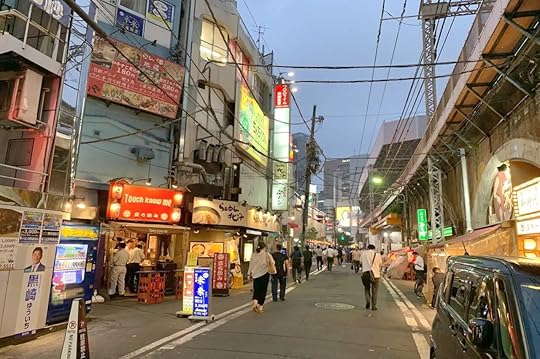
Photo: Airbnb
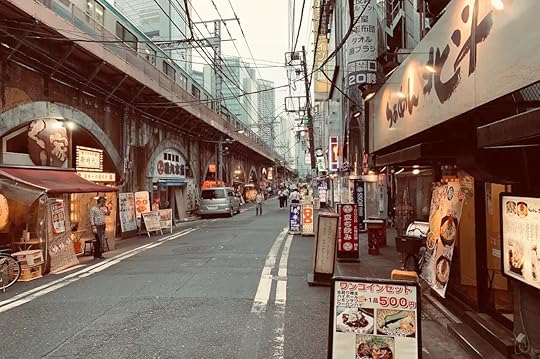
Photo: Airbnb
Dive into Shimbashi, Yurakucho, and Ginza with this three-hour night tour. Experience the traditional and authentic food and izakaya spots that the city’s salarymen flock to after hard work days. This tour is a great way to experience the heart of the city on foot, and gives you insight into the area’s hidden gems and sights. The best part of this Tokyo food tour is that you will actually have time to enjoy each spot while eating your fill — the tour covers three concepts including a karaage, kushiage and sweets, with time to ask questions along the way.
Price: From $90 per person
Tasting of Tokyo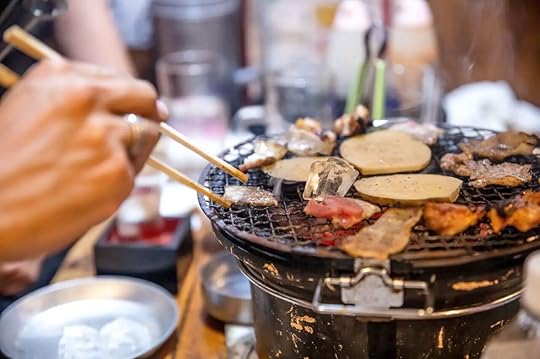
Photo: Airbnb
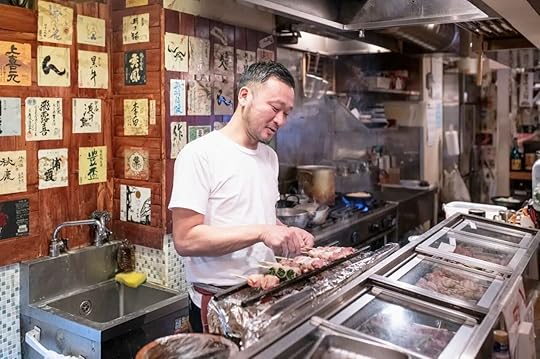
Photo: Airbnb
Photo: Airbnb
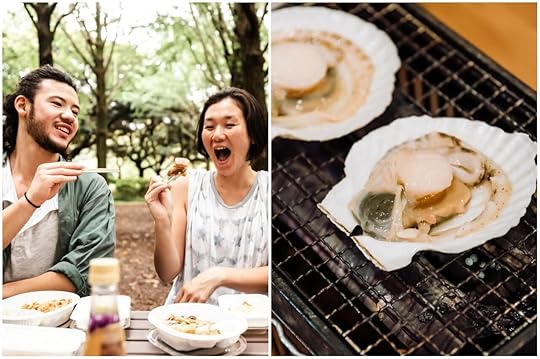
Photo: Airbnb
Check out the best Tokyo food tour for the general foodie. This experience will make you feel like a local of Tokyo. Try rice flour dumpling covered in sweet soy sauce and a tasty Konbini supermarket fried chicken. Introduce your food palette to new dishes and discover local ingredients with a guide who has spent many years immersed in Tokyo’s food scene. You’ll try ramen infused with yuzu, share fresh sushi, and make your way through the same food halls that the city’s chefs visit to prep their kitchens for the day’s service.
Price: From $172 per person
More like thisFood + DrinkWhat It’s Like To Eat Raw Chicken Sashimi in TokyoThe 5 Best Spots for Trout Fishing in Colorado’s “Gold Medal” Rivers
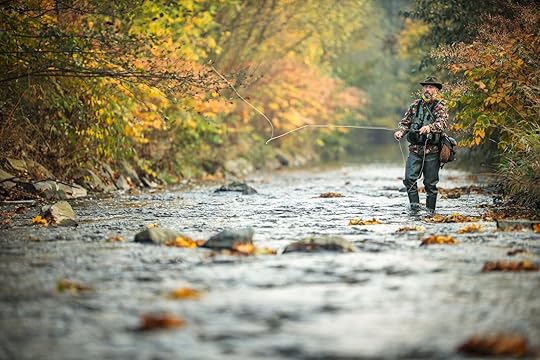
Trout fishing in Colorado comes in many forms, from high-altitude sessions in the Rockies to casting your line at the bottom of Black Canyon of the Gunnison National Park. More than 300 miles of Colorado’s rivers are designated by the Colorado Parks and Wildlife Commission as “Gold Medal,” meaning they’re among the best spots in the country to fish for trout. To earn the Gold Medal designation, a river has to produce at least 12 trout more than 14 inches long per acre (which is a heck of a big trout).
Check out this map to the five best rivers for trout fishing in Colorado, mapped for easy road-trip planning.
Let’s get fishin.’
Best practices for fishing Colorado’s Gold Medal watersFishing in the high country is as picturesque as it is productive. In order to keep these waters fruitful and healthy for generations to come, many stretches of Gold Medal waters in Colorado are catch-and-release only. If you fish in late spring, be prepared for fast-moving waters — some of the best angling sites on Colorado’s rivers are darn close to the river’s source — and conditions and depths heavily influenced by snowmelt.
Buy a Colorado fishing license from Colorado Parks and Wildlife before heading out. Officers routinely check popular angling sites to make sure everyone is fishing legally, and you don’t want to be part of the problem. Finally, pack a swimsuit. Hot springs, both wild and at resorts, line Colorado’s waterways, and a soak is a perfect post-fishing activity (because a day can never be too relaxing, right?)
Arkansas River: Central Colorado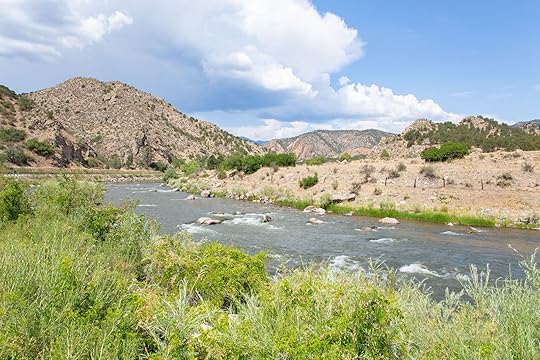
Photo: Traveller70/Shutterstock
The 204-mile stretch of Gold Medal water on the Arkansas River is the best place for trout fishing in Colorado. Many dedicated anglers in Colorado have their own special spot on the Arkansas somewhere between the Lake Fork Confluence near Leadville and the town of Parkdale (near the Royal Gorge Bridge) where they cast with success — but good luck getting them to spill the beans on the best spots.
Your best bet is to cruise along Tunnel Drive just outside of Royal Gorge Park until you find a dirt pull-off that speaks to you and try your luck. If the trout aren’t biting at one spot, it won’t be more than a couple of minutes’ drive — or a quick stroll downriver — to the next one.
Animas River: Durango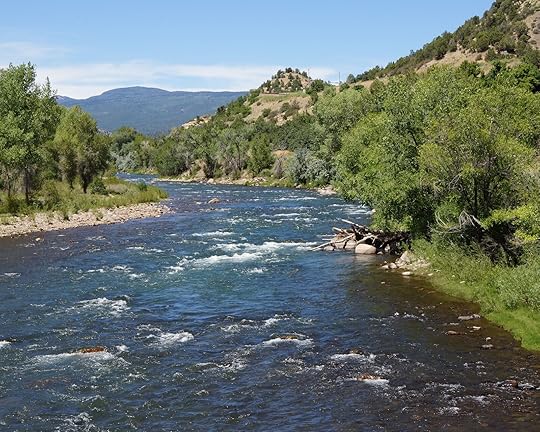
Photo: Barbara K Powers/Shutterstock
Durango is home to a stretch of Gold Medal-certified river within the town limits, which is quite rare. It runs from Lightner Creek in northern Durango to the Rivera Crossing Bridge at Dallabetta Park south of town. In that stretch, you can cast a fly into top-notch trout waters with no off-road driving (or even the need to drive at all, if you live or stay in town).
After a session on the water, stop into Ska Brewing’s World Headquarters in Bodo Park for a pint of Pinstripe Red. You’re bound to find a fellow angler at the bar to swap stories with, regardless of whether you caught anything or not.
Blue River: Silverthorne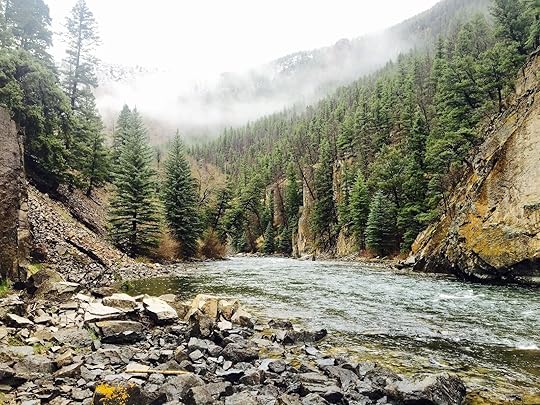
Photo: Israel Patterson/Shutterstock
The Blue River has 34 miles of Gold Medal water running from Silverthorne to the confluence with the mighty Colorado River outside Kremmling. It’s not as long as the Gold Medal stretch of the Arkansas, it’s equally productive for anglers. Plus, you won’t find better views of the Rockies anywhere in Colorado, because the Blue itself cut the incredible valley in which you’ll cast your line. Note that you must use artificial lures on the Gold Medal stretch of the Blue.
Colorado River: Kremmling and further west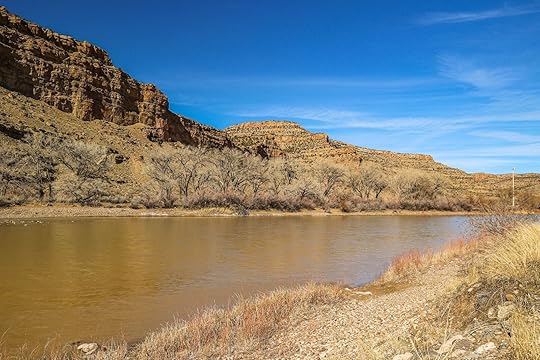
Photo: Liliya Hutyrchyk /Shutterstock
If you’re keen to spend more than a few hours fishing, make a weekend of it and hit both the Blue and the Colorado. The Gold Medal waters on the Colorado are just a few miles downstream of where it meets the Blue. One of Colorado’s most well-known stretch of trout water is the stretch from Troublesome Creek to the Fraser River confluence outside Granby.
You’ll find many river access points marked along Highway 40, so just pick one (or two) and give it a go. But before you do, stop by Kirk’s Fly Shop in Granby to check in on regulations and advisories, and to chat up the crew about where the fish are currently biting.
Also along the Colorado in Mesa County are the five different areas that make up James M. Robb Colorado River State Park. They’re near Palisade, Clifton, and Grand Junction, and each offers easy river access and ample opportunities to cast your line. At the Corn Lake section, you can even alternate between fishing the river and the lake.
Gunnison River: Black Canyon of the Gunnison National Park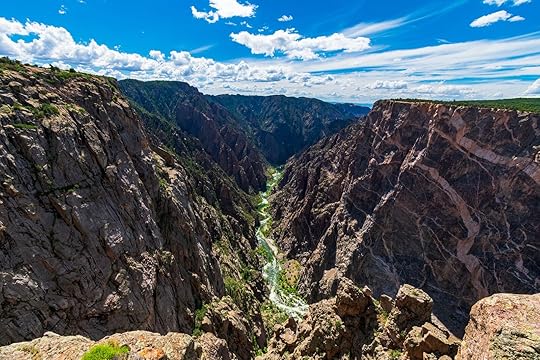
Photo: T.Schofield/Shutterstock
For the angler who wants to go big or go home, nowhere in Colorado is better than the stretch of the Gunnison River flowing through Black Canyon of the Gunnison National Park. For the best experience, stay near Gunnison and work with a local outfitter like Black Canyon Anglers. Fishing in the canyon is exotic, challenging, and highly rewarding, and going with a guide ensures you’ll hit the best spots based on the given conditions to increase your chances for that catch of a lifetime.
The 15 Top-Rated Restaurants on Florida’s First Michelin Guide

Florida is officially the newest state to receive a Michelin Guide in the United States. Late last week, the Michelin Guide revealed its inaugural restaurant picks for the state in Miami, Orlando, and Tampa. It’s one of just a handful of areas in the US to receive the honor, and joins the four other US destinations to have a Michelin guide: New York, Illinois, DC, and California.
According to a press release, 15 restaurants received stars. Fourteen received one star, while one restaurant, L’Atelier de Joël Robuchon Miami, earned two stars. The guide praised the French restaurant’s “thrilling bites,” and specifically mentioned the seared sea scallop with toasted spices as a stand out dish.
The one star picks include a “highly stylized Korean steakhouse” at Cote Miami, “Colombian cuisine presented in a modern and dramatic manner” at Elcielo, and “cooking that sends guests on a gustatory trip” at Los Félix.
“This is a huge deal and honor not only for our restaurant group, but the city of Miami, as Michelin typically only reviews dining rooms in cities like Paris, New York, and Singapore, which are renowned for their refined culinary scene; but now Miami is finally getting recognized as an important food scene as the city continues to flourish with international tourists and residents alike,” Chef Juan Manuel Barrientos Valencia of Elcielo said in a statement. “I think South Florida’s burgeoning culinary movement with visionary chefs and restaurateurs alike, is a true reflection of the elevated direction this city is going in from tech to finance, designer retail shops, restaurants and more. We are no longer considered just a place to party, but being taken more seriously as a desirable destination to live, work, dine, and play.”
The guide also included 29 Bib Gourmand awards, which are a step down from a Michelin star but are still very much worth checking out. Bib Gourmand restaurants are usually less expensive than their Michelin-starred counterparts, and are also more accessible in terms of reservations.
“As you can see, Miami, Orlando, and Tampa have very much to offer to international food and wine enthusiasts,” Gwendal Poullennec, international director of the MICHELIN Guides, said in a statement. “These talented chefs and their committed teams create culinary experiences matched only by the amazing attractions of each city.”
The total number of officially recognized Michelin Guide restaurants is 118, across 35 different types of cuisine, including Korean, Colombian, and Japanese food – leaving absolutely no shortage of upscale, inventive, and exciting dining options throughout the state for travelers and locals alike.
Michelin star restaurants in FloridaL’Atelier de JoËl Robuchon MiamiAriete in MiamiBoia De in MiamiCote MiamiThe Den at Sushi Azabu MiamiElcielo MiamiHiden in MiamiLe Jardinier MiamiLos Felix in MiamiStubborn Seed in Miami BeachThe Surf Club Restaurant in SurfsideCapa in OrlandoSoseki in OrlandoKadence in OrlandoKnife & Spoon in Orlando
Tips for Backpacking With Kids for the First Time
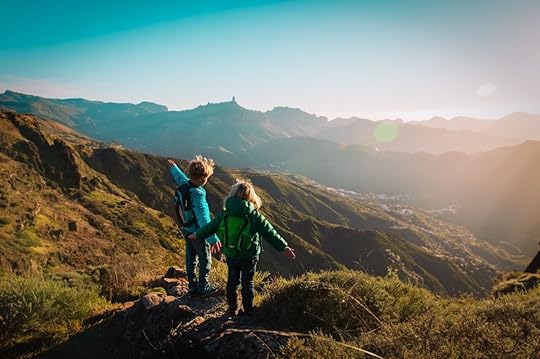
Going for a hike with kids is a great way to get the family outdoors and among nature. But have you ever wondered if it was possible to take it a step further and head out on a multi-day adventure?
The thought of an overnight hike may seem a little daunting at first, especially if your kids are a bit picky about comfort and sleeping. However, having done it many times, I’ve learned from my own hiking mistakes and can assure you it’s not only possible, but very rewarding.
I’ve been taking my two kids into the outdoors since they were 12 months old and recently spent four days hiking with my nine-year-old son on K’gari (formerly known as Fraser Island) on the east coast of Australia. It was an amazing experience, but it was made easier by using the right gear and following the tips for backpacking with kids I’ve learned over the years.
Here’s a useful guide to backpacking with kids, including what gear you’ll need, how to plan, and some tried-and-true ideas to keep everyone happy.
We hope you love the gear we recommend! Just so you know, Matador may collect a small commission from the links on this page if you decide to purchase.
Research your tripResearching your backpacking trip is essential to its success. Taking into consideration your children’s ages and abilities and find a route that isn’t too technical, long, or dangerous — you want them to enjoy themselves, not feel like they’re being pushed to their limits. To ensure kids don’t lose interest and motivation on the trail, look for interesting features such as creek crossings, opportunities for a swim, or trails with geocaches.
More importantly, don’t forget to research potential dangers and trail features that may make the hike harder. Make sure your children know how to act around wild animals, avoid choosing any trails with steep drop-offs, and avoid trails with no guaranteed water source. On our recent hike to K’gari, I discovered it was dingo breeding season and thought the wild dogs might be a nuisance. So we booked hiker’s camps with Dingo-proof fences and kept our food secured. In most places in the US, there are very specific rules about how you have to handle your food in the backcountry, and many national parks only allow you to camp in designated areas with a reservation (as opposed to wild or pure backcountry camping).
Plan to start small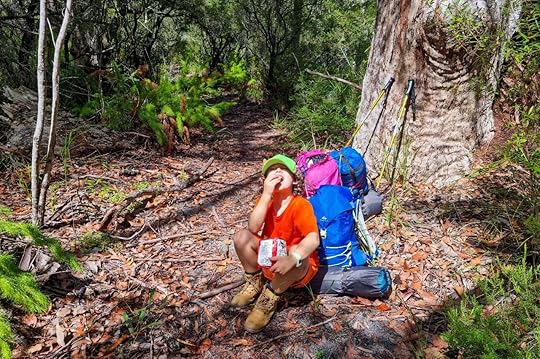
Photo: Jessica Palmer
Plan to start small for your first time backpacking with kids. I keep daily distances under about six miles, or even shorter if the terrain is rough or uphill. Teenagers should be able to hike longer distances; however, whether they want to is another important point to consider.
On a hiking trip on the Noosa Trail Network in Queensland, Australia, I wasn’t sure how it would go carrying my younger child up the steeper hills with a small hiking pack. So we started small with a shorter three-mile hike uphill to camp for just one night. I quickly learned from this small hike how far my toddler could walk before needing to be carried, and that I would need to drop some weight from my hiking gear before attempting the real deal. It was a good trial for doing a longer trip backpacking with kids.
Starting small ensures the success of the trip, which builds confidence for future adventures. It’s also a great way to learn what equipment you can and can’t live without before committing to a longer hike.
Gear for backpacking with kidsThe most important thing to remember is that your gear needs to be super lightweight as you’ll be carrying your home on your back. Here is a list of must-haves:
Lightweight hiking tentA lightweight hiking tent is essential for backpacking with kids, so buying or borrowing a tent that weighs around four pounds or under is ideal. When it comes to purchasing a tent, check out Nature Hike for that sweet spot between low cost and quality. Younger children will usually have no problems squishing in with an adult into a one-man tent. Both my nine-year-old son and I shared this one-man cloud-up tent on our recent hike, but two-man and three-man options are available.
Hiking packs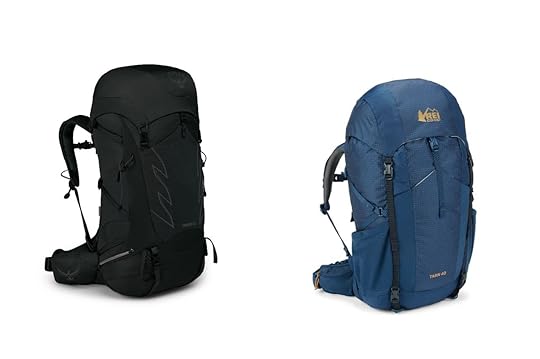
Photo: REI
Backpacking with kids means lugging extra food, clothes, sleeping gear, and possibly an extra tent. This also means that both you and the kids will need proper hiking packs to share the load. Although teenagers should be able to manage an adult’s pack, younger kids will need one sized for them. There are some great ones available from REI. Kids too small for a full backpacking pack can carry a daypack with lighter items, such as their clothes and snacks.
Adult overnight hiking packs generally range in size between 40 to 75 liters and children’s between 10 to 50 liters. I use this 40-liter Osprey women’s pack. For kids, I like this affordable Quechua MH500 18L one from Decathlon. We used this on our last hiking trip and I love that it has a height adjustment on the back, so it will last a few seasons before it’s outgrown.
Baby carriers and strollers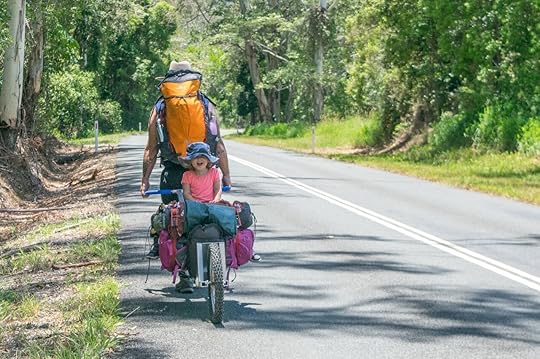
Photo: Jessica Palmer
Babies and toddlers will need to be carried, which is where it gets a little tricky. Child carriers are amazing, but even the best ones don’t have enough storage for all of your hiking gear as well as your child. In those instances, you may need to rope in a few extra pairs of hands to help carry the hiking essentials while you lug the kiddo.
I like and used the Karinjo Child Carrier from Kathmandu when my kids were younger, but many hiking parents swear by the Deuter Kid Comfort hiking pack. Alternatively, if your child is young enough for a front carrier, consider using the 360 Ergobaby Carrier, which will then free up your back for a small pack.
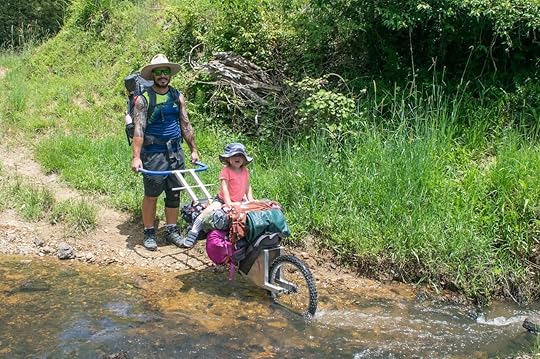
Photo: Jessica Palmer
If you love a good DIY project, consider making a hiking trolley. This means you can carry a younger child on your back while you push the hiking gear in front wheelbarrow style. Depending on the design, your kid may even be able to ride on the trolley. Hiking trolleys can be hard to find at camping stores, so many families make their own to suit. In the US, products like this are nearly unheard of, and your option will probably just be a hiking stroller, also called a trail stroller or all-terrain stroller. Note that some parks regulate which trails will allow strollers, so be sure to check local regulations if you’re planning to use it in a highly regulated trail system (like at a US national park).
Hiking bootsI don’t recommend skimping on the quality when it comes to hiking boots, especially when you’ve got kids in tow.
Shoes with a high cuff that tighten around your ankles add ankle support and protect you from scratches and knocks on the trail. However, if you’re doing shorter distances you may be just fine wearing a pair of trail runners; many hikers swear by their lighter weights, breathability, and ease of movement. I prefer a mix of the two, usually opting for a good quality, mid-cut boot that offers the best of both worlds: the ruggedness of a higher ankle, and the flexibility of a lower-cut boot.
Check out Salomon for quality hiking boots. My Salomon mid-cut boots have lasted 11 years and are still going. You may be tempted to skimp on the kid’s shoes because they probably won’t fit 12 months from now. However, REI has some great affordable options in both lower-cut hiking shoes and boot styles.
Sleeping bagsBasically, you’re going to want to choose the lightest and/or most packable sleeping bag that’s warm enough for where you plan to sleep. Mummy bags are warmer and lighter, so they’re usually best for kids as they take up less space in their bags and will keep them cozier at night. You’ll want to buy one in a kid size as an adult version will likely be too cold for smaller bodies.
If you plan on sharing your sleeping bag with your child, a rectangle bag that zips out into a blanket will be a better choice.
Cooking equipment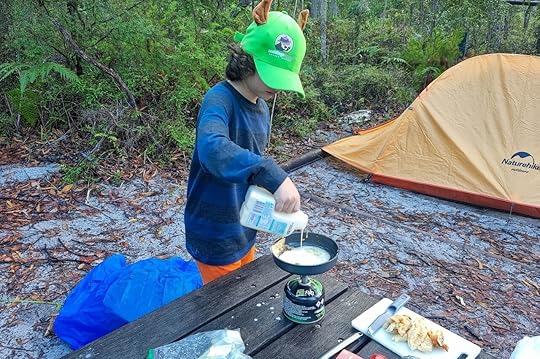
Photo: Jessica Palmer
You’ll need a hiking stove and fuel, pan, cutlery, bowls, plates, and backcountry soap. This cooking equipment can really weigh down your hiking pack, but thankfully, there are lots of ultra-lightweight options out there designed specifically for backpacking.
The Jet Boil is a popular choice for its ability to quickly reach a boiling point and compatibility with the brand’s accessories such as a cooking pot, frying pan, and coffee press. However, those looking for something a little more affordable might prefer the Optimus Crux Lite Stove that comes with a pot and frypan in the kit.
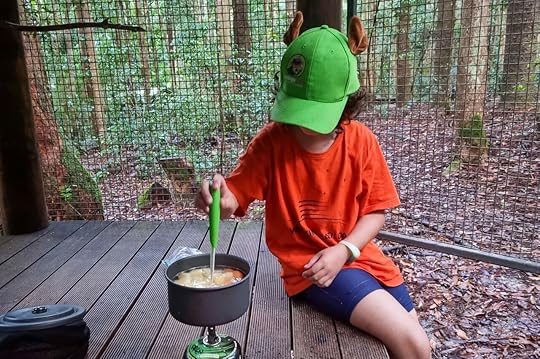
Photo: Jessica Palmer
Bowls, plates, and cutlery can be purchased in lightweight sets that nest together to use minimal space in your backpacking pack. I like this two-person set from Sea to Summit that comes in at a light 14.4oz (400g).
Unfortunately, unless you’re going for just a quick overnight, you’ll need to wash everything, just like at home. Grab a travel-sized bottle of eco-friendly detergent and something to scrub with, like a sponge or washcloth. I use this complete clean-up kit also from Sea to Summit.
Packing cubesOpening your pack to find your dirty underwear has been mingling with your cooking gear is the ultimate in cringe when you’re backpacking. Packing cubes allow you to separate your hiking gear within your backpack, thus making it much easier to keep things find what you need. On our recent hiking trip to K’gari, a mini packet of Nutella leaked inside my hiking pack, but fortunately, it was contained in a small packing cube and only made a mess of our snacks for the day.
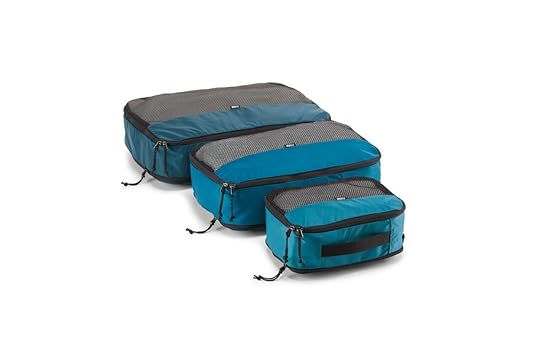
Photo: REI
A pack of three like this set from REI is handy. Store your clothes or food in the large one, cooking gear in the mid-size, and toiletries and medicines in the smaller one.
First aid kitFirst aid kits are a non-negotiable when backpacking with kids, but thankfully, there are now some lightweight options on the market such as this watertight medical kit. It has enough supplies for up to four people for four days.
Water storage and purification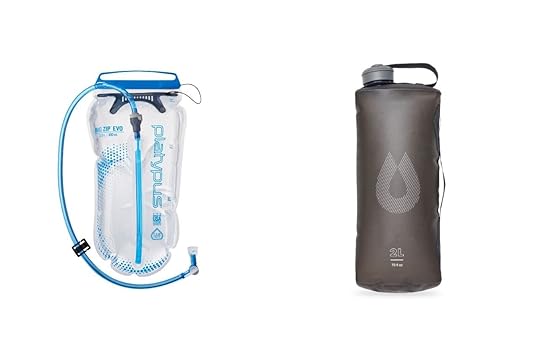
Photo: REI
The age-old adage is to carry one liter of water for every two hours of hiking. You can carry water in either a reusable bottle or water bladder and both have their pros and cons.
Bottles are easier to clean, lightweight, and usually fit in the side pocket of your hiking pack. Water bladders are harder to clean but have a drinking tube that clips to the front of your pack for on-the-go hydration. The flexible shape allows it to fit more places within your bag, though it also means it can slouch and be a bit bulky. I like these collapsable water containers as an excellent compromise between the two.
You’ll need to treat the water you drink in the backcountry, either with water purification tablets or by using a water filter before you fill your bottle. When you research your backpacking destination, be sure to check which method is recommended, as some water sources are much cleaner than others. Never drink from a water source downstream of any livestock, regardless of your purification method. Although technically you can boil water to treat it, this uses up your stove fuel fairly rapidly.
Do a test run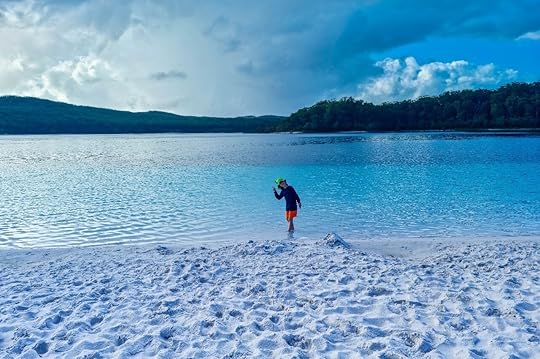
Photo: Jessica Palmer
A test run can be a good way to build confidence and fine-tune what you can and can’t live without on the trail. Pack your bag just like you would on when backpacking with kids, but head out for a day hike closer to home. After your hike, set up in your backyard or local park. Alternatively, consider going to a national park or state park, where you can hike during the day and set up camp at a site with water and restrooms afterward.
Tips to make it easierAllow extra time — kids are notoriously slow hikers.Know when to call it quits. Nobody enjoys hiking in terrible weather or if they’re sore or tired.Let the kids loose with a kid-proof camera like a GoPro. It gives them something to do when the trail gets a little dull.Carry a hiking pole or a large stick. Not only will it take the pressure off your knees, but you can also use it to test water depth, mount your camera, or even as a large tent pole in an emergency. Many kids find them a novelty. After all, how often are they allowed loose with a big telescopic stick?Don’t forget to pack a little treat. Nothing fixes a bad mood like a hot chocolate.If you do enough preparation by researching the hike, ensuring you have the right equipment, and doing a practice run, backpacking with kids doesn’t have to be difficult. In fact, it’s pretty darn fun.
What Exactly Is Turbulence and Is It Dangerous? An Aviation Expert Explains Everything You Need To Know

“Fear of flying” is a bit of a misnomer. It’s usually not a fear of flying itself, but of what may go wrong once you’re up there. After all, you’re thousands of feet in the air, in a giant metallic capsule, hurtling through the sky at 500 miles per hour, at the mercy of the elements. Despite all that, you might even forget you’re on a plane at all if not for one annoying (or terrifying) reminder: turbulence.
It feels like the plane is bouncing over a pothole-riddled road. But instead of cursing your city’s public works department, you’re gripping the seat in front of you and holding on for dear life. We all know turbulence is a common part of flying and mostly harmless, but that doesn’t always suppress the visceral gut response of “oh my God, this is it, we’re going down.” On a recent Air Canada flight to Australia, severe turbulence even injured over 30 passengers.
So—is turbulence dangerous? Is the mild heart attack you have every time the plane hits a nasty bump actually justified? We spoke to Mark Baier, CEO and aviation expert at AviationManuals, to get answers to all your turbulence-related questions.
Matador: What exactly is turbulence?Mark Baier: Turbulence is an area of disturbed air through which an aircraft is flying. When an aircraft wing passes through this disturbed air, it generates inconsistent lift, so that is what commonly causes the “bumpy ride” passengers experience on an airplane.
Some of the most common sources of turbulence are wind shear, the jet stream, weather such as thunderstorms or areas where cold and warm fronts meet, as well as mountains, which can push air up or down.
How can pilots predict turbulence in advance?Turbulence is hard to predict, but the aviation industry has set up several tools to help pilots better identify potential areas of turbulence. Along with weather forecast sources, the National Oceanic and Atmospheric Administration (NOAA) Aviation Weather Center produces and collects weather reports, forecasts, and pilot reports (information submitted by pilots encountering turbulence), which when put together can help identify the presence of turbulent conditions.
Are there different categories of turbulence? What are they?Turbulence classification is categorized by intensity and is described as light, moderate, severe, or extreme. The intensity is generally determined by the pilots encountering it based on standardized criteria describing the effect of the turbulence on the aircraft.
Can turbulence actually cause passengers serious harm?Injury due to turbulence does happen, but it is not generally the turbulence itself. Injuries usually happen because unsecured items in an aircraft hit passengers, or an unbuckled passenger is thrown out of their seat and hits something in the cabin. Even so, serious harm is still rare. The National Transportation Safety Board (NTSB) has had just over 75 reports of crewmembers or passengers becoming seriously injured due to encounters with turbulence during the past 10 years.
Do seat belts actually make a difference in keeping us safe from turbulence?Absolutely. Injuries due to turbulence are almost always associated with aircraft occupants not wearing their seatbelts at the time of encountering turbulence. It is important for passengers to follow their crew’s instructions to keep their seatbelts fastened at all times during flight, as turbulence may be encountered with little or no warning.
Do some planes handle turbulence better than others?In general, turbulence tends to “feel” less severe in larger aircraft because of the larger wing surface area. However, that does not make them immune to it. Turbulence can be felt in all aircraft, from the small single-engine hobby plane to the gargantuan Airbus A380.
Can turbulence be powerful enough to bring down a plane?If an aircraft is in flight at high altitude, there is generally little to no risk of turbulence bringing down a plane on its own. Even when closer to the ground, such as on approach to an airport, there is generally only one type of turbulence, namely wind shear, that in incredibly rare cases can bring down an aircraft. Pilots intentionally avoid these areas, and aircraft technology has advanced to now include tools such as wind shear detection, to further help pilots with avoidance.
Which airspaces around the world get the most turbulence?There is no specific area of the world that sees the “most” turbulence, since turbulence is highly dependent on weather and local conditions at the time. That being said, flights operating near the jet stream (particularly during the winter months), near convective activity such as thunderstorms, and crossing cold or warm fronts are more likely to encounter turbulence.
June 10, 2022
These Are the 11 Cheapest Michelin-Starred Restaurants in the World

Food is one of the best ways to get a feel for a new destination. You can find some great eats, if you know where to look. And most experienced travelers know you don’t have to spend a lot to eat well on vacation. Most people on a budget think that they’re exlcuded from eating at Michelin-starred restaurants, but surprisingly, that’s not the case. Just because you don’t have the cash to spend at the most expensive restaurant in the world doesn’t mean you can’t taste critically acclaimed food. Michelin stars have been awarded to restaurants across price ranges. A study conducted by Money.co.uk, a product comparison service, found the cheapest Michelin-starred restaurants in the world — useful if you like to plan trips around where to eat but want to be frugal. Just remember that when it comes to Michelin-starred restaurants, cheap is relative. You might not be spending $500, but you’ll still have to shell out some serious cash.
The third cheapest Michelin star restaurant included in the study is Nakashima in Hiroshima, Japan, with the set menu running you $142. Nakashima serves kaiseki cuisine, a tasting menu often served at Japanese tea ceremonies. The restaurant is located in the affluent Hakushima district. In second place is Lung King Heen in Four Seasons Hong Kong. The set menu is priced for two people, averaging at about $126 per person. The Cantonese restaurant is known for their delicious seafood and dim sum. And finally, the least expensive restaurant on the list is King’s Joy in Beijing, China. For $110 you’ll get to eat lots of fusion vegetarian options in a transformed courtyard house with a glass-roofed dining room.
The cheapest Michelin-starred restaurants in the worldKing’s Joy: Beijing, China, $110Lung King Heen: Hong Kong, $126Nakashima – Hiroshima, Japan, $142Restaurant Überfahrt: Rottach-Egern, Germany, $161Kikunoi Honten: Kyoto, Japan, $165Dal Pescatore: Canneto sull’Oglio, Italy, $165Kashiwaya: Osaka, Japan, $181Restaurant Gordon Ramsay: London, UK, $184Alain Ducasse at the Dorchester: London, UK, $184Kei: Paris, France, $187Reale: Castel di Sangro, Italy, $187Given these prices, it’s fair to say that although these aren’t the most expensive Michelin star restaurants in the world, it doesn’t mean they won’t cost you a pretty penny, so if you want to give one a try, be sure to carve out some cash within your budget. You may end up having a meal you’ll never forget.
7 Mexico Resorts That You’ll Want To Book for the Restaurants Alone

Whether you’re a fan of all-inclusive resorts or prefer to dine a la carte when taking a dreamy beach vacation at a resort, there’s no guarantee that every property – no matter how expensive the rooms — will serve five-star food. Not all resort restaurants are created equal. Especially in a place like Mexico, where the cuisine is well known to be among the very best in the world, smart travelers will situate themselves in a place where they can sample the local dishes. These resorts in Mexico go above and beyond when it comes to culinary excellence, so you can expect inventive dishes made with top-notch ingredients, beautifully-crafted cocktails, curated wine lists, hands-on cooking workshops, and renowned chefs at the helm of their on-property restaurants. From Baja to the Riviera Maya, these resort restaurants in Mexico need to be on every traveler’s bucket list.
Resorts in Mexico with the best restaurantsChileno Bay Resort & Residences, Auberge Resorts Collection
Photo: Chileno Bay Resort & Residences, Auberge Resorts Collection
The rocky beaches of Los Cabos aren’t always the most swimmable, but Chileno Bay Resort & Residences, Auberge Resorts Collection is nestled along a protected cove where guests can swim in turquoise waters and see pristine coral reefs. Water sports like paddleboarding and kayaking are on the docket, as well as relaxing by the three-tier infinity pool.
The resort is also known for its culinary excellence and offers hands-on experiences like a “History of Mexican Cuisine Workshop” and “Agave Journey.” In addition, it houses four restaurants and bars. COMAL is considered one of Cabo’s best restaurants, and the menu highlights innovative takes on regional flavors – think blue corn sopes with duck carnitas and Baja scallop aguachile with chiltepin, turnip, and koji.
To celebrate its fifth anniversary in 2022, COMAL is hosting a series of renowned Latin American chefs as part of Baja Lab Kitchen, where they will collaborate alongside executive chef Yvan Mucharraz. New to the property this year is YAYA, a female-led Californian and Latin American restaurant that’s helmed by chef Eliana Godinez and mixologist Yared Alba. Local ingredients and live fire cooking turn out dishes like roasted sunchokes with date sauce and poblano, while creative cocktails like the Sesamo (made with coconut-sesame oil fat-washed gin, limoncello, and palo santo bitter) feature Mexico-made spirits.
Chablé MaromaWhite sand beaches and the rainforest canopy await along the coasts of Riviera Maya, and Chablé Maroma syncs wellness amenities with the surrounding nature for a mind and body retreat.
Guests can get moving with activities like diving and beach yoga or relax and unwind with a spa treatment or in the water therapy pool. Chablé Maroma’s culinary program – helmed by award-winning Chef Jorge Vallejo of Quintonil in Mexico City – gets guests acquainted with Mayan culture and cuisine.
The tasting menu at Bu’ul offers dishes like cactus ceviche, venison carpaccio, and cured hamachi into works of art that are almost too pretty to eat, and the restaurant features an outstanding wine list that you can pair with each dish.
Poolside restaurant Kaban offers gorgeous views and dishes that highlight fresh produce and seafood like tuna tostadas and crispy octopus tacos. Meanwhile, the drinks are just as gorgeous as the food at Raw Bar, where you can sip a zesty, refreshing Spicy Roasted Pineapple Margarita. The resort also offers culinary experiences like wine tastings and cooking classes so you can get up close and personal with Mexican flavors and techniques.
ACRE
Photo: ACRE
If your main vacation priorities are to relax and reconnect with nature, book a stay at ACRE, a lush oasis that’s tucked into the foothills of San Jose del Cabo. The modern resort is set on 25 acres of greenery, so expect to see citrus trees and agave plants while roaming the grounds or retreating to one of 12 private treehouses, which are furnished with plush king beds and private terraces.
ACRE’s award-winning restaurant is a destination in its own right. The menu is truly farm-to-table, as the kitchen sources 70 percent of its ingredients – including fruits, vegetables, and herbs – from the on-site working farm and orchard.
Expect dishes that infuse local ingredients with global flavors, like Baja oysters with kimchi mignonette and citrus ponzu, and roasted suckling pig with cactus salad and grilled pineapple-habanero relish. The cocktail program, created by Vancouver’s Keefer Bar, focuses on refreshing original drinks like the Agave Silvestre, a mix of tequila, tarragon-infused elderflower liqueur, celery bitters, lime, and agave syrup. The property even serves its own brand of mezcal which is sourced from the best small-batch Mezcaleros.
Four Seasons Resort Punta Mita
Photo: Four Seasons Resort Punta Mita
For those seeking the beauty of Bahía de Banderas without the crowds of Puerto Vallarta, Punta Mita is a quieter locale that’s perfect for a romantic getaway or low-key trip with friends.
With its prime location on the Pacific coast, you’ll never miss an epic sunset or salty ocean breeze when staying at Four Seasons Resort Puerto Mita. Soak it all in from your casita’s private terrace, or book a suite and take a dip in the private plunge pool. When all of that relaxing has worked up an appetite, indulge in one of the resort’s 10 restaurants and bars.
At Bahía by Richard Sandoval, guests can enjoy zarandeado-style catch of the day, a 500-year-old method for grilling fish that originated in Nayarit. The fish is marinated in adobo and citrus before it’s grilled over hot coals in a wood-fired oven. At Aramara – which was just named in the 2022 edition of the Greatest Mexican Restaurants Guide – Chef Jorge González celebrates Asian cuisine and highlights local ingredients in dishes like sashimi with Ancho Reyes ponzu and five spiced duck. Hop onto a bar stool at Mez to try their collection of agave spirits, including 70 types of mezcal and lesser-known varieties like sotol and raicilla.
Viceroy Los Cabos
Photo: Viceroy Los Cabos
Luxurious serenity awaits at Viceroy Los Cabos. The modern design by architect Miguel Angel Aragonés highlights cinematic views of the Sea of Cortés, and guest rooms are designed with floor-to-ceiling windows and private patios and balconies so guests can take in the views.
In addition to amenities like five pools, an on-property movie theater, and full-service spa, the resort has six restaurants and bars, all of them excellent. Earlier this year, they debuted their latest concept, Dalia, where Chef Carlos Terán blends traditional Mediterranean flavors with Baja culinary influences.
Expect fresh preparations like mussels with Pernod, chorizo, fennel, and mint, and a Greek lamb shank braised with lemon and herbs. Pop into Casero’s indoor/outdoor dining room for breakfast or lunch where you can nosh on tacos made with freshly pressed tortillas. Visit Nido – which is surrounded by a stunning nest-like structure – for ceviche, sashimi, and robatayaki, and end the night with a signature cocktail or artisan Mexican beer at Otro Bar, which also serves coffee and pastries by day.
Hotel Xcaret ArteOpened in July 2021, this brand new property was designed to blend eco-architecture with the natural landscape of the surrounding Mayan region. Hotel Xcaret Arte pays homage to Mexican artists, which can be seen in the property’s 900 adults-only suites that are spread across five different buildings, or casas. The hotel excels in the culinary arts as well, as it brought together some of the best names in Mexican gastronomy for the resort’s nine restaurants.
At Xaak, Chef Ricardo Muñoz Zurita’s eight-course tasting menu changes often and is a tribute to regional food with pre-Colombian influences. Michelin-starred Chef Paco Méndez also offers a prix-fixe menu at Encanta, which celebrates Mexican cuisine with global influences from Barcelona to the Caribbean. Expect playful, delicious dishes like a Caesar salad tostada and seared ribeye with avocado crema.
At Chino Poblano, Chef Jonatán Gómez Luna melds cuisines from Puebla and China, and the Peking duck served in a ceramic bird is a must-order during your stay. Many of the casas have their own rooftop bars, so stop by each one for a different drink and new view.
Las Ventanas al Paraiso, A Rosewood Resort
Photo: Las Ventanas al Paraiso
Celebrating its 25th anniversary this year, Las Ventanas al Paraiso, A Rosewood Resort, has been welcoming guests to its luxurious Los Cabos property since 1997. Spend all day basking in the sun at the expansive infinity pool or lazy river that winds through an artwork-filled grotto, and treat yourself to pampering at the spa and salon.
Upon check-in, you’ll be welcomed by an in-room tequila amenity and fresh fruit that’s replenished daily. The property’s five restaurants and bars all offer a different taste of the destination. Alebrije celebrates Oaxacan cuisine, and dishes like roasted mushrooms mole amarillito and grilled octopus with peanut sauce and huitlacoche are meant to be served family-style.
The restaurant also boasts the largest mezcal collection in Baja. At Sea Grill, dishes like pork shank with pineapple puree, eggplant puree, and pickled vegetables are cooked over fire. End the evening at La Botica, a speakeasy piano bar that serves inventive signature drinks, as well as Prohibition-era classics. If you’re feeling peckish after a nightcap, grab a snack at La Botica’s late night food truck, which serves bites like tacos, mini burgers, and fries.
7 Resort Restaurants in Mexico That Are Creative, Original, and Luxurious
Whether you’re a fan of all-inclusive resorts or prefer to dine a la carte when taking a dreamy beach vacation at a resort, there’s no guarantee that every property – no matter how expensive the rooms — will serve five-star food. Not all resort restaurants are created equal. Especially in a place like Mexico, where the cuisine is well known to be among the very best in the world, smart travelers will situate themselves in a place where they can sample the local dishes. These resorts in Mexico go above and beyond when it comes to culinary excellence, so you can expect inventive dishes made with top-notch ingredients, beautifully-crafted cocktails, curated wine lists, hands-on cooking workshops, and renowned chefs at the helm of their on-property restaurants. From Baja to the Riviera Maya, these resort restaurants in Mexico need to be on every traveler’s bucket list.
Resorts in Mexico with the best restaurantsChileno Bay Resort & Residences, Auberge Resorts CollectionPhoto: Chileno Bay Resort & Residences, Auberge Resorts Collection
The rocky beaches of Los Cabos aren’t always the most swimmable, but Chileno Bay Resort & Residences, Auberge Resorts Collection is nestled along a protected cove where guests can swim in turquoise waters and see pristine coral reefs. Water sports like paddleboarding and kayaking are on the docket, as well as relaxing by the three-tier infinity pool.
The resort is also known for its culinary excellence and offers hands-on experiences like a “History of Mexican Cuisine Workshop” and “Agave Journey.” In addition, it houses four restaurants and bars. COMAL is considered one of Cabo’s best restaurants, and the menu highlights innovative takes on regional flavors – think blue corn sopes with duck carnitas and Baja scallop aguachile with chiltepin, turnip, and koji.
To celebrate its fifth anniversary in 2022, COMAL is hosting a series of renowned Latin American chefs as part of Baja Lab Kitchen, where they will collaborate alongside executive chef Yvan Mucharraz. New to the property this year is YAYA, a female-led Californian and Latin American restaurant that’s helmed by chef Eliana Godinez and mixologist Yared Alba. Local ingredients and live fire cooking turn out dishes like roasted sunchokes with date sauce and poblano, while creative cocktails like the Sesamo (made with coconut-sesame oil fat-washed gin, limoncello, and palo santo bitter) feature Mexico-made spirits.
Chablé MaromaWhite sand beaches and the rainforest canopy await along the coasts of Riviera Maya, and Chablé Maroma syncs wellness amenities with the surrounding nature for a mind and body retreat.
Guests can get moving with activities like diving and beach yoga or relax and unwind with a spa treatment or in the water therapy pool. Chablé Maroma’s culinary program – helmed by award-winning Chef Jorge Vallejo of Quintonil in Mexico City – gets guests acquainted with Mayan culture and cuisine.
The tasting menu at Bu’ul offers dishes like cactus ceviche, venison carpaccio, and cured hamachi into works of art that are almost too pretty to eat, and the restaurant features an outstanding wine list that you can pair with each dish.
Poolside restaurant Kaban offers gorgeous views and dishes that highlight fresh produce and seafood like tuna tostadas and crispy octopus tacos. Meanwhile, the drinks are just as gorgeous as the food at Raw Bar, where you can sip a zesty, refreshing Spicy Roasted Pineapple Margarita. The resort also offers culinary experiences like wine tastings and cooking classes so you can get up close and personal with Mexican flavors and techniques.
ACREPhoto: ACRE
If your main vacation priorities are to relax and reconnect with nature, book a stay at ACRE, a lush oasis that’s tucked into the foothills of San Jose del Cabo. The modern resort is set on 25 acres of greenery, so expect to see citrus trees and agave plants while roaming the grounds or retreating to one of 12 private treehouses, which are furnished with plush king beds and private terraces.
ACRE’s award-winning restaurant is a destination in its own right. The menu is truly farm-to-table, as the kitchen sources 70 percent of its ingredients – including fruits, vegetables, and herbs – from the on-site working farm and orchard.
Expect dishes that infuse local ingredients with global flavors, like Baja oysters with kimchi mignonette and citrus ponzu, and roasted suckling pig with cactus salad and grilled pineapple-habanero relish. The cocktail program, created by Vancouver’s Keefer Bar, focuses on refreshing original drinks like the Agave Silvestre, a mix of tequila, tarragon-infused elderflower liqueur, celery bitters, lime, and agave syrup. The property even serves its own brand of mezcal which is sourced from the best small-batch Mezcaleros.
Four Seasons Resort Punta MitaPhoto: Four Seasons Resort Punta Mita
For those seeking the beauty of Bahía de Banderas without the crowds of Puerto Vallarta, Punta Mita is a quieter locale that’s perfect for a romantic getaway or low-key trip with friends.
With its prime location on the Pacific coast, you’ll never miss an epic sunset or salty ocean breeze when staying at Four Seasons Resort Puerto Mita. Soak it all in from your casita’s private terrace, or book a suite and take a dip in the private plunge pool. When all of that relaxing has worked up an appetite, indulge in one of the resort’s 10 restaurants and bars.
At Bahía by Richard Sandoval, guests can enjoy zarandeado-style catch of the day, a 500-year-old method for grilling fish that originated in Nayarit. The fish is marinated in adobo and citrus before it’s grilled over hot coals in a wood-fired oven. At Aramara – which was just named in the 2022 edition of the Greatest Mexican Restaurants Guide – Chef Jorge González celebrates Asian cuisine and highlights local ingredients in dishes like sashimi with Ancho Reyes ponzu and five spiced duck. Hop onto a bar stool at Mez to try their collection of agave spirits, including 70 types of mezcal and lesser-known varieties like sotol and raicilla.
Viceroy Los CabosPhoto: Viceroy Los Cabos
Luxurious serenity awaits at Viceroy Los Cabos. The modern design by architect Miguel Angel Aragonés highlights cinematic views of the Sea of Cortés, and guest rooms are designed with floor-to-ceiling windows and private patios and balconies so guests can take in the views.
In addition to amenities like five pools, an on-property movie theater, and full-service spa, the resort has six restaurants and bars, all of them excellent. Earlier this year, they debuted their latest concept, Dalia, where Chef Carlos Terán blends traditional Mediterranean flavors with Baja culinary influences.
Expect fresh preparations like mussels with Pernod, chorizo, fennel, and mint, and a Greek lamb shank braised with lemon and herbs. Pop into Casero’s indoor/outdoor dining room for breakfast or lunch where you can nosh on tacos made with freshly pressed tortillas. Visit Nido – which is surrounded by a stunning nest-like structure – for ceviche, sashimi, and robatayaki, and end the night with a signature cocktail or artisan Mexican beer at Otro Bar, which also serves coffee and pastries by day.
Hotel Xcaret ArteOpened in July 2021, this brand new property was designed to blend eco-architecture with the natural landscape of the surrounding Mayan region. Hotel Xcaret Arte pays homage to Mexican artists, which can be seen in the property’s 900 adults-only suites that are spread across five different buildings, or casas. The hotel excels in the culinary arts as well, as it brought together some of the best names in Mexican gastronomy for the resort’s nine restaurants.
At Xaak, Chef Ricardo Muñoz Zurita’s eight-course tasting menu changes often and is a tribute to regional food with pre-Colombian influences. Michelin-starred Chef Paco Méndez also offers a prix-fixe menu at Encanta, which celebrates Mexican cuisine with global influences from Barcelona to the Caribbean. Expect playful, delicious dishes like a Caesar salad tostada and seared ribeye with avocado crema.
At Chino Poblano, Chef Jonatán Gómez Luna melds cuisines from Puebla and China, and the Peking duck served in a ceramic bird is a must-order during your stay. Many of the casas have their own rooftop bars, so stop by each one for a different drink and new view.
Las Ventanas al Paraiso, A Rosewood ResortPhoto: Las Ventanas al Paraiso
Celebrating its 25th anniversary this year, Las Ventanas al Paraiso, A Rosewood Resort, has been welcoming guests to its luxurious Los Cabos property since 1997. Spend all day basking in the sun at the expansive infinity pool or lazy river that winds through an artwork-filled grotto, and treat yourself to pampering at the spa and salon.
Upon check-in, you’ll be welcomed by an in-room tequila amenity and fresh fruit that’s replenished daily. The property’s five restaurants and bars all offer a different taste of the destination. Alebrije celebrates Oaxacan cuisine, and dishes like roasted mushrooms mole amarillito and grilled octopus with peanut sauce and huitlacoche are meant to be served family-style.
The restaurant also boasts the largest mezcal collection in Baja. At Sea Grill, dishes like pork shank with pineapple puree, eggplant puree, and pickled vegetables are cooked over fire. End the evening at La Botica, a speakeasy piano bar that serves inventive signature drinks, as well as Prohibition-era classics. If you’re feeling peckish after a nightcap, grab a snack at La Botica’s late night food truck, which serves bites like tacos, mini burgers, and fries.
Relax and Rejuvenate at These 7 Alpine Colorado Hot Springs

Nothing caps an epic alpine excursion like a soak in a thermal hot spring. Colorado is one of the best place in the country for exactly that experience, with dozens of spring-fed hot pools scattered across the Rockies from Steamboat Springs up north to Pagosa Springs down south. Each location is different, and that goes for both the pools themselves and the experience of visiting (and sometimes traveling to) each.
Before you hit the road, take a second to get up to speed with the best practices for visiting Colorado hot springs. The hot springs below are on a mix of private land (as is the case with hot springs resorts) and public land. Either way, they aren’t your home, so loud noise, obnoxious behavior, and nudity (outside of specified times and locations) are not acceptable or permitted. Always follow Leave No Trace principles and pack out everything you pack in (including empty beverage containers). Colorado hot springs etiquette is to not overcrowd the pools — give people space, and don’t overstay your welcome.
No matter which part of the state you plan to visit, here are the best Colorado hot springs resorts and primitive hot springs pools.
Now, let’s get soakin’.
The best wild Colorado hot springsPiedra River Hot Springs (Pagosa Springs)
Photo: ThisisPagosa.com
Piedra River Hot Springs are the “hack” of Colorado hot springs. North of Highway 160 between Pagosa Springs and Durango, this natural soak is hidden alongside the Piedra River and is reachable via a one-mile hike from the parking area. There are multiple pools available for soaking during most of the year, though in particularly low-water times (often late summer and early autumn), some areas may be too low for comfort. Spring is the best time to visit, once the snow has melted from the trail. The pools will be at their deepest and the warm water feels great after a day spent hiking in brisk mountain air.
How to get to Piedra River Hot Springs: Drive 20 miles west of Pagosa Springs on Highway 160 (or 40 miles east from Durango). Turn onto County Road 166 just past Chimney Rock. Continue up the dirt road for 6.7 miles. You’ll see the parking area at the intersection with Monument Park Road. Hike one mile from the Sheep Creek Trailhead.
Radium Hot Springs (Kremmling)
Photo: Flystock/Shutterstock
Just west of Kremmling, Radium Hot Springs is among the most picturesque of wild Colorado hot springs. There’s one pool tucked off the Colorado River, and it’s hardly ever visited by anyone other than locals — probably because few others how to get there. But it’s a chance to soak near the Colorado Rover headwaters overlooking the river basin with the mighty Rockies rising on both sides. You’ll need Chacos, Keen river shoes, or the equivalent to pass the hike to get here.
How to get to Radium Hot Springs: You’ll need an AWD or 4WD vehicle. Exit Interstate 70 onto Highway 40 north. At Kremmling, turn left onto Highway 9. Proceed for two miles to Trough Springs Road and turn right. Proceed for 12 miles until it hits a 4×4 road, and follow the road for about a mile to the river. Park, make your way down to the river, and walk upstream for a couple minutes until you see the hot spring pool underneath a rock outcropping.
Traveling in Colorado? Check out Matador’s Colorado accommodation guides to the best places to stay across the state: 11 unique Airbnb Colorado rental homes for your next group getaway10 Airbnb Estes Park rentals near Rocky Mountain National ParkThese Denver airport hotels put you close to the terminal with luxe amenitiesThe best Airbnbs in Denver for beer, 420, and mountain cultureVail Airbnbs that make you feel like you’re in the heart of BavariaAspen Airbnbs to chill like a celebrityStay near Garden of the Gods and Pikes Peak at these Colorado Springs AirbnbsConundrum Hot Springs (Aspen)
Photo: Kris Wiktor/Shutterstock
In the Maroon Bells Wilderness outside Aspen, Conundrum Hot Springs is Colorado’s most epic — but you have to work for the reward. Reaching Conundrum requires an 8.5-mile hike with 2,400 feet of elevation gain. Fortunately, Mount Sopris, The Maroon Bells, and the rest of the Elk Mountains are your backdrop for the hike, which literally couldn’t be more beautiful.
Because of the effort of reaching Conundrum, many people opt to camp in the vicinity and make an overnight trip out of it. Because of this, the springs can turn into a bit of a party scene after dark on busy evenings. There is now a permit system in place for camping, due to issues with overcrowding in recent years. For the most peaceful experience, start hiking at dusk and plan to hit the springs in the late morning.
How to get to Conundrum Hot Springs: From Aspen, turn right at the Highway 82 roundabout onto Castle Creek Road. Proceed for five miles and turn right on Conundrum Road. Proceed for 1.1 miles to the trailhead parking area. Pparking is prohibited along Conundrum Road and you will be ticketed or towed, so only park in the lot.
The best Colorado hot springs resort staysThe Springs Resort (Pagosa Springs)
Photo: Victoria Ditkovsky/Shutterstock
Pagosa Springs hot springs tops many of a list of visitors’ “must-see sights” in Colorado. And the Springs Resort & Spa, downtown on the San Juan River, is an ideal setup for a relaxing mineral bath getaway. With 24 riverside geothermal baths ranging in temperature from lukewarm to the roasty “Lobster Pot,” you’d have to stay a weekend in order to try each one. The property also has a cafe and spa, and hotel guests can use the pools 24 hours a day. If you’re not staying there, you can buy a day pass online to use the pools on a reservation basis between 9 AM and 10 PM.
Insider’s tip: Add a dose of Scandinavian flare to your experience by moving from the hot springs to the much colder river, then back into the springs. It’s basically a homemade Scandinavian spa experience, and while it may or may not do much for your body, it’ll definitely help focus your mind.
How to get to Pagosa Hot Springs: Take US Highway 160 into Pagosa Springs from either the east (Denver, Colorado Springs, Alamosa) or west (Durango, Grand Junction). Turn south on to Hot Springs Boulevard and proceed for about half a mile. The parking lot will be on your right.
Iron Mountain Hot Springs (Glenwood Springs)
Photo: Iron Mountain Hot Springs
Iron Mountain Hot Springs opened in 2015 on the west side of town as an alternative to the busy Glenwood Hot Springs pools downtown. Similar to The Springs Resort in Pagosa Springs, Iron Mountain Hot Springs offers a collection of small tubs along the Colorado River, each at a different posted temperature. You’ll need a reservation for a three-hour soak, with tickets starting at $40 per person. The resort has 17 pools and the onsite Sopris Cafe offers healthy snacks and smoothies, along with treats for the kiddos.
Insider’s tip: Iron Mountain Hot Springs is one of the only Colorado hot springs resorts that serves beer. It’s in the cafe adjacent to the pools.
How to get there: Take Interstate 70 to Exit 114 (Midland Avenue) in Glenwood Springs. Follow it to Devereux Road and turn left. Drive for two miles and the resort will be on your left after crossing the Colorado River.
Strawberry Park Hot Springs (Steamboat Springs)
Photo: Teri Virbickis/Shutterstock
Strawberry Park Hot Springs toes the line between wild natural experience and well-maintained Colorado hot springs resort. You’ll need to either book a stay in the onsite lodging options (including mountain cabins, a train caboose, a shepherd’s wagon, or a campsite) or reserve a day spot in advance and pay $20 (cash only) at the door to visit between 10 AM and 10 PM.
The wild part comes in after the sun goes down as that’s when the clothes come off. Strawberry Park Hot Springs is clothing-optional after sunset. Be advised that it gets quite dark, and guests don’t take kindly to people flashing their cell phone lights on them when they’re in birthday-suit mode.
How to get there: From downtown Steamboat Springs, head north on 7th Street. Merge onto Missouri Avenue, then North Park Road, then Strawberry Park Road. Take a left where Strawberry Park Road merges with County Road 36. Follow County Road 36 to the resort. Note: this road is steep and in winter, is often icy and/or covered in snow. You will need a 4WD vehicle with high clearance capable of off-road driving.
Joyful Journey Hot Springs Spa (Moffett)
Photo: Joyful Journey Hot Springs
If you’ve been to Colorado’s Sangre de Cristo Mountains, you’ve felt the vibe — that eerie, unexplainable, exciting feeling that there’s something more out there much bigger than you out there. (Figuratively, of course. Or literally — elk are pretty large.) That feeling is why the town of Crestone, just up the road from Joyful Journey Hot Springs, is known as Colorado’s spiritual crossroads. It’s a haven for new-age thought and home to dozens of spiritual sites spanning religions, beliefs, and eras.
This seemingly magnetic pull extends to Joyful Journey, a collection of maintained hot springs (and a motel). It’s a judgment-free place to loosen your mind and soul and — because the place is cannabis friendly — maybe get inspired for an upcoming run of Dead shows. The pools face the majestic Sangre de Cristos, so whatever your spiritual flavor, it’ll be enhanced by some incredible views.
How to get there: If coming from Denver or Salida, head south on US 285, and turn off onto Highway 17. Joyful Journey will be shortly ahead on your left on County Road 58EE. If coming from Alamosa, head north on Highway 17 to County Road 58EE on the right.
Matador Network's Blog

- Matador Network's profile
- 6 followers

