
Matador Network's Blog, page 463
June 14, 2022
4 Picturesque Towns in Puebla, Mexico, That Prove You Need To See This Lesser-Visited State

The state of Puebla gets less attention from tourists than Quintana Roo, Baja California Sur, or Oaxaca. However, located just south of Mexico City in the center of the country, Puebla should be on every travelers list for its food (the birthplace of mole poblano), its architecture, and it’s pre-Hispanic history.
Puebla is full of destination-worthy and picturesque towns to visit regardless of what you’re looking to experience. Here’s where to go whether it’s your first trip or thousandth.
Cholula
Photo: Gianfranco Vivi/Shutterstock
Cholula is located on the outskirts of the city of Puebla and is not only one of the most picturesque towns in Mexico, it is also one of the places with the most history in the entire continent. This place has been continuously inhabited for more than 2,500 years. A visit to Cholula begins with the greatest of its attractions: Tlachihualtepetl, or the Great Pyramid of Cholula, is the largest pyramid ever built. Access to the archaeological site only costs 70 pesos (about $3.50) and the same ticket grants you entry to the site museum and to the tunnels that go deep inside this monumental structure.
Above the pyramid is the Sanctuary of Nuestra Señora de los Remedios and a viewpoint from which you can admire the whole city. From here, you’ll have a privileged view of the volcanoes Iztaccihuatl and Popocatepetl. You’ll also be able to admire one of the distinctive characteristics of Cholula: the city has so many churches that people commonly say there’s one for each day of the year. Once you’re back at street level, head towards Plaza de la Concordia, the town center, and go to the Ex-Convent of San Gabriel, an impressive 16th-century construction, or to the church of Santa María Tonantzintla, which probably the most colorful Catholic temple you’ll ever see.
If you want to get away to the center of Puebla, you can do it through the Puebla-Cholula Tourist Train. The train station is next to the pyramid and you can board it with your bike.
When to visit Cholula: The festival of the Virgen de los Remedios is the most important festival in Cholula and takes place in the first week of September. Another good time to visit Cholula is during the vaniloquy (a concert in which the bells from all the town’s churches participate) which is held every November.
Cuetzalan
Photo: Luis I. Sanchez/Shutterstock
Cuetzalan is tucked in the misty mountain tops of the Sierra Norte de Puebla. This small town of white houses with red tiles and cobblestone streets is a good spot to experience the Indigenous culture that still prevails in the central areas of Mexico. Walking through Cuetzalan on market day (the main flea market takes place every Sunday) is a true journey through time. Men and women dress in their traditional white attires to buy and exchange local products that range from wild herbs and mushrooms to tlayoyos (a corn cake stuffed with split peas and avocado leaves) and the famous Yolixpa (an alcoholic drink with medicinal properties that is prepared with more than twenty different herbs).
The Cuetzalan main square houses the impressive temple of San Francisco de Asís. Its tower is about 230 feet tall, which makes it the tallest church in the state that’s only rivaled in size by the gigantic pole that stands in the center of its atrium. This pole is used to perform the ritual dance of the flying men, which some people think originated in this town. If you want to know more about the Indigenous history of the region, visit the Calmahuistic Ethnographic Museum inside the House of Culture, as well as the archaeological zone of Yohualichan, less than half an hour away from Cuetzalan.
When to visit Cuetzalan: The best time to visit Cuetzalan is during the festival of San Francisco de Asís in the first days of October. The identity of the town and its surrounding regions becomes even more present during these festivities full of music, dance, and shows. The festival also hosts the National Huipil Fair, a celebration of Indigenous identity through its traditional garments.
Atlixco
Photo: Lino Carapucheta/Shutterstock
Atlixco, the City of Flowers, is one of the closest inhabited regions to the foothill of the Popocatepetl volcano and is a place where local identity is continuously celebrated. The nickname comes from the production of flowers and ornamental plants. Flora is the most important economic activity in the town since the 16th century, when Atlixco was called The Barn of New Spain. The center of Atlixco is full of striking colors and Moorish-influenced buildings that make it one of the most colorful towns in Mexico.
Start exploring Atlixco from the main plaza. The ice cream stalls found in and around the square seem ordinary, but they are famous for flavors such as grasshopper, rosemary, VapoRub, and chile en nogada (chiles in walnut sauce). You can find the latter during the months of August and September in artisanal ice cream parlors such as Ximitl. From the main plaza, walk down Avenida Hidalgo until you reach the clock. From here, you can go up to the viewpoints of Cerro de San Miguel, from where you’ll have an impressive view of Atlixco and one of the best views of Popocatepetl. On your way up you will come across the Temple of San Francisco, an impressive Franciscan construction from the 16th century.
When to visit Atlixco: If you visit Atlixco near the end of September, you’ll probably be in time for the Fiesta Grande or Huey Atlixcayotl, a festival in which representatives of the 11 regions of Puebla come together to celebrate their identity with dance, food, and music. It’s similar to what happens in the neighboring state of Oaxaca during Guelaguetza, but without the crowds that attend the better-known Oaxacan festival. Atlixco also celebrates a Fiesta Chica (Small Party), or Atlixcayotontli, in early September. During the holidays, Atlixco shines with a show of lights and decorations that transform the town center into a Christmas village.
Zacatlán
Photo: JAVI22/Shutterstock
The Sierra Norte de Puebla is a place that adds mysticism to each of its towns, and Zacatlán is no exception. The town is near the edge of a large ravine called Barranca de los Jilgueros, and most afternoons it gets completely covered by a thick fog that completely transforms its looks. The name Zacatlán de las Manzanas comes from colonial times, when the Franciscan missionaries realized how good the region’s climate was for the production of apples. To this day, Zacatlán is the main producer of striped apples in Mexico.
The charm around the squares, temples, and streets of Zacatlán is undeniable, especially when the fog falls and transforms Zacatlan into an enchanted town. But the surroundings have first-class natural attractions. Less than fifteen minutes from the town center there are spectacular waterfalls such as San Pedro and Tulimán, the latter of which has three jumps that together reach nearly a thousand feet, making it one of the most spectacular waterfalls in Mexico. A little farther away are the famous Piedras Encimadas, a valley full of gigantic basalt columns with the most peculiar shapes. Both Tulimán and Piedras Encimadas have trails to explore and tourist infrastructure to enjoy a day in nature.
When to visit Zacatlán: Zacatlán’s biggest festival is the Apple Fair, held each year in mid-August during the festival of the Virgen de la Asunción. This festival has been officially celebrated since 1941 and is one of the most important events in the state of Puebla. Another good opportunity to visit Zacatlán is during the Festival del Pan de Queso (Cheese Bread Festival), which takes place as part of the Day of the Dead celebrations. 


This Costa Rican Rescue Center Is the Best Place To See Sloths While Helping the Animals

If you need a bit of a pick-me-up, there’s nothing like animals for a serotonin boost. The Jaguar Rescue Center in Costa Rica opened its doors in 2008 to nurse sloths, birds, monkeys, reptiles, and other wild animals back to health, and helped over 800 animals in 2021 alone, including introducing babies back to their mothers.
@matadornetwork Fun fact: #sloths often give birth while hanging upside down
@jaguarrescuecentercr #slothtok #slothlover #costaricatravel ♬ original sound – Fav Tunes

According to a news release, this mom and baby sloth were found on May 10 near the beach. The baby was crying, but the mom didn’t seem to notice as she climbed back to the canopy. The baby sloth was brought in for a check-up with the vet and had no injuries. The Jaguar Rescue Center used a tactic where they played the sloth’s cry near the tree until the mother noticed and came down for her baby.
The organization receives over 300 sloths a year. Common injuries include electrocution on power lines, car accidents, and dog attacks. They also help those that have become orphans. Time at the center is structured around need to help them survive in the wild, while sloths that are too severely injured get a permanent home at the animal rescue. The timeline is about two years.
Since 2008, over 40 percent of animals that make their way to the rescue center have returned to the wild. If you’d like to see the cuddly creatures in person, a tour costs just $24 a person with no reservation needed. If you can’t find your way to Playa Chiquita anytime soon, you can donate or even symbolically adopt an animal to receive pictures and updates.
10 Remote, Off-The-Grid Airbnbs Where You Can Get Away From It All

Airbnb just got a huge makeover. Now, it’s easier than ever to search dreamy getaways around the world. One major update to the travel platform is the launch of a slew of cool new categories that features options like windmills, treehouses, and farm stays. Also among the new options is the opportunity to get off the grid and dive into nature – and we are absolutely loving these remote Airbnbs.
We hope you love the remote Airbnbs we recommend! Just so you know, Matador may collect a small commission from the links on this page if you decide to book a stay. Listed prices are accurate as of the time of publication.
Valley Stream Private Eden – Belize
Photo: Airbnb

Photo: Airbnb

Photo: Airbnb

Photo: Airbnb

Photo: Airbnb
Among the most luxurious of remote Airbnbs is Valley Stream in Belize. With its soaring native thatch ceilings and rich Belizean hardwood floors, the views inside of this gorgeous 5,000-square-foot getaway are as amazing as the view of the Maya Mountains outside. Located in a private two-hundred-acre jungle sanctuary, the three-bedroom, solar-powered home has the privacy seclusion guests seek from an off-grid experience with all of the comforts of a five-star resort. Explore the private trails, relax in the cliffside rock pool and hot tub, and end your day enjoying a candle-lit romantic dinner prepared by your in-house professional chef.
Three bedrooms, six guests
Price: $4,571 per night
Photo: Airbnb

Photo: Airbnb

Photo: Airbnb

Photo: Airbnb
BirdBox is a unique treehouse located about 3 hours north of Bergen that’s the perfect getaway for those seeking an out-of-the-ordinary experience. One previous guest even compared their stay to sleeping in a gallery with an ever-changing masterpiece of landscape painting. Enjoy the view of the epic mountain range of Blegja and the Førdefjord or walk down to the fjord and take a swim.
One bedroom, two guests
Price: $360 per night

Photo: Airbnb

Photo: Airbnb

Photo: Airbnb

Photo: Airbnb
Caipira Modernista is an architectural masterpiece and Brazil’s first 100-percent off-grid sustainable house. The four-bedroom home is beautifully decorated in neutral tones, solar-powered, and sources its water from the nearby mountains. Its extensive terrace is the perfect spot to watch breathtaking sunsets over the valley or stargaze at night. Hike to the lake on the surrounding trails or explore the nearby village of Catuçaba, located only 15 minutes away by car.
Four bedrooms, eight guests
Price: $802 per night

Photo: Airbnb

Photo: Airbnb

Photo: Airbnb

Photo: Airbnb
This historic 1945 boat, originally called the Anthony Stevenson, has now been converted into the Boat Shack, a cozy glamping getaway that is perfect for couples. Nestled within a private forest, the boat runs entirely off-grid with renewable solar energy and is located a 15-minute drive from Ely and 30 minutes from Cambridge.
One bedroom, two guests
Price: $219 per night
Dig these off-grid Airbnbs? Check out Matador’s other accommodations guides:10 epic treehouses you can actually rent on AirbnbThese Airbnbs make you feel like you’re living in Game of ThronesStay like royalty at these Airbnb Ireland castle rentalsCasa Bell: Montezuma Home with Ocean & Valley View – Costa Rica

Photo: Airbnb

Photo: Airbnb

Photo: Airbnb

Photo: Airbnb
At Casa Bell, you’ll be surrounded by rainforest and wildlife, and spoiled with breathtaking views of both the valley and ocean. The eco-house has three bedrooms, three bathrooms, an outdoor shower, a fire pit, and a pool. Though you’ll be immersed in nature, the 100 percent off-grid, solar-powered house is conveniently a five-minute drive, or 25-minute walk to Montezuma center.
Three bedrooms, seven guests
Price: $284 per night

Photo: Airbnb

Photo: Airbnb

Photo: Airbnb

Photo: Airbnb
Relax among volcanoes and the ocean at NeoNauta 23, an eco-house constructed in 2021. The luxurious property’s three modern bedrooms all have direct access to the pool, desks and office chairs, and (of course) strong wifi, making it the perfect escape for digital nomads and remote workers. Enjoy the sunset and volcano views from the terrace or head out to explore the nearby town of Villaverde.
Three bedrooms, six guests
Price: $305 per nightExperience Hogan by the River – Arizona

Photo: Airbnb

Photo: Airbnb

Photo: Airbnb
This one-room accommodation has all of the minimalist essentials you’ll need for camping, but no electricity, plumbing, running water, and (depending on your network provider) cell service. The earth home, also called a hogan, provides visitors with a once-in-a-lifetime, truly off-the-grid experience. Located in a remote area of Navajo Nation it’s not far from natural wonders like the Grand Canyon and Monument Valley and perfect for stargazing. If you’re visiting the area, keep in mind that Navajo Nation Law prohibits alcohol and drugs on the property.
One bedroom, two guests
Price: $166 per nightALTAR, a floating house to blend with nature – Brazil

Photo: Airbnb

Photo: Airbnb

Photo: Airbnb

Photo: Airbnb
Located at the foot of the Serra da Mantiqueira in Joanópolis, Brazil, you’ll find ALTAR, a cozy solar-powered floating house. Access to the internet is limited here, so be prepared to be disconnected from the world, but with so much to do, you won’t want to check your phone anyway. Enjoy views of the landscape from the house’s large windows or participate in activities like horseback riding, trekking, or regional gastronomy experiences.
One bedroom, two guests
Price: $329 per night

Photo: Airbnb

Photo: Airbnb

Photo: Airbnb

Photo: Airbnb
Architecture aficionados will love the “Loop,” a gorgeous clay home in the Marrakech countryside. The solar-powered property is situated in a rural setting with incredible panoramic views of the Atlas mountain and can comfortably accommodate a dozen guests. Enjoy authentic Moroccan cuisine served up by the pool by your own personal chef and visit the souks and tourist attractions of the Red City, conveniently located only 25 minutes away.
Six bedrooms, 12 guests
Price: $579 per night
Patagonia Baggies Review: I Finally Tried the Cult-Favorite Shorts, and I Get the Hype.

Patagonia’s Baggies shorts are the ultimate clothing anomaly. Designed in 1982, the brightly colored, loose-fitting active short has survived four decades of style shifts. The shorts have been photographed in action in just about every outdoor activity one could imagine, from surfing to climbing to beer-laden river tubing.
Water-resistant and with mesh pockets worthy of Patagonia founder Yvon Chouinard’s desire to “carry two tennis balls,” Baggies manage to make the unkempt outdoors crowd seemingly fashionable, at least on the brewery and backyard barbecue circuit. See someone wearing a pair of Baggies at the bar and you can be certain that the person just finished doing something awesome. And the loose, comfortable designs seem equally popular among men and women (they come in versions targeted at men and women, but the styles aren’t drastically different).

Two out of these three hikers are rocking the Baggies. Photo: Suzie Dundas
But despite being a super outdoorsy guy, I’d never owned a pair until this spring, making me a minority among the hardy Colorado adventure crowd. Years ago, I mocked a buddy for wearing Baggies to a punk rock show, only to have my judgment thrown in my face as he moved about the whirling mosh pit with greater ease than any of the Dickies-wearing dancers around him. Plus, the neon colors made him easier to spot.
At $65, the price point isn’t exactly cheap, but that wasn’t what put me off — it was a refusal to wear the same shorts that all my friends wore. Somehow, seeing my friends flaunt the Baggies’ seeming perfect design on years of river trips, campfire sessions, and hikes had only hardened my stance.
When Patagonia decided to make their 2022 lineup of Baggies with 100 percent recycled nylon (or hemp and organic cotton), I finally decided it was time to hop on the Baggies bus. I ordered a pair of teal Baggies with the standard seven-inch inseam, fully intent on putting them to the test of a range of activities.
And dammit, I love them.
Just so you know, Matador may collect a small commission from the links on this page if you decide to make a purchase. Listed prices are accurate as of the time of publication.
They come in multiple sizes, colors, patterns, and inseams for men and women
Photo: Tim Wenger
Sometimes patterned in floral or desert designs, sometimes in solid bright colors like yellow or blue, Patagonia Baggies bring the neons of 1980s ski gear to the trail. They may be single-handedly responsible for preventing the death of short shorts during the grunge era. Baggies are so popular even now that they’re often sold out at the start of every summer (so pro tip: if you see your size, buy it). They’ve appeared nearly everywhere in the outdoors community.
For women, Baggies come in 2.5-inch or five-inch varieties. For men, five or seven inches are your inseam options.
They’re breathable and don’t inhibit movement
Photo courtesy of Patagonia
I wore my Baggies first on a spring hike through the canyon country of western Colorado. The shorts tend to fit men more loosely than women, and about five minutes into the hike I had to stop and tighten the drawstring. I’d foolishly placed my cellphone and keys into the left and right pockets and their weight pulled the shorts down a tad with each step. Once tightened (and with keys moved to my backpack), the shorts stayed tight around my hip for the remainder of the day.
Reviewer Christine, who wears a large, confirmed that the shorts can be either loose or tight around the waist. She said she sized up after finding them tight around her waist, but noted that after tying the inside string, they are “Perfect for every activity in shorts weather.”
Even without them sliding over my butt, Baggies are ideal for desert environments due to how open they are. Shorts that allow your undercarriage to breathe make moving down the trail on a toasty afternoon much more pleasant. I found this to be important even in May in Western Colorado. Climbing up onto steep rock overlooks is also made easier when your shorts (or pants) aren’t grabbing you by the knees as you step up.
They’re great for active (and non-active) travel
Photo: Patagonia
A few days later I wore my Baggies on a plane in hopes that the breathability and casual comfort I noticed while hiking would also help while sitting in an uncomfortable seat for four hours, punctuated only brisk walks through airports. This proved true, but biggest win was that the Baggies remove any need for tight, cramped underwear, since they have a mesh liner. The mesh pockets also make it easy to tell when you have something in them, a nice hack when passing through airport security. And style-wise, I like them: wearing them felt representative of my hobbies and home while sporting Baggies in an airport in Mexico.
They dry very quicklyCapable for a surf session or a dip in the pool, Baggies dry quickly in the sun. The NetPlus® 100% post-consumer recycled nylon (made from recycled fishing nets) dried in only 10 minutes following a beach session. In these settings, Baggies give you the perk of wearing a soakable short that isn’t technically a swimsuit, again meaning there’s no need to change after leaving the beach unless you’re heading somewhere that calls for something more formal. On a beach vacation to Puerto Vallarta, formal was out of the question, so I spent much of my week in these shorts.
Paula, who bought a size XL, found them to be fast drying and cool. She noted the fit as “true to size” and said that she “basically lives in them all summer.” It’s good to know that buyers from size XS to XL experience the same perks of these shorts, regardless of body type or size.

Photo: Tim Wenger
The final test was a bike ride. Not a serious mountain bike ride where I needed a chammy, but a casual cruiser that mixed paved trail and dirt sections. Living up to their name, the Baggies slid easily over my knee guards, which I almost always wear to ease tension on my knees. I felt self-conscious as I pedaled onto the trail wearing bright blue shorts, since I normally keep my bike style pretty low-key.
But after less than two miles, I noticed that my transitions between hard-pedaling ascents and casual descents — which require a combination of sitting and standing, leaning forward and pushing my weight back — were smooth and unhindered by the shorts. I also quickly noticed again how breathable and flexible they are. It was hot, and I was pedaling hard. The shorts helped keep my legs and seat as airy and dry as possible, and I didn’t need to change when I pulled into my neighborhood brewpub for a post-ride pint.
Rare is a piece of outdoor wear so versatile that you can throw it on in the morning and be confident that no matter what the day brings, a change of clothes won’t be necessary. Rarer still is an article of clothing that can turn someone who has spent three decades haphazardly avoiding them into an immediate fan. I’m even wearing my Baggies now as I type this. During summer in the outdoors, it’s impossible to be out of place in a pair of Patagonia Baggies.
More like thisHikingOur Editors Tested the Best Eco-Friendly Spring Hiking Gear — Here’s What’s Worth Your Money
11 Jackson Hole Airbnb Vacation Rentals Perfect for Your Next Trip

Mountains, mountains, mountains: whether you’re looking to ski, hike, or simply swoon at snow-capped peaks, Jackson Hole WY is the place to go. Staying downtown hands you the opportunity to hit up museums and galleries while Grand Teton National Park is a short drive north. Choose an Airbnb Jackson Hole for your base to experience home comforts with a luxury finish.
Airbnb Jackson Hole downtownRemote Airbnbs in Jackson Hole with mountain viewsWe hope you love the Airbnb Jackson Hole stays we recommend! Just so you know, Matador may collect a small commission from the links on this page if you decide to book a stay. Listed prices are accurate as of the time of publication.
Airbnb Jackson Hole downtownPearl at Jackson 302
Photo: Airbnb

Photo: Airbnb

Photo: Airbnb

Photo: Airbnb
This loft-inspired Downtown Jackson Hole Airbnb with a hot tub is a dream for skiers, hikers, golfers, and those looking for a detox. Expansive windows and a private deck make it easy to lap up the mountain scenery. Luxurious bathrooms give you the feeling of having your own at-home spa with marble-clad tubs and roomy showers. All this, a mere 10 minutes from the heart of town.
Four guests, two bedrooms
Price: $1,220 per night

Photo: Airbnb

Photo: Airbnb

Photo: Airbnb

Photo: Airbnb
This lush three-bedroom downtown Jackson Hole vacation penthouse is perfect for families. Handsome interiors are composed of hardwood flooring, en suite bedrooms, and a gourmet kitchen. The private hot tub offers an eyeful of the mountains while the best restaurants and attractions are within walking distance. To top it all off, the driveway is heated.
Seven guests, three bedrooms
Price: $1,170 per night

Photo: Airbnb

Photo: Airbnb

Photo: Airbnb

Photo: Airbnb
A ski-in/ski-out Jackson Hole Airbnb with a hot tub, ideal for winter visits but equally suitable for summer vacations. This contemporary condo comprises two en suite bedrooms and comes with a hot tub on the deck. A central location gives you the chance to effortlessly explore the local city sights in between mountain adventures.
Six guests, two bedrooms
Price: $1,100 per night
Building your outdoor gear setup? Check out Matador’s guides to everything you need to thrive outside:The perfect backpack for every type of traveler, from hostelers to hikers10 must-haves for the traveling yogiAll the fall camping gear you need to have an epic tripAll the outdoor gear you need to keep moving on the trail this springJackson Hole Airbnb CabinsLuxe penthouse with mountain views & private hot tub

Photo: Airbnb

Photo: Airbnb

Photo: Airbnb

Photo: Airbnb
This light-filled penthouse condo benefits from picture windows and a deck with a private hot tub overlooking the mountains. Interiors are fashionably dressed with art, rugs, and scatter cushions for a homely vibe. As a guest of the penthouse, you’ll have full access to the hotel amenities down the street. The best of Jackson’s nightlife, galleries, and boutiques are a couple of blocks away.
Four guests, two bedrooms
Price: $645 per night
Photo: Airbnb

Photo: Airbnb

Photo: Airbnb

Photo: Airbnb
This super stylish Jackson Hole Airbnb cabin offers creature comforts a stone’s throw from the happening Jackson Town Square. Savor views from the deck then snuggle up with games or movies around the wood-burning stove. In addition to the two bedrooms, the pull-out couch provides additional sleeping space. This contemporary cabin features a comprehensive kitchen and two bathrooms.
Six guests, two bedrooms
Price: $860 per night

Photo: Airbnb

Photo: Airbnb

Photo: Airbnb

Photo: Airbnb
This Airbnb Jackson Hole Teton Mountain log cabin is a vision of wood, hygge, and mountain chic. Warmed by a roaring fireplace, the living quarters lend themselves to lively debates or quiet time with a pile of books. Your retreat is convenient for hitting the slopes at Jackson Hole Mountain Resort, checking out the hiking trails, and exploring downtown.
Seven guests, two bedrooms
Price: $940 per night

Photo: Airbnb

Photo: Airbnb

Photo: Airbnb

Photo: Airbnb
This custom log cabin feels isolated yet is a 15-minute drive to the downtown delights. Rustic interiors and a vintage clawfoot tub will inspire you to spend a night in. The rear deck is equipped with a hot tub where you can let the mountain views wash over you. Book this family-friendly Airbnb Jackson Hole vacation cabin in summer for access to clubhouse facilities including a pool and tennis courts.
Ten guests, four bedrooms
Price: $2,400 per night

Photo: Airbnb

Photo: Airbnb

Photo: Airbnb

Photo: Airbnb
Occupying a prime spot in the lofty Wyoming ranges, this deluxe Jackson Hole Airbnb mountain rental provides unparalleled views. The family room is heated by a fireplace but if that’s not enough the private sauna will warm you to the bone. Other amenities include a hot tub, gym, billiards table, and a home theater. The property is camouflaged against the landscape and is a quick 15-minute drive downtown.
Ten guests, five bedrooms
Price: $9,500 per night

Photo: Airbnb

Photo: Airbnb

Photo: Airbnb

Photo: Airbnb
This elegant two-bedroom Airbnb Jackson Hole condo with Teton views features panoramic windows and a private deck. A snug living room comes with a log fire and sumptuous couches which you’ll appreciate after a session on the slopes or trails. You’ll receive access to the shared amenities at the complex including an open-air swimming pool.
Eight guests, two bedrooms
Price: $450 per night

Photo: Airbnb

Photo: Airbnb

Photo: Airbnb

Photo: Airbnb
This remote four-bedroom property offers mesmerizing mountain views from inside and out. The primary bathroom is the star of the show with its whirlpool bathtub overlooking the peaks. Meanwhile, the deck is fitted with a hot tub, grill, fire pit, and fireplace. Interiors are styled in a pleasant fusion of contemporary and retro with a huge chef-quality kitchen at the heart. Summer rental includes access to a communal season pool and tennis court.
Ten guests, four bedrooms
Price: $2,500 per night

Photo: Airbnb

Photo: Airbnb

Photo: Airbnb

Photo: Airbnb
This beautifully furnished Sleeping Indian Airbnb Jackson Hole vacation rental is set upon 12 acres of private land. The living quarters are vast with cathedral ceilings, large communal areas, and spacious guest rooms. One bathtub is poised with immense views of the mountains while the outdoor spa tub inches you even closer to the remarkable surroundings.
Ten guests, four bedrooms
Price: $1,500 per night
This Remote Indian Island Has Some of the Most Beautiful Beaches in Asia
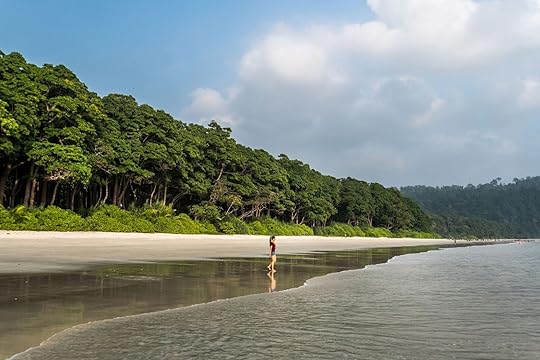
A buzzing city of 20 million people. The awe-inspiring Taj Mahal. An ashram worthy of “Eat Pray Love.”
When thinking about India, it’s easy to conjure up the same mental images shown of India on TV and in movies.
But India is a massive country with 4,671 miles of coastline between the mainland and various islands. While the “digital nomad” millennial-traveler crowd may know of popular coastal destinations like Goa, most people don’t think of the nation’s beachy areas. And even more rarely do they associate India with the Andaman and Nicobar Islands and its leading tourist destination, Havelock Island.
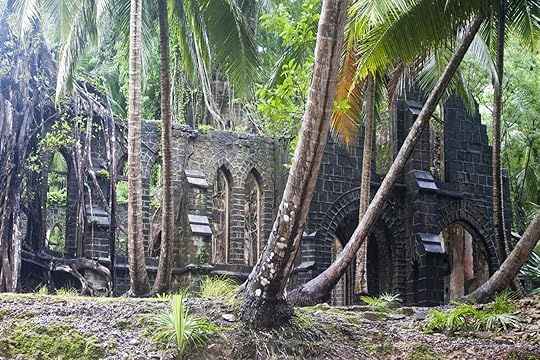
Abandoned ruins on Havelock’s Ross Island. Photo: Matyas Rehak/Shutterstock
With a $35 tourist visa, anyone can travel more than 800 miles from the subcontinent to the eastern Bay of Bengal between India and Burma (also known as Myanmar). That’s the location of the Andaman and Nicobar Islands, a remote archipelago of 572 islands that served as penal colonies during British rule. Today, it’s home to some of the most isolated Indigenous peoples on earth, such as the Sentinelese (in North Sentinel Island, and at the center of 2018’s missionary controversy), the Jarawas (in Great Andaman), and the Shompen (in the Nicobar Islands), in addition to Indians and expats from around the world.
The most developed island for tourism is in the South Andaman district. It used to be called Havelock Island, after British General Sir Henry Havelock. While most people still call it that, the name was changed in 2018 to “Swaraj Island” or “Swaraj Dweep,” meaning “self-rule island” in Hindi.
It’s hands-down the most developed of the A&N islands, but it’s still less developed than most beachy destinations in the Indian Ocean like Maldives. It’s a place where visitors can slow down, leave the crowds of the mainland behind, and discover a side to India they never dreamed about.
Havelock Island beaches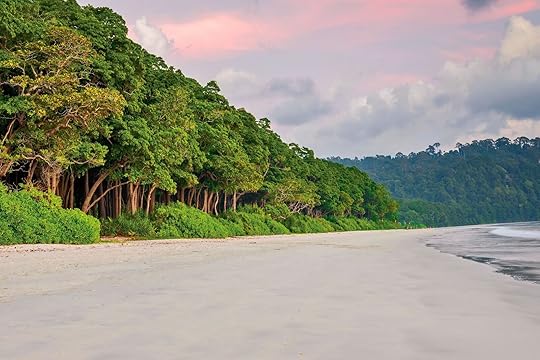
Photo: Dchauy/Shutterstock
On Swaraj Dweep, most beaches are known by a number based on their progressive distances from the harbor. So although Radhanagar Beach is the best beach on Havelock Island and considered the top spot, it’s technically called Beach Seven. The inviting beach won the 2019 Tripadvisor Travelers’ Choice Award for the best beach in Asia, and rated at number six on the list of the top 25 best beaches in the world.
But the truth is that nothing can really prepare travelers for what awaits at this Havelock Island beach. It’s a gift from Mother Nature. Tourists usually congregate by the main access path at the first beautiful spot they see.
So instead, visitors should make their way either left or right to the emptier side of the beach (both are great options). Either direction has fine sand, clear water, and a wide, mirror-like shoreline to reflect the tall palm trees and bright sun. It’s extremely peaceful and the perfect place to find a moment of absolute stillness, punctuated only by the occasional gentle wave. Plan to stay till sunset and possibly repeat the next day.
Radhanagar Beach. Photo: diy13/Shutterstock
But seven isn’t the only lucky number on Havelock Island. Vijay Nagar Beach (Beach Five) is on the opposite coast and is more temperamental than Radhanagar. There, the rhythm of the day is marked by the high and low tides. At low tide, the beach is dotted with boats ashore along the mangrove-fringed coast.
As the water rises, the sea becomes more reminiscent of the nearby Maldives, framed by blueish-green forests on uninhabited islands in the distance. (By the way, they’re John Lawrence Island and Sir William Peel Island.) Vijay Nagar Beach runs into Govind Nagar Beach (Beach Three) and Nemo Reef (Beach Two) to the north.
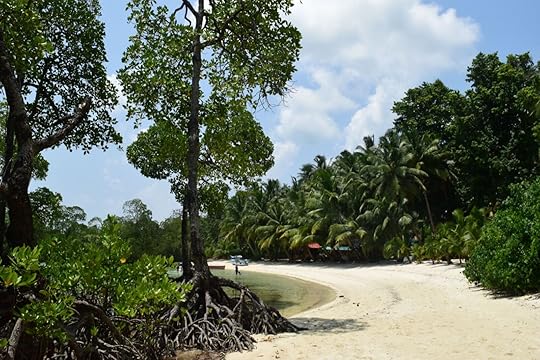
Nemo Reef. Photo: Nikhil N A/Shutterstock
Just south of Beach Five is the cleanest and most beautiful stretch of another beach known as Kalapathar (which translates to “black rock.”) With a floating bridge, it may look a little touristy, but it’s simply fantastic. Have a dip in the deep turquoise water, then buy a fresh coconut from a nearby stall and head south to the secret part of the island. Black rocks block access through the water for a few meters, but after dodging the rocks and washed-up tree trunks, the path reaches a secluded cove resembling a natural pool. It’s still Kalapathar, but without very many tourists.
Another fantastic Havelock Island beach is Elephant Beach, though it was seriously damaged by the 2004 tsunami. The devastation is still visible today and the partially destroyed beach can be a bit eerie. Perhaps that’s why it’s more renowned as a hub for on-water activities. The choices for visitors are endless, from snorkeling to kayaking, jet skiing, parasailing, “sea walking” (similar to snuba), banana boat rides, and more.
Other Havelock Island outdoor activitiesScuba diving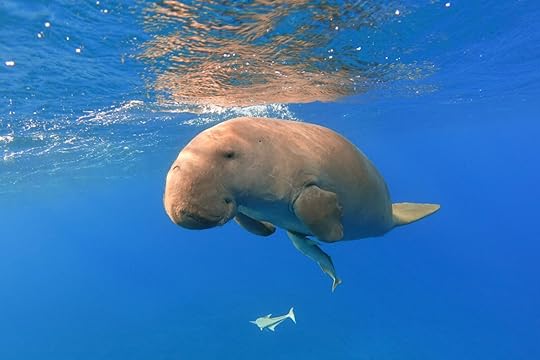
Photo: vkilikov/Shutterstock
Certified scuba divers (or those wanting to take a class) can choose from several excellent dive shops. Most have storefronts lined up between the jetty and Govind Nagar Beach (Beach Three). DIVEIndia, Andaman Bubbles, and Barefoot Scuba are three of the main shops, any of which go to some of Asia’s best dive sites, such as Jackson’s Bar, Johnny’s Gorge, Dixon’s Pinnacle, and Minerva Ledge.
But for a close encounter with dugongs (the Andamans’ state animal, similar to manatees), nearby Neil Island is the best bet. There are dugongs around the island, but book a trip to a dive site called Dugong Dungeon for the best chance of seeing the gentle, adorable, and endangered mammals.
Hiking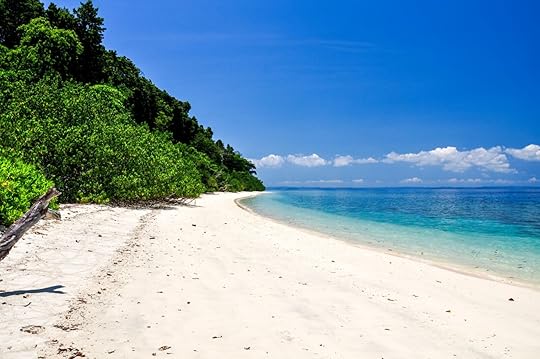
Photo: Juergen_Wallstabe/Shutterstock
On Elephant Beach, there aren’t any bathing elephants, though there once were — they were originally brought to the island during the period of British rule to aid in logging.
While the only elephants left on the island today are in captivity, visitors can still enjoy the beautiful beach, especially if they reach it via a hiking trail (instead of via boat). The trail is open every day from 8 AM to 1 PM and takes less than an hour, meandering through a tropical evergreen rainforest and marshlands. While most of Havelock Island is covered in thick, untouched vegetation and rice paddies, this walk offers a chance to see the island’s endemic flora and fauna without the need for a guide.
Village visits
The historic Port Blair Prison. Photo: diy13/Shutterstock
Visitors who have had enough of the lush natural surroundings (if that’s possible) may want to stroll around Govind Nagar. This is the main village and it’s small but vibrant. It doesn’t offer the same historical attractiveness as Port Blair (the capital of the A&N islands), most well-known for its infamous colonial prison. Nonetheless, it’s easy to feel a strong sense of history while interacting with the islanders in Govind Nagar. It’s mostly Bengali refugees who settled in the Andamans in the 1950s-70s, following the 1947 Partition of India.
There’s a tidy market selling anything from fruits and vegetables to agricultural tools, lots of little businesses like shops and supermarkets, and a few ATMs in the main village. And there’s plenty to choose from food-wise, and the aromas that fill the air will guide travelers to any number of choices: the fresh seafood, curries, daal roti, and other traditional foods taste as good as they smell.
The best places to stay on Havelock Island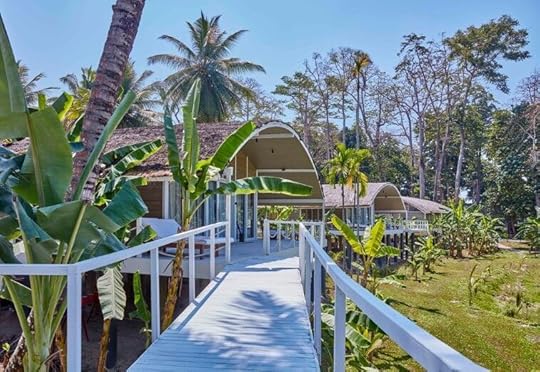
Photo: Taj Exotica Resort & Spa Andamans
Most hotels are concentrated in the northeast part of the island, not far from the jetty. There are well-established lodging options for various price points, like Seashell Resort and Spa, Sandyy Wavess, and Wild Orchid Resort. There are also new and modern resorts like Tilar Siro Andaman.
From the jetty, it’s only a 20-minute drive to the west coast on one of the two main arteries of the island. On the west coast, travelers can book a room at the five-star, all-inclusive Taj Exotica Resort & Spa Andamans, or escape in the Andaman-inspired, rustic-chic Barefoot at Havelock. Both resorts are at Radhanagar Beach.
To sleep closer to nature while on Havelock Island, check out the De Foret as it’s deep into the rainforest.
How to visit
Photo: /Nautika Ferry
Though Swaraj Dweep is one of the most accessible islands in the South Andamans, it doesn’t mean the journey is easy – quite the opposite, actually. Direct flights to Port Blair are available from a handful of Indian cities only. After landing, most travelers will want to get to their hotels and the beaches as quickly as possible, but it’s a bit difficult: there are only a few ferries with unpredictable time tables, and tickets need to be booked in advance (especially in high season). Contact companies like Makruzz, ITT, Green Ocean, or Nautika to buy a ticket.
Alternatively, pay a bit extra for a helping hand by booking transportation through hotels or businesses like Experience Andamans.
What makes things a little easier these days is that until at least 31 December 2022, the Restricted Area Permit (R.A.P.) required for non-Indian nationals is lifted for visitors coming from most
countries, including the United States.
Once on Swaraj Dweep, the best way to explore the island is independently, and scooter rentals are only about $6 per day.
When to visit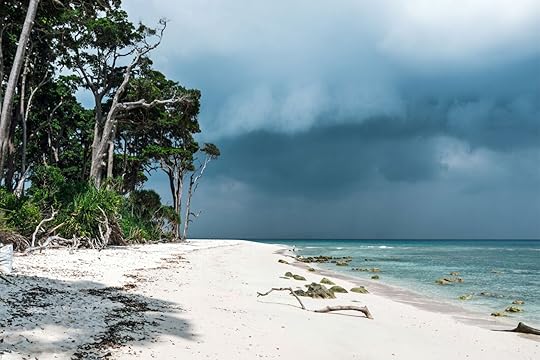
Photo: diy13/Shutterstock
Havelock Island (and all of the Andaman Islands) has a pleasant temperature year-round. But the best time to head to Swaraj Dweep is between December and April, when it’s warm but with less chance of rainfall on any given day as it’s the “dry season.” The busiest time to visit is December through January.
Generally, it’s constantly quite humid on the islands. Avoid the monsoon season, which runs from mid-May to the end of September, as underwater activities may be canceled and ferries might not be able to operate.
Other Andaman Islands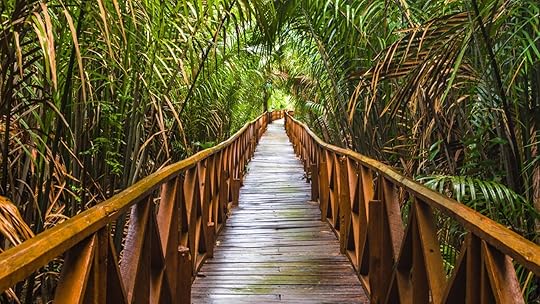
Photo: DARSHAN KUMAR/Shutterstock
Despite being a bit difficult to reach from Swaraj Dweep – and the fact that some of them deserve a few days of their own – some islands in the Middle and North Andamans are drawing increasingly more attention nowadays as add-on stops to Havelock Island vacations. Specifically, the areas around Rangat (on Middle Andaman Island) and Diglipur (on North Andaman Island) have become rather popular.
Besides beaches, Rangat is well-known for the Dhani Nallah Mangrove Walkway, a short boardwalk trail that leads to a stunning beach. It’s popular for birdwatching and observing sea turtles. On Diglipur, Alfred Caves and Saddle Peak National Park are the main draws. Between the two destinations, travelers can visit a cluster of 41 limestone caves inhabited by swiftlets or hike to the highest peak of Andaman. There’s a lot to fill a few days on the island.
Havelock Island vs Goa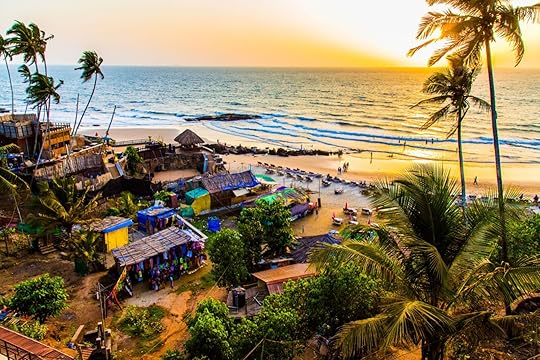
A lively Goa beach. Photo: Rossana Gatti/Shutterstock
Goa is undoubtedly India’s most well-known beach destination, and such popularity comes with crowds – crowds craving the tropical nightlife in North Goa or crowds seeking relaxation and wellness in South Goa. So it’s fair to say Swaraj Dweep is the opposite. It’s one of India’s best-kept secrets, as evidenced by the fact that Goa has nearly 14 times as many tourists as the Andaman and Nicobar Islands.
While South Goa also has unspoiled beauty (in places like Talpona Beach, for example), Swaraj Dweep is a stronger contender for travelers who the prioritize laid-back beach life and the underwater world, and generally more peaceful, tranquil vacation. It’s not only geographically far removed from India, but at points, its scenery looks more like Maldives than mainland India. It makes for the perfect grand finale to a metropolitan, cultural, or spiritual Indian vacation.
10 of the Best Caribbean Sex Retreats for Couples

What makes a winning relationship varies from couple to couple — but if there’s one thing we all agree on, it’s that a healthy sex life plays a pretty important role.
Sex boosts happiness and promotes bonding — yet despite this, it’s not common for long-term couples to call their sex lives exciting. To make matters worse, lots of us struggle to talk frankly about these things. The good news? Stepping out of your comfort zone can help. And what better way to do that than at a couples retreat in the Caribbean?
Sex and intimacy retreats are a great way to explore your sexuality and widen your horizons in a judgment-free environment. These places exist to fire up your erotic imagination through everything from nude pool parties and full-on orgies, to orgasm workshops, meditation, and therapy. Throw tropical sunshine and swaying palm trees into the mix, and romance is pretty much a done deal.
So whether your sex life has stalled, or you’re looking to spice up your current routine — a sexy vacation could be just what the doctor ordered. From destinations with a spiritual focus to swingers spots offering carnal fun in the sun, here are 10 of the Caribbean’s finest sex retreats for couples.
We hope you love the couples retreats we recommend! Just so you know, Matador may collect a small commission from the links on this page if you decide to book a stay.
Temptation Cancun Resort, Cancún, Mexico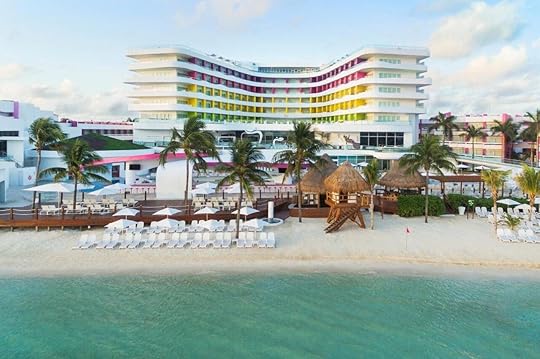
Photo: Booking.com
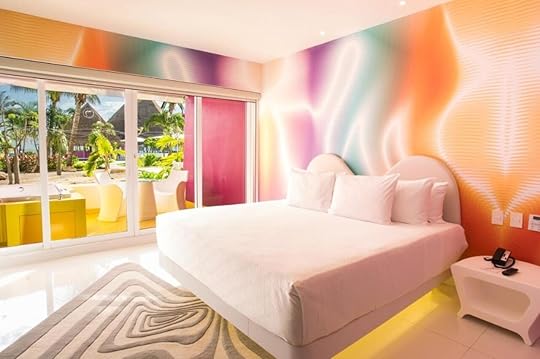
Photo: Booking.com

Photo: Booking.com
Who says you need to get the professionals in to spice up your sex life? Take matters into your own hands with a trip to Temptation, one of the Caribbean’s most scandalous getaways.
Get your thrill-fix with a dip in the topless Sexy Pool, which comes with a handy swim-up bar — then treat yourself to a libido-boosting massage before — slipping under the sheets for some x-rated fun (note: public sex isn’t allowed in any of the public areas so do not get it on by the pool, no matter how many rum punches you’ve had). In terms of entertainment, you’re spoiled for choice with theme nights, live shows, and an array of mouth-watering dishes to tuck into at one of the five upscale restaurants. That’s plenty of bang for your buck, as they say.
Intimacy Moons, various locations across the CaribbeanThis luxe couple’s retreat offers group and private sessions, with the latter including eight hours of individual coaching over the course of four days. Group sessions comprise of three-hour workshops over three days, plus a private introduction. Both courses come with check-in sessions post-trip to guarantee your loved-up holiday glow lasts longer than your tan.
Workshops are held at various locations in the Caribbean throughout the year. Check their website for upcoming dates. Retreats include full board and meals, airport transfers, workshop materials, and an array of swoon-worthy couples’ treats, ranging from chocolate tasting to massages.
Intimacy Retreats, Costa RicaFor over 20 years, certified sexologist couple Richard and Diana Daffner have held retreats at various romantic destinations across the US and internationally — plus semi-regular salons in Florida and Costa Rica.
With a strong belief that the couple who meditates together stays together, spiritualism plays a key role in these sessions: attendees learn about meditation and Tantra Tai Chi (a practice pioneered by Richard and Dianna). There’s no nudity or sexual activity during group sessions (couples are given “homework” assignments to complete in private), and at $695 per couple, it’s one of the most affordable options on the list — though you’ll have to source your own accommodation and food. The retreat is also available as a video program for those who can’t make it to the in-person workshops.
Hedonism II, Negril, Jamaica
Photo: Hedonism II

Photo: Hedonism II
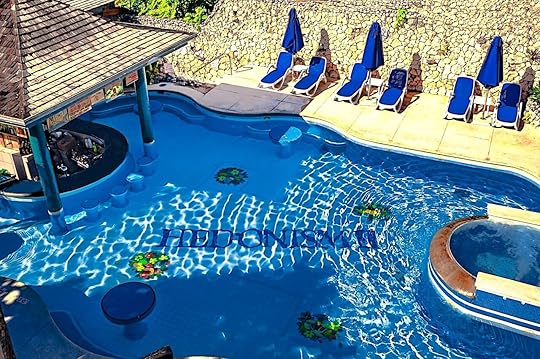
Photo: Hedonism
No list of sexy things in the Caribbean is complete without a mention of Hedonism II, Jamaica’s most infamous swingers resort. This clothing-optional establishment gives you the freedoms of a nudist hangout with a few added benefits — namely some risqué games to play with your fellow guests (all optional, of course).
You’ll find everything you need to sate your hedonistic desires here — whether that’s tantra workshops, an extra shot of rum in your punch, or a raunchy rendezvous in the infamous Romping Shop playroom. Speaking of rooms, bedrooms are fresh and bright, with a focus on sex (mirrors on the ceiling? You betcha), and everything’s included from mouth-watering meals to premium drinks and nightly entertainment.
Domme Trips, various locations across the CaribbeanFancy a little pain with your Champagne? Domme Trips is an all-inclusive fetish resort takeover — the ideal getaway for those with kinkier tastes. Let your desires lead in the indoor and outdoor dungeon, get to grips with paddles and whips, and find fresh inspiration in the array of fetish workshops on offer.
As if that wasn’t enough, there are latex fashion shows, theme nights, and games — not to mention as much food and drink as you can handle (luckily latex has a little stretch). While the event is run by female dominants, doms, switches and submissives of all genders and orientations are welcome.
A Celebration of Love, various locations across the Caribbean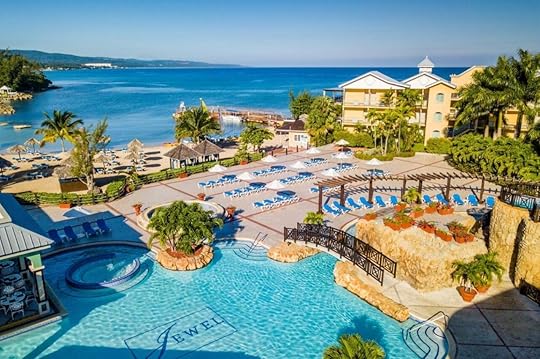
Photo: Booking.com
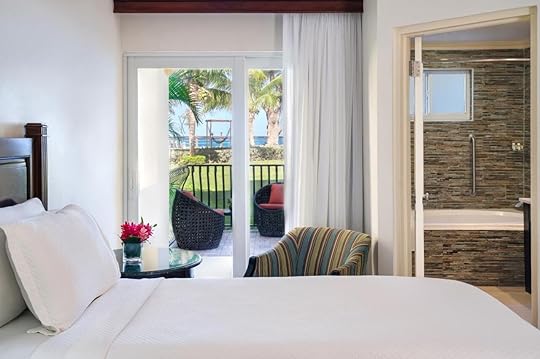
Photo: Booking.com
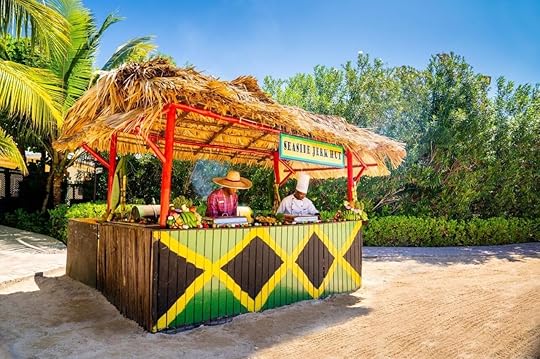
Photo: Booking.com
Tropical tranquillity meets fun in the sun with A Celebration of Love Retreat. The itinerary is split into five phases: relax, restore, reconnect, rejuvenate, and renew. There are themed workshops for each, plus excursions, all your meals included, and dinner and entertainment to round off each day.
Held at various locations around the Caribbean (this year’s event is at the luxurious Jewel Paradise Cove Beach Resort & Spa in Jamaica) guests have all meals and most excursions included. You’ll get to see plenty of the surroundings while you’re here too, with sightseeing, walks and more packed into the itinerary. This is a Christian-run retreat — no sermons, but expect faith-led teaching from retreat founders Jared and Kaara.
Couples Therapy Inc., Puerto RicoNot keen on mixing sex with meditation? Here’s one for you. Couples Therapy Inc. offers psychology-backed teaching with zero focus on spirituality or religion. Choose from online courses or weekend retreats where you can get away from it all and really focus on each other. When you sign up, a fully trained sex and relationships therapist will assess your situation via a virtual or in-person session to help you work out where things could do with a little TLC.
Desire Riviera Maya Resort, Puerto Morelos, Mexico
Photo: Booking.com
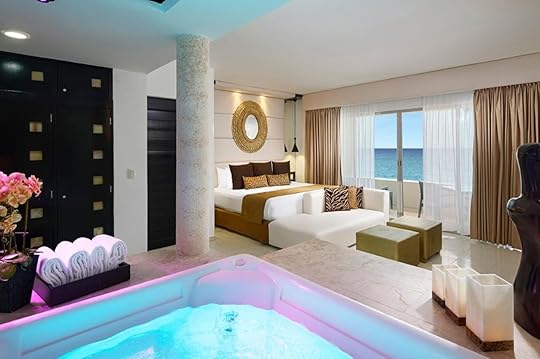
Photo: Booking.com
No clothes? No problem. With an emphasis on sexy fun, Desire Riviera has long been a mainstay for established swingers, but newbies and curious couples after a raunchy vacation are welcome too.
At Desire, you can go fully nude, or fully clothed. After a round or two of beach volleyball (naked, of course), treat yourselves to a sensual couples’ massage, then top your day off with a candlelit dinner under the stars. Or, if you’re feeling spicy, dress up in your sexiest outfit and dance the night away at one of the many themed parties.
Temptation Cruises, various Caribbean locationsRun by the folks behind Temptation Cancun, Temptation Cruise takes the party from shore to sea and back again. This one attracts a young crowd, and things can get pretty boisterous. Expect endless opportunities for adult-only fun thanks to theme nights, spicy activities, and pumping pool parties. Couples have full access to the R-Rated Red Room to take their x-rated repertoire to new (and public) heights, plus steamy workshops designed to teach you boudoir tricks you can take home with you. Throw in gourmet dining, the full drinks package and non-stop dancing, and you’ve got yourself a seriously indulgent getaway.
Plunge Fetish, Dominican RepublicScandalous delight is on the menu at this kinky resort takeover. Another one for fetish fans, Plunge is open to people of all genders, orientations, and experience levels, so slip on your best leather and latex, and get ready to live out your wildest fantasies in the Dominican Republic.
These seven-day events take place in a secure, gated, boutique hotel set in lush tropical grounds. Lounge by the pool by day, then dress up in your fetish finery for dinner and games after dark. Adventurous couples have dungeons, toys, and a crew of friendly kinksters at their disposal — plus unlimited food and drink to keep energy levels up. Whipping is hard work, after all.
June 13, 2022
These 18 Hotel Rate Guarantees Ensure You Get the Absolute Best Possible Price

When booking a hotel, you may by default turn to third party sites like Expedia, Kayak, or Orbitz so that you can see all of your options in one place. But in nearly all cases you’ll find the cheapest possible rate by booking straight through the hotel thanks to rate match guarantees.
Hotels often have some sort of best rate guarantee. Third-party sites sometimes will try to undercut the hotel by offering a cheaper rate than what’s offered through the brand. The guarantee ensures that the hotel itself has the lowest rate. In some cases the hotel will not only match the third-party price, but will even offer an additional percentage off or other incentives — sometimes you can even get the first night free. So the next time you find an extremely low rate, it’s definitely worth it to cross check with the listed hotel price and find out the rate guarantee the chain offers so you can capitalize on those perks, as noted by the travel blog Travel Is Free.
Hotel Best Rate Guarantees:Hyatt: 5,000 points or 20 percent off lowest rateMariott: 5,000 points or 25 percent off lowest rateHilton: 25 percent off lowest rateRadisson: 25 percent off lowest rateIHG: five times points of lowest rateWyndham: additional 3,000 pointsBest Western: $100 gift cardChoice: $50 gift card or first night freeOmni: 20 percent off lowest rateAccor: 10 percent off lowest rateViceroy: lowest rate and $25 creditKempinski Hotels: 25 percent off lowest rateThe Ascott: honored lower rate and 10 times Ascott Star Rewards (ASR) pointsCorinthia: 10 percent off lowest rateFrasers: 50 percent off first nightLangham: 10 percent off lowest rateAffinia: $50 stay credit plus upgradeMr and Mrs Smith: $50 voucherWith a little bit of research and luck, you could end up saving yourself a lot of dough.
These Wild Basket Rides Are the Best Way To Fly Through Traffic in Madeira
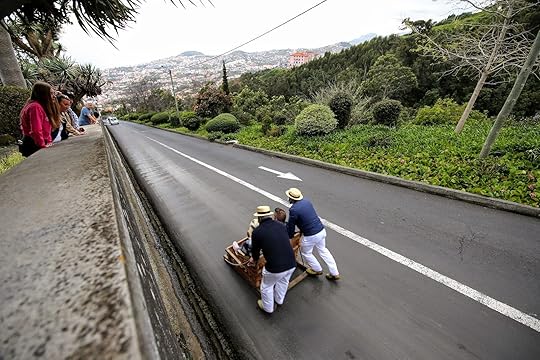
Frequent TikTok users already know that the app is a great way to find under-the-radar things to do, plus the always-useful packing and travel tips. But a new TikTok vid shows something we’ve literally never seen anywhere else: a high-speed ride in a wicker basket screaming down the side of a Portuguese island. And apparently, it hit speeds of up to 18 miles per hour.
@hikeupyourskirt No time to explain – get in the basket! @matadornetwork @visit #madeiraisland #visitmadeira #portugal #themoreyouknow #travelinspiration #seekadventure #portugaltravel #exploreyourworld #historynerd ♬ We No Speak Americano (Original Mix) – Yolanda Be Cool & DCUP
The video, posted late last week, shares the scoop on the Madeira toboggan rides near the capital city of Funchal. (Madeira is a Portuguese island off the coast of Morocco.) The Madeira toboggans, also called baskets, sleds, and sledges, hold up to three people and are steered by two men called carreiros, who wear thick-soled rubber shoes to create friction on the paved road. Using their shoes as brakes, they guide the baskets down the two-kilometer road, avoiding everything from people to potholes to oncoming traffic in the process.
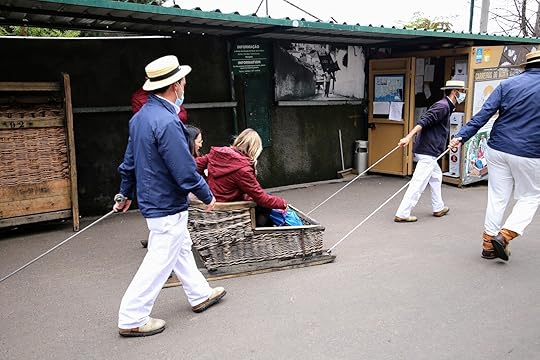
Photo: Matador staff
The “Carreriros do Monte,” named after the neighborhood where the rides start, have operated the Madeira toboggans for more than 100 years. Madeira is a mountainous island, and wealthy people in the early 1900s would build their homes near the top to take advantage of the fantastic views. Instead of walking downhill when they needed to visit stores or administrative offices, they’d have a “carreiro” drive them down in a basket.
Now, rides in the Madeira toboggans are mostly an activity for tourists, but everything else is still the same, from the route to the handmade baskets to the distinctive white outfits and straw hats worn by the drivers.
The cost per ride depends on the number of people in the basket, ranging from €25 for a solo rider to €40 for three people. Kids under age five are free, and travelers can buy tickets at the booth just behind the famous Monte Palace Gardens, at the intersection of Largo da Fonte and Caminho do Monte.
More like thisGalleries14 Eye-Popping Images That Will Make You Fall in Love With Portugal
Wild TikTok Shows Tourists in Baskets Flying Through Traffic in Madeira
Frequent TikTok users already know that the app is a great way to find under-the-radar things to do, plus the always-useful packing and travel tips. But a new TikTok vid shows something we’ve literally never seen anywhere else: a high-speed ride in a wicker basket screaming down the side of a Portuguese island. And apparently, it hit speeds of up to 18 miles per hour.
@hikeupyourskirt No time to explain – get in the basket! @matadornetwork @visit #madeiraisland #visitmadeira #portugal #themoreyouknow #travelinspiration #seekadventure #portugaltravel #exploreyourworld #historynerd ♬ We No Speak Americano (Original Mix) – Yolanda Be Cool & DCUP
The video, posted late last week, shares the scoop on the Madeira toboggan rides near the capital city of Funchal. (Madeira is a Portuguese island off the coast of Morocco.) The Madeira toboggans, also called baskets, sleds, and sledges, hold up to three people and are steered by two men called carreiros, who wear thick-soled rubber shoes to create friction on the paved road. Using their shoes as brakes, they guide the baskets down the two-kilometer road, avoiding everything from people to potholes to oncoming traffic in the process.
Photo: Matador staff
The “Carreriros do Monte,” named after the neighborhood where the rides start, have operated the Madeira toboggans for more than 100 years. Madeira is a mountainous island, and wealthy people in the early 1900s would build their homes near the top to take advantage of the fantastic views. Instead of walking downhill when they needed to visit stores or administrative offices, they’d have a “carreiro” drive them down in a basket.
Now, rides in the Madeira toboggans are mostly an activity for tourists, but everything else is still the same, from the route to the handmade baskets to the distinctive white outfits and straw hats worn by the drivers.
The cost per ride depends on the number of people in the basket, ranging from €25 for a solo rider to €40 for three people. Kids under age five are free, and travelers can buy tickets at the booth just behind the famous Monte Palace Gardens, at the intersection of Largo da Fonte and Caminho do Monte.
More like thisGalleries14 Eye-Popping Images That Will Make You Fall in Love With Portugal
Matador Network's Blog

- Matador Network's profile
- 6 followers

