
Matador Network's Blog, page 458
June 27, 2022
These Ocean City Airbnbs Let Live Your Best Maryland Beach Life

With 10 miles of sandy beach on offer, Ocean City, Maryland, is one of the nation’s favorite seaside resorts. The OC Boardwalk hums with tempting food shacks, amusements, and kooky sculptures. Stretching out between the Atlantic Ocean and Isle of Wight Bay, conditions are ripe for surfing, kayaking, and swimming.
Accommodation speaks to all types of travelers with beachfront condos and family homes all up for grabs. You’ll find your perfect Airbnb Ocean City, MD, vacation rental right here.
We hope you love the Airbnb Ocean City, Maryland, stays we recommend! Just so you know, Matador may collect a small commission from the links on this page if you decide to book a stay. Listed prices are accurate as of the time of publication.
Boardwalk & Midtown Airbnb Ocean City, MDEdgewater Escape – bayfront condo with private porch
Photo: Airbnb

Photo: Airbnb

Photo: Airbnb

Photo: Airbnb
Constructed during the 1960s, this oceanfront condo block hangs over the bay and is suggestive of the “castaway experience”. This split-level Airbnb Ocean City, MD vacation home is linked by an ornate spiral balcony with retro furnishings adding to the charm. French sliding doors open out onto a knockout private porch. The beach and boardwalk are just a quarter of a mile on foot meaning you get the ideal combination of convenience and quiet.
Four guests, one bedroom
Price: $315 per night

Photo: Airbnb

Photo: Airbnb

Photo: Airbnb

Photo: Airbnb
This seriously swanky oceanfront Ocean City MD Airbnb townhouse with a private dock will appeal to fishers. Ask the host for the lowdown on the local spots and for advice on renting a boat. At the same time, a swim platform is handy for those with kayaks, paddle boards, and strong swimmers. Three full bathrooms come with oversized showers while elegant artworks adorn the house.
Eight guests, three bedrooms
Price: $600 per night

Photo: Airbnb

Photo: Airbnb

Photo: Airbnb

Photo: Airbnb
This awesome Ocean City Airbnb beachfront home overlooks the ocean and is rounded off with a sun trap of a terrace. Follow the path and you’ll be in the water in moments. A haven for surfers, this is where you’ll find some of the best surf conditions in town. Interiors are appointed with modern appliances, contemporary decor, and ample space to spread out and recharge your batteries.
Ten guests, four bedrooms
Price: $850 per night

Photo: Airbnb

Photo: Airbnb

Photo: Airbnb

Photo: Airbnb
This lush bayfront Airbnb Ocean City, MD brings the spirit of Key West to the northeast coast. Shrouded with tropical foliage and furnished with a rustic seaside theme, the home is the quintessential vacation rental. The private backyard looks over the water and comes with a hot tub and bar-style seating. A huge, well-stocked kitchen will delight the chefs in your group.
Sixteen guests, six bedrooms
Price: $950 per night

Photo: Airbnb

Photo: Airbnb

Photo: Airbnb

Photo: Airbnb
This family-conscious and pet-friendly holiday home runs over five bedrooms with an additional sofa bed in the lounge. The balcony overlooks the canal and is perfect for morning coffee, sundowners, and sunsets. When you’re not out exploring the beaches and local attractions, the games room with a billiards table, air hockey, and more provides copious entertainment.
Fourteen guests, five bedrooms
Price: $2,855 per night

Photo: Airbnb

Photo: Airbnb

Photo: Airbnb
This postcard-pretty cottage was recently refurbished and features a comprehensive kitchen and a fireplace in the lounge. The deck is equipped with a hot tub and grill for sociable evenings. Dogs are welcome at this pet-friendly Airbnb Ocean City, MD with secure fencing. Dozens of eateries are within walking distance while the Boardwalk and Midtown are a 10-minute drive.
Nine guests, three bedrooms
Price: $500 per night

Photo: Airbnb

Photo: Airbnb

Photo: Airbnb

Photo: Airbnb
This vibrant beach house is adorned with funky turquoise walls with custom art. Sit out on the deck with a glass of wine and stream your favorite movie on the projector and help yourself to the kayaks provided. Staying at the property grants access to two shared pools during the high season as well as a tennis court. Consider renting a boat at this Airbnb Ocean City, MD with a private dock for a swashbuckling stay.
Ten guests, three bedrooms
Price: $350 per night

Photo: Airbnb

Photo: Airbnb

Photo: Airbnb

Photo: Airbnb
Freshly remodeled, this luxurious Ocean City MD Airbnb features a state-of-the-art kitchen and tasteful bedrooms with wooden ceilings. Deluxe bathrooms are fitted with tubs and double vanities. The vacation home has three balconies designed for eating, movie nights, and winding down in the plush hanging chairs. Access to a shared swimming pool is included as per the rental agreement and pets are welcome.
Sixteen guests, five bedrooms
Price: $1,885 per night

Photo: Airbnb

Photo: Airbnb

Photo: Airbnb

Photo: Airbnb
Designed for families and friends alike, this playful “beach house” comes with its own oversized sandpit, hammocks, grill, and tiki bar. Situated on Assawoman Bay, the home grants direct access to the ocean. Which is especially handy if you have your own boat to moor in the private dock. Cozy interiors occupy one story with a ginormous sofa for movie nights.
Ten guests, three bedrooms
Price: $655 per night

Photo: Airbnb

Photo: Airbnb

Photo: Airbnb

Photo: Airbnb
Located across the street from Martha’s Landing, this West Ocean City MD Airbnb promises solitude and bay views. The home is laid out over three floors with a multitude of balconies to make good use of the setting. Meanwhile, the backyard leads you to a crab gazebo where you can wind down with a view of the water. Communal spaces and rooms are spacious and comfortably appointed.
Twelve guests, four bedrooms
Price: $1,145 per night
Photo: Airbnb

Photo: Airbnb

Photo: Airbnb

Photo: Airbnb
This brand new Ocean City waterfront vacation rental offers sweeping skyline views away from the hustle and bustle. Nifty black-out blinds add a nice touch to lighter sleepers. A pool table is provided and there’s an al fresco hot tub on one of the multiple terraces. Six bikes are provided as well as beach gear including towels, chairs, and boogie boards. Pontoons and kayaks are welcome in the private dock. 
Fourteen guests, three bedrooms
Price: $1,175 per night


The 8 Best Places To Go Beach Camping in Texas

Beach camping in Texas is a statewide pastime. Although there’s close to 400 miles of pristine coastline, finding the perfect place to set up camp and enjoy a beautiful ocean view on the sandy shores can be a challenge. So we’ve done the legwork for you and selected our favorite places, from secluded spots to those providing all the amenities. All you need to do is grab your tent, sunblock, and gear and get ready for an unforgettable camping experience on the Lone Star State’s coast.
Padre Island National Seashore
Photo: Travel Texas
Any conversation about Texas beach camping usually begins with the picturesque settings at Padre Island. The Padre Island National Seashore is a designated national park and is the longest stretch of undeveloped barrier island in the world. The seasonal sea breeze, dark open skies, and near-complete solitude make the park an extremely popular destination for campers and outdoor enthusiasts.
Padre Island National Seashore has five camping areas:
The Malaquite Campground offers semi-primitive sites where tent campers are welcome to set up on the beach, while RVs and vehicle campers can do so on the paved parking. This campground has flush toilets, cold-water rinse showers, and picnic tables with shade structures and grills available on the gulf side of the campground.
Bird Island Basin is known throughout the windsurfing world as one of the best flat water sailing sites in the continental United States. It’s common to find adventurers from around the world gliding on the water and through the air on any given day at Bird Island Basin. Windsurf equipment and kayak rentals are available at Worldwinds Windsurfing nearby.
The North Beach Campground is popular with primitive camping visitors who want to set up their tents or RVs wherever there’s an open spot. There are no designated camping sites as long as you set up as close to the dunes as possible, so traffic doesn’t get backed up. It’s a beautiful area where the sunrise and sunset hit just a little bit differently and make for incredible lifelong memories.
South Beach is 60 miles of sand and shore open to tent and RV campers.
A mere 15 miles south of the Malaquite Visitor Center is Yarborough Pass, which is accessible only through the four-wheel-drive area of South Beach, or by boating down the Laguna Madre.
Though the Padre Island National Seashore is exquisite, remember that the lands and animals (some 380 bird species) are heavily protected by national laws. Any tampering or unauthorized driving in off-limits areas will result in heavy fines.
Padre Island National Seashore fees and amenitiesWhile Padre Island National Seashore charges a daily entrance fee, a camping permit is free as long as you purchase a seven-day pass. Park entry fees vary from $10 per vehicle, per day to $5 for pedestrians and bicycles, or $7 per motorcycle. Fees and passes are available for purchase online or in person at the entrance station. All campsites are first-come, first-served. No reservations are taken for campgrounds.
The Malaquite Campground is $14 per night and Bird Island Basin is $8 per night in addition to park entry fees.
The nearest amenities from the park are 12 miles away, so you’ll want to come fully prepared. Flush toilets and cold-water rinse showers are only available at the Malaquite Visitor Center.
Where: 20301 Park Rd 22, Corpus Christi, TX 78418
Sea Rim State Park
Photo: Texas Parks and Wildlife
Near the southeast corner of Texas is Sea Rim State Park which blends 4,000 acres of marshland with 5.2 miles of beach shoreline. This special combination creates an ecosystem that draws travelers from around the world.
At Sea Rim State Park, visitors can camp, bird watch along the Gambusia Nature Trail, swim, fish, kayak along two different coastal trails, and, depending on the season, hunt. Equestrian fans will be happy to know that more than three miles of beachfront lands are yours to enjoy with your hooved friends. They can even camp with you, although there are no facilities and you’ll need to bring a portable pen or tether your horse to a trailer.
The park offers travelers 15 campsites with utilities at Piping Plover Campground, a more modern cabin experience, drive-up primitive campsites on the beach, and a floating (yes, floating) primitive campsite that has to be experienced at least once.
The floating campsite is a 13-by-20-foot wooden platform located in the park’s marshland, nearly two miles from the boat ramp. It is accessible by either a shallow draft boat, canoe, or kayak (which can be rented at the park). You’re required to bring a five-gallon bucket and a solid waste bag with enzymes to help to neutralize your waste. You won’t be building a fire on the wooden platform, so be sure to pack your gas stove.
Sea Rim State Park fees and amenities
Photo: Texas Parks and Wildlife
Daily entry fees are $3 for adults 13 years of age or older while those 12 years old or younger are free. If you have a Texas State Parks Pass you and your guests are free to enter. Day passes and camping permits can be obtained online.

Photo: Texas Parks and Wildlife
Campsites that have both electricity and water hookups are $20 nightly, while camping out on the beach will set you back $10 plus entrance fees. The floating platform camping experience is $15 an evening.
Reservations are recommended for campsites with utilities and the Sea Rim cabin, which is $95 per night plus the daily entrance fee.
Primitive beach campsites cannot be reserved and are only available on a first-come, first-served basis. The park is home to alligators, so keep a watchful eye on small pets.
Where: 19335 TX-87, Sabine Pass, TX 77655
Matagorda Beach
Photo: Damon Rushing/Shutterstock
On the Texas Gulf Coast at the mouth of the Colorado River is the quiet community of Matagorda. It’s a small Texas town with a big draw: Matagorda Beach.
Matagorda Beach is an outdoor enthusiast’s dream, complete with rolling sand dunes, salty sea air, and sparkling water. The beach is part of the Matagorda Bay Nature Park which consists of over 1,000 acres of beautifully preserved land with beachfront access. The first eight miles of beach, beyond the dunes, are private property, but after that, it opens up with both hiking and kayak guided trails to explore.
Visitors can drive on the beach (best left to the 4WD vehicles because of the soft sands) or park and walk the shoreline while you collect seashells or explore the pier area. Beach vehicle permits are required and can be purchased at local businesses or vendors.
Matagorda Bay Nature Park has many camping options including primitive tent camping on the beach, two Airstreams, 12 sites with full RV hookups, 17 waterfront sites, and 10 beach bungalows.
Matagorda Beach fees and amenitiesPhoto: LCRA Parks
Standard, full hookup campsites range in price from $40 to $63 per night, while the classier beach bungalows will cost you $275 to $300 per evening depending on the season. Airstreams are around $250 per night with a two-night minimum.
Primitive camping on Matagorda Beach is free but will cost you the $10 beach vehicle permit fee.
The entrance fee to the Matagorda Bay Nature Park is $5 for adults, while children 12 years old and younger are free. There are discounts for seniors (65 and older) and people who are disabled that drop the entry fee to $2.
Amenities include a boat ramp, campground host (for those not staying on the beach), dump station, fish cleaning station, laundry, souvenir shop and nature center, and a fishing pier. Flush restrooms are available in the nature park as well. Pets are allowed as long as they are on a leash, and you should call ahead to check on any pet fees.
Kayaks, beach chairs, and beach wagons can be rented through Geenbelt Outdoors for a fee. Golf carts make hauling ass on the beach more fun and can be hired from Ranch Water Rentals.
Where: 6430 FM2031, Matagorda, TX 77457
Surfside Beach
Photo: Steven Bullard/Shutterstock
Surfside Beach is a small community that lies outside of Freeport, Texas, about an hour south of Houston. The village is a great alternative to the over crowded beach camping at popular places like Galveston. The community offers miles of accessible beaches, dolphin watching tours on the back of jet skis, boat rides, surf lessons, bird watching, pier crabbing, fishing, and more.
You may drive your vehicle on the beach as long as it’s street legal (no ATVs) and you stay on the beach east of Highway 332. West of Highway 332 is known as the pedestrian beach and vehicles are strictly prohibited. The sand in both areas is usually hard-packed and easy to drive or walk on.
Primitive tent beach camping is allowed, but only in a specific area. Local authorities do not permit camping within the village boundaries. Instead, you will want to head to the Beach Access Entrance #1 which is located roughly four miles east of Highway 332 on Bluewater Highway. There you’ll be set up outside city limits on Brazoria County Beach and you’ll have plenty of space to watch the dolphins and a spectacular sunset.
Surfside Beach fees and amenitiesThere are no fees for camping on the beach at Surfside. All vehicles driven on the beach must have an annual beach pass which costs $12. This even applies to golf carts.
You’ll be located just outside of town, so while there are no amenities on the beach (besides trash cans), you won’t have to travel far for food or gas. Things like speed limits (15 miles per hour on the beach), open container laws, and campfire laws (no bigger than 3 square feet) are still enforced.
At Stahlman Park nearby, you’ll find flush toilets and showers.
Where: 3312 County Rd 257, Freeport, TX 77541
Mustang Island State Park
Photo: Travel Texas
Located just north of the Padre Island National Seashore camping area, and minutes from Corpus Christi, Mustang Island State Park is one of the most popular spots for camping on the Texas coast.
The park has nearly 4,000 acres of protected lands and five miles of coastline that allows you to set up your campsite right along the water’s edge. Camping within the state park gives your group access to RV hookups and bathrooms while still offering plenty of space for a peaceful stay on the coast.
The state park gives visitors a chance to connect with nature with over 20 miles of paddling trails that cut through the water. The North Trail, the Shamrock Loop Trail, and the Ashum Trail each offer a unique look at landscape and wildlife that make Mustang Island special.
Spend the remainder of your time fishing, bird watching, visiting some of the nearby coastal cities, surfing, or building a sand sculpture. Whatever you decide to do, you’re going to have a blast at Mustang Island State Park.
Due to it’s popularity it’s vital that you book your stay well in advance.
Mustang Island State Park fees and amenities
Photo: Travel Texas
Daily entry fees are $5 for adults 13 years of age or older, while children 12 and younger are free. Use your Texas State Parks Pass for free entry into this state park if you have one.
An additional $10 fee per night will give you access to over 50 drive-up primitive campsites along the coast. You’re allowed to have a small beach campfire at these campsites, but these campgrounds are non-reservable. It’s first-come, first-served, so get there early.
There are 48 campsites with electricity and water hookups, but these sites are about 400 yards from the water. You won’t be able to have a campfire here, but you’ll have a picnic table, an outdoor grill, and a shade shelter. You can reserve spots online, which is highly recommended during peak summer months.
A beach bathhouse with full restrooms is near the park headquarters for all visitors.
Where: 9394 TX-361, Corpus Christi, TX 78418
Crystal Beach
Photo: Wilfred Marissen/Shutterstock
Crystal Beach is a small community near the center of Bolivar Peninsula near Galveston. Most of the residents are seasonal, and during hot summer months, the population swells as vacationers descend on the area.
While you can choose from hundreds of beach homes to rent, the best camping experiences are right on the waters of the Gulf of Mexico. Camping is free along the 27 miles of shoreline in Crystal Beach and Bolivar Peninsula, with the only requirement being an annual Bolivar Beach Parking Sticker for your vehicle.
You and your group can access the beach, pick a spot, set up camp, and even start a small campfire with unobstructed views of the waters, and at night, the stars.
Fishing on Crystal Beach is second to none while soaking up the sun and watching the various species of birds that call the peninsula home could fill an afternoon. Dolphins are common residents of the waters at Crystal Beach, so you’ll want to be on the lookout as they play and jump in the air.
Crystal Beach fees and amenitiesAccess to Crystal Beach as well as camping are free minus the $10 for an annual Bolivar Beach Parking Permit. There are restrooms and showers at the Bolivar Beach Pavilion (on Crystal Road, behind the fire station), but the beach itself has no amenities. You’re close enough to area stores, restaurants, and gas stations that if a need arises, you won’t have to travel very far to get what you want.
No reservations are needed for this camping experience, but summer weekends means summer crowds so you’ll want to get there early to claim your spot.
Where: Bolivar Peninsula, Texas, 77550
Magnolia Beach
Photo: Texas Parks and Wildlife
Located on the shoreline between Port Lavaca and Port O’Connor, close to the western-most shores of Matagorda Bay, Magnolia Beach is nearly two miles of drivable, camp-friendly beach.
In non-peak summer months, Magnolia Beach is as peaceful and relaxing as any beach in the world, where you can park your RV just a few feet from the water and let the gentle waves of the ocean lull you off to dreamland. The sand is hardpacked with sea shells which makes it easy to drive up and pick a spot, but bring your shoes because those shells aren’t easy on delicate feet.
Campsites are primitive, no hookups are available, and there’s only one store nearby, so you’ll want to make sure you have all of your supplies (like drinking water) with you or you may have to make a 15 minute drive back to Port Lavaca.
Magnolia Beach can get crowded in peak summer season, especially on weekends, so plan accordingly. The mesmerizing sunsets and sunrises over Matagorda Bay are worth any potential hassles.
Magnolia Beach fees and amenitiesBeach camping is free at Magnolia Beach, as well as pet friendly, so feel free to bring your furry friends along with you just make sure they’re on a leash. Public grills and picnic tables are closeby, as well as well-maintained public restrooms and showers.
There is a boat ramp for launching your water vehicle close by. Unlike most other Texas beaches, you don’t need a Beach Parking Permit to set up camp here.
No reservations are required but for the latest information on camping restrictions or usage it’s best to call the county commissioners office.
Where: 485 N Ocean Dr, Port Lavaca, TX 77979
Galveston Island State Park
Photo: Texas Parks and Wildlife
An hour south of Houston is a 2,000 acre state park that provides miles of hiking and biking trails, canoe and kayak trails, fishing areas, and a host of campsites. Galveston Island State Park is a popular destination for sun worshippers and is the only place on Galveston Island where overnight camping is permitted.
The Galveston Island State Park offers both beach and bay sides, with overnight camping allowed on the bay side of the island. In years past, the beachside portion was an extremely popular overnight tent camping option, but this side of the state park is currently closed, with a reopening date so far unannounced.
If your guests absolutely refuse to sleep on the ground for some reason, then you’ll want to consider the park’s Ranch House or Stewart House options. They both have all the modern comforts of home including airconditioning, fireplaces, and most importantly, private bathrooms.
Its proximity to both Houston and Galveston make this park extremely popular and chances are you’ll be sharing the sun with visiting travelers. The campgrounds can get full so nearby RV parks such as Jamaica Bay, which offers a lazy river and mini-golf for the kids, is a fun option.
Galveston Island State Park fees and amenities
Photo: Texas Parks and Wildlife
Daily entrance fees are $5 for adults while children 12 years and younger are free. Your Texas State Parks Pass will take care of any entrance fee plus give you a discount on camping, park store purchases and equipment rentals.
Bayside tent campsites with water are an additional $15 per night plus the daily entrance fee. They come with a picnic table, shade shelter, fire ring with grill, and restrooms with showers are nearby.

Photo: Texas Parks and Wildlife
RV campsites with water and electricity hookups are $20 per night plus the daily entrance fee. These sites are for RV and trailers camping only and come with a picnic table, plus access to close by restrooms with showers.
Campsites are highly sought after in summer months so you’re advised to go online and make reservations before heading out.
There is a store within the park where some equipment and goods are available. Fish cleaning stations, and canoe and kayak launch sites are open to public use. Swimming is done at your own risk as there are no lifeguards present.
Where: 14901 FM3005, Galveston, TX 77554
6 Under-the-Radar Outdoor Adventures To Seek Out in British Columbia

If you’re ready to tackle the road less traveled, British Columbia’s Gold Rush Trail — in the wild Cariboo Chilcotin Coast region of BC’s central interior — shines with off-the-beaten-path treasures. Meandering northward from just east of Vancouver into the heart of the province, this nearly 1,200-mile road network is alive with history and uncrowded adventures for living your best outdoor life.
You certainly won’t have to work as hard as bygone Gold Rush prospectors to find treasure in them thar hills. Not to mention, the favorable exchange rate with the Canadian dollar makes this about 20% more affordable than a drive through the US, and fully vaccinated travelers are no longer required to test when entering the country. So get ready to strike it rich with these golden nuggets of under-the-radar opportunities that glitter on BC’s adventure corridor.
1. Mountain biking in the famous South Chilcotin Mountains
Tyax Adventures. Photo: Blake Jorgenson/Destination BC
South Chilcotin Mountains Provincial Park is home to some of the prettiest and gnarliest mountain biking routes in British Columbia. This vast wilderness comes woven with interconnecting trail systems and more than 124 miles of bike paths winding through valleys, along alpine meadows, and up mountain peaks. With the sheer number of options, there’s a track — or three — for every level of rider and preference.
Plan your own adventure, pair it with a flightseeing tour of alpine lakes dotted with icebergs, or book a floatplane Fly & Bike trip with Tyax Adventures. With that last option, you’ll get dropped into the backcountry for a multi-day ride through grassy meadows and over mountain passes, bunking down each night in a cozy glamping tent or rustic cabin, complete with a lakeside view, wood-fired sauna, and unlimited starry skies.
2. Full immersion into Indigenous cultures of the Fraser River Canyon
Xat’sūll Heritage Village. Photo: Jonny Bierman
The Gold Rush Trail is filled with living history, best told by Indigenous storytellers who are the original caretakers of the land. These experiences can be found along the Fraser River — the largest undammed river in North America and a very important habitat for salmon.
Join a guided cultural tour in Stó:lō territory [stoh-lo] in Chilliwack, visit the “great berry picking place” of the Tuckkwiowhum Heritage Village [tuck-we-ohm], take an Indigenous cultural tour with Xwisten Experience Tours [hoysh-ten], or check out Xatśūll Heritage Village [hat-sull]. Of course, this is just a sampling of the many experiences available in the region. For the full list, visit the Gold Rush Trails’ Indigenous Experiences page.
But for a deeply immersive experience, participate in a sweat lodge ceremony at in Soda Creek. On the banks of the mighty Fraser River, you’ll dive into Nlaka’pamux [Ingla-kap-ma] culture and history via stories straight from village Elders. It’s an experience you’ll never forget.
3. Hiking into BC’s wild backcountry
South Chilcotin Mountains. Photo: Jonny Bierman
If you want to hike some seriously pristine trails, lace up your boots and hit the backcountry trails at Whitecap Alpine. Your basecamp at Whitecap’s McGillivray Pass Lodge grants access to your pick of hikes through delicate wildflower meadows and along ridgelines and scrambles where you might just bag a peak or two.
Need more of a rush? Stuff that backpack with your best gear and prep for a multi-day tour of the South Chilcotin Mountains. Wander from hut to hut over three, four, or seven days with your Tyax Adventures guide, staying in all-inclusive backcountry glamping tents or rustic forest cabins. And for guided hiking experiences in BC’s famous Cariboo Mountains and Bowron Lake area, check out White Gold Adventures.
The Gold Rush Trail profiles a range of other self-guided hikes on their hiking experiences page, along with info on how to be prepared and stay safe.
4. Embracing wide-open spaces and cozy cabin guest ranches
Wettstone Guest Ranch. Photo: @VanCityWild
Are you a fan of the hit TV series Yellowstone? How about stepping into nature surrounded by grazing horses and cowboy culture galore? BC’s Gold Rush Trail has multiple guest ranch experiences that range from affordable lakeside family adventures to luxury glamping sites and lodges.
For the best in family adventures, try Flying U Ranch, Wolf Valley Guest Ranch, Wettstone Guest Ranch, or Ten-ee-ah Lodge. For luxury, wellness, or couples retreats with elevated cuisine and adventure, check out Echo Valley Ranch & Spa, Siwash Wilderness Resort, or Sundance Guest Ranch. And for a truly unique experience that highlights conservation, outdoor education, and backcountry adventure on multiday pack trips or cabin stays, get in touch with Chilcotin Holidays.
Ranches and rodeos were common sights on the Gold Rush Trail in its treasure-seeking heyday. Tap into that history and roam wild and free on the back of a horse at Flying U Ranch, overlooking jade-hued Green Lake. Built in 1849, the Flying U is believed to be the oldest ranch in Canada — you’ll be sleeping in the same (updated) cabins and riding the same trails as those Gold Rush miners back in the 19th century.
For a mix of Western cowboy culture and Eastern wellness, ride, meditate, and enjoy a massage in the sumptuous wilderness of Echo Valley Ranch & Spa. You can connect with your horse, practice shinrin-yoku (aka forest bathing) in the boreal forest, and hike or meditate over the “Grand Canyon of the North,” the arid and beautiful Fraser Canyon.
5. Rafting glacial rivers and whitewater rapids
Kumsheen Rafting Resort on the Thompson River. Photo: Tyler Cave
Feel the thrilling churn of whitewater as you paddle the Thompson River at Kumsheen Rafting Resort. One of BC’s clear glacial rivers, the Thompson runs deep, wide, and fast, and you can choose to test your paddling muscles against the rapids or just hang on tight in a large, motorized raft steered by an expert guide from this OG rafting company, founded in 1973. Either way, you’ll appreciate hitting the hay after an active day, your canvas glamping tent or teepee awaiting you in the forest.
Or combine the best of all worlds — rafting, glamping, and yoga, that is — on the emerald-green Nahatlatch River with REO Rafting Resort. Choose to be actively paddling downriver one day, then practicing your mountain or warrior poses outdoors amid the pines, peaks, and pikas the next. The last thing on your to-do list? Falling asleep to the sound of the river.
6. Living your best lake life
Eagle Island Resort. Photo: Holly Lowerse
Mine the rich vein of lake life on the Gold Rush Trail, where you can fish, canoe, or paddle a lake a day for every day you stay. Water is everywhere you look, from cascading waterfalls to blue, green, and opaque lakes filled with fish, to wide rivers and small creeks carving their way through steep canyons and forested valleys.
You’ll find some of the best fishing in British Columbia along The Fishing Highway in the Land of Hidden Waters, the stretch of road from Little Fort to 93 Mile House. Large lakes like Sheridan Lake grow big rainbow trout, while on the smaller lakes you might find yourself alone with only the blissful company of an osprey or loon. If you’re a fly fisher, try your hand landing migrating sockeye or chinook salmon on the Horsefly River.
Local outfitters like Sheridan Lake Resort and Loon Bay Resort have the bait and tackle you need and will let you in on all the best spots while providing cabins, camping, and the comforts of home. For more quintessentially Canadian lakeside cabins, check out Cabins on the Lake, Fawn Lake Resort, Eagen Lake Resort, Eagle Island Resort, Little Black Bear Lodge B&B, Peaceful Cove Resort, or Cariboo Bonanza Resort.
Meanwhile, if fish isn’t quite your dish, the region’s lakes are equally outstanding places to pursue your favorite watersports, like paddle boarding, canoeing, kayaking, water skiing, swimming, and everybody’s favorite: soaking in the beauty of British Columbia.
June 25, 2022
You Can Now Take European Walking Tours at the Scenes of Your Favorite Netflix Shows

When you binge your favorite Netflix show, you might fall in love with the characters, storylines, and scenes. This summer, you can pack up and head to Europe to immerse yourself in the latter walk the same paths as your favorite characters.
According to a news release from SANDEMANs New Europe Tours, 70 percent of Netflix viewers are consuming movies and TV shows from countries other than their own, and Netflix users are 2.4 times more likely to make the setting of their favorite film or TV show a must-visit place to travel. That’s why Netflix and SANDEMANs New Europe Tours have partnered for the ultimate guided walking tours in Europe. These free guided walking tours highlight must-see locations from your favorite Netflix shows and films. And your knowledgeable tour guide will have plenty to say about what happened behind the scenes, plus can share history and details that illuminate why these cities are so iconic.
A trip to London transports you to Anatomy of a Scandal, Bridgerton, Enola Holmes, The Crown, and Top Boy. You’ll love Lancaster House, St. James’s, and the West End. Embark on a visit to Paris and enjoy learning what you’ve always wanted to know about Emily in Paris, Lupin, and Notre Dame — La Part Du Feu. And enjoy sights like the Luxembourg Gardens, the Panthéon, Notre-Dame and Pont Neuf. And if you’re looking forward to a trip to Spain, you can enjoy diving into all there is to know about Cable Girls, Elite, Money Heist, and Valeria. You’ll explore places like Gran Vía, Callao, and the district of Chueca.
The walking tours will take place July 11-17, and tickets are free, so you’ve got nothing to lose.
A ‘Rampant’ Disease Outbreak Is Making Hikers and Tourists Sick in the Grand Canyon

An outbreak from a yet-to-be-confirmed virus has infected at least 118 people visiting the Grand Canyon since May. It’s believed that norovirus is the root cause, though researchers are still looking for a definite answer. And while there are no reported deaths, helicopters have had to fly in for rescue missions.
Arizona hiker Kristi Key described one instance of a rescue in the Facebook group Grand Canyon Hikers. About four miles into Boucher Trail, she spotted four hikers who were on their last day out. Two had been vomiting “pretty violently the night before” while one other looked sick as well. The hikers said they didn’t need Key to call a rescue using her Garmin SOS (there’s no cell service), but after she headed back the group was in the same spot and still throwing up so she called in the rescue. She stayed with two of the hikers for hours until the helicopter arrived and picked up the sickest man while the rest finished the hike back out.
The one healthy hiker, Key noted, was throwing up in his room by the time he got back.
The rangers who came to help the hikers told Key that norovirus was “rampant” at the Grand Canyon Village, and there were several recent rescues on Boucher Trail for the same issues.
Reported cases do seem to be trending down, however, with most cases reported in May.
The chief of communications, partnerships, and external affairs at the Office of the Superintendent at Grand Canyon National Park, Jan Balsom, told the Daily Beast that the park hasn’t seen an outbreak of this kind in about 10 years.
Norovirus symptoms include vomiting, diarrhea, cramping, body aches, and fever, and it’s extremely contagious and spread through surfaces or contaminated food or drink. It’s the leading cause of illness from contaminated food in the United States. It is not, as you might imagine, something that you want to catch while hiking through remote parts of the Grand Canyon on a scorching hot Arizona summer day.
Though norovirus is the leading suspected cause by the state and federal public health team investigating the outbreak, documenting the true cause is harder to pinpoint in the Grand Canyon than, say, a city neighborhood. Norovirus testing is done through a stool sample that has a tight testing time window that river trips and long hikes usually outlast.
The National Park Service Office of Public Health told the Daily Beast that the investigation of the “heightened GI-illness” will “consider all potential sources. It is unknown at this time what the source of the illness is.” Trips along the Colorado River are the primary focus as of now. Boucher Trail, it should be noted, anecdotally appears to be a hotspot.
Park advisories ask that all visitors boil their water or use a chemical disinfectant (point-of-use filters don’t kill norovirus). People visiting the park should also avoid drinking from natural water sources like waterfalls, pools, and streams.
June 24, 2022
The 5 Best Outdoor Sunglasses for Summer Adventures
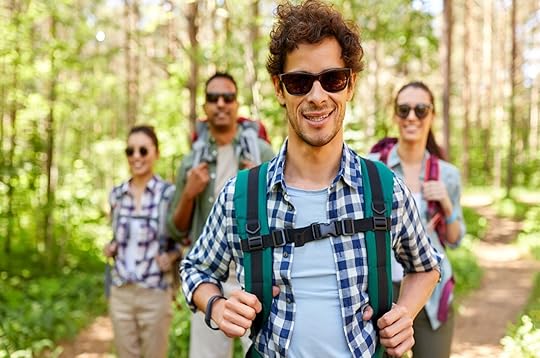
Going outside without a proper pair of shades is like hitting the trail without proper footwear. A good experience depends on your ability to see what’s in front of you, and when it comes to sunglasses, the best are built for an active lifestyle. Your sunglasses need to prevent light flares and minimize eye strain, which will reduce eye fatigue that can lead to headaches after long days in the sun.
These five pairs of unisex sunglasses we’ve recommended below will help protect your eyes (and look good while doing it) during your favorite outdoor pursuits. Oh, and they’re all eco-friendly or come from carbon-neutral brands, so you can feel good about your purchases.
We hope you love the sunglasses we recommend! Just so you know, Matador may collect a small commission from the links on this page if you decide to buy anything. Listed prices are accurate as of the time of publication.
Best overall outdoor sunglasses: Anon Advocate
Photo: Burton

Photo: Alisha Wenger

Photo: Burton
I rarely feel like I look very good when I return to the parking lot sweaty and panting after a full day of spring splitboarding or backcountry skiing. That changed this spring with the arrival of the Anon Advocate sunglasses. Designed for active mountain adventurers who value style, quality, and performance, these outdoor sunglasses are expensive but worth the cost if you can swing it.
As far as I’m concerned, the Advocate is the best improvement on activewear shades since SPY Optics shifted the market in 1994. The round eyepiece fits well underneath a hat or helmet, the slight curve of the lenses reflects sunlight from three different angles (which spares your eyes), and the side shields reduce reflection from snow or water on the ground around you. They’re also comfortable to wear: the frame widens just enough around the nose to sit comfortably on your face and stay there, helped by a curved temple tips that hug the ears.
I started using the Advocates this year for backcountry touring, in large part because of how easy they are to wear under a beanie and helmet. Admittedly, with the rounded and larger-than-average lenses, I felt a bit like Val Kilmer in “Wonderland” when I first put them on. But I got over that by the top of the first ascent and now they’re my go-to outdoor sunglasses.
The large frame size and high-performance Perceived Polarization do a great job of controlling bright white light (the type of light reflected off snow). And the unisex design means you can buy yourself or your significant other a pair, and either can be jealous of the person wearing them (or steal them).
I finally have a pair of outdoor sunglasses I want to wear both on the mountain and on the brewery patio afterward. The Advocate is almost too stylish for a brand that largely targets snowboarders, but I’m not complaining. My style has needed a swift kick for some years now, and these shades will play an ample role in making that happen.
SustainabilityBurton, Anon’s parent company, is the role model for how a major snowboarding brand can embrace sustainable business practices. The company aims to be climate positive by 2025 and is actively working to reduce emissions from its supply chain and power all of its facilities with renewable energy.
Price: $229.99
Best sunglasses for traveling and active movement: Ombraz Armless Classic Regular
Photo: Tim Wenger
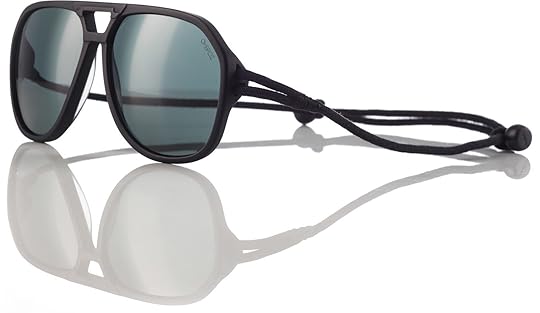
Photo: Ombraz

Photo: Suzie Dundas
Ombraz went back to the drawing board to create a pair of shades that won’t fall off your head when you’re constantly on the go. The Classic Regular sunglasses ditch the traditional temples for a polyester strap that tightens to fit around the head. The armless design prevents helmets or hats from pushing on the armband, and it also keeps the shades on your noggin while in motion. This makes them great for travel days as well as activities like cycling, where you need the shades to hug your face tightly and not slip or slide.
I keep my pair of Ombraz in my mountain biking pack so that I always have them with me when I head out to the trail. They store easily in your pocket or backpack without creating a lump. The strap loosens to allow you to wear them around your neck while not in use — a huge plus if you’re like me and are constantly “forgetting” where you put your sunglasses. As a bonus, the lenses are perfectly polarized and the Classic Regulars look good on both women and men.
The Classic Regulars do take a bit of getting used to. For starters, you can’t rest them on top of your head because there’s no side support, and you need two hands to tighten and loosen the strap each time you put them on — though this takes just a second and the secure fit is worth the effort.
My immediate reaction to them wasn’t overtly positive, but the more I used them, the more I got used to the routine. I took them with me on a week-long trip to sunny Mexico and wore them either on my eyes or around my neck the entire time. I was concerned I’d look ridiculous wearing shades without temples, but my wife confirmed that was a non-issue and thought they looked “distinctive.” And another huge bonus? They’re nearly impossible to break, which is ideal if you’ve ever sat on a pair of sunglasses.
SustainabilityOmbraz is a 1% for the Planet member and is Carbon Neutral Certified.
Price: $150
Best sunglasses for the beach and on-water activities: COSTA WaterWoman II Polarized Sunglasses and Del Mar Polarized Sunglasses
Photo: Costa

Photo: REI
Being on the water can be extra-taxing on your eyes as they have to constantly readjust between sunlight coming from above and reflections from the surface. COSTA addresses this by polarizing its sunglasses specifically for beach conditions, and it’s noticeable. I prefer to wear COSTA Del Mar shades on river trips and beach days and have noticed I can look at the water and the area directly above it more clearly and with less strain.
The Hydrolite nose stays firmly in place even on choppy water, and with 10 percent light transmission and 100 percent UV protection, I can capture the scene around me without burning my eyeballs or lids. The lenses are specifically designed to filter yellow light, making them ideal for coastal areas. I found them comfortable and easy to conform to my big noggin thanks to the customizable core wire.
COSTA sunglasses are some of the coolest-looking shades you can buy, and while they aren’t cheap, they’ll last you for several seasons and can go with just about anything you wear. The shades have gained a dedicated following among anglers due to the enhanced color patterns allowed by the polarization of the glass lenses – it’s easier to spy into the water with improved contrast, and if there’s one thing COSTA excels at above other brands, it’s in designing lenses with strong contrast.
If your time is spent on the sea, the river, or the lake, COSTA’s WaterWoman II and Del Mar are your go-to shades.
SustainabilityThe COSTA Kick Plastic initiative means the brand uses BioResin (naturally derived) rather than plastic-based resin as the base material for their shades.
Best outdoor sunglasses for hiking and light mountaineering: Smith Lowdown
Photo: Smith Optics/Vimeo Screengrab

Photo: Smith Optics

Photo: Suzie Dundas
A good hike includes great views. Smith’s Lowdown Split sunglasses are perfect for alpine vistas and seaside overlooks because the wraparound ear frame stays put no matter where your head moves. I’ve worn Lowdowns on dozens of hikes and appreciate their comfort and simplicity. Matador’s outdoor editor also likes the Lowdown (though she uses the non-split, with a full frame around the lens) for hiking because of its excellent ability to filter light and reduce contrast in sunny, heavily wooded areas.
The ChromaPop polarized lenses curve around my eyes almost perfectly, preventing the sun from sneaking in no matter which direction I’m walking – even at sunset. Crossing large scree fields (piles of small-to-medium-sized jagged rocks) means hikers sometimes have to bend over and use their hands to stabilize themselves, which can cause sunglasses to fall off your face and directly into a pile of jagged rocks. But I find that the Lowdown Split shades remain firmly tucked around my ears even when I’m contorted to near-horizontal postures to move across challenging sections of trail.
Another aspect I love about these shades are the silicone nose pads, which prevent grease from building up on your nose and keep the shades comfortable even if you’re out on the trail all day long. The shades look good on both men and women and come in a variety of colors and options ranging from dark to light. You can also choose a lens color that matches your trail style.
SustainabilityLowdown frames are built with a bio-based resin and with stainless steel temples, rather than plastic.
Price: $189
Best affordable outdoor sunglasses: Sunski Puerto Polarized Sunglasses
Photo: Tim Wenger
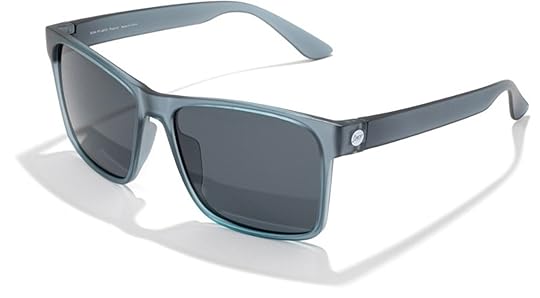
Photo: REI
Sunski is an anomaly among outdoor sunglasses manufacturers. Rather than continually pushing up its prices, the brand keeps shades around $50 per pair. Somehow, it manages to hold onto quality and performance at that price point. I’ve had a pair of Sunski Puertos for over a year now and love them for daily use. The shades are comfortable and polarized, reducing glare and the skin-harming squinting that comes with it.
I take my Puertos with me on road trips because their performance is dependable for just about any activity I might get into. And let’s be honest — items tend to turn up missing on the road, and while losing a $50 pair of shades stings, it stings much less than losing a $200 pair. The Puertos look good on both men and women, and their vibe is versatile enough to wear to summer weddings or outdoor brunches.
SustainabilityThe SuperLight frames are built from “scrap plastic” — plastic that would otherwise end up in the trash.
Price: $48
More like thisOutdoorPatagonia Baggies Review: I Finally Tried the Cult-Favorite Shorts, and I Get the Hype.These Galveston Airbnbs Give You Access To the Best of Texas Island Life
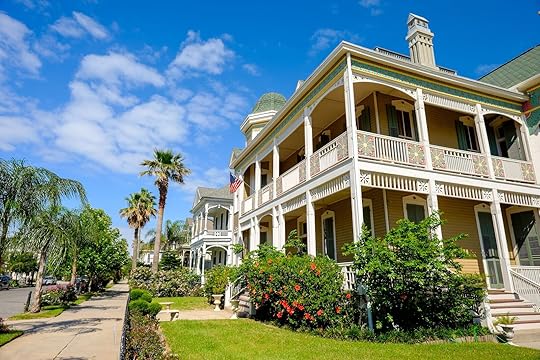
It’s time to pack up those bags and head to Galveston. Filled with a lot of history and culture, and let’s not forget the 32 miles of beach, this southern vacation spot is the ideal place to come and relax your toes in the sand and get your art and cultural fix. Head out to the southern island, stay in a landmark Airbnb Galveston property or a relaxing beachfront condo, and put yourself in vacation mode.
We hope you love the Airbnb Galveston stays we recommend! Just so you know, Matador may collect a small commission from the links on this page if you decide to book a stay. Listed prices are accurate as of the time of publication.
Newly renovated home with Galveston Charm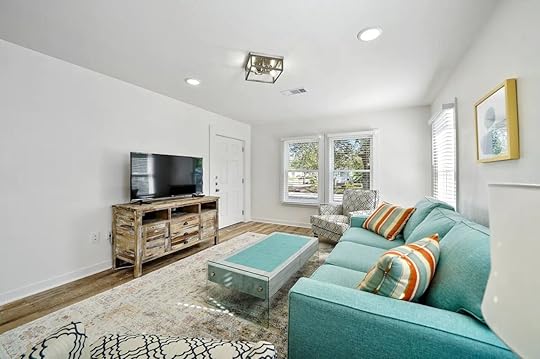
Photo: Airbnb
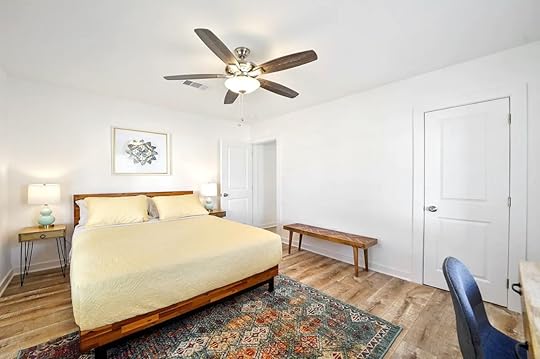
Photo: Airbnb
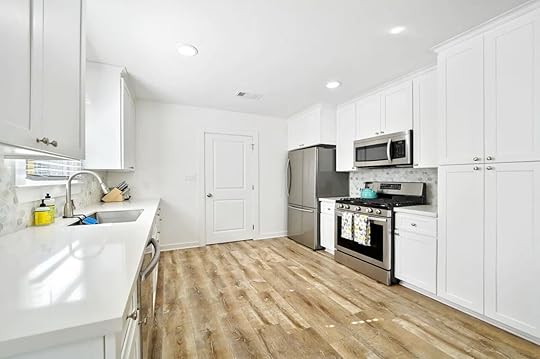
Photo: Airbnb
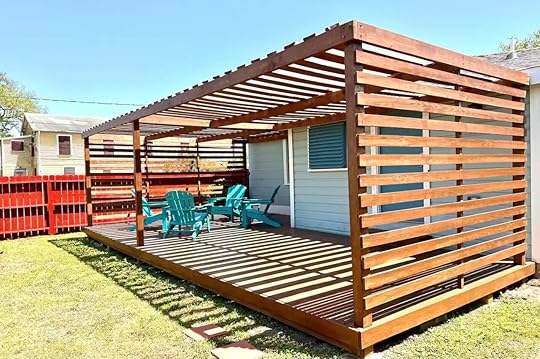
Photo: Airbnb
Come and relax in this Airbnb Galveston property, a five-minute drive from the beach and a short drive to the island’s entertainment. This newly renovated home has a brand new remodeled kitchen with a large deck and a spacious yard. Unwind in the cozy living room after a day out on the town.
Four guests, two bedrooms
Price: $180 per night
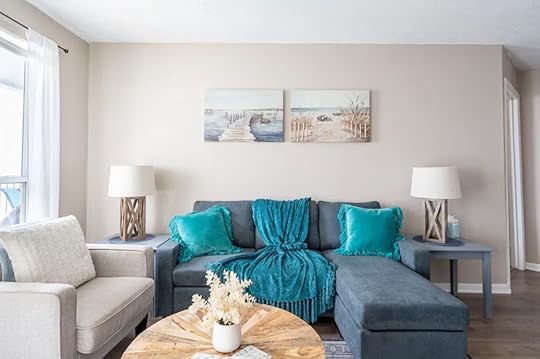
Photo: Airbnb
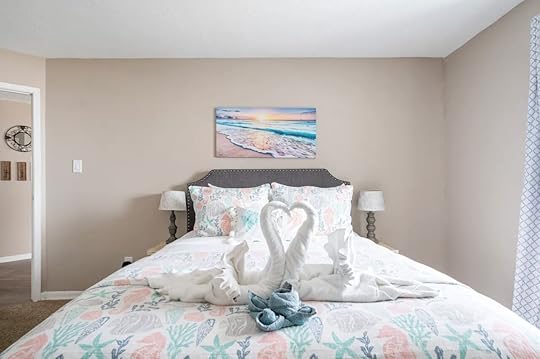
Photo: Airbnb
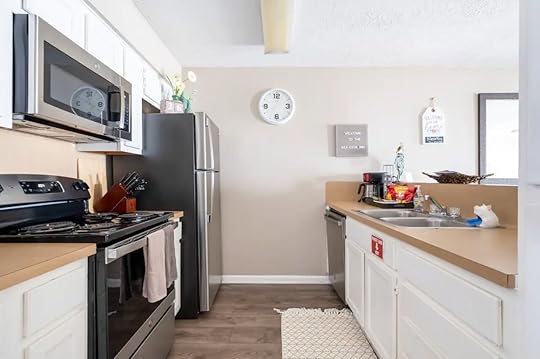
Photo: Airbnb

Photo: Airbnb
Check out this beachfront condo directly across the street from Babe’s Beach. This condo has two bedrooms and two bathrooms, a fully equipped kitchen, and a spacious living room. Take a seat on the balcony and enjoy the beautiful sunrise and sunset on the beach.
Six guests, two bedrooms
Price: $129 per night
Traveling to Texas? Check out Matador’s Texas accommodations guides:The best Texas Airbnbs to experience Lone Star cultureThe best Dallas Airbnbs, from a Deep Ellum warehouse to a family ranch9 San Antonio Airbnbs within walking distance of the riverwalkThe 9 most exciting boutique hotels in DallasThese 9 luxurious Houston Airbnbs are the best in the heart of the cityThe best Austin Airbnbs for large groupsThe La Maison Bleue
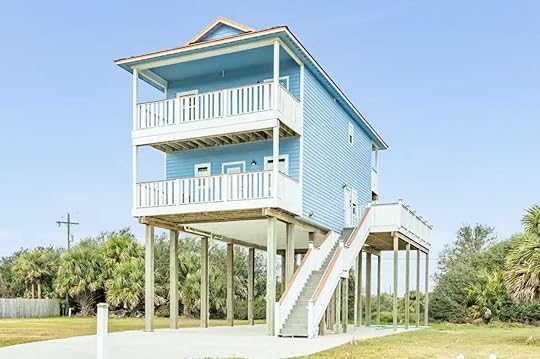
Photo: Airbnb
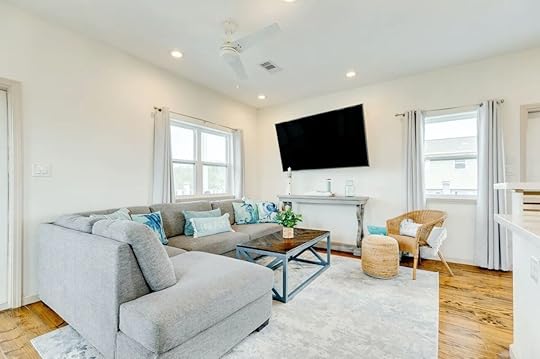
Photo: Airbnb
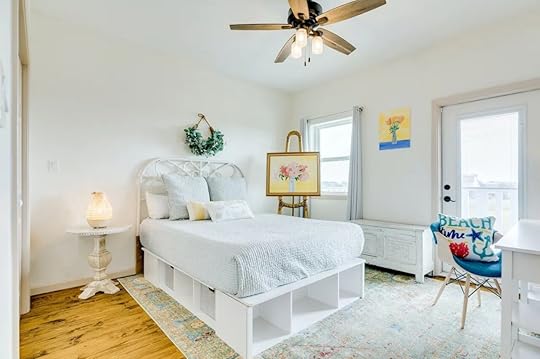
Photo: Airbnb
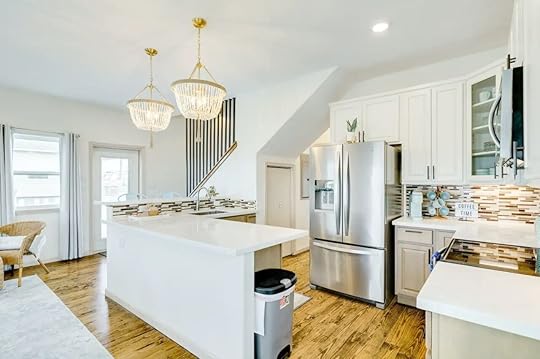
Photo: Airbnb
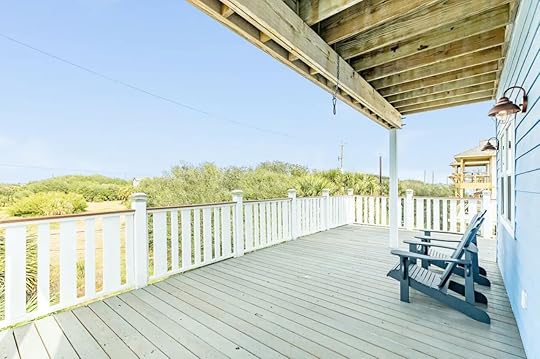
Photo: Airbnb
Pack your bags and escape to this private relaxing retreat. This beach home is perfect for a family vacation or friend’s getaway. The house is split between two levels so everyone can enjoy space and privacy. The first level has a furnished deck and gorgeous views, a full kitchen, a spacious living room, and a primary suite with a private balcony.
Eight guests, three bedrooms
Price: $247 per night
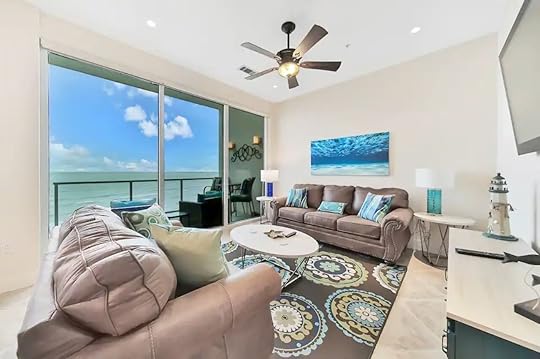
Photo: Airbnb
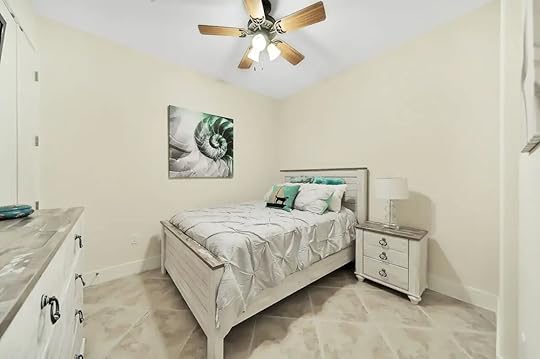
Photo: Airbnb
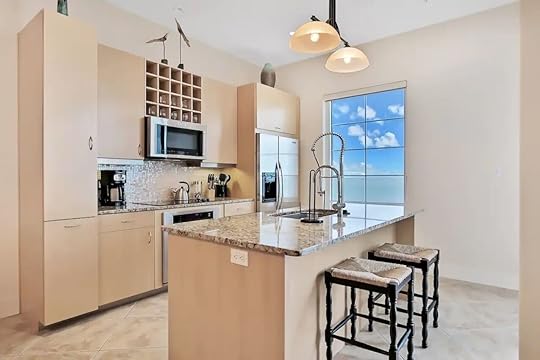
Photo: Airbnb
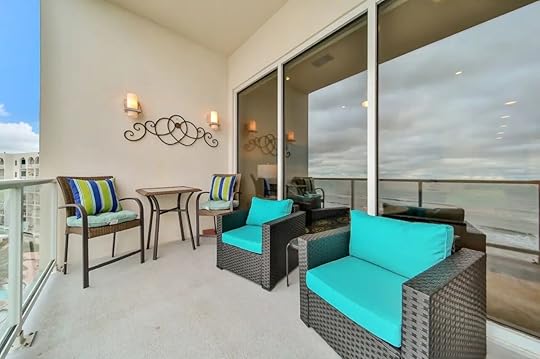
Photo: Airbnb
Enjoy some beautiful Gulf views and sunrises at this Airbnb Galveston property. Relish the beachy condo’s open floor plan, modern kitchen, and furnished balcony. Enjoy on-site amenities like the shared pools, lazy river, hot tub, kids playroom, theater room, and game room. The condo is near top attractions like the 70-block downtown area with shops and more.
Six guests, three bedrooms
Price: $384 per night
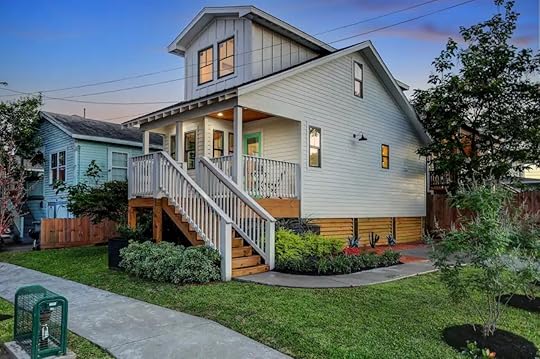
Photo: Airbnb
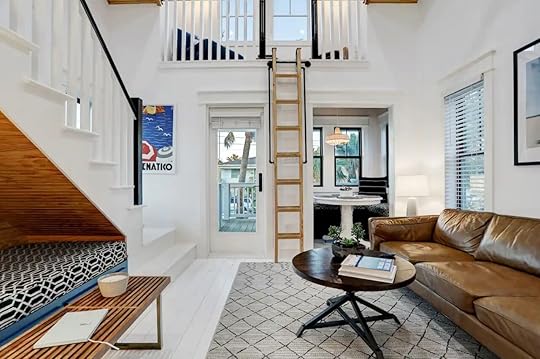
Photo: Airbnb
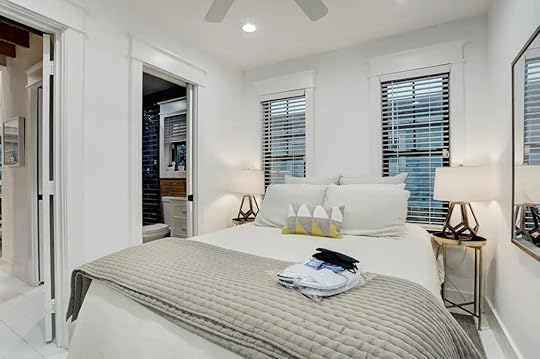
Photo: Airbnb
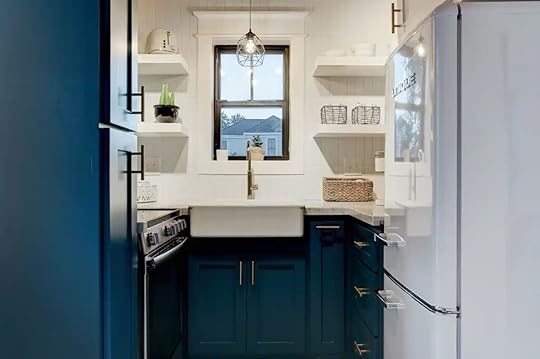
Photo: Airbnb

Photo: Airbnb
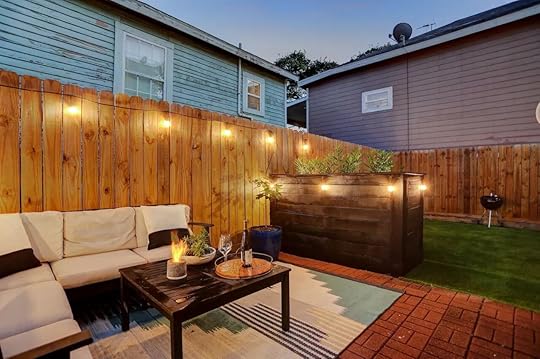
Photo: Airbnb
Are you looking for an inland stay? Then this cozy cottage is just the place for your Galveston getaway. This Galveston Airbnb has a cathedral ceiling and a loft area stocked with classic retro vinyl, a reading nook, a fully equipped kitchen, a spacious living room, and an entertaining outdoor space. This home is your escape from the city as its vibe is a world away from Houston’s bustling urban center. You’ll never want to leave.
Five guests, two bedrooms
Price: $140 per night
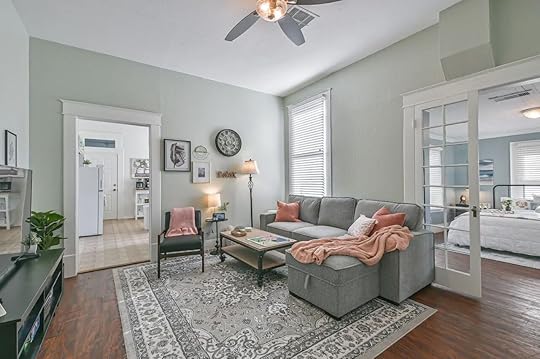
Photo: Airbnb
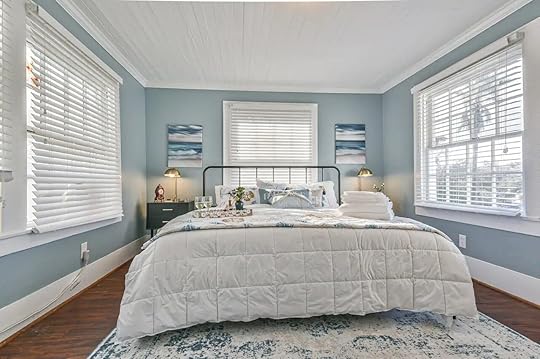
Photo: Airbnb
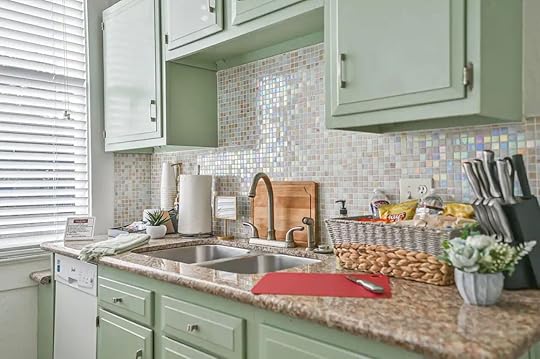
Photo: Airbnb
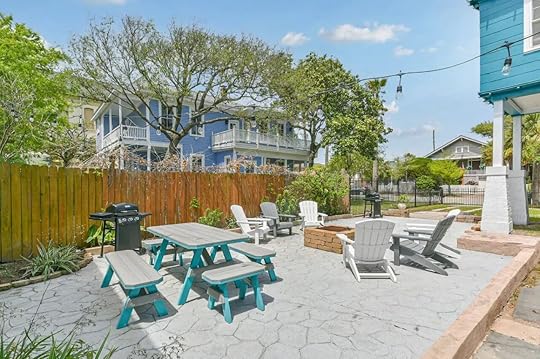
Photo: Airbnb
This historic home was built in 1910 and updated with a beachy modern vibe. The house is part of the Silk Stocking District and still retains its old charm. The cozy home has a gorgeous decorated living room area, a fully stocked kitchen, and a shared outside area with a fire pit BBQ. The house is near many attractions within walking distance, like the Pleasure Pier.
Four guests, one bedroom
Price: $90 per night

Photo: Airbnb
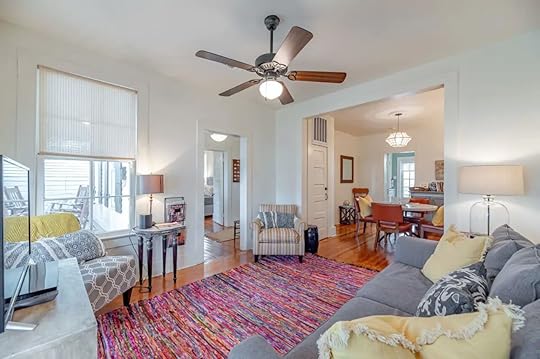
Photo: Airbnb

Photo: Airbnb
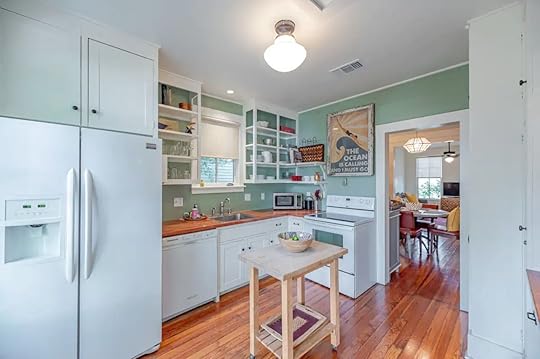
Photo: Airbnb
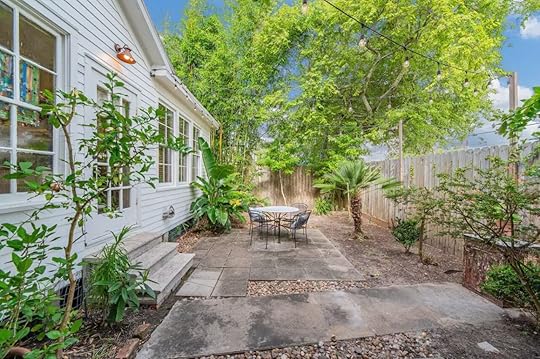
Photo: Airbnb
Here’s another historic Airbnb Galveston home you don’t want to miss out on. This home is in the heart of Galveston’s historic Lost Bayou. This home has a full kitchen, dining room, and open living room. If you want to sit out and enjoy the Galveston weather, there is a full front porch with seating and a spacious forest-like backyard for you to enjoy.
Six guests, two bedrooms
Price: $168 per night
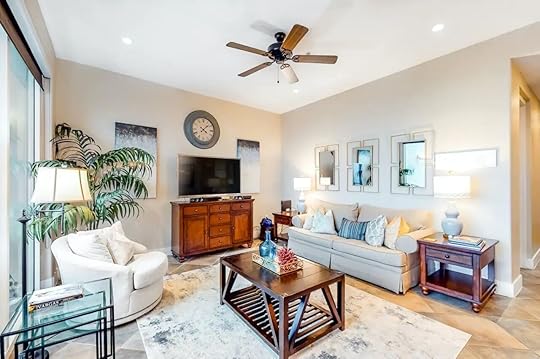
Photo: Airbnb
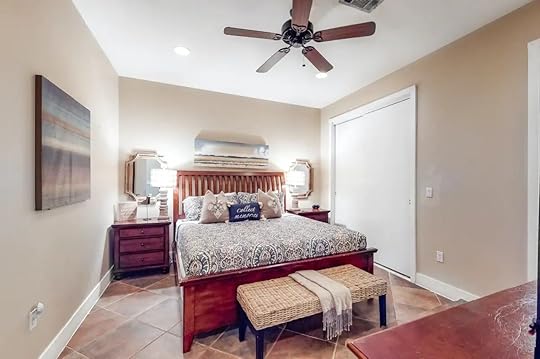
Photo: Airbnb
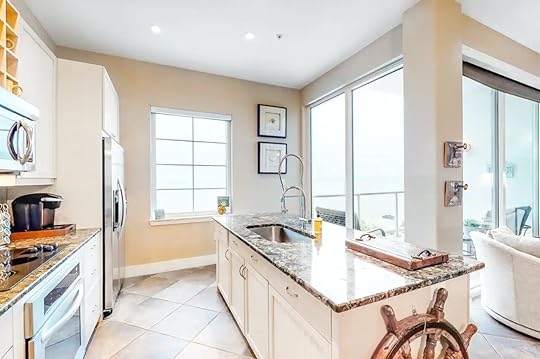
Photo: Airbnb
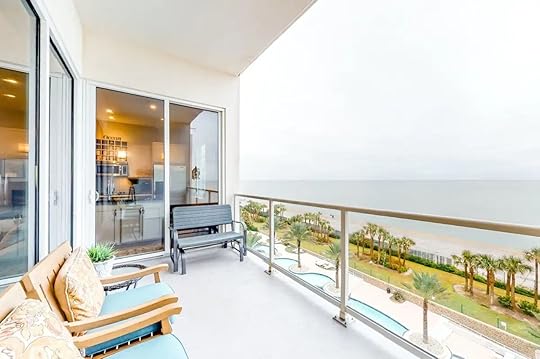
Photo: Airbnb
Start your vacation off in this gorgeous beachfront condo. This spacious condo has everything you need for your stay and on-site amenities like the twisting water slide, lazy river, game room, and more. If you’re looking to do some exploring, the Historic Galveston Strand for shopping and more is just seven miles away, and Moody Gardens is three and a half miles away.
Six guests, two bedrooms
Price: $411 per night
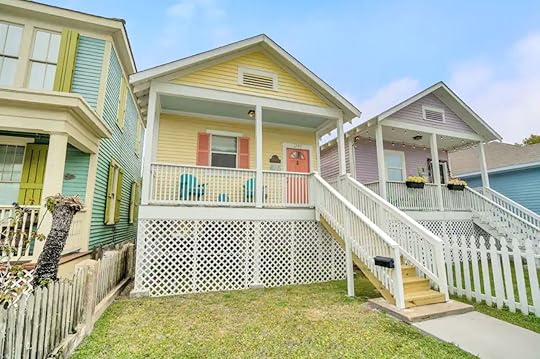
Photo: Airbnb
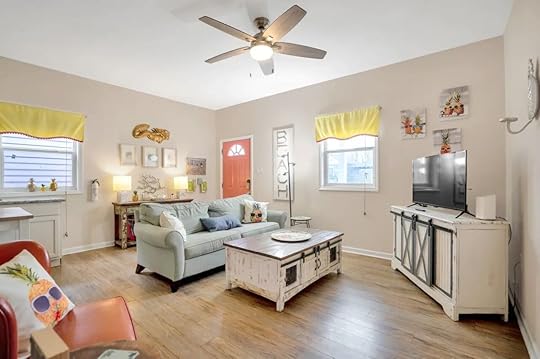
Photo: Airbnb
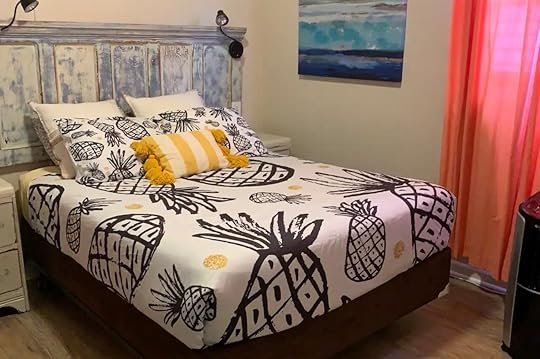
Photo: Airbnb
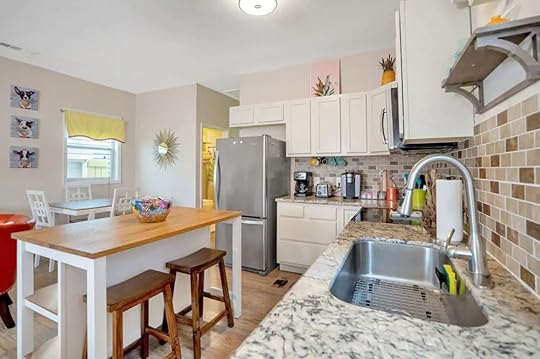
Photo: Airbnb
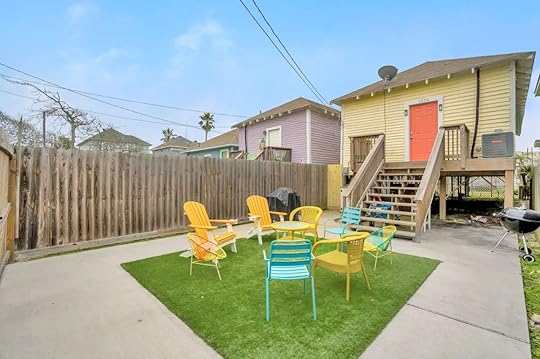
Photo: Airbnb
Gather the family up and stay at this colorful Galveston Airbnb. The home, commonly known as the Pineapple Cottage, is the perfect bungalow for a family trip. This peaceful and centrally located home is close to the beach and has one queen bed, sleep sofa, and bunk beds for the kids. Wind down with the family in the cozy living room, whip up a delicious meal in the fully equipped kitchen, and relax on the front porch with your cup of coffee, watching the sunrise.
Six guests, two bedrooms
Price: $134 per night
This Airbnb in North Carolina Has a 75-Foot Water Slide Into a Lake
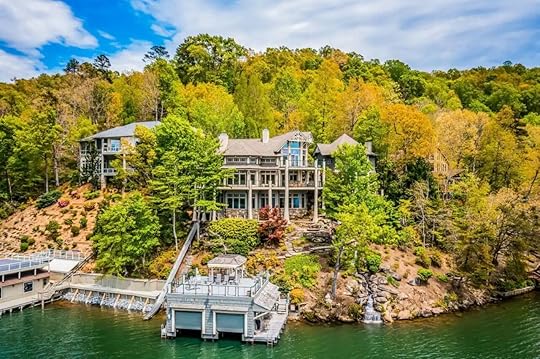
Hold on to your hat — or in this case, your swimsuit, when you stay at one of the most outrageous Airbnbs in the US. This Airbnb in North Carolina not only sleeps a group of 16, it has a 75-foot water slide into Lake Lure in Rutherford County.
@galen.avl75 foot water slide at Airbnb in Lake Lure NC!
♬ original sound – Galen Walter
We hope you love the stay we recommend! Just so you know, Matador may collect a small commission from the links on this page if you decide to book a stay.
The five-bed, five-bath estate is the ultimate summer lakeside cottage.
The main house has three enormous suites, a guest room, and charming twin-over-twin alcove bunks. In the main suite, which is spread over the top floor and comes a jetted tub, you’ll find awe-inspiring views over the lake and a gym.
Downstairs, while away summer evenings playing board games and pool in the property’s games room. And for those who enjoy cooking, the kitchen is top-notch and floods out onto the outdoor porch.
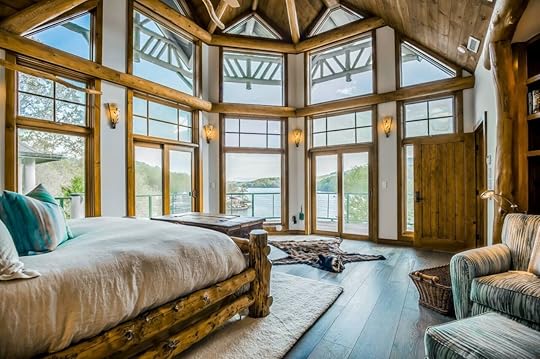
Photo: Airbnb
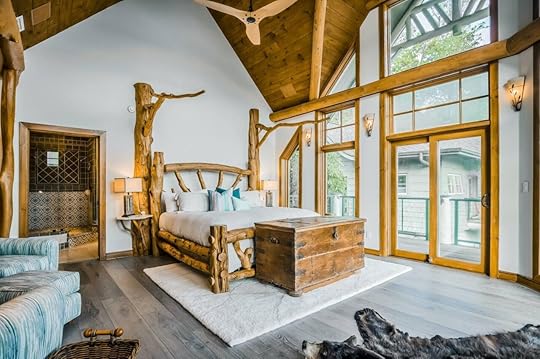
Photo: Airbnb
Photo: Airbnb
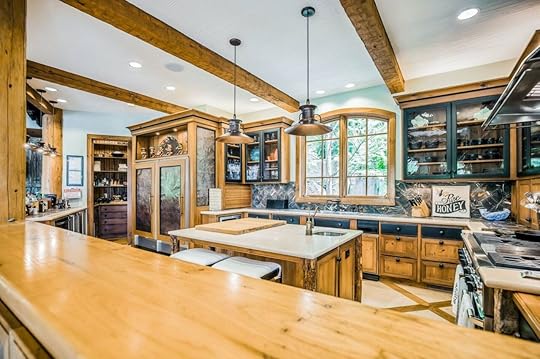
Photo: Airbnb
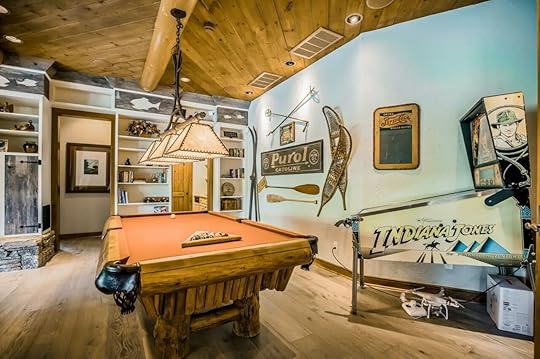
Photo: Airbnb
There’s also a small cottage on the property where you can pop your parents guilt-free. In this case, say “cottage” doesn’t mean some crumbling cabin in the woods. The one-bedroom cottage comes with all the modern conveniences, a smart TV, a fully kitted kitchen, its own dining space, and an ensuite.
However, the integration with things to do at the lake is what makes this Airbnb really stand out.
First there’s the private private boat dock. The rental also includes SUPs and kayaks with all the gear you’ll need to keep the kids safe. There’s also a 14-foot waterfall cascading into an outdoor pool and a private hot tub.
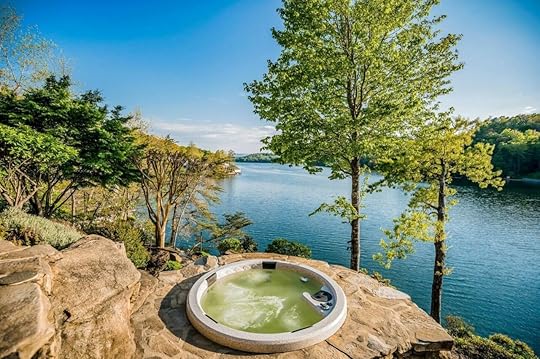
Photo: Airbnb
Photo: Airbnb
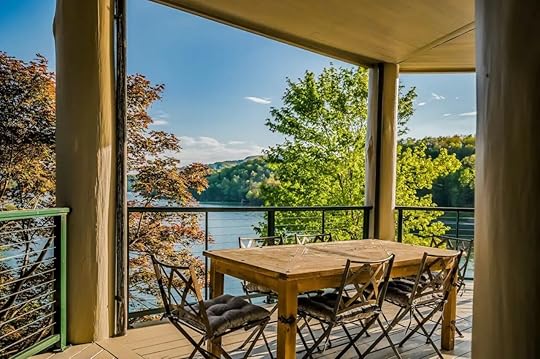
Photo: Airbnb
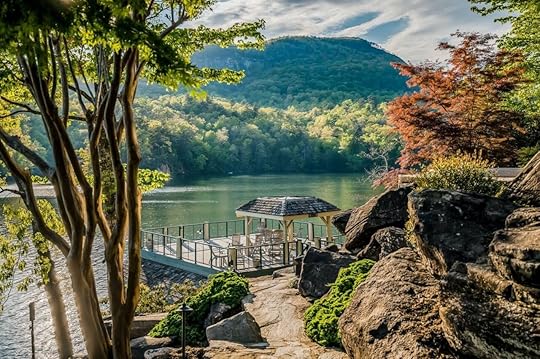
Photo: Airbnb
But the main selling point is the 75-foot stainless steel water slide which the listing notes as “your own personal water park.” It doesn’t get much better than that on a hot summer day.
5 Kinds of Travel That Are Simply Easier (and a LOT More Comfortable) in an RV
 5 Kinds of Travel That Are Simply Easier (and a LOT More Comfortable) in an RV
By: Robert Annis
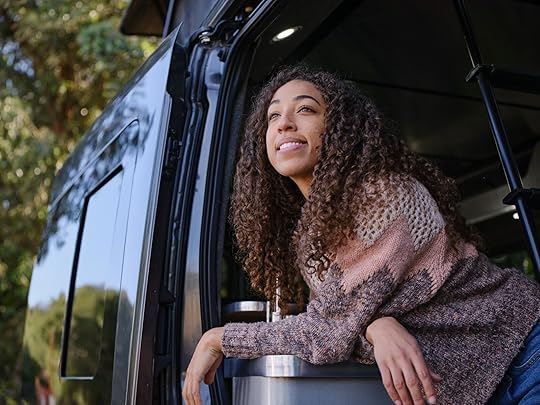
Photos courtesy of Go RVingAfter six years of traveling together, my RV has spoiled me for every other type of transportation. I’ve spent months at a time exploring the gorgeous North American continent — from the Everglades’ menagerie of aquatic wildlife to the colorful badlands of South Dakota to the towering cacti of Saguaro National Park.
Virtually wherever I go, my RV is the perfect way to not only get there, but to better enjoy my stay. I like to think of it as a huge suitcase, with all the gear I need for whatever adventure (and climate!) I might find off the highway. Here’s why I recommend RV travel to anyone curious about big adventure — no matter what type of adventure it may be.

This post is proudly produced in partnership with Go RVing.
Work-from-the-Road Dreams
As an outdoor-travel writer, I do a lot of work from the back of my Class B camper van. It’s fully loaded — sink, fridge, toilet, and, most importantly for my editors, a desk for working on my laptop. The van provides a more-than-adequate space for getting work done on the road, so I can have the best of both work and play. (I’m actually writing these very words from the back of my van just outside Casper, Wyoming, a fly-fishing pitstop on my latest three-week RV tour!)
Participating in the digital nomad lifestyle has helped my creative juices flow. The main way I combat writer’s block is by leaving my van and going for a hike in the great outdoors. An RV gets you up close and personal to the inspiration you need, and I always return refreshed and invigorated.
As long as you have wifi — or a good cell signal and a wireless hotspot — the world turns into your office. A cell booster can help ensure you (almost) always have a reliable signal to get your work done. I’ve mounted mine to the roof of my van, and it doubles the strength of my cell so I can always keep in touch with loved ones back home, as well as my business contacts. Think of how jealous your coworkers will be — instead of throwing up a virtual waterfall background on your Zoom call, you could very easily have an actual waterfall behind you.
Go RVing mobile office tip: If you’re planning an extended trip in your RV, simple alterations can help smooth your workflow, in spite of the smaller space. I’ve seen lots of RVers who’ve finessed multiple monitors or impressive PC hardware into their rig. Depending on your needs and the size of your RV, you can either create a dedicated workspace or simply slip your laptop into your bedside table when work is over and playtime begins.
Solo EscapesDespite being married, I do about 90% of my traveling alone, and my 19-foot camper van is the perfect size for solo adventuring. Whenever I need to decompress and enjoy some time on my own, I hit the road. Driving hundreds or thousands of miles, then maybe hiking dozens more in the woods alone without having to return to civilization, is my ticket to recharging my batteries.
Traveling the country in an RV makes for the perfect conversation starter if you want to meet people from different walks of life. I’ve lost count of the times that groups in the campground have invited me over for a beer or s’mores after noticing I’m on my own. I’m always amazed at how I head out to a destination and end up returning with new stories and faces in my memory bank.
Go RVing solo travel tip: Traveling on your own is exciting, but it can get lonely at times. For an instant dose of comfort, put up photos of your friends and family and mementos of your travels. These feel-good items make your RV the next best thing to home.
Off-the-Grid AspirationsHaving a self-contained RV — solar, full water tank, bathroom — means I can comfortably stay in the farthest corners of Bureau of Land Management (BLM) land or national forests, where there may not be established campgrounds or electric hookups. My van gives me confidence to travel further afield and stay there even longer. Roughing it has been smoothed out just a bit thanks to my RV.
Going solar has truly boosted the comfort and capabilities of my van. Using a solar system that a friend and I installed, I’m able to turn on lights, charge my devices, and keep a fan going to cool off in the summertime. I almost always recommend this investment to those who are ready to take the plunge into boondocking.
And when the ice in my friends’ coolers has melted, my mobile fridge pays dividends. It’s upped my food game and makes traveling on the road for long periods of time that much more enjoyable. While they’re eating freeze-dried meals, I’m whipping up tasty culinary creations, aka mac n’ cheese with un-curdled milk.
Go RVing off-the-grid tip: Being away from it all often means being far from cell towers. Bring an emergency beacon or install a cell-booster beforehand. (Or do both.) Even if you never have to use it in an actual emergency, the peace of mind is definitely worth it.
Adventure BasecampWhen I travel in my van, it’s like traveling with an entire gear garage; I bring bikes, helmets, hiking boots/poles, fly rods, camera equipment, maybe even a foldable kayak. I’m ready for almost any adventure I stumble upon. Isn’t that what adventuring is all about?
Forget about plans going awry or that horrible feeling when you make it to your destination only to realize you forgot a vital piece of equipment. There’s enough room in my RV to bring a spare helmet, gloves, and other equipment that could either fail, break, or be forgotten by one of my adventure buddies.
After a long day exploring the trails, I look forward to kicking my feet up when I get back to the trailhead or campground. Instead of having to sleep on the ground, I’ve already set out my cozy hammock and extended my van’s retractable awning. All that’s left is to enjoy the many other creature comforts — like a cold beer — that fit in my RV.
Go RVing adventure tip: If you’re planning to park your RV in the same spot for a few days or more, consider bringing along an e-bike to get around the area more easily. Many campgrounds sit along bike paths that take you to the nearest town or park.
Music Festivals Middle photo by Leszek Glasner/ShutterstockI’ve camped at multiple music festivals over the years, and while you can’t beat the energizing experience of live music, I never want to do it again without my van. While my friends are either waiting in yet another outrageous line for a shuttle bus back to a faraway hotel or trying to fall asleep on the ground in a hot tent during a sticky summer night, I’m lying in a comfortable bed underneath a cool fan, being serenaded to sleep by the faint sound of music and revelers’ voices. RVs are welcome at music festivals around the United States, such as Bonnaroo and Firefly, so why not add one to your itinerary?
If you’re looking for a good reason, look no further than your RV’s shower. To actually have a way to rinse off after a long, sweaty day dancing out in the dusty air is like heaven. It really is the little things in life. An RV also allows for proper rest and recovery after being on your feet for hours. There’s nothing like sleeping in a real bed in a quiet, private space to give you the energy you need to fully enjoy the festival.
Go RVing festival tip: Taking your RV to the festival allows you to create meals that are better and cheaper than anything you might find between stages. This rings especially true if you have specific dietary needs.
With an RV as your travel companion, your options broaden significantly, no matter what kind of trip you’re on. When you travel by RV, getting to the destination becomes a rewarding part of the journey. You’re not hustling to get to the airport on time or running to catch a train — you’re taking in each moment, watching the landscape change as your drive past. Trust me, those memories will last a lifetime.
This post is proudly produced in partnership with Go RVing.
The 7 Best Washington DC Cocktail Bars You Need To Go To

Washington DC’s cocktail scene is undeniably on the rise. Perhaps the best part of the city’s up-and-coming cocktail culture is the genuine local comradery amongst DC-based mixologists. “I really love the DC cocktail scene,” says Deke Dunne, bar director at Allegory. “I mean it when I say that we have the coolest, most non-competitive community there is – a rising tide raises all ships.”
In conjunction with the city’s booming restaurant culture, delicious cocktails can found aplenty in the United States capital. However, knowing where to look is key.
These are the best cocktail bars in Washington DC that you don’t want to miss.
AllegoryView this post on InstagramA post shared by Allegory DC (@allegory_dc)
Located inside the trendy Eaton DC hotel, Allegory is a speakeasy-style bar that beautifully meshes art, social justice, literature, and craft cocktails. Situated behind the hotel’s Radical Library — from which one can borrow powerhouse books free of charge — this game-changing bar’s atmosphere provides a thought-provoking backdrop to the space’s equally intriguing drinks. Allegory’s current menu (as well as the bar’s walls) tells the story of Alice in Wonderland through the lens of civil rights pioneer Ruby Bridges, the first African-American girl to desegregate an all-white school.
Dive into the refreshing through my eyes (whisky, bosc pears, pét-nat, perry wine, sparkling water) or explore something a little funkier with the mad hatter (tequila, smoked apple pechuga, dill, falernum, vermouth, clarified butter). Classic cocktails and snacks are also available – don’t skip the toad in a hole or caterpillar’s mushroom.
Address: 1201 K St NW #1, Washington, DC 20005
Silver LyanView this post on InstagramA post shared by Silver Lyan (@silverlyan)
Situated in the lower level of Riggs Washington DC not too far from Allegory, Silver Lyan is the first American bar from Ryan Chetiyawardana (colloquially referred to as Mr. Lyan) of World’s Best Bar cocktail winner for London-based Dandelyan (now called Lyanass). Here, Lyan combines his global travel experience and precise mixology expertise to create bespoke cocktails that highlight seasonal flavors and ingredients sourced from local farmers, with a focus on the “cultural exchange” between the United States and the United Kingdom.
“Silver Lyan is a boundary-pushing cocktail bar with a crack team of bartenders that puts more thought and care into their cocktails than anyone you’ll ever find,” Dunne says. “I sometimes find myself jealous when sipping their cocktails, admiring the brilliance behind every drink. Their cocktails are only matched by their world-class hospitality.”
Address: 900 F St NW, Washington, DC 20004
Service BarView this post on InstagramA post shared by Service Bar DC (@servicebardc)
According to Dunne, Service Bar is the ultimate bartender’s bar.
“They are an industry hang that will serve you a beer, a shot, or an expertly crafted, ice cold Daiquiri – no judgments here, just banging cocktails and unmatchable vibes,” he says.
Founded by Chad Spangler and Glendon Hartley in 2016, this award-winning cocktail bar (number 18 in North America, according to 50 Best Bars) continues to capture the hearts of industry folk and consumers alike. According to Spangler, Service Bar has always been a neighborhood bar first, and cocktail bar second.
“Glendon and I found ourselves most comfortable in the neighborhood bar/Irish pub — but why? There was no pretension, reasonable prices, friendly atmosphere and environment, and a strong focus on service,” explains Spangler. “Those ideals became the building blocks of Service Bar, with cocktails coming as our second priority.”
Additionally, Service bar serves food until last call and tables are made from stainless steel for the purpose of leaving notes or playing games with dry-erase markers, so as to create social interaction and conversation among patrons.
Currently, Service Bar has a list of 30 rotating cocktails, with certain staples, such as the rosé all day, are available year round (though its ingredients change according to the season). Food items focus on comfort food, and you shouldn’t miss the fried chicken.
Address: 926-928 U St NW, Washington, DC 20001
BarminiView this post on InstagramA post shared by barmini by José Andrés (@barminibyjose)
Founded by world-renowned chef José Andrés back in 2014, Barmini remains a pillar in the city’s up-and-coming cocktail scene. Considered DC’s first chef-focused cocktail program, this hospitality-focused bar offers classic cocktails, cocktail flights, and custom cocktail creations in their bright and airy space, conveniently located just a few blocks from the National Mall.
“Barmini [mixologists] are legends of the field,” says Dunne, describing the bar as one of the many pioneers that paved the way for the city’s now-booming cocktail culture. “They created their own incredibly advanced techniques that most bartenders can’t even dream of, and their incredible hospitality mixed with science-bending, mind-melding cocktails will leave your jaw touching the floor.” Be sure to save room for the bar’s equally well-crafted small bites to pair with said jaw-dropping libations.
Address: 501 9th St NW, Washington, DC 20004
The Green ZoneView this post on InstagramA post shared by The Green Zone (@thegreenzonedc)
Although The Green Zone’s drinks list may be smaller than those found at many other of the city’s cocktail bars, make no mistake – it’s absolutely worth checking out. Located in the Adams Morgan neighborhood, The Green Zone heavily leans into Middle Eastern flavors both in the food and cocktails.
“The Green Zone blends high energy with expertly crafted, Middle Eastern-inspired cocktails, as well as a rum selection that would make even the most avid collector jealous,” Dunne says.” Enjoy crispy falafel, creamy hummus, or fresh seafood alongside a variety of drinks inspired by the classics (look to the Saz’iraq or Mint Lemonade for examples).
Address: 2226 18th St NW, Washington, DC 20009
SerenataView this post on InstagramA post shared by SERENATA (@serenatadc)
For Latin-inspired drinks, snacks, and vibes, look no further than Serenata. Found in the city’s buzzing Union Market, the all-day menu features craft cocktails, aguas frescas, hand-crafted small bites, and more. “Serenata is a full-service Latin cocktail experience crafting preeminent cocktails sourced and inspired by the many countries that make up the fabric of the rich Latin American heritage,” says AJ Johnson, beverage director and managing partner of the bar.
Johnson explains that the establishment’s name (which means serenade in Spanish) is meant to inspire with its ingredients and their origins. “Like a serenade, we take you on a rhythmic journey through the countries of Latin America with our cocktails, focusing on seasonal and tropical fruits, origin spirits, and world-renowned techniques to craft each drink as a unique experience.”
Serenata was founded by Daniella Senior of Michelin-starred Bresca, and Juan Coronado, José Andrés’ right-hand cocktail guy. Best of all, the bar has introduced Spritz by Serenata, an outdoor trailer bar focused on all things sparkling and Latin-inspired. For summer visitors, Johnson recommends trying the bar’s tu regalito cocktail, a clarified version of a classic piña colada, or the gran oso, crafted with aged rum, single malt Scotch, apricot liqueur, sparkling wine, pineapple, honey, ginger, lime, and angostura.
The casual-yet-convivial ambiance of the bar is both relaxing yet refined, making it the perfect place to transition from day-to-night imbibing.
“Serenata is a cocktail oasis in Union Market, serving up some of the best Latin American cocktails and vibes you’ll find,” says Dunne, highlighting that the bar is also a place that vocalizes and organizes support for people of color in DC. “Their cocktails are only matched by the quality of their character,” he says.
Address: 1280 4th St NE, Washington, DC 20002
O.K.P.B.View this post on InstagramA post shared by OKPB (@okpbdc)
While many bars tend to claim the speakeasy title nowadays, O.K.P.B. actually delivers. The bar recently celebrated its first birthday, and although new to the scene, its cocktails are not to be overlooked. Founded by mixologist David Strauss (of Sheppard), this Mount Pleasant-based bar lies tucked away on the second floor of an unassuming building, located above a dentist office.
“O.K.P.B. is a relative newcomer to the scene, though they execute the speakeasy motif better than any before them,” Dunne says. The focus here is on classic cocktails, though executed in the most meticulously crafted of fashions. Expect well-dressed bartenders, jazz-forward playlists, dim lighting, and nightly cocktail specials listed on handwritten menus. Seating is first come, first served – and if you can, be sure to stop in from 5 to 7 PM for the $7 happy hour featuring Manhattans, martinis, and mules.
Address: 3165 Mt Pleasant St NW, Washington, DC 20010
Matador Network's Blog

- Matador Network's profile
- 6 followers


%20in%20an%20RV)