
Matador Network's Blog, page 428
August 19, 2022
Santa Barbara Breweries: an 8-Stop Walking Tour

There’s a saying in wine country: “it takes a lot of beer to make a great wine.”
Though Santa Barbara may be known the world over as one of California’s best wine regions, most visitors don’t know that the region holds another great secret: fabulous breweries. And as for the wine country saying? Well, workers at the local wineries drink beer to stay refreshed during the warm California summer. (And water, of course.)
Many of the best Santa Barbara breweries are family-owned, use local ingredients, and have state-of-the-art facilities, putting the same care into each bottle of beer as the area’s famous wineries put into each bottle of red.
The tour of Santa Barbara breweries below makes the perfect plan for one day of fabulous beer tasting — especially if you take note of the recommended brew you need to try at each location.
Santa Barbara brewery tour mapIf you walk between all eight of the Santa Barbara breweries below without making any stops, you could do it in about 36 minutes and would cover roughly 1.8 miles. However, making stops is the whole point of doing this tour, so plan on a whole day if you’re visiting every brewery.
You could also break it up if you don’t think you’re up for eight breweries in one day. Walking between the first three (Night Lizard, Institution, and Third Window) will take about 10 minutes and cover half a mile, while visiting the last five (Topa Topa, Validation, Brass Bear, Figueroa, and the Brewhouse) will take about 15 minutes and cover just under a mile. The numbering below assumes you’ll start at Night Lizard and finish at The Brewhouse.
1. Night Lizard Brewing Company
Photo: Visit Santa Barbara
Map: Night LizardMust-try beer: Tiger Salamander SaisonFood offerings: Night Lizard partners with different local restaurants to create rotating menusThis eco-friendly, family-operated brewery uses its eclectic beers to bring attention to conservation efforts. Each beer bottle features a picture of a different endangered species from the central California coast, such as the song sparrow, tiger salamander, and eponymous night lizard. The Nasser family focuses on creating quality beers with local ingredients and is constantly experimenting with new flavors to introduce new brews into their rotation. And thanks to rotating partnerships with local restaurants, they have some of the most varied food among Santa Barbara breweries, too.
2. Institution Ale Co.
Photo: Darryl Brooks/Shutterstock
On State Street, Santa Barbara’s main thoroughfare, Institution Ale Co. is a local, well, an institution. The friendly atmosphere, exquisite craft beers, and highly regarded pizza menu attract locals and visitors alike. Visitors can post up at the bar to try multiple beers or grab a pint and head to the area of old-school arcade games in the back. Heads-up if you come on NFL or MLB game days: this place gets quite busy with California sports team fans.
Map: Institution Ale Co.Must-try beer: Restraint maple brown aleFood offerings: Pizzas, salads, and the always-popular warm pretzel3. Third Window Brewing
Photo: Visit Santa Barbara/Blake Bronstad
Map: Third WindowMust-try beer: Grey GhostFood offerings: Menus vary daily, covering burgers, pizzas, shawarma, and a whole range of other offerings.This award-winning company was founded by Kris Parker, whose parents run Fess Parker Winery and whose grandfather was famed Hollywood actor Fess Parker himself. At Third Window Brewing, beers are inspired mostly by Belgian traditions, but infused with local ingredients ranging from citrus products to cocoa nibs derived from Twenty-Four Blackbirds Chocolates, which makes some of the best chocolate in Santa Barbara. The taproom is in a restored barn, and the outdoor, pet-friendly patio is one of the best hangout spots in town.
4. Topa TopaPhoto: Visit Santa Barbara/Blake Bronstad
Map: Topa TopaMust-try beer: Chief Peak IPAFood offerings: Burgers, sandwiches, and tacos from The Nook (next door)Beer aficionados looking for unusual, innovative flavors will find their happy place at Topa Topa. Its location in Santa Barbara is in the lively and vibrant Funk Zone, the lively and modern part of town filled with galleries, cool bars and restaurants, and wine-tasting rooms. In fact, Topa Topa shares a space with Fox Wine next door, allowing guests to sample the best Santa Barbara breweries and wines in one stop.
5. Validation AleMap: Validation Ale Must-try beer: Whichever was last validatedFood offerings: Small but solid menu heavy on sharable dishesOpened in 2022, this brand new Santa Barbara brewery invites its guests to become part of their process in a very special way; visitors can submit their own recipes, which get brewed and voted on to see which will become “validated” (i.e., part of the bar’s official menu).
Validation Ale is a great hang-out spot for sports fans who also want to enjoy the latest and greatest in craft beers, as the brewery frequently shows live games on multiple TVs that attract plenty of fans.
6. Brass Bear Brewing
Photo: Visit Santa Barbara/Brass Bear Brewing//Blake Bronstad
Map: Brass BearMust-try beer: Blood Orange AleFood offerings: Light bites: charcuterie boards, sandwiches, and grilled skewersThe husband-and-wife team behind Brass Bear wants its customers to know that Santa Barbara’s breweries can be fun spots for the whole family, at least at times. On Wednesday evenings and Sundays, Brass Bear spot offers a supervised area for kids with toys and activities to ensure children have a great time while their parents try some of the best beers in town.
Also in the town’s Funk Zone, Brass Bear offers a wide range of menu items made from locally sourced ingredients on its large patio and backyard area. Drinkers who like lighter beers will appreciate the options usually on tap, including a sour, a blonde, and at least one or two lagers. It’s not all about IPAs here.
7. Figueroa Mountain Brewing
Photo: Visit Santa Barbara/Jesse Natale
Map: Figueroa MountainMust-try beer: Mosaic Pale Ale (it won the World Beer Cup, after all)Food offerings: NoneFigueroa Mountain Brewing, often just called Fig Mountain, is the place to be for a fun night out in a lively atmosphere. With local bands performing live several nights a week, plus events like game nights and trivia nights, Figueroa guarantees a good time for friends and large groups.
A father-and-son team runs the brewery, which was awarded the “Best American Pale Ale” prize at the 2022 World Beer Cup – an event that does exist and, yes, is as fantastic as it sounds.
8. The BrewhouseMap: The BrewhouseMust-try beer: Saint Barb’s TripelFood offerings: On-site restaurantThis classic American bistro and brewery is a local favorite in Santa Barbara, partly thanks to its extreme dog-friendliness – it even has a separate menu for dogs. The owners, Pete and Casey, take pride in crafting The Brewhouse’s beers on site, using two big copper vessels to complete the process. Check out the extensive list of stouts, pale ales, IPAs, and pilsners, though any of the other 20-plus beers are equally good choices.
The Brewhouse is also one of the few Santa Barbara breweries with a full-service restaurant, offering a variety of appetizers and main dishes covering meat, seafood, and pasta dishes, as well as sandwiches and burgers.
Guided tours of Santa Barbara breweries
Photo: Visit Santa Barbara/Cal Coast Adventures
Many of the best Santa Barbara breweries are in central areas of Santa Barbara, around State Street or the Funk Zone. Walking between them is easily doable and recommended as, obviously, you’ll want to avoid driving around town (unless you have a designated driver).
However, for those who want to explore more of the city and check out different breweries in the process, Cal Coast Adventures offers a Bike and Beverage Tour. Guests can bike around town and explore different corners of the city while sampling some of the best wine and beer Santa Barbara has to offer.
Guests who want to try some of the best Santa Barbara breweries and learn a bit about the town’s history in the process should consider the Santa Barbara Craft Brewery & History Crawl from Totally Cali Tours.
Taxis and rideshares are also readily available in town, so don’t stress if you did drive and it turns out the beers you tasted were a little stronger than expected. Just leave your car parked, take a Lyft back to your hotel, and swing back for your car in the morning. You can use it as an excuse to try some of Santa Barbara’s best breakfast restaurants and coffee shops while you’re at it. 
More like thisNewsThe Most, and Least, Expensive States for a Pint of Guinness


Ultimate LGBTQ+ Guide To San Antonio

Packed with colorful and festive events, a blend of cultures that’s reflected in an array of delicious food, and unique and historical sites, gay San Antonio is also one of the queerest cities in Texas.
“When you have a melting pot like San Antonio, you are surrounded by different cultures, backgrounds, and a multitude of diversity within our LGBTQ+ community,” shares the award-winning drag queen Kristi Waters, who recently served as grand marshal for the city’s new river Pride parade. “Travelers will not only feel a warm welcome but the charm and friendliness that we genuinely present. We are about love, community, and having a great time,” Waters continues.
With one of the largest populations of LGBTQ+ parents in the US, the city has a prospering LGBTQ+ community, over a dozen nightlife options, great food, and an exciting drag scene.
A brief history of the LGBTQ+ scene in San Antonio
Photo: Visit San Antonio/Luther’s
According to The University of Texas at San Antonio Libraries, drag culture in the Alamo City goes back to the early 1900s.
In the 1930s, Texas female impersonator Ray Bourbon’s Hotcha Hinton was a guest performer at San Antonio cabarets and eventually headlined her own shows. Drag queen performances emerged all over the US because of prohibition, and this surge was known as the “pansy craze.” The UTSA Libraries also noted that while the “craze” only lasted into the early 1940s for most cities, San Antonio remained captivated with drag queens and the performance scene survived — even after the war.
The following decade saw drag queens added to the iconic event lineup — more about that later. And while there were establishments in the city where the queer community could spend their nights, potential raids and ongoing police harassment caused people to flee to the outskirts of town.
It wasn’t until after Stonewall and the start of the liberation movement that San Antonio welcomed a game-changing queer-owned nightclub. The San Antonio Country opened in 1973 thanks to Arthur “Hap” Veltman, and it would help lead the way to the city’s first Pride parade in 1976. The club’s spirit moved to a new home in 1981 at the historical Bonham Exchange building, which remains open today for all members and allies of the community.
The best areas for LGBTQ+ travelersAlthough there are some specific LGBTQ+ districts, throughout the city, non-discrimination laws are in place to make sure that visitors have a safe stay while in town.
“Since 2018, the city has received a perfect score of 100 on the Human Rights Campaign Municipal Equality Index, which rates cities based on LGBTQ+ inclusivity,” shares Luke Blankenship, development and communications manager for the Pride Center San Antonio.
The Strip SA
Photo: Visit San Antonio
Just north of downtown San Antonio, at the intersection of North Main Avenue and Evergreen Street, you’ll find a rainbow crosswalk to indicate that you’ve made it to The Strip SA — the gay district of the city.
While the colorful crosswalk is only a few years old, the area has been a queer hub for decades with nightclub establishments such as Heat and Pegasus, and the LGBTQ+-friendly Luther’s Cafe that has been serving up burgers since 1949 and today hosts weekly interactive drag brunches.
A couple of other bars make up the heart of the gay Strip, but visitors can also find a hair salon, the LGBTQ+ t-shirt store Ouch Apparel (which also sells queer designer underwear, swimwear, and other goodies), the leather apparel and BDSM accessories shop Hardcore Leather Co., and Pup’s Pizza, which is open late and offers pizza-by-the-slice.
They also hold several events throughout The Strip, such as an annual Halloween block party and the Pride “Bigger Than” Texas festival, and the nighttime parade.
Pearl District and Museum Reach
Photo: Visit San Antonio
Once home to Texas’ largest brewery and named after it, the Pearl district has grown into a vibrant area for locals and visitors alike. It is home to an array of boutique shops, green spaces, restaurants, and bars. Among the great dining options, the city’s first food hall, Bottling Department, is here, which offers chef-driven local and international eats, a wine and beer bar, and courtyard seating. The Pearl also houses a campus of The Culinary Institute of America, and you can take a cooking class or eat at the restaurant.
There’s always something going on at the Pearl, but on Saturday mornings you can find its very popular open-air farmer’s market for fresh honey, bakery items, dairy products, and more.
And if you want to make a weekend of your time at the Pearl, Hotel Emma is a 146-room riverfront hotel that was originally Pearl’s Brewhouse. You can see remnants of the brewery throughout the establishment, which also has a bar, club room, restaurant, an outdoor pool, and a gorgeous two-story library filled with 3,700 books.
The Pearl is part of the north end of the Museum Reach district of the River Walk. With three miles of pedestrian pathways, you’ll find water features, and public artwork along the walkways. The chic LGBTQ+-friendly rooftop bar Paramour is also a popular spot to hang out, especially in the summer months.
Downtown and River Walk
Photo: Visit San Antonio
Home to the iconic Alamo, the center of the River Walk, the oldest LGBTQ+ nightclub in town, and a 750-foot-tall observation tower, Downtown San Antonio is the perfect spot to serve as your base.
The Alamo is currently undergoing a transformation to preserve the historic site and enhance the experience for its visitors by adding a new museum and visitor center. Construction will be completed by 2025, and the museum will house the Alamo collection of British rock star Phil Collins, including hundreds of documents, artifacts, weapons, and more.

Photo: Visit San Antonio
For a fun shopping experience downtown, head to the Historic Market Square. You’ll find three historic blocks of shops and restaurants to peruse and the largest Mexican market in the United States.
While there, Luke Blankenship from the Pride Center also highly recommends checking out Hopscotch, which is an interactive art exhibit that is LGBTQ+ owned and operated. “And if you’re looking for a show, the Tobin Center for Performing Arts is also a pillar of our community and is incredibly LGBTQ+-friendly,” he adds.
A great dining option along the water is Boudro’s, a River Walk staple, offering table-side guacamole, prickly pear margaritas, and a range of tasty seafood and bistro eats. And back at the Historic Market Square, Mi Tierra serves superb Mexican food and bakery items in a festive space. And for an upscale dinner, Landrace from James Beard Award finalist Steve McHugh spotlights local Texas ingredients in an open-fire kitchen.
The best gay bars in San Antonio
Photo: Visit San Antonio
There are over a dozen queer bar and club options, and several LGBTQ+-friendly bars that are popular for the community to drink, dance, and enjoy local drag queen shows. From Downtown to the north of The Strip, here are seven venues to not miss while in town.
The Bonham Exchange NightclubThe iconic Bonham Exchange is a three-story dance club in a historic 19th-century building Downtown. The oldest LGBTQ+ nightclub, it’s one of San Antonio’s hot spots for the community and its allies.
An 18 and up club, you’ll find all kinds of revelers here among the 10-bar-complex. Within the multiple spaces, you’ll expect DJs spinning hits, remixes, and dance classics, and a laid-back patio in the backyard with food and games. Over the years, Bonham has seen the likes of Tina Turner, The Bangles, Iggy Pop, Taylor Dayne, RuPaul, Manila Luzon, and San Antonio’s own Drag Race alum, Gorgeous.
Address: 411 Bonham Street
Paramour at the PhippsRenowned for its rooftop space, Paramour is an LGBTQ+-friendly bar along the River Walk in the city’s Museum District. Home to two drag brunch shows every Sunday, drag burlesque, and male revue performances, Paramour is also the base of Kristi Waters, named the Best Drag Queen in San Antonio by San Antonio Current in 2020.
Address: 102 9th Street, Floor 4
PegasusOpen seven days a week year-round from 2:00 PM to 2:00 AM, Pegasus is the oldest LGBTQ+ bar in The Strip. There’s a main bar, karaoke area, an outdoor patio (where they hold drag shows), and a music video room.
Address: 1402 N Main Avenue
KnockoutThe gym sports bar trend hit San Antonio a few years ago, and Knockout opened in 2016 in The Strip’s main area. The laid-back bar has 15 flatscreen televisions, pool tables, and dart boards. When it gets busy, a second bar opens in the backroom. While all the bars on The Strip have different drink specials, you’ll definitely find the best here throughout the night.
Address: 1420 N Main Avenue
Sparky’s PubRight next door to Knockout is Sparky’s Pub, a spacious English-style bar with a dance floor, pool tables, a front and back patio, and a couple of full-service bars. Sparky’s hosts a trivia night on Tuesdays, and there’s also a wine bar and cafe here for light snacks.
Address: 1416 N Main Avenue
Heat NightclubThe Strip’s main LGBTQ+ nightclub for the past 21 years, Heat is open Friday to Sunday to everyone 18 and up. A multi-space club, you can dance the night away with performing dancers and drag queens as DJs spin with an enchanting light show. As an after-hours spot, it doesn’t fill until midnight and the party can go on until 4:00 AM.
Address: 1500 N Main Avenue
SA Country SaloonIf you need your cowboy fix, head northwest of The Strip to the SA Country Saloon. Located right across from the Alamo Candy Company, this laid-back gay country bar has a big and fun dance floor. Open every day, there are also karaoke, drag shows, dance lessons, and adult bingo nights.
Address: 1134 W Hildebrand Ave
The best LGBTQ+ events in San Antonio
Photo: Visit San Antonio
San Antonio Q FestFor its ninth edition, San Antonio Q Fest will take place in the Public Theatre of San Antonio in October. As an international LGBTQ+ film festival, it has brought awareness to the greater San Antonio region by showcasing film pieces created for, by, or about the LGBTQ+ community.
When: October (dates are subject to change annually)
Fiesta San Antonio and CornyationThe city’s signature event since 1891, Fiesta started as a single parade event to honor the memory of the Battle of the Alamo. It’s now an 11-day celebration that also commemorates San Antonio’s diverse cultures and heritage with over 100 events. From parades, concerts, delicious food, and block parties, the Battle of Flowers and Fiesta Flambeau parades are among the biggest events held during the festivities.
When: April
Bud Light Pride River Parade and Celebration
Photo: Visit San Antonio
Kicking off San Antonio Pride Week in 2022, Visit San Antonio put on the city’s first Pride parade and festival on the famous River Walk.
Held to promote the city’s inclusion and support of the LGBTQ+ community, the all-day celebration kicked off at the La Villita’s outdoor performance theatre with live on-stage entertainment from DJs, dancers, and the city’s best drag queens. The parade saw over 17 barges float by and join the party, after which they held an encore show in the Museum Reach.
When: June
Pride “Bigger Than” Texas Parade and FestivalThey held the first Pride march in San Antonio in 1976 with 35 participants, and now it’s a week of events that brings thousands together to celebrate. There’s a Pride night at the zoo, LGBTQ+ sports events, and other celebrations that lead up to the Pride “Bigger Than” Texas Parade and Festival.
The all-day festival takes place in Crockett Park, just south of The Strip, and a high-heel race is held just before the nighttime parade kicks off at 9:00 PM. The parade then marches down a mile route along Main Ave, and there’s a block party hosted by The Strip with drag performances and music until 4:00 AM.
When: June
More like thisLGBTQ TravelThe Ultimate LGBTQ Guide To Salt Lake City11 Dublin Airbnbs Near the City’s Coolest Attractions
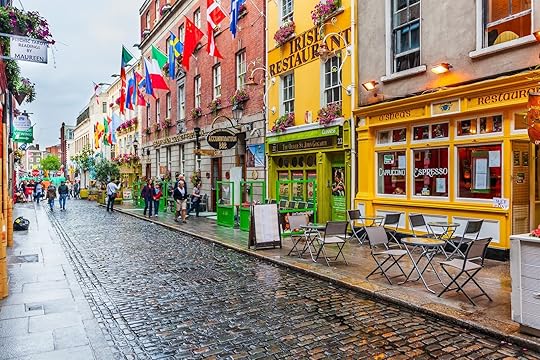
Teeming with historical attractions, gorgeous green spaces, and epic pubs, Dublin is a charismatic city you’ll not forget in a hurry – subject to how many pints of Guinness you knock back. The spirited Irish capital draws backpackers, couples, and families in equal measure. Whether you’re hankering after a weekender or planning a pitstop on a wider Emerald Isle adventure, you need to know where to stay in Dublin. Check out our guide to Airbnb Dublin, Ireland, scene in and around the city center.
These Airbnbs in Ireland Showcase the Best of the Emerald Isle Rent The Holiday Pub in Cork or Tipperary for the ultimate Irish getawayThe best Airbnbs in Belfast, from the Titanic Quarter to Shankill Road10 Airbnbs Make You Feel Like You’re Living in Game of ThronesStay like royalty at these Airbnb Ireland castle rentals
We hope you love the Airbnb Dublin vacation rentals we recommend! Just so you know, Matador may collect a small commission from the links on this page if you decide to book a stay. Listed prices are accurate as of the time of publication.
Coolest Dublin Airbnbs – St. Stephen’s Green and PortobelloDublin Airbnb rentals in Temple BarUnforgettable Dublin Docklands AirbnbsRelaxing Airbnbs in Monkstown, Dublin BayBest Airbnbs in Dublin, MalahideCoolest Dublin Airbnbs – St. Stephen’s Green and PortobelloThe Tailor’s Room – boutique pad in Central Dublin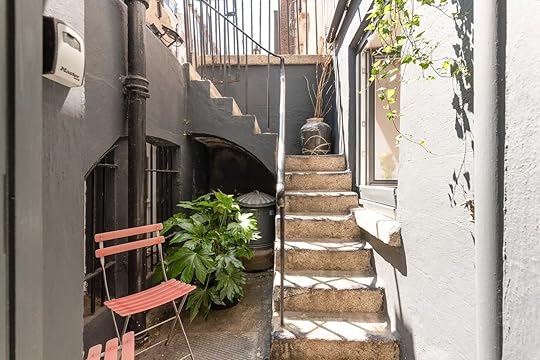
Photo: Airbnb

Photo: Airbnb
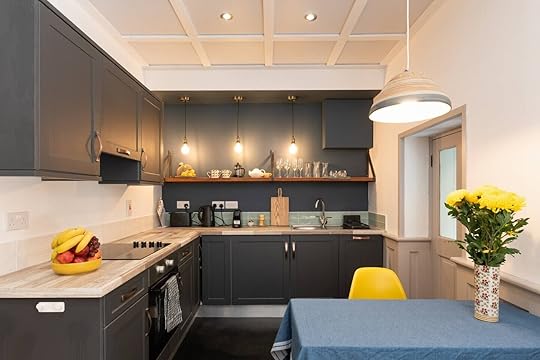
Photo: Airbnb

Photo: Airbnb
This meticulously renovated basement apartment Airbnb in Dublin’s city center is right in the core of the historic quarter. The bed is partitioned from the main living zone where you can fling open the window and let fresh air and natural light flood the space. When the sun shines, make yourself at home on the hidden patio. A short stroll from Dublin Castle and St Patrick’s Cathedral, St. Stephen’s Green offers a quieter environment in comparison to neighboring Temple Bar.
Two guests, one bedroom (studio)
Price: $205 per night

Photo: Airbnb
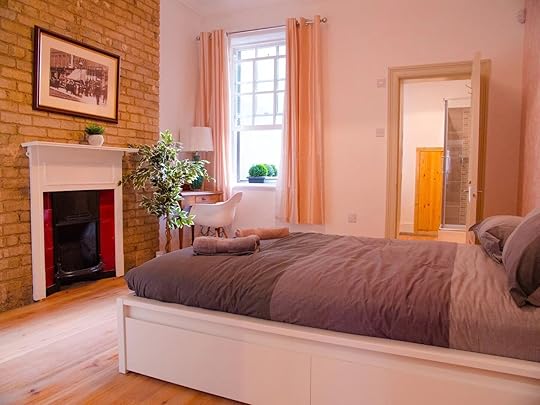
Photo: Airbnb
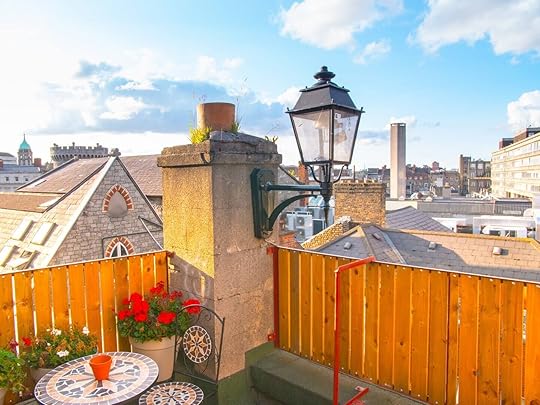
Photo: Airbnb
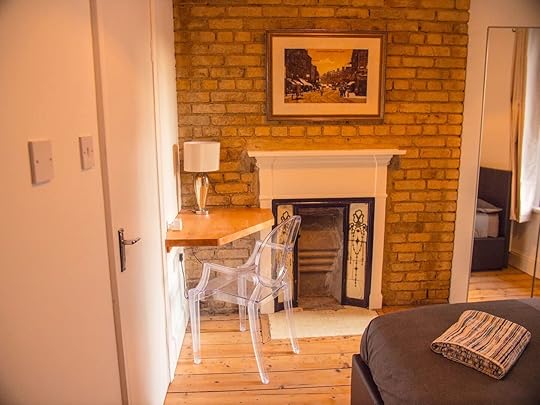
Photo: Airbnb
Kick back in this voguish Dublin Airbnb apartment steps away from Grafton Street, Trinity College, and St. Stephen’s Green. Each of the four double bedrooms comes with its own fireplace and bathroom. Sure to delight those who need solitude in the morning, one even has its own kitchenette. Climb up onto the roof terrace with a mug of joe and plot out your day in Dublin with a picturesque backdrop.
Nine guests, four bedrooms
Price: $1,245 per night
Book here
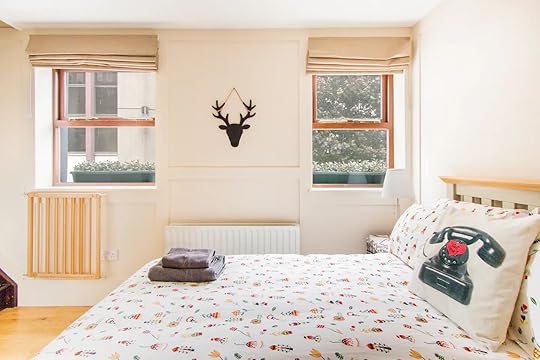
Photo: Airbnb

Photo: Airbnb
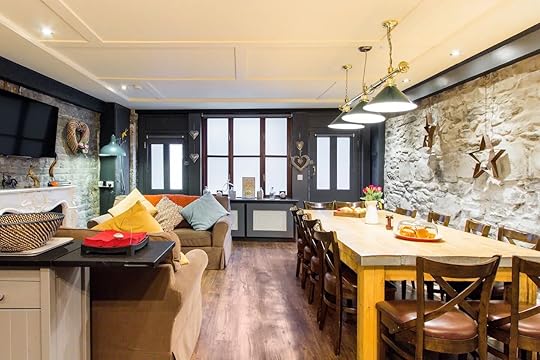
Photo: Airbnb
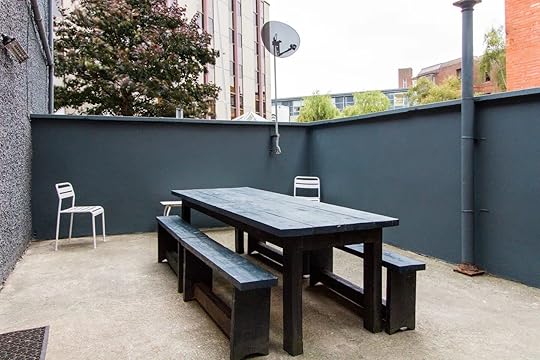
Photo: Airbnb
This Airbnb in the Dublin city center apartment for large groups occupies a former cobbler’s workshop. Although carefully refurbished to cater to modern travelers, the lounge decor remains faithful to the heritage of the building with exposed stonework and industrial-chic touches. At full capacity, this family-friendly vacation property on the corner of the green can accommodate fifteen guests. The walled backyard and nursery with a crib make it a top contender for those with younger kids.
Fifteen guests, six bedrooms
Price: $1,995 per night

Photo: Airbnb

Photo: Airbnb

Photo: Airbnb

Photo: Airbnb
Look no further for the most unique Airbnb in Dublin for couples and small groups. This self-catered apartment is located inside a renovated old church in the peaceful Portobello neighborhood. High ceilings and original brickwork set the tone for the unit and you’ll find all the mod-cons you could possibly need in the compact kitchen. Sleeping areas consist of one double bedroom and a pull-out in the lounge.
Four guests, one bedroom
Price: $215 per night

Photo: Airbnb

Photo: Airbnb
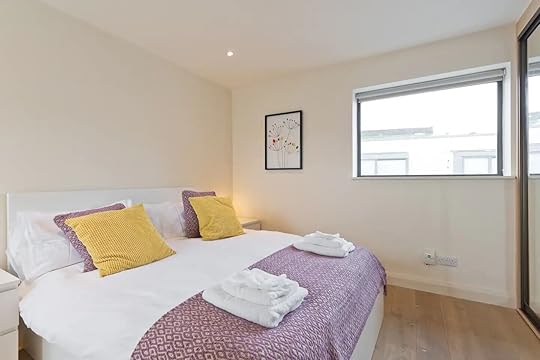
Photo: Airbnb

Photo: Airbnb
Slap-bang in the middle of the nightlife hub, this penthouse Airbnb in the heart of the Dublin, Ireland, city center is a perfect pick for those looking to sample the best of Irish nightlife. The squeaky clean minimalist space consists of two double bedrooms each with its own bathroom, a full kitchen, and an airy lounge that opens out onto a spacious patio.
Four guests, two bedrooms
Price: $285 per night
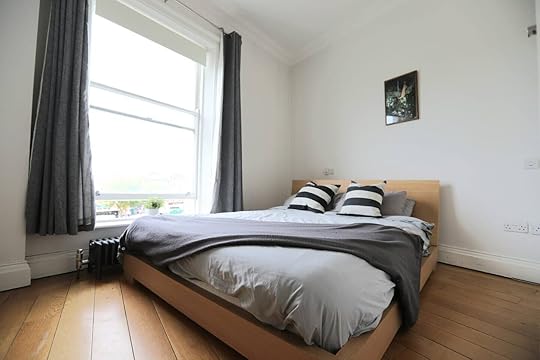
Photo: Airbnb
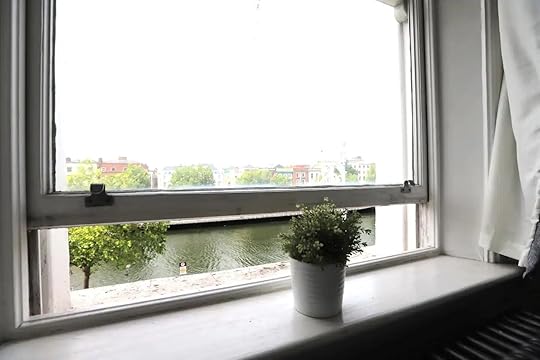
Photo: Airbnb
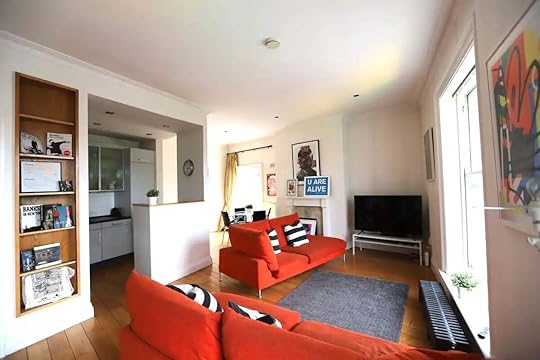
Photo: Airbnb
Kitted out with funky pieces of art, scarlet-hued settees, and a well-stocked bookshop, this Temple Bar Dublin Airbnb is an oasis from the bustle down below. The compact kitchen contains all you need to rustle together a meal before a night in the local pubs while views of the River Liffey add charm.
Two guests, one bedroom
Price: $250 per night

Photo: Airbnb

Photo: Airbnb

Photo: Airbnb

Photo: Airbnb
Sited in the city’s poshest neighborhood, this snazzy waterside condo Airbnb in Dublin overlooks Grand Canal Dock. The curvaceous space is colorfully appointed and includes a glitzy hot tub in the master bathroom. Comprising two double rooms and a single, the apartment is equally well-suited to families and small groups. Panoramic windows overlook the harbor while a roomy balcony is ideal for an evening natter over a glass of whiskey.
Five guests, three bedrooms
Price: $610 per night

Photo: Airbnb

Photo: Airbnb

Photo: Airbnb
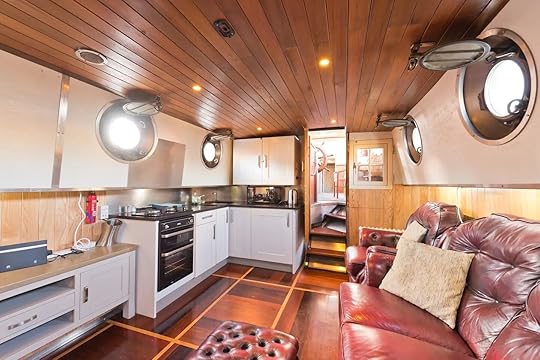
Photo: Airbnb
All aboard the best Dublin Airbnb houseboat! Moored in the Charlotte Key Docks complex at Grand Canal, the vacation home is within walking distance of the city center. Each of the three cabins contains a double bed. The galley is rigged with a fully-functional kitchen, plump leather couches, a wood burner, and the captain’s helm – awesome for a selfie. On a sunny afternoon, you can sit out on the deck and soak up the nautical atmosphere.
Four guests, three bedrooms
Price: $420 per night
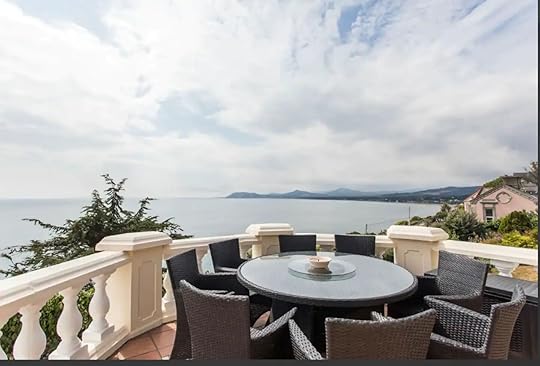
Photo: Airbnb
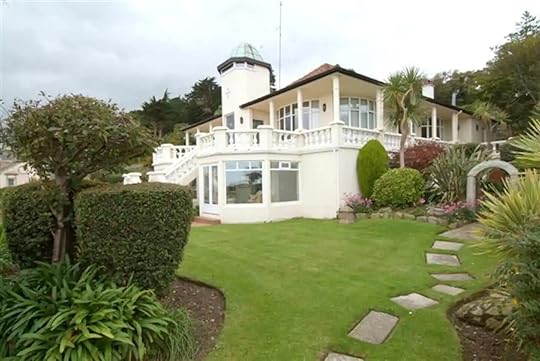
Photo: Airbnb
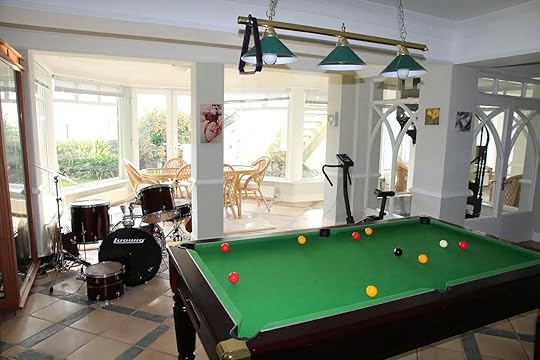
Photo: Airbnb

Photo: Airbnb
Flee the city for a night and savor R&R with a view of the Irish Sea from this Mediterranean-style Airbnb in Monkstown, Dublin. A wide terrace on the upper story grants dreamy panoramas across the water from this village-like suburb. Interiors are dressed with period furnishings and upholstery but topped off with state-of-the-art appliances. The sauna and games room are two key highlights of this family-friendly home. The center of Dublin is a 25-minute drive away or 30 minutes via the DART commuter line.
Thirteen guests, six bedrooms
Price: $1,525 per night
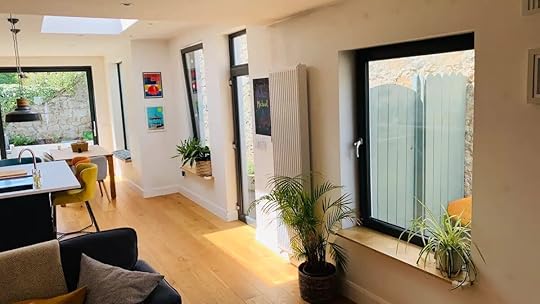
Photo: Airbnb
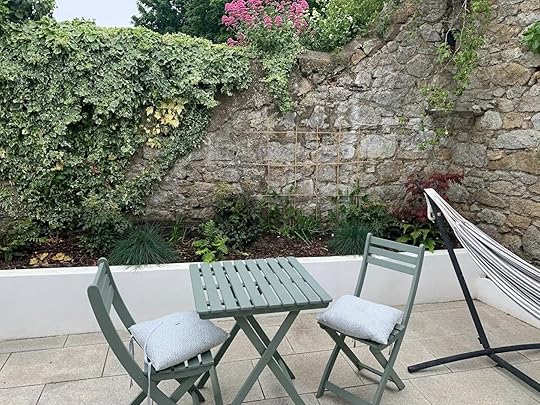
Photo: Airbnb
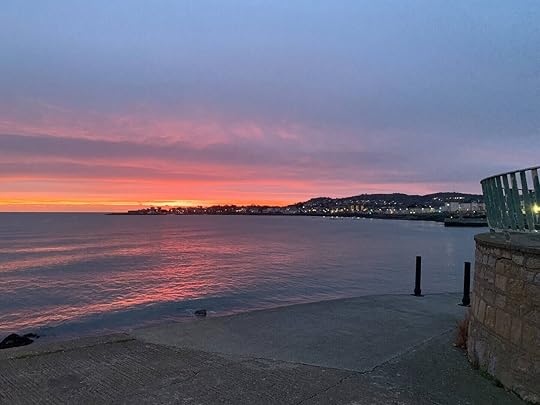
Photo: Airbnb
Nestled in between Monkstown and Dún Laoghaire, this two-story end terrace is the seaside abode of a local family. This is reflected in the style of the rental – you’ll find all your creature comforts and appreciate the homely ambiance. French sliders reveal a secluded back patio with seating and a hammock. All in all, this is the perfect family-friendly Airbnb in Monkstown.
Five guests, two bedrooms
Price: $355 per night

Photo: Airbnb
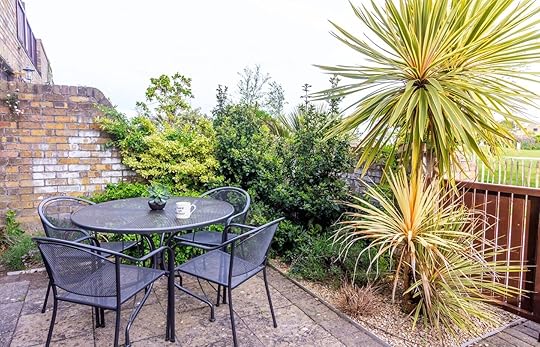
Photo: Airbnb
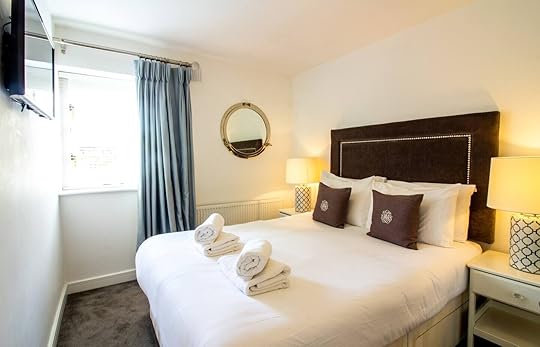
Photo: Airbnb
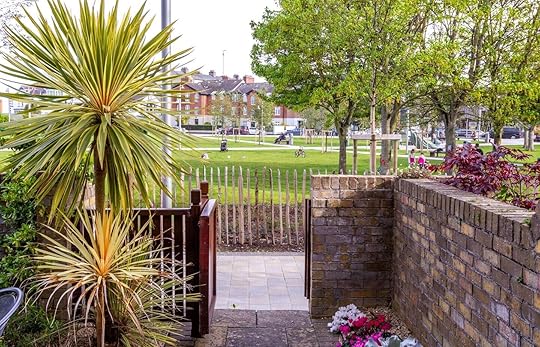
Photo: Airbnb
Located a 20-minute drive (30 via DART), Malahide is a charming seaside resort with pretty beaches and a castle. It’s suitable for guests who want to fuse city attractions by day with sleepier – yet devastatingly scenic – digs. This modern but homey Airbnb family home comes with two bedrooms and a terrace surrounded by greenery. Situated conveniently in Malahide Marina, it’s a top choice for sunset lovers. [mn-post-enders]
Three guests, two bedrooms
Price: $240 per night
The Method To Extract the World’s Most Luxurious Caviar Might Surprise You

Caviar is a luxury food that can be priced as high as $12,000 per pound. You might think that a delicacy that people make this much of a fuss over has some specialized method to acquire. But that would be wrong. Turns out the process behind extracting caviar from a sturgeon isn’t elegant at all.
@foodwtf This is how #caviar is extracted from a #beluga fish
@Foody Club #foodtiktok #be ♬ original sound – Foodwtf
How is caviar made?
First things first: Caviar can only come from sturgeon, and most frequently come from beluga, sterlet, kaluga, osestra, or American shite sturgeon. All caviar is technically roe, but not all roe is caviar.
In a video posted to TikTok, workers tasked with extracting sturgeon eggs reveal exactly how the process works: The fish is first rinsed before it is split open to reveal an entire cavity filled with greenish-brown roe. A sturgeon can carry up to 700,000 of these eggs. The workers lift the eggs out the fish, revealing the purple bowels inside. The eggs come out in log shape, sticking tightly together.
Once the eggs are removed, they’re piled into a dish and rinsed gently with water. Next, the worker massages them through the sifter in handfuls in order to separate the eggs from the egg sack. The eggs are rinsed again in even more water and then packed directly into tins.
One aspect of the process that isn’t shown in this video is that the eggs are salted – a crucial step that transforms the eggs from sturgeon roe to caviar.
What does caviar taste like?
Photo: BT Image/Shutterstock
Beluga caviar doesn’t taste too, well, fishy. In other words, it’s not pungent, stinky, or tangy. Caviar has a mild salty flavor that can be smooth, creamy, and buttery. The eggs are a deep black or dark green hue. Caviar should be served cold and you eat it by placing a little scoop on your hand or on a small plastic or mother-of-pearl spoon (metal or wood both can impart flavor). Each bite should be pushed up between the roof of your mouth and your tongue rather than chewed. Depending on where you’re eating it, caviar is often accompanied by a shot of vodka or a glass of Champagne.
Why is caviar so expensive?The type of sturgeon that the caviar comes from generally sets the price. Types of sturgeon that can be farmed like osestra and white sturgeon are typically more affordable. The French brand Sturia sells 30-gram tins of caviar from sustainably farmed sturgeon starting at about $55. Then there’s beluga caviar, which can only be caught in the wild. Sturia and other online retailers like Petrossian sell tins of beluga caviar for between $250 and $300 for 30 grams.
Can you get caviar without killing the fish?
Photo: Julie Mayfeng/Shutterstock
Surprisingly, yes. It’s possible to stun a fish, create a small incision, extract the roe or the ovaries, and then stitch the fish back up, allowing it to continue producing eggs. However, in most cases the fish is killed before the extraction takes place, which makes it easier to extract as much roe as possible.
August 18, 2022
These Active Experiences in Aruba Showcase the Island’s True Spirit

It’s time to escape to the beautiful island of Aruba. Know for its beaches and luxury vacations, you can easily get away from the crowds by venturing out on outdoor activities such as a hike or an early-morning sunrise yoga session on the beach. Whether you want to explore the water by snorkeling or take a hike and learn about Aruba’s Arikok National Park, your options are endless — start by checking out these cool Aruba experiences.
We hope you love the Aruba Airbnb experiences we recommend! Just so you know, Matador may collect a small commission from the links on this page if you decide to book a stay. Listed prices are accurate as of the time of publication.
Sunrise Hike and Bites in paradise
Photo: Airbnb

Photo: Airbnb

Photo: Airbnb

Photo: Airbnb
Who doesn’t love a good sunrise? This sunrise hiking adventure gets you out on the trail in Arikok National Park bright early. You’ll be surrounded by lush greenery and tropical wildlife, on a journey that’s sure to get your heart pumping but itsn’t too strenuous for hikers in moderately good shape. The hike concludes with a delicious local meal, and your guide will cover the natural history of the area while on the trail.
Price: From $45 per person
Book Now

Photo: Airbnb

Photo: Airbnb

Photo: Airbnb
It’s time to grab that apron because, in this experience, you will bring some of the island back with you. Learn the way of Caribbean cooking family style in this unique experience. Join Host Kari in her home as she teaches the history of the Caribbean and the way of cooking practiced here for generations. You’ll prepare chicken, seafood, and a variety of bright and colorful vegetable dishes to share with your crew.
Price: From $125 per person
Book Now

Photo: Airbnb

Photo: Airbnb

Photo: Airbnb
This excursion is calling out to all water enthusiasts. Take on a snorkeling adventure and learn about the vibrant sealife that surrounds Aruba, including more than 100 different species of fish. Join this journey of what’s underwater and see what you can find. Every experience is different, so you’ll never know what extraordinary sea creature you will see next — it could be a blue marlin, an Atlantic Sailfish, or even a dolphin.
Price: From $34 per person
Book Now

Photo: Airbnb

Photo: Airbnb
Are you more on the wild side and looking for an Airbnb experience in Aruba to match? Then this adventurous blokarting expedition may be up your alley. This experience will teach you how to use small blokart crafts and ride with wind power. It’s kind of like Mario Kart with sails — and there’s nothing on the island that can get those competitive juices going quite like this.
Price: From $95 per person
Book Now

Photo: Airbnb

Photo: Airbnb

Photo: Airbnb
Relax and unwind with some morning yoga on the beach. Come out and practice all forms of fusion yoga at Eagle Beach, led by a professional instructor accustomed to getting you in sync with the waves and the island vibes. With stunning views of the crystal clear water and the feeling of the soft white sand under your mat, this yoga practice will put anyone in a relaxed state. Yogis of all levels are welcome to experience a sunrise or sunset yoga session.
Price: From $24 per person
Book Now
Follow This Guide To Catalan To Better Navigate Barcelona Like a Local

If the three Spanish regions where the Catalan language is spoken suddenly became independent from Spain, the resulting country would instantly turn into one of the world’s top-10 tourist destinations. In 2019, almost 43 million international travelers made it to the Mediterranean-washed shores of Catalonia, the Valencian Region, and the Balearic Islands. A figure on par with the entire population of Spain.
Yet, despite Catalan-speaking Spain’s whooping popularity, many visitors remain blissfully unaware of its millenary linguistic heritage. Worse, it is not uncommon for tourists to mistake Catalan as a dialect of Spanish (in fact, it derives directly from Vulgar Latin). And while it is true that Spanish is universally spoken and English will take you a long way, even a clumsy “bon dia” — good morning in Catalan — will have everyone nodding appreciatively. This traveler’s guide to the Catalan language is all you need to venture off the beaten tracks of La Rambla and Sagrada Família and into the locals’ hearts.
The author:
Marcos Bartolomé has lived in Barcelona for less than two years but he is often mistaken as a native Catalan speaker. “Is menorquí [a dialect of Catalan] your mother tongue?”, asked his examiner after he completed the oral exam declaring him officially proficient. He taught himself the language before moving to Catalonia through music lyrics and the Catalan public broadcaster’s satirical TV shows. As a native Asturian, he is an ardent champion of linguistic minorities and speaks seven languages himself. He has conducted research on the Moroccan project to revitalize the Tamazight language at Georgetown University, where he graduated with a Master’s in Arab Studies, and has been a Spanish teacher at a public high school on the French East African island of Mayotte.
Where is the Catalan language spoken?The different types of CatalanWhich language is Catalan closest to?Catalan vs. Spanish: The Catalan alphabetCatalan language pronunciation guideHow to say “thank you”, “good afternoon”, “hello”, etc. in the Catalan language?Catalan words, sentences, and phrases for eating and drinking to your heart’s contentCatalan words and sentences you need to find a good accommodationCatalan words and sentences you’ll need to get aroundNumbers in Catalan and words you’ll need when shoppingCatalan words and sentences you’ll need if you hikeWhere is the Catalan language spoken?Contrary to what its name suggests, Catalan is by no means confined to Catalonia, whose constitution grants it the status of “native language.” So does the Valencian Region — under the label of valencià (Valencian) — and the Balearic Islands, where the distinct local varieties of the Catalan language are named after each island: mallorquí (Mallorca), menorquí (Menorca), and so forth. Across these regions, Catalan has a prominent — yet uneven — presence in school, everyday life, and the media alongside Castilian Spanish. Pockets of the Catalonia-adjacent region of Aragon are also Catalan-speaking.
All in all, more than one in ten Spaniards speaks a variety of Catalan at home, an impressive figure given Spanish dictator Francisco Franco’s almost four-decade-long war on linguistic diversity in the country.
Yet, this is only half of the story. Owing to the Mediterranean expansion of the Kingdom of Aragon in the Middle Ages, to this day Catalan is spoken in places as far from the language’s cradle as the city of Alghero (L’Alguer, in Catalan) on the Italian island of Sardinia. Catalan can also regularly be heard in New York’s UN General Assembly, or the Eurovision, as it is the only official language of the Principality of Andorra, a microstate sandwiched between Spain and France. Lastly, around five percent of France’s Pyrénées-Orientales – which before 1659 belonged to the Crown of Aragon — are also Catalan-speaking.
Just like any other language, Catalan reflects the stories of its speakers. As most of the Iberian Peninsula was for centuries under Arab control, modern-day Catalan is rich in Arabic loan words. On the island of Menorca, ruled by the British for almost a century until 1802, people still use (catalanized) English words like “xoc” (chalk) or “escrú” (screw).
The different types of CatalanThe Catalan language is split into two groups of dialects: Eastern and Western Catalan. The first meridian east roughly marks the border between both. Eastern Catalan provides the basis for standard Catalan.
Apart from this official division, Catalan speakers also refer to other varieties:
Xava: A word used — often derogatorily — to describe a distinct type of Catalan found in Greater Barcelona. As Spain’s earliest industrial hub, the Catalan capital received a wealth of Castilian-speaking workers from the economically disenfranchised South. The language contact resulting from this rural exodus gave way to a variety of Catalan heavily influenced by Spanish. Català salat: Literally salted or seasoned Catalan, it refers to the varieties where definite articles are pronounced with an “s” instead of with an “l” ( e.g. “sa platja” instead of “la platja” for the beach). Although now confined to the Balearic Islands, this dialect used to be found on mainland Spain too. Place names like Sant Esteve Sesrovires (famous singer Rosalía’s birthplace) are proof of this heritage. Lleidatà: Heard of Alcarràs, the first Spanish movie to win the Berlin Festival’s Golden Bear since 1983? Well, Carla Simón’s masterpiece was filmed in lleidatà, a Western dialect characterized by the shift of a verb’s third person singular final “a” into an “e”. “Ell torna” (he comes back) becomes “ell torne”).Which language is Catalan closest to?Catalan’s closest living language is Occitan, spoken in Catalonia’s Val d’Aran, Southern France, Monaco, and some valleys in Italy. Together, Catalan and Occitan form the Occitano-Romance language group. Catalan is also closely related to French and Spanish and, more distantly so, to all Romance languages, such as Romanian.
Catalan vs. Spanish: The Catalan alphabetCatalan and Spanish use the same alphabet save for the Spanish “ñ”, which is to say that the English and the Catalan alphabets are the same.
Catalan language pronunciation guidePhonetically speaking, Catalan lies somewhere between Spanish and French. For instance, while the language features the rolled “r” found across Spain and Latin America rather than the raspy French “r”, it lacks the characteristic “th” as well as the strong “kh”, two sounds Castilian Spanish is known for.
Catalan has two types of accents: obert (à, è, ò) and tancat (é, í, ó, ú). While the grave accent opens the vowel, the acute one closes it. Whenever a word has an accent, that’s where the stress will fall. If there are no accents, your best chance to get the word right is to place the stress in the second-to-last syllable.
LettersPronunciationNYIt’s the Catalan equivalent of the Portuguese “nh” and the Spanish “ñ”. Pronounce it as in canyon.LThe Catalan “l” is more emphatic than in other languages. Make sure you stress it enough to sound like a pro.L·LThe geminated “l” with a flying point marks that a word contains two “l”s belonging to separate syllables. Articulate a longer “l”, like in slow motion.LLTwo “l”s without a flying point sound similar to that of “million” in English.S, SS, C(E), C(I) and ÇPronounced like “s”S between vowels and ZPronounced like “z”VPronounced as “b” in many dialects of Catalan, including the standard.TX/IGPronounced like “ch” in English, as in “chosen”.How to say “thank you”, “good afternoon”, “hello”, etc. in the Catalan language?EnglishCatalanHelloHolaHow are you?Com vas?/Què tal?Good morning (used from sunrise until lunch, typically eaten at 2 or 3 PM)Bon dia Good afternoon/evening (used from lunchtime until 8 PM)Bona tardaGood nightBona nitWhat’s your name?Com et dius?My name is…Em dic…Thank youGràcies (also merci in Catalonia and gràcis in the insular dialects)I don’t understand youNo t’entencYou’re welcomeDe resPleaseSi us plau / Per favorPleaseSi us plau / Per favorSorryPerdóByeAdéuBonus track, untranslatable: use liberally to express surprise, admiration, emphasis, or pretty much any other feeling you may be experiencingDéu-n’hi-do!
Catalan words, sentences, and phrases to help you eat and drink to your heart’s content

Photo: VTT Studio/Shutterstock
Paella is delicious but it has become a tourist trap over the years. If you go to a restaurant in Valencia, you might as well order “arròs del senoyret” which translates as “the lord’s rice” (it’s called like this because all the seafood has been peeled before being served so your hands won’t get dirty). If you are in the mood for a really hearty dish, order “arròs al forn.” Both dishes are lesser-known relatives of the traditional paella.
EnglishCatalanBreakfastEsmorzarLunchDinar (yes, a false friend)DinnerSoparWaterAiguaCoffeecafèMay I orderPuc demanar?Cheers!Salut! (health) or Txin-txin! (more informal, it imitates the sound of clinking glasses)I am a vegetarianSoc vegetarià/vegetarianaI am a veganSoc vegà/veganaMay I have the menu, please?Em pots portar la carta, si us plau?Can I have a vermouth?Em pots posar un vermut? (yes, you want to order vermouth instead of sangría)May I have the bill?Em pots portar el compte?Bon appetitBon profit!Let’s throw a calçotada! (a gathering during green onion harvesting season where these vegetables are grilled over a fire. Catalans often spend the winter bumping into acquaintances and making plans for calçotades set to never materialize.)Fem una calçotada!I look like a boiled carrot (meaning I feel like going home because I’m too drunk/tired).Semblo una pastanaga bullida.Menorcan gin with lemonade.PomadaA refreshing drink made with tiger nutsOrxataCatalan words and sentences you need to find a good accommodationEnglishCatalanCheck inArribadaCheck outSortidaI want to book a roomVull reservar una habitacióHow much per night?Quant per nit?One nightUna nitDouble bedLlit de matrimoni or llit dobleSingle bedLlit individualSingle roomHabitació individualDouble roomHabitació dobleA room with a viewUna habitació amb vistesA typical house in the countryside with a gable roofUna masiaWhat’s the wifi password?Com és la clau del WiFi?Does the house have a pool?La casa té piscina?Is there a rooftop?Hi ha terrat?Is smoking allowed?Es pot fumar?How does the AC work?Com funciona l’aire condicionat?We’ve had a great timeEns ho hem passat molt bé
Catalan words and sentences you’ll need to get around

Photo: Viktoria Bakina/Shutterstock
Numbers in Catalan and words you’ll need when shopping
They say that “Barcelona és bona si la bossa sona”, meaning that your stay will be worth it if your bag is full of clinking coins. Coined by Italian merchants, these days the sentence asserts that having a good time in Barcelona requires a lot of money. Not true. While Barcelona — as well as Palma and Valencia — are admittedly some of Spain’s most expensive cities, prices are not even nearly as high as in most European cities further north. Avoid the overcrowded old towns and places advertising paella and sangría and you’ll do just fine.
EnglishCatalanHow much?Quant costa?PricePreuCheapBaratExpensiveCarCan I pay by card?Et puc pagar amb targeta?OneUnTwoDosThreeTresFourQuatreFiveCincSixSisSevenSetEightVuitNineNouTenDeuHundredCentThousandMilCatalan words and sentences you’ll need if you hike

Photo: Unai Huizi Photography/Shutterstock
From the scenic “camins de ronda” originally built to patrol the turquoise Costa Brava and stop smuggling, to the “Ruta de la pedra en Sec” in the Mallorcan mountains, there’s a whole world of hiking waiting for you.
But, beware! Just make sure to grow familiar with the surroundings and how to respect them before your hike, lest you be mocked as a “pixapins” or pine-pisser, as countryside dwellers mockingly refer to urbanites unaccustomed to rural life.
You could also be called a “camacu.” This word, derived from “Què maco!” (how beautiful) which typically describes bohochic Barcelonians who stop at every turn to exclaim “how pretty!” before snapping a pic for the gram.
More like thisEpic Stays9 of the Best Airbnbs in Barcelona
This Tiny Canadian Fishing Town Is One of the Best Places on the Planet for Coastal Adventures

Tofino, BC, has earned the title of one of the best cold-water surfing destinations in the world – but travelers not into braving the brisk waters need not worry. There’s much more to the rugged, coastal destination than just surfing.
On the west coast of Vancouver Island in British Columbia, the laid-back Canadian town has evolved from a sleepy fishing village to a year-round outdoor adventure destination for surfers, storm-watchers, hikers, spa-goers, paddlers, and general outdoor enthusiasts. Even scuba diving is possible in Tofino for divers with the correct cold-water gear.
How to get there
Photo: Ugur OKUCU/Shutterstock
By air, travelers can get to Tofino, BC, via floatplane from downtown Vancouver or downtown Victoria with Harbour Air, or by turboprop from Vancouver International Airport’s south terminal with Pacific Coastal Airlines. Travelers planning on driving should take one of the BC Ferries ships from Vancouver or the Lower Mainland to Vancouver Island; they leave several times a day. Reserving a vehicle spot on the ferry is recommended during the summer and most weekends.
When to go to Tofino, BC
Photo: chrisdonaldsonphotography/Shutterstock
While spring, summer, and fall can offer warmer air temperatures, and summer has the least rain, winter is when the biggest swells bring in the best surf (and the best time for storm watching or photography).
In true Pacific Northwest fashion, Tofino is lush and green with towering old-growth forests, ferns, vines, and other flora all year long. But the best flowers, foliage, birding, bears, and other wildlife viewing opportunities are in the summer. Most restaurants, accommodations, camping, park facilities, and trails are open year-round, so the best of Tofino isn’t limited by time of year. That said, some guided tour operators may only operate in the summer (kayaking, for example), and some wildlife tours are limited by the animals’ seasonality, such as with bear-watching tours.
Supporting Tribal Park Allies in Tofino
Photo: Destination BC/Jordan Dyck
There are many Indigenous Tribal Parks throughout Canada: areas where Indigenous communities are responsible for most of the policy and management.
In Tofino, visitors can support the local Tla-o-qui-aht Tribal Park Guardians by spending with businesses designated as Tribal Park allies. Allies are Tofino businesses that directly benefit from healthy ecosystems and agree to a one-percent “Ecosystem Service Fee” for Indigenous stewardship and management of the land. Spending with ally businesses is an excellent way to ensure First Nations people – who have traditionally been omitted from business and government circles – equally benefit from tourism in their homelands.
What to do in Tofino, BC
Photo: Destination BC/Jordan Dyck
Tofino is the kind of destination where each activity compliments the next. The bike paths connecting the town and area beaches are used by bikes with surf racks and riders in wetsuits on their way to the next wave. And the many spas and wellness centers cater to travelers and locals with sore muscles from hiking, biking, surfing, kayaking, and more.
Surfing and paddling
Photo: Destination BC/Jordan Dyck
There is no shortage of surf shops that offer rentals and lessons, but one that stands out the most is Surf Sister. This women-owned and operated surf shop has locations in Tofino and Pacific Sands Beach Resort at Cox Bay. They offer lessons and surf camps.
Another good option is Swell Paddle + Surf. It’s supported beach life in Tofino since 2014 and specializes in rentals and lessons for both stand-up paddle boarding and surfing. It has two locations at Mackenzie Beach and Hotel Zed and offers lessons and tours.
Kayakers have multiple options for rentals and tours, including Paddle West Kayaking, Tofino Sea Kayaking, or Black Bear Kayak, among others. Tours that pair kayaking with hiking through the rainforest on nearby Meares Island are especially popular.
Hiking in Tofino, BC
Photo: Destination BC/Jordan Dyck
Tofino and the surrounding area are home to thousands of acres of protected islands, coastlines, and mountains on the traditional territory of the Tla-o-qui-aht Peoples. This area is home to one of the most significant acts of civil disobedience in Canadian history: the “War in the Woods,” started in the name of conservation and protecting nature and Indigenous coastal lands.
The successful protests resulted in a new land-use management plan for Indigenous partnerships to protect the Clayoquot Sound Biosphere Reserve. This UNESCO World Heritage Site is primarily coastal temperate rainforest accessed by land or water.
One hike not to miss is the Big Tree Trail at Meares Island Tribal Park, where a cedar boardwalk guides visitors through ancient old-growth forests. Meares Island was successfully saved from logging and is now one of the many places under the stewardship of the Tribal Park Guardians. Visitors will need to take a water taxi or a guided tour with companies like Jamie’s Whaling Station.
Photo: Tourism Vancouver Island/Ben Giesbrecht
The Tofino area is jam-packed with epic hiking both in and out of the Pacific Rim National Park Reserve. Before heading out, stop at the information center to get maps, weather reports, and up-to-date information on trail conditions.
For a great hike that blends trails, boardwalks, old-growth forests, and beaches, try the Willowbrae Trail to Florencia and Half Moon Bay (this is also a great substitute for Schooner Cove, which is closed indefinitely as of August 2022). This trail is near the town of Ucluelet, also home to the Wild Pacific Trail. Other hikes not to miss include the Tonquin Trail, Cox Bay Lookout (it’s muddy and not well maintained, but the views are worth the trek), and the South Rainforest Trail.
Cycling in Tofino, BC
Photo: Destination BC/Jordan Dyck
Bike culture is alive and well year-round in Tofino and is a great way to travel between the beach, town, and rainforest. Visitors can pre-book a cruiser bike (the only type of bike allowed on the beach) at Tofino Bike Co. or Swell Paddle + Surf and take to the sand on one of the many beaches.
Shops will also rent road bikes and occasionally hardtail mountain bikes for the newly opened Parks Canada multi-use pathway. It’s called the ʔapsčiik t̓ašii (pronounced ups-cheek ta-shee) and is a 15.5-mile pathway through the Pacific Rim National Park Reserve.
Storm Watching
Photo: Joel.bourgoin/Shutterstock
A favorite pastime in Tofino is storm-watching: a name for an activity cleverly coined in the destination due to the moody skies, dramatic ocean, and sometimes sideways rain. If the sun isn’t shining (which is often in this Pacific Northwest destination), locals and visitors alike will don their rain gear and head outside anyway.
Storm watching, whether from outside on the beach or inside the comfort of a beachfront resort, is oddly exhilarating and calming as the sounds of crashing waves and rain entertain those brave enough to enjoy nature’s show. One of the best places to enjoy storm watching is from the comfort of a beachfront barrel sauna or hot tub – Pacific Sands Beach Resort is particularly known for this. Photographers will want to bring protective equipment to protect their cameras from water and lenses from blowing sand.
Wildlife viewing and whale watching
Photo: Chatom75/Shutterstock
No matter the season, wildlife viewing and whale watching are always possible on land and from the water around Tofino, BC. Coastal bear viewing from a boat is usually available from spring to autumn, with the best viewing between late august and the end of September. That’s when the salmon run and bears are actively trying to catch food as they bulk up for winter.
Many whale species migrate through the Tofino area between spring and fall, but it’s still common to see resident humpback, orca, and other whale species that call these waters home year-round. Tribal Park allies Jamies Whaling Station and Tofino Resort + Marina have both whale- and bear-watching tours that take guests to the best spots in the area for safe and responsible viewing.
Where to eat and drink in TofinoRich agriculture, an abundance of responsibly caught seafood, excellent craft breweries and distilleries that use Canadian ingredients, and – of course – wine from British Columbia’s famous Okanagan Valley create the perfect blend for mouth-watering dining experiences travelers may not expect from a small island town.
Add to that the Tofino Culinary Guild – a non-profit founded by Tofino chefs that connects restaurants and locals with Vancouver Island farmers, fishers, foragers, and food producers – and it’s not surprising that there are award-winning, sustainable dining experiences all over town.
Wolf in the Fog
Photo: Destination BC/Jordan Dyck
Renowned as one of the best restaurants in town and winner of multiple awards, Wolf in the Fog is a fine dining experience not to miss. Reservations are usually booked months in advance, so make reservations immediately after booking travel and lodging.
ROARNew to the Tofino restaurant scene and located in the funky Hotel Zed, ROAR is a live-fire and charcoal-fueled restaurant with retro-chic inside decor and comfortable fireside lounging outside. It’s known for shaking up some of the best cocktails in town and is open for brunch, lunch, dinner, and evening cocktails.
ShelterIn the heart of Tofino, Shelter provides a modern surf-meets-ski-lodge vibe with log architecture and wood-burning fires. It serves casual fare; expect to see people in plaid having Tofino Brewing beers at the bar after a surf session – though there’s elevated dining at the tables.
Rhino Coffee House
Photo: Tourism Vancouver Island/Ben Giesbrecht
Rhino Coffee is Tofino’s go-to for breakfast, lunch, coffee, and freshly baked donuts. Its central location makes it an easy stop on the way to or from an adventure. The shop is also a Tribal Park ally.
Surfside GrillNot as well-known in the Tofino dining scene, Surfside Grill at Pacific Sands Beach Resort has fresh-caught fish daily and serves up the best halibut burger in BC. This casual to-go spot has covered seating around outdoor fireplaces and is a must-stop before or after visiting the beach at Cox Bay.
Tofino Brewing and Tofino Distillery
Photo: Destination BC/Jordan Dyck
Tofino Brewing‘s beers are a favorite around Tofino and most restaurants in town will have one on draft. But the actual brewery is a great place to aprés after a surf or hike. Sit down and have a pint in the brewery or get some beers to go.
Tofino Distillery is next to Tofino Brewing in the industrial area and makes organic spirits with local ingredients. Their spirits are sold in stores throughout Tofino, Vancouver Island, and the Lower Mainland.
How to get around in Tofino, BC
Photo: Alexander-Connor-Sharpe/Shutterstock
Thanks to shuttle buses and bike rentals readily available at many hotels and rental shops, visiting Tofino without a car is entirely possible for travelers who like to stay active and don’t want to stray too far from town.
A free shuttle service runs from the town center to Cox Bay from late June until early September. For car rentals, flying into Victoria, Comox, or Nanaimo is the best chance for car rental availability. There are also car rentals available at the Tofino airport, but flying into a larger airport mitigates the risk of cancellations due to weather and vehicle availability.
Where to stayWhether visiting Tofino on a romantic getaway, a family holiday, or as a solo explorer, there’s likely to be a good lodging match in Tofino. Many of the town’s accommodations are quite unique and cater to different types of travelers.
Pacific Sands Beach Resort
Photo: Destination BC/Jordan Dyck
If a beachfront condo steps from Tofino’s best waves sounds ideal, Pacific Sands Beach Resort should fit the bill – and it also has hot tubs on some of the balconies. Also on the resort property are Surf Sister, the Surfside Grill, and Tuff City Saunas; visitors need not be hotel guests to book the latter. The resort is big on sustainability and leads multiple beach cleanup initiatives throughout the year.
Hotel Zed
Photo: Hotel Zed/Tofino
Somewhat newish to Tofino is the funky Hotel Zed. The hotel offers an arcade, disco, sunken-in living room, barrel sauna, hot tub, and boardwalk to a private platform on the inlet perfect for bird watching.
Hotel Zed combines surf-town vibes and modern amenities with a 1970s feel. It has family suites and pet-friendly rooms, plus on-site bike and paddle rentals. There’s even a tarot card reader who occasionally drops by. There are also Hotel Zeds in Victoria and Kelowna.
Tofino Resort + Marina
Photo: Tofino Resort and Marina/Jill Salter
Within walking distance from the town, Tofino Resort + Marina is a great option for those who want to be centrally located to amenities but still have a view of the water. It’s known for its new floating sauna experience, which takes guests to a remote inlet for a private wellness experience. Tofino Resort + Marina is also a Tribal Park ally and offers activity and adventure booking through its Adventure Centre.
Unlike many other towns known for surfing, Tofino, BC, has activities for serious outdoor adventurers that extend well beyond the beach. With Indigenous stewardship and partnerships, sustainable culinary options, and outdoor activities based in conservation and awareness, Tofino checks most of the boxes for travelers looking for an eco-friendly British Columbia getaway.
This Tiny Fishing Town Is One of the Best Places on the Planet for Coastal Adventures
Tofino, BC, has earned the title of one of the best cold-water surfing destinations in the world – but travelers not into braving the brisk waters need not worry. There’s much more to the rugged, coastal destination than just surfing.
On the west coast of Vancouver Island in British Columbia, the laid-back Canadian town has evolved from a sleepy fishing village to a year-round outdoor adventure destination for surfers, storm-watchers, hikers, spa-goers, paddlers, and general outdoor enthusiasts. Even scuba diving is possible in Tofino for divers with the correct cold-water gear.
How to get therePhoto: Ugur OKUCU/Shutterstock
By air, travelers can get to Tofino, BC, via floatplane from downtown Vancouver or downtown Victoria with Harbour Air, or by turboprop from Vancouver International Airport’s south terminal with Pacific Coastal Airlines. Travelers planning on driving should take one of the BC Ferries ships from Vancouver or the Lower Mainland to Vancouver Island; they leave several times a day. Reserving a vehicle spot on the ferry is recommended during the summer and most weekends.
When to go to Tofino, BCPhoto: chrisdonaldsonphotography/Shutterstock
While spring, summer, and fall can offer warmer air temperatures, and summer has the least rain, winter is when the biggest swells bring in the best surf (and the best time for storm watching or photography).
In true Pacific Northwest fashion, Tofino is lush and green with towering old-growth forests, ferns, vines, and other flora all year long. But the best flowers, foliage, birding, bears, and other wildlife viewing opportunities are in the summer. Most restaurants, accommodations, camping, park facilities, and trails are open year-round, so the best of Tofino isn’t limited by time of year. That said, some guided tour operators may only operate in the summer (kayaking, for example), and some wildlife tours are limited by the animals’ seasonality, such as with bear-watching tours.
Supporting Tribal Park Allies in TofinoPhoto: Destination BC/Jordan Dyck
There are many Indigenous Tribal Parks throughout Canada: areas where Indigenous communities are responsible for most of the policy and management.
In Tofino, visitors can support the local Tla-o-qui-aht Tribal Park Guardians by spending with businesses designated as Tribal Park allies. Allies are Tofino businesses that directly benefit from healthy ecosystems and agree to a one-percent “Ecosystem Service Fee” for Indigenous stewardship and management of the land. Spending with ally businesses is an excellent way to ensure First Nations people – who have traditionally been omitted from business and government circles – equally benefit from tourism in their homelands.
What to do in Tofino, BCPhoto: Destination BC/Jordan Dyck
Tofino is the kind of destination where each activity compliments the next. The bike paths connecting the town and area beaches are used by bikes with surf racks and riders in wetsuits on their way to the next wave. And the many spas and wellness centers cater to travelers and locals with sore muscles from hiking, biking, surfing, kayaking, and more.
Surfing and paddlingPhoto: Destination BC/Jordan Dyck
There is no shortage of surf shops that offer rentals and lessons, but one that stands out the most is Surf Sister. This women-owned and operated surf shop has locations in Tofino and Pacific Sands Beach Resort at Cox Bay. They offer lessons and surf camps.
Another good option is Swell Paddle + Surf. It’s supported beach life in Tofino since 2014 and specializes in rentals and lessons for both stand-up paddle boarding and surfing. It has two locations at Mackenzie Beach and Hotel Zed and offers lessons and tours.
Kayakers have multiple options for rentals and tours, including Paddle West Kayaking, Tofino Sea Kayaking, or Black Bear Kayak, among others. Tours that pair kayaking with hiking through the rainforest on nearby Meares Island are especially popular.
Hiking in Tofino, BCPhoto: Destination BC/Jordan Dyck
Tofino and the surrounding area are home to thousands of acres of protected islands, coastlines, and mountains on the traditional territory of the Tla-o-qui-aht Peoples. This area is home to one of the most significant acts of civil disobedience in Canadian history: the “War in the Woods,” started in the name of conservation and protecting nature and Indigenous coastal lands.
The successful protests resulted in a new land-use management plan for Indigenous partnerships to protect the Clayoquot Sound Biosphere Reserve. This UNESCO World Heritage Site is primarily coastal temperate rainforest accessed by land or water.
One hike not to miss is the Big Tree Trail at Meares Island Tribal Park, where a cedar boardwalk guides visitors through ancient old-growth forests. Meares Island was successfully saved from logging and is now one of the many places under the stewardship of the Tribal Park Guardians. Visitors will need to take a water taxi or a guided tour with companies like Jamie’s Whaling Station.
Photo: Tourism Vancouver Island/Ben Giesbrecht
The Tofino area is jam-packed with epic hiking both in and out of the Pacific Rim National Park Reserve. Before heading out, stop at the information center to get maps, weather reports, and up-to-date information on trail conditions.
For a great hike that blends trails, boardwalks, old-growth forests, and beaches, try the Willowbrae Trail to Florencia and Half Moon Bay (this is also a great substitute for Schooner Cove, which is closed indefinitely as of August 2022). This trail is near the town of Ucluelet, also home to the Wild Pacific Trail. Other hikes not to miss include the Tonquin Trail, Cox Bay Lookout (it’s muddy and not well maintained, but the views are worth the trek), and the South Rainforest Trail.
Cycling in Tofino, BCPhoto: Destination BC/Jordan Dyck
Bike culture is alive and well year-round in Tofino and is a great way to travel between the beach, town, and rainforest. Visitors can pre-book a cruiser bike (the only type of bike allowed on the beach) at Tofino Bike Co. or Swell Paddle + Surf and take to the sand on one of the many beaches.
Shops will also rent road bikes and occasionally hardtail mountain bikes for the newly opened Parks Canada multi-use pathway. It’s called the ʔapsčiik t̓ašii (pronounced ups-cheek ta-shee) and is a 15.5-mile pathway through the Pacific Rim National Park Reserve.
Storm WatchingPhoto: Joel.bourgoin/Shutterstock
A favorite pastime in Tofino is storm-watching: a name for an activity cleverly coined in the destination due to the moody skies, dramatic ocean, and sometimes sideways rain. If the sun isn’t shining (which is often in this Pacific Northwest destination), locals and visitors alike will don their rain gear and head outside anyway.
Storm watching, whether from outside on the beach or inside the comfort of a beachfront resort, is oddly exhilarating and calming as the sounds of crashing waves and rain entertain those brave enough to enjoy nature’s show. One of the best places to enjoy storm watching is from the comfort of a beachfront barrel sauna or hot tub – Pacific Sands Beach Resort is particularly known for this. Photographers will want to bring protective equipment to protect their cameras from water and lenses from blowing sand.
Wildlife viewing and whale watchingPhoto: Chatom75/Shutterstock
No matter the season, wildlife viewing and whale watching are always possible on land and from the water around Tofino, BC. Coastal bear viewing from a boat is usually available from spring to autumn, with the best viewing between late august and the end of September. That’s when the salmon run and bears are actively trying to catch food as they bulk up for winter.
Many whale species migrate through the Tofino area between spring and fall, but it’s still common to see resident humpback, orca, and other whale species that call these waters home year-round. Tribal Park allies Jamies Whaling Station and Tofino Resort + Marina have both whale- and bear-watching tours that take guests to the best spots in the area for safe and responsible viewing.
Where to eat and drink in TofinoRich agriculture, an abundance of responsibly caught seafood, excellent craft breweries and distilleries that use Canadian ingredients, and – of course – wine from British Columbia’s famous Okanagan Valley create the perfect blend for mouth-watering dining experiences travelers may not expect from a small island town.
Add to that the Tofino Culinary Guild – a non-profit founded by Tofino chefs that connects restaurants and locals with Vancouver Island farmers, fishers, foragers, and food producers – and it’s not surprising that there are award-winning, sustainable dining experiences all over town.
Wolf in the FogPhoto: Destination BC/Jordan Dyck
Renowned as one of the best restaurants in town and winner of multiple awards, Wolf in the Fog is a fine dining experience not to miss. Reservations are usually booked months in advance, so make reservations immediately after booking travel and lodging.
ROARNew to the Tofino restaurant scene and located in the funky Hotel Zed, ROAR is a live-fire and charcoal-fueled restaurant with retro-chic inside decor and comfortable fireside lounging outside. It’s known for shaking up some of the best cocktails in town and is open for brunch, lunch, dinner, and evening cocktails.
ShelterIn the heart of Tofino, Shelter provides a modern surf-meets-ski-lodge vibe with log architecture and wood-burning fires. It serves casual fare; expect to see people in plaid having Tofino Brewing beers at the bar after a surf session – though there’s elevated dining at the tables.
Rhino Coffee HousePhoto: Tourism Vancouver Island/Ben Giesbrecht
Rhino Coffee is Tofino’s go-to for breakfast, lunch, coffee, and freshly baked donuts. Its central location makes it an easy stop on the way to or from an adventure. The shop is also a Tribal Park ally.
Surfside GrillNot as well-known in the Tofino dining scene, Surfside Grill at Pacific Sands Beach Resort has fresh-caught fish daily and serves up the best halibut burger in BC. This casual to-go spot has covered seating around outdoor fireplaces and is a must-stop before or after visiting the beach at Cox Bay.
Tofino Brewing and Tofino DistilleryPhoto: Destination BC/Jordan Dyck
Tofino Brewing‘s beers are a favorite around Tofino and most restaurants in town will have one on draft. But the actual brewery is a great place to aprés after a surf or hike. Sit down and have a pint in the brewery or get some beers to go.
Tofino Distillery is next to Tofino Brewing in the industrial area and makes organic spirits with local ingredients. Their spirits are sold in stores throughout Tofino, Vancouver Island, and the Lower Mainland.
How to get around in Tofino, BCPhoto: Alexander-Connor-Sharpe/Shutterstock
Thanks to shuttle buses and bike rentals readily available at many hotels and rental shops, visiting Tofino without a car is entirely possible for travelers who like to stay active and don’t want to stray too far from town.
A free shuttle service runs from the town center to Cox Bay from late June until early September. For car rentals, flying into Victoria, Comox, or Nanaimo is the best chance for car rental availability. There are also car rentals available at the Tofino airport, but flying into a larger airport mitigates the risk of cancellations due to weather and vehicle availability.
Where to stayWhether visiting Tofino on a romantic getaway, a family holiday, or as a solo explorer, there’s likely to be a good lodging match in Tofino. Many of the town’s accommodations are quite unique and cater to different types of travelers.
Pacific Sands Beach ResortPhoto: Destination BC/Jordan Dyck
If a beachfront condo steps from Tofino’s best waves sounds ideal, Pacific Sands Beach Resort should fit the bill – and it also has hot tubs on some of the balconies. Also on the resort property are Surf Sister, the Surfside Grill, and Tuff City Saunas; visitors need not be hotel guests to book the latter. The resort is big on sustainability and leads multiple beach cleanup initiatives throughout the year.
Hotel ZedPhoto: Hotel Zed/Tofino
Somewhat newish to Tofino is the funky Hotel Zed. The hotel offers an arcade, disco, sunken-in living room, barrel sauna, hot tub, and boardwalk to a private platform on the inlet perfect for bird watching.
Hotel Zed combines surf-town vibes and modern amenities with a 1970s feel. It has family suites and pet-friendly rooms, plus on-site bike and paddle rentals. There’s even a tarot card reader who occasionally drops by. There are also Hotel Zeds in Victoria and Kelowna.
Tofino Resort + MarinaPhoto: Tofino Resort and Marina/Jill Salter
Within walking distance from the town, Tofino Resort + Marina is a great option for those who want to be centrally located to amenities but still have a view of the water. It’s known for its new floating sauna experience, which takes guests to a remote inlet for a private wellness experience. Tofino Resort + Marina is also a Tribal Park ally and offers activity and adventure booking through its Adventure Centre.
Unlike many other towns known for surfing, Tofino, BC, has activities for serious outdoor adventurers that extend well beyond the beach. With Indigenous stewardship and partnerships, sustainable culinary options, and outdoor activities based in conservation and awareness, Tofino checks most of the boxes for travelers looking for an eco-friendly British Columbia getaway.
Why Tenerife Is the Best of the Canary Islands for Outdoor Adventure, Cuisine, and Working Remotely

As the dregs of last winter took hold, I was sitting in Ohio, dreaming about my first European summer. For years I wanted to spend the summer in Europe, drawn by the desire to experience the rustic coves, crystal-clear waters, gastronomic endeavors, and sunny days the continent is known for during peak season. Lingering over conversation – and perhaps an extra pour of wine – with friends as we watched the sunset, well, that would be the clincher.
We hope you love the Hotel Vulcano and other Tenerife hotels we recommend! Just so you know, Matador may collect a small commission from the links on this page if you decide to book a stay. Listed prices are accurate as of the time of publication.
A work trip to Tenerife, Spain, checked off each of these things, proving to be both a beautiful locale for a getaway and a productive place to post up and work. As a nomadic traveler for over a year, I’m always on the hunt for places that combine work and vacation while keeping the true essence of a place intact. Whether you’re looking to visit the island for one week or one year, there is something for every type of traveler to discover and get lost in.
Tenerife is the largest of Spain’s seven Canary Islands and sits off the coast of West Africa. Airlines including SWISS, Air Canada, and Lufthansa operate direct flights from New York to Tenerife, making it easier than ever to visit the island. The island’s weather is warm all year round, with temperatures averaging 74º F. From the lush forests, majestic volcanos, and black sand beaches, this island is an excellent place to meld a passion for both seaside and on-water activities with hiking and other mountain excursions.
Hotel Vulcano is an ideal place to base yourself
Photo: Booking.com

Photo: Booking.com

Photo: Booking.com
During my time in Tenerife, I stayed at Hotel Vulcano. When you first walk into the lobby, you’re greeted with a garden-like design as plants flow over the ceiling and ledges. The hotel is situated in a great location, making visiting the many beaches and shopping there convenient. The dining at the hotel is buffet-style for breakfast, lunch, and dinner. The average room rate is €170 (about $170) per night, with many deals and packages offered throughout the year. The hotel offers several room types; with the standard room, the beds are on the smaller side and smaller than a regular twin-size bed.
The rooms also have a balcony that provides picturesque views of the island and pool area. In addition, the hotel is equipped with amenities such as a gym, spa, and rooftop pool, which I enjoyed taking advantage of. The hotel is located in Tenerife South which has the most hours of sun on the island. It is also populated with plenty of hotels, restaurants, and attractions. I had a comfortable stay for the week and would recommend this hotel to families and travelers looking to stay in a central location.
There isn’t an official business center in the hotel, but the lobby area has an “internet zone” that was suitable for any quick emails I needed to send. However, Tenerife is packed with several coworking spaces making this a perfect place for digital nomads to call their base. My only regret is that I didn’t organize a more extended stay.
Tenerife proved to be the perfect place to coworkFor remote workers looking for the best of the city, beaches, and pristine weather for an affordable price, Tenerife may be the next best place to call home. Tenerife Work & Play is an online resource helping nomads and remote workers navigate and move to the island. They offer assistance from everything in figuring out transportation to the best accommodation options. On average remote workers can cover all their basic expenses for about $1,500.
While strolling through the island’s north side, I visited San Cristóbal de La Laguna, a World Heritage site by UNESCO since 1999. La Laguna still has its original layout but has modernized with the streets being filled with local thrift shops, restaurants, and coffee shops. You could easily get delightfully lost with every turn. While walking around, I stumbled upon a coworking space called SOHO La Laguna. This vibrant space in the heart of La Laguna is perfect for creative entrepreneurs looking to build with the community.
Another coworking option in Santa Cruz, a port city on the island, is Espacio Kernel. The coworking space is in a central location and is designed to encourage collaboration among remote workers. They have flexible membership options and are open to adopting the space to travelers’ needs so they can feel at home and create their best work.

Photo Credit: Kernel Coworking
Enjoying island cuisine with Spanish and African flavorsThe food on Tenerife does not disappoint. Everything I had was an electric combination of savory and sweet, an ode both to the island’s near-African locale and Spanish colonial influence. One must-try dish is watermelon salmon salad, by far the best salad I ever had, just enough to turn me into a pescatarian. My favorite part of traveling is wandering areas and finding hidden places to eat.
During my excursions around the island, I found two places that I highly recommend, the first being Parador de las Cañadas del Teide. This restaurant is located inside a rustic hotel within Teide National Park. It is perfect for anyone visiting the island’s must-see volcanic sites. It’s a mountain house that blends into the surroundings with priceless views and food to match. The second place I indulged my taste buds was Hotel Laguna Nivaria, in San Cristóbal de La Laguna. This is more of an upscale dining place that serves a mix of fresh fish and meats.
Travelers can never go wrong with wandering through Mercado Nuestra señora de Africa in Santa Cruz and buying local crafts from artisans, flowers, and fresh fruits and cheeses.
What to see and do around Tenerife
Photo: Baisa/Shutterstock
There is no shortage of things to do on the island. For convenience, I booked all my tours through the operator Touring Canaries. Our tour guide for the week, Cristo, brought our trip come alive with local insight and an insider’s perspective that even a long-time digital nomad couldn’t offer. He also kept us on our toes with new and existing things to experience, such as touring Teide National Park, a UNESCO World Heritage Site.
We also stopped at Anaga Rural Park, which covers 14,500 hectares (35,800 acres) of lush green mountainscape, hikes within which provide some of the best ocean views on the entire island. There are also a plethora of hidden beaches on the island. With rental cars being $50 a day, spending a free day driving along the coast is an affordable and beautiful way to see the island. To cut this cost down further, rent a scooter. You won’t make it as far, but with some many beaches to visit — One of the most beautiful being Playa Montaña Amarilla, not far from the hotel — there’s no need to venture too far.
How To Visit the Houston Interactive Aquarium and Animal Preserve

Most zoos and aquariums offer limited opportunities to get up close and personal with the animal inhabitants, but at the Houston Interactive Aquarium & Animal Preserve, 15 miles north of Downtown, human-animal interaction is the name of the game. The park is home to over 40 species of marine life, mammals, and birds, most of which visitors can touch, pet, or hand feed. There are other family-friendly activities too. From a bounce house to arcade games, virtual reality to zip lining.
I’m a Texas family travel expert and a mom of tweens. Our family has visited the Houston Interactive Aquarium & Animal Preserve three times. This guide will give you a complete overview of what to expect from your visit, including strategies on how to get from most from your experience and how to budget for a family-friendly day out.
How to get to Houston Interactive Aquarium
Photo: Houston Interactive Aquarium & Animal Preserve/Facebook
The Houston Interactive Aquarium is located on 5440 N Sam Houston Parkway E. The easiest way to get here is by car. If you’re familiar with driving in Houston, you probably already know that the city is full of toll roads. Most locals have EZ TAG or TxTag, which automates toll payments. If you’re visiting Houston, one of these toll passes will make your life easier.
Also, make sure you don’t confuse the Houston Interactive Aquarium & Animal Preserve with the Houston Downtown Aquarium. They are completely different activities.
Parking options
Photo: Houston Interactive Aquarium & Animal Preserve/Facebook
Parking is included in the cost of an admission ticket; however, the parking lot is extremely small and typically fills up within an hour. There is an overflow lot just before you get to the aquarium, but it is not well-marked and easy to miss. Since the aquarium is on a one-way interstate access road, make a U-turn to get to the overflow lot if there’s no space.
There’s a $5 fee to park in the second option, which is unpaved with no parking space marker lines. There is a golf cart shuttle that will take guests to the front door, otherwise, it’s about a five-minute walk.
Tickets and opening hours
Photo: Houston Interactive Aquarium & Animal Preserve/Facebook
Tickets are $24.95 for adults (12+) and $19.95 for kids, military, college students, and seniors 55+. Annual memberships, called Adventure Passes, are $69.95. Purchase three or more Adventure Passes and the price drops to $49.95, making this a sweet deal for families who visit more than twice a year.
Purchase tickets online or at the entrance. Guests who buy online will receive an email with a bar code, but you will still need to queue to have the purchase transferred to an admission card.
Operating hours are 10:00 AM — 7:00 PM Sunday through Thursday and 10:00 AM — 8:00 PM Fridays and Saturdays. The park is open every day except Christmas Day. Holiday hours for Thanksgiving Day, Christmas Eve, New Year’s Eve, and New Year’s Day are clearly stated on the website.
The best time to visit the Houston Interactive Aquarium
Photo: Houston Interactive Aquarium & Animal Preserve/Facebook
This park is busy during summers and school holidays and on weekends. Visitors trying to dodge crowds are best to go during the week when school is in session or after 3:00 PM. Morning arrivals are popular with families with young kids, so timing when the early birds are leaving for the day usually means lighter crowds.
There’s little shade in the outdoor areas and Houston is hot and humid much of the year. The good news is that there are misters in the outdoor areas that do a fair job of keeping guests cool-ish when the temperatures rise. Wear comfortable clothes and shoes and bring sunscreen.
Credits and add-on experiences
Photo: Houston Interactive Aquarium & Animal Preserve/Facebook
My number one piece of advice for visiting the Houston Interactive Aquarium & Animal Preserve is to become very familiar with the pricing structure before you go. The base price includes admission, but feedings and close encounters cost extra.
The ticket price gets you in the door and access to most of the animal exhibits. Enhanced experiences and extras are categorized as credits or add-on experiences. Credits are used to buy animal food and get up close to certain animals, such as lemurs, sloths, and toucans. Snorkeling, snuba, and bounce house admission are categorized as add-on experiences, which require visitors to pay an extra fee to take part. Credits versus add-ons can be a little confusing, so I’ll break it down.
The credits are $10 per 100 credits. Most activities cost between 60 and 120 credits per person, although there are a handful that are more. Turtle and fish food are 30 credits per small cup. Credits can also be used for snow cones, balloon animals, glitter tattoos, and a myriad of other things designed to grab a child’s attention.
You can purchase credits at the ticket window or at a white self-service kiosk scattered around the venue. They then put these on your admission card, which is scanned prior to entering any activity that uses credits. The scanner will display how many credits you have. Note, you can use credits on future visits for up to one year from purchase.
It’s possible to enjoy the Houston Interactive Aquarium & Animal Preserve without purchasing extras, although some expectation management will probably need to happen. Kids seeing other kids petting lemurs and riding ponies are naturally going to want to do the same thing, so if you’re firm on not paying extra, I recommend prepping the kids before you go. If you’re watching your budget, I suggest picking one or two things you really want to do and factoring that into the cost of the outing.

Photo: Houston Interactive Aquarium & Animal Preserve/Facebook
You can add snorkel and snuba experiences and bounce house admission to your ticket. Snorkeling is $49.95 and snuba is $69.95. Participants must be at least six and a paid adult must accompany kids under 12. Bathing suits are required, and participants must be able to swim. The masks are included, but a wetsuit can be rented for an additional $9. The in-water experience lasts 20 minutes.
The bounce house in the arcade is $8.95 for kids 12 and under. The arcade is free to enter, but the games use credits. This is a popular spot for birthday parties and school groups to hang out and the area may get crowded.
What does a standard ticket give you access to?
Photo: Houston Interactive Aquarium & Animal Preserve/Facebook
It’s free to see most of the animals — there are a couple behind closed doors, but you can view all. With a standard ticket, you can also pet many of the animals.
Pony rides cost extra, but it’s free to enter the pony pen and engage with them. The stingrays won’t be super interested in you if you’re not offering food, but you can put your hands in the water and touch them — no credits required.
And while it costs extra (60 credits) to see a toucan up close, there are plenty of other large birds you can see in the indoor area, including a blue macaw who might want to chat with you.
How much time does it take to explore the Houston Interactive Aquarium?
Photo: Houston Interactive Aquarium & Animal Preserve/Facebook
There are four main areas at the Houston Interactive Aquarium & Animal Preserve.
The aquarium houses small sharks, rays, otters, and several tanks full of colorful and interesting fish. There’s a large room that houses reptiles, birds, and small mammals, such as rabbits, a sloth named Peaches, and the immensely popular lemurs. The outdoor area houses a selection of mammals, such as donkeys, warthogs, ponies, emus, giraffes, and more. There’s also a separate walk-through aviary where you can check out various species of birds.
It’s very easy to see everything on a single visit. If you don’t purchase credits or book add-on activities, an hour and a half to two hours is plenty of time to explore. On our most recent visit, my kids and I spent three and a half hours, and that included four animal encounters we had to wait in line for. We left no stone unturned and saw everything.
The most popular habitats are the lemurs, the aviaries, and the petting zoo. You’ll need some expectation management if you opt to do the lemur experience because it isn’t exactly like the pictures. Both the website and the video playing outside the habitat show a more robust level of human-lemur contact than what actually happens. Guests are allowed to pet the lemurs perched on a post under the close supervision of a zookeeper. The interaction only lasts about five minutes.
If you want to feed the birds who live in one of two onsite aviary rooms, go as early in the day as possible. A palm full of bird seed is less appealing to a bird when they’ve been snacking all day long. Guests that get in there early have the best chance at hungry birds and hungry birds are interactive birds. Clothing and hair are subject to random bird droppings — expect to get messy.
Potential downsides are a lack of labeling on some habitats in the aquarium and reptile areas and queues that feel chaotic. Although not all the enclosures have labels to clue visitors on what’s living inside, there are QR codes on some of the habitats that pull up TikTok videos of the animal in different settings.
The animal encounter can only handle a few people at a time and there’s no dedicated spot to get in line. The area between the lemur habitat and aviary (two of the most consistently popular experiences) is a high-traffic area and it gets confusing to figure out where the line is.
Where to start with a visit to the Houston Interactive AquariumPhoto: Houston Interactive Aquarium & Animal Preserve/Facebook
The natural path after you scan your card at the entry will lead you into the two aquarium galleries. After you exit the second and largest section of the aquarium, you’ll see a three-way sign pointing you to the other parts of the park and you can make your decision from there.
There are maps scattered around that show the location of the various animal habitats so you can make your decision on what to do first based on what you’re most interested in seeing. It’s also easy to do a quick walkthrough to determine how you want to spend your time.

Photo: Houston Interactive Aquarium & Animal Preserve/Facebook
There’s no wrong way to explore and no specific order you need to get the most out of this activity. The weather may dictate the timing of exploring the outdoor portions versus indoor portions. It might make sense to explore the outdoor areas early in the day when it’s hot outside and save the cooler indoor exhibits for later in the day.
While a trip to the Houston Interactive Aquarium & Animal Preserve is full of opportunities for animal education, the wow factor is the more intimate interactions than what’s typical of most zoos and aquariums.
The Houston Interactive Aquarium and Animal Preserve are not currently accredited by the Association of Zoos and Aquariums.
Matador Network's Blog

- Matador Network's profile
- 6 followers

