
Matador Network's Blog, page 307
April 25, 2023
5 Travel Companies Using AI To Create Better, More Personalized Trips

Artificial intelligence (AI) is revolutionizing the travel experience by providing personalized and efficient services. With AI-powered chatbots like GuideGeek, travelers can get immediate assistance when looking for the best places to go, see, eat, and do — as well as help with booking flights, hotels, and car rentals.
Yet in-the-moment trip planning isn’t the only way that AI is reshaping the way people travel. AI can help streamline airport security through facial recognition technology, making the entire check-in process faster and smoother. AI-powered translation apps can bridge language barriers, while smart luggage can help prevent lost bags. Additionally, AI-powered travel recommendation engines can suggest destinations and activities based on travelers’ preferences and past trips.
Overall, AI is changing the way we travel by enhancing convenience, safety, and personalization. These companies are at the forefront, harnessing this new technology as it develops to streamline the travel experience.
GuideGeek@michaelmotamedi Date night in Mexico City controlled by A.I. We let a travel guide A.I tell us what to do for an entire night. We enjoyed some of the best speakeasies in the city. I travel the world and eat a lot of food. If you are into either of those things, I would love if you came a long. #traveltiktok #mexicocity #travellife #foodtiktok #michaelmotamedi #guidegeek ♬ Spanish Guitar for Western Movies or Games – Hanadayama Music Lab
Recently launched by Matador Network, GuideGeek is a personalized AI travel assistant that’s revolutionizing the way people plan their travels. GuideGeek uses cutting-edge AI technology to offer highly customized travel options to its users, making it the perfect tool for any traveler. It’s even being used to plan the perfect date night in places like Mexico City. By chatting with GuideGeek on WhatsApp, you can instantly find and customize your travel plans with features such as hotel and Airbnb recommendations, restaurant and bar suggestions, and personalized itineraries.
Give GuideGeek a try:

Expedia has developed an AI-powered travel booking tool to help streamline and enhance the travel booking experience for users. The tool uses machine learning algorithms to personalize travel recommendations and make smarter booking suggestions based on a user’s search history, preferences, and other inputted information.
The tool can also anticipate potential issues that could arise during a trip and proactively provide solutions to minimize disruptions. For example, if a flight delay or cancellation is predicted based on weather forecasts or historical data, the tool may suggest alternative transportation options or accommodations.
Expedia Powered by AI also incorporates natural language processing technology, which allows users to communicate with the tool using natural language commands and receive relevant travel recommendations in real time. This feature makes the booking process faster and easier for users who may not have the time or expertise to navigate complex travel planning tools without assistance.
Google MapsGoogle Maps uses AI and machine learning to improve its accuracy and reliability on one of the most-used map apps in the world. This is done by using text recognition to identify information like business names and street names in Street View imagery. The text recognition systems can tune out distractions and detect text even when it’s handwritten or abbreviated. This helps Google Maps quickly and accurately create high-quality maps even in places that aren’t frequently traveled. Additionally, Google Maps uses algorithmic detection of businesses to ensure up-to-date information on places of interest by extracting details about a business from its web page. This information is then used to update the business’s information on Google Maps.
KayakKayak’s AI-powered price prediction model for flights is an advanced technological system that considers millions of flight searches and analyses search parameters to anticipate the likelihood of a route’s fare fluctuation. The model develops price forecasts using historical flight data from billions of flight searches and then generates predictions by utilizing algorithmic and mathematical models. The predictions are derived from Kayak’s past search history, and therefore are not entirely perfect, but they have a high likelihood of accuracy. The system works by recommending whether a user should book a flight now or wait, based on the probability of a price change.
DuveDuve is an AI-powered solution launching soon that will allow hoteliers and hosts to quickly and effectively interact with their guests. With DuveAI, you can simplify customer service inquiries to hotels and they can do the same with their response. The tool automatically analyzes every incoming message and summarizes it into one snapshot, giving hotels a big picture of the overall message you sent. By using OpenAI’s ChatGPT-4, Duve is making communication smoother and more personalized, allowing the responses to common questions to continually improve, and giving you as the guest prompter answers to your questions. It’s kind of like those chat bots that already appear on thousands of business websites, but more powerful (because it’s powered by ChatGPT) and optimized specifically for hotels.
BreezewayLet’s say you have a big trip planned that will keep you away from home for a couple of months. While you’re gone, you want to rent the property to cover costs and help you fund your travels. Breezeway is a property care, operations, and messaging platform that offers some powerful artificial intelligence features to assist with its services. The platform uses ChatGPT to power its automation features, including Assist AI, which combines generative AI with deep property profiles to take automation to the next level. With Breezeway AI, you can coordinate, communicate, and verify all the work done at your rental properties with ease.


This Glamping Experience in the Peruvian Mountains Is the Best Way To Visit the Sacred Valley

Located in the heart of the Andes Mountains, in the small town of Maras, Peru, is a getaway that’s ideal for hikers and outdoor enthusiasts. Just a few hours from the major city of Cusco, the Mountain View Maras are the perfect place to escape from the crowds and explore the stunning scenery of the Peruvian mountains.
@visitMaking friends on a trip to Mountain View Maras in Cusco, Peru.
Tag someone who needs to put this spot on their bucket list!
Location: Mountain View Maras in Peru
Ig: @kenxtori

This glamping experience gives you the true mountain experience, with an epic view of the surrounding Sacred Valley. It’s the perfect place to stay while hiking in the region, and serves as a great base for exploring Machu Picchu and the other remnants of the Inca Empire.
“The passion for the incredible Andean landscapes and the Peruvian culture have been the main drivers for the creation of Mountain View Experience,” the hotel says. “Enjoying each of the experiences that Peru offers us, connecting with nature and communities, feeling and living the culture that is shared in these lands is undoubtedly our philosophy.”
The Sacred Valley is home to some of Peru’s most incredible natural sights. The valley itself stretches out for over 60 miles, encompassing small villages, rivers, mountains, and terraced fields. One of its most popular attractions is the ruins of Ollantaytambo, which were built in the 15th century as an administrative center for the Inca Empire. Other sites worth visiting include Moray, which features impressive stone platforms arranged in concentric circles; Pisac, a traditional village known for its colorful markets; and Chinchero, which boasts a 17th-century colonial church surrounded by Inca ruins.
The Smallest Country in the World Has Only One Dog and the World’s Largest Church

The smallest country in the world, Vatican City, is also one of the most unique and mysterious. For one, it’s the residence of the Pope, the leader of the Roman catholic Church. But its quirks go beyond playing host to the Holy Father: It has a very small population that averages five deaths and one birth per year; it has only one pet, a dog; it is packed with priceless art and stunning architecture; the entire country is a UNESCO World Heritage site; and its nickname is “The Holy See”. And that’s just the tip of the iceberg.
Is Vatican City a city or a country?Where is Vatican City located?How big is Vatican City?Does Vatican City have its own passport?Who lives in Vatican City? How big is the population?When was The Vatican Built?Can anyone visit Vatican City?Can you enter Vatican City for free?What to wear in Vatican CityIs the Sistine Chapel in The Vatican?Is there a telescope in The Vatican?What is there to see in The Vatican?Does The Vatican have an army? Who guards The Vatican?Can you get married in The Vatican?What is Vatican Girl?The best hotels near Vatican CityIs Vatican City a city or a country?Photo: muratart/Shutterstock
Vatican City, also known as The Vatican or The Holy See, is indeed an independent country. It was recognized as such on 11 February 1929. It is the world’s smallest independent city-state.
Where is Vatican City located?Vatican City is an enclave within Rome, the capital of Italy. (An enclave is a territory located within another territory and completely surrounded by it.)
More precisely, Vatican City is only 2.1 miles from Rome’s Colosseum and 1.5 miles from the Trevi Fountain.
How big is Vatican City?Vatican City is tiny. It is only 0.17 square miles.
Does Vatican City have its own passport?As an independent country, Vatican City has its own passport. Currently there are only 70 valid Vatican City passports in circulation.
On its cover, the Vatican City passport features the coat of arms of the independent state: Two crossed keys surmounted by the Papal tiara. The same coat of arms can be seen on the country’s flag.
Who lives in Vatican City? How big is the population?According to official statistics, there are 453 inhabitants in Vatican City, including clergy, and staff members and their families. Only 246 of the 453 inhabitants are Vatican City citizens. There are 618 Vatican City citizens in total.
When was The Vatican Built?The architectural wonders found in Vatican City have been built and modified throughout the centuries. In the first century, there was Roman necropolis (where Saint Peter’s tomb is located) on the site and the original St. Peter’s Basilica was built by Roman emperor Constantine in the fourth century. The current basilica was completed in the 17th century. The Sistine Chapel was built in the late 15th century and painted in the early 16th century.
Can anyone visit Vatican City?
Photo: Nakasaku/Shutterstock
Anyone can visit Vatican City as there is no need for a passport or a visa, and St. Peter’s Square is not walled or gated. Visitors do need to go through a metal detector before visiting the sights, however.
Can you enter Vatican City for free?It is free to enter Vatican City, roam around St. Peter’s Square, and visit St. Peter’s Basilica. However, visitors must purchase a ticket to access the Vatican Museums, including the Sistine Chapel.
What to wear in Vatican CityTo enter St. Peter’s Basilica and other sacred venues within The Vatican, you must have your knees, shoulders, and midriff covered, and hats must be removed.
Is the Sistine Chapel in The Vatican?The Sistine Chapel is located within Vatican City and requires that you book a ticket to visit. It is recommended to book your ticket online in advance.
Is there a telescope in The Vatican?There is an observatory fitted with a telescope in Vatican City called The Specola Vaticana (The Vatican Observatory). The observatory dates back to the 16th century and is considered one of the oldest astronomical observatories in the world.
What is there to see in The Vatican?The main sights in Vatican City are St. Peter’s Square and St. Peter Basilica, both of which are free to visit. But if you have the time, don’t stop there. Reserve a private tour or book a ticket to see the Vatican Museums, which include the Sistine Chapel, the Raphael Rooms, the art gallery, the Vatican Gardens, the Pontifical Villa and Gardens, and more.
Does The Vatican have an army? Who guards The Vatican?
The Swiss Guards in Vatican City. Photo: Drop of Light/Shutterstock
The Vatican does not have an independent army, but the country is kept safe by two forces: the Italian police who looks after St. Peter’s Square, and the Swiss Guards, an armed force unit that is in charge of protecting the rest of the country and the Pope.
Can you get married in The Vatican?It is possible to get married in St. Peter’s Basilica in Vatican City. A special request must be sent to the appropriate branch of The Vatican government.
What is Vatican Girl?Vatican Girl is a 2022 Netflix documentary about the real-life disappearance of 15-year-old Emanuela Orlandi, a Vatican City citizen and the daughter of a Vatican City staff. She vanished while on her way home after a music lesson in Rome in June 1983 and was never found.
The best hotels near Vatican CityIf you prefer an Airbnb to a hotel, check out Matador‘s curated list of the most fabulous Rome Airbnbs minutes from St. Peter’s Basilica and Vatican City.
We hope you love the spaces and stays we recommend! Just so you know, Matador may collect a small commission from the links on this page if you decide to book a stay.
Vatican Style
Photo: Expedia

Photo: Expedia
See more photosThe Vatican Style hotel is a luxurious property located only three minutes away on foot from the entrance to Vatican City and St. Peter’s Square. The hotel is decorated in an elegant and contemporary style that includes LED lights, modern headboards, and in-room hot tubs. There is a large choice of rooms on offer, from standard rooms that sleep two to triple rooms with a balcony that can accommodate four travelers.
Book NowStarhotels Michelangelo
Photo: Expedia

Photo: Expedia
See more photosStarhotels Michelangelo is an elegant property located only nine minutes on foot from Vatican City. All 179 rooms and suites have a sophisticated atmosphere and refined decor — the perfect way to make you feel special. Some rooms have views on the dome of St. Peter’s Basilica. There is a restaurant and a bar on site.
9 Dazzling Hong Kong Festivals To See Throughout the Year

Hong Kong is a modern, skyscraper-filled city, but it also has a rich cultural heritage that comes alive through traditional festivals. These events are an excellent opportunity for visitors to immerse themselves in the city’s history and customs. Hong Kong festivals are celebrated throughout the year, commemorating the seasons, important deities and figures, and more, from Lunar New Year and the Mid-Autumn Festival to the Dragon Boat and Hungry Ghost Festivals. These are the Hong Kong festivals any traveler would be lucky to experience.
Lunar New Year
Photo: YIUCHEUNG/Shutterstock
Lunar New Year ushers in the Chinese New Year with a 15-day celebration between late January and mid-February. Festivities include parades, temple fairs, and firework shows, culminating with the Spring Lantern Festival, which is a big event in its own right. In Hong Kong, one highlight is the Cathay Pacific International Chinese New Year Night Parade held in Tsim Sha Shui, Kowloon, where the streets come alive with vibrant floats, marching bands, and lion and dragon dances. Flower markets are another staple of the festivities. Head to Victoria Park in Causeway Bay or Fa Hui PArk in Sham Shui Po to see Hong Kong’s busiest flower markets stocked with good-luck blooms such as peach blossoms, orchids, and tangerine trees.
Mid-Autumn Festival
Photo: Ariyani Tedjo/Shutterstock
The Mid-Autumn Festival has been bringing families together to encourage a successful harvest and bring peace since the early Tang Dynasty in China. It’s one of the most vital annual events in Hong Kong. Round shapes are a symbol of unity that’s represented through mooncakes, a traditional pastry with a thin crust and dense filling that ranges from salted egg yolk to lotus seed or red bean paste. For an extra special experience, head to Hong Kong’s Tai Hang neighborhood to see an epic fire dance. Wherever you go, you’ll be delighted to see lanterns adorning buildings around the city. The Mid-Autumn Festival occurs on the 15th day of the eighth lunar month, coinciding with the autumn equinox in September or October.
Dragon Boat Festival
Photo: OSTILL is Franck Camhi/Shutterstock
Seeing dragon boats race across Victoria Harbor is one of the most exciting spectacles to witness in Hong Kong — boats decorated with dragon heads and tails are manned by expert rowers while countless spectators cheer them on against the backdrop of breathtaking skyscrapers. In addition to the dragon boat races, rice dumplings play a significant role in the festival as they’re said to ward off evil spirits. In the fishing village of Tai O there’s also a beautiful water parade where traditional sampan boats carrying deity statues are towed by dragon boats to appease water spirits. Originally celebrated in honor of Qu Yuan, a Chinese poet and statesman, the Dragon Boat Festival also coincides with the summer solstice, taking place on the fifth day of the fifth lunar month in May or June.
Hungry Ghost Festival
Photo: Lee Yiu Tung/Shutterstock
The Hungry Ghost Festival takes place on the 15th day of the seventh lunar month, usually between August and September, when ghosts are said to return to the land of the living. During the two-plus-week festival, people in Hong Kong offer food, incense, and other offerings to their deceased relatives to appease their hungry spirits, along with large feasts like the Yulan Festival. People also burn fake money for their ancestors to use in the afterlife. Chinese opera, music, and dance performances are part of the experience. Hong Kong’s Chiu Chow Community’s Yu Lan Ghost Festival is listed on China’s national Intangible Cultural Heritage list.
Hung Shing Festival
Photo: Wang Sing/Shutterstock
Observed on the 13th day of the second lunar month, the Hung Shing Festival honors the god of the South China Sea, a former Tang Dynasty governor whose knowledge of astronomy, mathematics, and geography aided fishermen and merchants, and is even said to have saved many people from natural disasters. Traditional celebrations include Chinese opera performances and weeklong processions. The festivities center on two locations in Hong Kong: Ap Lei Chau, an island with a 240-year-old Hung Shing Temple, and Ho Sheung Heung Village in the New Territories, which dates back about eight centuries.
Buddha’s Birthday
Photo: Sue Martin/Shutterstock
Hong Kong is home to approximately 7.5 million people, more than a million of whom are Buddhist. That makes Buddha’s birthday a big deal in Hong Kong. It’s celebrated on the eighth day of the fourth month according to the lunar calendar, which typically falls in May. Sometimes called the Buddha Bathing Festival, Buddha’s birthday is typically observed by visiting temples to bathe Buddha statues, a ritual that’s said to help cleanse the soul and derives from the legend that baby Buddha was cleansed by nine dragons when he was born. The grandest celebration takes place at the Po Lin Monastery on Lantau Island, Hong Kong’s largest island and the site of a famously grand Buddha statue. Bitter green cookies are commonly eaten around Buddha’s birthday, as well, symbolizing triumph over hardship and good things to come.
Cheung Chau Bun Festival
Photo: Wang Sing/Shutterstock
The Cheung Chau Bun Festival is held annually on Hong Kong’s Cheung Chau island during the eighth day of the fourth lunar month, usually in May. The festival began over 100 years ago when the local people prayed to the deity Pak Tai to ward off a plague that had taken many lives of the residents. The most popular feature of the festival is the Bun Tower Climbing Competition, where people scramble to climb a 60-feet tall tower made of steamed kwon kam kee buns to grab as many of them as they can. The climber who brings back the most buns is the winner. In addition to the competition, there are colorful parades, lion dances, and traditional Chinese opera performances throughout the days-long festivities, including piu sik parade where children dress up as deities alongside stilt-walkers and lion dancers.
Tin Hau Festival
Photo: Lewis Tse/Shutterstock
Hong Kong’s Tin Hau Festival honors the birth of Tin Hau, the goddess of the sea, on the 23rd day of the third lunar month, which falls between March and April. Festivities include lion dances, opera performances, and fireworks shows, anchored by visits to dozens of temples dedicated to Tin Hau, among them Hong Kong’s oldest and largest temple, Tin Hau Temple in Joss House Bay. Locals visit these temples to make offerings and ask for better fortune for their families and businesses. One notable event of the Tin Hau Festival is the parade in Yuen Long, a town in the New Territories belonging to a district of the same name.
Hong Kong Arts Festival
Photo: Lewis Tse/Shutterstock
For a more contemporary cultural festival, the Hong Kong Arts Festival is a huge international event that launched in 1973 and spotlights local and foreign artists who specialize in the performing arts, from music to dance. It takes place between February and March. In addition to performances, the festival also hosts educational opportunities such as lectures and workshops. Late March also signals the beginning of the city’s international Art Basel exhibition, which is hosted at the Hong Kong Convention and Exhibition Centre.
Where to stay to experience best Hong Kong festivalsFestivals in Hong Kong tend to spread throughout the entire city, so there’s always something to see, whether you’re staying on a residential street adorned with beautiful lanterns or are based on a main street near a parade route. These Hong Kong Airbnbs and Hong Kong hotels are a good place to start your accommodation search.
We hope you love these accommodations near the best Hong Kong festivals! Just so you know, Matador may collect a small commission from the links on this page if you decide to book a stay. Listed prices are accurate as of the time of publication.
Light-Filled Apartment in Tai Hang
Photo: Airbnb
Located in the Tai Hang neighborhood overlooking Victoria Park, a hub of Mid-Autumn Festival and Chinese New Year festivities, this two-bedroom apartment is well-positioned to experience the best of Hong Kong any time of year, close to restaurants, shops, and public transport.
Two bedrooms, four guests
Price per night: $127

Photo: Airbnb
Hotel ICON is located in the bustling entertainment district of Tsim Sha Tsui in Kowloon, not far from the Temple Street Night Market. The views from the rooms showcase Hong Kong’s dazzling skyline, especially when it’s lit up during citywide festivities.
Where: 17 Science Museum Rd, Tsim Sha Tsui East, Kowloon
Price per night: $195

Photo: Airbnb
This four-bedroom villa on Lantau Island, where the Po Lin Monastery and Big Buddha statue are located, accesses both beaches and hiking trails. You’ll need to walk uphill to reach the three-story building with a rooftop terrace in Pui O village, which is just 20 minutes from the airport and 2.5 miles from the Mui Wo ferry pier when you want to visit Hong Kong Island.
Four bedrooms, six guests
Price per night: $255
The Best Places To Rent Next To Central and Northern California’s National Parks

California is home to nine national parks, with the state’s central and northern regions making for a perfect national parks road trip. Unless you’re camping, arranging accommodations near national parks can sometimes be a hassle, especially the more remote they are. We’ve taken the work out of the equation for you here, with this guide to the best Airbnbs near California national parks in the central and northern part of the state.
We hope you love the spaces and stays we recommend! Just so you know, Matador may collect a small commission from the links on this page if you decide to book a stay, and listed prices are accurate as of the time of publication.
Best Airbnbs near Yosemite National Park
Photo: Sopotnicki/Shutterstock
Yosemite National Park is an icon of the American national parks system, among the most stunning in terms of natural grandeur, epic views, and adventure potential. Everyone from climbers to hikers to stargazers comes here in droves, and while you could set up camp, there are many Airbnbs near Yosemite that offer easy access to get there before the crowds.
Loft inside Yosemite, minutes from Badger Pass
Photo: Airbnb

Photo: Airbnb

Photo: Airbnb
See more photosWe actually misled you with the whole “Airbnbs near Yosemite” thing. This comfortable loft is actually inside Yosemite, eliminating the need to wake up before dawn and rush to the park gates. Not only that, it’s super plush, an entire condo for you and up to five others with the park’s beauty literally right outside the door. For the price, you save yourself commute time, gas, and a whole lotta stress — and when divided among your crew, that cost doesn’t sound so bad after all.
Six guests, one bedroom
Price $200 per night

Photo: Airbnb

Photo: Airbnb

Photo: Airbnb
See more photosThis micro-cabin is a cross between a backwoods cabin and actual camping. It’s cute and photogenic and even comes with a private bathroom. You’d be hard-pressed to find a more romantic lodging option near Yosemite. You could almost call it “glamping,” if you are into that sort of thing.
Two guests, one bedroom
Price: $149 per night

Photo: Airbnb

Photo: Airbnb

Photo: Airbnb

Photo: Airbnb
See more photosThis house is where it’s at when it’s time to go all-out. Get the family or crew together, have everyone pack their finest outdoor gear, and secure a few nights in this epic house inside Yosemite. It’s got just about every amenity you could want, from WiFi and a full kitchen to easy access to the park’s highlights.
Eight guests, three bedrooms
Price: $900 per night

Photo: Airbnb

Photo: Airbnb

Photo: Airbnb
See more photosIf you’re visiting Yosemite, chances are you are the type of person who has dreamt of owning a mountain house. This is an excellent chance to live that dream, if only for a few nights. The Buckingham Mountain House is a restored cabin on 40 acres, just you and the woods (and the animals). Head into nearby Mariposa for dinner if necessary, but your best bet is to grill on the deck and plot the next day’s adventures in the park.
Six guests, two bedrooms
Price: $254 per night

Photo: Fernando Tatay/Shutterstock
See more photosA stroll in Redwoods National Park is good for the soul, but may be tough on your neck. You might just find your neck stuck in place, eyes fixated upward, after a day staring at the world’s most beautiful, and very tall, trees. Fortunately, you’ll have one of these cozy Airbnbs near the park to come home to. You’ll either be in Klamath, north of the park, or near Trinidad and McKinleyville, south of it.
Klamath riverview apartment
Photo: Airbnb

Photo: Airbnb

Photo: Airbnb
See more photosLocated within the Chinook RV Resort, this apartment offers picture-perfect views of the woods and the beautiful Klamath River. Getting to Redwoods National Park is a quick jaunt south, and you have the benefit here of a kitchen and restroom, with comfortable beds for up to six people (assuming double-sleepers). And the only noise you’ll hear at night is that of the water rushing over the rocks.
Six guests, one bedroom
Price: $145 per night

Photo: Airbnb

Photo: Airbnb

Photo: Airbnb
See more photosAll that is epic about Humboldt County can be summed up in this high-end home. The ocean is right there, the breeze blowing off it is cool and salt-tinged, and Redwood National and State Parks are just north. Relax, soak in the hot tub after exploring the park, and experience the best of the NorCal lifestyle. Plus, there’s plenty of hiking nearby to get you warmed up for the park.
Six guests, three bedrooms
Price: $415 per night

Photo: Airbnb

Photo: Airbnb
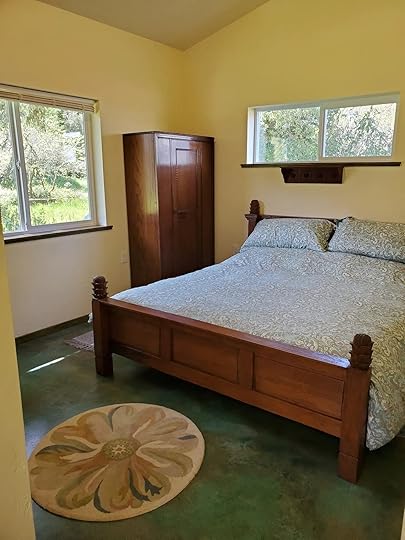
Photo: Airbnb
See more photosStay in this quaint McKinleyville cabin just a half-hour south of Redwoods National Park and enjoy town amenities without sacrificing the natural surroundings you came for. The unit is a cozy studio with epic views and combines the best of boast coastal and interior Northern California — the park is not far away at all.
Four guests, studio
Price: $119 per night

Photo: BlueBarronPhoto/Shutterstock
See more photosSequoia and Kings Canyon National Parks are adjacent to one another, and have terrain every bit as exciting as Yosemite — as well as the largest tree in the world. To explore both, book an Airbnb in Three Rivers and take advantage of short drives to each park, or slightly further in Lemon Cove or Lindsay where there are more options available.
Private downstairs room and bathroom in Rista Ranch home
Photo: Airbnb

Photo: Airbnb

Photo: Airbnb
See more photosStaying on a ranch seems appropriate on a national parks trip. This one outside of Three Kings is a short drive from both Sequoia and Kings Canyon, with opportunities for even more adventure onsite. The host offers guided horseback riding, hiking, and cooking, and even has a Sequoia National Park bed set waiting for you once you arrive.
Four guests, one bedroom
Price: $155 per night

Photo: Airbnb

Photo: Airbnb

Photo: Airbnb
See more photosAny excuse to stay at a tiny house is a good one, more so when that excuse is two nearby national parks. Located in Lindsay, this tiny home has an adjacent fire pit to chill at, with the inside offering loft sleeping above a small kitchen area and lounge space. The nearby town offers amenities including shopping and dining.
Four guests, two bedrooms
Price: $239 per night

Photo: Airbnb

Photo: Airbnb

Photo: Airbnb
See more photosIf you need an excellent surprise date night to follow a day at the parks, this is it. The stay is labeled as a “farm stay” but it’s a full-scale luxury, private accommodation on a working farm. Walk with the animals, cook a romantic meal in the modern kitchen, and stare at the stars on the deck. Date night, all planned out for you.
Two guests, one bedroom
Price: $193 per night

Photo: yhelfman/Shutterstock
See more photosPinnacles National Park is among the state’s three least visited national parks, despite being within a two-hour drive of the Bay Area. It’s a shame this park doesn’t get more attention, given its collection of caves, volcanic rock structures, and incredible hiking. However, this works out well for you, as competition for lodging is far thinner. These are the best Airbnbs near Pinnacles National Park.
Silvio Home at Puma Road Winery
Photo: Airbnb

Photo: Airbnb

Photo: Airbnb
See more photosWine toasts a good day of adventure as well as anything, and there’s plenty of it here at this private home at Puma Road Winery. You’ll be on the heart of the River Road Wine Trail, with room for four to splurge on a road trip experience as memorable as the park itself. This is the perfect spot to spend a couple nights before or after exploring the park, as it’s in close proximity to Salinas and Monterrey, as well as the Bay Area and central coast.
Four guests, two bedrooms
Price: $342 per night

Photo: Airbnb

Photo: Airbnb
See more photosThe closest Airbnb listing to Pinnacle National Park is also the most budget-conscious, coming in at a rate that will allow you and up to three travel companions to splurge on other parts of the trip. Sure, it’s a shared room in a home, but the park is just up the street and you’ll be in the town of Soledad with options for dining, groceries, and last-minute planning before hitting the park.
Four guests, private room
Price: $76 per night

Photo: Airbnb

Photo: Airbnb

Photo: Airbnb
See more photosEast of the park, near Mercy Hot Springs, is this historic “telegraph office” on a working dairy farm. After exploring the park, relax to the sounds of stirring animals, gaze up at the expansive views of the surrounding hills and open sky, and spread out around a campfire. WiFi is provided, as is one queen bed.
Two guests, studio
Price: $202 per night
These 10 Nevada Spots Will Blow Your Kids’ Minds

Plan a trip to the Silver State for the whole family, and you’ll all learn something along the way — not to mention have a blast doing it. From the depths of prehistoric times (wooly mammoths, dire wolves, or ichthyosaurs, anyone?) to cutting-edge edu-tainment, there’s sure to be a Nevada encounter that’ll blow your kids’ minds.
These historic sites and museums are chock full of exciting experiences to capture travelers’ imaginations, young and old. So load up the minivan and let’s go!
1. Pinball Hall of Fame — Las Vegas
Photo: Pinball Hall of Fame
Flashing lights, catchy tunes, and jingling bells may make you think of Las Vegas’s endless banks of slot machines, but this is also the vibe at the Pinball Hall of Fame. A passion project started by pinball lover Tim Lansing, the Pinball Hall of Fame showcases hundreds of machines dating from the 1950s through today. Classic favorites, rare finds, and brand-new games all await in “attract mode,” beckoning players to test their skill. Admission is free, but you’ll want to bring plenty of quarters.
Need another reason to visit? You and the kids can feel proud knowing all those quarters are going to a good cause. The Pinball Hall of Fame is a registered nonprofit, with excess revenue used to support the Salvation Army and local charities.
2. Tonopah Historic Mining Park — Tonopah
Photo: Travel Nevada
In the early 1900s, Jim Butler was searching for his lost burro at Tonopah Springs when he stumbled on a piece of ore that kicked off a century of silver mining and put Tonopah on the map. While there’s no active mining in the park today, the area’s rich history and mining lore will captivate kids and parents alike.
The 100-acre park highlights four of the original mining companies complete with restored mining equipment, plus an underground mining tunnel. At the end of that tunnel, thrill seekers will have the chance to step into a steel viewing cage suspended over a 500-foot-deep mining pit. Choose the self-guided walking tour or — with advance reservation — a guided tour on a Polaris UTV.
3. Discovery Children’s Museums — Las Vegas, Reno
Photo: Travel Nevada
A place where play meets learning, the DISCOVERY Children’s Museum in Las Vegas is sure to inspire future artists, explorers, scientists, and engineers. A family could easily spend a full day perusing the immersive exhibits. Take your youngest learners to Toddler Town, create new hands-on projects using 3D printers and laser cutters in the Discovery Lab, and scale the heights of The Summit (a massive, 12-level, 70-foot tower) while exploring the laws of physics.
And you won’t want to miss Nevada’s largest hands-on science center — the Terry Lee Wells Nevada Discovery Museum in Reno — aka “The Discovery.” Children can unlock clues and secret passwords in Mindbender Mansion, discover art and science in the hands-on project-filled Da Vinci’s Corner, and explore the NASA research and design center.
4. California Trail Interpretive Center — Elko
Photo: Travel Nevada
On the outskirts of Elko lies the California Trail Interpretive Center, an institution that shares the stories of local Indigenous peoples and pioneers who traveled through the area on their journey west. The center is also the starting point for a handful of easy hikes offering stunning views of the Ruby Mountains, South Fork Canyon, and the Humboldt River.
For a fully immersive experience, visit during the annual Trail Days in early summer and enjoy a live reenactment of an 1850s wagon camp.
5. Million Dollar Courthouse — Pioche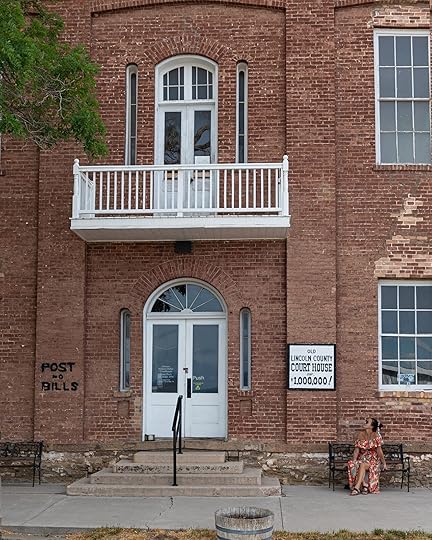
Photo: Travel Nevada
Another town built by miners in the 1860s and ’70s, Pioche quickly developed an outlaw reputation. Its rapid growth — thanks to the abundance of silver ore in its mines — came with a high rate of crime and murder, and the construction of the county courthouse and jail was no less lawless.
Political corruption, combined with outlandish interest rates, allowed construction costs to come in at quadruple the intended budget and left the courthouse saddled with debt. As the silver mines became less lucrative, that debt became harder and harder to repay. When it was finally paid off some 65 years later, the total came to a cool million dollars. Today, the Million Dollar Courthouse is open for tours and gives a gander into the town’s (and Nevada’s) wild past. And, despite the building’s hefty price tag, you can visit for free!
6. Lost City Museum — Overton
Photo: Travel Nevada
The site of the Lost City Museum and the surrounding land in Overton was once home to the first people to live in Nevada. Today, the museum’s collection of petroglyphs, pottery, jewelry, and other artifacts will take you back to prehistoric times. Let your imaginations run wild as you and the kids explore the reconstructed pueblos and Native American pit houses to get a sense of what life was like in the years 200-1200 CE.
7. Springs Preserve — Las Vegas
Photo: Travel Nevada
Just west of Downtown Las Vegas, Springs Preserve is a collection of museums, art galleries, and botanical gardens that exhibit Nevada’s natural and cultural history. Snap a family photo standing next to a Shonisaurus popularis — aka ichthyosaur, which happens to be Nevada’s state fossil — or view an atomic explosion at the Nevada State Museum, Las Vegas. Head to Boomtown 1905 for a peek into Las Vegas’s glamorous past, or hit the trails (or the rails) and delve into the preserve’s 110 acres of native habitats, home to iconic Nevadan plants and animals.
8. Nevada State Museum — Carson City
Photo: Travel Nevada
Housed in a piece of living history, the intrigue of the Nevada State Museum Carson City starts with the building itself. A former US Branch Mint, this historic facility is where silver from the Comstock Lode was minted into coins.
Inside, the stories stretch a bit further. You’ll start with the prehistoric — a wooly mammoth fossil discovered in the Black Rock Desert — then investigate Nevada’s mining past, and finally arrive at the present with exhibits showcasing modern state residents like bighorn sheep and sage grouse.
9. The Mob Museum — Las Vegas
Photo: The Mob Museum
Founded by former mayor of Las Vegas and mob defense attorney Oscar Goodman, The Mob Museum offers a real-life look at the history of organized crime — from an insider’s point of view. Interactive exhibits like a crime lab, a firearm training simulator, and an actual distillery help illustrate the story.
Note: While some exhibits might be better suited to teens and adults, children are welcome with a parent.
10. Nevada’s Railroad Museums — Boulder City, Ely, Carson City
Photo: Travel Nevada
The railroad was key to the settlement of the West, and Nevada was no exception. Today, riding the state’s historic railways is one of the most exciting ways to learn about its history.
At the Nevada State Railroad Museum Boulder City, a ride on a refurbished Pullman Coach teaches you about the Boulder Branch line and the railroad’s role in the construction of the Hoover Dam. Let your imagination take you through a day in the life of an employee of the East Ely Railroad Depot Museum as you look at actual payroll ledgers and ticket stamps. This is one of the best-preserved historic railyards in the country. And don’t miss the story of the Virginia Truckee Railroad and how it turned Nevada into the “Silver State,” as told at the Nevada State Railroad Museum Carson City. Be sure to opt for a ride on one of the oldest operating steam engines.
C’mon kids, all aboard for some awesome family vacation memories in Nevada!
April 24, 2023
The 7 Best Historical, Artsy, and Quirky Museums in Berlin

Berlin is the capital city of Germany, dating to the 1300s. It was initially a small town but eventually became the capital of the former Kingdom of Prussia. Of course, it’s most well-known for its role in the 20th century when it became the center of world events during the first and second world wars. The city was heavily damaged during WWII and was subsequently divided into two halves: East Berlin was controlled by Russia, and West Berlin became an enclave of freedom controlled by the Allied forces.
The division of Berlin was symbolized by the construction of the Berlin Wall in 1961, which divided the city for 28 years until it was torn down in 1989. The fall of the Berlin Wall marked the beginning of a reunified Germany, and Berlin regained its capital status in 1990. Today, the wall is almost entirely removed, and many Berlin museums have art-covered sections of it in their collections.
Today, the city is a popular tourist destination, and the best museums in Berlin show off the city’s fascinating past and creative and lively current culture. If you haven’t been to the city before, these are the seven museums in Berlin you won’t want to skip.
Map of Berlin’s best museumsDetails on using the Museum PasThe 7 best museums in BerlinWhere to stay in BerlinWhere to find the best museums in BerlinVisitors to Germany planning to visit the top sights in Berlin may want to purchase a “Welcome Card.” The Berlin Welcome Card includes unlimited travel on public transport in the city, including buses, trains, trams, and the metro, and provides discounts at more than 200 attractions and museums across the city. The discounts range from 25 to 50 percent off the regular cost of admission and the card comes in various configurations depending on what you want to see and how long you want to stay.
The Berlin Museum Pass
Photo: Emilio JoseG/Shutterstock
If you’re planning to visit a few museums in Berlin, consider buying the Berlin Museum Pass. The pass includes admission to more than 30 different museums and attractions in the city, including museums in Berlin like the the famous Museum Island, the Berlinische Galerie, the Jewish Museum, and many more.
The pass is available in durations ranging from three days to two weeks and allows you to skip all the lines. Buying a pass is cheaper than paying for separate admission tickets, and it comes with a guidebook about museums in the city, including hours, museum highlights, and more. Some museums also include audio tours free for museum pass holders.
Prices range from 29 Euro (about $32) for adults and €14.50 (about $15.50) for kids for a three-day pass, all the way to €69 for adults (about $78) and €34.50 (about $37) for kids for a two-week pass.
Museum Island BerlinPhoto: Rudy Balasko/Shutterstock
Museum Island is a collection of five world-renowned museums on an island in the Spree River. The island was named a UNESCO World Heritage Site in 1999.
The idea for Museum Island was born in the early 19th century, and it quickly gained support from the city’s leaders. Four of the five museums in Berlin on the island are housed in historic buildings dating from 1830 (the Altes Museum, or Old Museum) to 1930 (the Pergamon Museum). In addition to the Old Museum and the Pergamon Museum, Berlin’s Museum Island is home to the Neues Museum (New Museum), the Alte Nationalgalerie (the Old National Gallery), and the Bode Museum.
The island is home to some of the world’s most famous ancient artifacts, including the Pergamon Altar, the Ishtar Gate, the bust of Queen Nefertiti, and Rodin’s “The Thinker.”
One ticket is good for admission to all five museums. Tickets do sell out, so buy them in advance online. Ticket prices do not include guided tours or audio guides, which have an extra fee.
Address: Museumsinsel Berlin, Bodestraße 1-3, 10178 BerlinHours of operation: Daily, 10 AM – 6 PMCost: Adults are 19 Euro (about $21), students are €9.50 (about $11), children under 18 are free.Berlin Puppet Museum
Photo: Dziurek/Shutterstock
The Puppentheater Museum (Puppet Theater Museum) is a unique museum dedicated to the art of puppetry. It was founded in 1966 by puppeteer Hans-Jürgen Fettig. Fettig had a lifelong passion for puppetry and wanted to create a space where he could share his love for the art form with others. The museum has since grown to become one of the most important puppetry museums in Europe, with a collection of over 8,000 puppets from all over the world – though not all are on display, of course.
Tours for kids and families are very hands-on and the museum offers puppet making workshops, storytelling, and puppetry performances throughout the year. The museum displays are in German and English, but only some events are English-specific. It’s one of the best museums in Berlin for kids who are tired of the usual science and history museums.
Address: Karl-Marx-Straße 135, 12043 BerlinHours of operation: Tuesday – Sunday, 2 PM – 6 PM (shows are in the mornings)Cost: Adults are €3 (about $3.50), children are €2.50 (about $3). Performances are €5 (about $5.50) per person.Berlin Jewish Museum
Photo: Diego Gorzalczany/Shutterstock
The Berlin Jewish Museum is in Berlin’s Kreuzberg District, which was a center of Jewish life and culture in the city pre-WWII. The Jewish Museum in Berlin opened in 2001 but was first conceived in the 1970s as a way to preserve stories and histories of Jews in Germany to share with the world.
The building’s design is based on a number of complex and interconnected geometrical shapes meant to mirror the history of Jews in Germany. The building’s most distinctive feature is its zinc-coated façade with a series of angular, sharply angled lines, evoking the Star of David. The building also features a large courtyard surrounded by concrete walls inscribed with the names of German Jews killed during the Holocaust.
The museum has a collection of over 10,000 objects, including artwork, photographs, and personal belongings of Jewish people who lived in Germany. The museum is also home to the Academy of the Jewish Museum , which offers courses and workshops on Jewish history and culture. You can reserve a time slot online.
Address: Lindenstr. 9–14, 10969 BerlinHours of operation: Daily, 10 AM – 7 PM. Last admission at 6 PM.Cost: Most exhibits are free, special exhibits are €8 (about $8.50). The first Sunday of every month is free.Berlin Natural History Museum
Photo: Pani Garmyder/Shutterstock
The Museum für Naturkunde Berlin, also known as the Natural History Museum, is one of the largest and oldest natural history museums in Germany. It was founded in 1810 and has been in its current building in Berlin’s Mitte district since 1889.
The museum’s collection includes over 30 million specimens, including fossils, minerals, and animal specimens from around the world. The museum is also home to the world’s largest mounted dinosaur skeleton: a Brachiosaurus more than 32 feet tall — and an extensive collection of meteorites.
The museum is huge and has an audio guide you can run from your phone to help you navigate around the large space. This is the kind of place where you may spend the entire day, especially if you’re keenly interested in the natural world. All exhibits and attractions are in German and English, as well as several other languages.
Address: Invalidenstraße 43, 10115 Berlin, GermanyHours of operation: Tuesday – Friday, 9:30 AM – 6:30 PM; Saturday and Sunday, 10 AM – 6 PM. Last admission 30 minutes before closing. Closed Mondays.Cost: Adults are €8 (about $8.50), kids are €5 (about $5.50), family tickets are €15 (about $17)Topography of Terror
Photo: MagMac83/Shutterstock
The Topography of Terror Berlin explores the history of Nazi terror and the crimes committed by the Nazi regime during World War II. It’s on the site of the former Gestapo headquarters. The museum’s outdoor exhibition includes remnants of the original buildings, including fragments of the basement cells where prisoners were held and tortured.
The museum is relatively new (opened in 2001) and has permanent exhibitions that include photographs, documents, and personal stories of victims, as well as displays on the rise of the Nazi Party, the concentration camps, and the Holocaust.
Visitors can explore the many different aspects of this dark period in history, including the role of the Gestapo and other Nazi organizations, the persecution and murder of Jews and other minorities, and the resistance movements that emerged in response to Nazi terror. It’s heavy, but it’s a really well-done and interesting museum, especially if you’re keen to learn about German (and international) history.
Guided tours are complimentary throughout the day and available in English and German. Audio guides are also free and available in more than a dozen languages.
Address: Niederkirchnerstraße 8, 10963 BerlinHours of operation: Daily, 10 AM – 4 PMCost: No feeMuseum of Letters
Photo: Mo Photography Berlin/Shutterstock
The Buchstaben Museum (Museum of Letters) is one of the more unique museums in Berlin, dedicated to preserving and showcasing vintage signage from across the city. The museum has more than 200 individual letters and symbols from various shops, bars, and other businesses throughout Berlin.
The building was originally used as a factory for manufacturing women’s clothing, and was designed by the renowned Berlin architect, Wilhelm August Boeckmann. After the factory was closed, the building was used for various purposes (none of which lasted) before becoming the museum – fitting, given its industrial roots.
The interior has a clean and minimalist design, which allows the individual letters and symbols in the collection to stand out. It’s one of the more surprisingly interesting museums in Berlin.
Address: Stadtbahnbogen 424, 10557 BerlinHours of operation: Thursday – Sunday, 1 PM-5 PMCost: Adults are €12 (around $13), students are €6.50 (around $7.50), children 14 and under are freeHamburger Bahnhof Museum
Photo: Claudio Divizia/Shutterstock
Hamburger Bahnhof is a contemporary art museum housed in a former railway station from the mid-19th century. The building was designed by the renowned architect Friedrich Neuhaus and opened in 1846 as the terminus for the Berlin-Hamburg railway line. It was used for passenger traffic until 1884 and freight traffic until 1904 before it closed entirely. For a while, the Berlin State Museums stored collection items there, but it was eventually turned into a contemporary art museum in the 1990s. It’s also the only train station in Berlin from that time period.
The Hamburger Bahnhof collection includes works from some of the most important contemporary artists in the world, including Andy Warhol, Joseph Beuys, and Anselm Kiefer. You can buy tickets at the window, but you might as well buy them in advance to avoid a wait if you know when you want to go.
Address: Invalidenstraße 50 – 51, 10557 BerlinHours of operation: Tuesday – Friday, 10 AM – 6 PM; Saturday and Sunday, 11, AM – 6 PMCost: Adults are €10 (around $11), students are €5 (around $5.50), children 17 and under are freeWhere to stay in Berlin
Photo: Pani Garmyder/Shutterstock
Berlin has many great neighborhoods, each with its own unique vibe and attractions. Mitte is a central neighborhood perfect for exploring historical landmarks and trendy cafes, while Kreuzberg is an artistic and affordable neighborhood with a multicultural atmosphere and bustling nightlife. Neukölln is an up-and-coming, less-touristy neighborhood, Prenzlauer Berg is trendy and stylish, and Friedrichshain has a bit of an alternative vibe with budget-friendly accommodation options. But Berlin is a huge city, so the most important factor may just be how close your hotel is to public transportation.
Of course, there are also tons of cool Airbnbs if you prefer a more local experience.
We hope you love the spaces and stays we recommend! Just so you know, Matador may collect a small commission from the links on this page if you decide to book a stay. Listed prices are accurate as of the time of publication.
URBAN LOFT BerlinView this post on Instagram
A post shared by URBAN LOFT Berlin (@urbanloftberlin)
Urban Loft Berlin offers loft-style rooms and apartments with an industrial design aesthetic. It used to be a factor and now has cool social areas, like a co-working area and screening room. The on-site restaurant has pre-packaged breakfast boxes, coffee bar, and a menu with plenty of vegan and vegetarian options throughout the day. There’s also a rooftop bar and a co-working area, and it’s only a 10-minute walk to Berlin’s central train station. Rates start around $100 per night in the off-season.
CALMA Berlin MitteView this post on Instagram
A post shared by CALMA Berlin Mitte (@calmaberlinmitte)
Hotel Calma Berlin Mitte is a three-star hotel in the Mitte neighborhood of Berlin, which is known for its history, culture, and shopping. The hotel is housed in a modern building, but it’s surrounded by buildings with a rich history, including the Berlin Wall Memorial and the former Stasi headquarters. It’s one of the most highly rated small hotels in Berlin and a great value given the stellar location. Rates also start around $100 per night.
Orania.BerlinView this post on Instagram
A post shared by Orania.Berlin (@orania.berlin)
Orania.Berlin is in central Kreuzberg, just a short walk from popular bars, restaurants, and nightlife spots. It’s also close to several of the most popular museums in Berlin, including the Jewish Museum, and historical sites like Checkpoint Charlie. The hotel is housed in a beautifully restored early 20th-century building that was once a dance hall, a jazz club, and then a cinema. The building’s historic charm has been preserved and combined with modern design elements. It’s a great pick for a unique hotel in Berlin. Rates start around $220 per night.
The Best Festival Every Month in Tokyo, Japan

Many travelers head to Tokyo, Japan, for the colors: the bright yellow and white lights of the delightfully hectic Shibuya crossing, the rich reds of lanterns and tapestries at Tokyo’s temples, and the bright pinks and purples of flowers on the grounds of the city’s many historical sites. And if that culture of color appeals to you, you’ll definitely want to schedule your trip to coincide with one of the many festivals in Tokyo below.
Many of Tokyo’s festivals have been held for centuries and are an excellent way for visitors to experience traditions tied to Japan’s Shinto religion, which places a great deal of emphasis on the natural world and its connection to human beings. The festivals also celebrate art, music, and the ways in which Japan’s ancient culture connects to modern day.
These are the best festivals in Tokyo to attend every month — though it’s not a complete list. However, you can find an ongoing list at JapanTravel.
Pro tip: many festivals in Tokyo include traditional kabuki performances, but don’t worry if you don’t speak Japanese. They’re designed to be easy to understand and are mostly about the dress and dance, so it doesn’t really matter if you don’t understand the dialogue.
January: Coming of Age Day
Photo: Morumotto/Shutterstock
Coming of Age Day is a national holiday in Japan that celebrates young people who have turned 20 in the last year (20 marks the age of adulthood in Japan). In Tokyo, the ceremonies are held at the Shinjuku and Shibuya Ward offices and are some of the biggest ceremonies in the city. 20-year-olds will dress in traditional kimonos or suits, take commemorative photos, and attend speeches by local officials.
If you’re near either of the festival locations, it’s totally fine for visitors to walk over and watch the ceremonies, which are sometimes followed by live music. And if you’re anywhere in Tokyo around that time, you’ll probably notice photoshoots and large gatherings of young adults. This would be a good time to learn the Japanese word for “Congratulations” (it’s “omedetō gozaimasu”).
Usually held: Second Monday of JanuaryLocation: Ceremonies are at civil offices, but celebrations are throughout the cityFebruary: SetsubunView this post on Instagram
A post shared by Tadateru Noda (@tksnated)
Setsubun is an annual festival in Tokyo celebrating the beginning of spring, and is more commonly known as the “bean-throwing festival.” During the festival, people perform a ceremony called mamemaki, in which they throw roasted soybeans while shouting “Oni wa soto! Fuku wa uchi!” (meaning “demons out, good luck in”). Traditionally, it was believed to drive away evil spirits and bring good luck for the new year.
Fortunately, this is one of the easiest festivals in Tokyo for visitors to participate in. At sites like Sensoji Temple, the Zojoji Temple, the Meiji Shrine, the Ikegami Honmonji Temple, or the Kanda Myojin Shrine, visitors can buy small bags of soybeans (called “fuku mame”) and throw them with the crowd to drive away evil spirits and bring good luck. At some of the bigger celebrations, you’ll even see children dressed up in spirit masks and costumes.
Usual held: February 3 or 4Location: Across the city, but Zojoji Temple has an especially large celebrationMarch and April: Cherry Blossom Festivals
Photo: f11photo/Shutterstock
The history of the Cherry Blossom Festival dates to the 8th century, when Japanese aristocrats would gather to admire the beauty of the cherry blossoms and hold picnics underneath the trees. Over time, the tradition spread to the general public, and now the festival is celebrated by people of all ages and backgrounds. One of the most famous places to see cherry blossoms in Tokyo is Ueno Park, which has more than 1,000 cherry trees and transforms into a sea of pink blossoms in late March and early April.
The Ueno Cherry Blossom Festival is one of the biggest and most crowded in all of Japan, so it’s best to book your hotel rooms in advance. The problem is that the exact dates change from year to year, so you kind of have to guess when it’ll be happening and just hope you’re correct (or stay near Tokyo for a few weeks). Ueno Park, as well as many others in the city, will have extra food vendors, live music, events, and other outdoor offerings to celebrate the season.
You can easily get to Ueno Park from anywhere in Tokyo. It’s on the Yamanote Metro Line, four stops from Tokyo Station. Many people also rent boats at Chidorigafuchi Park during the festival, since the river is lined with cherry trees on either side.
Usually held: late March into mid-AprilLocation: Ueno Park has the biggest celebrationMay: Kanda Matsuri
Photo: Pierre Jean Durieu/Shutterstock
Every two years (on odd-numbered years), Tokyo celebrates the Kanda Matsuri, or the ‘Kanda Festival.’ The festivities take place over several days and involve colorful processions and parades that wind their way through the streets of the capital city. The event highlight are the two mikoshi (portable shrines), proceeded by vibrant teams of dancers, musicians, and chanting worshippers. Mikoshi are made from wood, bamboo, paper, and lacquer and feature intricate carvings and often topped with gold-plated decorations. Carrying mikoshi is said to bring good luck to those who take part in raising them up during the procession.
Along with traditional music and purification ceremonies, visitors can also try food like takoyaki (octopus dumplings), kushikatsu (fried skewers), and yakisoba (stir-fried noodles) from vendors lining the streets. In Tokyo, the parade takes place in the neighborhood around Kanda-jinja Shrine. There’s also a mini-ceremony held on even years, but shoot for an off year if you want to see the full celebration.
Usually held: Around May 15Location: Around Kanda-jinja ShrineJune: Sanno Matsuri
Photo: kadinugraha/Shutterstock
Sanno Matsuri is another of the biggest festivals in Tokyo and takes place in mid-June. The festival has performances, workshops, and parades over a two-week period, but the parade is the best single event. It’s known for the precession of mikoshi, horses, and other traditional Japanese elements. Participants dress in colorful traditional costumes and chant and play instruments like drums and shamisen (Japanese lutes).
The parade starts at Hie Shrine and makes a loop south of Chiyoda City, stopping at the Imperial Shrine and Nihonbashi Hie Shrine (among other sites) before returning to Hie Shrine in the evening. That’s the best time and place to witness the festival, since the evening brings performances like traditional dance and drumming. Also at Hie Shrine is a huge loop made from straw. Jumping through it is supposed to cleanse you of sins, so it’s probably worth waiting in line if you’ve got anything weighing you down.
The festival happens every other year on odd-number years.
Usually held: Middle two weeks of JuneLocation: neighborhoods south of the Imperial PalaceJuly: Mitama MatsuriView this post on Instagram
A post shared by The Economist (@theeconomist)
Mitama Matsuri is a festival at Yasukuni Shrine focused on honoring and remembering the dead — though it’s best known for the thousands of lanterns illuminated at night. It’s somber but beautiful, and only lasts for four days, so schedule your trip for mid-July if you want to see it.
At the festival, there are usually 10,000 lanterns in the outer shrine and another 20,000 in the inner shrine. They’re lit around 6 PM, but it’s best to go after 7 or 8 PM once the sun has set and the lanterns stand out even more. There are usually activities going on during the day at the shrine, too, like musical performances and art exhibits. Yasukuni Shrine is about a five-minute walk from Tokyo’s Kudanshita metro station.
Usually held: Second week of JulyLocation: Yasukuni ShrineAugust: Asakusa Samba Festival
Photo: Kobby Dagan/Shutterstock
The Asakusa Samba Festival is an annual festival in the Asakusa District and is certainly one of the liveliest in the city. The festival is one of the biggest samba events outside of Brazil, with an energetic and colorful parade featuring samba dancers, floats, and musicians.
The festival started in 1981 as a small event organized by a group of Japanese samba enthusiasts who were inspired by Carnival in Rio de Janeiro and wanted to celebrate the same in Tokyo. It’s grown quite a bit since then, and now attracts around 500,000 visitors annually.
The parade begins at Umamichi-dori Avenue and winds through the streets of Asakusa, passing famous landmarks such as the Senso-ji Temple and the Kaminarimon Gate. It’s extremely energetic and fun, and visitors are encouraged to watch and participate — it’s not at all limited to just locals. In addition to the parade, there are always vendors and food and drink stalls, performances by samba bands and modern DJs, dance performances, and more.
Usually held: Last Sunday in AugustLocation: Asakusa DistrictSeptember: Tokyo Game ShowView this post on Instagram
A post shared by マコベツ 川島 アニタ (@mako9172)
Tokyo Game Show isn’t “game show” like “Jeopardy” or “Wheel of Fortune.” It’s “game show” as in a show of games — video games, specifically. It’s sort of like the US’s Comic Con conventions in size, but it’s focused on gaming only.
The four-day event is a place for industry insiders to connect and learn about the latest and greatest tech, but it’s open to the public on the weekend. There are huge displays and exhibits from video game companies, game demos and photos opportunities, virtual reality experiences, Q&A sessions with game designers, e-sports tournaments, live music, and more.
Dressing up is also a big part of Tokyo Game Show, and people go all-out, especially when it comes to Anime-inspired costumes. Tickets usually go on sale on July.
Usually held: Third weekend of SeptemberLocation: Makuhari Messe (Chiba City convention center)October: Tokyo International Film FestivalView this post on Instagram
A post shared by 東京国際映画祭|TIFFJP (@tokyo_intl_film_festival)
The Tokyo International Film Festival (TIFF) is an annual film festival that started in the1980s and has become one of the most important film events in Asia. That’s especially true in the last few years as more and more films from countries like Korea and Japan have gone mainstream in Hollywood. It’s one of the longer festivals in Tokyo, running for 10 days in October and showing both international and Japanese films.
The International Competition section is the festival’s main event, featuring a selection of the best films from around the world competing for the Tokyo Grand Prix. Films that have been shown at the festival include “Parasite” (which won Best Picture at the 2020 US Academy Awards), “Shoplifters” (which won the 2018 Palm D’or at the Cannes Film Festival), and La La Land, the Martian, and Inception, all of which showed at TIFF before they were released in the US.
There’s a lottery to buy presale tickets, but otherwise, you can buy them during the festival based on what movies you want to see.
Usually held: Last two weeks of October (sometimes into November)Location: Various locations, but always near Metro stationsNovember: Tokyo Jazz FestivalView this post on Instagram
A post shared by TOKYO JAZZ (@tokyojazzfestival_official)
The Tokyo Jazz Festival is actually a series of events around the city every November. The main attractions are the shows, and many are free, though others are at smaller, more intimate venues and require tickets. Artists include both international and domestic jazz musicians, with a focus on how diverse the genre can be. Acts also include artists that fuse jazz with other musical styles, include avant-garde acts and new artists performing for the first time. Notable past performers include Herbie Hancock, Wayne Shorter, Chick Corea, Esperanza Spalding, and Cassandra Wilson.
The main stage is at the Tokyo International Forum but shows take place around the city. The festival also includes workshops, music classes, jazz film screenings, and music-inspired photography and art exhibitions. Tickets are available online and usually go on sale around mid-May.
Usually held: Last week of NovemberLocation: Tokyo International Forum (near Yūrakuchō Station)December: Tokyo Christmas Market
Photo: MAHATHIR MOHD YASIN/Shutterstock
Tokyo Christmas markets are annual events in different locations throughout the city. They’re basically Tokyo’s version of Bavaria’s famous Christmas markets, with a festival atmosphere, holiday decorations, lights, music, food and drink stalls, and plenty of wooden stands selling unique gifts and seasonal treats like hot wine and German-style pastries.
The most popular Tokyo Christmas Market is in Hibiya Park. It typically opens in late November and runs through late December. There’s also a popular one in Tokyo Midtown, a shopping and entertainment complex in Roppongi. “Midtown Christmas,” as it’s called, has more than 100 stalls, the “Midtown Lights” light display, and plenty of mulled wine. But you’ll also find mini-markets across Tokyo, most of which include live music, ice skating, and photo ops with Santa Claus.
Usually held: Last week of November through Dec 24Location: Hibiya Park is the main oneWhere to stay in TokyoTokyo is a large city but it has a very efficient public transportation program, so it’s easy to get around. Metro announcements and signage are in Japanese and English, and the trains are extremely organized and efficient. So don’t worry too much about your hotel’s location. Japan’s speedy bullet train system makes it easy to get around various cities, so you don’t need to rely much on rideshares or taxis while you’re in the country.
While there are great hotels in Tokyo, there are also really cool Airbnbs in Tokyo, if home rentals are more your vibe.
We hope you love the spaces and stays we recommend! Just so you know, Matador may collect a small commission from the links on this page if you decide to book a stay. Listed prices are accurate as of the time of publication.
Hotel & Spa J Mex
Photo: Expedia
Hotel & Spa J Mex is in the city’s Shinjuku District and is very close to entertainment and nightlife, making it a great place to stay if you’re attending festivals in Tokyo and want to stay somewhere equally exciting. Depending on who you ask, it could be considered a “love hotel” — which actually makes it a pretty fun place for couples to stay for a few nights, especially if they want to experience Tokyo’s modern culture. Rooms start around $140 a night, and it’s adults-only, obviously.
Hyatt Regency TokyoView this post on Instagram
A post shared by ハイアット リージェンシー 東京 (@hyattregencytokyo)
Okay, a Hyatt isn’t the most exciting hotel to stay in, but this particular one has a lot going for it. It’s near Shinjuku attractions like the Golden Gai and Shinjuku Gyoen National Garden, and there are five on-site restaurants to grab a bite if you’re tired after spending all day in the city. Book a room on the top floor, and you may be able to see Mount Fuji on a clear day. Rooms start around $200.

Photo: Expedia
For a five-star, luxury experience near the Imperial Palace, The Peninsula Tokyo should fit the bill. Rooms are modern and posh with hints of traditional Japanese design elements, and there’s a highly rated on-site spa. It’s also very close to Tokyo Station and has an airport shuttle, which makes it a good pick for your first or last stop in the country. Nothing about it is cheap, however: rates start around $1,600 a night.
These Airbnbs Near Knott’s Berry Farm Put You Close To Legendary Coasters

What was once a humble berry kiosk has skyrocketed into a heart-thumping amusement destination with the biggest rides in SoCal. While Disneyland and Universal Studios Hollywood should feature on everyone’s theme park bucket list, Knott’s Berry Farm takes the biscuit for the adrenaline seekers out there. Maximize your stay by choosing accommodation close to Buena Park and Anaheim. Thirty minutes or less from the amusements, these thrilling Airbnbs near Knott’s Berry Farm bring the theme park to your backyard.
Traveling to California? Check out Matador’s California accommodations guides: These beautiful San Diego Airbnbs put you close to the beach and downtown The best 14 Airbnbs near Yosemite National Park 11 magical Airbnbs near Redwoods and Sequoia National Parks 9 dreamy oceanfront Airbnbs up and down the California coast 10 soulful beach Airbnbs for the perfect SoCal yoga retreat 12 very zen Joshua Tree Airbnbs perfect for families and groups These Airbnb stays near Disneyland offer an easy group vacation
We hope you love these spaces Airbnbs near Knotts Berry Farm! Just so you know, Matador may collect a small commission from the links on this page if you decide to book a stay. Listed prices are accurate as of the time of publication.
Pirate-themed Anaheim Airbnb for families and groups
Photo: Airbnb

Photo: Airbnb

Photo: Airbnb

Photo: Airbnb

Photo: Airbnb
See more photosAvast, ye; with a crash pad like this, you’ll barely need to splash out on amusement park tickets. The yard contains such booty as a playground, a mini golf course, and a heated pool with safety gates for smaller mateys. If rain strikes, head indoors for billiards, table tennis, and arcade games. Fully toddler-proof, the rental comes equipped with a crib, baby gates, baby bath, and beyond. Knott’s Berry Farm, Disneyland, and Downtown Anaheim are each a 10-minute drive from the property.
Eleven guests, four bedrooms
Price: $930 per night

Photo: Airbnb

Photo: Airbnb

Photo: Airbnb

Photo: Airbnb
See more photosLocated in Buena Park within hearing distance of the historic coasters, this is one of the Airbnbs closest to Knott’s Berry Farm. Freshly added to the platform for Disney’s anniversary year, the three-bedroom property includes a gourmet fitted kitchen with a diner overlooking the patio. The backyard features a swimming pool for cooling down after a day at the theme park. A fine pick for a group of friends, the rental includes free parking and the use of an EV charger.
Six guests, three bedrooms
Price: $425 per night

Photo: Airbnb

Photo: Airbnb

Photo: Airbnb

Photo: Airbnb
See more photosLovely for a couple or small family, this custom treehouse in Brea is 25 minutes from Knott’s Berry Farm and Disneyland. The bedroom, kitchenette, and canopy roof deck occupy the main building while the outdoor bathroom is handy for an evening of s’mores around the fire pit. Not only is the structure a work of art, but it’s all set for the needs of the modern traveler with blazing Wi-Fi and air conditioning. And, why roll out of bed when you can take the slide?
Three guests, one bedroom
Price: $165 per night
Photo: Airbnb

Photo: Airbnb

Photo: Airbnb

Photo: Airbnb

Photo: Airbnb
See more photosIt can be tricky to usher the kids to bed when they’re gripped with pre-park giddiness. Fortunately, the Wendy house bunk bed and Disney decor at this luxury family villa make the job easier. During the day, guests of all ages can burn up leftover energy with the swimming pool floats, games room, and ball pit. Eagle-eyed travelers will note that bedrooms are themed as per California attractions. Accommodating upwards of 16 guests, this is one of the best Airbnbs near Knott’s Berry Farm for larger groups.
Sixteen+ guests, eight bedrooms
Price: $722 per night

Photo: Airbnb

Photo: Airbnb

Photo: Airbnb

Photo: Airbnb
See more photosMinutes from Knott’s Berry Farm, Disneyland, and Medieval Times, this luxury vacation rental gives you all the trappings of a hotel plus the added perk of privacy. Swim laps in the black bottom pool, work out in the fitness suite, and craft your own spa experience in the Jacuzzi tub. The modern kitchen contains every utensil needed to rustle up a family banquet – or reheat take-out from Fullerton’s awesome restaurants. To top it all off, the full-size basketball court doubles up for a game of soccer.
Eight guests, three bedrooms
Price: $445 per night

Photo: Airbnb

Photo: Airbnb

Photo: Airbnb

Photo: Airbnb
See more photosImmaculately presented, this single-story ranch home seamlessly fuses together its cooking, dining, and living areas. Strike a pose in front of the Instagrammable florals before HangTime wrecks your hair and spend evenings battling over rounds of air hockey. Disney fanatics will be charmed to see a sequence of canvases depicting scenes from the classic movies, painted by the Californian artist William Thomas Kinkade. The yard of this Fullerton rental features a pond and a waterfall.
Nine guests, three bedrooms
Price: $696 per night

Photo: Airbnb

Photo: Airbnb

Photo: Airbnb

Photo: Airbnb
See more photosBright and cheerful, waking up in this ray of sunshine will put a spring in your step before you hit the rapids. Make a beeline for the coffee station in the morning where you can take your pick from a Keurig coffee machine, drip, pour-over, or French press. A fire pit brings evening ambiance to the patio while younger travelers keep busy with throwback toys or piling into the bunk room to watch a Disney movie. There’s parking for two vehicles plus an EV charging dock.
Eight guests, three bedrooms
Price: $440 per night

Photo: Airbnb

Photo: Airbnb

Photo: Airbnb

Photo: Airbnb
See more photosLocated in Whittier, this vacation villa with a private pool is 30 minutes from both Knott’s Berry Farm and Downtown Los Angeles. Providing an equal ratio of indoor and outdoor living, the vacation let comprises four bedrooms, three bathrooms, and a sizable kitchen. The hot tub drips in the heated pool with a basketball hoop for post-park playtime. Those planning a longer stay will appreciate the balcony gym and home office.
Six guests, four bedrooms
Price: $836 per night

Photo: Airbnb

Photo: Airbnb

Photo: Airbnb

Photo: Airbnb
See more photosThis roar-some rental near Knott’s Berry Farm for families brings a touch of the Serengeti to Orange. Life-size animals are strewn across the playground, best spotted from the electric toy cars and trucks. Once you head inside, the experience gets all the wilder with a games room buried among jungle foliage. Designed specifically for families with kids, the home is equipped with all the essentials. The driveway accommodates six cars and the theme park is 15 minutes away.
Eleven guests, three bedrooms
Price: $766 per night

Photo: Airbnb

Photo: Airbnb

Photo: Airbnb

Photo: Airbnb
See more photosBecause nobody is ever too old for a circuit on GhostRider, this cute bungalow in Fullerton is ideal for a couples’ getaway. Echoing a classic English cottage, the home is dressed with countrified furnishings. Basic cookware includes a coffee maker and microwave while there’s a grill on the secluded patio beneath the citrus trees. Ten minutes from Knott’s Berry Farm, the unit is also convenient for getting onto local cycling trails and zipping up to Los Angeles.
Two guests, one bedroom (studio)
Price: $168 per night

Photo: Airbnb

Photo: Airbnb

Photo: Airbnb

Photo: Airbnb
See more photosPerhaps the most unusual Airbnb near Knott’s Berry Farm, this spooky dwelling provides immersive lodging. Don’t be alarmed if you hear ghostly goings-on during the night – it’s probably just the ghoulish illusions. In addition to the four velvet-clad bedrooms, the Haunted Mansion-themed rental has a full kitchen plus a hidden chamber for board games or maybe a seance. Head out to the sunny backyard for light relief with the private hot tub, putting green, and cornhole.
Eight guests, four bedrooms
Price: $679 per night
See the Cherry Blossoms Bloom From Your Room at This South Korea Hotel

If you’re looking for a cozy and comfortable holiday home in South Korea, where you can get a prime view of the cherry blossoms, it doesn’t get much better than Bestondo. Especially if you need a break from the bustle of Seoul. Located in Seo-myeon, a town that’s famous for its stunning beaches and cherry blossoms, Bestondo offers a holiday experience that’s part beach, part flower-watching, that’s hard to find elsewhere.
One of the best features of Bestondo holiday home is the outdoor space. The property is surrounded by a lush garden that provides plenty of shade during the hot summer months. You can enjoy your meals outside, relax on the deck chairs, or even have a barbecue. And you’ll have perfect views of the cherry blossoms without even having to leave your room.
@epic.stays This hotel room in #Korea has an incredible view of the blooming cherry blossoms
Bestondo "적정온도" Holiday Home in #SouthKorea
IG: @1amny #traveltiktok #koreatravel #southkorea
#cherryblossoms #hotelview ♬ until i found you – sped up audios
Indeed, Seo-myeon is well-known for its stunning cherry blossoms. During springtime in early April, the town is transformed into a beautiful pink paradise as the cherry blossom trees come into full bloom. The blossoms are a symbol of renewal and hope in Korean culture, and the townspeople embrace the beauty of the season by hosting many spring festivals and events.
Seo-myeon is the perfect destination if you’re looking for a peaceful escape from the city. The town is known for its stunning beaches, crystal-clear waters, and charming cafes and restaurants. You can spend your days soaking up the sun on the beach, exploring nearby nature reserves and parks, or just relaxing at the local cafes with a book. Seo-myeon also has plenty of adventure options, like water sports, hiking trails, and bike rentals. The town is close to many other attractions, too, such as the Jimjilbang (Korean public bath), national parks, and scenic islands.
Matador Network's Blog

- Matador Network's profile
- 6 followers

